What Vermont Dog Owners Should Know About Black Bears Around Trails, Campsites, And Rural Homes
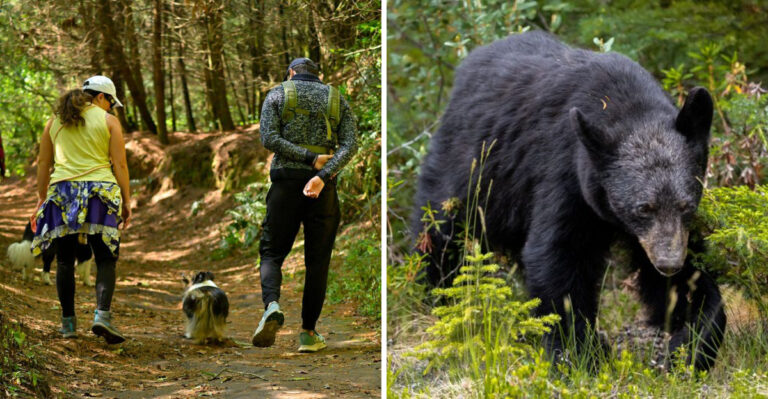
If you hike, camp, or live in rural Vermont with a dog, black bears are part of the landscape. Most encounters stay calm when people manage food well and keep dogs close.
A few smart habits can lower stress for you, your dog, and the bear. Here is the practical guidance Vermont dog owners should know before the next walk, weekend campout, or late-night yard trip.
Keep Dogs Close on Vermont Trails
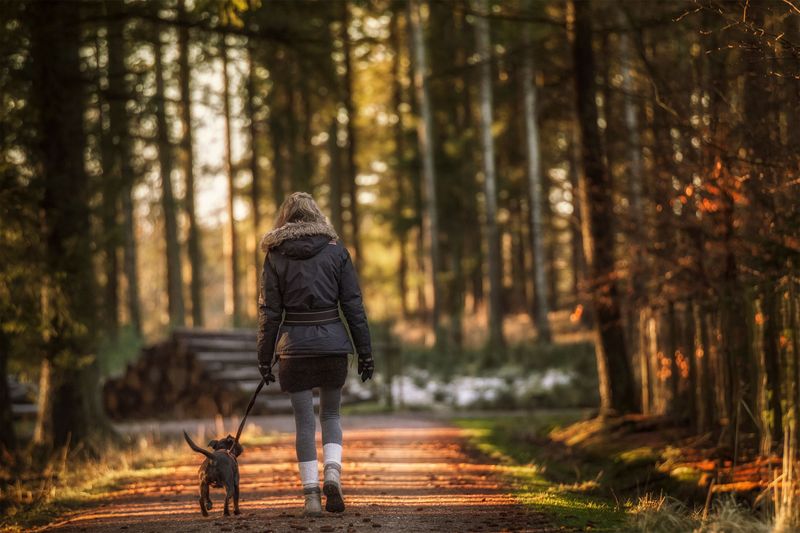
On a quiet trail, your dog may notice a bear first. That split second matters.
Use a sturdy leash, keep your dog beside you, and slow down near bends, streams, and thick brush.
Roaming ahead raises the chance of a surprise encounter. Vermont wildlife guidance supports close control in bear country.
A nearby dog is easier to calm, turn around, and protect if you suddenly spot fresh tracks or a dark shape nearby on trail.
Make Plenty of Noise in Dense Woods
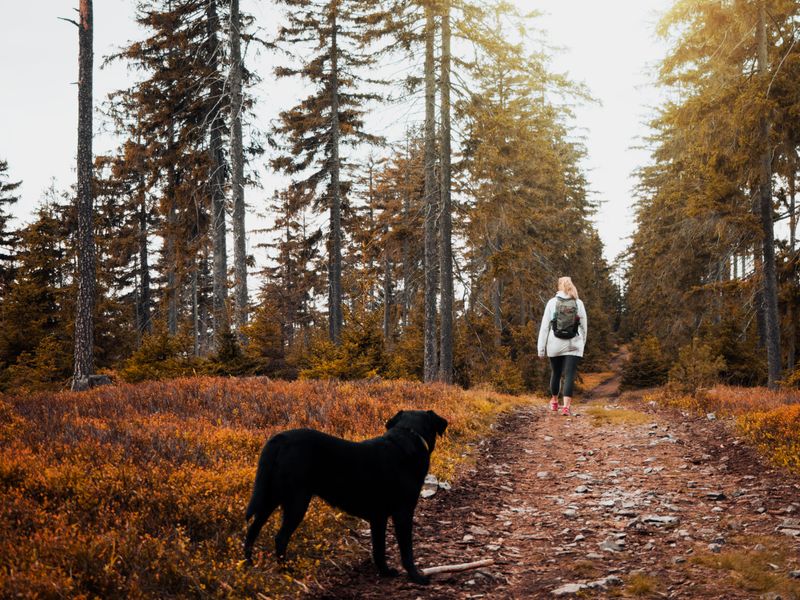
Dense woods can hide both you and a bear. Normal talking helps more than people think.
Chat with your hiking partner, call your dog now and then, and listen for movement near berry patches or wet drainages.
Noise is not about scaring wildlife. It simply reduces sudden close encounters when visibility is poor.
Around sharp corners or heavy ferns, speak up before you arrive, especially during early morning and evening walks with your dog there.
Never Let Your Dog Chase a Bear
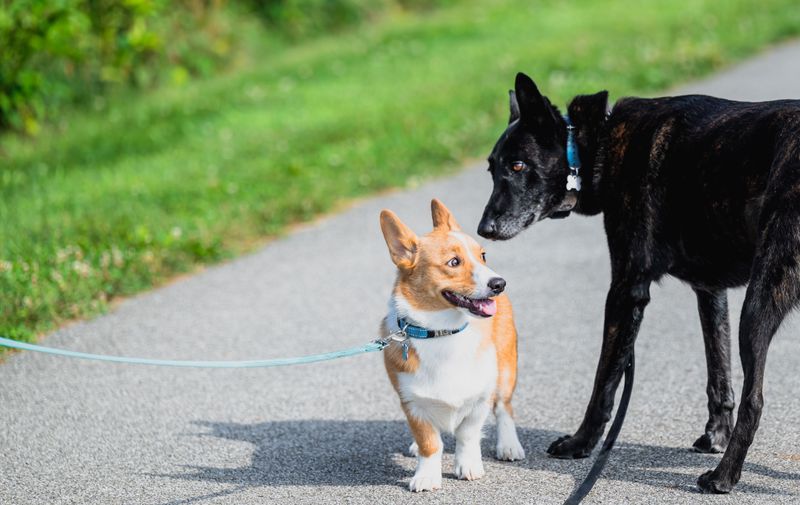
A barking dog may act brave, then race back with a bear behind it. That is a bad mix.
Keep a firm grip on the leash and block any rush forward with calm, practiced commands.
Chasing turns space into pressure for the bear. Many defensive incidents begin when dogs run loose.
Never cheer barking, lunging, or pursuit, even if the bear seems distant, because the situation can change fast on rough ground for everyone nearby.
Give Bears an Easy Way Out
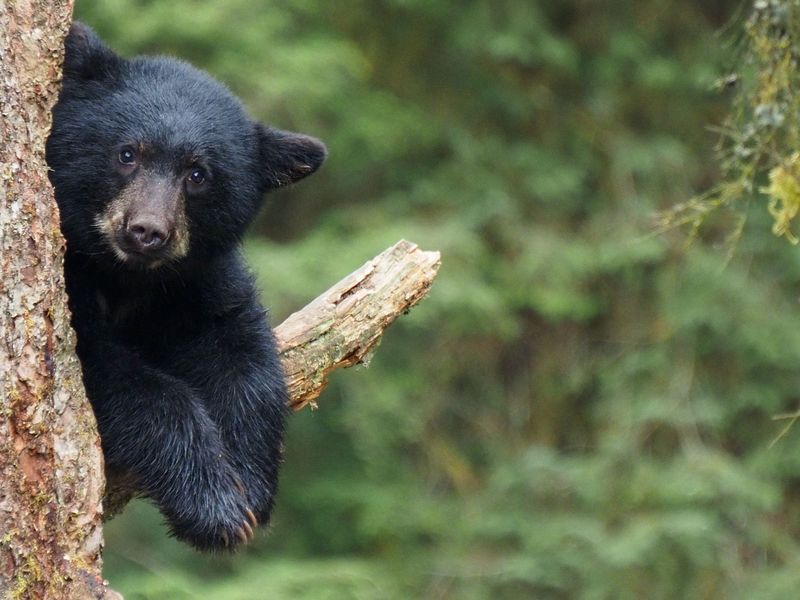
Spotting a bear can make anyone freeze. Your best move is usually simple.
Stop, hold your dog close, speak in a steady voice, and back away so the animal has a clear route to leave.
Crowding a bear, even by accident, raises tension. Avoid stepping between it and cover, water, or cubs.
Most black bears prefer distance, and they often move off once people and dogs stop pressing closer and give them calm room nearby.
Be Extra Careful Around Cubs
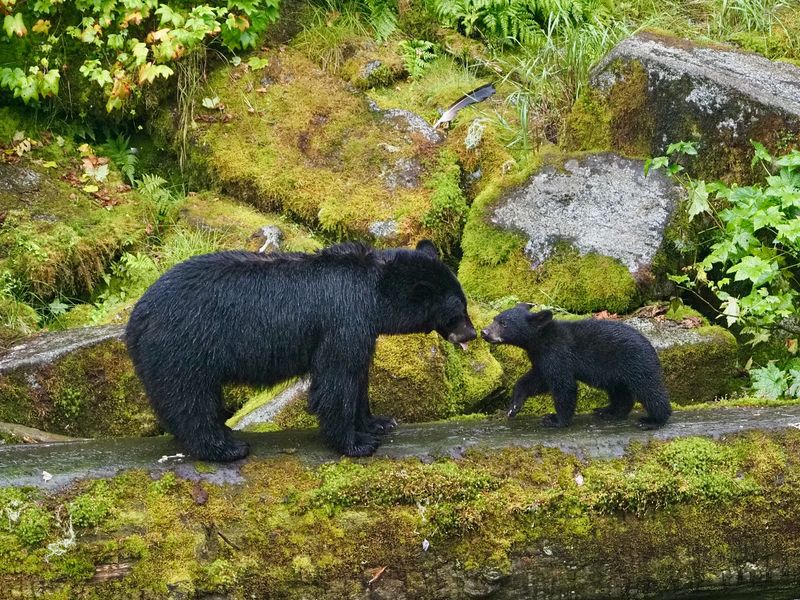
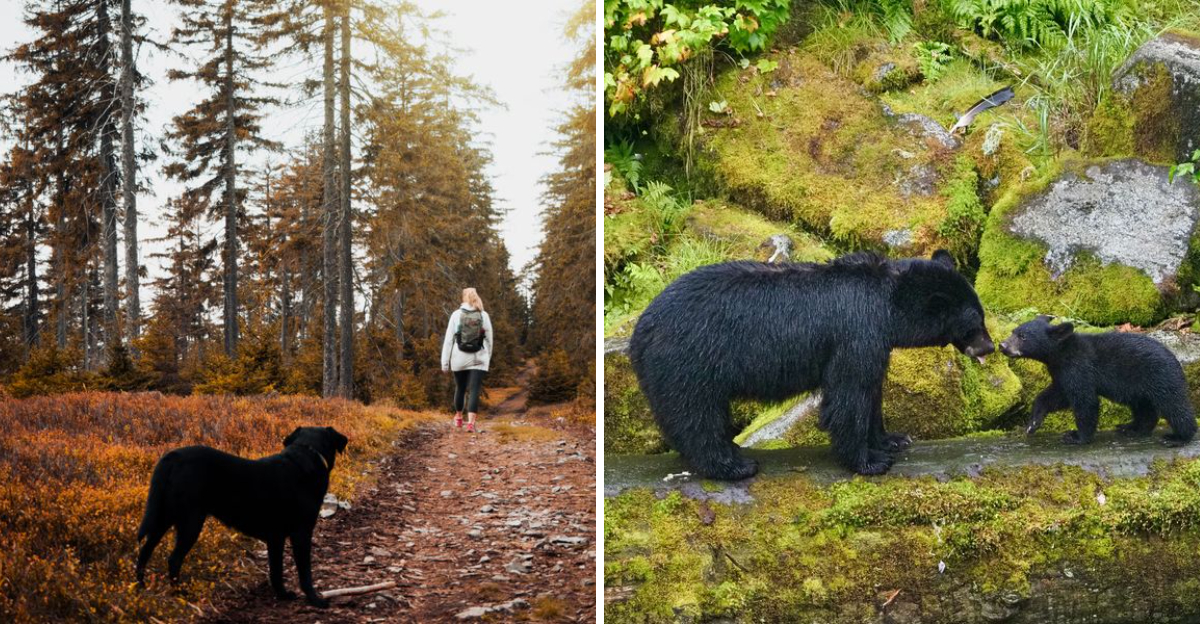
Small bears can look almost playful from a distance. That is when extra caution matters most.
If you notice cubs, shorten the leash at once, turn your dog away, and leave the area without stopping.
An adult female may be close, even if you cannot see her yet. Dogs often want to investigate movement.
Increase distance right away and resist taking photos, because lingering can keep everyone in a tense spot for much longer there.
Know What to Do if a Bear Approaches
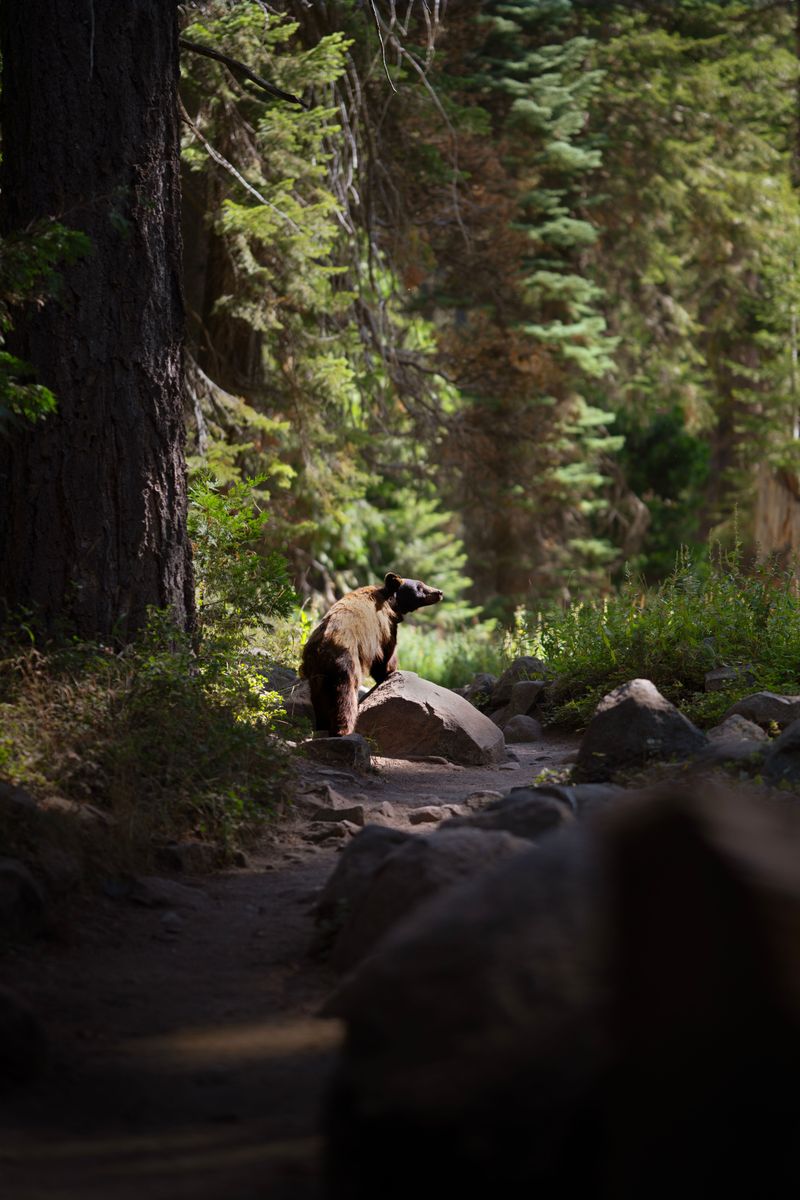
Sometimes a bear keeps moving in your direction. That does not always mean trouble.
Shorten the leash, stand tall, speak calmly, and back away without letting your dog pull you closer to the animal.
Give the bear room to choose another path. Running can increase confusion for both animals.
If needed, slowly create distance behind a tree or large rock while keeping your dog beside your legs until the bear turns or moves off calmly.
Keep Food Away From Your Campsite
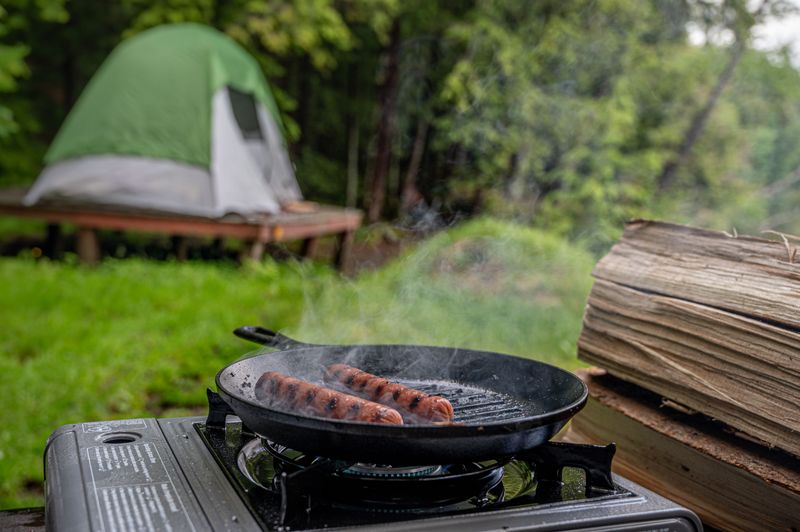
Camp smells travel farther than many people realize. Bacon, snacks, and even wrappers can draw a bear toward tents and dogs.
Keep all food secured, clean cooking areas quickly, and follow posted storage rules at every site.
Vermont law prohibits knowingly feeding bears or placing edible material to lure them. That includes campsites.
Good storage protects wildlife, helps your dog stay calm, and lowers the chance that a bear returns after dark to camp again.
Do Not Leave Dog Food Outside
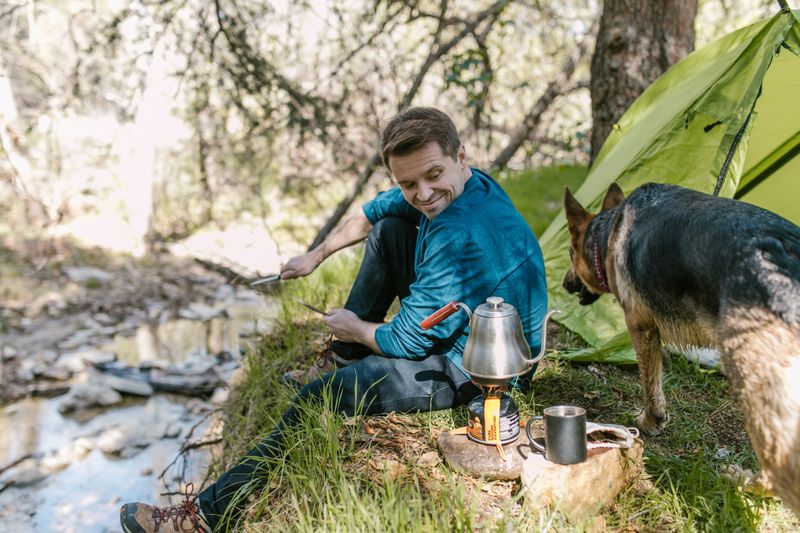
A simple dog bowl can become a powerful attractant. Bears use scent well, especially around camp and rural homes.
Feed your dog promptly, pick up leftovers right away, and store kibble in a hard container.
Many owners remember table food but forget pet food. That small oversight can invite repeat visits.
Water bowls are fine, but food should not sit outside overnight, under a picnic table, or beside a cabin door where scents linger longest.
Secure Garbage and Food Scraps
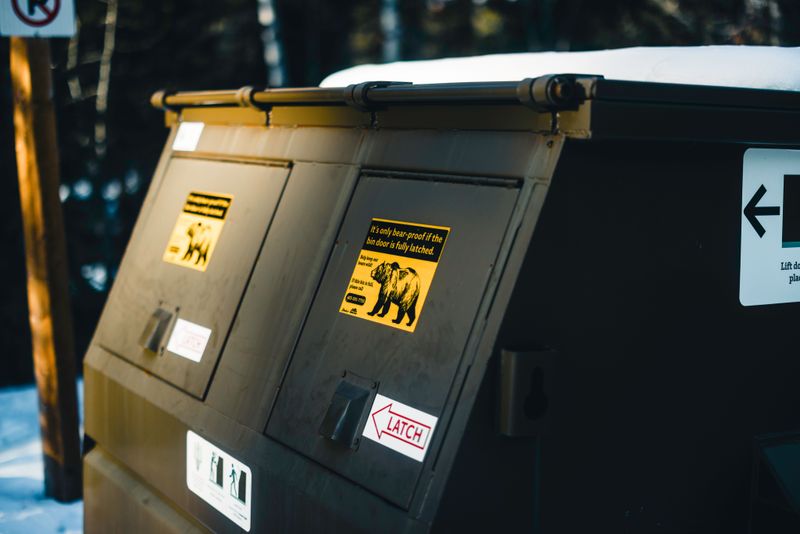
Trash tells a bear that people mean easy calories. One greasy napkin or fruit peel can be enough.
Use bear resistant bins where provided, seal garbage tightly, and pack out waste when rules require it.
Do not forget cooking grease, dish water, and empty cans. Those scents linger after meals end.
Campsites often have specific food and waste rules, so read signs carefully and follow them every single time to keep the area less tempting.
Be Careful With Bird Feeders at Home
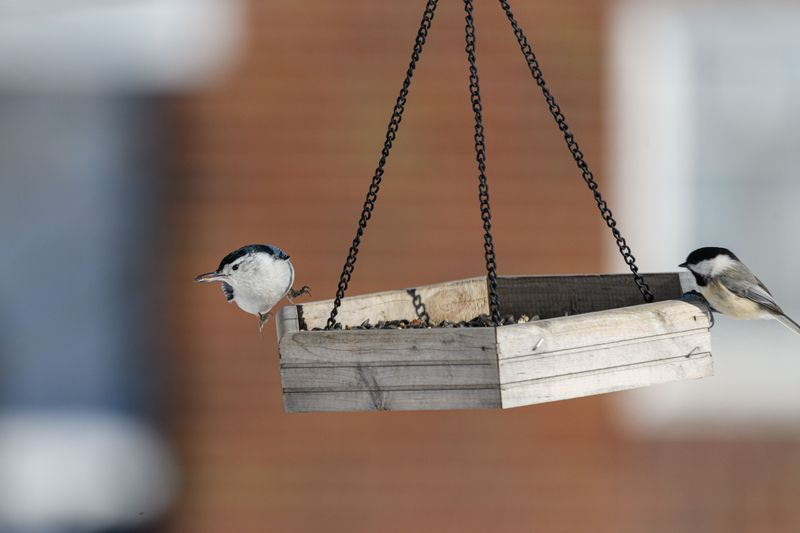
Backyard bird feeders can surprise dog owners in bear country. Seed and suet attract more than songbirds.
If bears are active nearby, take feeders down, clean spilled seed, and store supplies inside a garage or shed.
Vermont specifically includes bird feeder food among materials that attract wildlife. Using food to lure bears is prohibited.
Seasonal feeder breaks are common advice, especially in spring and anytime a bear starts visiting yards near homes with dogs nearby.
Watch for Bears Around Rural Homes
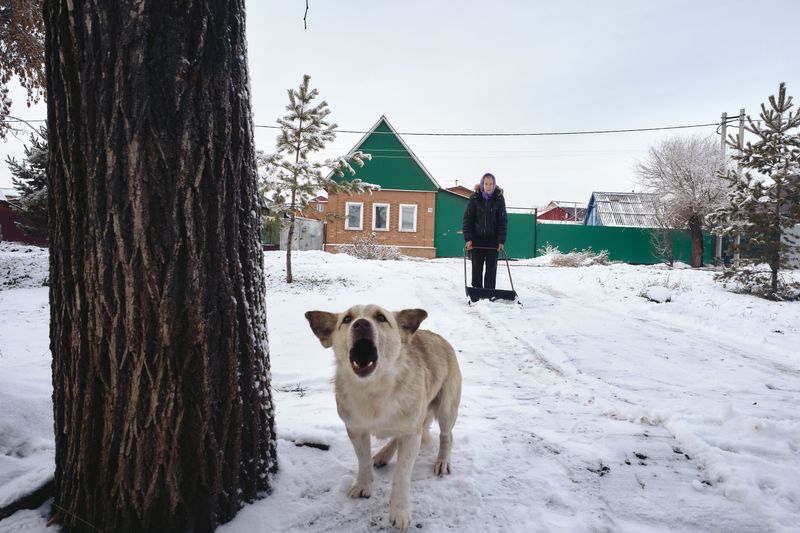
Country dogs often notice wildlife before people do. Barking at a window or porch can be useful, but it is not a signal to investigate.
Bring dogs inside when a bear is nearby and stay indoors until it passes.
Repeated visits usually point to attractants, not boldness alone. Check grills, compost, chicken feed, and fallen fruit.
Removing those rewards helps protect your dog and makes your property less interesting to wandering bears after sunset too.
Keep Dogs Inside at Night When Bears Are Active
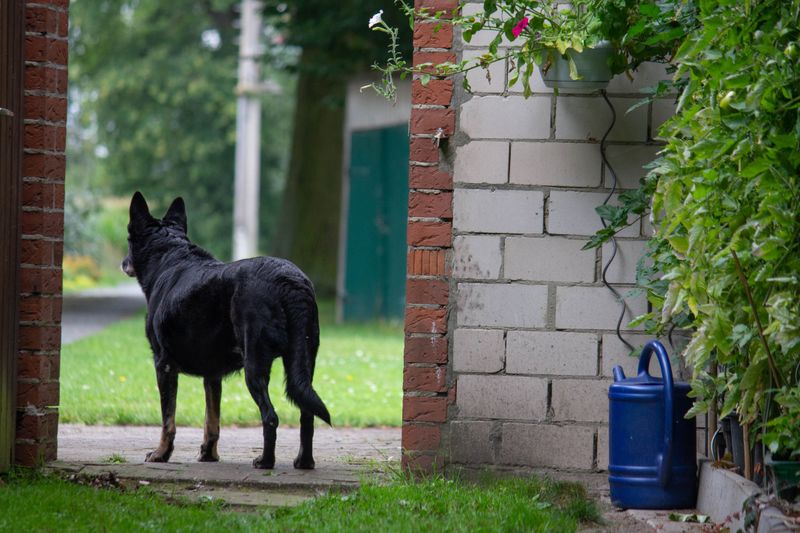
Night changes the picture for both dogs and bears. Smells carry, yards feel quiet, and wildlife moves more freely.
If bears are visiting your area, keep dogs indoors after dark unless you are outside too.
A fence does not promise safe separation. Curious pets can rush a corner before you react.
For bedtime potty trips, use a leash, turn on exterior lights, and stay close until your dog comes back inside with you each time.
Check Your Yard Before Letting Your Dog Out
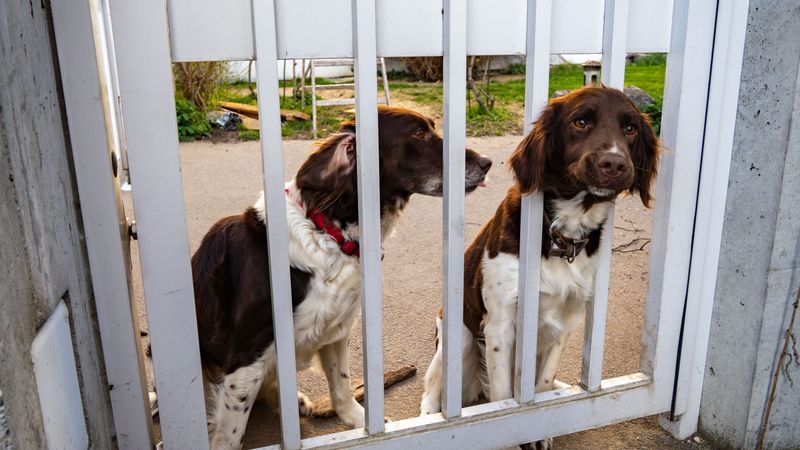
One small habit can prevent a big surprise. Before opening the door, scan the yard, porch, and tree line.
Look for movement, tipped cans, tracks, or your dog’s sudden stiff posture at the threshold.
This check matters most after neighborhood sightings or overnight visits. Morning light can reveal clues you missed.
Taking ten seconds to look around gives you more control before your dog bounds into an unexpected situation near decks, shrubs or woods edges.
Understand Why Dogs Can Make Encounters Riskier
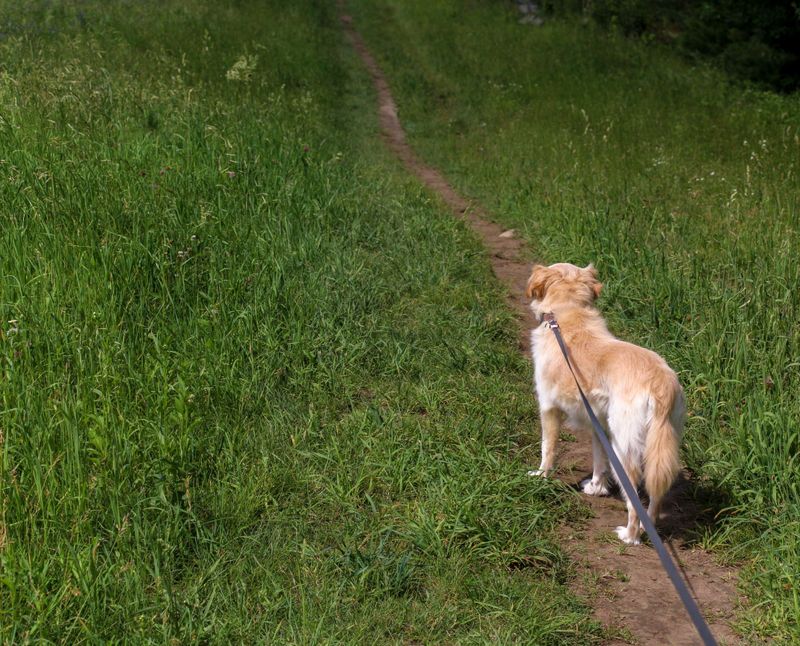
Here is the tricky part, dogs can raise risk even when owners mean well. A bear may react defensively if surprised at close range.
Vermont has documented incidents involving dogs, owners, and sudden encounters on trails.
Fast movement, barking, and leash tension can add confusion. Training helps more than people expect.
Reliable recall, loose leash skills, and calm turns make it easier to leave quickly when wildlife appears close by on a narrow path ahead.
Do Not Follow a Bear, Report Repeat Problems Instead
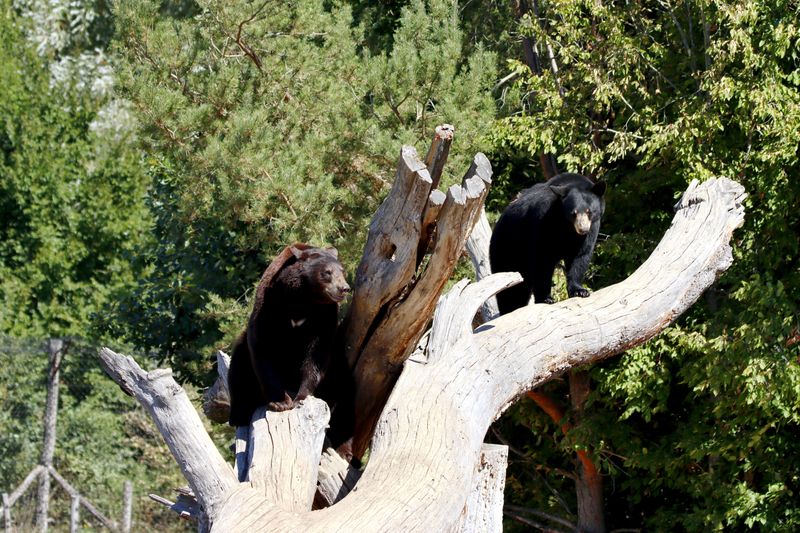
Curiosity is natural, especially when a bear seems calm and far away. Still, following for a better look is never helpful.
Turn your dog the other way and give the animal time and space to leave quietly.
If a bear keeps returning to a home or campsite, remove attractants and contact Vermont wildlife officials. Do not handle it yourself.
Calm habits, close dogs, and clean spaces are your best long term protection for everyone there.