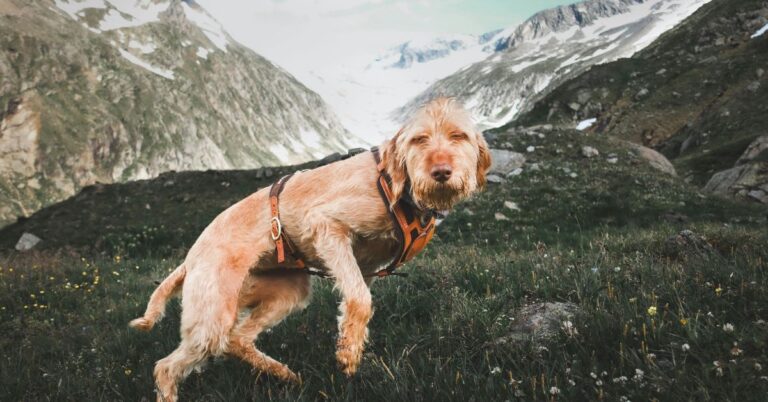
20 Things Texas Dog Owners Should Do Before Their Dog Ever Goes Missing
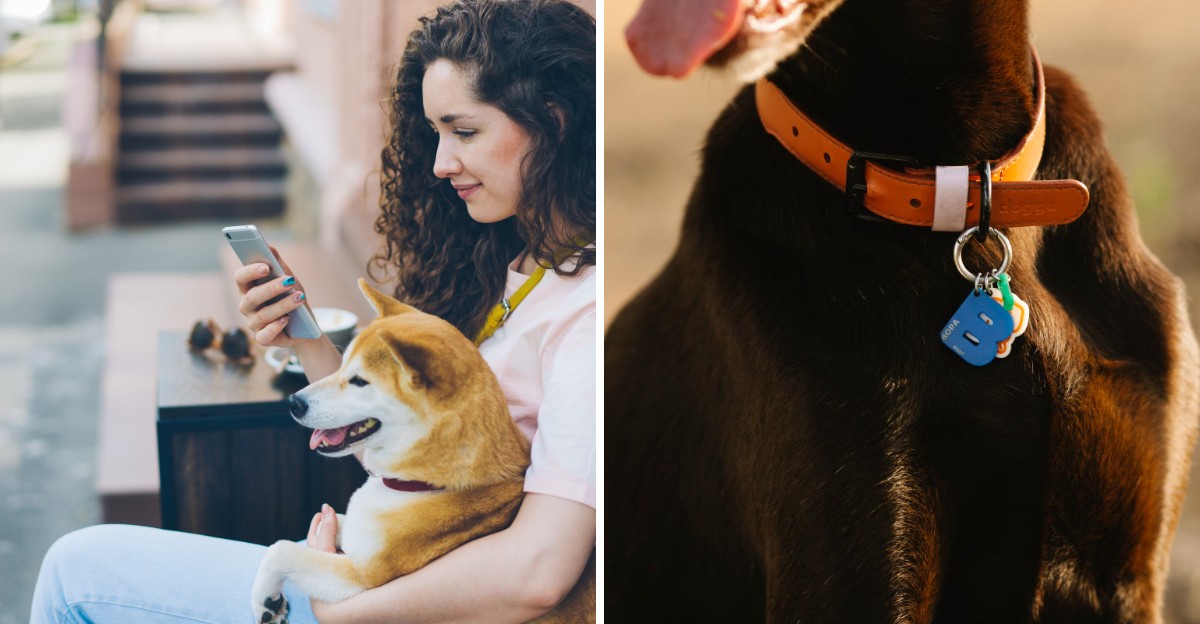
Most dogs never go missing, and a little planning helps keep it that way. Still, gates get left open, storms spook even calm pups, and curious noses sometimes wander.
If you share your Texas home with a dog, a few simple steps today can make a big difference later. Think of this list as advice from a friend who has helped plenty of neighbors bring their pets home.
Each tip is practical, quick to start, and easy to keep up. By the end, you will feel ready and relaxed, not worried.
1. Microchip Your Pup and Keep the Registration Current
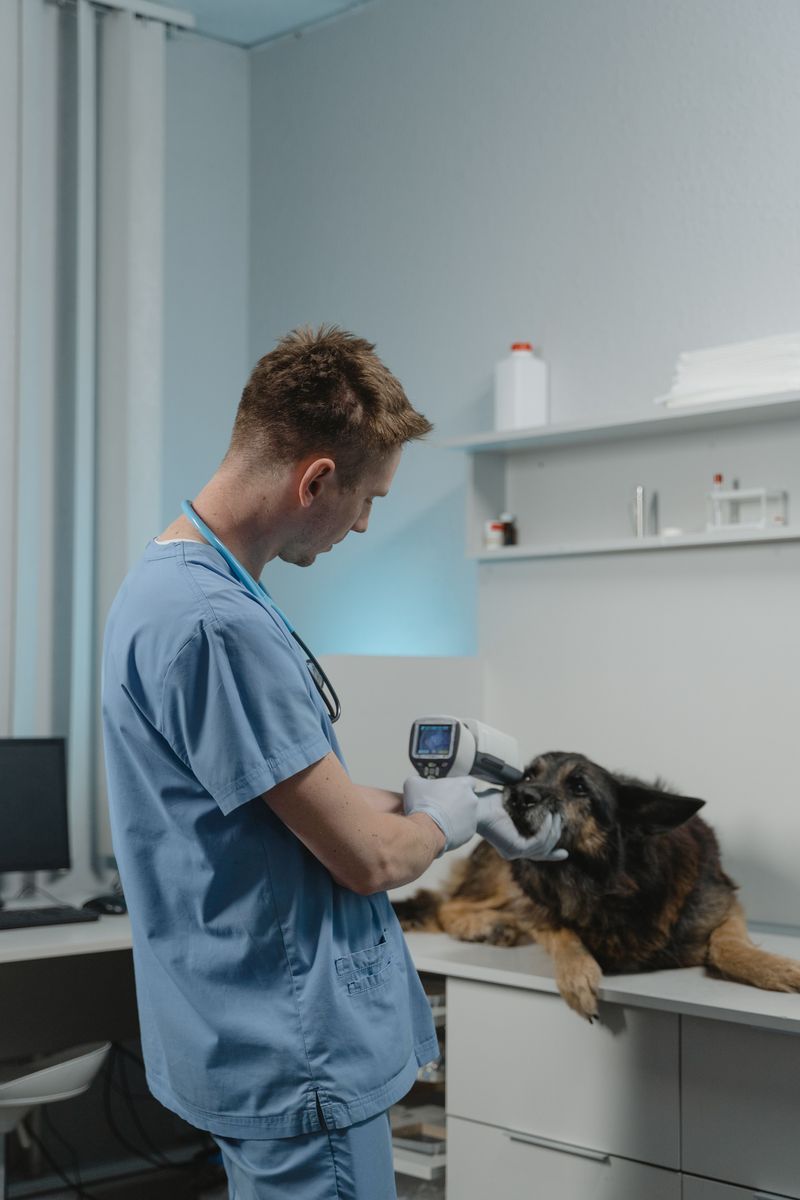
Picture a tiny chip, about the size of a grain of rice, holding your dog’s ticket home. A vet places it under the skin during a routine visit.
Shelters and clinics scan for it when a stray dog arrives.
The chip only stores an ID number, though. That number links to your contact details in a registry database.
If the registry never hears from you, the chip cannot do its job.
Some Texas cities, including Austin, require microchips. Check your local rules and register right away.
2. Try the Two-Finger Collar Check
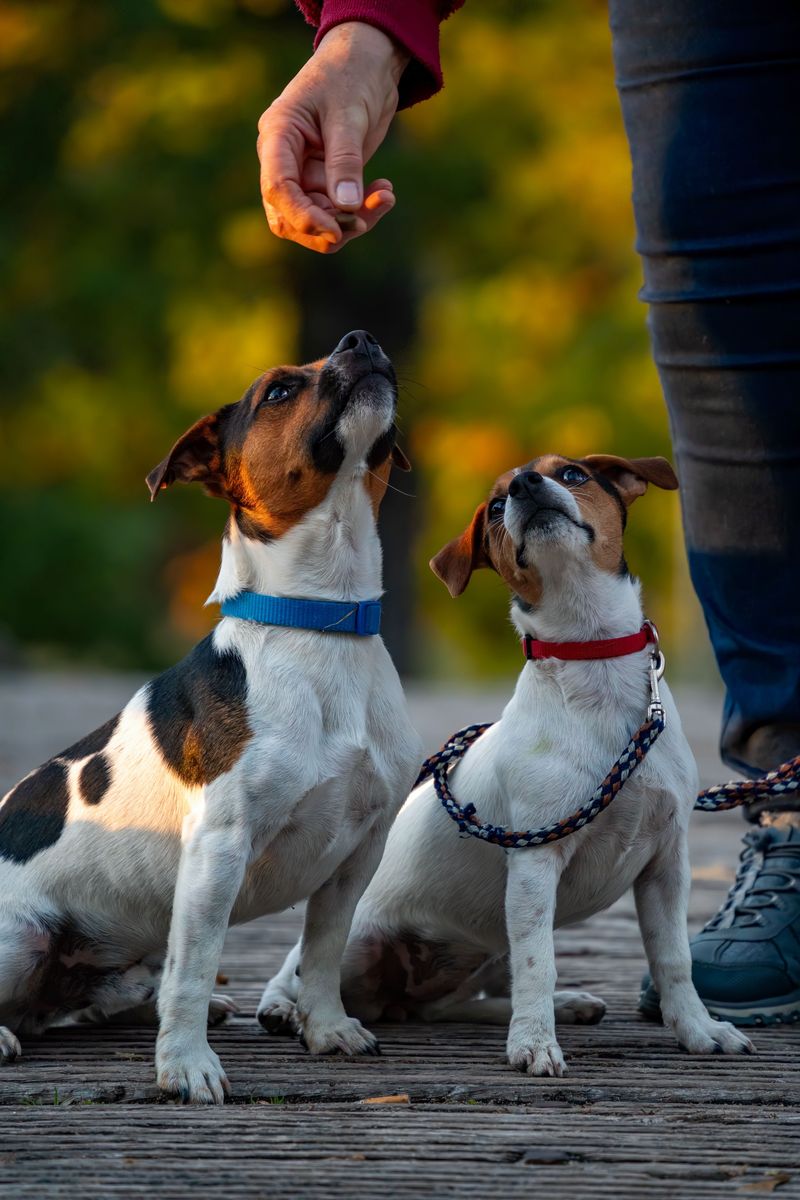
Dogs are surprisingly good at backing out of a loose collar, especially when something startles them. A proper fit stops that trick before it starts.
Try the two-finger rule. You should be able to slide two fingers flat under the collar, but no more.
If it slips over the ears with a gentle tug, tighten it.
Texas law describes a properly fitted collar as one that does not choke or cause pain. Recheck the fit often for growing puppies and dogs that change weight.
3. Build a Fresh Photo Collection
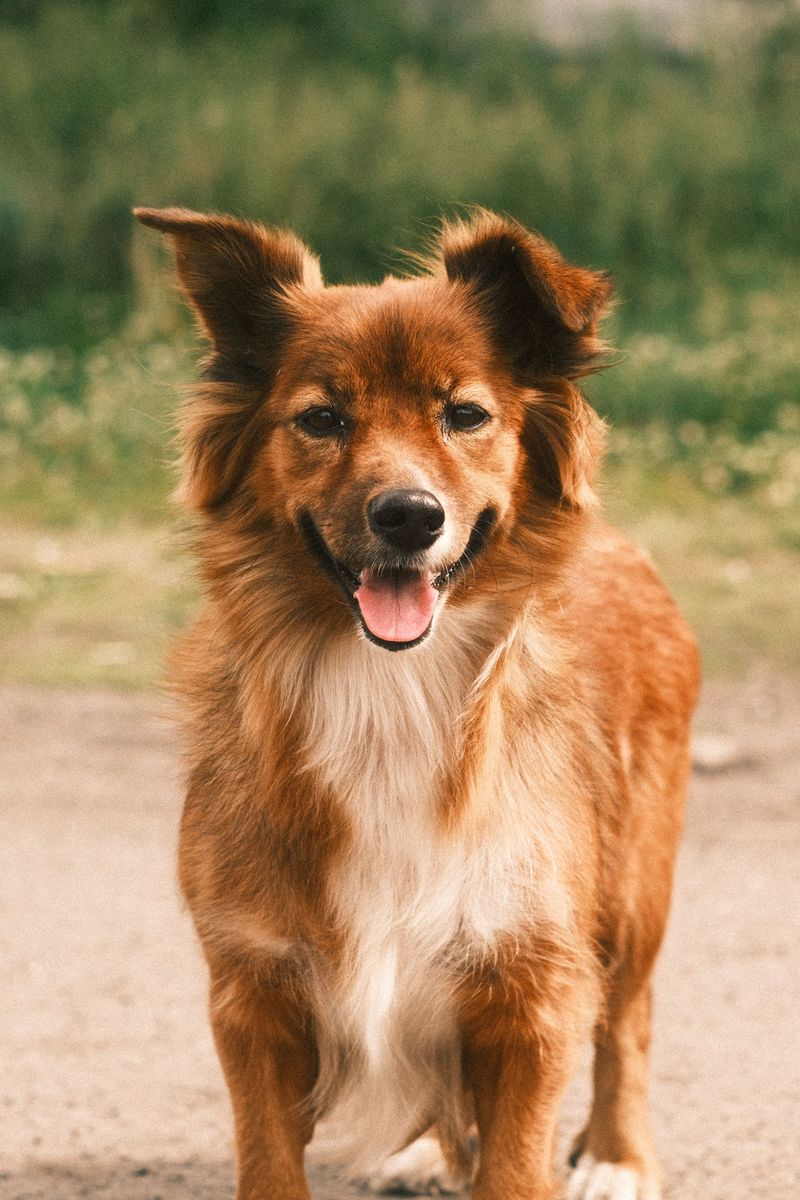
Your phone probably holds hundreds of dog pictures. Sadly, many are blurry, far away, or show your pup wearing a holiday sweater.
Set aside five minutes in good daylight. Take a clear face shot, a full-body side view, and one from the front and back.
Include something for scale, like standing next to a chair.
Refresh the set every few months, since coats and weight change with seasons. Save copies in a shared folder so family members can grab them fast.
4. Add a Tag With a Phone Number That Actually Works
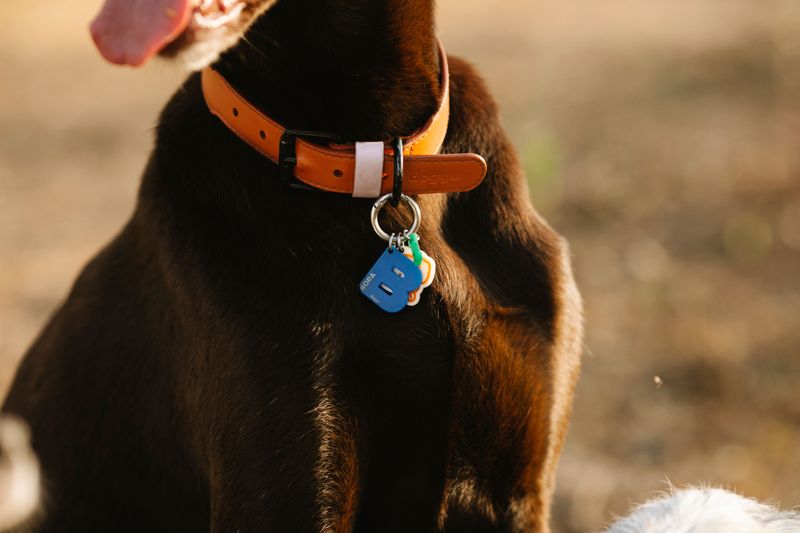
Here is the fastest reunion tool you can buy for a few dollars. A neighbor who finds your dog cannot scan a microchip.
They can, however, read a tag and dial your number in seconds.
Engrave your cell phone number first. A backup number helps too.
Some owners add a short note like ‘needs medication.’
Many Texas cities also require a current rabies tag on the collar, so check your local ordinance. Replace tags once the letters start wearing smooth.
5. Capture Close-Ups of Markings, Scars, and Coat Patterns
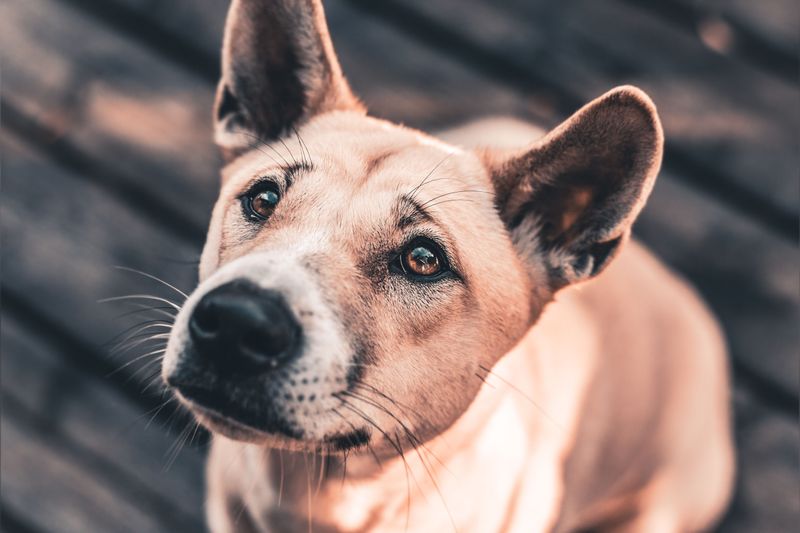
Plenty of Texas shelters care for dozens of brown, medium-sized dogs at once. What sets yours apart might be a white sock on one paw or a notch in an ear.
Get close-up photos of scars, freckles, spots, eye color, and unusual coat patterns. Photograph the belly and tail too, since those areas often hide clues.
Write short notes beside each picture. These details help you describe your dog clearly and prove the match when you visit a shelter.
6. Organize Paperwork That Proves Your Dog Is Yours

Nobody enjoys filing paperwork, but this folder earns its keep. In Texas, dogs must be vaccinated against rabies by four months of age.
Your vet’s rabies certificate is one key record.
Store adoption papers, purchase receipts, vet bills, and microchip registration alongside it. Texas treats pets as personal property, so solid records help if ownership is ever questioned.
Keep paper copies in one spot and digital scans on your phone. Shelters often ask for proof before releasing a dog.
7. Learn Your City or County License Rules
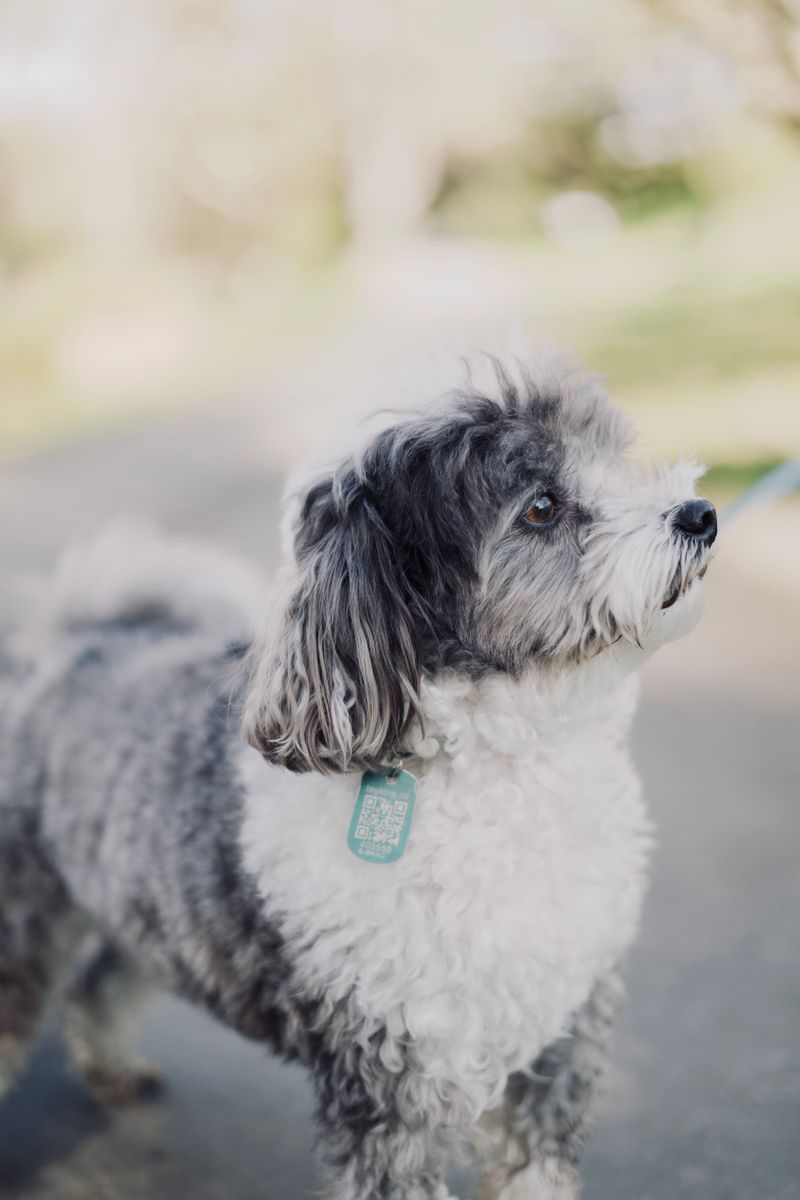
Texas has no single statewide dog license. Instead, each city or county sets its own rules, and they often differ.
Many places require yearly registration with proof of a current rabies shot. Others, like Dallas and Austin, lean on microchips as the main form of identification.
Some rural counties have few requirements.
Call your city hall or animal services office to learn what applies at your address. A current license can link a found dog back to you.
Skipping it may bring fines.
8. Save Animal Control and Shelter Numbers Now
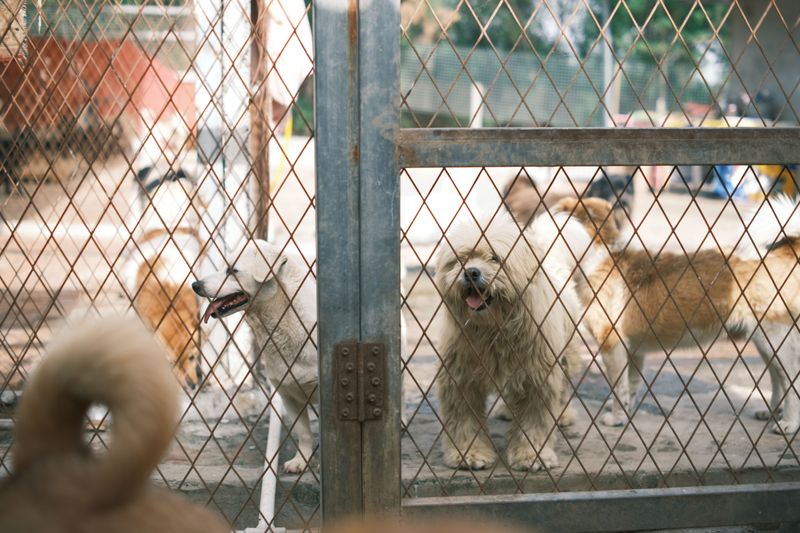
Searching for a phone number while your heart is racing is no fun. Doing it on a calm afternoon is much easier.
Look up your city or county animal services office and save the number in your phone. Many large cities, including Houston and San Antonio, route animal calls through 311.
Unincorporated areas are often served by the county or the sheriff’s office instead.
Add the shelter’s street address and hours too. Share the contacts with everyone in your household.
9. Map Out Where Found Dogs Usually End Up
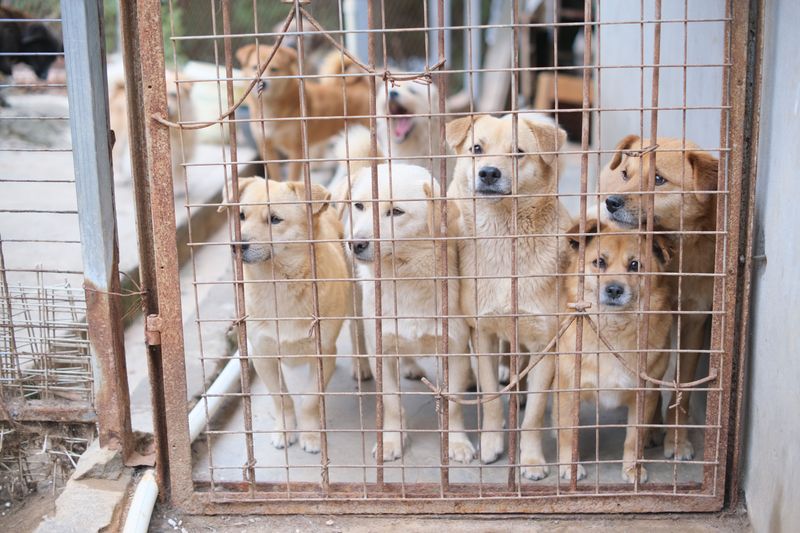
A kind stranger who finds your dog might not take it to the closest shelter. They may drive across town, or even into the next county.
City shelters usually accept strays found within their limits. Private groups, like the Houston Humane Society or SPCA of Texas, often have limited intake or serve specific areas.
Many rescues are foster-based and rarely take strays.
List every shelter within about 20 miles. Also bookmark free sites like Petco Love Lost and PawBoost, which many Texas shelters use.
10. Walk the Fence Line Every Month
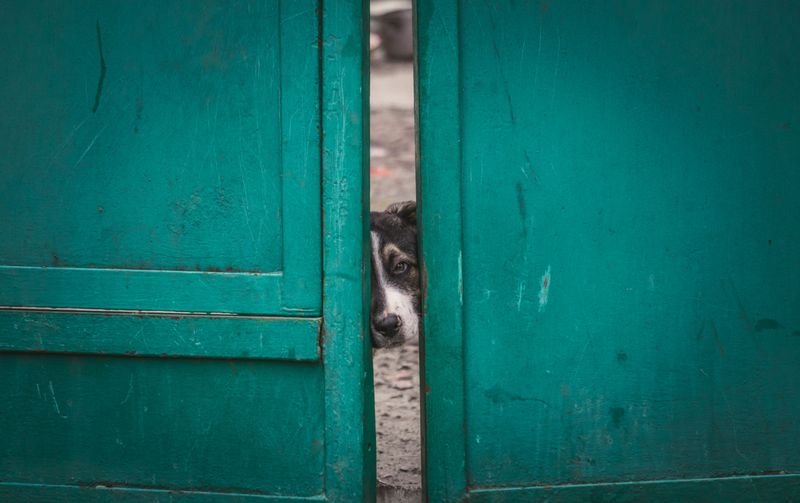
Texas weather is tough on fences. Summer heat warps boards, storms loosen posts, and clay soil shifts with the seasons.
Once a month, stroll the whole perimeter. Look for loose or rotting boards, rusty panels, sagging gates, and fresh digging spots.
Small dogs can slip through gaps just a few inches wide, so check low areas closely.
Trim branches that might help a dog climb over. Texas law also addresses how unattended outdoor dogs are restrained.
A secure, escape-proof enclosure is one approved option.
11. Upgrade Gate Latches and Locks
Meter readers, lawn crews, and delivery drivers all use side gates. Most of them are careful, but one quick slip can leave a gate swinging open.
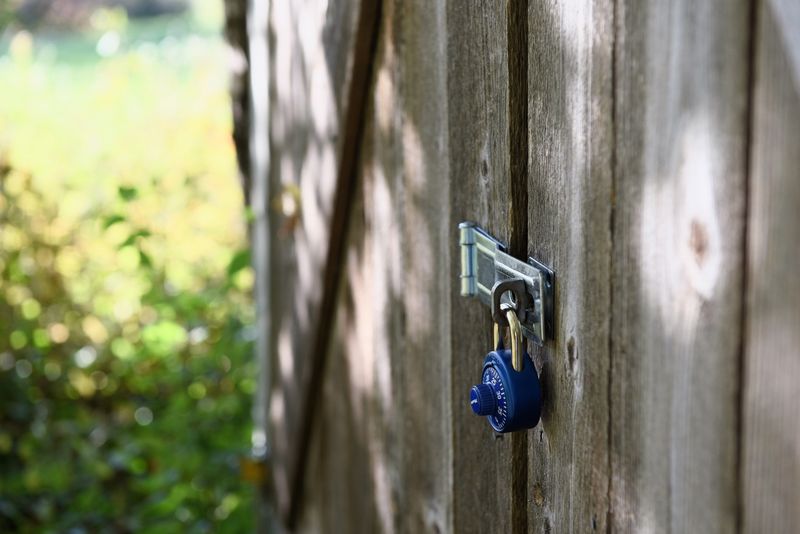
Self-closing hinges paired with a gravity latch shut the gate automatically behind anyone. A padlock or combination lock adds another layer on gates you rarely use.
Mount latches high enough that a tall, clever dog cannot nudge them.
A friendly sign asking visitors to close the gate also works wonders. Check the latch after any service visit.
12. Get the Whole Household on Board

A fence is only as strong as the person who last used the gate. Kids racing outside, guests carrying groceries, and busy mornings all create openings.
Hold a short family chat about the rules. Doors and gates get closed right away, every time.
Teach younger children to check where the dog is before heading out.
Baby gates near busy exits create a helpful buffer zone. When contractors or party guests visit, tuck your dog into a quiet room with the door shut.
13. Build a Come-When-Called Habit
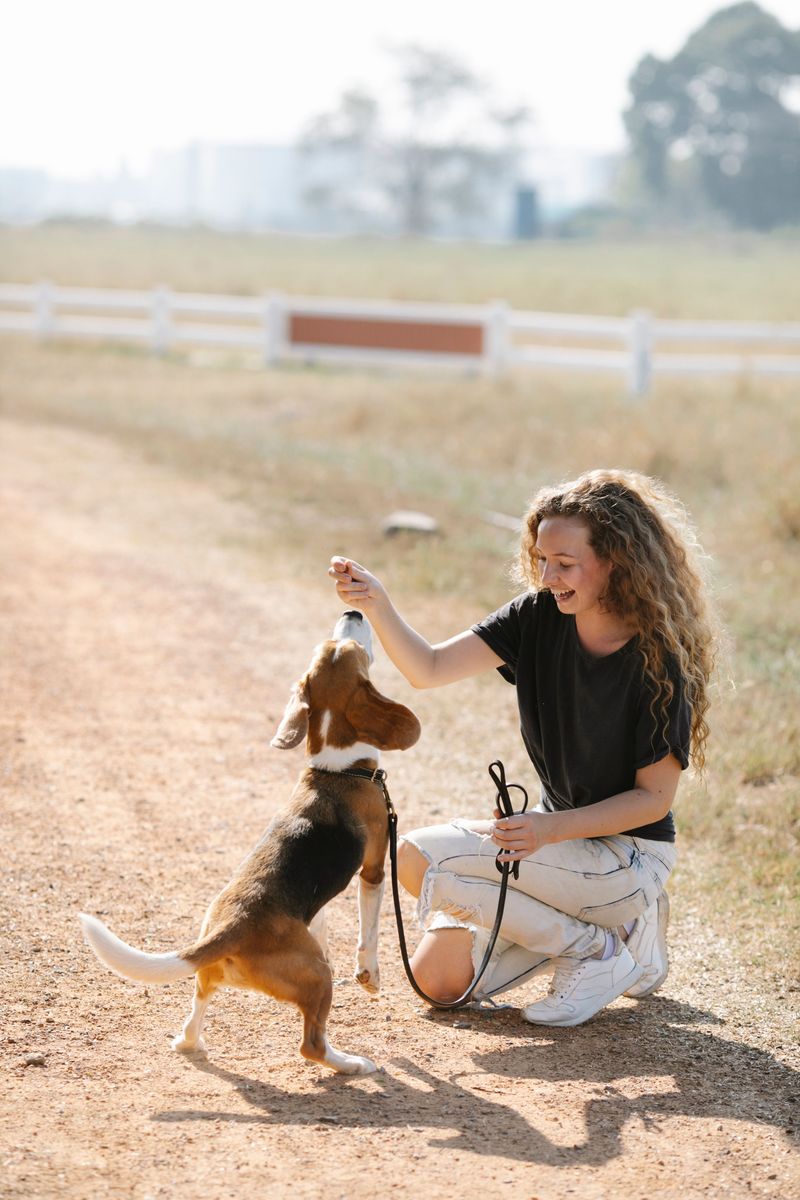
Few skills matter more than a dog who turns around and races back when you call. Good recall can stop a chase before it carries your pup out of sight.
Start indoors where things are quiet. Say your cue once, then reward with something amazing, like chicken or a favorite toy.
Slowly add distance and distractions, using a long line outdoors.
Never scold a dog for coming, even if it took a while. You want coming back to feel like the best choice every time.
14. Teach Polite Door Manners
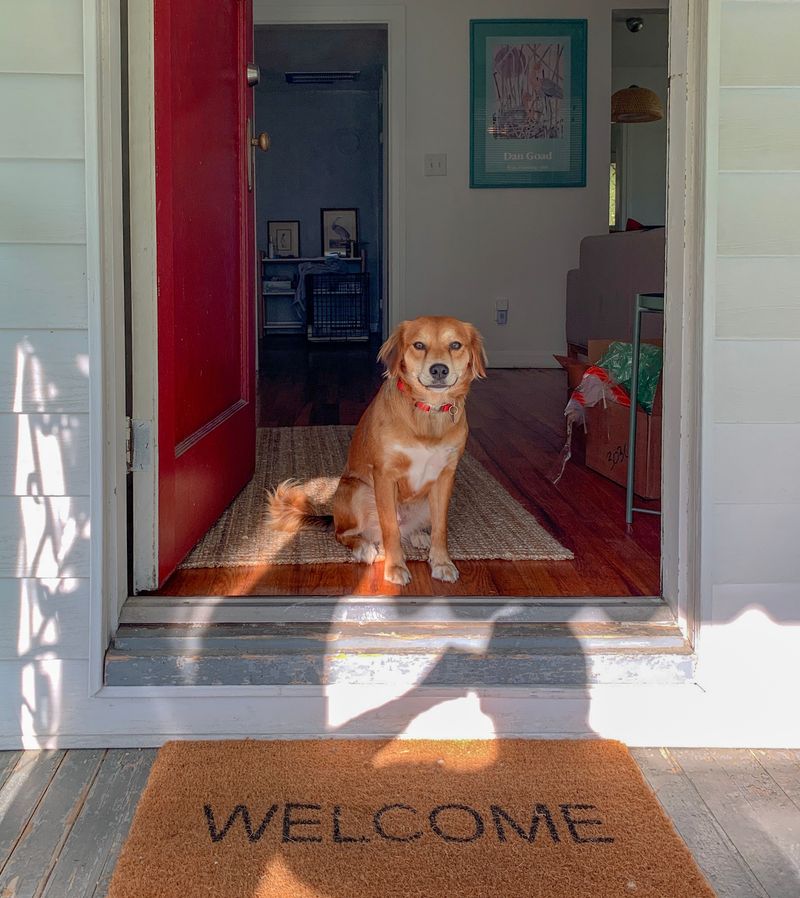
Some dogs treat an open door like a starting gun at a race. With patience, that dash can turn into a calm, polite pause.
Ask your dog to sit a few feet back. Open the door a crack.
If your dog moves forward, gently close it, then try again.
Reward stillness with treats and praise. Gradually open wider, then add a release word like okay.
Practice at every exit, including the car door, until waiting becomes second nature.
15. Clip On the Leash in New Places
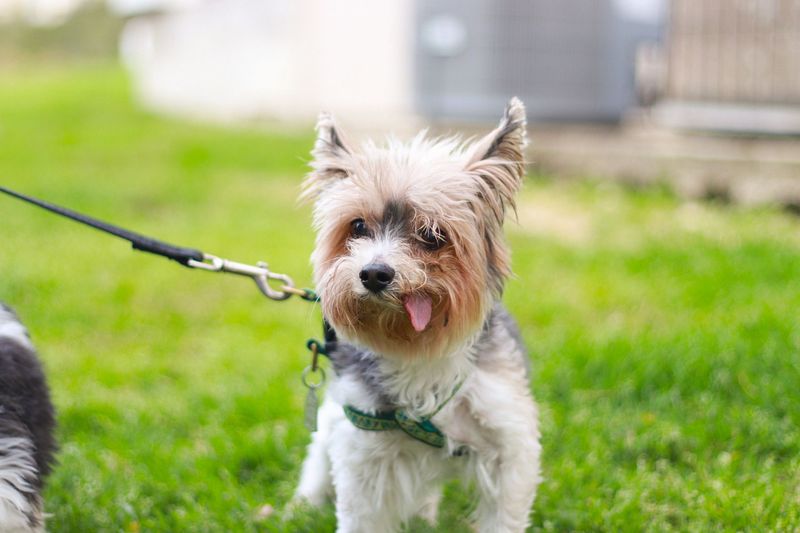
Your dog may stick close on familiar trails. A new park, rest stop, or unfenced yard is a different story.
Strange smells and sudden squirrels are everywhere.
Texas has no statewide leash law, but many cities and counties have their own leash or at-large rules. Houston, for example, has strict rules against dogs running loose.
A sturdy four to six foot leash gives steady control. Check local rules before traveling, and keep the leash on until you know an area is secure.
16. Consider a GPS Tracker for Escape Artists
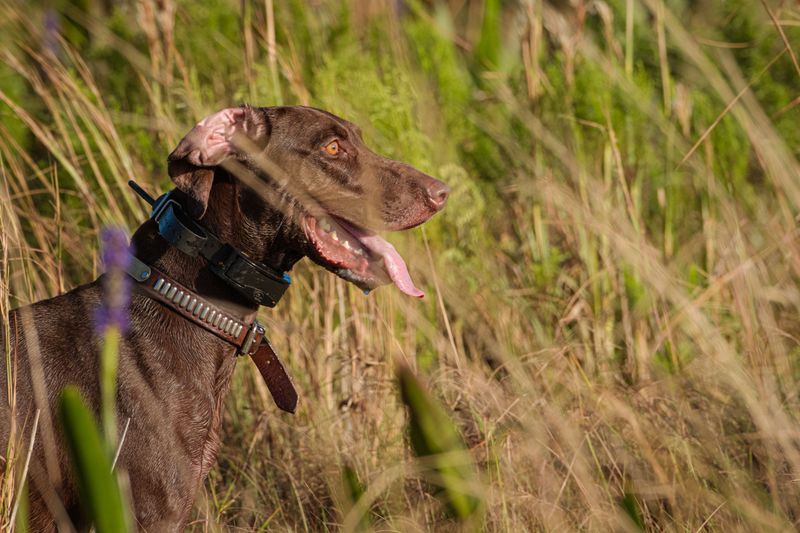
Every neighborhood seems to have one dog who treats fences as puzzles to solve. If yours is that clever wanderer, a GPS tracker is worth a look.
These collars or tags use satellites and cell signals to show your dog’s location on a phone app. Many let you draw a virtual boundary and send an alert if your dog leaves it.
Most require charging and a monthly plan. Coverage can be spotty in remote parts of Texas, so test it first.
17. Keep a Lost-Dog Flyer Ready to Print

Designing a poster under stress takes far longer than you would expect. A template saved ahead of time lets you print within minutes.
Put LOST DOG in huge, bold letters at the top. Add one large, clear photo, a short description, and your phone number in big print.
Leave a blank line for the date and cross streets where your dog was last seen.
Bright paper catches eyes from passing cars. Clear sheet protectors help flyers survive Texas rain and humidity.
18. Know Your Microchip Number and Registry
Here is a quick quiz. Could you name your dog’s microchip company right now?
Many loving owners cannot, and that slows things down later.
Look for the number on adoption papers or vet records. Most vets and shelters can also scan your dog quickly, often at no cost.
Then enter the number into the AAHA Universal Pet Microchip Lookup online.
That tool shows which registries hold information on your chip, such as HomeAgain, AKC Reunite, or PetLink. Save both details in your phone.
19. Update Records the Day You Move or Switch Numbers
Moving across Texas or getting a new phone plan brings a long to-do list. Your dog’s records belong near the top.
Outdated contact details are one of the most common reasons chipped dogs stay unclaimed. Log in to your registry and update your address, phone, and backup contacts.
Order a new tag the same day.
Dallas, for example, expects owners to keep microchip information current. Set a yearly reminder too.
August 15 is Check the Chip Day, an easy date to remember.
20. Make a Family Game Plan for a Missing Dog
When a dog slips away, clear roles beat scattered worry.
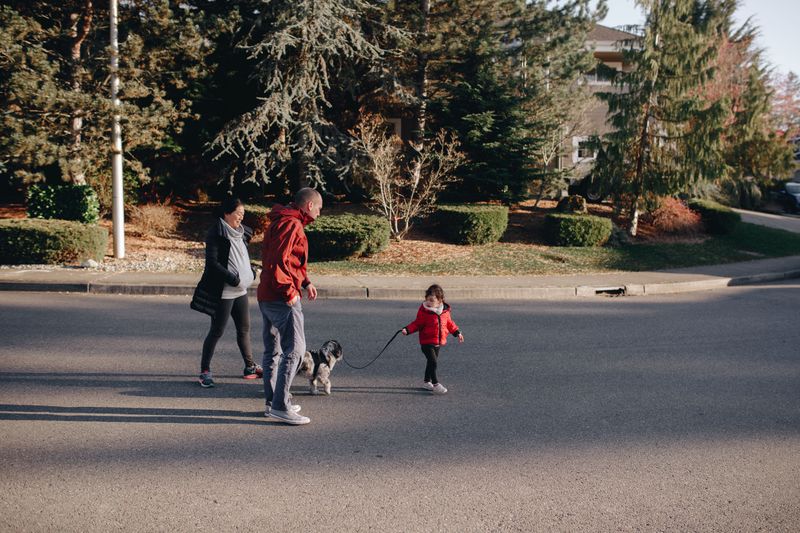
One person stays home in case your pup wanders back. Another searches nearby streets, calling in a calm, happy voice.
A third calls shelters and posts alerts on Nextdoor, Facebook groups, and Petco Love Lost.
Shelter visits in person matter too, since phone descriptions can miss details. Write the plan down and keep it with your flyer template.
With these steps in place, you have given your dog every good reason to come home.