14 Ways New York Walk-Up Owners Can Reduce Daily Stair Strain For Aging Dogs
Your New York walk-up may feel like home, but its stairs can become harder for an aging dog. Small changes can make daily outings more comfortable without turning your whole routine upside down.
From better footing to well-timed breaks, thoughtful choices help protect your dog’s comfort and your own balance. Start with what your dog needs today, and ask your veterinarian when those needs change.
1. Create a Comfortable Stair Routine for Your Aging Dog
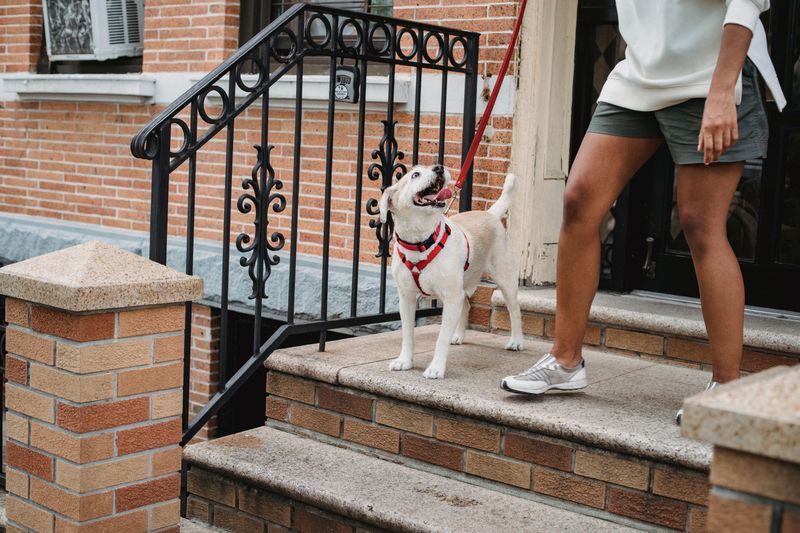
A familiar rhythm can make the staircase feel less demanding. Choose quieter outing times when possible, and gather supplies before opening your apartment door.
Let your dog approach the first step without pressure.
Keep the leash short enough for guidance, but never tight enough to pull. Follow your dog’s comfortable pace rather than setting your own.
Notice whether mornings or evenings seem easier, and adjust your schedule around that pattern when practical for your household.
2. Carry Your Dog When It Is Safe and Comfortable
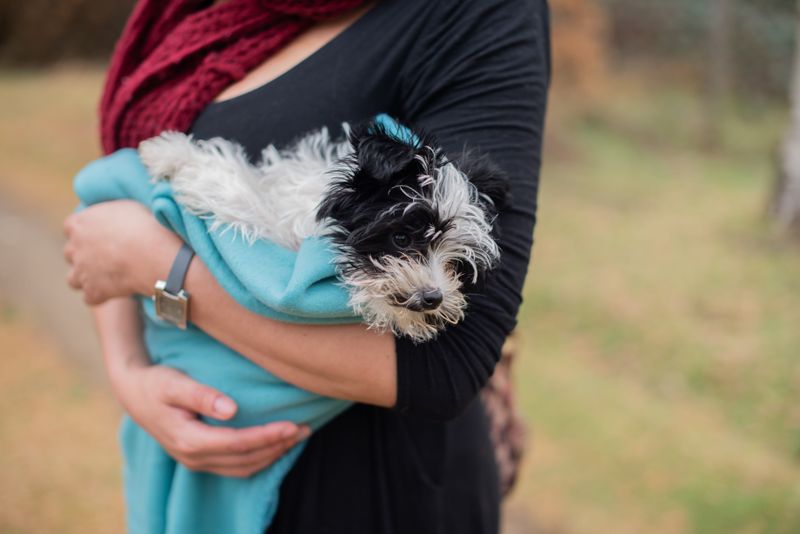
Being carried suits some dogs, but not every dog or owner. Only lift your pet if you can support their weight and keep your balance.
Ask your veterinarian to demonstrate a comfortable hold.
Support both the chest and hindquarters, keeping your dog close without squeezing. Leave bags behind so your hands stay available.
If lifting causes pain, struggling, or blocked views of the steps, arrange another safe option instead of pushing through an unsafe carry.
3. Use a Properly Fitted Support Harness
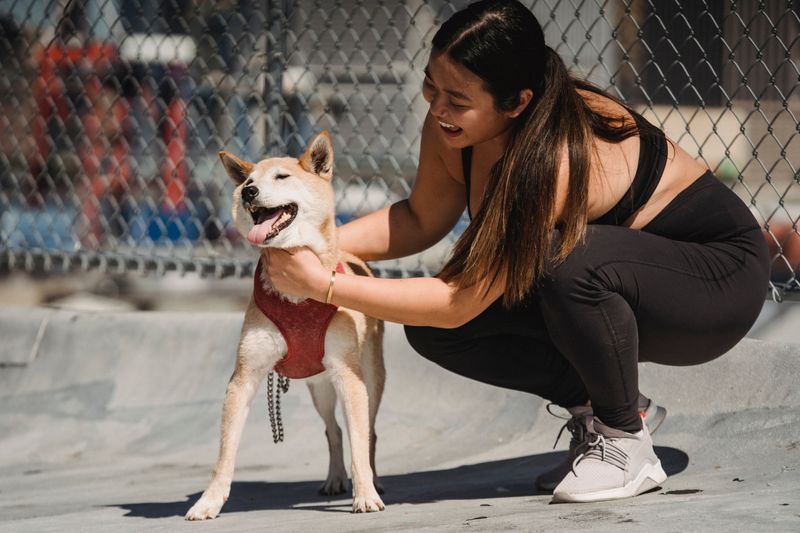
A handle alone does not make a harness suitable for stair support. Ask your veterinarian which design matches your dog’s strength, shape, and sore areas.
Some dogs need support beneath both ends.
Check that straps stay clear of sensitive spots and allow normal breathing. Practice on level flooring before approaching stairs.
Use the handle to steady, not drag or suspend, your dog. Recheck the fit regularly, especially after weight changes or any new mobility problems.
4. Add Non-Slip Treads to Slippery Stairs
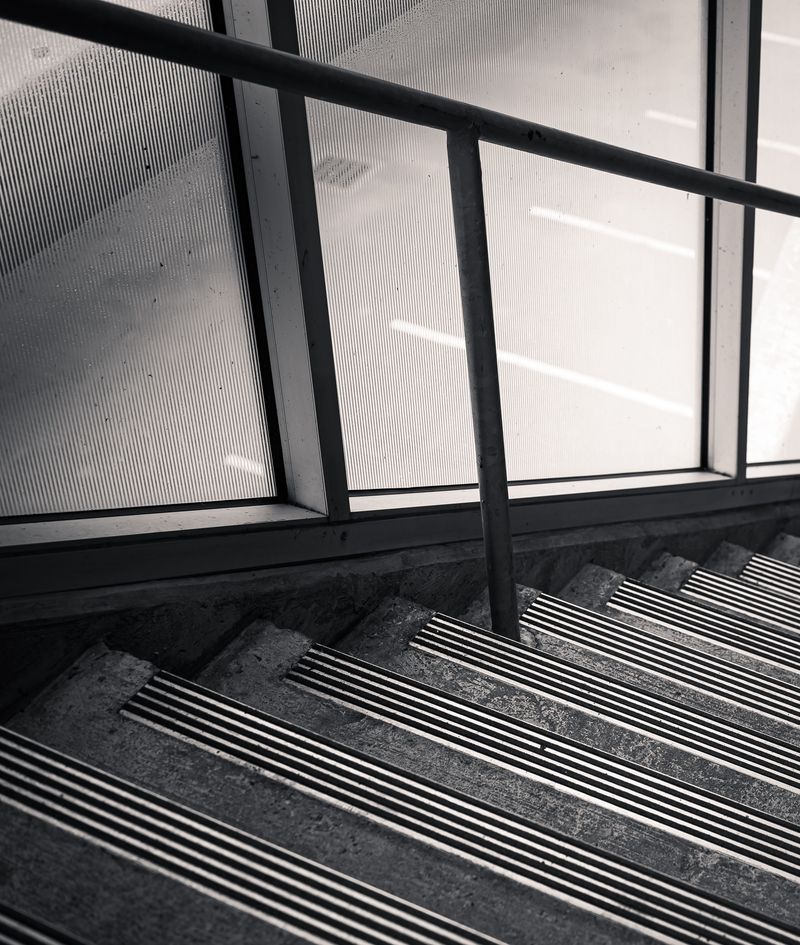
Polished steps can leave older paws searching for grip. Ask your landlord or building manager before adding anything to shared stairs.
Choose secure, low-profile treads that do not curl or shift.
Loose rugs and lifting edges can create hazards for neighbors and dogs. Keep every tread clean and dry, and inspect attachments often.
If alterations are not allowed, discuss other traction options with your veterinarian. Never apply sticky paw products without checking their suitability first.
5. Keep Stairways Clear of Everyday Clutter
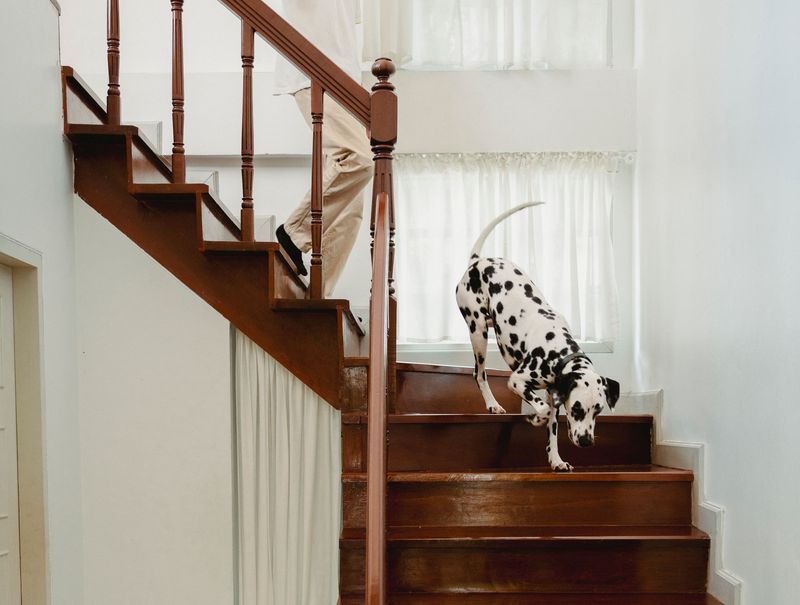
One delivery box can turn a narrow landing into an awkward obstacle. Keep your own belongings inside your apartment, away from stairs and exits.
Report shared obstructions to building management promptly.
Check the route before bringing your dog through, especially after deliveries or building work. Watch for wet patches, loose debris, and cleaning equipment.
Keep required exit paths clear rather than adding storage, beds, or resting furniture. A predictable walking surface helps everyone move comfortably.
6. Make Rest Stops Part of the Climb
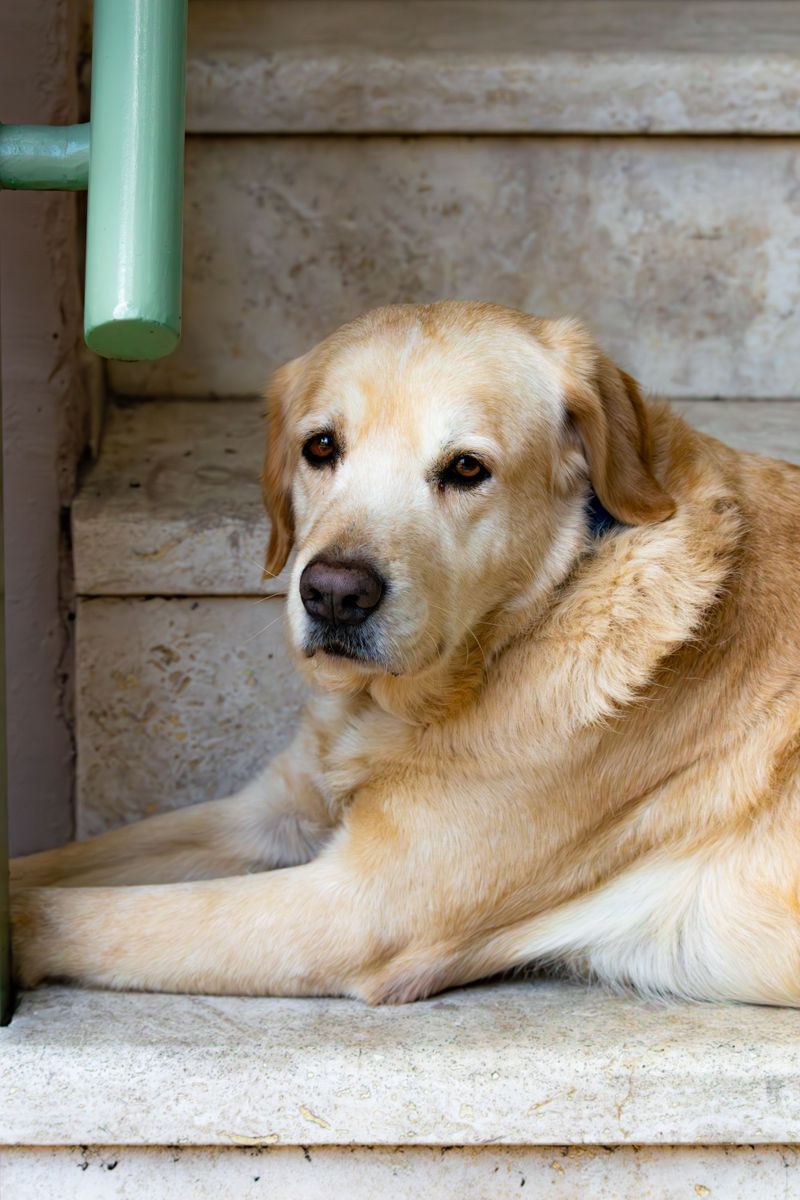
Halfway home is a reasonable place to pause. Use a landing where you can stand safely without blocking doors or other residents.
Let your dog settle before asking for another flight.
There is no single rest schedule that fits every aging dog. Watch breathing, posture, and willingness to continue rather than counting seconds.
If your dog cannot recover comfortably, stop the climb and seek veterinary advice. Frequent difficulty means the overall stair plan needs review.
7. Avoid Rushing Your Dog Through Busy Hallways
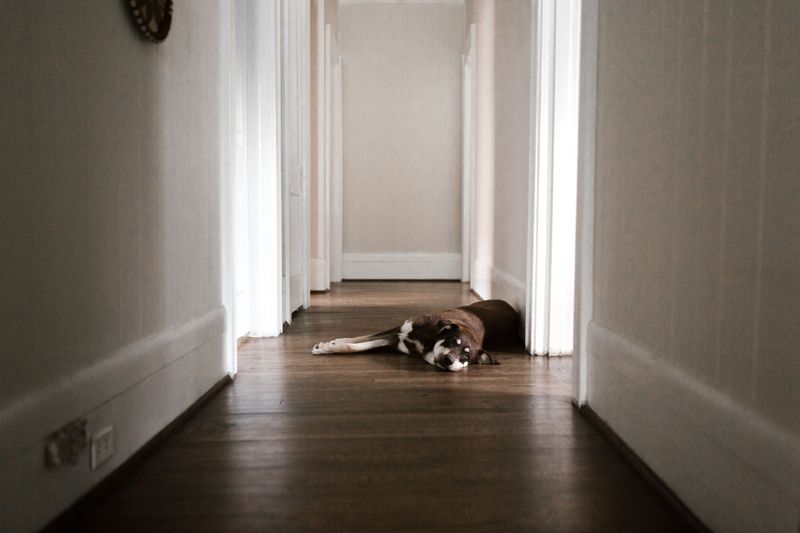
The after-work hallway rush can unsettle a dog who needs extra time. Listen for approaching neighbors before entering tight spaces.
When possible, wait inside until the path becomes quieter.
Ask others politely for a little room instead of pulling your dog aside suddenly. Keep greetings brief near stair edges, even with familiar dogs.
A comfortable leash and calm voice provide guidance. Reward patient pauses on level ground, where your dog can stand without balancing awkwardly.
8. Use Elevators Whenever Your Building Has One

An available elevator can spare your dog an unnecessary climb. Some older buildings have one, even when residents usually choose the stairs.
Confirm access rules and operating hours with management.
Keep your dog beside you while entering, with the leash clear of closing doors. Never let the leash stretch across the doorway.
If your building truly has no elevator, skip this option. Instead, discuss reliable help or longer-term housing choices before stairs become unmanageable daily.
9. Plan Bathroom Breaks to Reduce Extra Trips
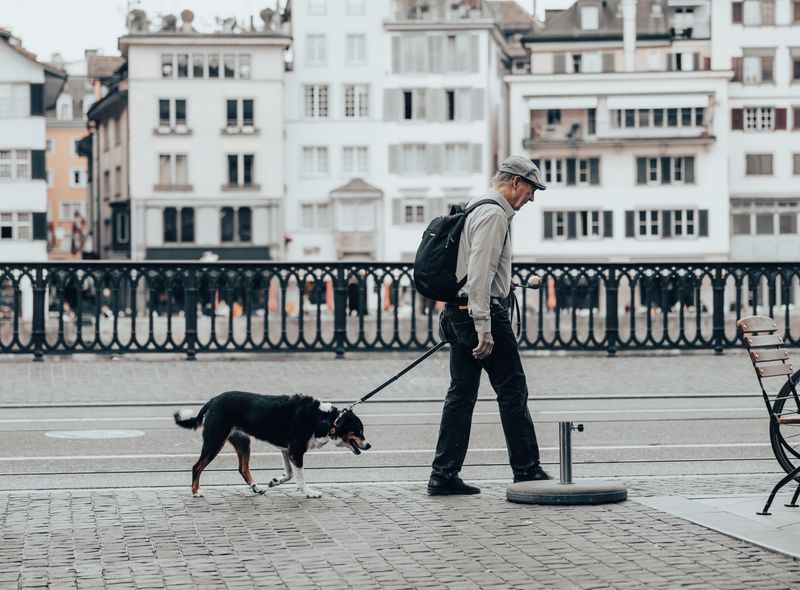
Forgotten keys should not mean another round of stairs. Gather waste bags, weather gear, and other essentials before leaving.
Coordinate with household members so outings are useful rather than duplicated.
Keep bathroom breaks frequent enough for your dog’s comfort and medical needs. Never restrict water or delay needed relief to save steps.
A simple outing log can reveal helpful patterns. Ask your veterinarian about new urgency, accidents, or increased thirst instead of assuming age explains everything.
10. Choose a Comfortable Place for Your Dog to Rest
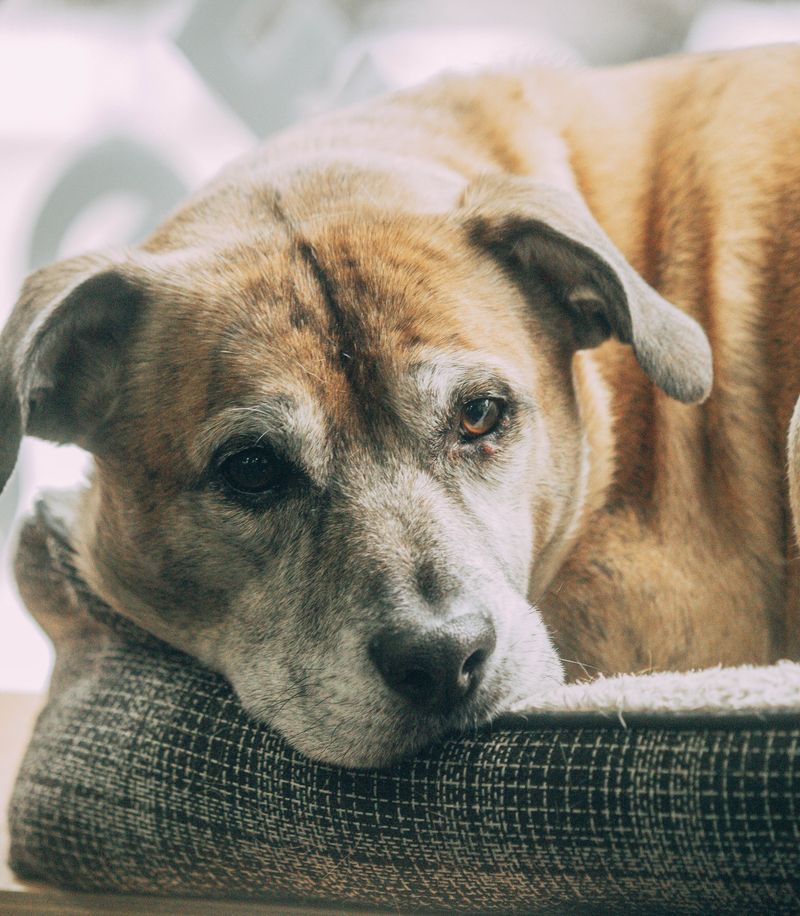
Coming home should lead to an easy, comfortable landing spot. Place a supportive bed somewhere quiet, away from drafts and busy doorways.
Your dog should reach it without climbing furniture.
Choose a bed that allows easy entry and does not slide during standing. Keep drinking water nearby without crowding the walking route.
Wash bedding regularly and check for dampness. If your dog struggles to settle after outings, discuss pain control and recovery needs with your veterinarian.
11. Use Indoor Potty Options When Appropriate
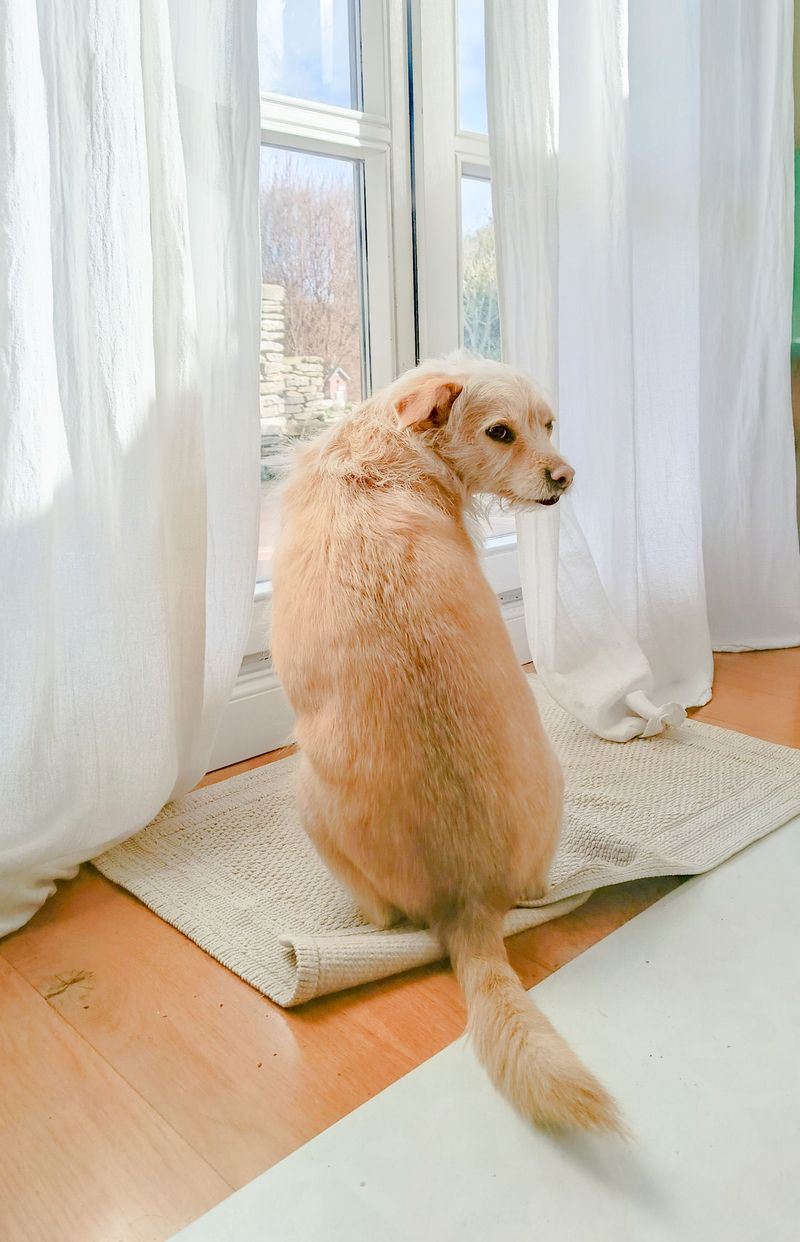
Rainy nights and limited mobility sometimes call for an indoor backup. A washable pad or low-entry dog toilet may reduce selected stair trips.
Introduce it patiently, using rewards rather than pressure.
Place the setup inside your apartment, away from food and sleeping areas. Clean it promptly and protect the floor beneath.
Indoor options do not replace suitable movement, outdoor enrichment, or veterinary care. Sudden accidents deserve a health check, even when a convenient backup is available.
12. Keep Your Dog at a Healthy Weight
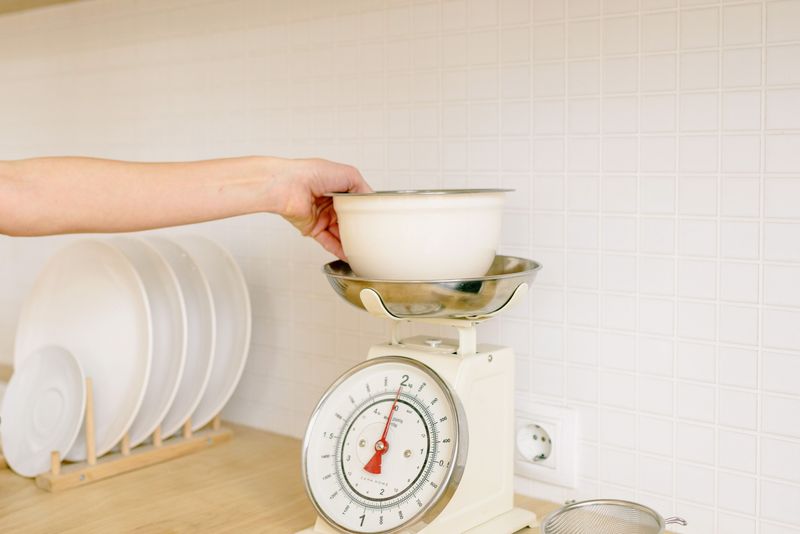
Extra body weight adds work to every climb. Your veterinarian can assess your dog’s body condition and recommend a suitable feeding plan.
Healthy weight goals should reflect muscle condition, too.
Measure meals instead of guessing, and include treats in the daily food allowance. Avoid sudden diet cuts, especially for dogs with other health needs.
Pair nutrition changes with comfortable activity your veterinarian approves. Regular weigh-ins help you notice progress without relying only on how your dog looks.
13. Support Joint Health With Veterinary Guidance
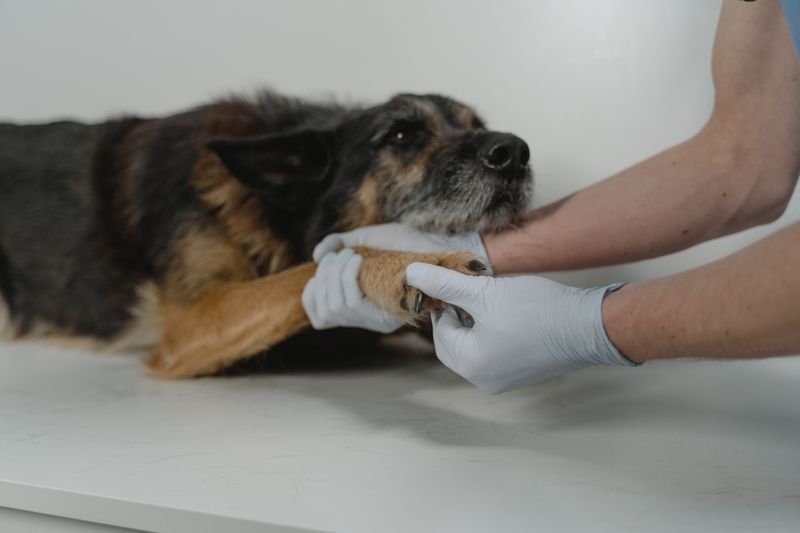
Slower stair climbing can have several causes, not just stiff joints. A veterinary exam helps identify pain, weakness, or other problems affecting movement.
Bring notes about changes you have noticed.
Treatment may include prescribed medicine, rehabilitation, or changes to daily exercise. Supplements vary in quality and suitability, so ask before buying.
Never give human pain medicines unless your veterinarian specifically directs you. Share videos of stair movement when safely recorded by another person during normal outings.
14. Watch for Signs That Stair Climbing Is Becoming Too Difficult
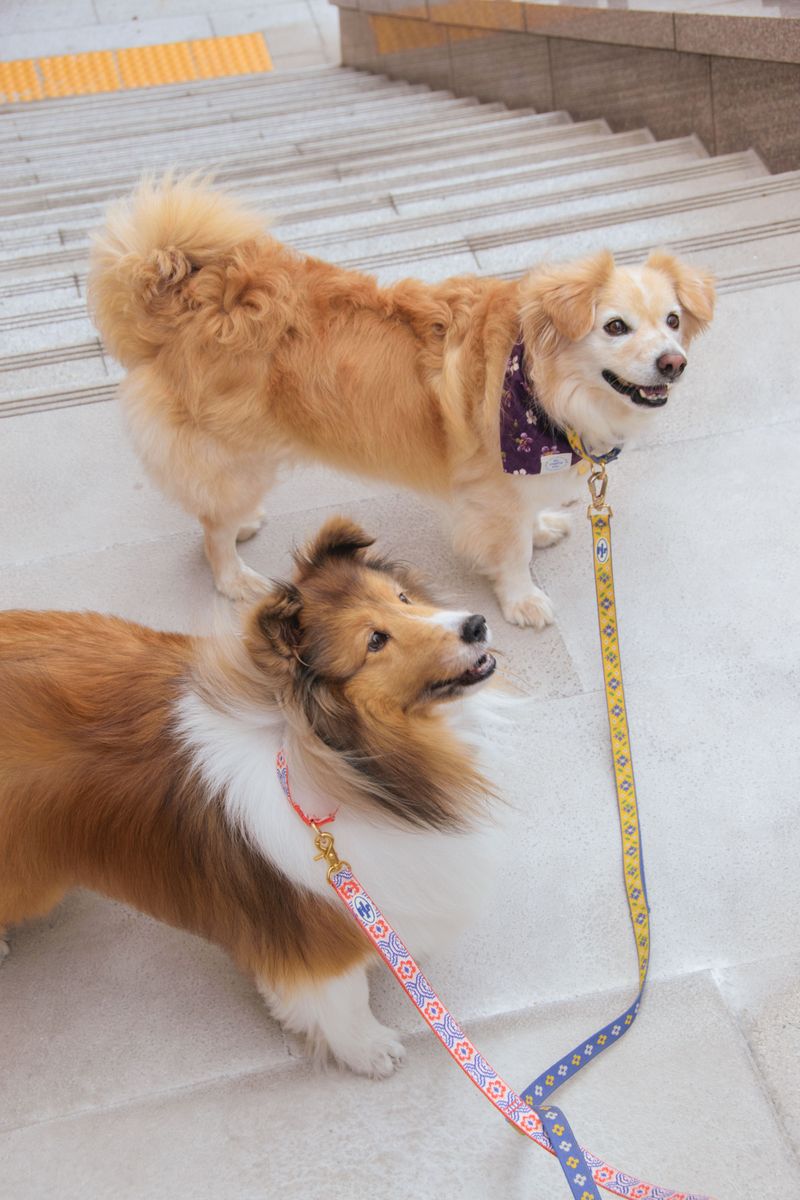
Hesitation is information, not stubbornness. Notice slipping, repeated stops, trembling, or changes in how your dog places their feet.
Refusing familiar stairs also deserves attention, especially when the change is new.
Stop rather than forcing another attempt when your dog seems uncomfortable. Contact your veterinarian about ongoing changes.
Sudden inability to stand, marked weakness, or breathing difficulty needs urgent veterinary guidance. Keep a backup plan for help, including someone who can assist safely without rushing you.