20 Ways A Rescue Dog’s Routine Changes Between Rural Pennsylvania And Philadelphia
Moving a rescue dog between quiet Pennsylvania farmland and busy Philadelphia streets is a big change for both of you. Your dog will notice new sounds, smells, and schedules right away.
The good news is that most dogs adapt well with patience and a clear plan. Here is a friendly guide to what shifts, and how you can help your pup feel safe and settled in either place.
1. Walks Go From Long And Quiet To Short And Busy
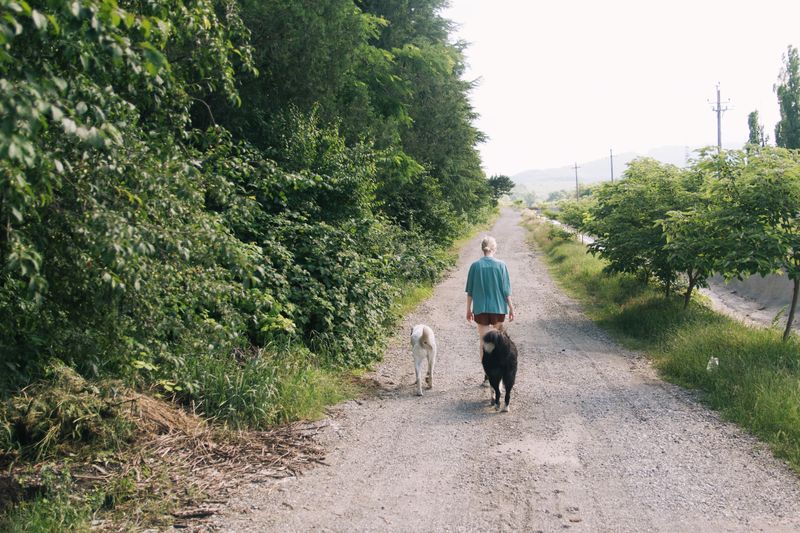
Picture a gravel lane with nothing but birdsong and the crunch of paws. Rural Pennsylvania walks often stretch long and peaceful on low-traffic roads or trails.
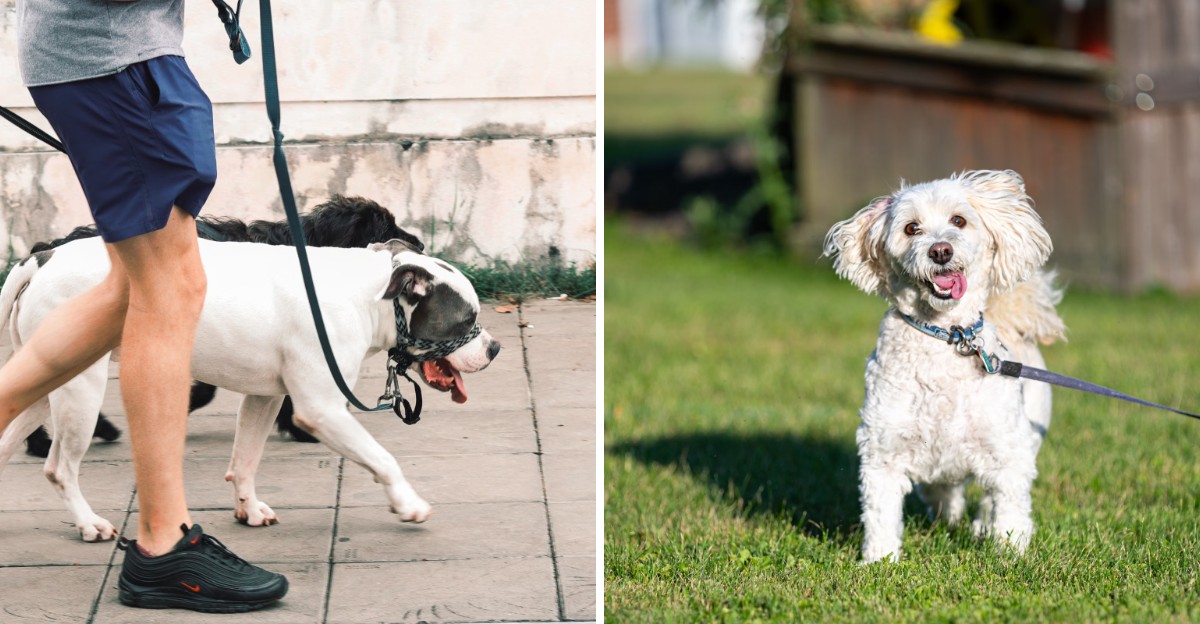
Philadelphia walks look different. They tend to be shorter, with cars, bikes, strollers, and street noise at every corner.
Start city walks on calmer blocks at quiet times, like early morning. Bring tasty treats, keep the pace relaxed, and let your dog sniff when it feels safe.
2. Open Fields Give Way To Sidewalks And Parks
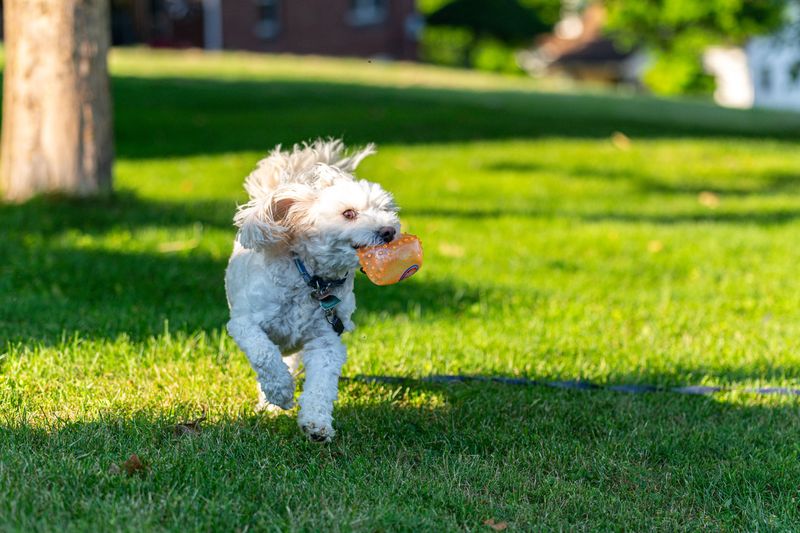
Out in the countryside, a dog can often burn energy in a big yard or open field. Exercise happens almost naturally.
City life changes the math. Philadelphia dogs rely more on sidewalks, neighborhood parks, and walks you plan ahead of time.
A simple tip helps here. Block out exercise times on your calendar, just like appointments.
Dogs love predictability, and a steady plan keeps energy from building up indoors.
3. Meeting Other Dogs Becomes A Daily Event
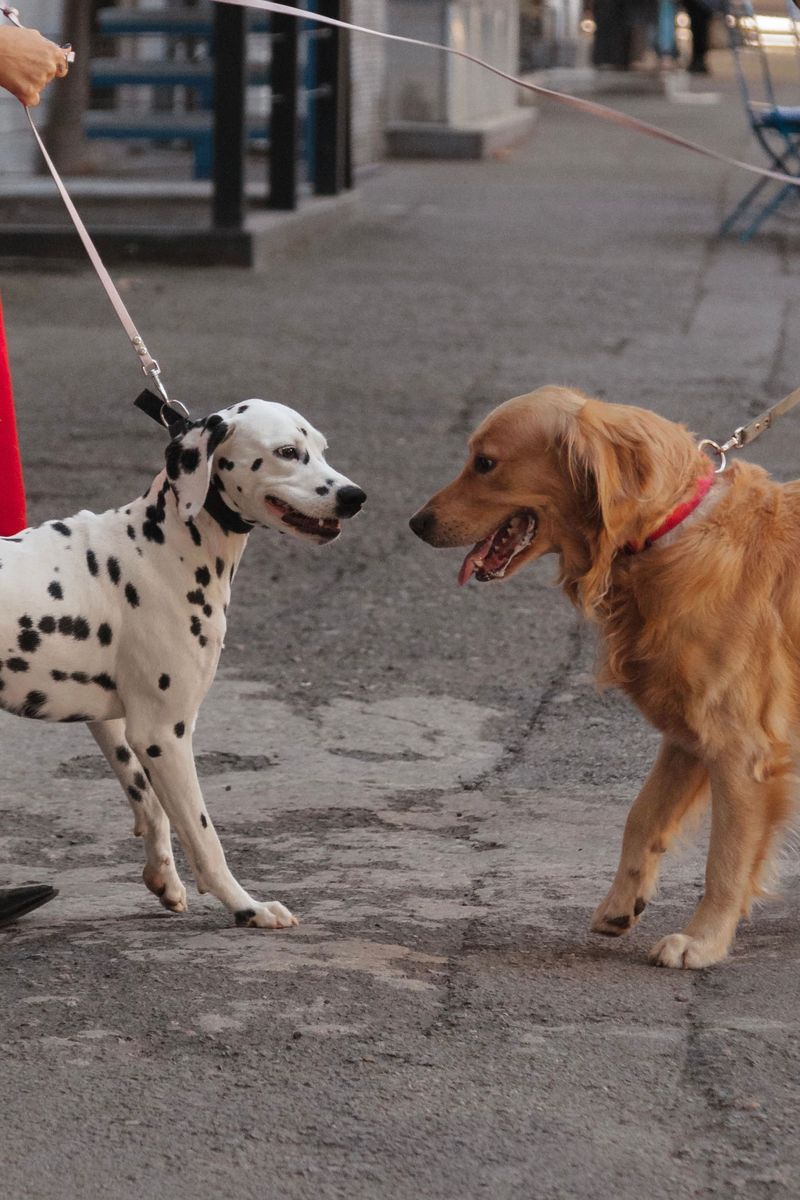
Some rural dogs go days without seeing another pup. Encounters are rare and usually easy to avoid.
Philadelphia flips that script. You may pass several dogs on one block, often at close range.
Good leash management makes these moments smooth. Keep the leash loose but short, step aside to give space, and reward calm behavior.
Always ask before letting dogs greet. Many rescues prefer polite distance over nose-to-nose hellos, and that is perfectly fine.
4. The Critters Change, But The Chase Instinct Stays
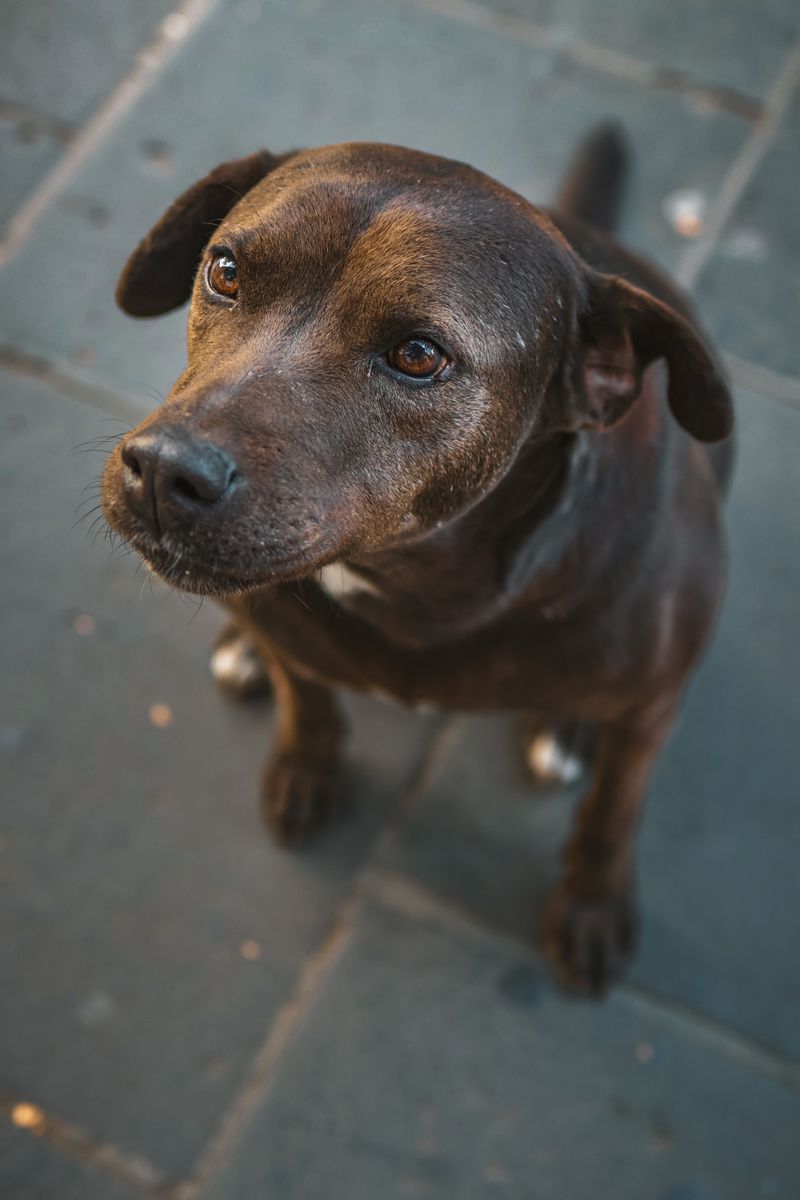
Deer at the tree line, rabbits in the garden, squirrels on fence posts: rural Pennsylvania is full of things that spark prey drive.
City wildlife simply wears a different outfit. In Philadelphia, pigeons, squirrels, and rats become the new temptations.
Practice a solid “watch me” cue with high-value treats. When your dog spots a critter, reward them for turning back to you.
Over time, looking at you becomes more rewarding than lunging.
5. Car Trips Shrink As Walkable Errands Grow
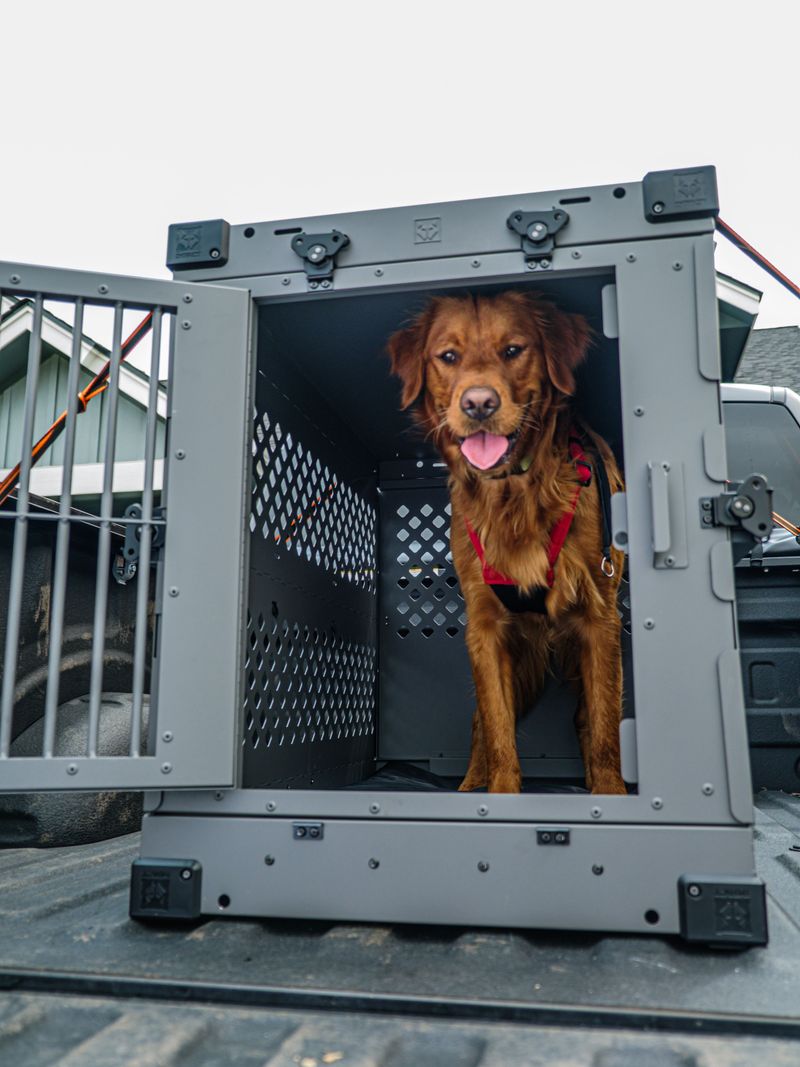
Country living often means a drive for almost everything. Vet visits, pet food, and training classes can be many miles away.
That makes car comfort a key rural skill. Use a secured crate or a dog seat belt harness for safer travel.
In Philadelphia, many daily needs may be reachable on foot. A walk to the pet store can double as training time.
Just keep short car practice going for occasional longer trips.
6. Bathroom Breaks Need More Planning
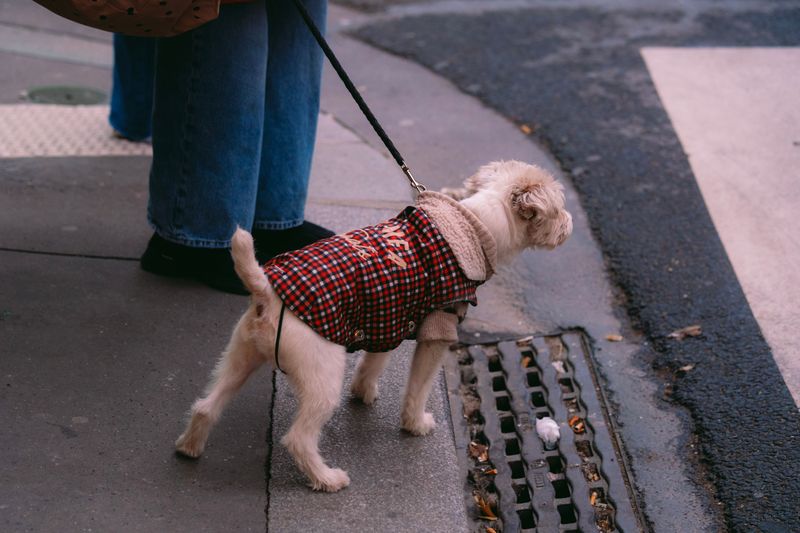
Opening the back door and letting your dog wander to the grass is a rural luxury. Potty breaks there are usually quiet and simple.
City potty trips take more steps. You may need a leash, stairs or an elevator, and a walk to a suitable spot.
Keep a leash, bags, and shoes by the door. Philadelphia requires owners to pick up after their dogs, so always carry bags.
Consistent timing helps rescues learn quickly.
7. Strangers Become Part Of The Scenery
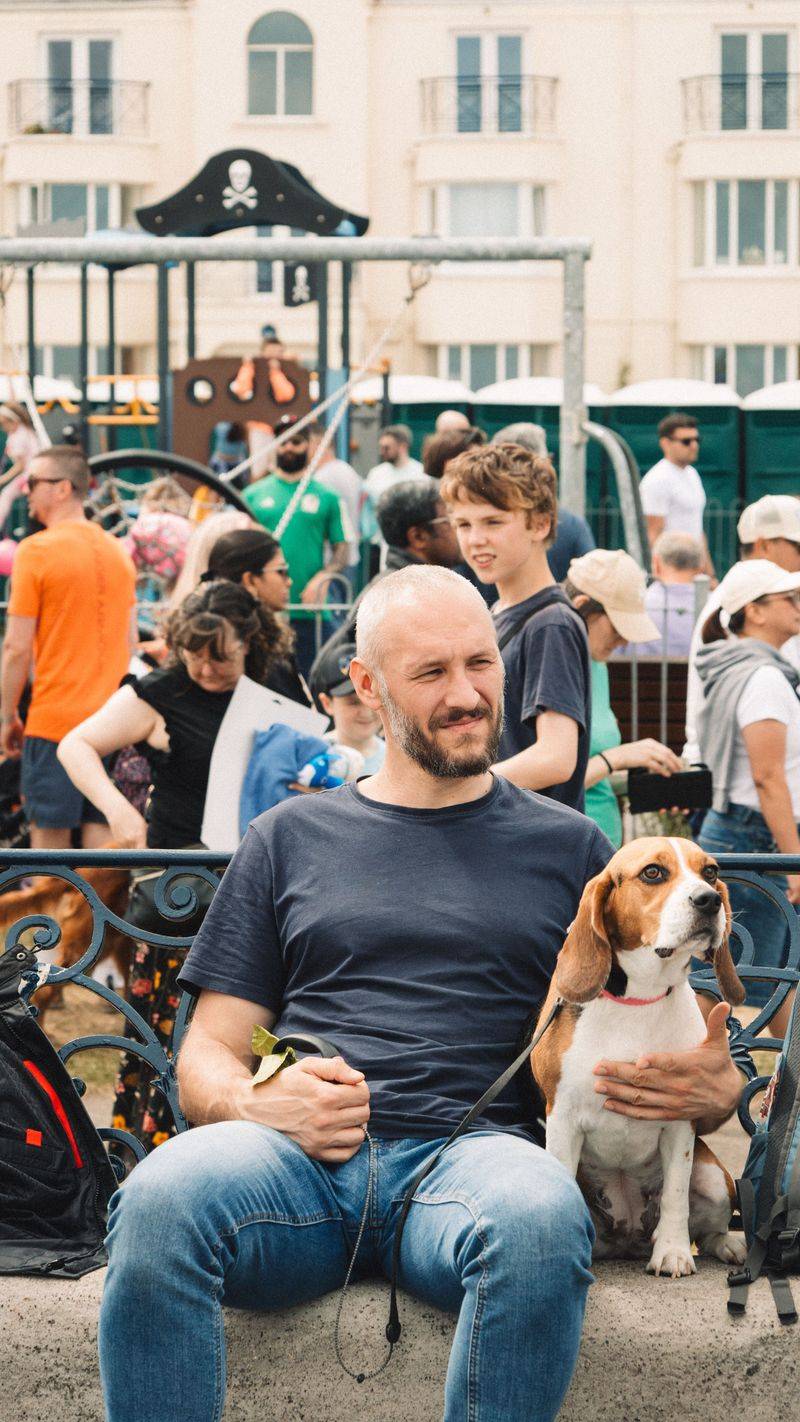
A rural rescue might see only family, a mail carrier, and the occasional neighbor. Life stays small and familiar.
Philadelphia brings a steady parade of people. Joggers, kids, delivery workers, and tourists all share the sidewalk.
Used wisely, crowds can become gentle socialization. Let your dog watch from a comfortable distance and reward relaxed body language.
Nobody needs to pet your dog. Calm observation builds confidence better than forced greetings ever could.
8. Tractors Out, Sirens In
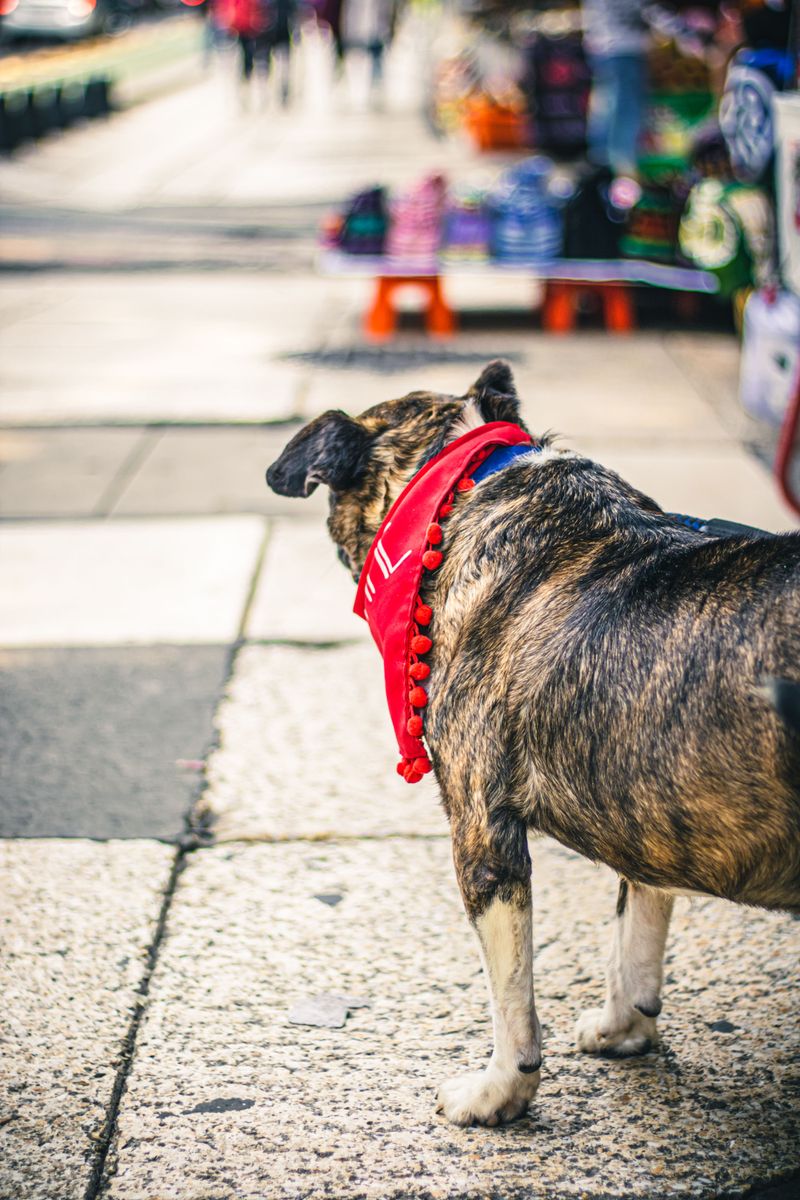
Rumbling tractors, buzzing ATVs, and coyotes calling at dusk make up the rural soundtrack. Many country dogs barely notice them.
Philadelphia swaps in sirens, buses, trucks, construction, and honking horns. For a sensitive rescue, that can feel like a lot.
Try pairing sounds with good things. When a loud truck passes, toss a treat.
Soon, noise predicts snacks instead of stress. Recordings of city sounds at low volume can help before moving too.
9. One Big Adventure Or Several Small Ones
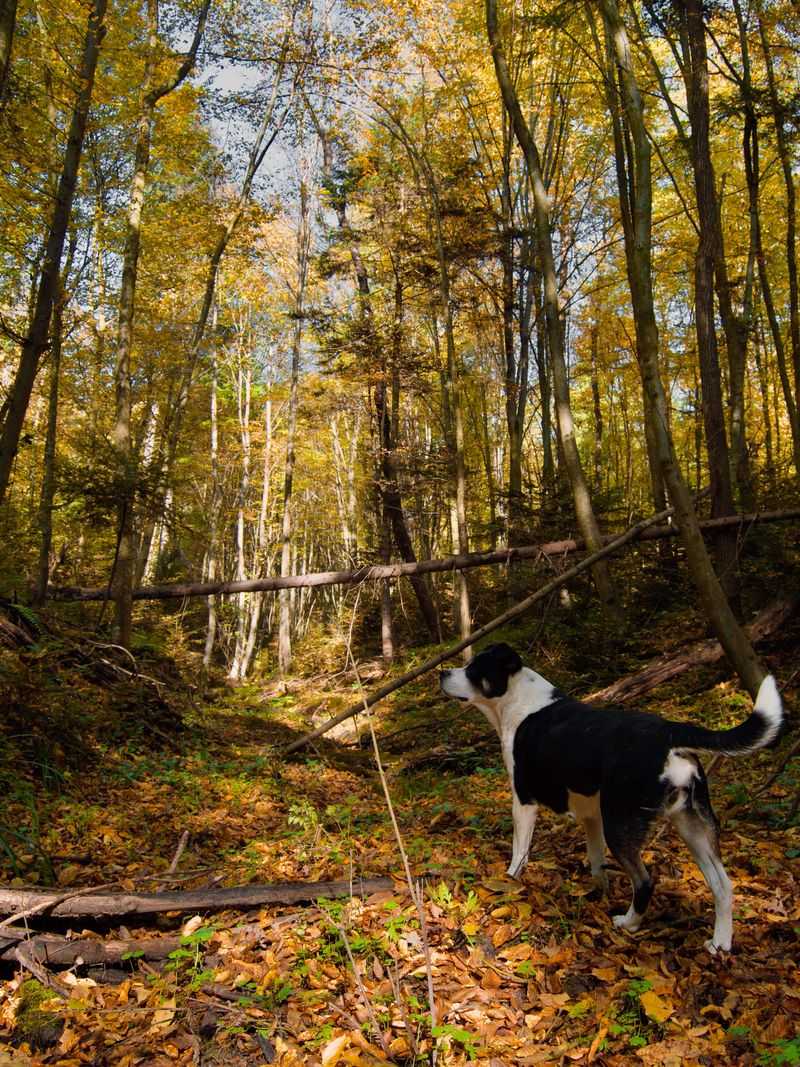
Weekend hikes through Pennsylvania forests can tire out even the busiest dog. Rural exercise often comes in long, satisfying outdoor sessions.
City schedules usually break exercise into pieces. A Philadelphia dog might get a morning walk, a lunchtime stroll, and an evening park visit.
Both approaches work. What matters is total activity that fits your dog’s age, breed, and health.
Your veterinarian can help you find the right daily amount.
10. Indoor Fun Picks Up The Slack
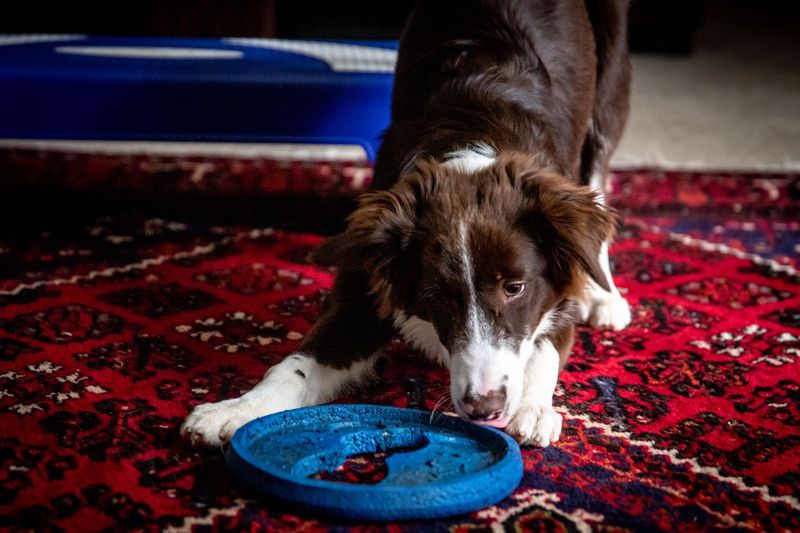
A fenced rural yard lets a dog trot, sniff, and explore independently. That free time adds up to plenty of extra activity.
With less outdoor space in the city, indoor enrichment becomes a bigger deal.
Puzzle feeders, snuffle mats, and lick mats turn mealtime into a brain game. Short training sessions and hide-and-seek with treats also help.
Ten minutes of sniffing work can tire a dog surprisingly well.
11. Ticks Travel Everywhere

Here is a fact many owners learn quickly: Pennsylvania has some of the highest Lyme disease case counts in the country.
After walks through rural fields and woods, check your dog carefully. Look between toes, under the collar, and inside the ears.
City dogs are not off the hook. Parks like the Wissahickon can host ticks too.
Ask your veterinarian about a prevention product and whether year-round use makes sense.
12. Neighbors Move Much Closer
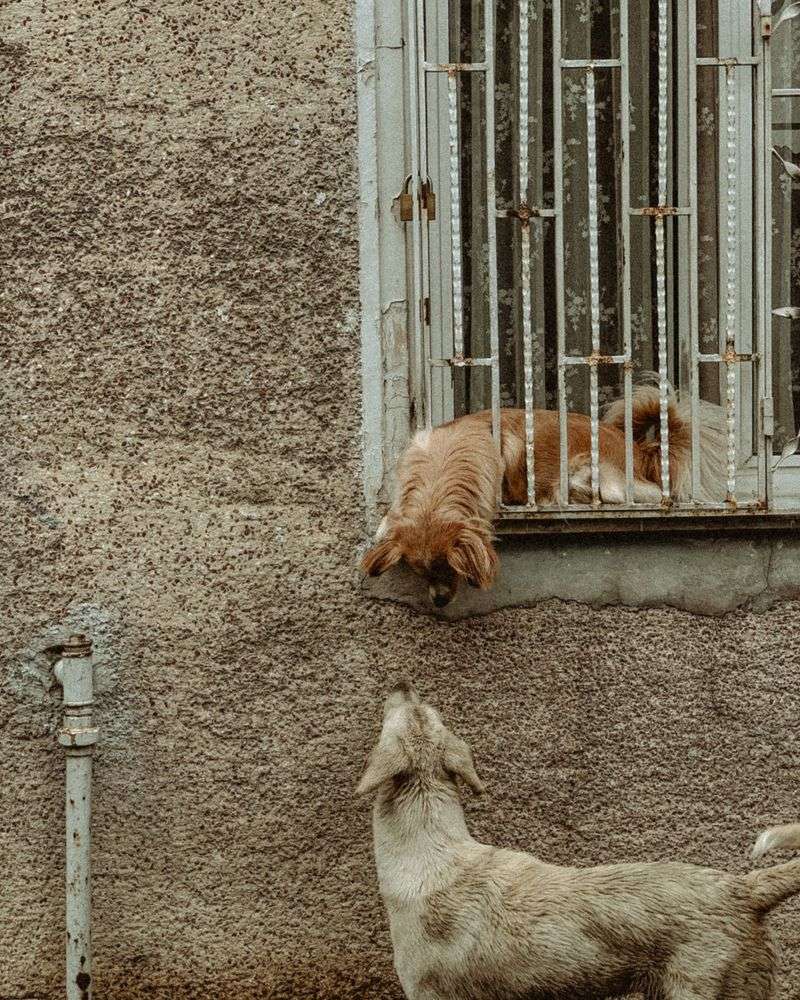
Acres of space often separate rural homes. Your dog’s barking or zoomies rarely bother anyone.
Philadelphia apartments and rowhouses share walls, stairwells, and front steps. Your dog will live closer to people and other pets than ever before.
Friendly habits go a long way. Teach a quiet cue, use hallways calmly, and keep your dog leashed in shared spaces.
Introducing yourself to neighbors early can build goodwill and patience.
13. Training Goals Take A New Shape
Open land makes a strong recall a top priority in the country. A dog who comes back reliably stays safer around roads and wildlife.
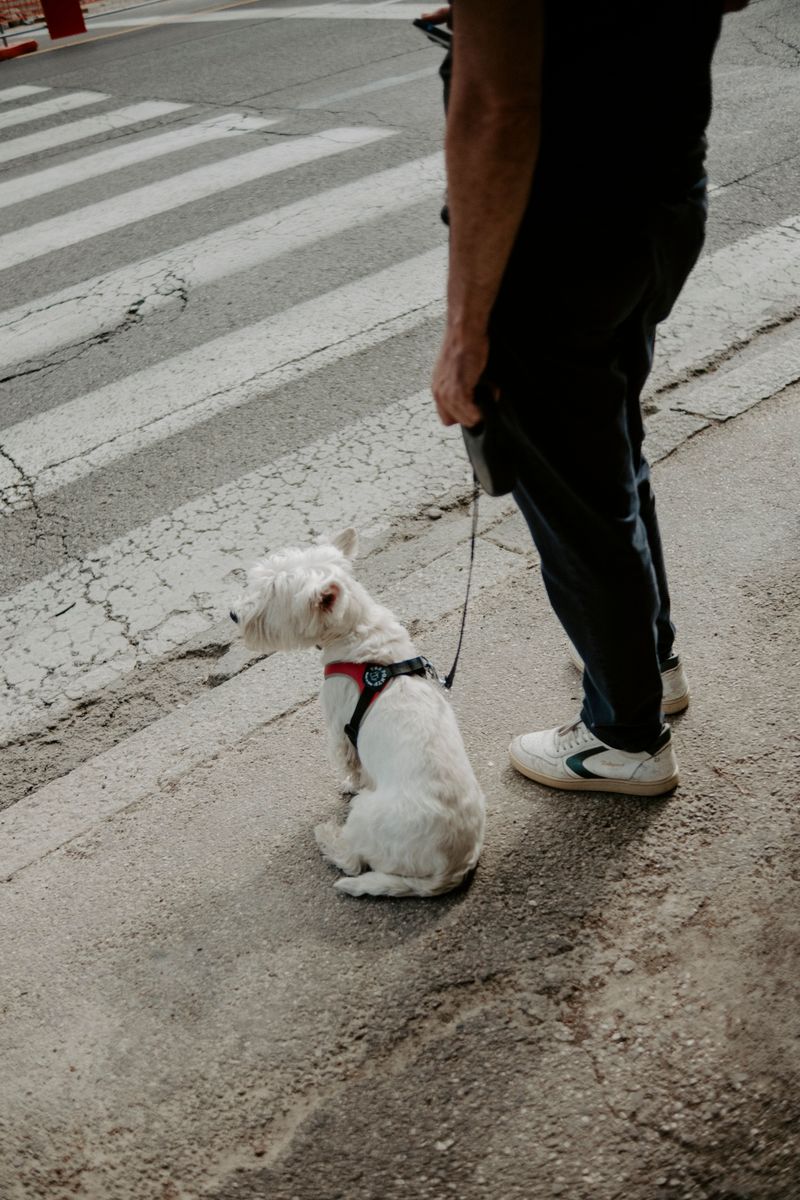
In Philadelphia, the focus shifts. Loose-leash walking and polite street crossings matter most.
Teach your dog to sit at every curb before crossing. It becomes a helpful safety pause.
Keep in mind that Philadelphia generally requires dogs to be leashed in public, so confirm park rules locally.
14. The Clock Starts Running On Walk Times
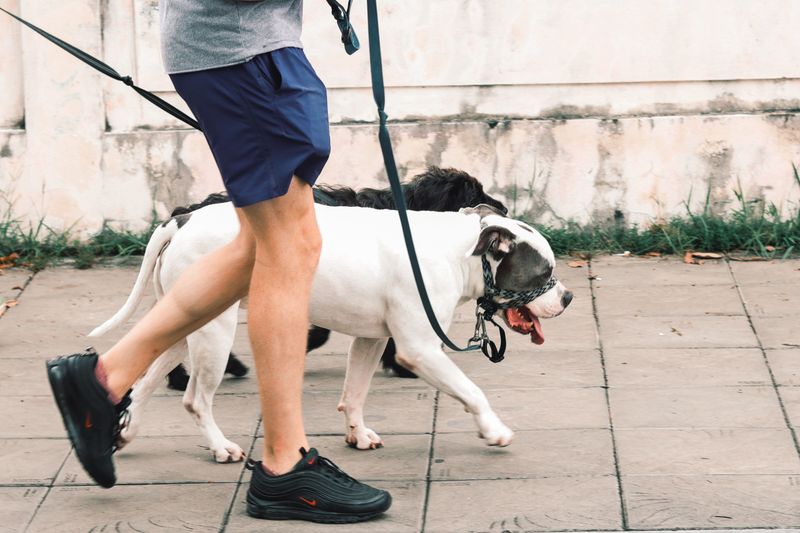
Country days often follow the outdoors. Meals and naps might fall around long stretches of yard time or chores.
City routines usually revolve around the walk schedule. Breakfast, potty breaks, and rest may all be timed around several planned outings.
Rescue dogs tend to relax when days feel predictable. Try feeding, walking, and settling at roughly the same times.
Many vets suggest waiting a bit after meals before vigorous exercise.
15. Decompression Looks Different In Each Place
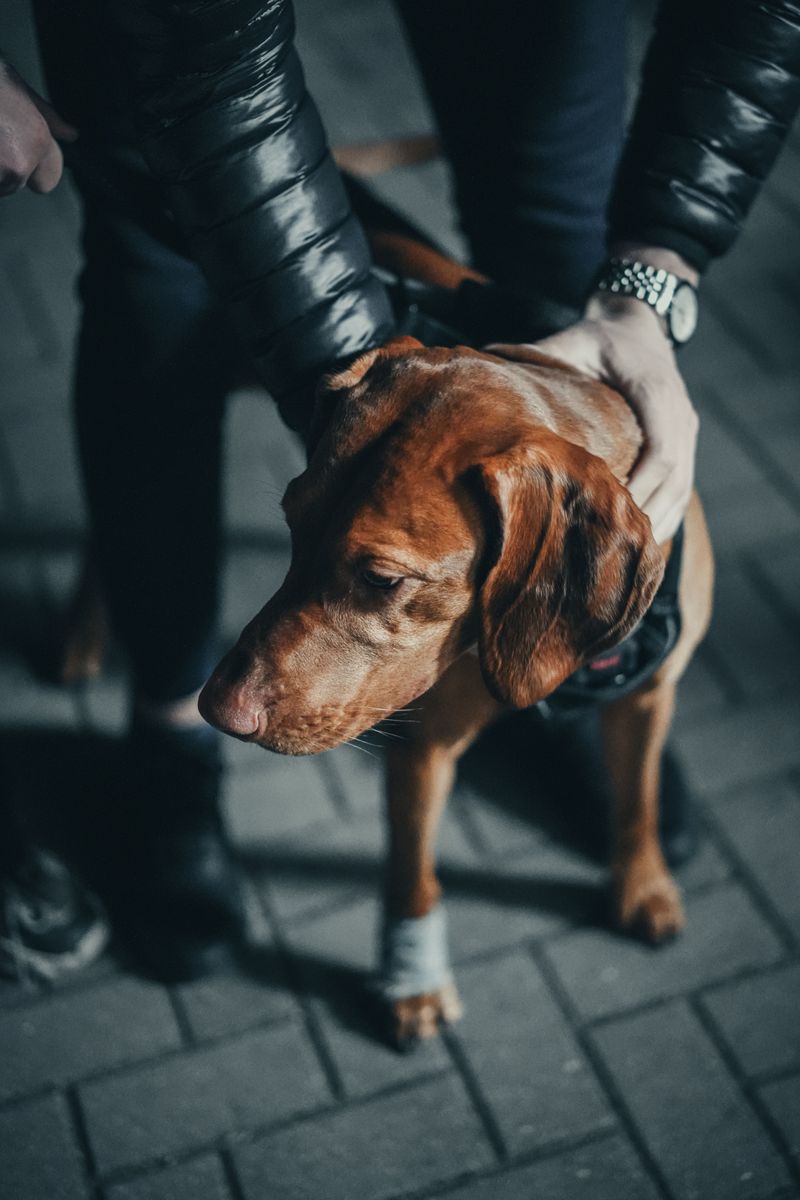
Many rescues arrive a little overwhelmed. Rural homes can offer a soft landing with fewer triggers around.
City life asks for a slower start. Gradual exposure to busy streets helps prevent sensory overload.
Begin with short trips on quiet blocks. Watch for signs of stress like tucked tails, yawning, or freezing.
If you see them, move away calmly. A certified trainer or veterinary behaviorist can help if worries continue.
16. After-Dark Walks Need Fresh Precautions
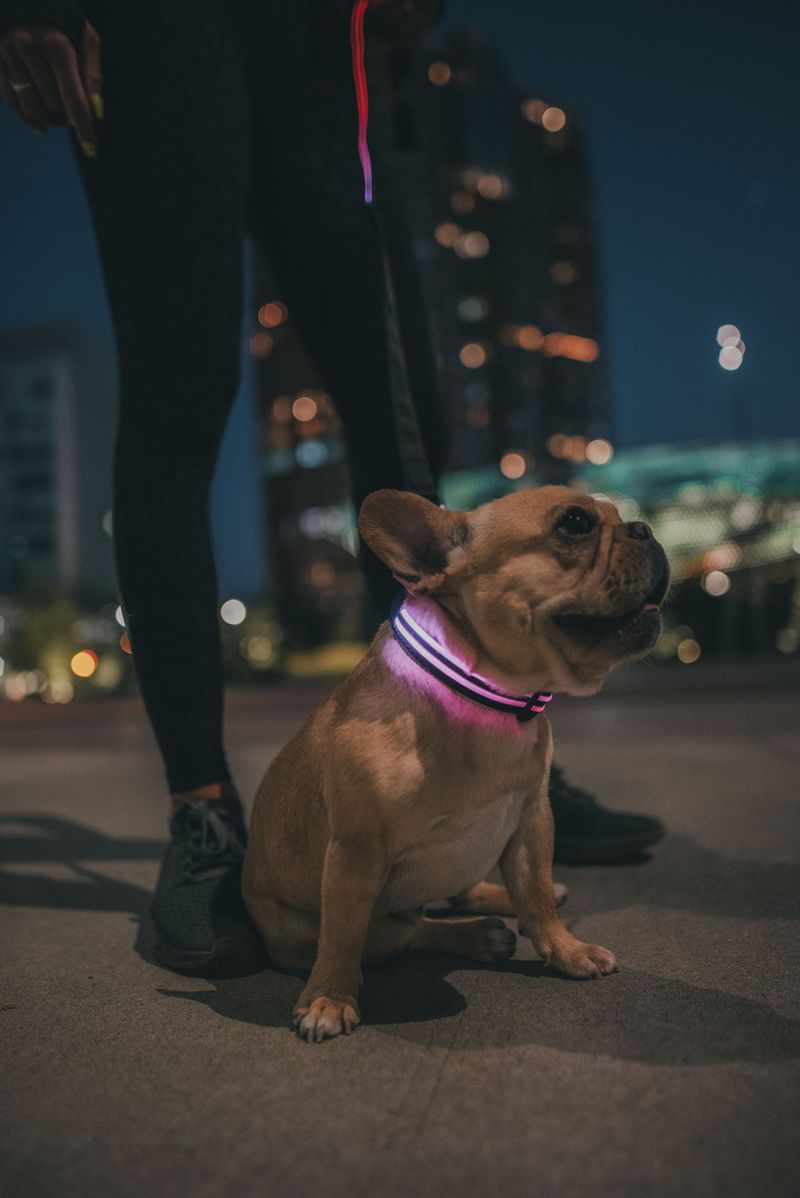
Once the sun sets in the country, roads can get very dark. Streetlights may be rare or missing entirely.
Reflective vests, LED collars, and a flashlight help drivers see you both. Walk facing traffic when there is no sidewalk.
Philadelphia evenings are usually brighter but busier. Expect more people, bikes, and activity.
Light-up gear still helps, and staying alert keeps city strolls relaxed.
17. Dog Parks Go From Rare To Nearby
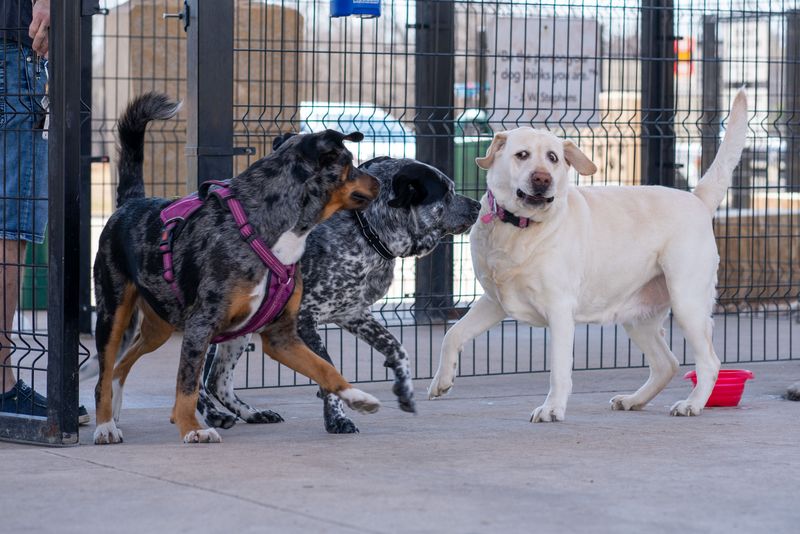
Finding a dog park in rural Pennsylvania can mean a long drive, if one exists at all.
Philadelphia has a number of dog runs and neighborhood parks. These spaces can offer more structured social time.
Not every rescue enjoys group play, though. Visit during quiet hours first and watch your dog’s comfort.
Many dog runs require current vaccinations and licensing, so check each run’s posted rules before going in.
18. Every Season Brings Its Own Checklist
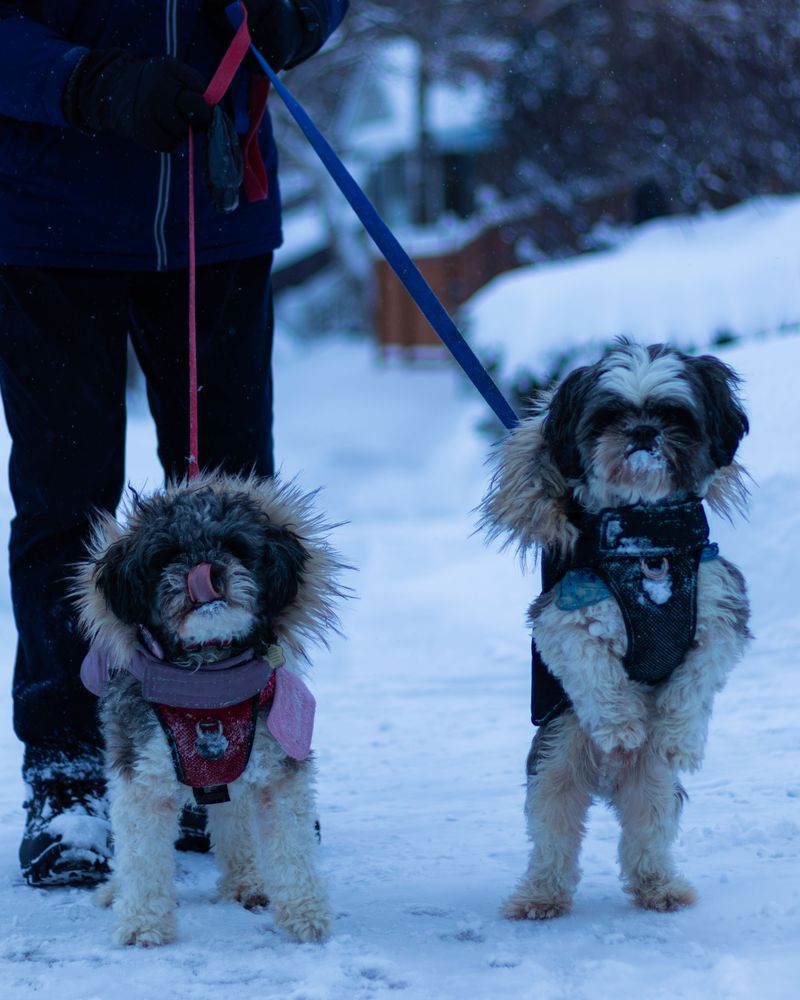
Mud season on rural trails means lots of towel time. Winter can bring snow-covered paths and slick country roads.
Philadelphia weather matters too, just in different ways. Salted sidewalks can irritate paws, so rinse feet after winter walks or try booties.
Summer pavement can get very hot. Test it with the back of your hand for several seconds.
If it feels too warm for you, it is too warm for paws.
19. Alone Time Sounds Very Different
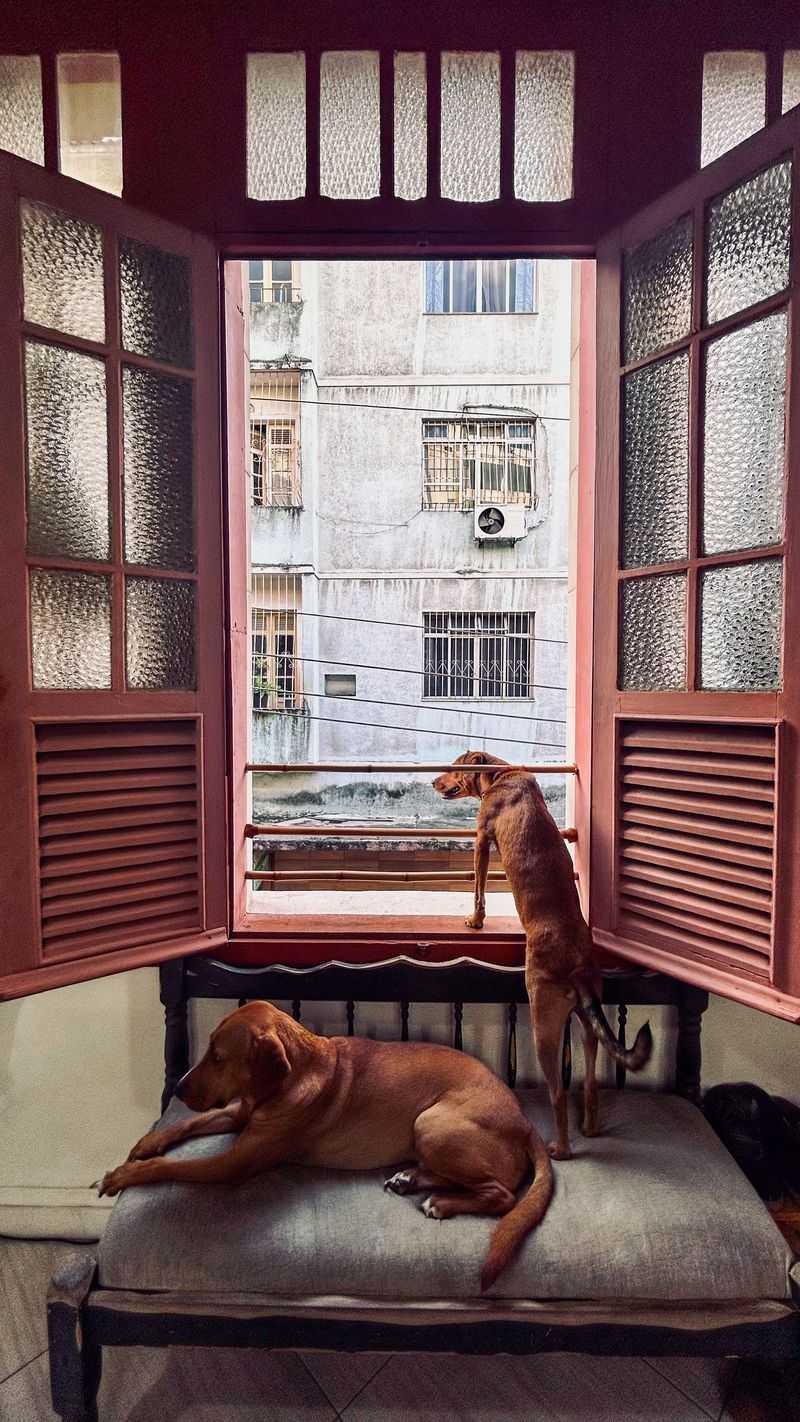
A country house can feel almost silent when you leave. Many dogs simply nap until you return.
City homes are rarely that quiet. Building noises, neighbors, deliveries, and hallway footsteps can keep a dog on alert.
Settling training helps. Practice short departures, offer a long-lasting chew, and try soft background sound like white noise.
Gradually lengthen your time away. Ask a trainer if barking or anxiety seems stuck.
20. Two Lifestyles, One Happy Dog
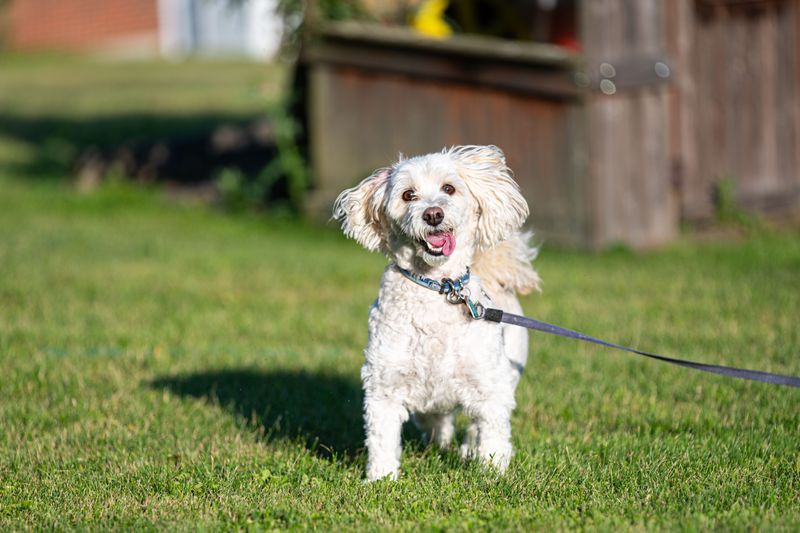
Think of it as two different toolkits. Rural life leans on space, wildlife awareness, and outdoor freedom.
Philadelphia life leans on leash skills, urban confidence, and handling frequent stimulation.
Neither lifestyle is better. Rescue dogs thrive anywhere with patience, routine, and an owner who pays attention.
Celebrate small wins along the way. With time and kindness, your dog will feel at home, whether surrounded by cornfields or city blocks.