What A Florida Pet Sitter Needs To Know About Storm Shutters, Backup Power, And Evacuation Instructions
If you live in Florida and hire a pet sitter, hurricane season deserves a real conversation. Storms can form quickly, and your sitter may be the one standing in your home when the wind picks up.
Knowing how your shutters work, what your backup power can do, and where to go if an evacuation is ordered makes everyone calmer. Think of this as a friendly checklist to share with your sitter before the next storm watch.
A little planning now keeps your dog safe, your home protected, and your sitter confident.
1. Learn Every Shutter Type in the Home

Florida homes often mix several shutter styles on one house. Accordion shutters fold out from side tracks and lock in the middle.
Roll-down shutters drop from a box above the window, using a crank or a motor.
Bahama shutters are hinged at the top and lowered for storms. Colonial shutters swing closed from both sides.
Storm panels are loose metal or clear plastic sheets that bolt onto tracks.
Ask the owner to walk you through each type. Also learn where any removable panels are stored.
2. Settle Who Closes the Shutters

Picture a storm watch issued while the owner is on a cruise. Who actually puts the shutters up?
That answer should never be a guess.
Homeowners are usually responsible for shutter installation. Some hire a shutter company or a handyman for heavy panels.
Others expect the sitter to help, which is a big ask.
Get the plan in writing before the trip. Include phone numbers for any hired installer.
If the job feels unsafe for you, say so early.
3. Find the Keys, Cranks, and Tools

A crank handle tucked behind paint cans is useless during a rush. Roll-down shutters may need a manual crank when the power fails.
Some accordion shutters lock with a small key.
Storm panels usually need wing nuts, washers, and sometimes a drill or wrench. Owners often keep these bits in a bucket or labeled bin.
Ask for a quick tour of every tool and key. A printed instruction sheet taped inside the garage is a lifesaver for memory.
4. Clarify Timing for Closing and Opening

Timing matters more than most people expect. Shutters should go up before tropical storm winds arrive, since working on ladders in wind is risky.
Ask the owner what trigger they prefer. Some want shutters closed at a hurricane watch.
Others wait for a warning.
Removal needs a clear answer too. Most owners want shutters left in place until local officials say the danger has passed.
Get their approval before taking anything down.
5. Keep an Exit Open No Matter What
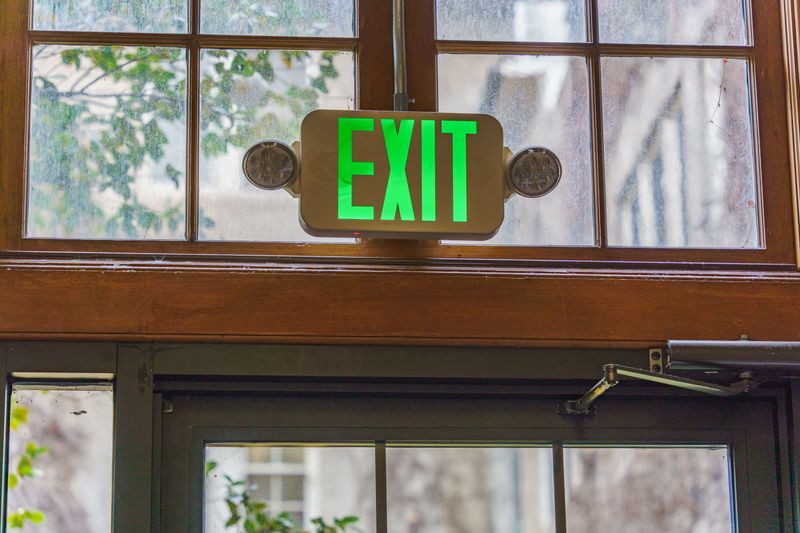
Closed shutters turn a house into a sturdy box. That is great for wind, but you still need a way out.
Fire safety experts advise keeping at least one exit easy to open. Many owners leave one door unshuttered or use a shutter that opens from inside.
Walk the house with the owner and name two exits. Make sure you can open them quickly while holding a leash.
Local fire codes vary, so owners can check with their fire department.
6. Bring Pets Inside and Away From Glass
Dogs notice everything during storm prep. Drills buzz, panels clang, and doors stay open longer than usual.
Bring pets indoors well before any work starts. Keep them in a closed room so nobody slips out the door.
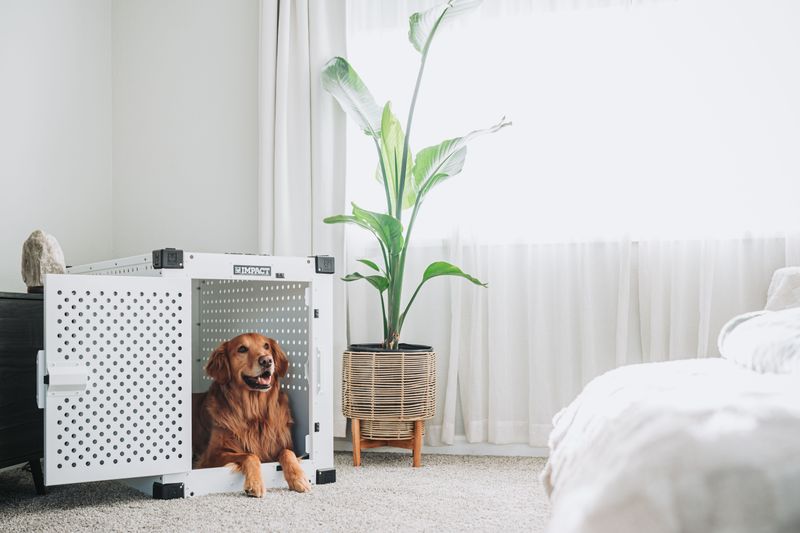
A crate in an interior space works nicely.
During the storm, choose a windowless room like a bathroom or closet. Add a familiar blanket and fresh water.
Your quiet, steady voice helps more than you might think.
7. Identify the Backup Power Setup
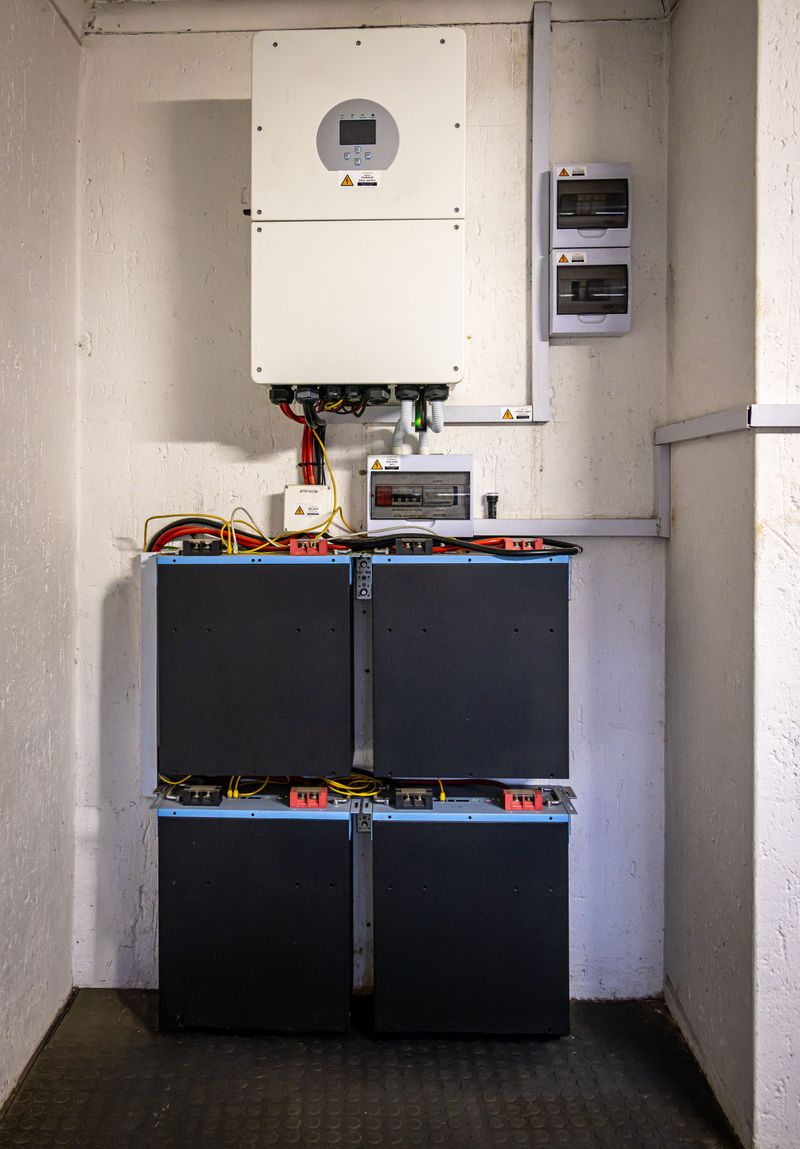
Not all backup power works the same way. Knowing which kind the home has changes your whole plan.
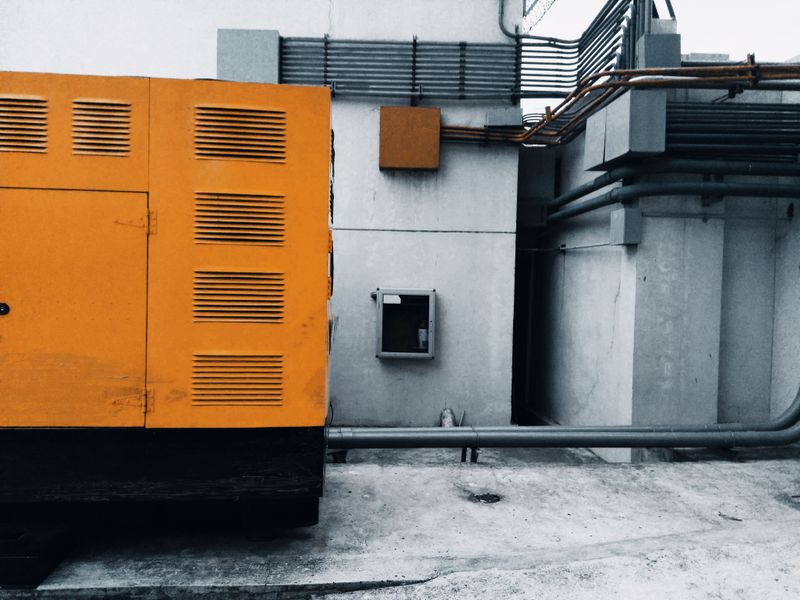
A portable generator needs someone to set it up, fuel it, and run cords. A standby generator is wired in and usually starts on its own.
A home battery stores energy and often switches over quietly.
Ask the owner which system they have. Also ask whether you are expected to operate it at all.
8. Know What Stays Powered
Here is a surprise for many sitters: backup power rarely runs the whole house. Smaller systems often cover only a few circuits.
Owners usually pick essentials like the fridge, some lights, fans, and outlets. Air conditioning may or may not be included.
Ask for a written list of what works during an outage. That helps you plan cooling for pets and protect refrigerated medications.
If insulin or other cold medicines are involved, ask the vet for backup storage advice.
9. Run Portable Generators Outside Only
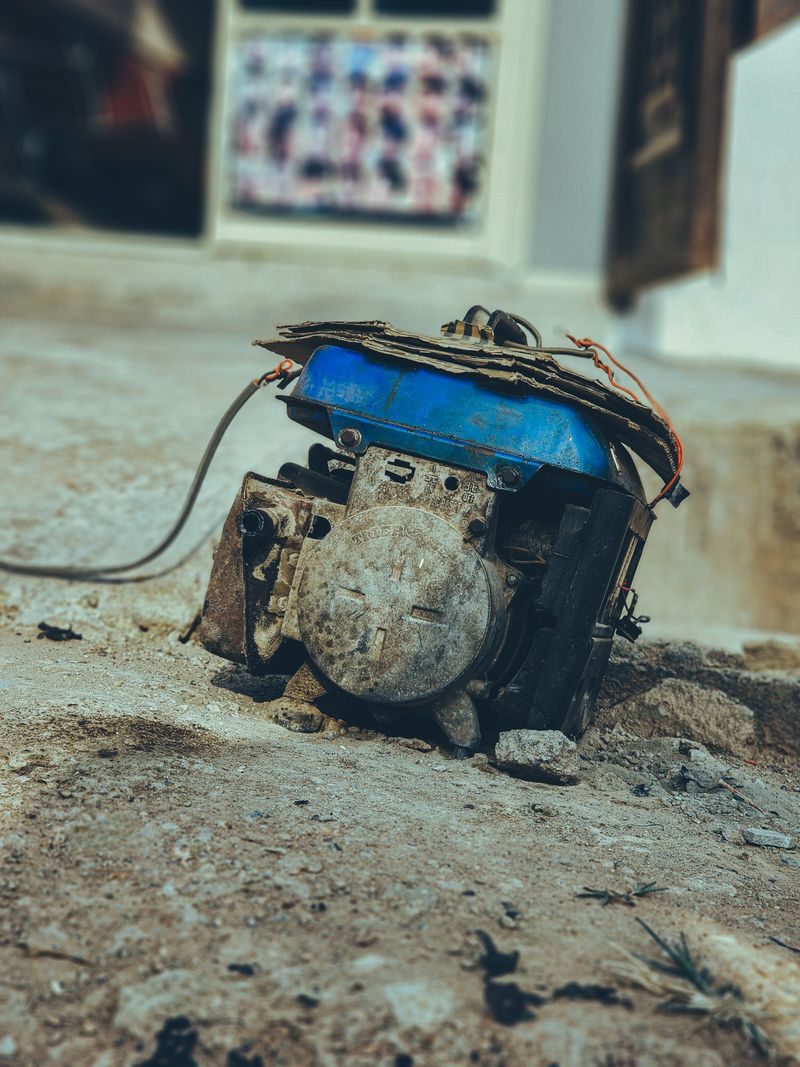
Portable generators belong outdoors, every single time. They give off carbon monoxide, a gas you cannot see or smell.
Never run one inside the home, garage, porch, or shed. An open garage door is still not enough.
Safety agencies advise placing it about 15 to 20 feet from the house.
Point the exhaust away from windows, doors, and vents, including the neighbors. Pets are sensitive to fumes too, so keep their area well away.
10. Skip Backfeeding Completely
Some people plug a generator into a wall outlet with a special cord. That trick is called backfeeding, and it is dangerous.
Power can flow back into utility lines and hurt line workers making repairs. It can also damage wiring and start fires.
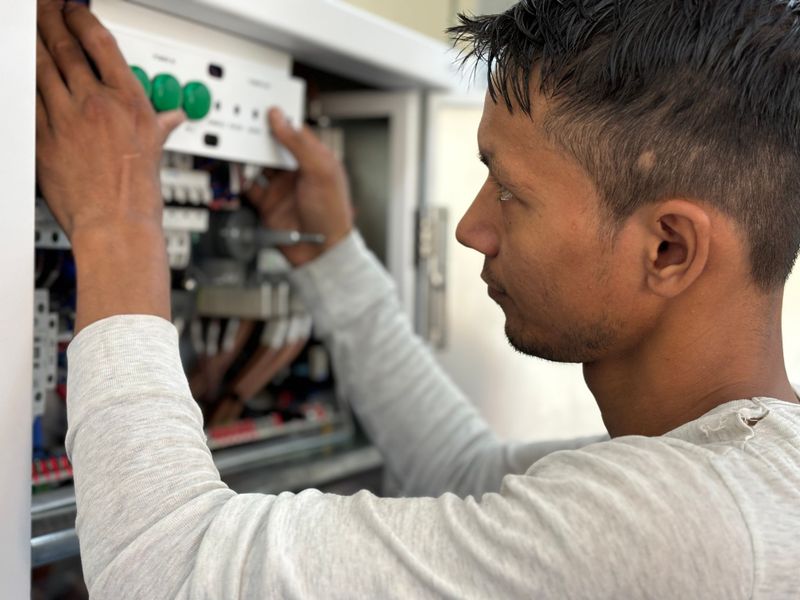
Florida follows electrical codes that call for an approved transfer switch or interlock. A licensed electrician installs these.
If the home lacks one, plug appliances straight into the generator with outdoor-rated cords.
11. Test the Carbon Monoxide Alarms

A small beeping box can be the best guest in the house. Carbon monoxide alarms should sit on each level and near sleeping areas.
Press the test button when you arrive. Check that battery models have fresh batteries.
If an alarm sounds, take the pets outside to fresh air and call 911. For refueling, shut the generator off and let it cool first.
Use heavy-duty outdoor cords and avoid overloading it. Follow the maker’s manual closely.
12. Stock Lights, Chargers, and Numbers
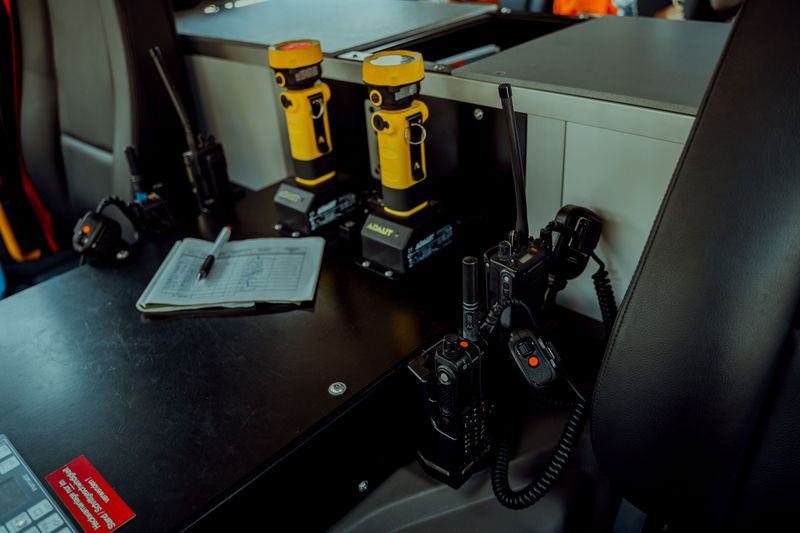
When the lights go out at night, dogs often look to you. Being ready keeps that moment calm.
Gather flashlights or LED lanterns with spare batteries. Skip candles, since wagging tails and flames do not mix.
Charge your phone and a couple of power banks early.
Print a contact list too, in case your phone dies. Include the owner, the vet, a nearby emergency animal hospital, and a backup helper.
13. Check the Evacuation Zone and Flood Risk
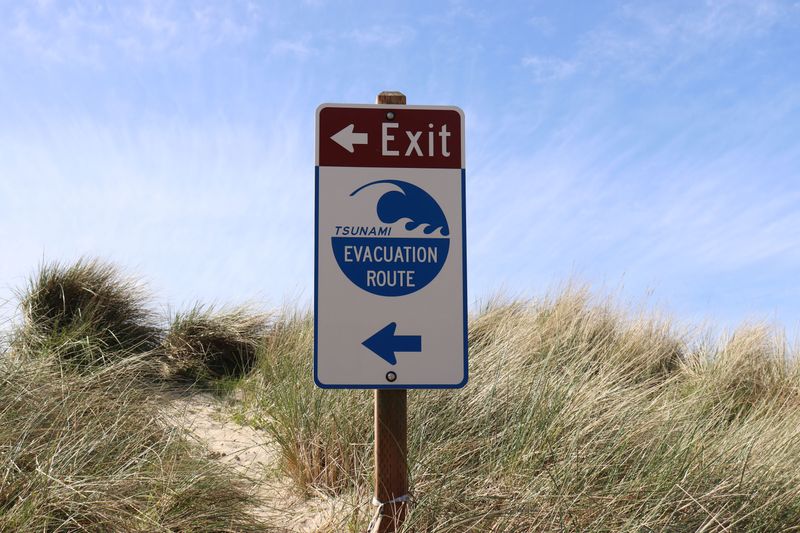
Two homes on the same street can face very different risks. Evacuation zones are mostly based on storm surge, not wind.
Look up the home’s zone through the county emergency management website or FloridaDisaster.org. Zones are often labeled by letters, but systems vary by county.
Ask the owner about past flooding too. Low streets can fill with water even outside surge zones.
Knowing this ahead helps you act early and stay calm.
14. Get Written Permission to Evacuate
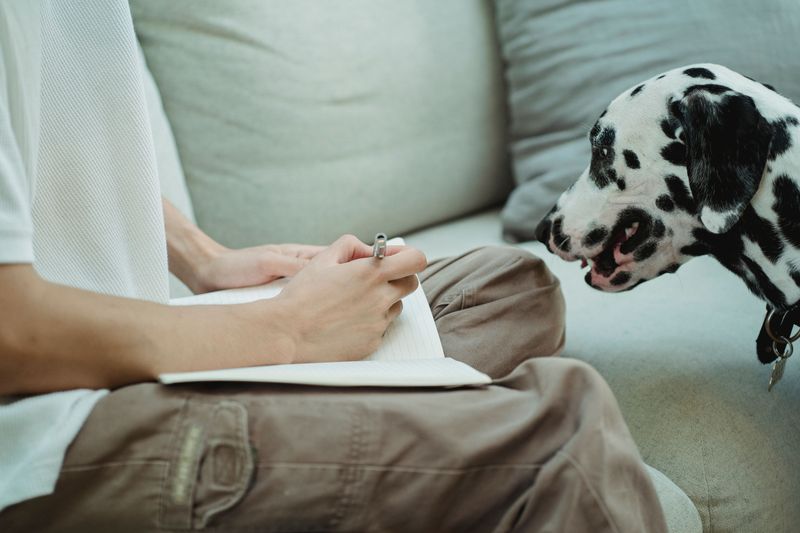
Imagine trying to reach an owner while cell towers are overloaded. Written instructions remove the guesswork.
Ask for a signed note that allows you to evacuate with the pets. It should list where to go, who to call, and spending limits for hotels or boarding.
Include permission for the vet to treat the pets if needed. Keep one copy in your car and a photo on your phone.
Owners should keep a copy too.
15. Pick a Destination Plus a Backup
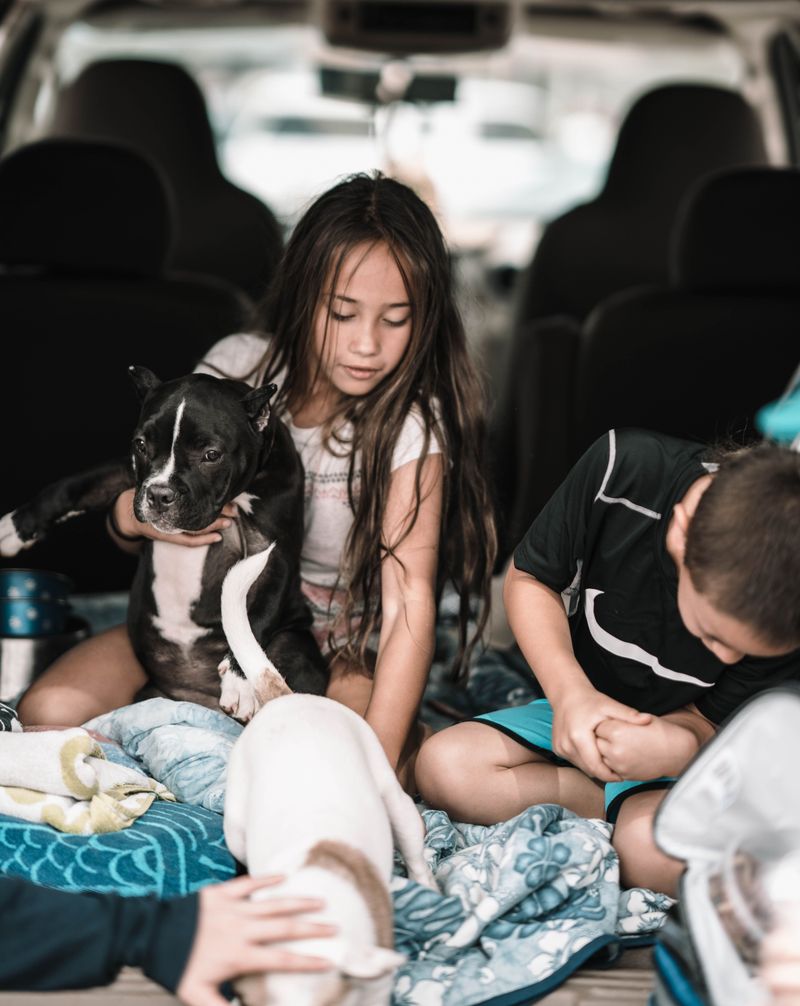
Plan A is great until the highway backs up. That is why a second option matters.
The main destination might be a relative’s home inland or a pet-friendly hotel. The backup could be another city or a boarding facility in a different direction.
Write down addresses, phone numbers, and directions for both. Roads and fuel can get tricky during storms.
Leaving early, with a full tank, usually makes the drive much smoother.
16. Confirm Pet-Friendly Shelters and Hotels
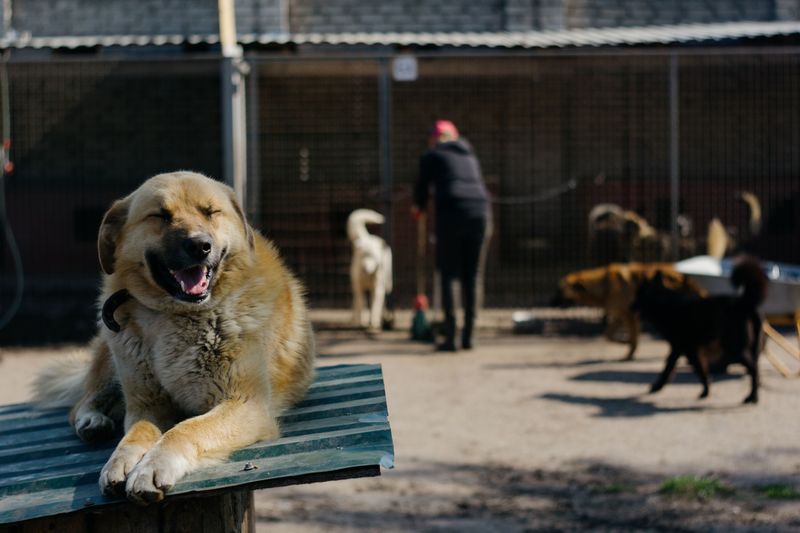
Good news first: most Florida counties offer at least one pet-friendly shelter. Space is limited, though, and rules differ.
Some shelters require pre-registration. Many ask for vaccination records, a crate, and supplies you bring yourself.
Certain animals may not be accepted.
Hotels change pet policies during storms, so call ahead. Boarding kennels fill fast as well.
Check your county emergency management site for current shelter details each season.
17. Keep Carriers and ID Within Reach
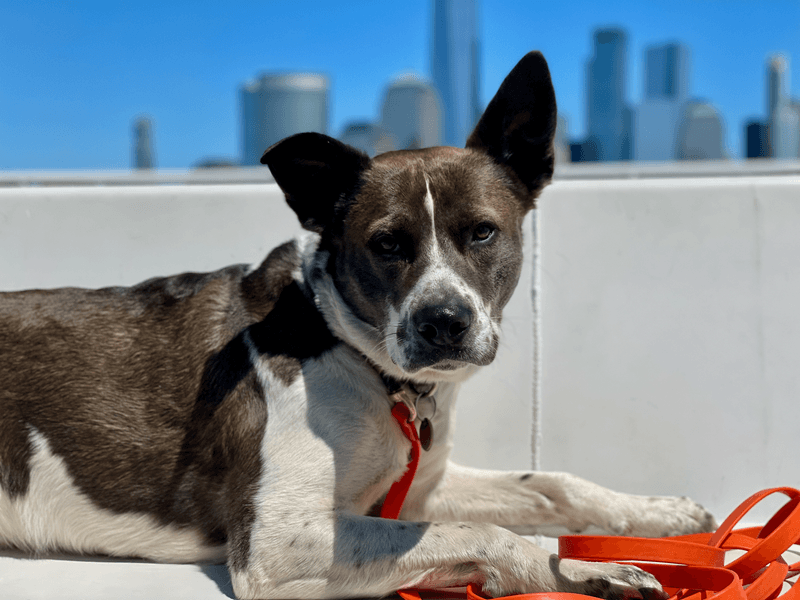
Grab-and-go gear should live near the door, not in the attic. Set out sturdy carriers or crates for every pet.
Add leashes, well-fitted harnesses, and collars with current ID tags. Nervous dogs may slip loose collars, so check the fit.
Ask whether pets are microchipped and if contact details are up to date. Store copies of vaccination records, especially rabies, in a waterproof pouch.
Shelters and hotels often ask for them.
18. Pack a Real Pet Emergency Kit
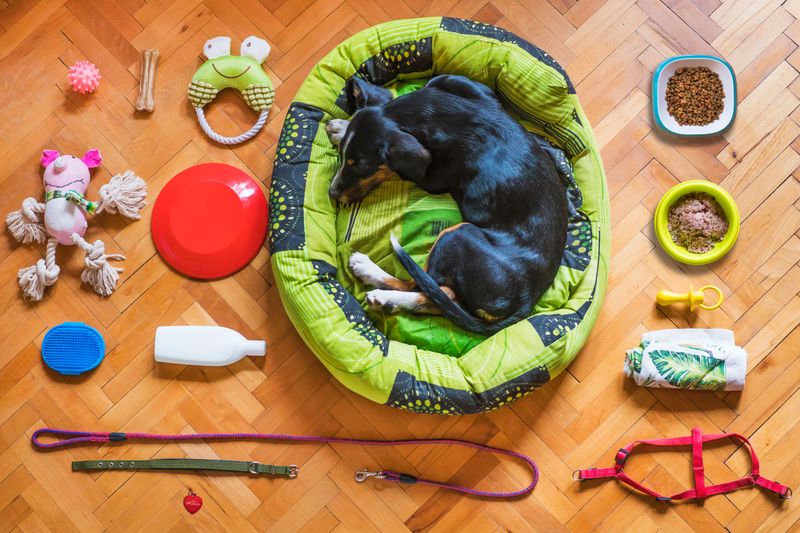
A well-stocked bin saves frantic store runs. Many vets suggest at least a week of food, and some recommend two.
Pack sealed food, bottled water, bowls, and a manual can opener. Include at least two weeks of medications with copies of prescriptions.
Add waste bags, paper towels, trash bags, and a litter box for cats. A pet first aid kit is wise.
A favorite toy or blanket helps anxious pets settle.
19. Build a Communication Plan
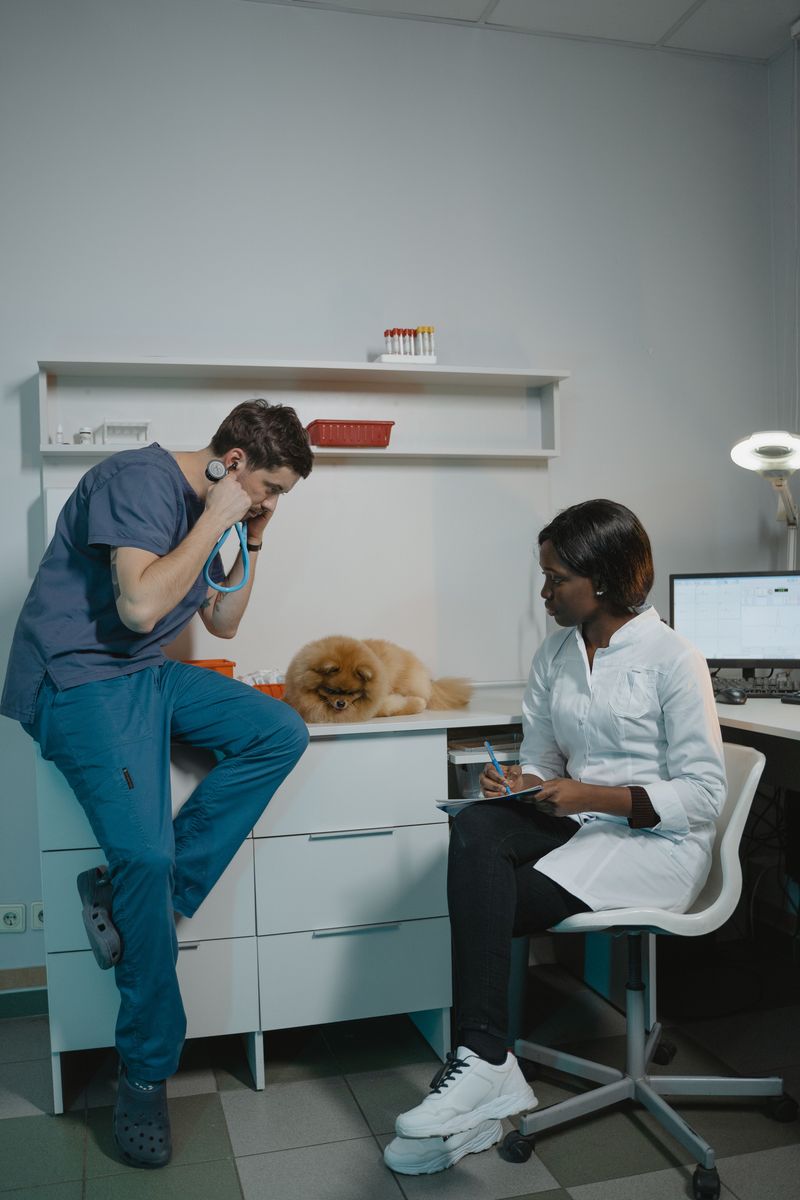
Clear communication keeps worry low on both ends. Agree on how and when you will update the owner.
Texts often go through when calls fail. A simple check-in schedule, like morning and evening, works well.
Save numbers for the regular vet and an emergency clinic. Name a backup caregiver who can step in if you cannot reach the home.
An out-of-state contact can also help relay messages when local lines are busy.
20. Follow Orders, Bring Every Pet, and Wait to Return
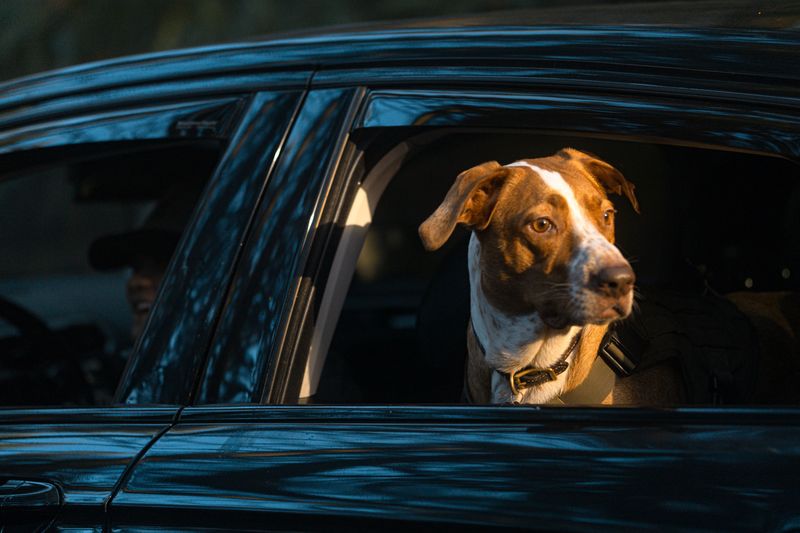
When officials order an evacuation, go, and take every pet. A home unsafe for people is unsafe for animals too.
Florida passed a 2025 law making it a felony to leave a dog tied or penned outdoors during a disaster or evacuation. Rules can evolve, so check current details.
Return only when authorities say it is safe. With a plan in hand, you can face storm season steady, prepared, and confident.