What Ohio Dog Owners Should Know About Copperheads In The Southern Part Of The State
Southern Ohio offers wonderful places to explore with your dog, from wooded trails to quiet country roads. Some of those places also provide habitat for copperheads, so a little awareness goes a long way.
You can enjoy outdoor time without feeling nervous when you know where to look and how to respond. A few smart walking habits and a clear veterinary plan can help you feel ready.
1. Where Southern Ohio Copperheads Are Found
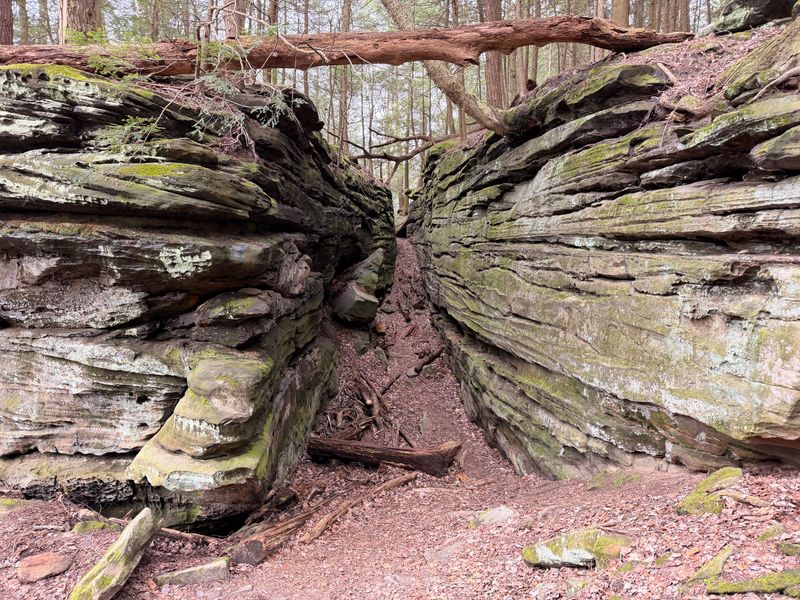
A wooded hillside can be lovely walking country and suitable copperhead habitat. In Ohio, northern copperheads are concentrated mainly in southern and southeastern areas.
Rocky slopes, forest edges, and wooded ravines can provide suitable cover.
They are not present in every park or backyard. Ask park staff about local sightings before visiting unfamiliar trails.
Ohio wildlife officials can also help explain local distribution. Treat habitat clues as reasons for awareness, not reasons to avoid the outdoors.
2. Why Dogs May Encounter Copperheads
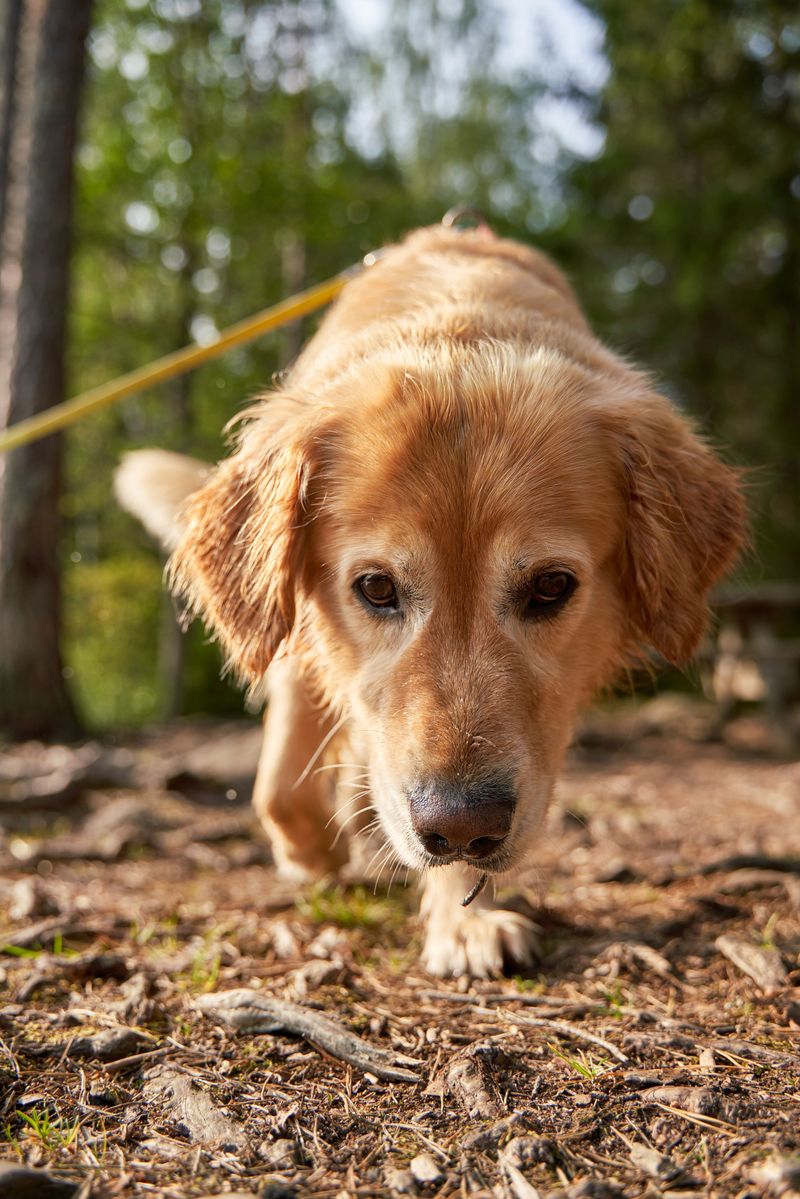
Your dog’s nose often reaches interesting places before your eyes do. Sniffing under leaves, exploring log piles, and following small animals can bring dogs near resting snakes.
Copperheads usually rely on camouflage rather than seeking contact.
A curious muzzle or paw may startle a hidden snake. Keep your dog close where the ground is difficult to see.
Give sniffing breaks in open areas instead. Thoughtful supervision lets dogs explore while reducing unwanted surprises along wooded routes.
3. When Copperheads Are Most Active
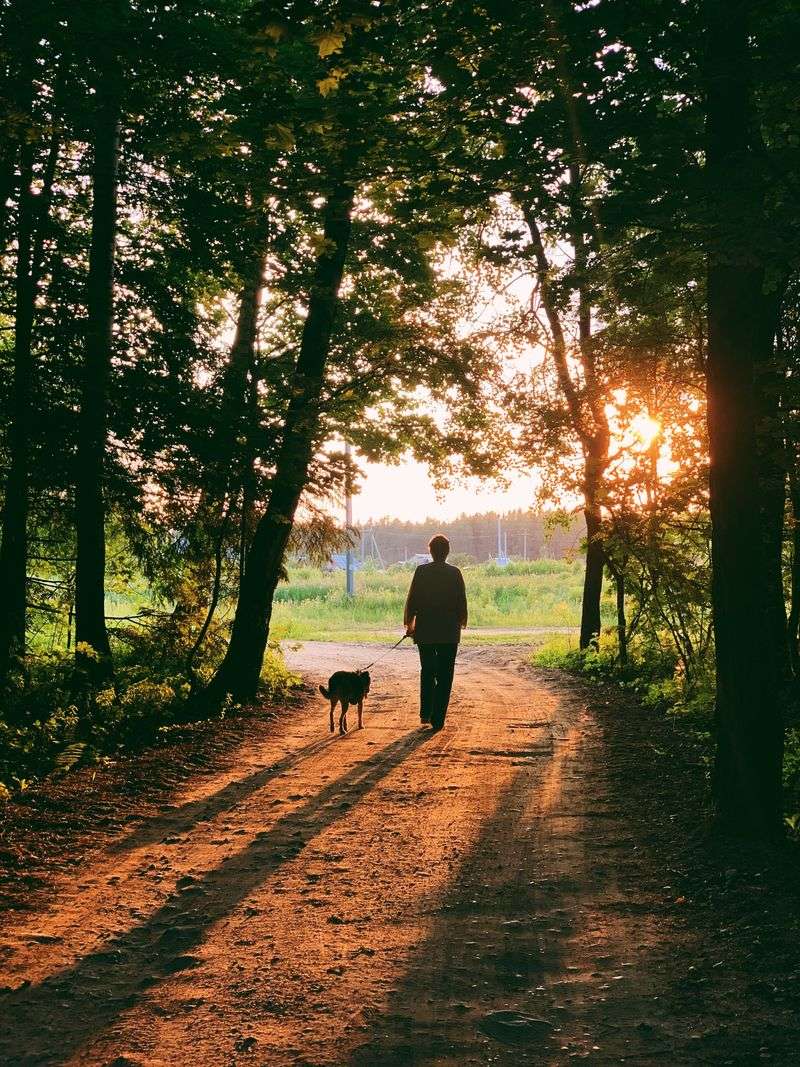
Warm weather changes how wildlife uses the trail. Copperheads are generally active from spring through fall, depending on temperatures.
During hot periods, activity often shifts toward evening and nighttime. Cooler weather can bring daytime movement.
No hour guarantees a snake encounter, or its absence. Use a light when walking after sunset, and scan where your dog steps.
Stay alert during mild spring days and warm autumn afternoons. Weather matters more than a fixed calendar date alone.
4. What Copperheads Look Like
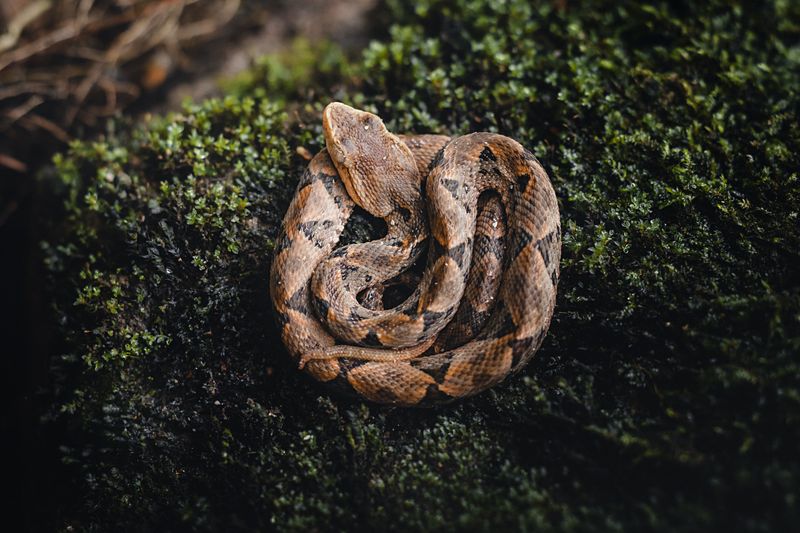
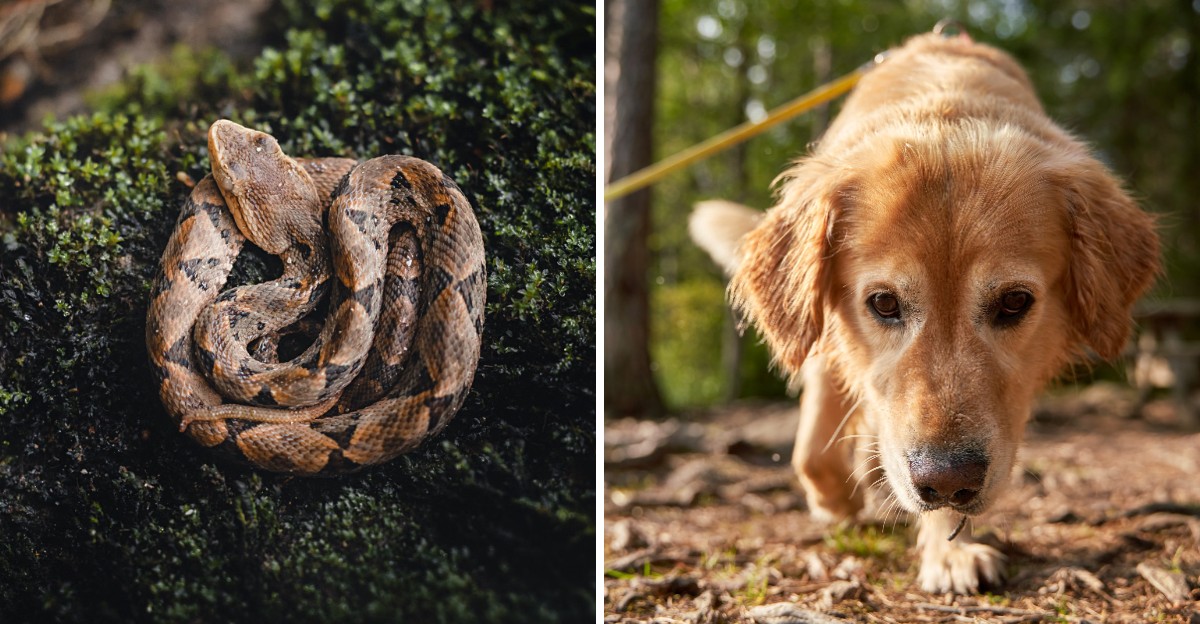
Leaf litter makes a copperhead surprisingly hard to notice. Adults often have coppery heads and tan bodies with darker, hourglass-shaped bands.
Those bands narrow across the back and widen along the sides. Young copperheads may have yellowish tail tips.
Color varies, and harmless snakes can look similar. Head shape alone is not a reliable identification tool.
Never move closer for certainty. If identification matters, use a photograph taken safely from far away, without delaying veterinary care.
5. Why Leashes Matter In Snake Country
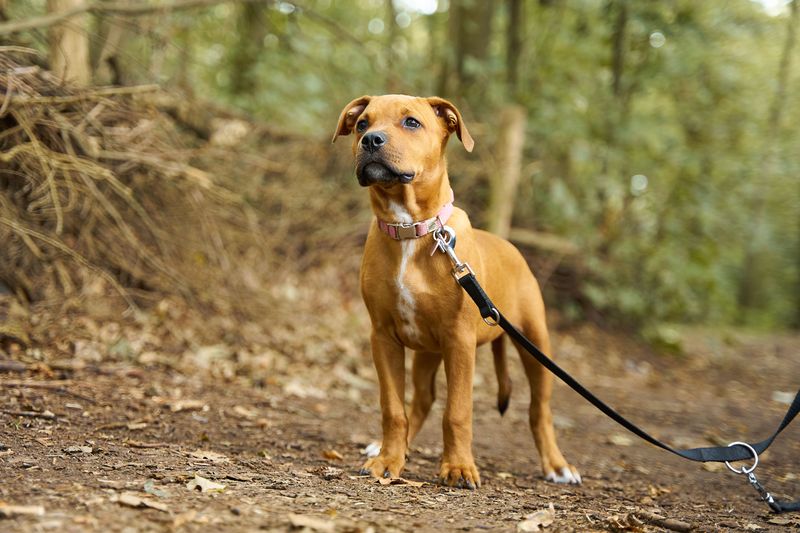
A leash gives you time to guide your dog away from trouble. Choose a length that keeps your companion within the visible trail.
Long lines and extended retractable leashes can allow dogs to reach hidden cover first.
Follow posted leash rules wherever you walk. Requirements vary among parks and local communities, so check before arriving.
Even where off leash activity is permitted, staying connected offers better control. Pair the leash with regular attention to the ground.
6. Keep Dogs Out Of Thick Brush
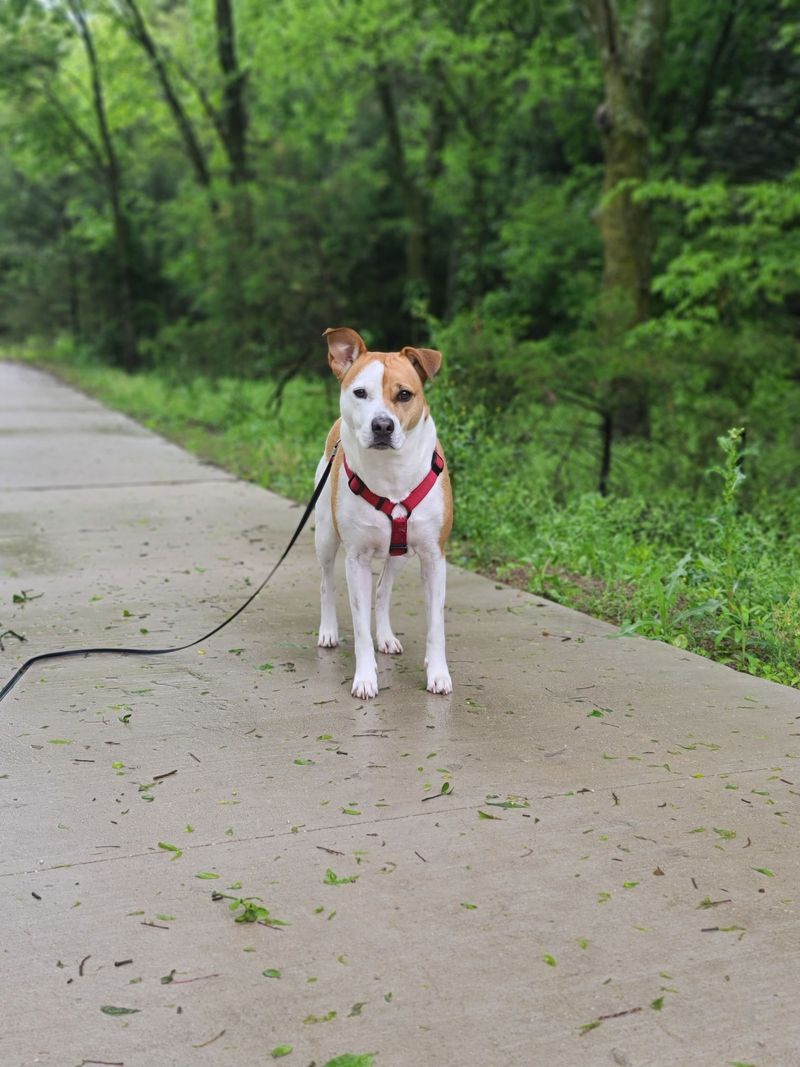
That tempting patch of weeds can hide more than interesting smells. Thick brush blocks your view and gives snakes sheltered places to rest.
Keep paws and noses on maintained paths whenever possible.
If vegetation crowds the trail, shorten the leash without pulling your dog harshly. Choose another route when you cannot see safe footing.
Avoid letting dogs investigate overgrown fence lines or tangled garden edges. Clear sightlines make walks easier for both ends of the leash.
7. Watch Carefully Around Rocks And Logs
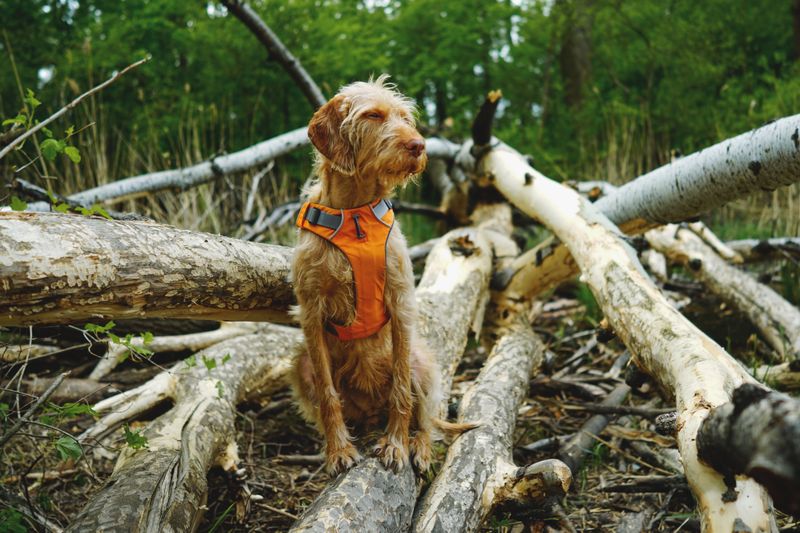
Sunny rocks and fallen timber deserve a second look. Copperheads may shelter beside logs, beneath rocks, or within nearby leaf litter.
A dog stepping over an obstacle can land where you cannot see.
Pause before crossings and check the landing area from a safe position. Guide your dog around obstacles when a clear route exists.
Never reach beneath rocks or move logs to search for snakes. Keeping hands and paws outside concealed spaces lowers unnecessary risk.
8. Teach Your Dog To Leave Wildlife Alone
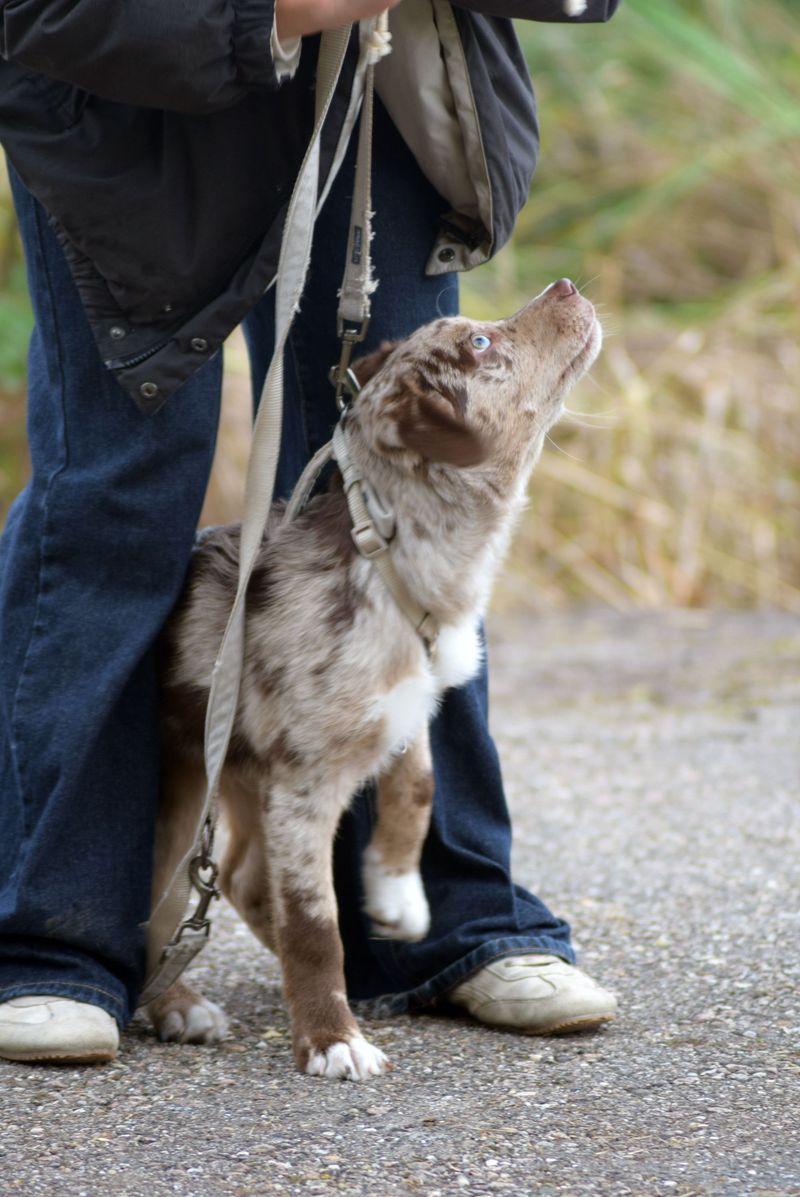
Good training starts long before a snake appears. Practice leave it, come, and a calm turnaround using treats and ordinary distractions.
Reward your dog for looking back at you and moving away promptly.
Build these skills gradually in safe settings. Never use a live snake for practice or encourage investigation.
A qualified reward-based trainer can help with dogs that chase wildlife. Reliable responses support safer walks, but training should never replace a leash and careful supervision.
9. What A Copperhead Bite May Look Like
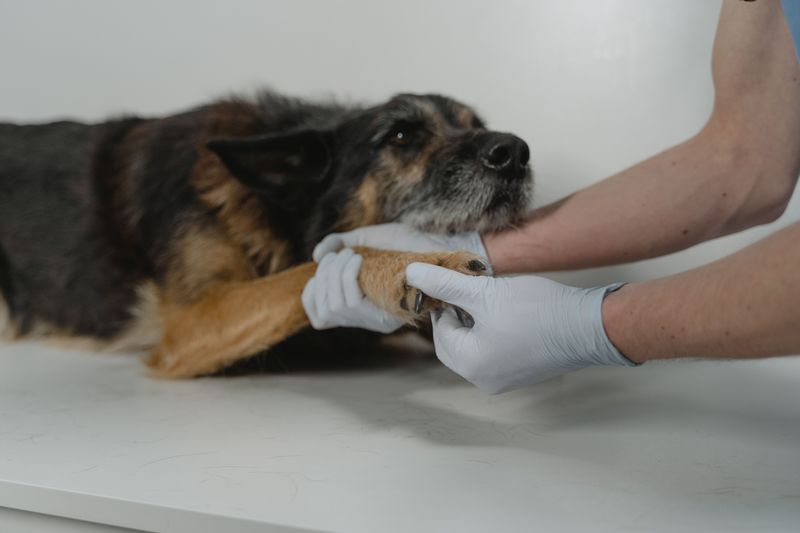
Sudden swelling after outdoor exploration deserves attention. A bite may cause pain, tenderness, limping, or swelling around the muzzle or limb.
Puncture marks can be tiny, hidden beneath fur, or difficult to find.
Some dogs become quiet, weak, or unusually restless. Signs alone cannot identify the snake or rule out a bite.
Contact a veterinarian immediately if you suspect exposure. Do not wait for obvious marks, and avoid pressing or probing a sore area at home.
10. Why A Bite Requires Prompt Veterinary Care
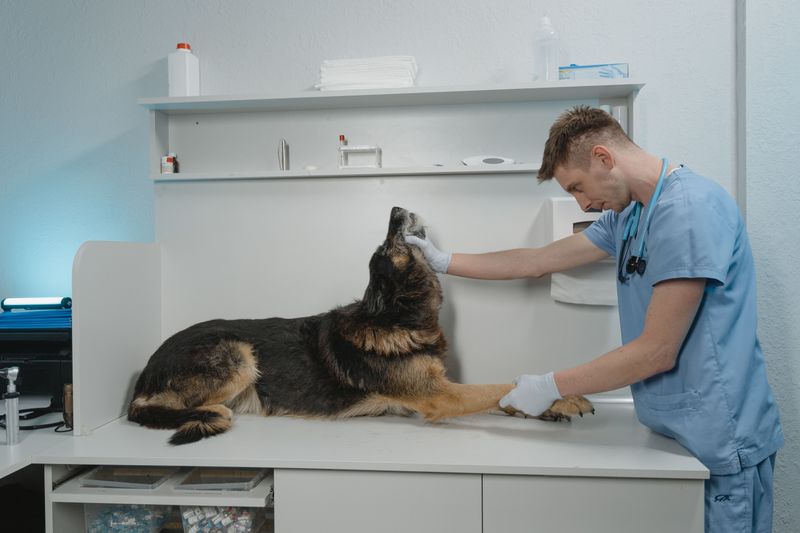
Early veterinary attention gives your dog the best support. Copperhead venom can cause painful swelling and other medical problems.
The effects vary with bite location, venom exposure, and your dog’s condition.
A veterinarian may recommend monitoring, pain relief, fluids, or antivenom when appropriate. Not every dog needs the same treatment.
Call ahead while arranging transport, and describe what happened. Even a dog that seems comfortable should receive urgent guidance after a suspected bite, without waiting overnight.
11. Do Not Try To Handle The Snake
Your job is helping your dog, not catching the snake. Attempting to grab, trap, or move a copperhead creates another chance for a bite.
Keep children and other pets away from the area.
Veterinary treatment does not require bringing the snake with you. A distant photograph may help, but only when taking it adds no risk or delay.
Otherwise, leave identification to professionals. For a snake creating an ongoing property concern, contact local wildlife authorities for guidance.
12. Do Not Put Home Remedies On A Bite
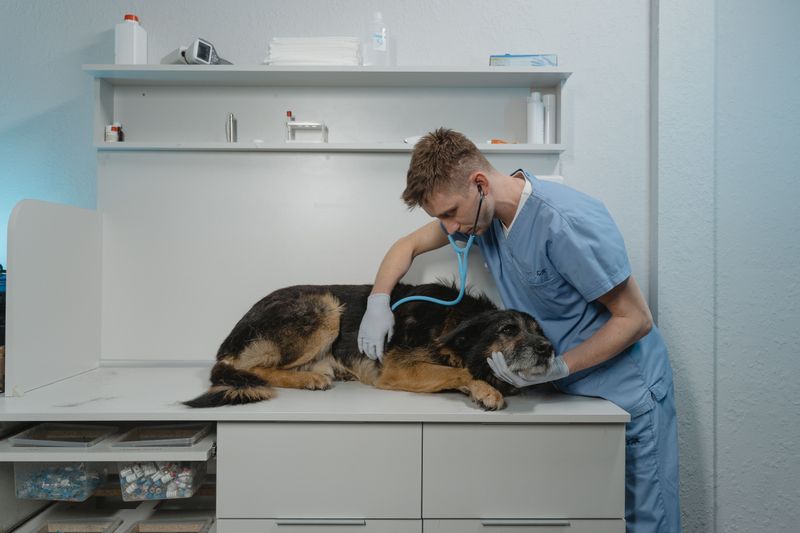
Skip the internet tricks and head toward professional care. Do not cut the wound, suck out venom, apply ice, or use a tourniquet.
Snakebite suction kits are not a substitute for veterinary treatment.
Avoid creams, chemicals, and medicines unless a veterinarian specifically directs their use. Human pain relievers can be dangerous for dogs.
Leave the area alone and focus on calm transport. Calling the clinic is more useful than trying to treat the bite yourself first.
13. Keep Your Dog Calm After A Suspected Bite
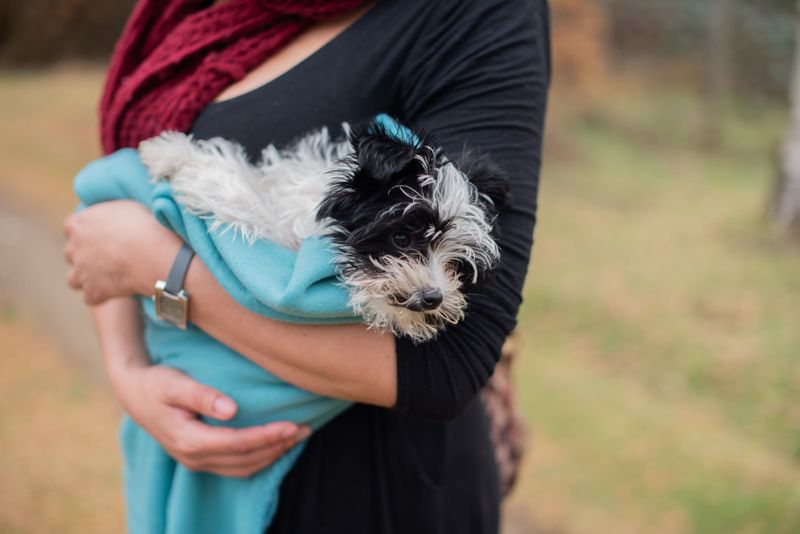
A steady voice can help during an unexpected moment. Move away from the snake and limit your dog’s activity.
Carry your dog if you can do so safely, supporting the body without squeezing painful areas.
For larger dogs, arrange the shortest practical route to your vehicle. Avoid running or allowing extra walking.
Remove a collar if neck swelling develops, provided handling is safe. Do not muzzle a dog with facial swelling, breathing trouble, or vomiting.
14. Check Your Yard For Snake Hiding Spots
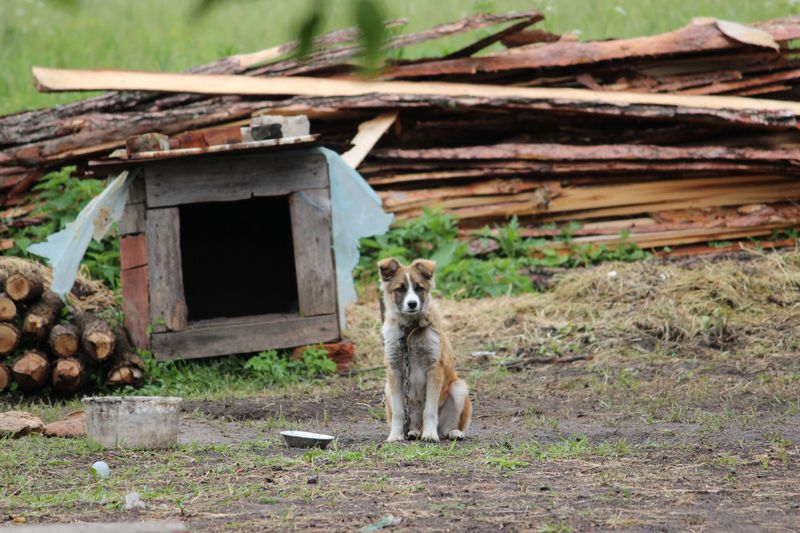
A tidy yard is easier to inspect before playtime. Remove unnecessary debris, trim overgrown edges, and keep grass manageable around dog areas.
Store firewood neatly away from places where your dog regularly rests.
Reduce spilled birdseed and secure pet food to discourage rodents, which can attract snakes. Check beneath outdoor items visually before letting dogs investigate.
Avoid reaching into hidden spaces. No yard treatment guarantees protection, and marketed snake repellents should not replace sensible upkeep and supervision.
15. Be Extra Careful Near Rural Properties
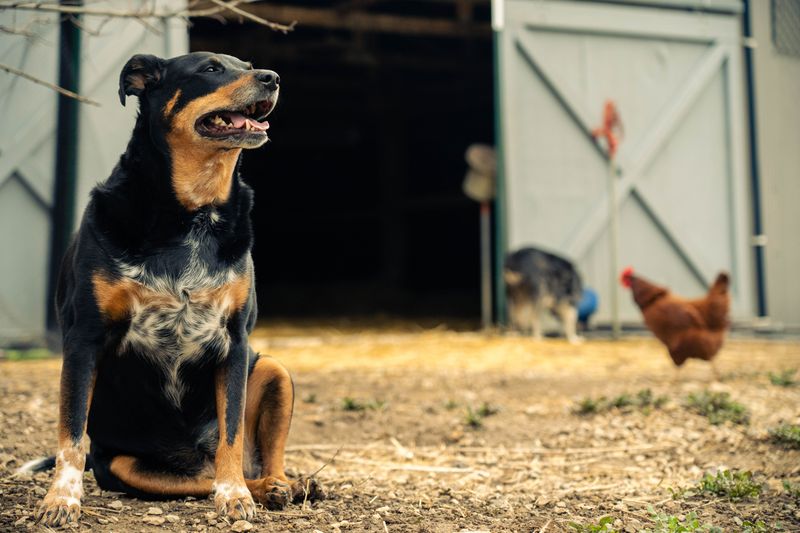
Country properties often place dog spaces beside natural habitat. Barn edges, wooded boundaries, stone piles, and unused equipment can offer cover.
That does not mean every rural yard contains copperheads.
Walk the property in daylight before allowing outdoor activity. Set up a visible, maintained area for bathroom breaks and supervised play.
Keep dogs away from storage piles and abandoned structures. When visiting farms or cabins, ask hosts about recent wildlife sightings and the nearest emergency veterinary clinic.
16. What To Do If You See A Copperhead On A Walk
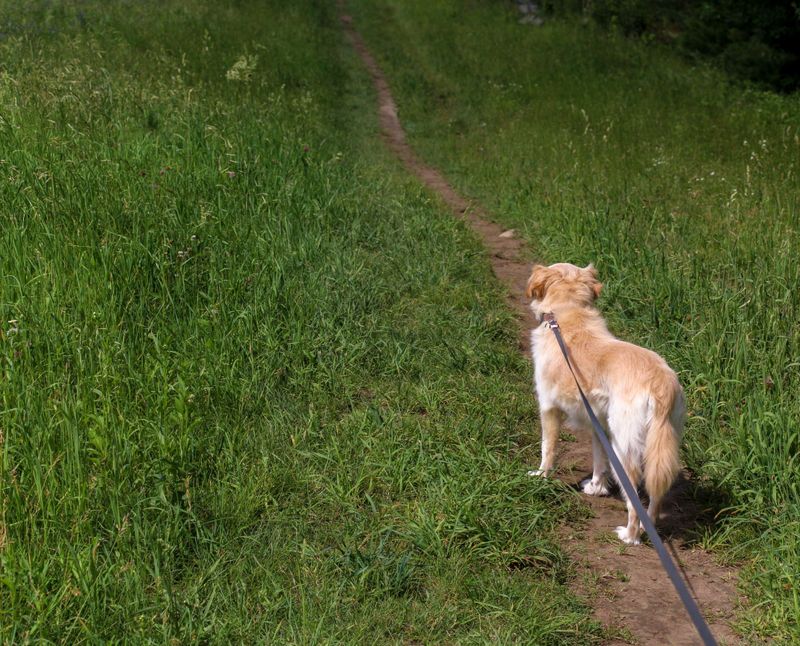
Spotting a snake gives you a chance to choose distance. Stop, keep your dog close, and calmly back away.
Do not let your dog bark at, circle, or approach the snake.
Leave plenty of room and take another route if possible. Avoid stepping over it or trying to make it move.
Alert nearby walkers without gathering a crowd. If the snake remains near a busy trail, notify park staff.
A quiet retreat is usually your best response.
17. Have An Emergency Veterinary Plan Ready
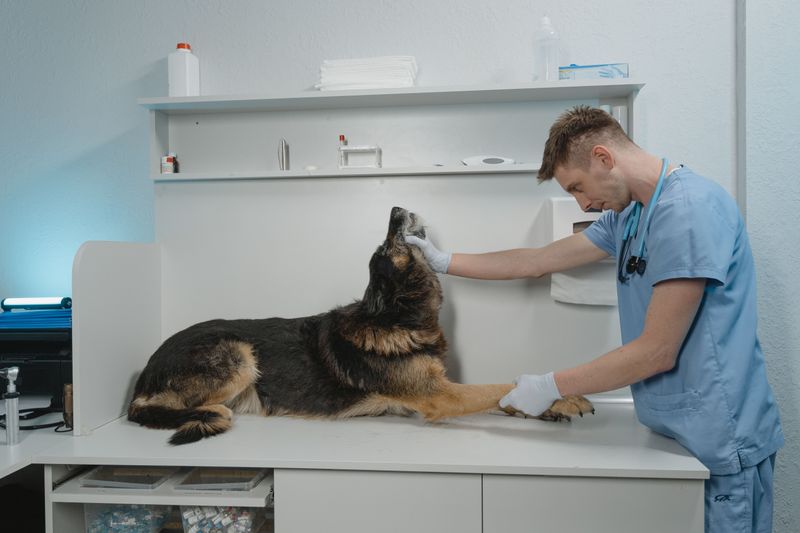
Preparation is easier before you need it. Save your regular veterinarian’s number and the nearest emergency clinic’s contact details.
Confirm current hours, driving directions, and whether the facility treats snakebites.
Antivenom availability can vary, so ask where you should go if it is needed. Keep your phone charged during outings.
Rural southern Ohio routes may have limited reception, making downloaded directions useful. Share the plan with anyone walking your dog, and update it before trips away.
18. Prevention Is The Best Protection
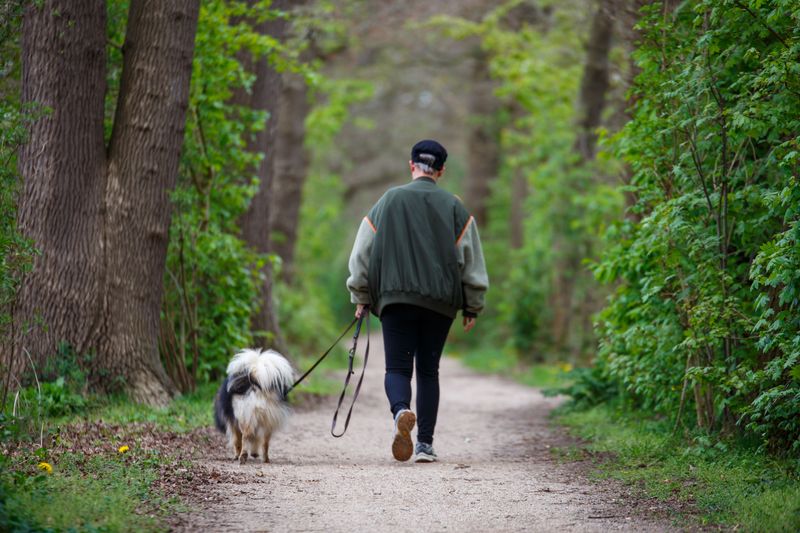
Small habits make outdoor adventures feel more manageable. Choose clear paths, watch the ground, and keep your dog within easy reach.
Practice useful cues and maintain outdoor spaces without expecting perfect protection.
No routine removes every risk, but preparation helps you respond wisely. After a suspected bite, seek veterinary care promptly instead of experimenting at home.
Southern Ohio remains a wonderful place to explore together. Stay observant, keep your plan handy, and enjoy the walk with confidence.