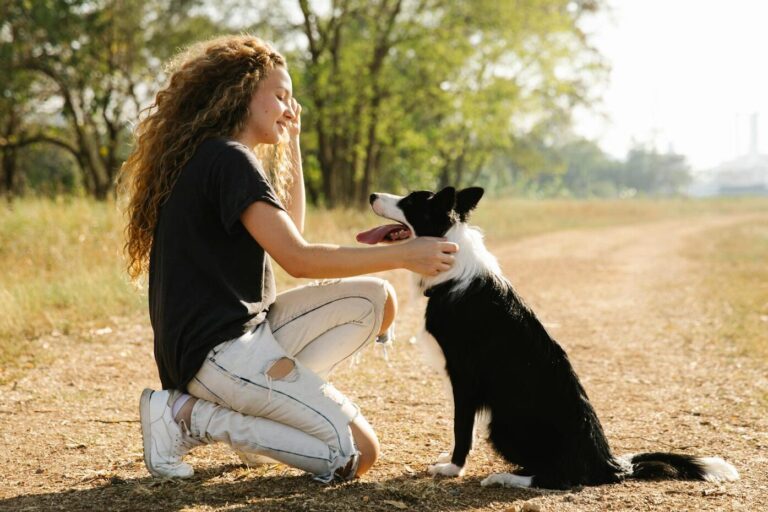
Moving From Metro Atlanta To Rural Georgia With A Dog Changes More Than The Commute
Trading metro Atlanta traffic for country roads can give you and your dog a welcome change of pace. Yet rural Georgia brings different routines, from longer supply runs to new sounds outside the window.
A little planning helps you enjoy the extra space without overlooking everyday needs. Before you settle in, get familiar with the services, boundaries, and outdoor habits that shape country life together.
1. Adjusting To Longer Drives For Everyday Errands
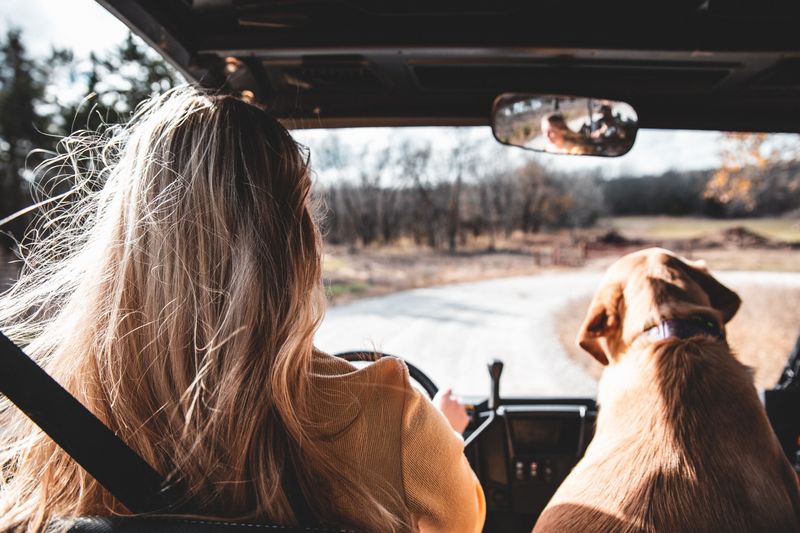
A quick food run may become a trip across the county. Track how quickly your dog uses food, medication, and other supplies before moving.
Keep a modest backup supply, stored according to package directions.
Combine errands when possible, but avoid leaving your dog waiting in a parked vehicle. Georgia temperatures can make that unsafe quickly.
A secure crate or vehicle harness helps make longer drives more comfortable and keeps your dog from distracting the driver.
2. Finding A New Veterinarian Before You Need One
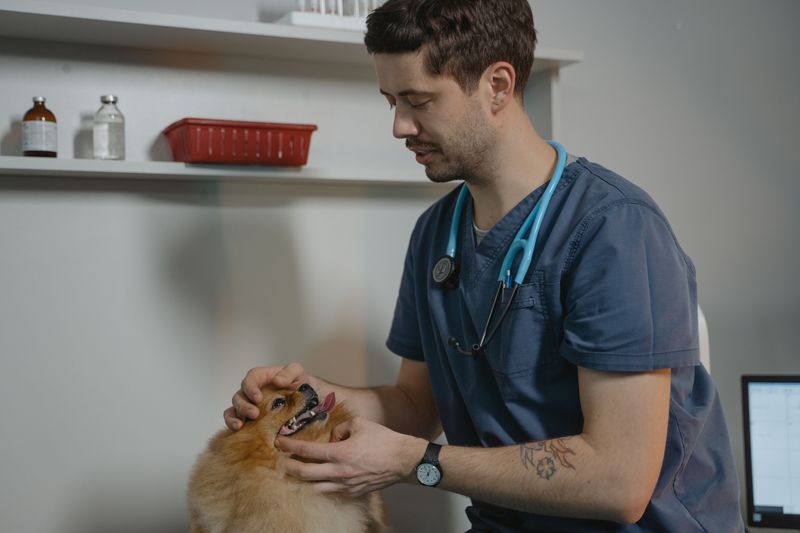
Your dog’s next checkup should not depend on a last-minute search. Call nearby clinics before moving and ask whether they accept new patients.
Request records from your Atlanta veterinarian, including vaccines, medications, and ongoing health concerns.
Schedule a routine visit while your dog feels well. Discuss local parasite risks, lifestyle changes, and any recommended vaccines.
Ask how prescription refills work, especially when the clinic is farther away than your old neighborhood practice back in Atlanta.
3. Checking How Far Emergency Veterinary Care Really Is
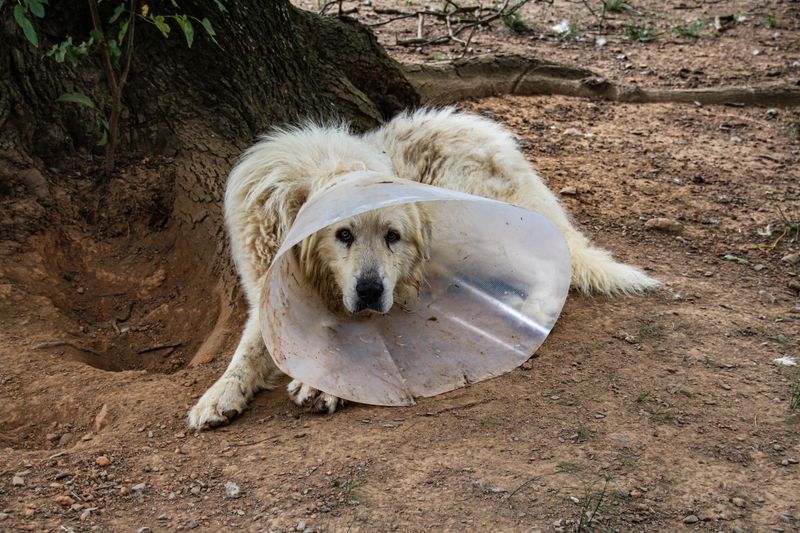
The nearest clinic may not offer overnight care. Ask your new veterinarian where urgent cases go after hours, including weekends and holidays.
Save those numbers in your phone and keep a printed copy near your dog’s supplies.
Check actual driving routes rather than trusting mileage alone. Call ahead during an emergency to confirm availability and receive instructions.
Keep a carrier or restraint ready, along with medical records and directions downloaded for areas with weak reception.
4. Getting Used To More Wildlife Around The House
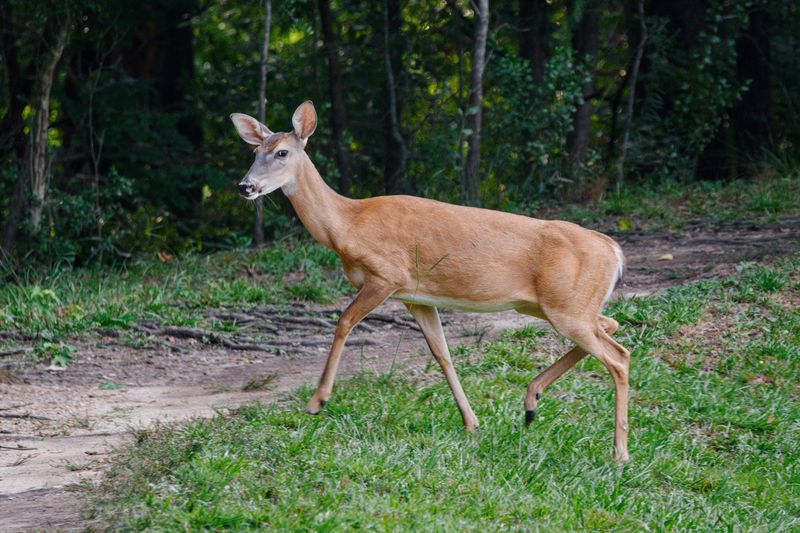
A rustle beyond the porch may hold your dog’s full attention. Deer, raccoons, snakes, and other wildlife share many rural Georgia properties.
Supervise outdoor time, especially near brush, woodpiles, and wooded edges.
Store pet food indoors and secure household trash to reduce unwanted visits. Never encourage chasing or close encounters, even when an animal seems calm.
Keep rabies vaccination current, and contact your veterinarian promptly after possible exposure or an unfamiliar bite on your dog.
5. Making Sure Your New Yard Is Secure
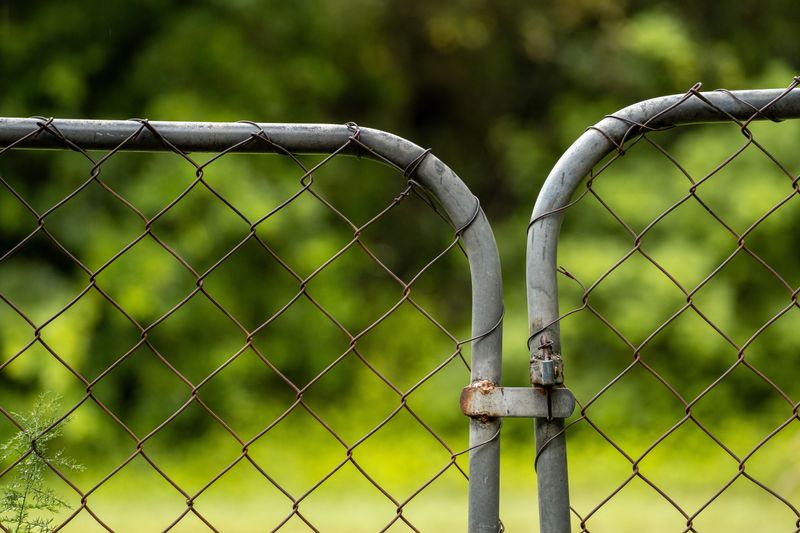
More acreage does not automatically mean more freedom. Walk the entire fence line before letting your dog explore without a leash.
Look for loose wire, gaps beneath gates, damaged boards, and places where digging could create an opening.
Check boundaries again after storms or landscaping work. Choose fencing suited to your dog’s size, climbing habits, and energy.
Update identification tags and microchip contact details, because even a carefully checked yard cannot guarantee your dog stays.
6. Understanding Why Rural Dogs Still Need Leashes
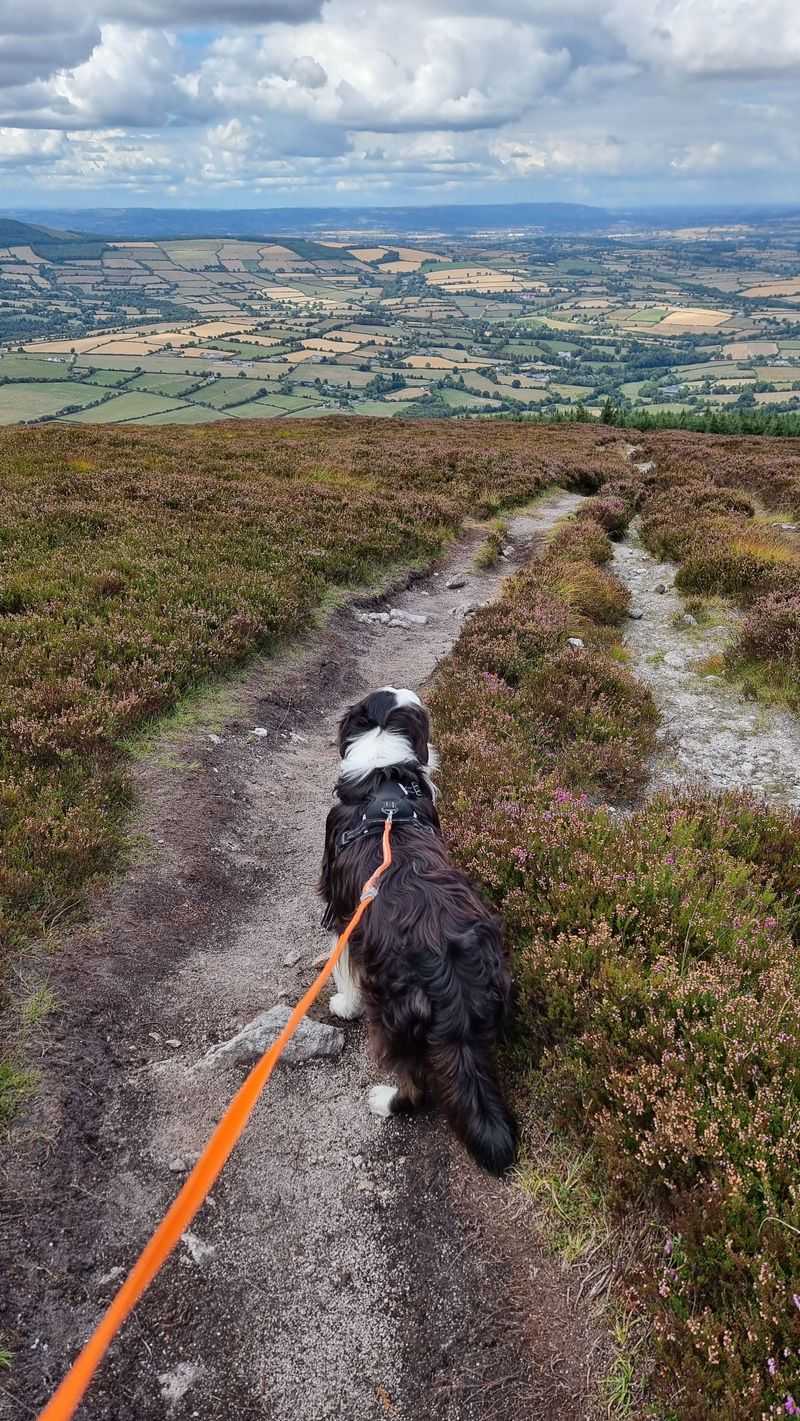
Quiet surroundings can make a loose leash feel unnecessary. Yet wildlife, passing vehicles, and unfamiliar dogs can quickly interrupt even reliable recall.
Use a leash outside secure areas while your dog learns the new setting.
Rules differ among Georgia counties, cities, parks, and other properties. Confirm local restraint requirements with animal control rather than assuming country roads have none.
A long training line can offer sniffing space where permitted, with supervision and distance from nearby traffic.
7. Preparing For Encounters With Farm Animals
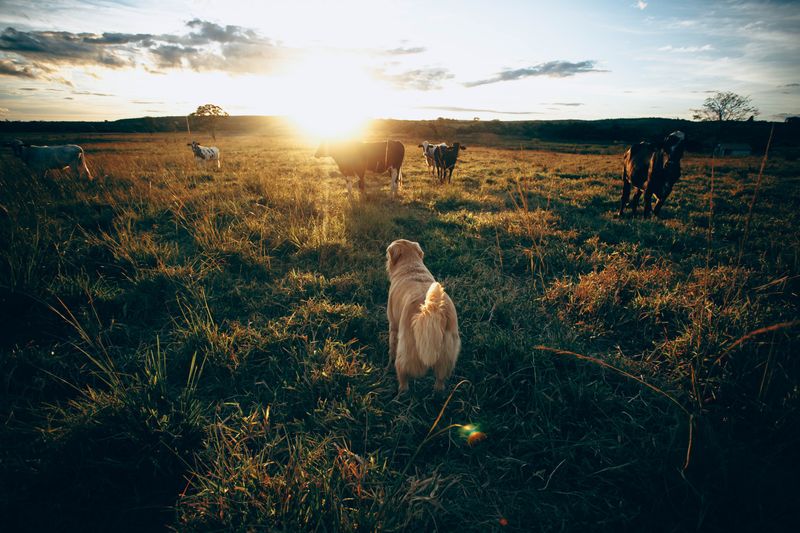
Cows across a fence can seem like fascinating new neighbors. Give livestock plenty of room, and prevent barking, chasing, or reaching through fencing.
Even friendly dogs can unsettle animals that have little experience around pets.
Ask permission before approaching a pasture or entering farm property. Practice turning away and rewarding your dog for calm attention at a distance.
If livestock move toward you, calmly increase space without allowing your dog to rush or challenge them.
8. Protecting Your Dog From Ticks And Fleas
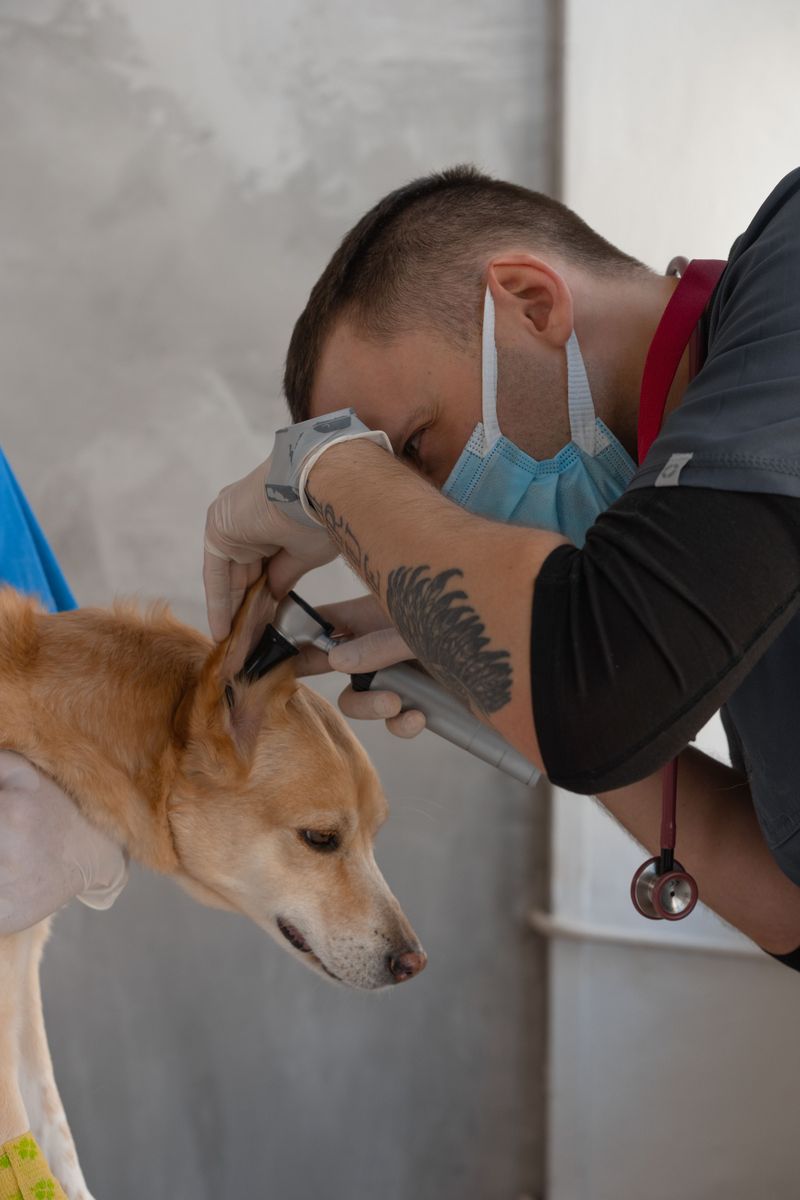
Tall grass brings more than interesting smells. Fleas and ticks remain concerns in Georgia, including during mild weather outside summer.
Ask your veterinarian about consistent prevention suited to your dog’s age, health, and daily activities.
Check ears, toes, armpits, and the collar area after outdoor adventures. Follow veterinary advice for tick removal and any later symptoms.
Keep grass maintained around frequently used spaces, wash bedding regularly, and never substitute products labeled for a different animal species.
9. Managing Georgia’s Heat In A More Open Landscape
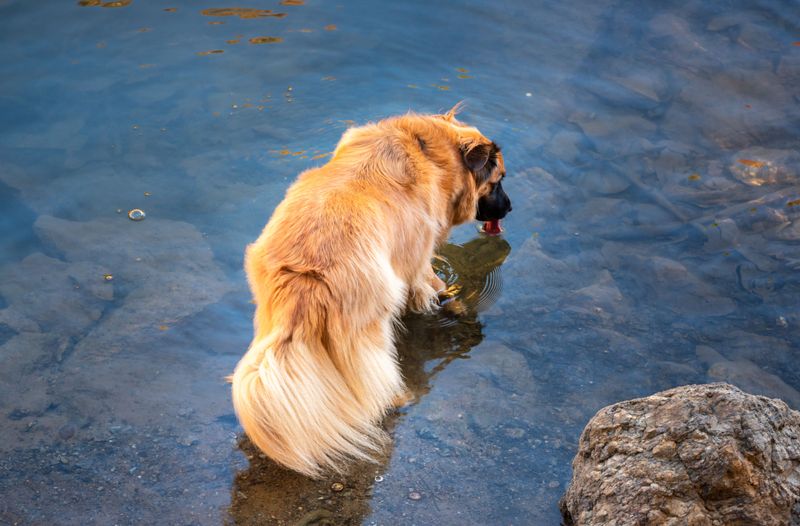
An open field can feel hotter than a shaded Atlanta sidewalk. Plan active outings for cooler hours and carry drinking water every time.
Make sure outdoor resting spots offer reliable shade as the sun moves.
Heavy panting, weakness, or unusual confusion require prompt attention. Move your dog somewhere cool and contact a veterinarian immediately for guidance.
Dogs with short noses, older dogs, and those with health conditions may need extra limits during warm, humid weather.
10. Getting Used To Different Walking Opportunities
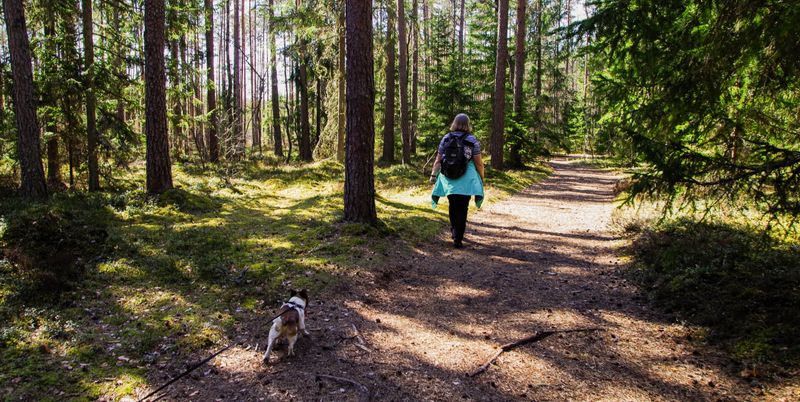
Sidewalk loops may give way to trails and grassy paths. Scout routes without your dog first when practical, checking footing, traffic, and available shade.
Confirm public access before treating an inviting lane as a walking route.
Start with short outings while paws adjust to gravel or uneven ground. Bring waste bags, water, and a charged phone.
On days without a suitable route, supervised yard games and sniffing activities can help meet exercise needs close to home.
11. Finding Dog-Friendly Places Beyond The Neighborhood
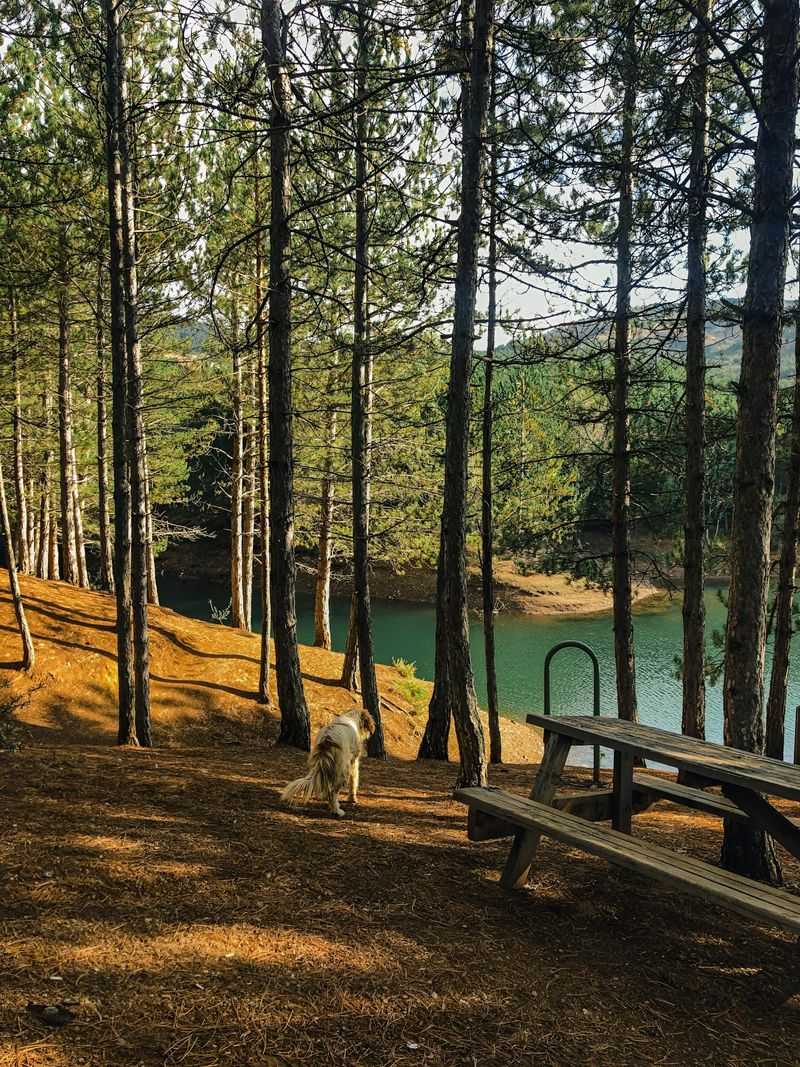
A weekend outing might now require a little research. Look for nearby parks, walking trails, and outdoor spaces that clearly welcome dogs.
Check official rules before traveling, since access can differ across facilities within one park.
Call businesses directly about current pet policies instead of relying only on old listings. Ask about leash requirements, water access, and seasonal restrictions.
Choose quieter visits initially, and bring supplies so your dog can settle comfortably without disturbing other guests.
12. Planning Around Limited Pet Care Services
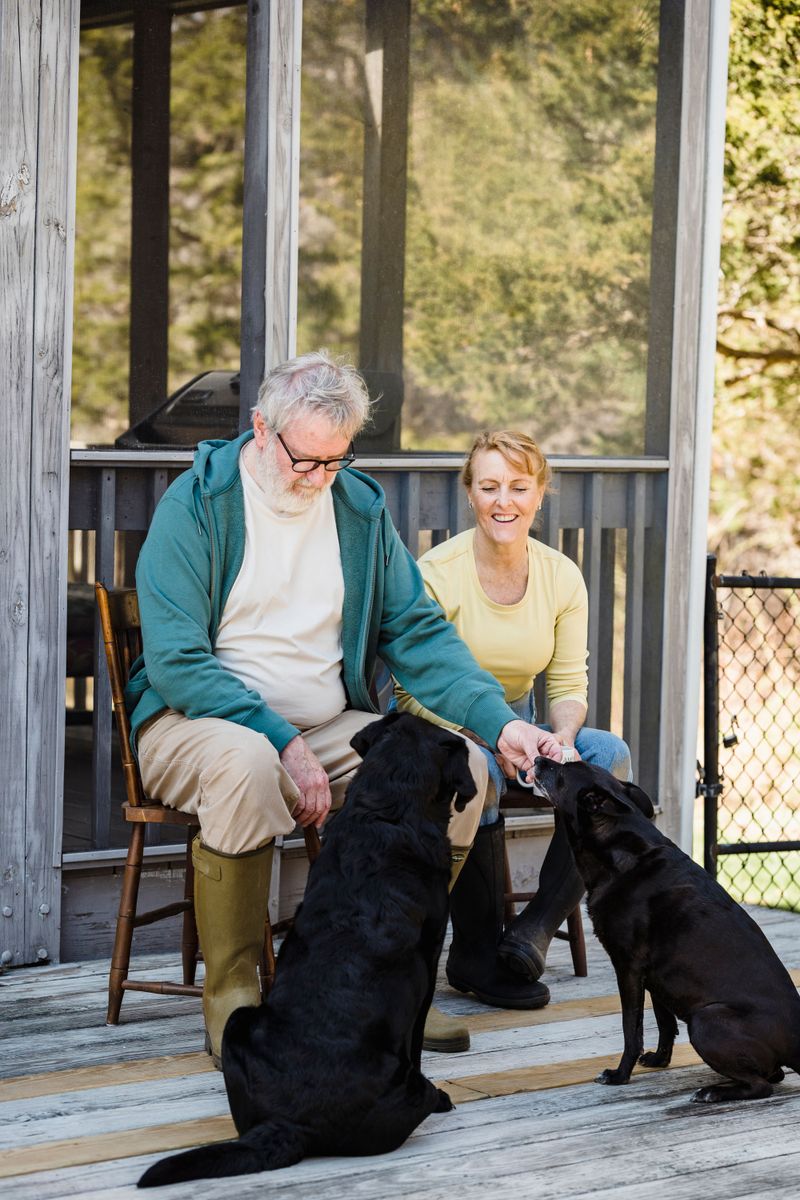
Your usual backup walker may now live much too far away. Research local sitters, boarding facilities, groomers, and trainers before your calendar gets busy.
Ask about experience, availability, emergency plans, and any vaccination requirements.
Arrange a meeting or short trial before booking longer care. Rural providers may cover wide areas or have limited openings during holidays.
Keep written feeding and medication instructions ready, and identify a second option in case your first choice becomes unavailable unexpectedly.
13. Understanding The Difference Between Country Roads And City Streets
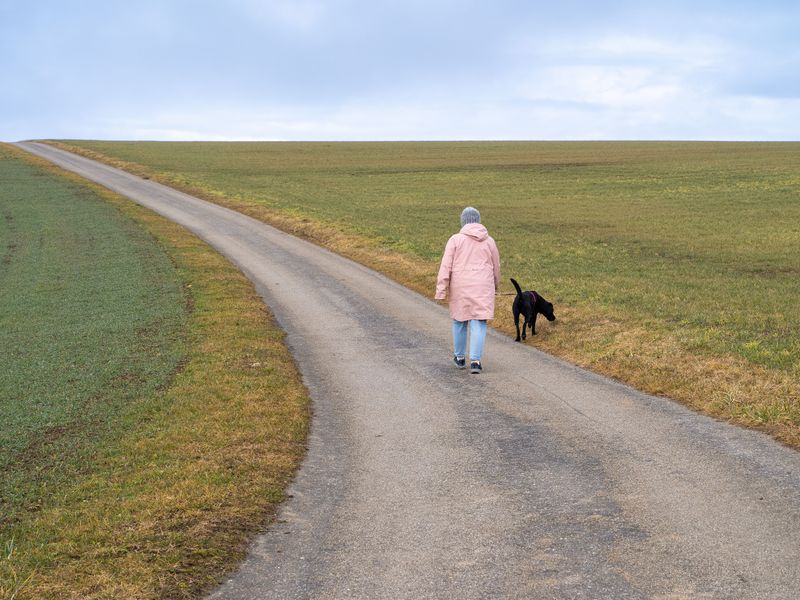
Less traffic does not always mean an easier walking route. Country roads may have narrow shoulders, blind curves, loose gravel, or fast vehicles.
Avoid routes where you cannot keep a comfortable distance from moving traffic.
Use reflective gear when visibility is low, but remember it cannot create a safe shoulder. Keep your dog close near driveways and road crossings.
If a route feels cramped, drive to a suitable walking area rather than forcing the outing.
14. Preparing For Storms And Power Outages
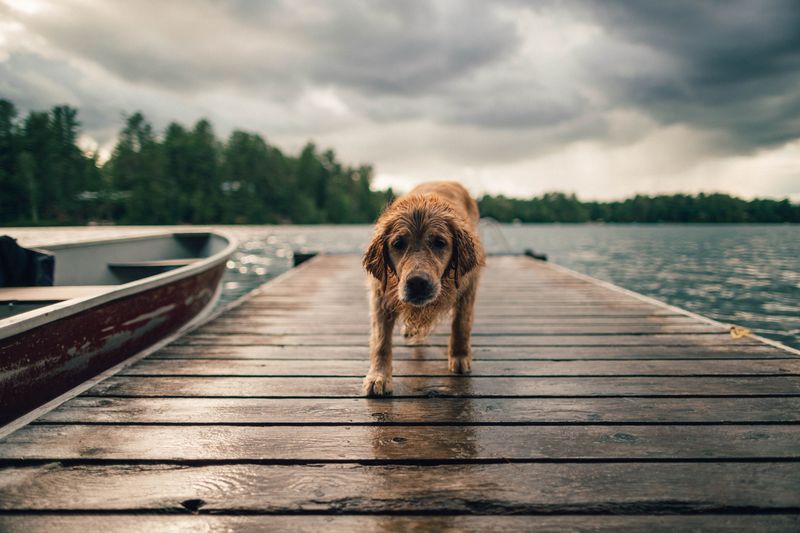
Thunder sounds different when the house sits beside open land. Set up a quiet indoor spot before storms arrive, using familiar bedding and calm routines.
Keep identification current in case a frightened dog slips outside.
Prepare food, water, medications, lighting, and copies of veterinary records for interruptions. Plan where you could stay with your dog if home becomes uncomfortable or inaccessible.
Use generators only outdoors, well away from windows and doors, following manufacturer and safety guidance.
15. Checking For Ponds, Creeks, And Other Water Hazards
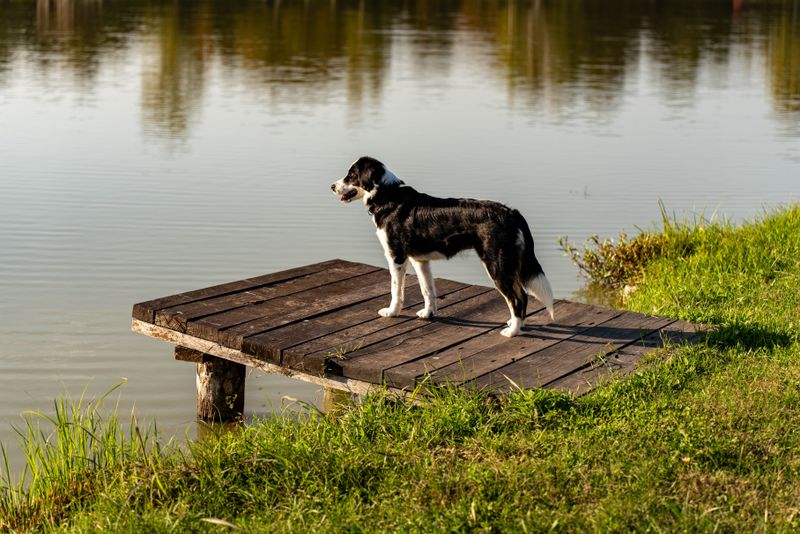
That pretty pond deserves a closer look before playtime. Walk your property to find water access, steep banks, drainage ditches, and slippery crossings.
Supervise closely, since swimming ability does not remove risks from currents or difficult exits.
Do not let your dog drink from or enter water with suspected harmful algae. Appearance alone cannot confirm that water is safe.
Offer fresh drinking water, avoid flooded areas, and ask local officials about advisories affecting nearby recreation spots.
16. Getting To Know Your New Dog-Owning Community
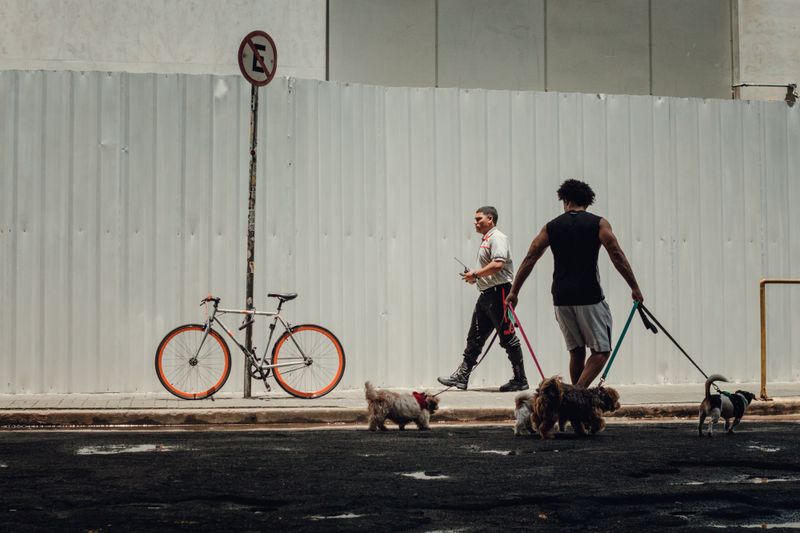
A friendly introduction can solve problems before they start. Meet nearby dog owners and exchange contact details when everyone feels comfortable.
Ask about loose dogs, busy walking times, trusted services, and local animal control contacts.
Keep early dog introductions brief and controlled, with enough space for both animals. Neighborhood advice is useful, but verify legal and medical claims with qualified sources.
Clear boundaries and respectful conversations help your dog become a welcome part of the community.
17. Helping Your Dog Adjust To A Quieter Environment
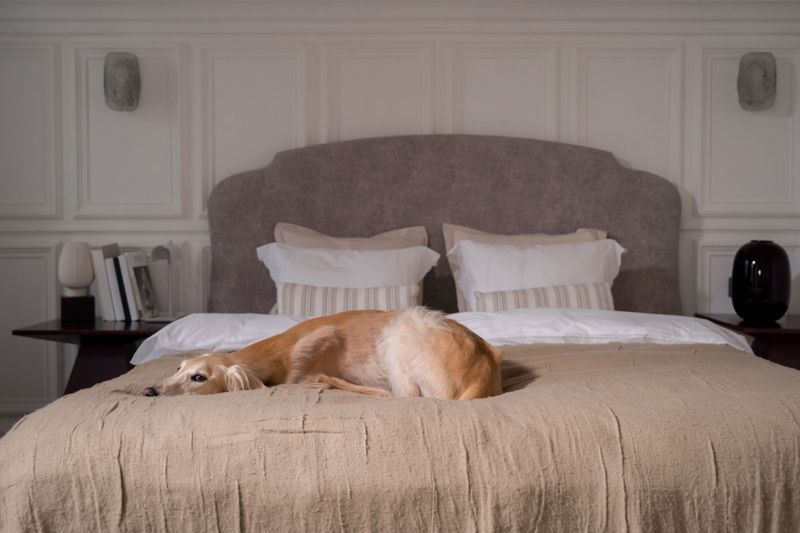
Silence can be surprisingly unfamiliar after apartment halls and traffic. Keep meals, walks, and bedtime predictable while your dog learns new sounds.
Offer familiar bedding and reward relaxed behavior without forcing exploration or greetings.
Introduce the property gradually, using short outings followed by quiet rest. Contact your veterinarian if appetite changes, distress, or unusual behavior continues.
Country life works best when freedom grows alongside familiar routines. Start small, stay observant, and build your new life together.