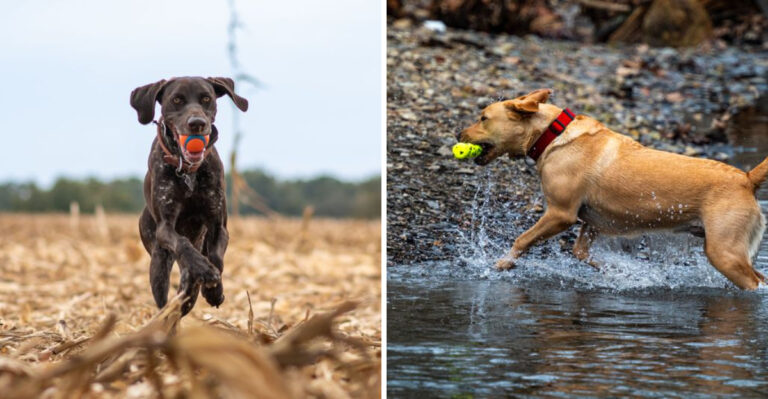
12 Ways A Rural-to-City Move Can Overwhelm A Rescue Dog In Georgia
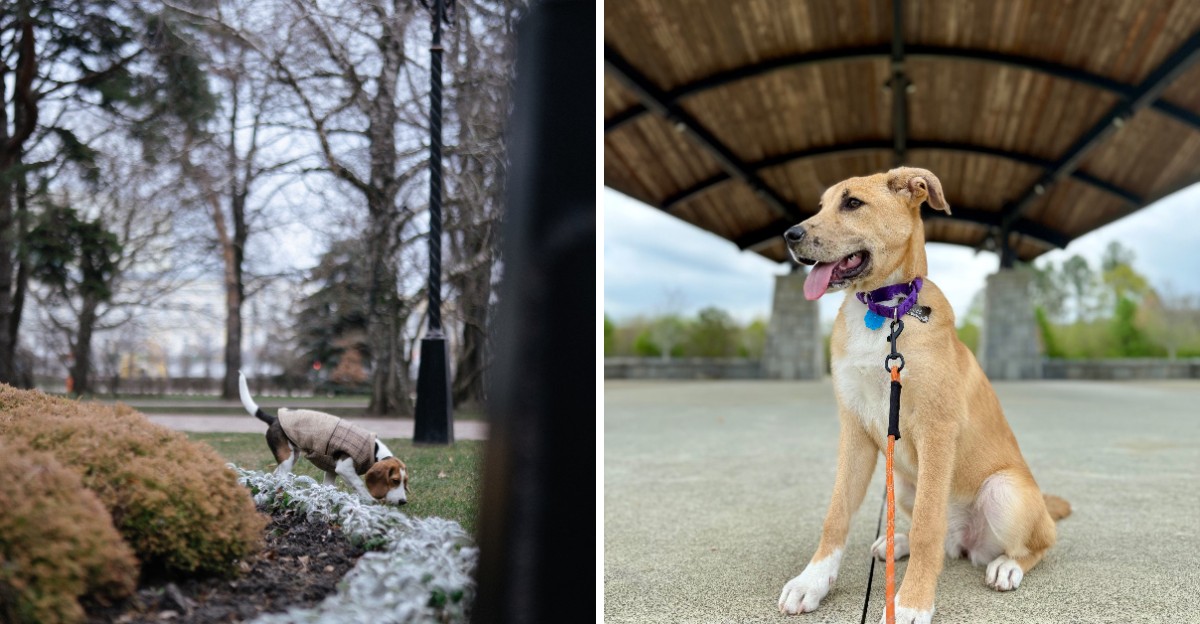
A country dog may find a Georgia city exciting, confusing, and tiring all at once. If your rescue dog seems unsettled after moving, familiar routines and smaller outings can make the change easier.
From Atlanta traffic to apartment hallways, everyday surroundings may feel entirely new to your dog. Knowing what causes stress helps you offer the right support, without rushing your companion into more than they can handle.
1. Constant City Noise And Unfamiliar Household Sounds
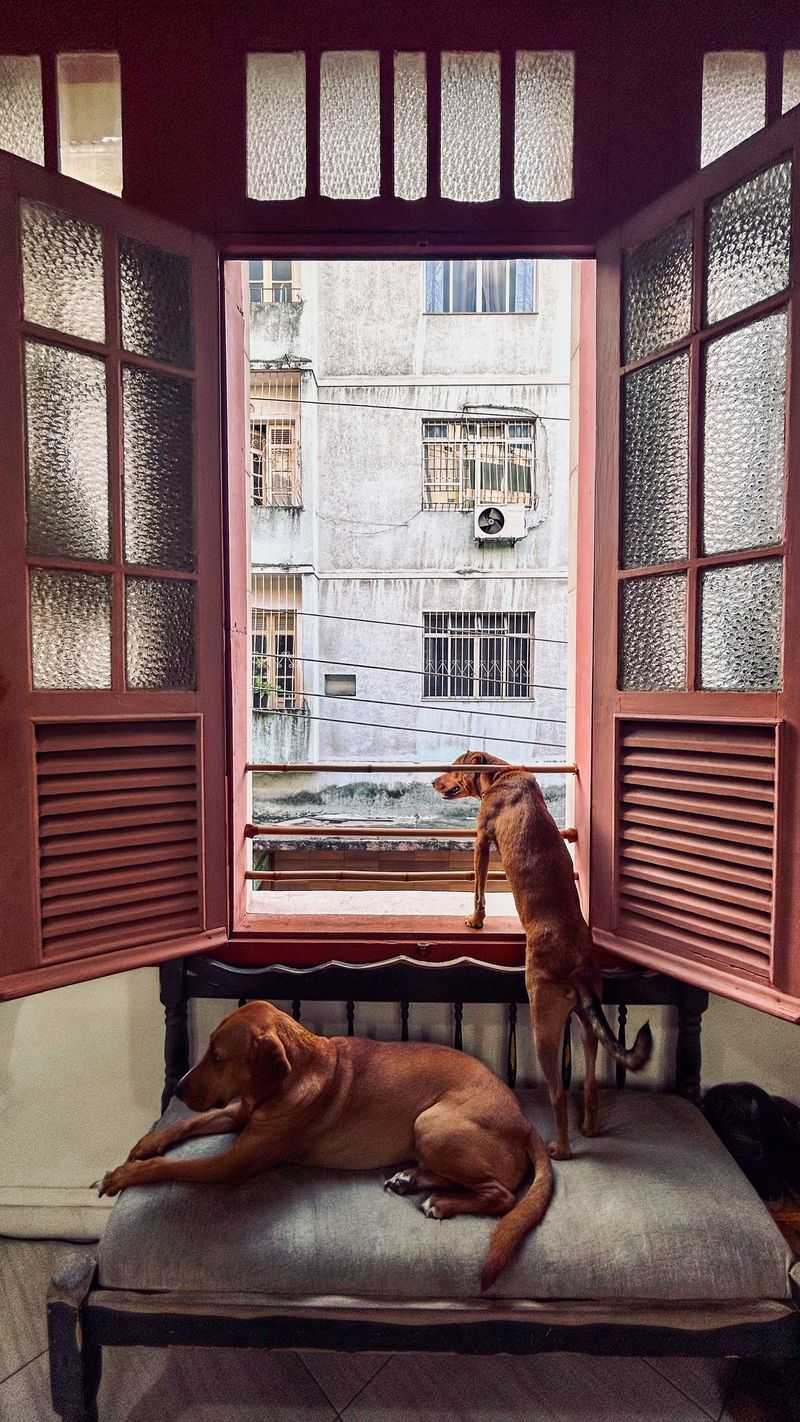
A garbage truck outside can feel much bigger than a tractor across a distant field. Sirens, elevators, and washing machines may leave your dog watchful instead of restful.
Set up a quiet retreat away from windows and shared walls. Let your dog leave noisy rooms freely.
Pair faint, tolerable sounds with treats, without forcing exposure. If your dog stops eating or cannot settle, reduce the noise and ask your veterinarian for guidance on managing ongoing stress.
2. Losing Familiar Outdoor Space And Easy Exercise
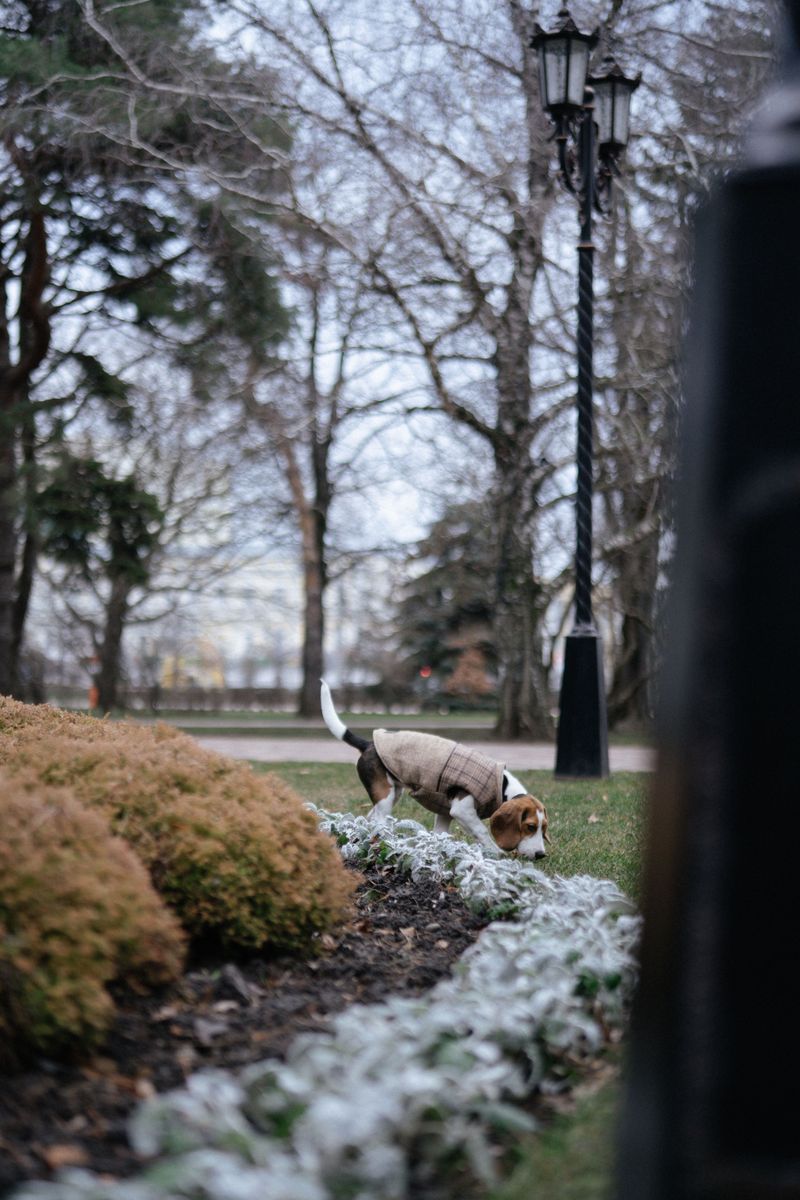
That old backyard offered familiar smells, open space, and room to choose a comfortable distance. A small city lawn may not meet those same needs.
Scout quiet parks and grassy routes before planning longer outings. Check posted dog rules and local leash requirements, which vary by location.
Choose sniffing walks, food puzzles, and short training games over exhausting exercise. Skip crowded dog parks while your rescue learns which surroundings feel safe and comfortable after the move.
3. Meeting More Strangers And Losing Walking Privacy
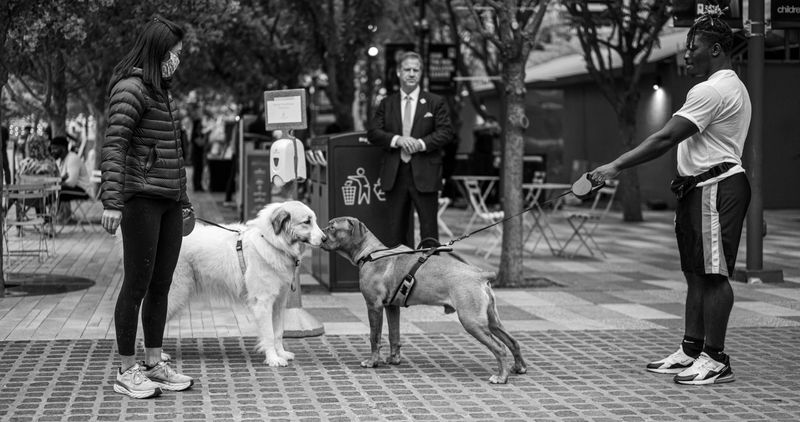
Not every friendly greeting feels friendly to a dog who wants more space. City walks can bring hands, faces, and unfamiliar dogs surprisingly close.
Tell approaching people your dog needs room, and decline greetings without apology. Cross the street or step behind a parked car when needed.
Reward calm observation from a comfortable distance. Lip licking, freezing, or turning away can signal discomfort.
Your dog does not need to meet everyone to become a confident neighbor.
4. Navigating Busy Georgia Sidewalks
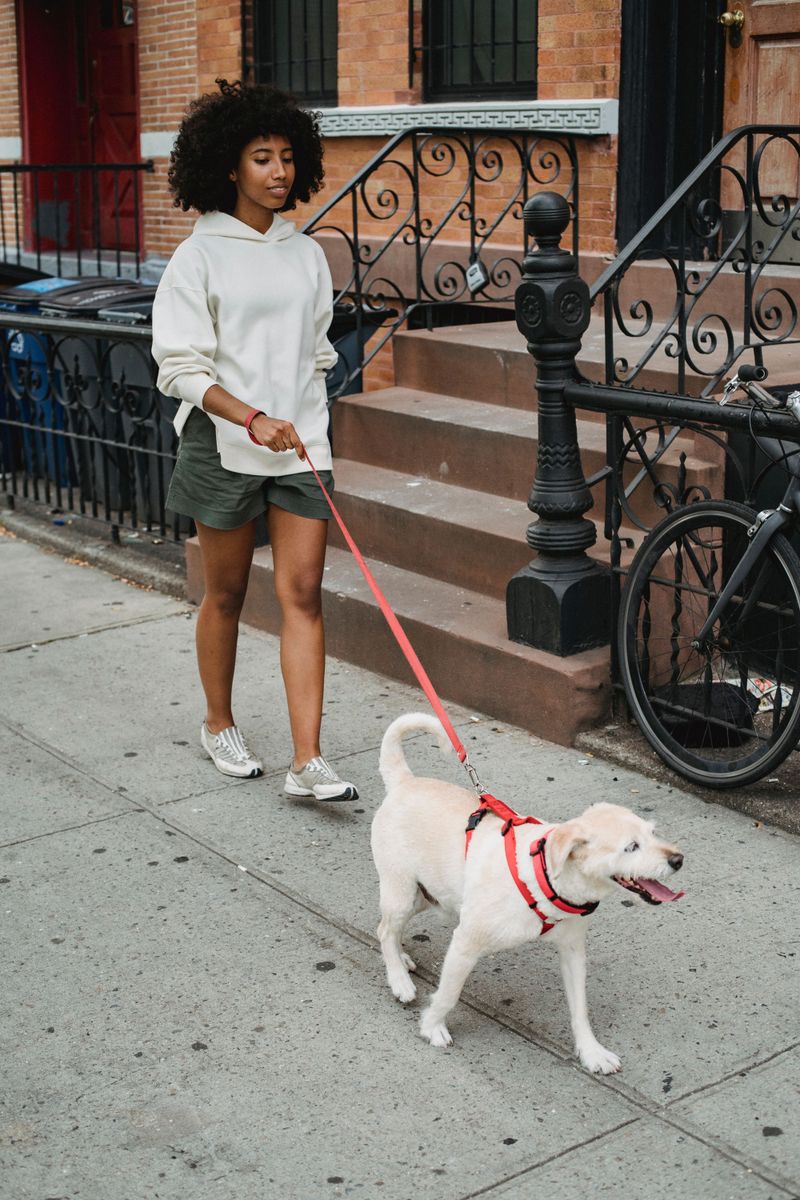
A sidewalk can become a moving puzzle of strollers, runners, delivery carts, and outdoor tables. Your dog may struggle when escape routes seem limited.
Start on wider streets during quieter hours rather than busy shopping blocks. Keep the leash short enough for control, but avoid constant tension.
Practice turning around at home, then use that skill before crowds close in. Reward check-ins and allow sniffing breaks.
Short, successful trips build useful skills without overwhelming your dog.
5. Getting Used To Apartment Living
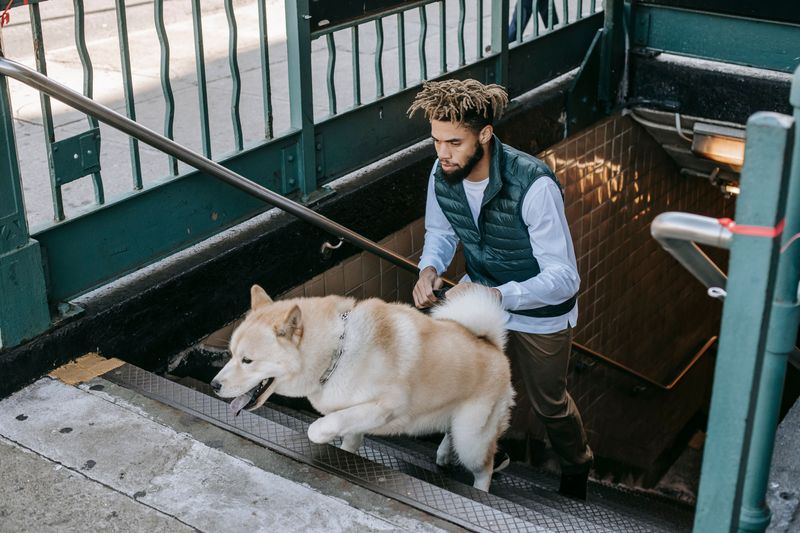
Shared hallways leave little room for a nervous dog to step aside. Elevators, stairwells, and neighbors behind doors can add unfamiliar pressure.
Practice brief hallway visits when the building is quiet. Wait for an empty elevator rather than squeezing beside another dog.
Give your rescue a resting spot away from the entrance. Ask building staff about quieter exits and pet policies.
Never force stair use if pain, age, or fear makes climbing difficult for your dog.
6. Learning A New Bathroom Routine
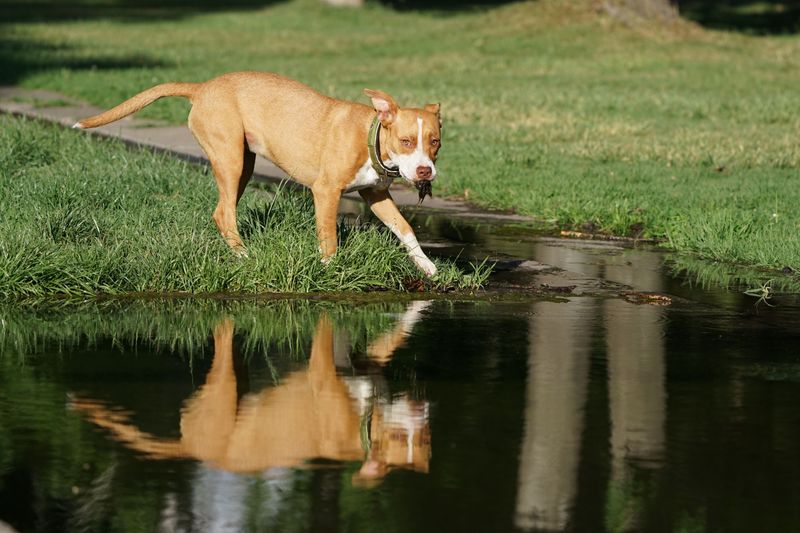
Grass beside an apartment may smell nothing like the yard your dog remembers. Some rescues hesitate when traffic or strangers interrupt bathroom time.
Offer frequent trips after waking, meals, play, and before bed. Return to one quiet spot and reward success immediately.
Clean accidents with an enzymatic cleaner, without punishment. Allow extra travel time through hallways and elevators.
Straining, discomfort, or sudden changes deserve veterinary advice rather than assuming the move explains every new bathroom problem.
7. Facing Georgia’s Hot City Pavement
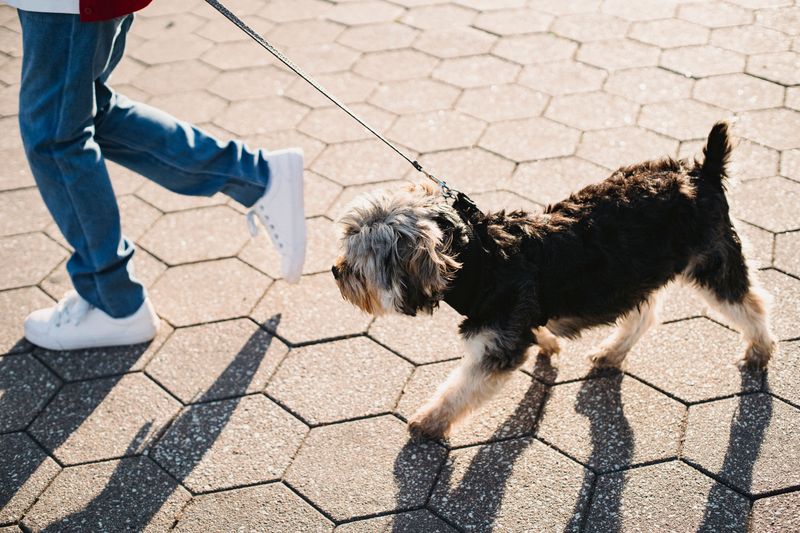
Summer sidewalks can become much hotter than shaded ground. Georgia’s humidity can also make it harder for dogs to cool down through panting during exercise.
Walk during cooler hours, favor shade and grass, and carry water. Pavement that feels hot to your hand is unsuitable for paws.
That check does not guarantee safety, so watch your dog closely. Heavy panting, weakness, or unusual drooling can signal overheating.
Move your dog to a cool area, begin cooling with cool water, and seek immediate veterinary care. Never leave your dog inside vehicles.
8. Adjusting To Traffic And Road Dangers
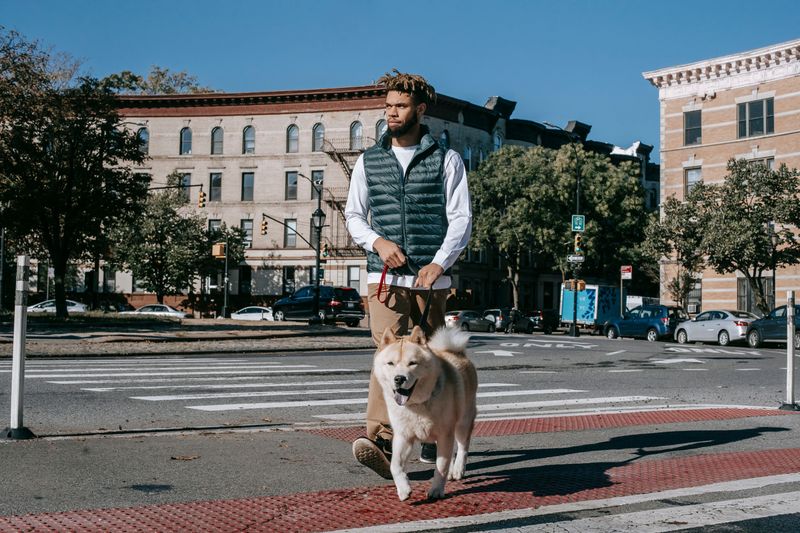
Country roads rarely prepare a dog for turning buses, bicycles, and several lanes of traffic. Sudden movement may trigger freezing, pulling, or attempts to retreat.
Use a well-fitted harness and sturdy leash, checking both before outings. Avoid retractable leashes near roads.
Practice waiting at quiet curbs before tackling busier crossings. Keep distance from traffic whenever possible, and never assume drivers see you.
If your dog freezes, create space instead of dragging them toward the road ahead.
9. Managing Separation Anxiety After The Move
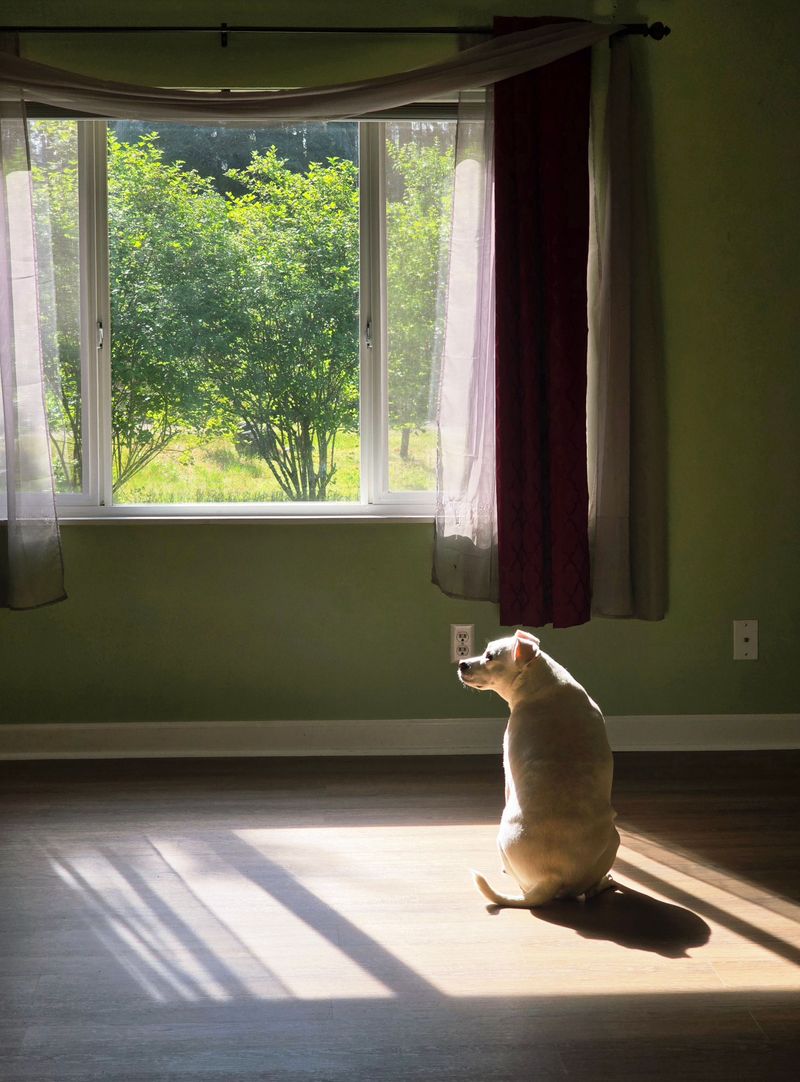
Your presence may become the only familiar part of a completely different home. Even an independent dog can struggle when left alone after moving.
Begin with brief absences your dog can handle, building gradually without provoking distress. A camera can reveal pacing, vocalizing, or repeated door watching.
Avoid letting your dog panic through long practice sessions. Arrange company when possible and seek veterinary help for persistent distress.
Food toys may provide enrichment and help some dogs feel more comfortable, but they are not a standalone treatment for separation anxiety.
10. Staying Identifiable When Everything Feels Unfamiliar
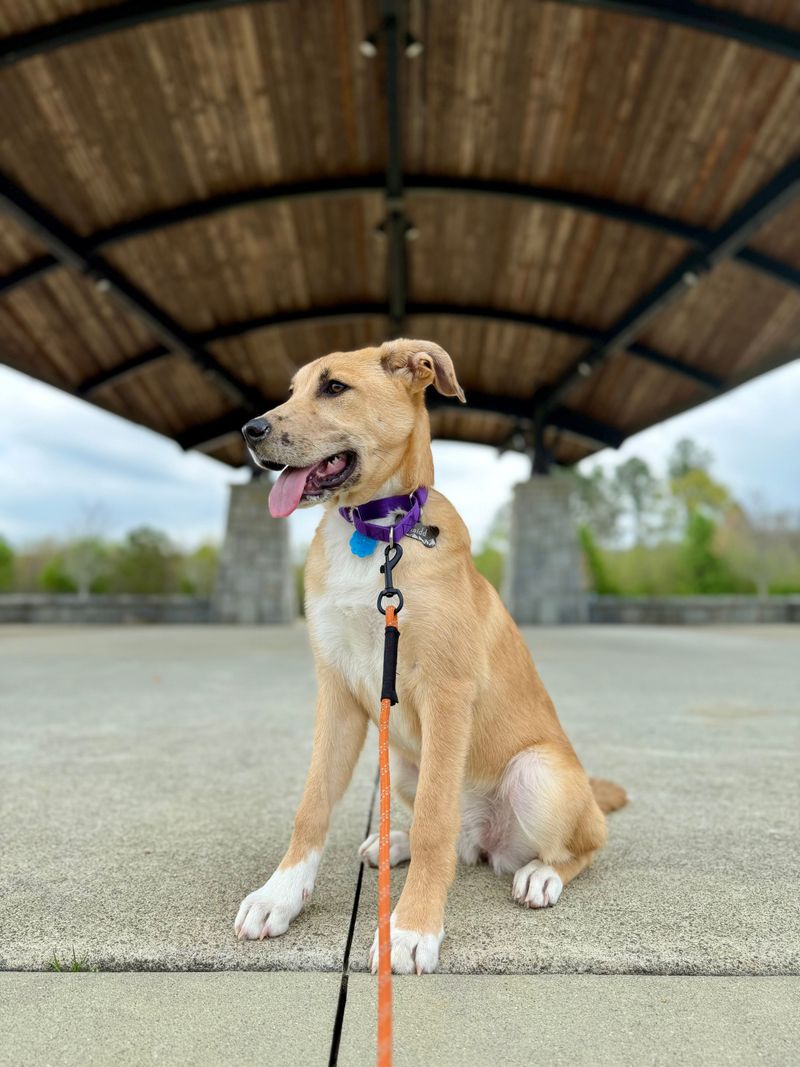
An unfamiliar doorway or sudden sound can prompt an unexpected dash toward an exit. Reliable identification matters even when your dog usually stays close.
Update collar tags and the microchip registry with your current phone number and address. A microchip is not a GPS tracker.
Ask a veterinarian to scan the chip if you are unsure about its details. Check local licensing requirements with animal control, and secure your dog before opening doors during moving activities.
11. Visiting A New Veterinarian In Georgia
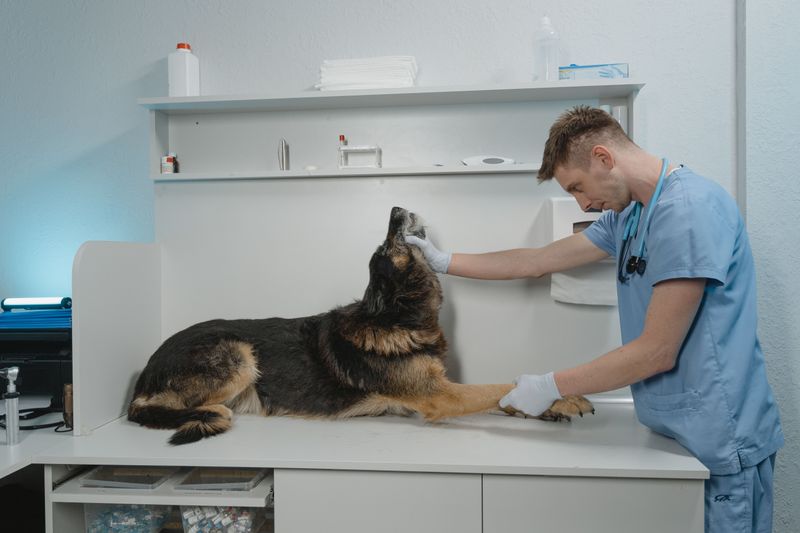
A different clinic adds new smells, handling, and waiting room encounters to an already busy adjustment. Planning ahead keeps care from becoming another surprise.
Find a local veterinarian before you need urgent help. Transfer medical records and discuss parasite prevention, vaccinations, and any changes in appetite or behavior.
Ask whether you can wait outside until an examination room opens. Your veterinarian can explain Georgia rabies requirements and recommend a qualified behavior professional when extra support helps.
12. Building Confidence Without Rushing Progress
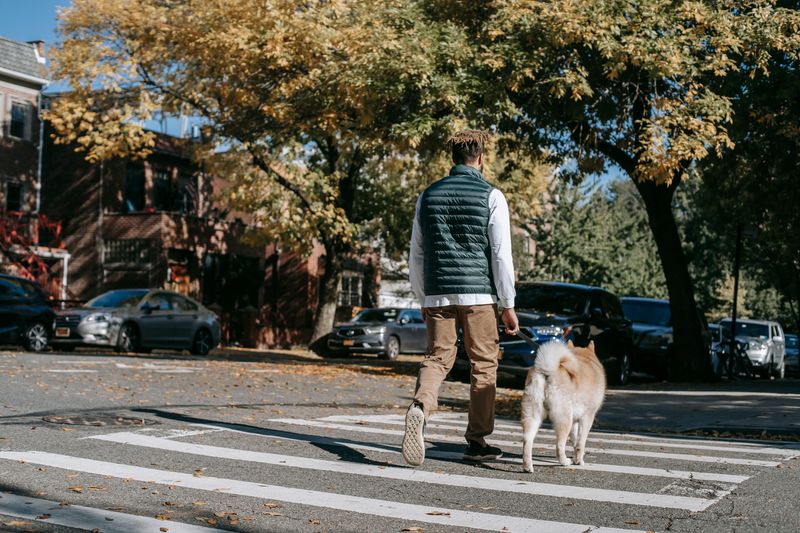
Progress might look like one relaxed sniff, not a cheerful walk through downtown. Rescue dogs adjust at different speeds, so avoid setting a deadline.
Keep meals, rest, and outings predictable while introducing challenges in small steps. Track comfortable moments alongside difficult ones to notice patterns.
If fear grows or daily life remains difficult, seek professional support. You are building trust, not passing a test.
A quieter route and another patient day can move you forward together.