How Georgia’s Long Pollen Season Can Affect Dogs With Environmental Allergies
If your dog starts scratching when Georgia’s trees turn green, pollen could be part of the picture. Our long growing season can bring waves of tree, grass, and weed pollen, leaving sensitive dogs uncomfortable for months.
Knowing what to watch for helps you spot changes early and make outdoor time more comfortable. A few simple habits, paired with veterinary guidance, can help you build a plan that fits your dog.
1. Georgia’s Long Pollen Season Can Trigger Allergy Symptoms in Dogs
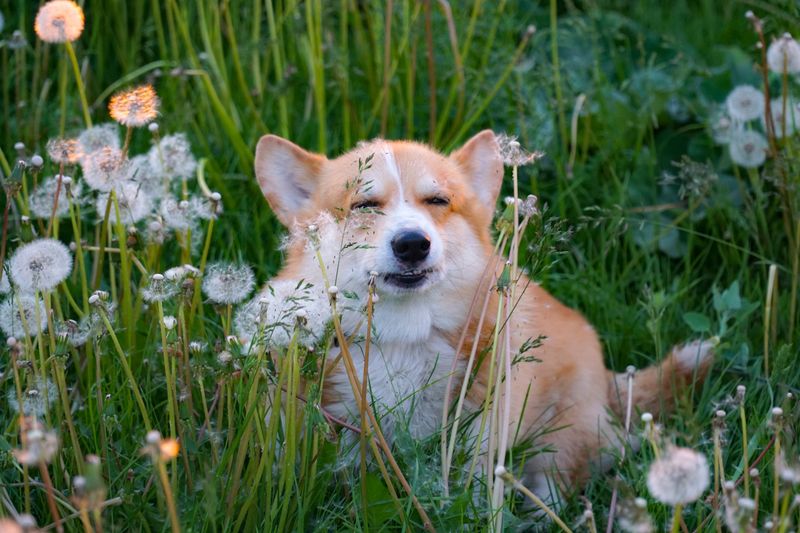
Spring sneezes might bother you, but your dog may show pollen allergies through itchy skin instead. Sensitive dogs can react when airborne pollen settles on their skin or enters their airways.
Scratching, rubbing, and licking often become the clearest clues.
Georgia’s overlapping pollen seasons can make those signs return for months. Keep a simple calendar of symptoms and outdoor activities.
Bring those notes to your veterinarian rather than assuming every itch has the same cause.
2. Tree Pollen Can Cause Early Spring Flare-Ups

Before the yard fully greens up, trees may already be releasing pollen across your neighborhood. Oak, pine, and other trees contribute to Georgia’s spring pollen mix.
The yellow dust you notice does not reveal which pollen bothers your dog.
Symptoms may begin during late winter in warmer areas or years. Check local pollen reports alongside your dog’s behavior.
Ask your veterinarian whether starting a seasonal care plan before familiar flare periods would help your particular dog.
3. Grass Pollen Can Keep Symptoms Going Into Summer
A green lawn can keep allergy season going after spring’s tree pollen starts easing. Grasses release pollen during warmer months, although timing varies by species and local weather.
Dogs with grass sensitivities may keep scratching well into summer.
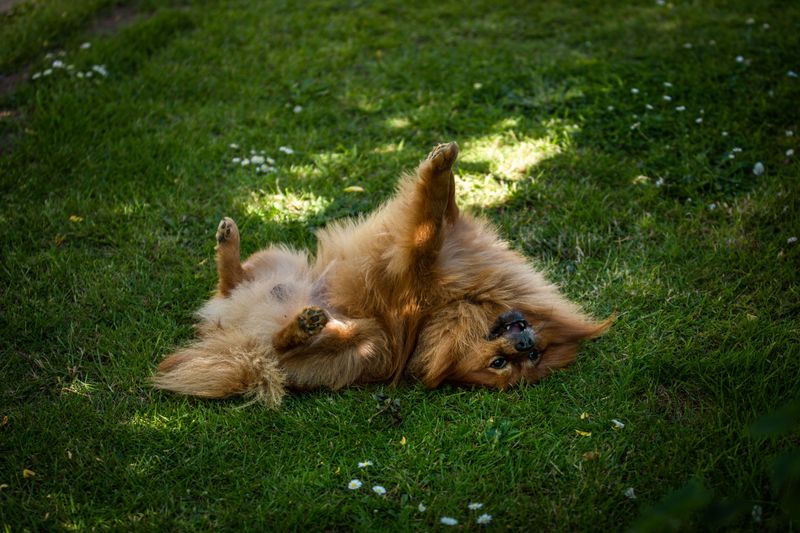
Try paved walking routes when grassy areas seem linked with flares. Avoid letting your dog roll through freshly cut lawns.
Track whether symptoms follow grass exposure, but remember that only a veterinary assessment can sort out likely causes.
4. Weed Pollen Can Trigger Late-Season Allergies
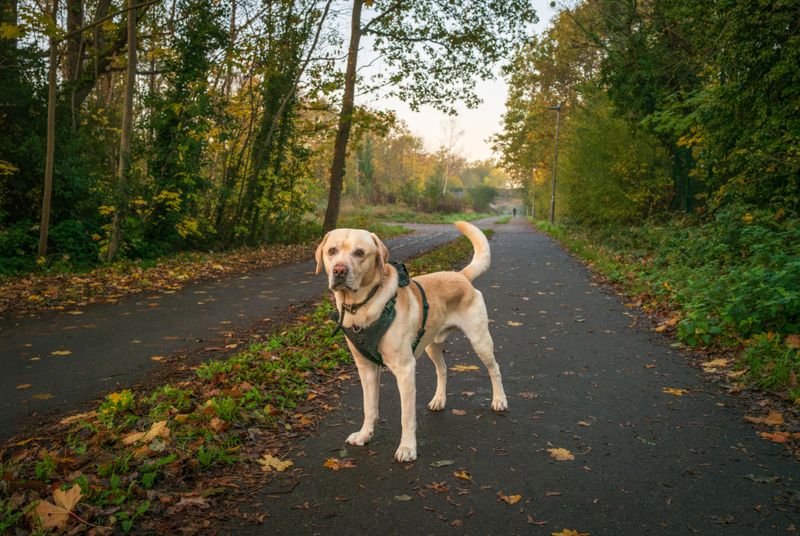
Cooler evenings do not always mean relief for an itchy dog. Ragweed and other weeds can release pollen from late summer into fall.
Wind can carry that pollen beyond the patch where plants are growing.
Notice whether scratching returns when summer starts winding down. Choose maintained paths instead of weedy edges when possible.
Continue your dog’s prescribed care until your veterinarian recommends changes, even if temperatures feel milder and your own seasonal symptoms have already faded.
5. Georgia’s Mild Weather Can Extend Allergy Season
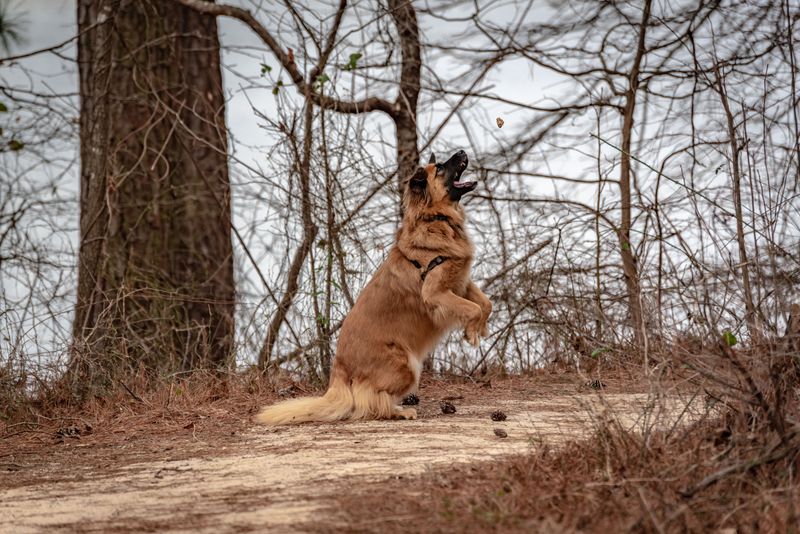
Warm stretches can blur the usual boundaries between Georgia’s growing seasons. Pollen timing differs between the mountains, central communities, and the coast.
A mild winter may allow some plants to release pollen earlier than expected.
Use local conditions rather than a fixed calendar to guide your awareness. Yearlong itching can also involve indoor allergens, including dust mites.
Tell your veterinarian when symptoms never fully disappear, because pollen may be only one part of your dog’s problem.
6. Constant Paw Licking Can Be a Sign of Pollen Exposure
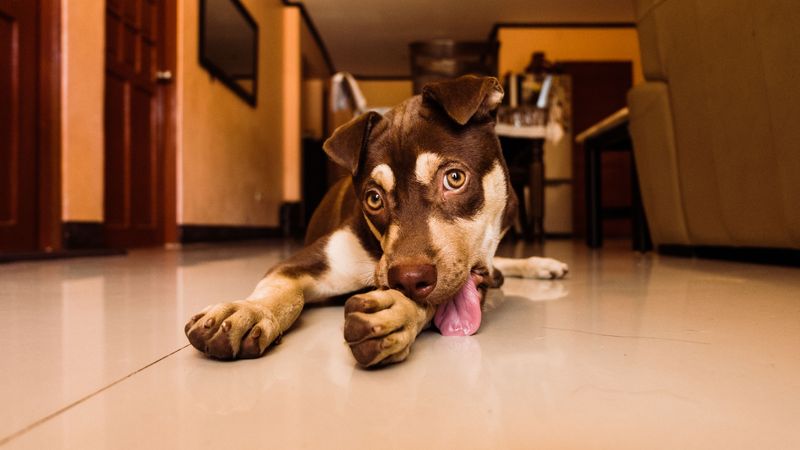
That steady licking after a walk deserves a closer look. Pollen can collect around toes, while allergic skin inflammation can make paws feel itchy.
Repeated licking may leave fur stained or skin tender over time.
Gently wipe paws with a clean, damp cloth after outings, then dry between the toes. Check for grass seeds, small injuries, or swelling.
Persistent licking needs veterinary attention, since allergies are not the only reason a dog focuses on its feet.
7. Itchy Ears May Become More Noticeable During Pollen Season
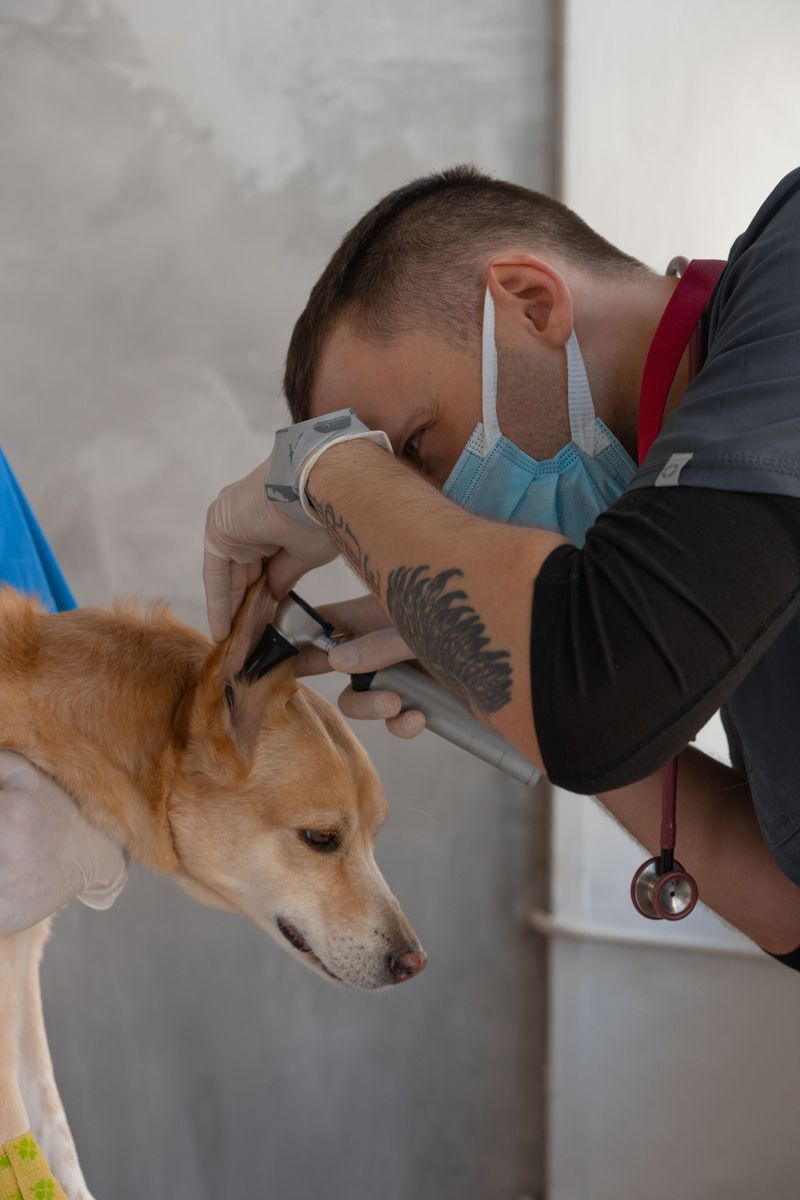
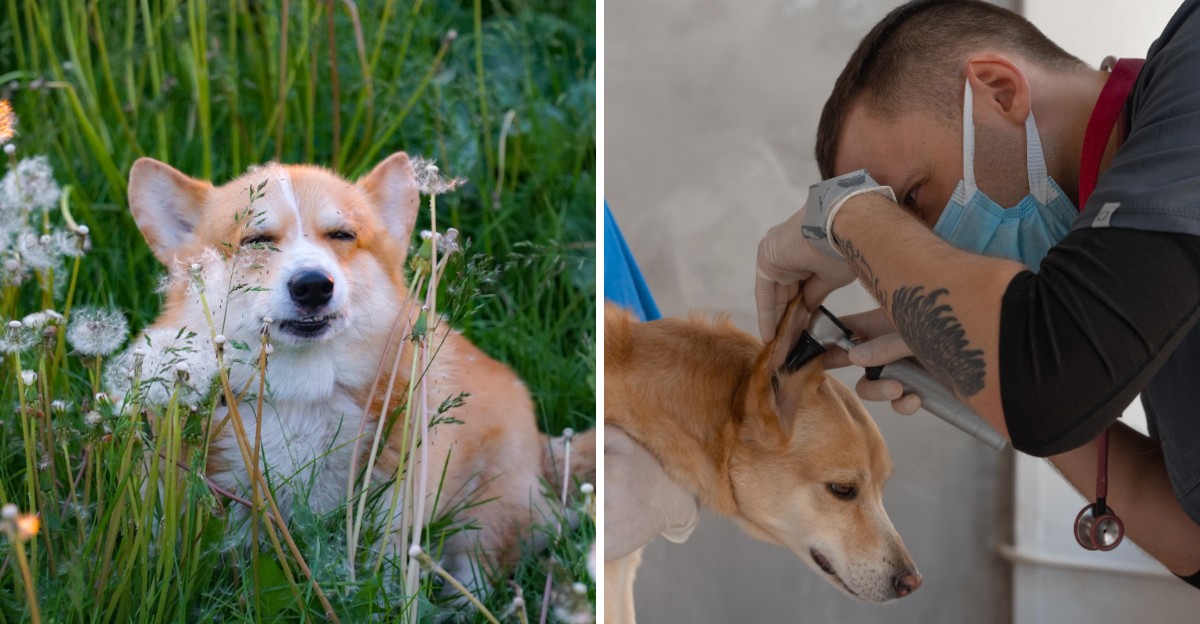
Head shaking can be another clue that seasonal allergies are bothering your dog. Allergic inflammation may affect the ear canals and encourage yeast or bacteria to overgrow.
You might notice scratching, redness, odor, or unusual discharge.
Arrange an examination rather than reaching for leftover ear medicine. Different ear problems need different treatments, and the eardrum’s condition matters.
Clean ears only as your veterinarian directs, and avoid pushing cotton swabs down into your dog’s delicate ear canals.
8. Belly and Armpit Skin Can Become Irritated
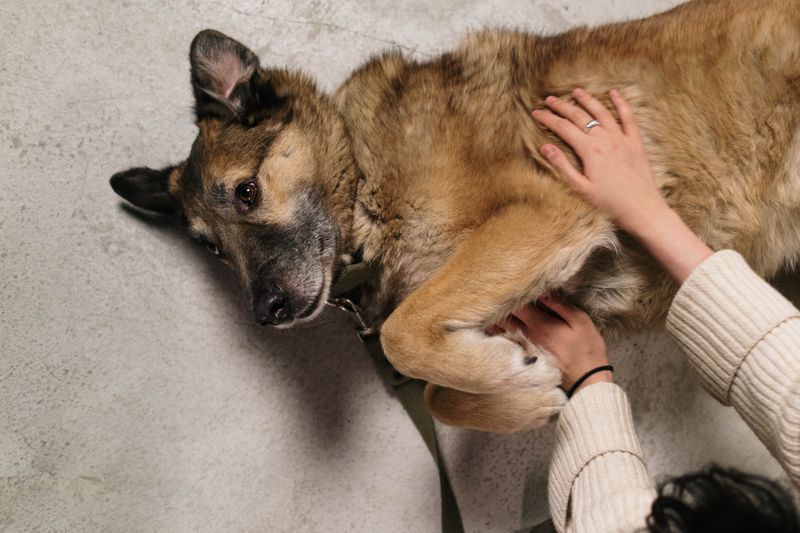
Thinly furred areas often reveal irritation before the rest of the coat does. Your dog’s belly, armpits, and groin may look pink or develop small bumps.
Grass contact can add irritation, but appearance alone cannot confirm an allergy.
Check these areas during quiet cuddle time, especially after outdoor play. Use a damp cloth to remove surface debris without scrubbing.
Contact your veterinarian if redness spreads, skin becomes moist, or your dog seems uncomfortable when gently touched.
9. Outdoor Walks Can Bring Pollen Back Into the House
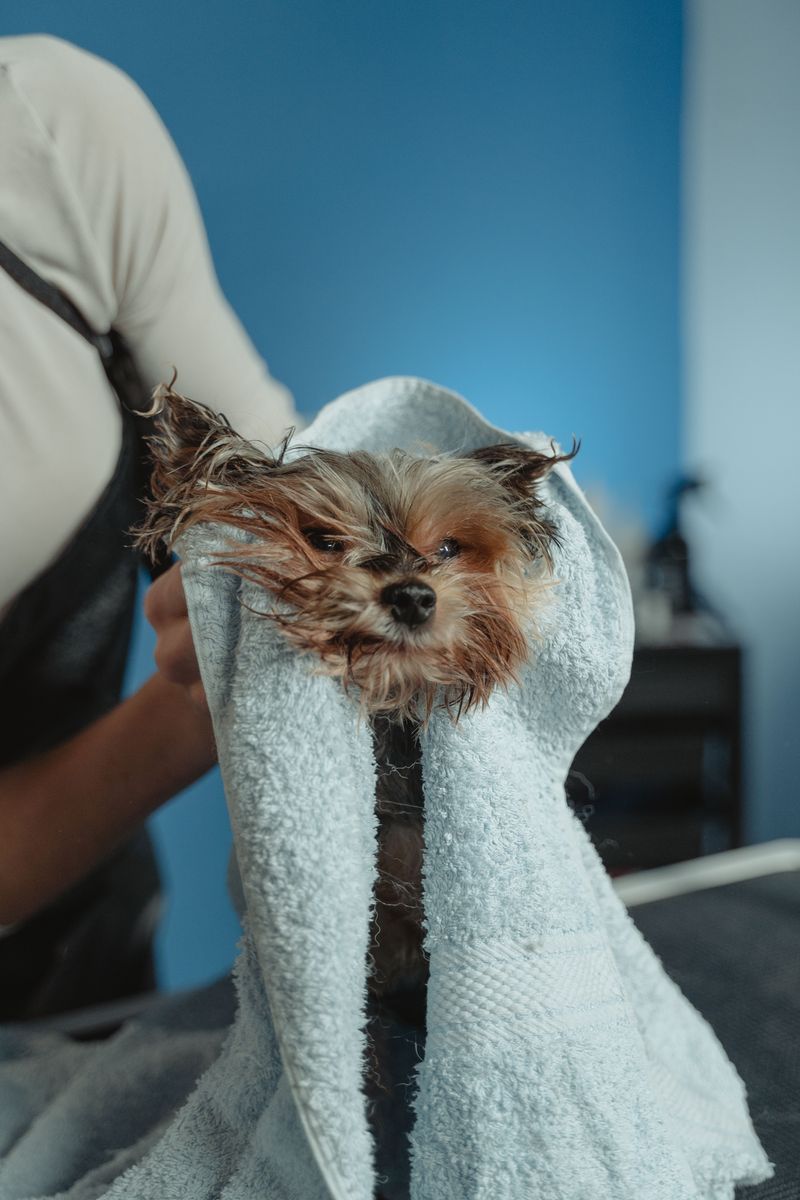
A walk can end while pollen keeps traveling on your dog’s coat. Fur, paws, leashes, and your shoes can bring outdoor particles inside.
Favorite beds and sofa blankets may then collect some of that material.
Create a quick cleanup spot near the door with washable towels. Wipe your dog gently, remove outdoor shoes, and wash bedding regularly according to its label.
Small routines can reduce buildup, although they will not remove every allergen from your home.
10. High-Pollen Days May Require Shorter Outdoor Activities
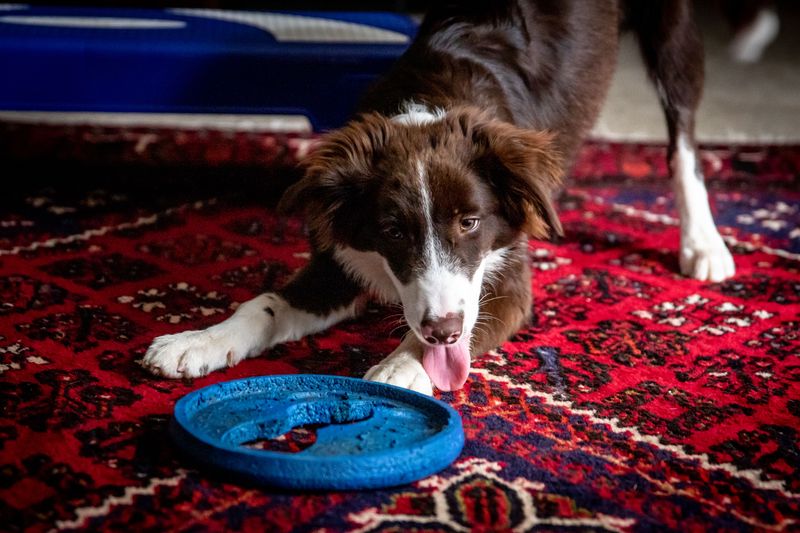
Some days call for a shorter sniff around the block. Local pollen forecasts can help you spot periods when exposure may be higher.
Counts vary with weather and location, so there is no universally safest walking hour.
On troublesome days, trade long field outings for brief walks and indoor enrichment. Food puzzles, training games, and gentle play can fill the gap.
Keep bathroom breaks comfortable, and let your dog’s symptoms help guide adjustments alongside veterinary advice.
11. Mowing and Yard Work Can Stir Up Allergens
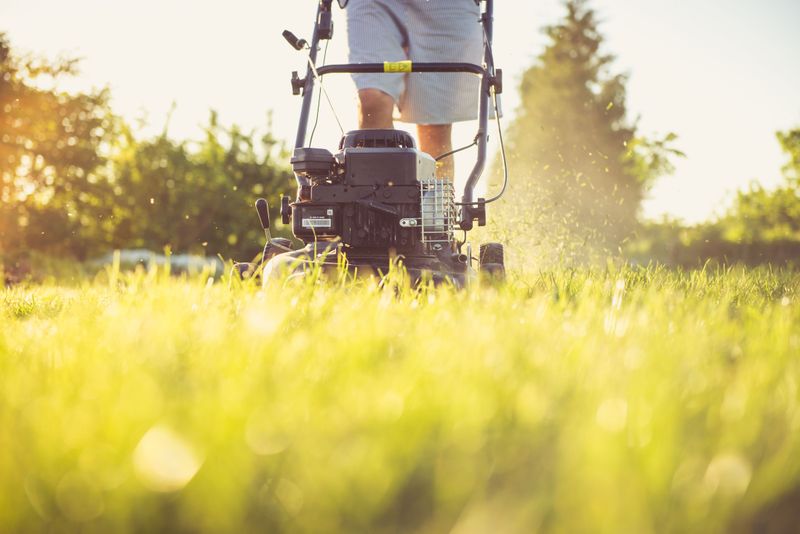
The mower’s hum can signal a good time for your dog to stay indoors. Cutting grass and moving yard debris can stir up pollen, dust, and mold spores.
Fresh clippings may also irritate sensitive skin during contact.
Keep windows closed near active yard work when practical. Wait until airborne debris settles before bringing your dog outside again.
Remove clippings from play areas, and follow every lawn product’s label before allowing pets back onto any treated surfaces.
12. Indoor Air Quality Matters During Allergy Season
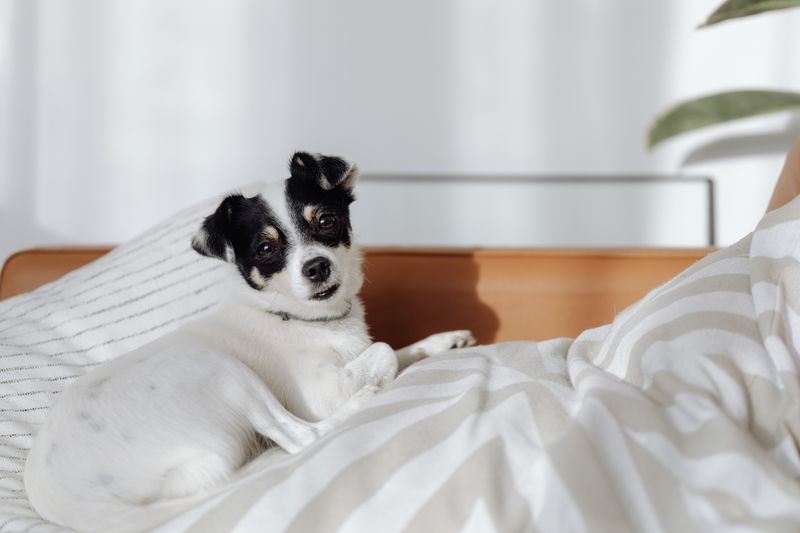
Your home can offer a useful break from outdoor pollen. Closing windows during heavy pollen periods limits one route indoors.
Regular vacuuming and washing dog bedding can also reduce particles that settle around resting areas.
Replace heating and cooling filters according to manufacturer guidance, using a type your system supports. A properly sized HEPA air cleaner may reduce airborne particles.
Avoid scented sprays around sensitive pets, and remember that cleaner air supports care rather than replacing treatment.
13. Bathing Can Help Remove Pollen From a Dog’s Coat
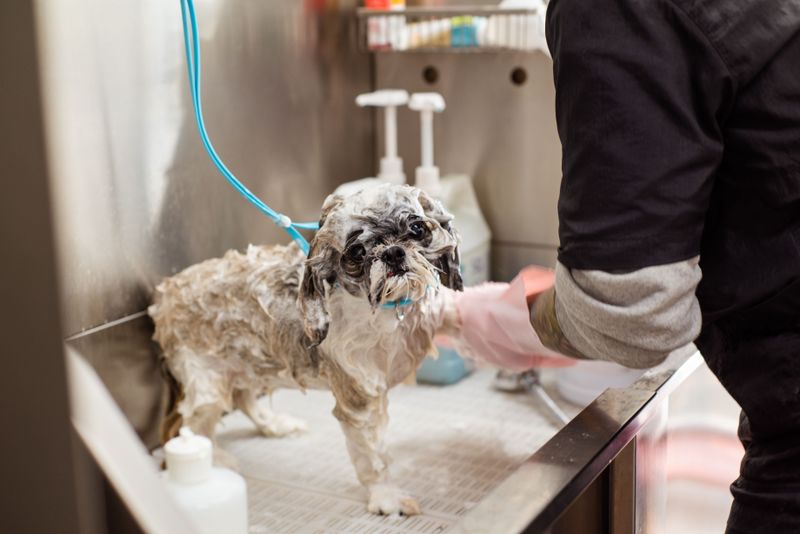
A gentle bath can wash pollen away after it settles into the coat. The right schedule depends on your dog’s skin, coat, and prescribed treatments.
Bathing too often with unsuitable products can leave skin dry or irritated.
Ask your veterinarian which shampoo and bathing frequency fit your dog. Use lukewarm water, rinse thoroughly, and dry carefully, including skin folds.
Medicated shampoos may require specific contact times, so follow directions rather than treating every bath the same way.
14. Environmental Allergies Can Lead to Secondary Skin Infections
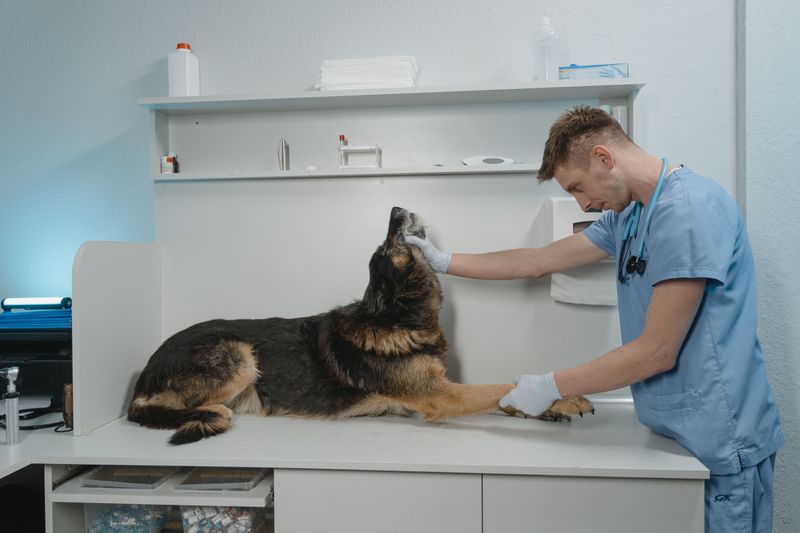
Scratching can weaken the skin’s barrier, giving normal skin microbes room to overgrow. Yeast or bacterial infections may then add more itching to an existing allergy flare.
New odor, greasy skin, crusts, or spreading redness deserve attention.
Book a veterinary visit when those changes appear rather than increasing baths or trying leftover medicine. Your veterinarian may examine skin samples to choose treatment.
Managing both the infection and underlying allergy helps interrupt the cycle and restore lasting comfort.
15. Allergy Symptoms Can Look Similar to Other Skin Problems
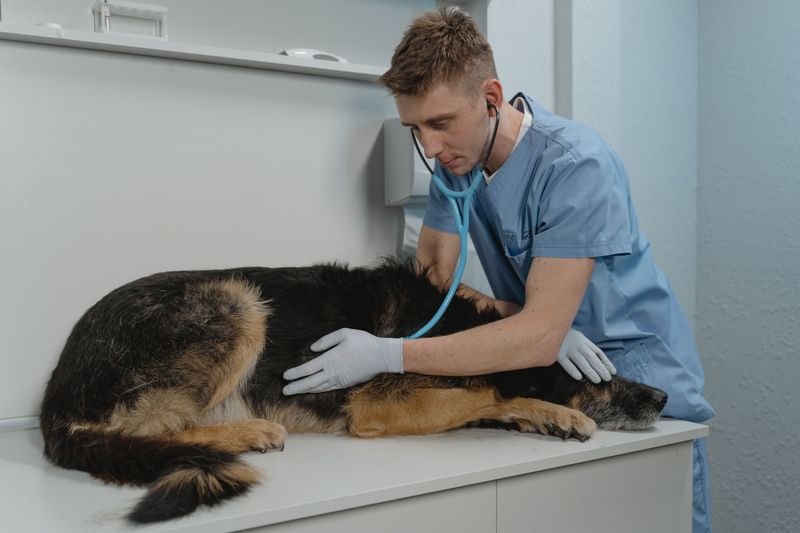
Not every seasonal scratch comes from pollen, even during a yellow Georgia spring. Fleas, mites, food allergies, and skin infections can cause similar signs.
More than one problem can affect the same dog at once.
Keep veterinarian recommended parasite prevention current and mention any diet changes during appointments. Photos and a symptom diary can help reveal patterns.
Avoid switching foods repeatedly without guidance, because a useful food allergy trial requires a carefully chosen diet and consistent rules.
16. Veterinary Testing Can Help Identify Specific Allergens
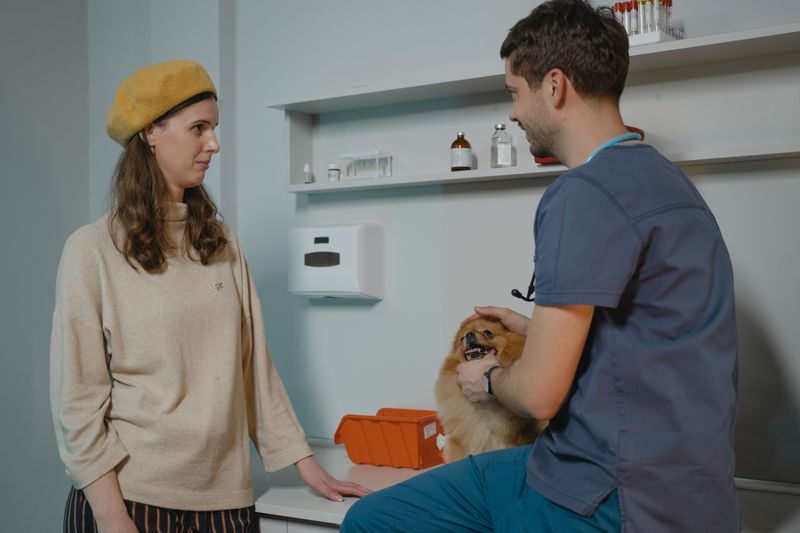
Finding the trigger takes more than matching an itch to today’s pollen count. Veterinarians diagnose environmental allergies using history, examinations, and checks for other causes.
Skin or blood allergy tests alone do not establish that diagnosis.
Testing can help select allergens for immunotherapy after environmental allergy is considered likely. A veterinary dermatologist may guide this process for persistent cases.
Ask what each test can answer, what it cannot prove, and how results would change your dog’s care.
17. Allergy Treatments May Need to Change With the Seasons
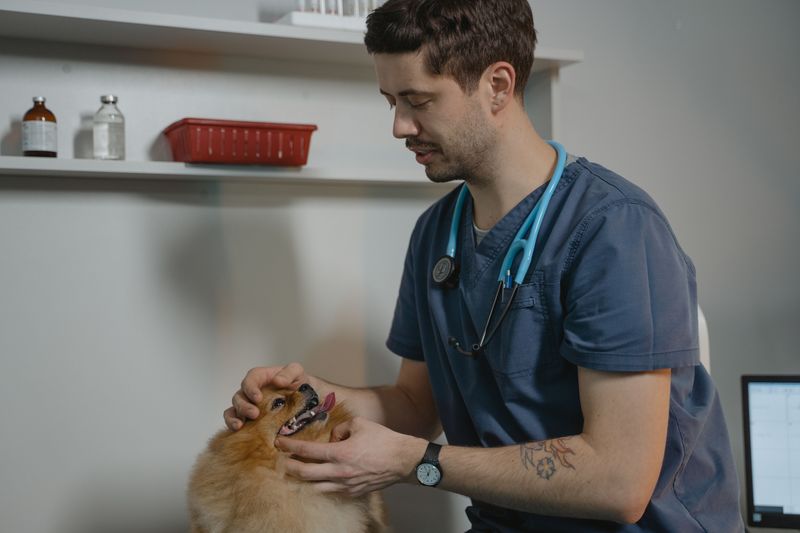
A plan that works in January may need adjusting during April’s pollen surge. Depending on symptoms, veterinarians may recommend prescription itch relief, topical care, or allergen immunotherapy.
Some dogs need seasonal support, while others require ongoing treatment.
Schedule reviews before your dog’s usual trouble months when possible. Never change doses or give human allergy products without veterinary approval.
Report sleep changes, renewed licking, or treatment concerns early so your veterinarian can adjust the plan safely and promptly.
18. Consistent Grooming Can Make Seasonal Allergies Easier to Manage
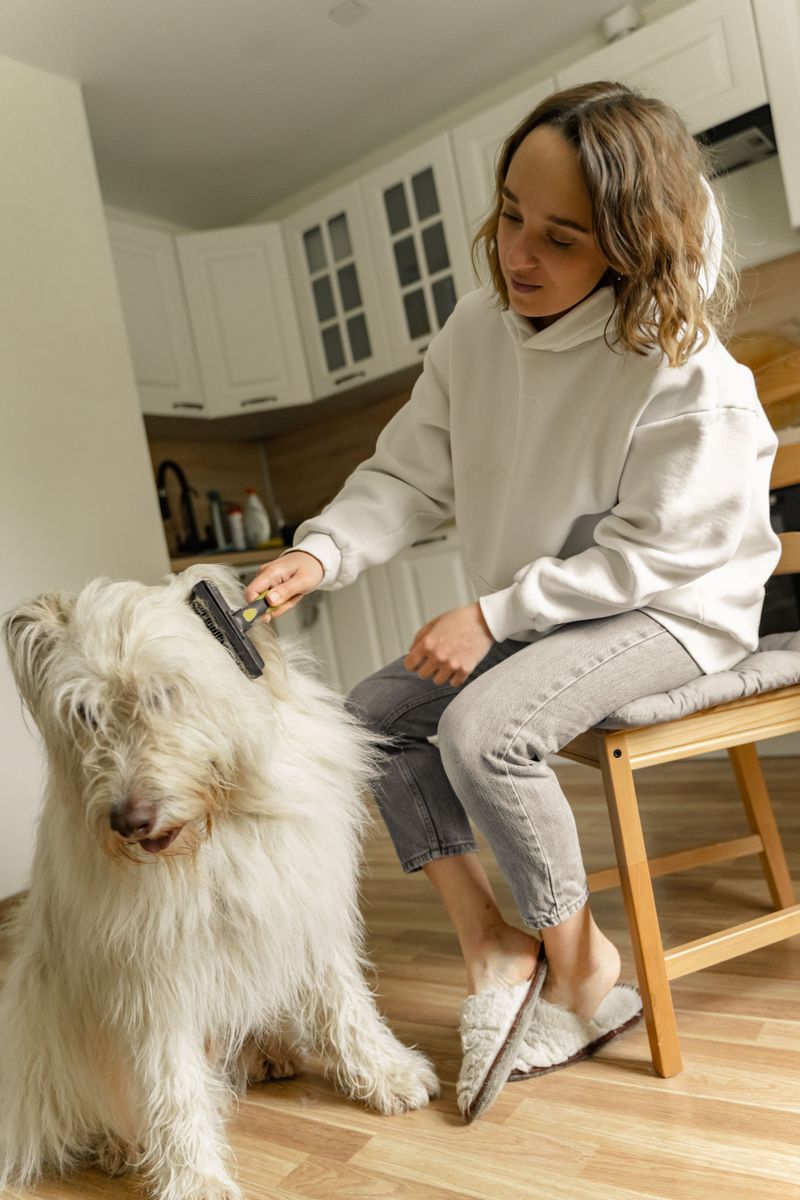
Small habits often make a long season feel more manageable. Gentle brushing removes loose hair and debris while giving you time to inspect skin.
Choose tools suited to your dog’s coat, and avoid brushing irritated areas roughly.
Clean grooming tools, wash bedding, and keep notes about changes between visits. Grooming cannot cure allergies, but it supports a broader care plan.
With steady routines and veterinary help, you can face Georgia’s pollen seasons feeling prepared rather than puzzled.