What Massachusetts Dog Owners Should Know Before Taking A Dog On The MBTA
A quiet train ride can get complicated when your travel buddy has paws instead of a CharlieCard. On the MBTA, timing, carrier size, and even a crowded platform can change your plans.
Knowing the pet rules helps you avoid surprises and keeps the ride comfortable for everyone. Before heading toward that familiar T sign, give your dog a little practice and yourself a simple backup plan.
1. Check the MBTA’s Rules Before Bringing Your Dog
Your best travel tool might be a quick visit to the MBTA website. Read its current pet policy before leaving, especially when switching between different types of service.
Save the page on your phone so you can find it easily.
A blog or social post may describe an older rule. Use the MBTA’s official guidance as your starting point, and ask customer support about anything unclear before bringing your dog to a station or stop.
2. Large Dogs Cannot Ride During Weekday Rush Hours
That morning commute is not the time for a big dog’s train debut. Under MBTA pet rules, nonservice dogs outside carriers cannot ride during weekday rush hours.
Those periods are 7 to 9 a.m. and 4 to 7 p.m.
Plan the whole journey around those windows, including your return. A late appointment or missed connection can change your options.
If your schedule might slip, arrange another way home before setting out with your dog that day.
3. Off-Peak Hours Are Better for Traveling With Large Dogs
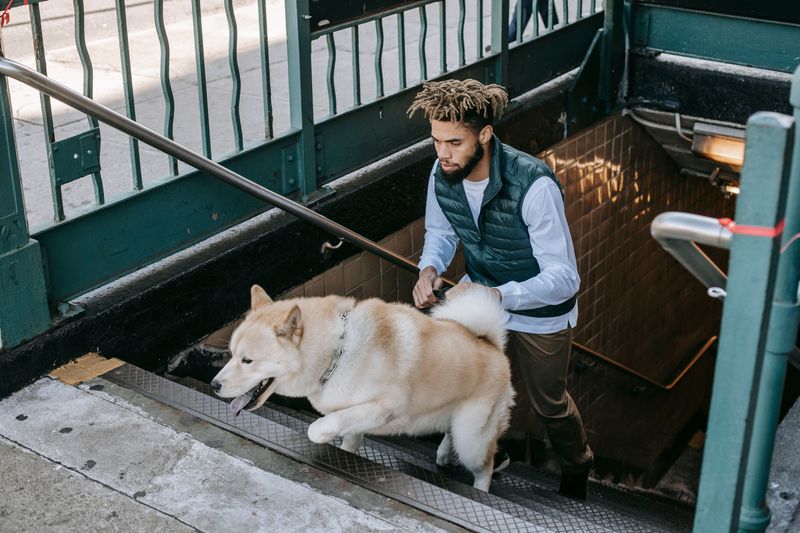
A little breathing room can make a big difference for a nervous passenger with paws. Outside weekday rush hours, dogs outside carriers may ride at the operator’s discretion.
A quieter departure gives everyone more space to settle.
Late morning or early afternoon can be useful options, depending on your route. Watch actual crowd levels rather than trusting the clock alone.
If a vehicle arrives packed, wait for another instead of squeezing your dog into the doorway.
4. Small Dogs Must Travel in Secure Carriers During Rush Hour
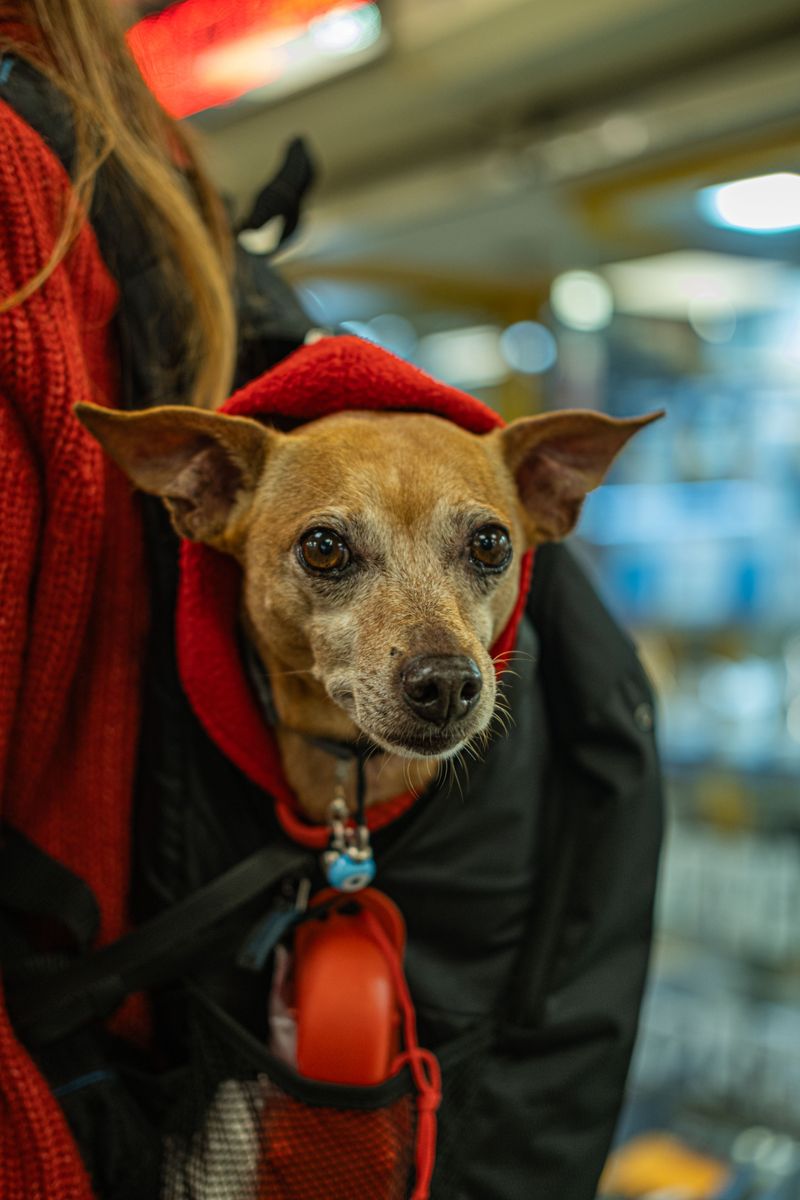
Pocket size does not give a pup a free pass to ride loose. During rush hours, small pets must travel in a suitable carrier.
MBTA guidance calls for carriers small enough to fit on your lap.
Choose a secure closure and keep your dog inside throughout the ride. An open tote is not a reliable substitute for proper containment.
Practice closing the carrier at home first, so busy boarding feels familiar rather than like an unwelcome surprise.
5. Keep Your Dog on a Leash Outside Its Carrier
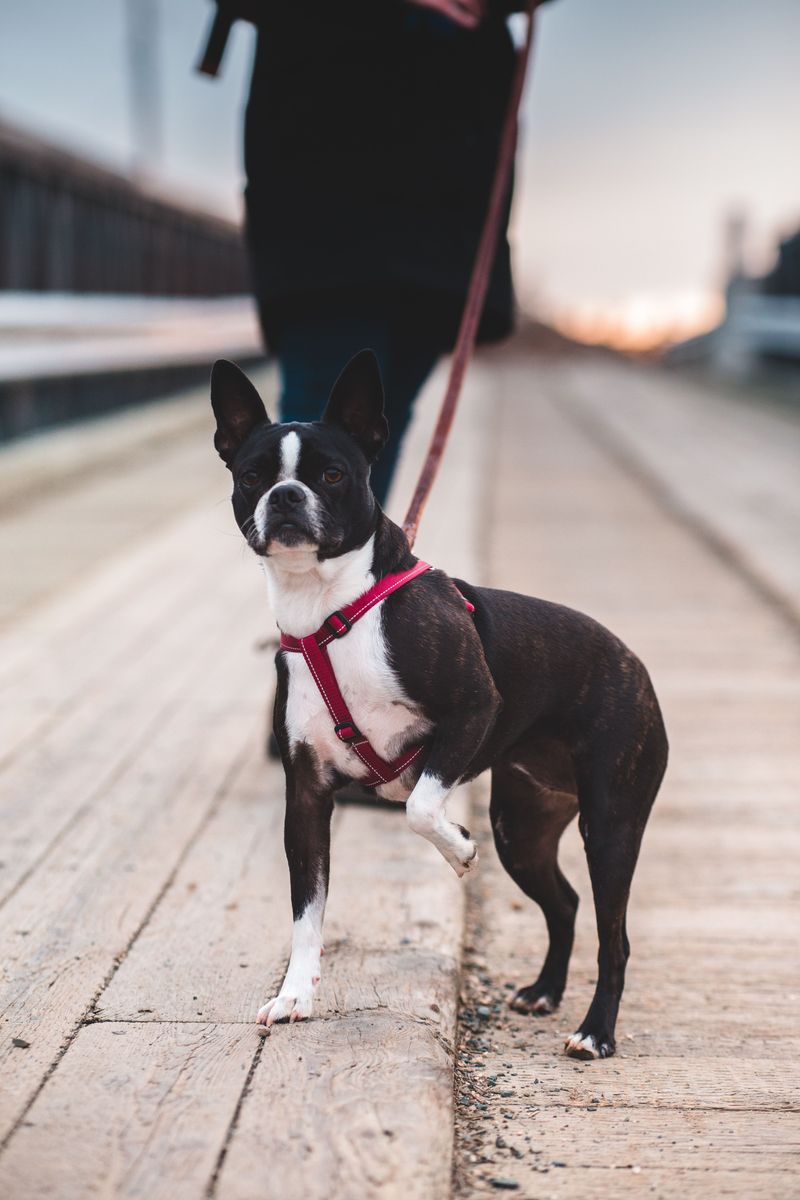
One dropped leash can turn an ordinary platform wait into a scramble. Dogs outside carriers must stay leashed and under your control.
Use a sturdy leash that lets you keep your dog close without constant pulling.
A fixed leash is easier to manage than a long retractable line in tight spaces. Check the clasp and harness before leaving home.
Keep loose straps gathered, especially near doors, stairs, and other riders moving past you on the platform.
6. Dogs Cannot Take Up Passenger Seats
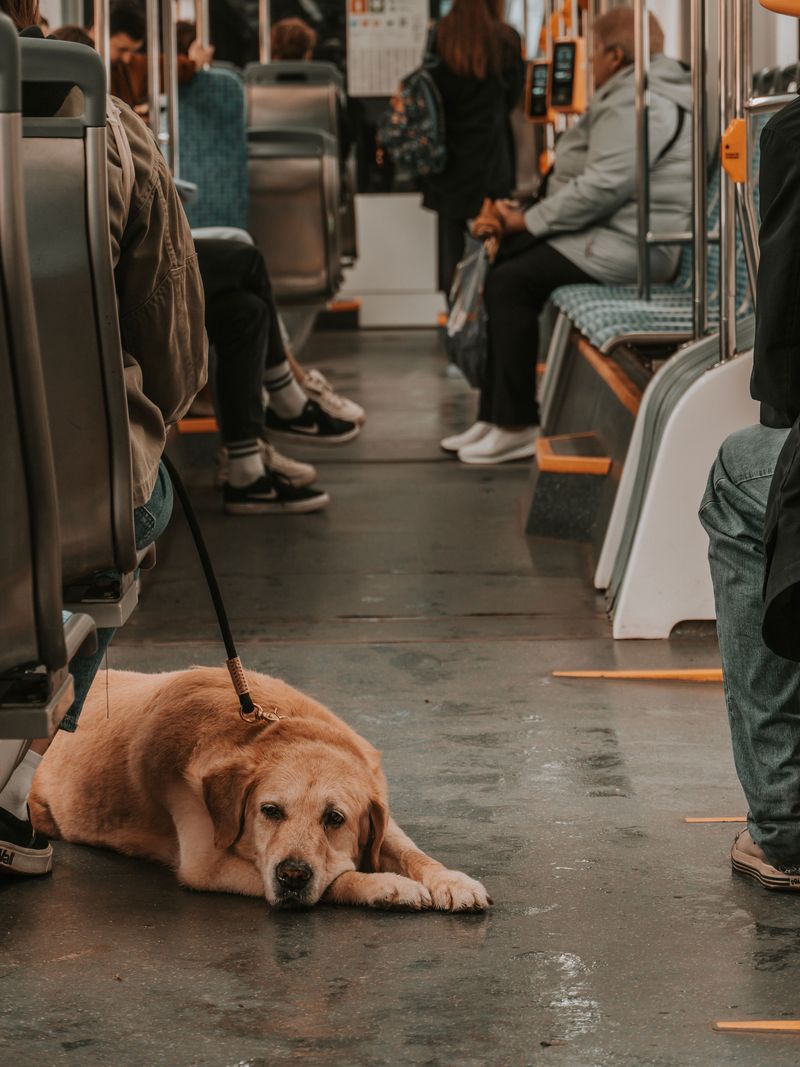
Those empty seats are tempting, but they belong to people. MBTA rules do not allow pets to occupy passenger seats.
Keep a larger dog on the floor beside you, with paws and tail tucked away from walking paths.
A small pet should remain in its carrier on your lap. Do not place a blanket down to create a dog seat.
Even on a quiet ride, leaving seats available helps the next passengers board and settle easily.
7. Weekend Trips Offer More Flexibility
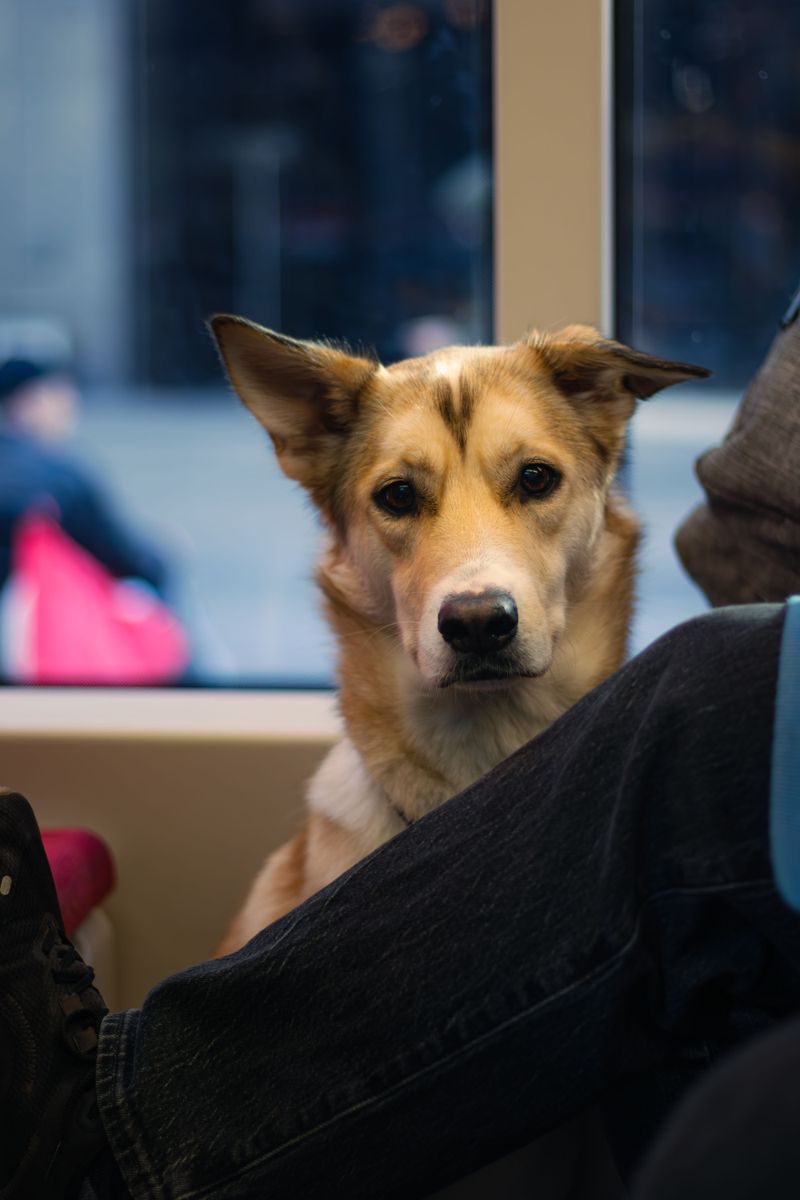
Saturday can offer more wiggle room than a Tuesday commute. The weekday rush hour restriction does not apply on weekends.
However, operator discretion and the other pet rules still matter, including leash use and keeping seats clear.
Do not mistake a weekend timetable for a promise of empty trains. Shopping trips, sports, and special events can fill cars quickly.
Choose a quieter departure, check your return service, and leave enough time to skip an overcrowded vehicle.
8. Choose a Carrier Your Dog Can Stay Comfortable In
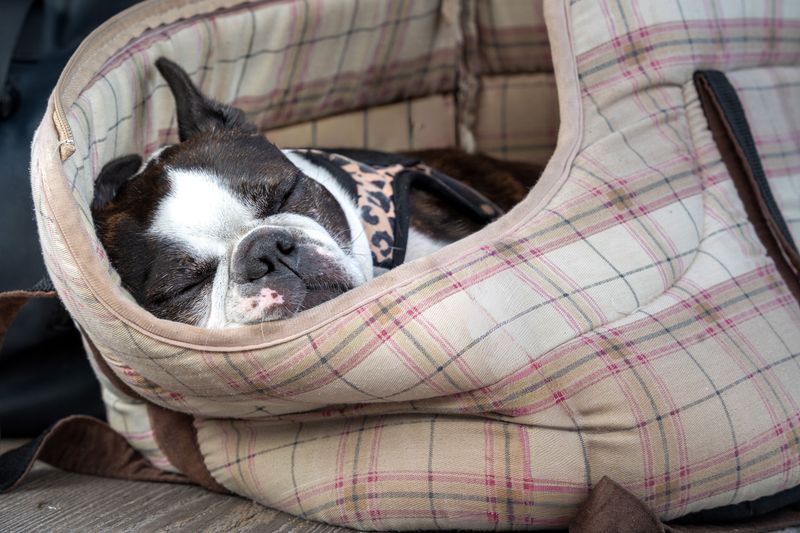
A carrier should feel like a familiar resting spot, not a last-minute puzzle. Your dog needs room to settle naturally without being squeezed.
Choose good ventilation, a secure bottom, and closures your pup cannot easily push open.
Balance comfort with the MBTA’s lap-sized carrier guidance. If your dog cannot fit comfortably, plan around the rules for dogs outside carriers instead.
Add a washable liner, then practice short, happy sessions before taking that carrier onto public transportation.
9. Keep Carriers Away From Vehicle Doors
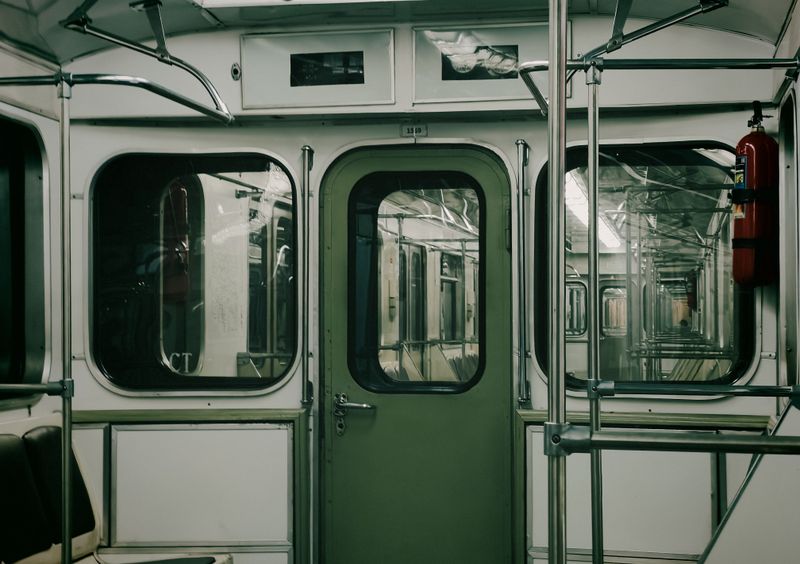
Doors need a clear path, even when your passenger fits in a bag. Hold the carrier securely on your lap rather than setting it beside an entrance.
Keep handles, straps, and loose fabric away from moving doors.
Board only when you have time to move inside calmly. Let riders exit first, then find a position that leaves walking space open.
Before standing to leave, gather your belongings so nothing drags behind you or catches under another passenger’s shoe.
10. Give Other Passengers Enough Room
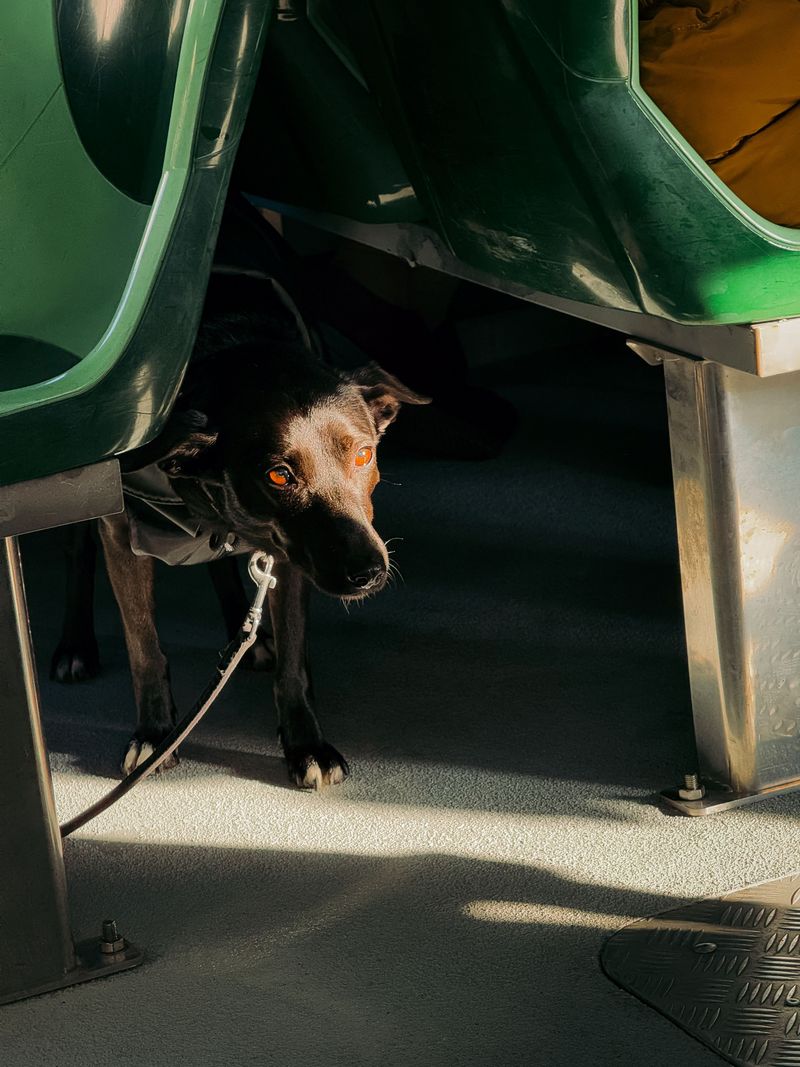
Not every rider wants a wet nose saying hello to their shopping bag. Some people have allergies, fear dogs, or simply need personal space.
Keep your dog beside you rather than allowing greetings without permission.
Leave aisles and accessible areas usable for the people who need them. Move when necessary, without asking others to step over your dog.
A compact setup makes the journey smoother and shows fellow passengers that your pup has excellent transit manners.
11. Prepare Your Dog for the Sounds of Public Transportation
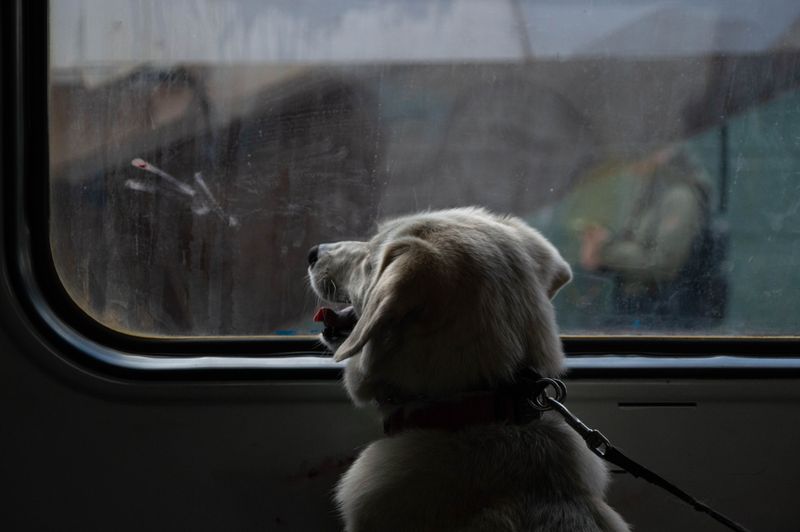
Squealing wheels and station announcements can surprise even a confident sidewalk explorer. Start with quiet recordings of transit sounds at home.
Pair a low volume with treats, then increase it gradually while your dog remains relaxed.
Next, practice near a stop without boarding, keeping a comfortable distance from traffic and crowds. Watch for trembling, repeated lip licking, or attempts to leave.
If your dog seems worried, step back and try an easier session another day instead.
12. Avoid Traveling During Major Boston Events
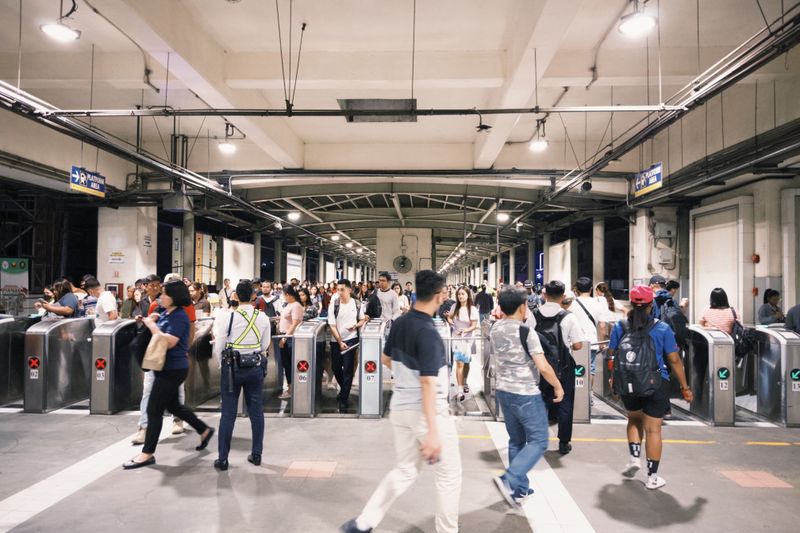
A nearly empty train can fill fast when a big event ends. Games near Fenway Park or TD Garden can change nearby travel patterns.
The Boston Marathon and major celebrations can also bring crowds and service adjustments.
Check the day’s event calendar alongside your transit plan. Avoid arrivals and departures that overlap with busy gathering times.
If the platform already feels crowded, change your schedule or route rather than hoping your dog will enjoy the squeeze.
13. Remember That MBTA Staff Can Restrict Pet Access
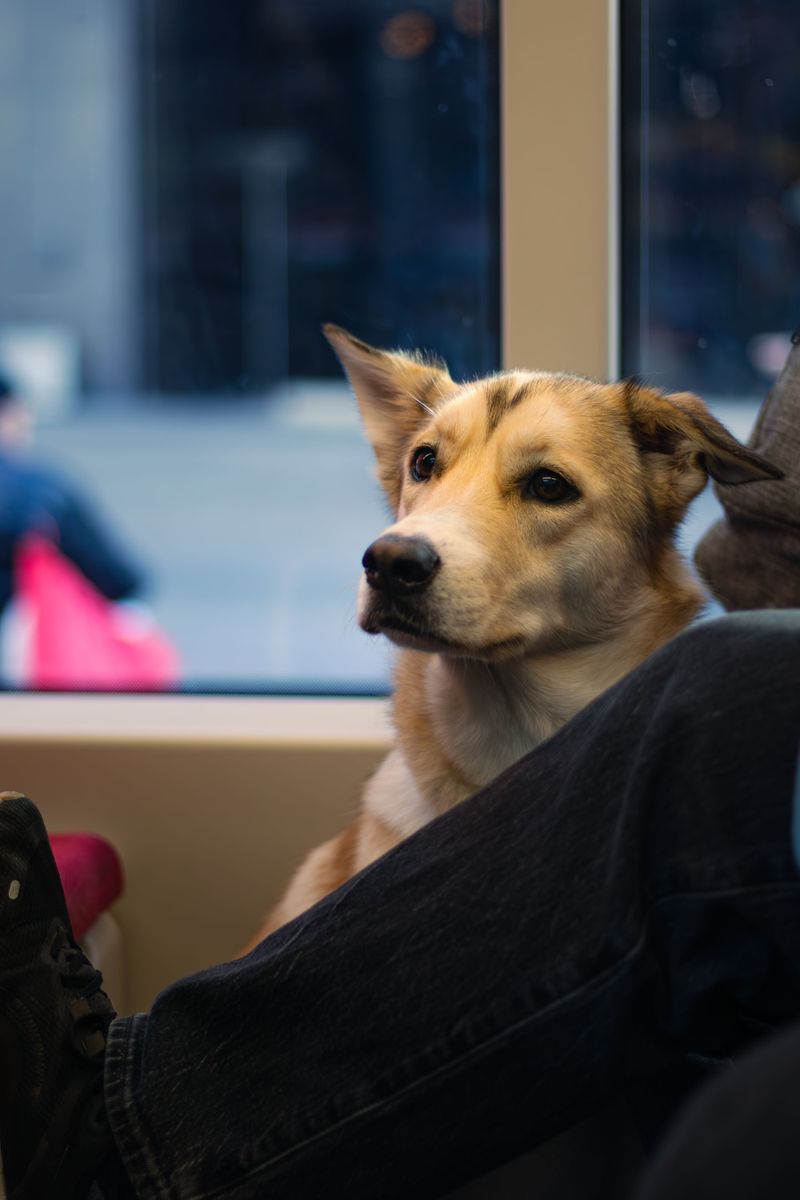
An allowed travel time does not guarantee a place for your pet. The MBTA permits dogs outside carriers during off-peak hours at the operator’s discretion.
Crowding or other conditions may mean waiting for another vehicle.
Follow staff directions calmly and keep a backup option ready. That might mean a later departure, another route, or a walk home.
Do not argue your way aboard with a worried dog. Service animals have different access protections from ordinary pets.
14. Keep Your Dog Calm Around Other Passengers
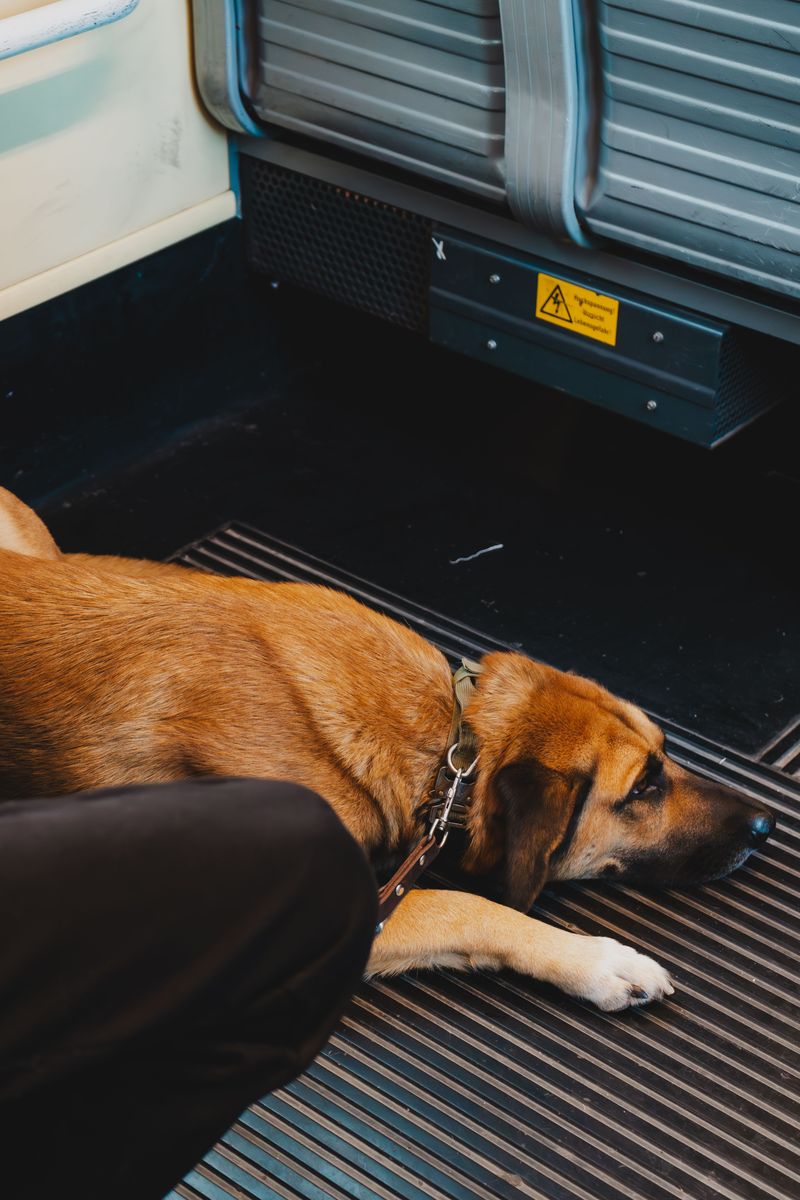
A practiced settle is worth more than a bag full of tricks. Before riding, teach your dog to rest beside your feet while people pass.
Reward quiet attention and keep greetings brief when another passenger asks to interact.
Bring small treats, but avoid toys that squeak or roll into the aisle. If barking or pacing continues, leave at a suitable stop and regroup somewhere quieter.
Ending early is better than asking your dog to manage overwhelming excitement.
15. Understand the Difference Between Pets and Service Animals
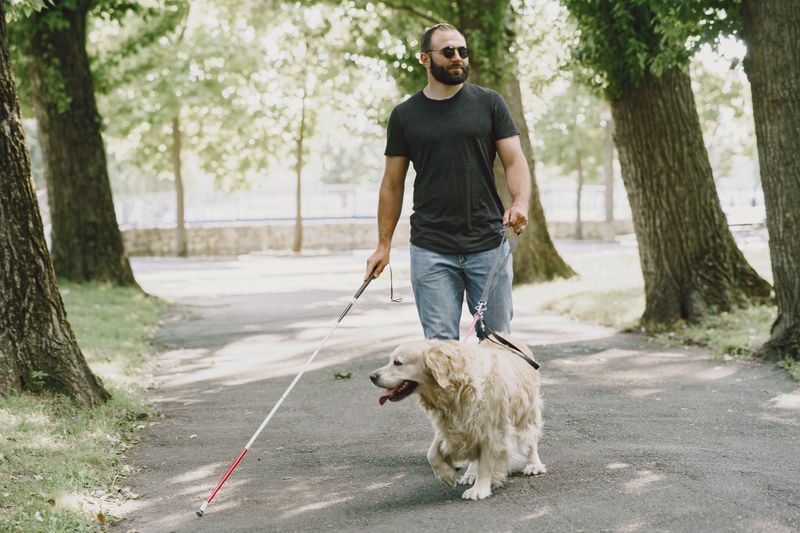
A special vest does not turn a pet into a service animal. Under federal disability rules, service dogs perform trained tasks for a person with a disability.
Emotional support or companionship alone does not provide the same transit access.
Service animals may accompany their handlers when ordinary pet restrictions would apply. Do not describe your pet as a service animal to avoid those restrictions.
Check MBTA accessibility guidance if you need details about traveling with a working animal.
16. Service Animals Must Remain Under Control
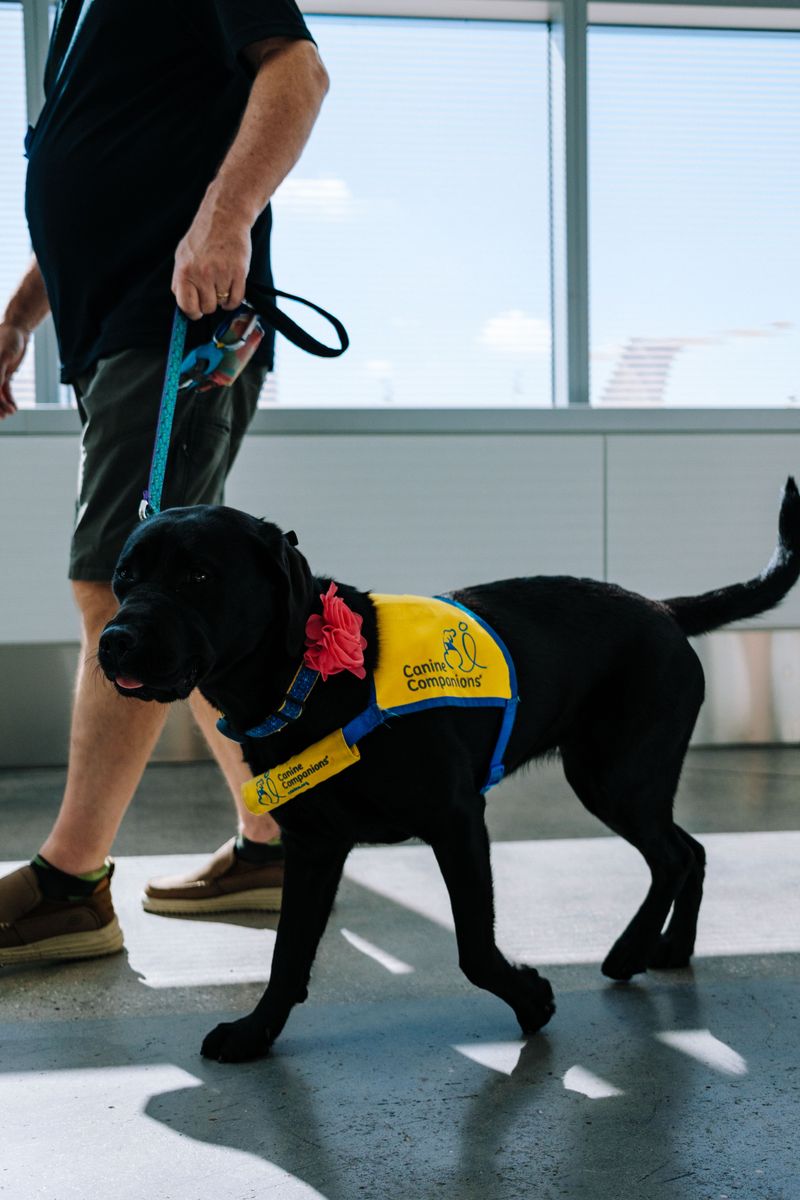
Working dogs have access rights, along with clear behavior expectations. A service animal must remain under its handler’s control and be housebroken.
It generally needs a leash, harness, or tether unless disability or task requirements prevent that.
In those situations, another effective form of control is required. Keep the animal positioned without blocking passenger movement.
Other riders should not distract, feed, or pet a working dog, even when it looks relaxed and ready for a friendly hello.
17. Plan Your Route Before Leaving Home
One simple ride usually beats a maze of transfers for a beginner. Use the MBTA trip planner to check your route, travel time, and walking connections.
Consider stairs, elevators, and the distance between stops and your destination.
Choose fewer transfers when practical, and identify places where you could leave the system if needed. Check your destination’s dog policy separately.
A smooth train journey is not much help if your pup cannot enter the place you planned to visit.
18. Check for Service Changes and Delays
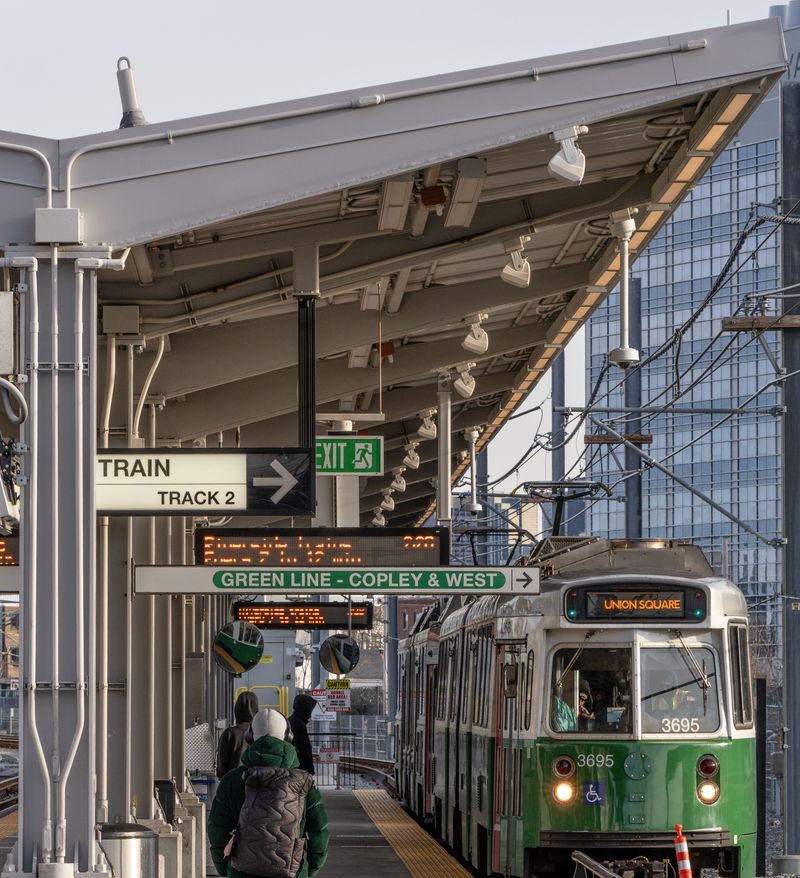
A planned train ride can become a very different trip during maintenance. Read MBTA service alerts before leaving and again before returning.
Look for shuttle buses, station closures, elevator outages, and changes affecting your specific line.
Replacement service may add waiting, transfers, and crowding that challenge your dog’s patience. Allow extra time without assuming every connection will run smoothly.
If an alert leaves you unsure about pet access, ask the MBTA before committing to that day’s journey.
19. Give Your Dog a Bathroom Break Before Boarding
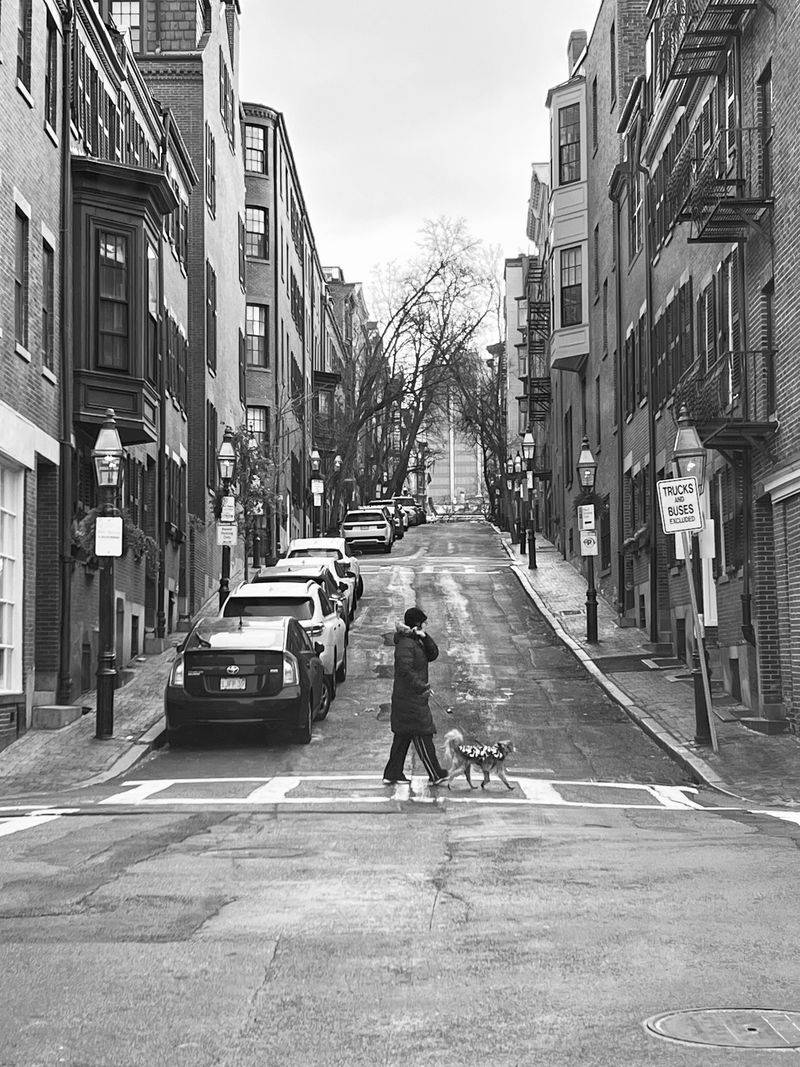
Handle the sniffing business before the train business. Give your dog enough time for a bathroom break before entering the station.
A short walk also helps release extra energy without leaving your pup tired before boarding.
Carry waste bags and clean up promptly wherever your dog goes. Do not treat platforms or station corners as planned bathroom spots.
For a longer outing, identify suitable outdoor areas near your destination and include another break before the ride home begins.
20. Bring Water and Essential Dog Supplies
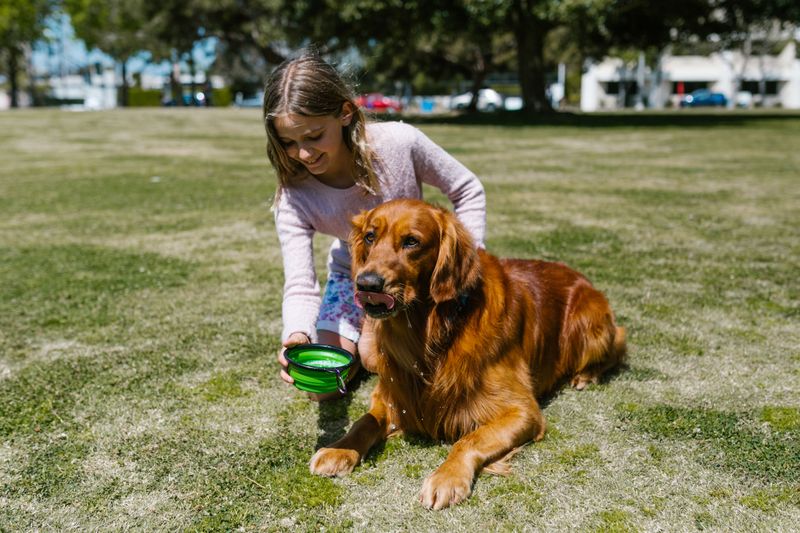
A small supply bag can solve several very ordinary travel hiccups. Pack water, a folding bowl, waste bags, wipes, and a few familiar treats.
Bring any needed medication, and check that your dog’s identification details are current.
Keep supplies easy to reach instead of buried under other belongings. Offer water during suitable breaks without blocking anyone’s path.
On warm days, watch your dog closely and shorten the outing if needed. Stations and sidewalks can feel hotter than expected.
21. Make Your Dog’s First MBTA Trip Short
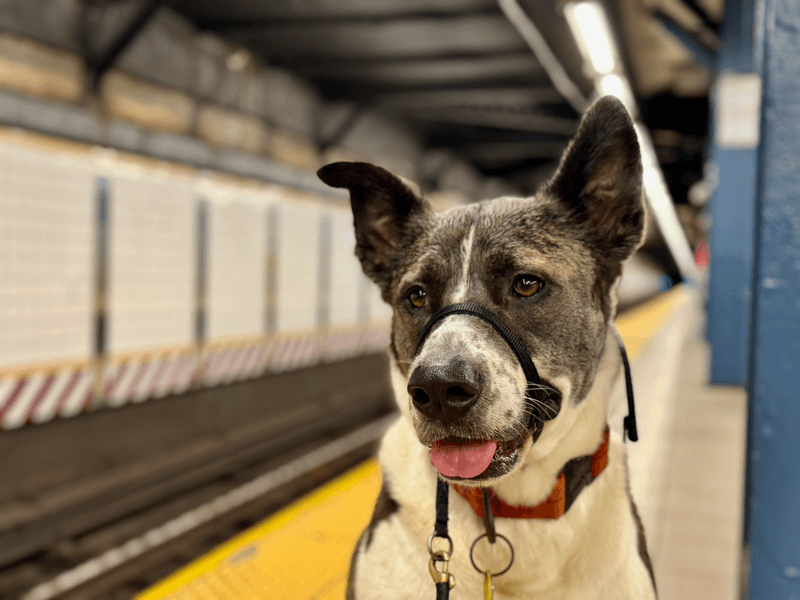
One calm stop can be a bigger win than crossing the whole city. Pick a quiet time for a brief practice ride with an easy return.
Let your dog’s comfort, not your original schedule, decide when the lesson ends.
Reward relaxed behavior and finish with a pleasant walk outside. Build longer journeys gradually, repeating easy rides when needed.
With good timing and thoughtful preparation, the T can become familiar territory. Grab the leash, start small, and enjoy the ride.