What Maryland Dog Owners Should Watch During Backyard Crab Feasts
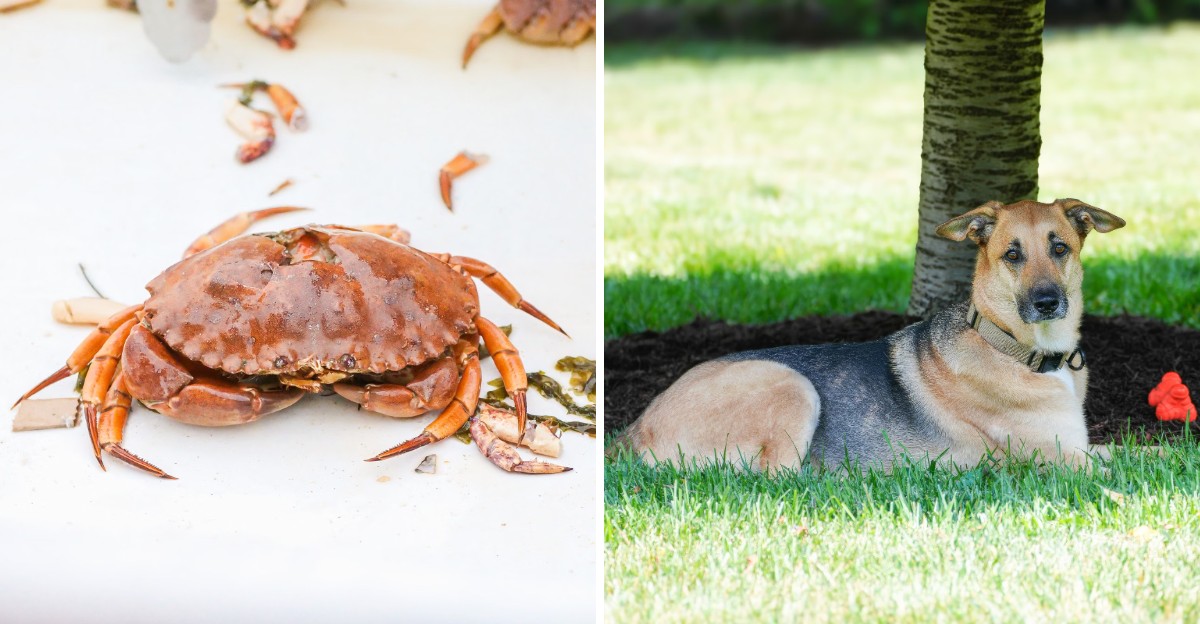
A Maryland crab feast brings good company, busy tables, and plenty of tempting smells for your dog. Between the shells, seasoned juices, and dropped sides, a little planning helps everyone enjoy the afternoon.
You do not need to leave your dog out of the fun. Set clear food rules, prepare a comfortable resting spot, and know which problems need a call to your veterinarian.
1. Keep Crab Shells Out of Your Dog’s Reach
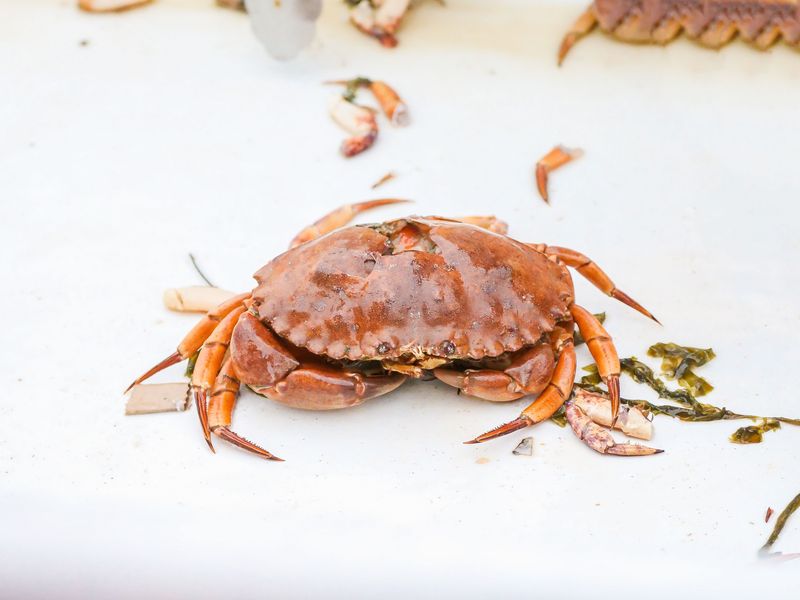
A shell dropped beside your chair can look like a tasty prize to a curious dog. Hard fragments can hurt the mouth or cause digestive blockages if swallowed.
Place shells directly into a sturdy container beyond your dog’s reach.
Check beneath chairs and along table legs throughout the meal. Ask guests to report dropped pieces right away.
If your dog swallows shell, contact your veterinarian for advice rather than waiting for symptoms to appear later.
2. Watch for Old Bay and Other Seasonings
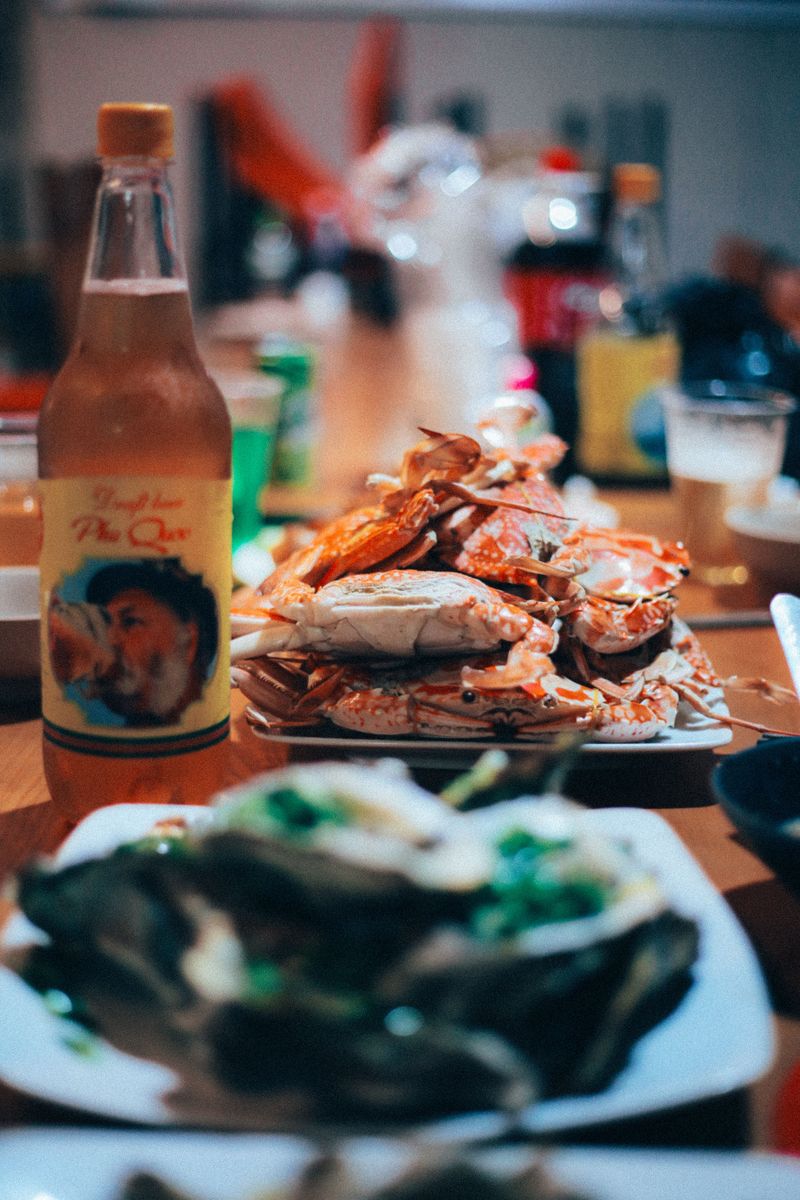
That familiar spice coating belongs on the feast, not in your dog’s bowl. Old Bay contains salt and spices that dogs do not need.
Other seafood blends may contain onion or garlic, so check labels rather than guessing.
Store seasoning containers away from table edges and wipe up spills promptly. A quick taste differs from eating a large amount.
Call your veterinarian with the product label and estimated amount if your dog gets into seasoning.
3. Never Let Dogs Chew on Crab Legs
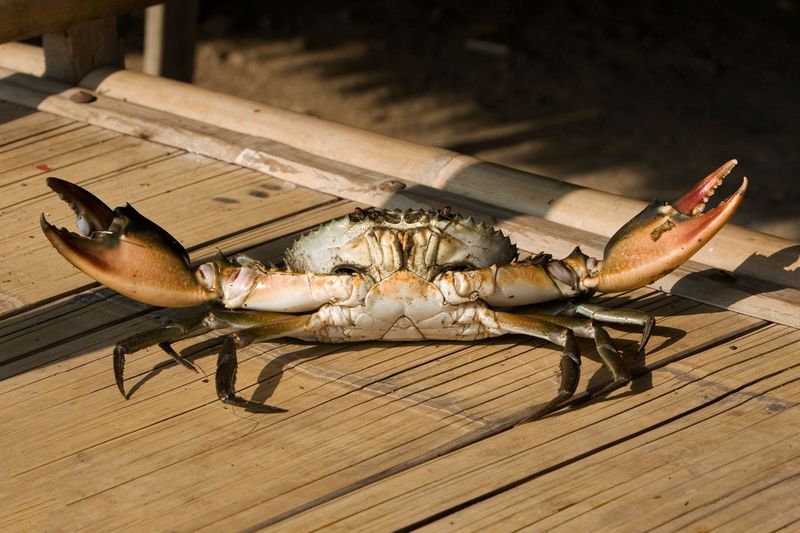
Crunchy crab legs are not a safe stand-in for a chew toy. Their hard, pointed pieces can injure a dog’s mouth or become lodged after swallowing.
Even larger dogs should not receive legs, claws, or shell pieces.
Bring a familiar dog toy outside before the first crabs arrive. If your dog grabs a leg, calmly offer a trade.
Avoid reaching deeply into the mouth, and call your veterinarian if any pieces may have been swallowed.
4. Keep Crab Meat Portions Small and Plain
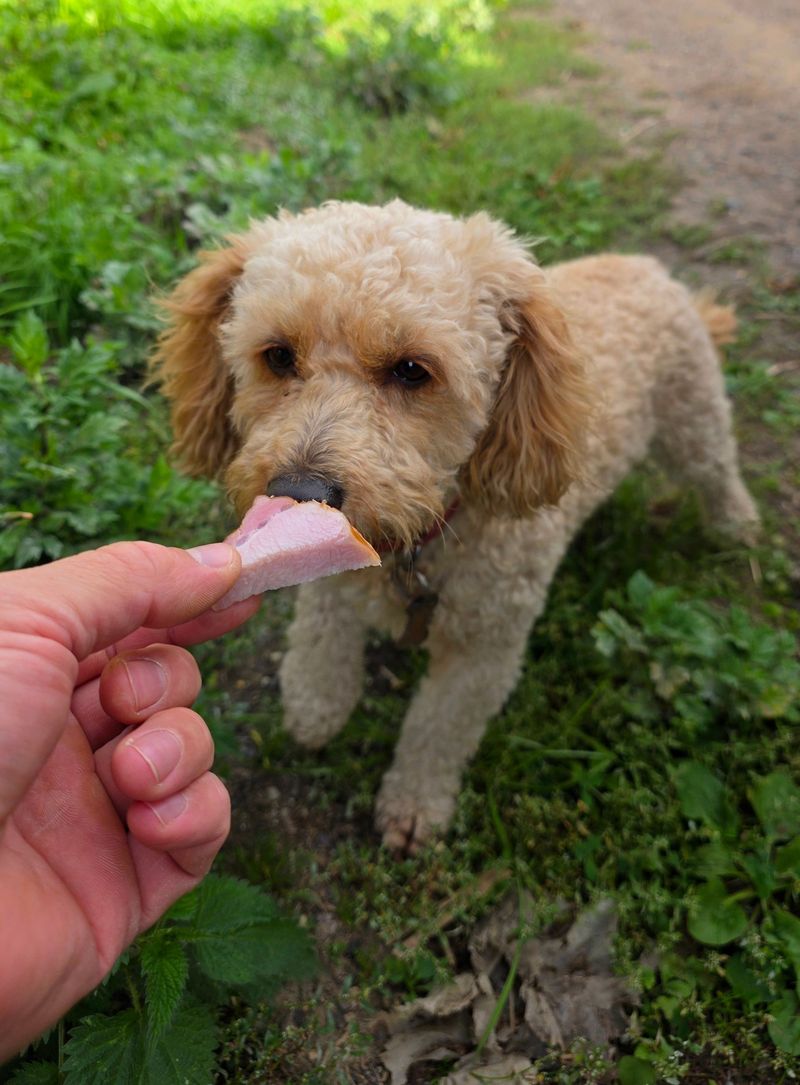
A tiny taste can be enough for dogs that tolerate crab. Offer only fully cooked meat without shell, butter, or seasoning.
Meat picked from heavily seasoned crabs may carry spices, making a separately prepared plain portion a better choice.
Keep treats occasional and small, especially for dogs with sensitive stomachs. Ask your veterinarian before sharing if your dog follows a special diet.
Skip raw crab, and stop offering seafood if vomiting, itching, or diarrhea develops afterward.
5. Secure the Table When Guests Are Eating
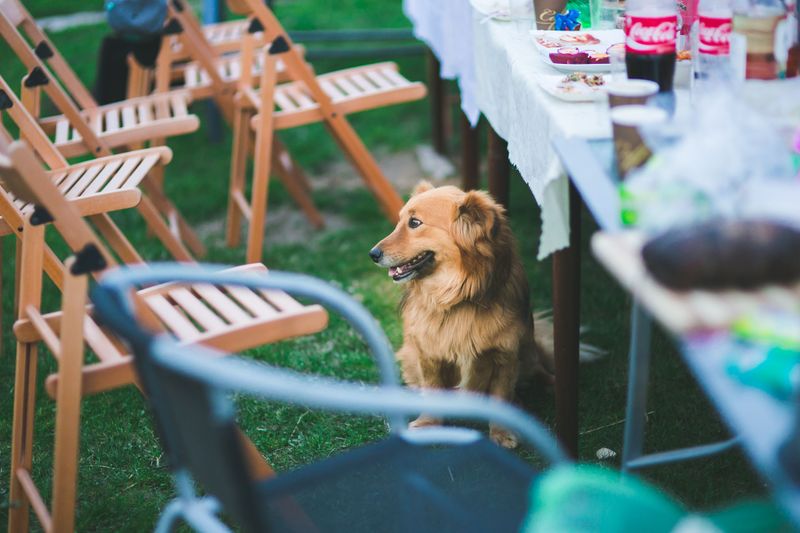
One empty chair can become a handy step toward dinner. Before guests sit down, move benches, coolers, and other climbing aids away from food.
Keep serving dishes near the table’s center, not along reachable edges.
A nearby gate or separate seating area can prevent repeated food patrols. Assign one adult to supervise your dog instead of assuming everyone is watching.
Never leave a dog tethered unattended, especially near furniture where a leash could become tangled.
6. Keep Butter Dishes Away From Curious Dogs
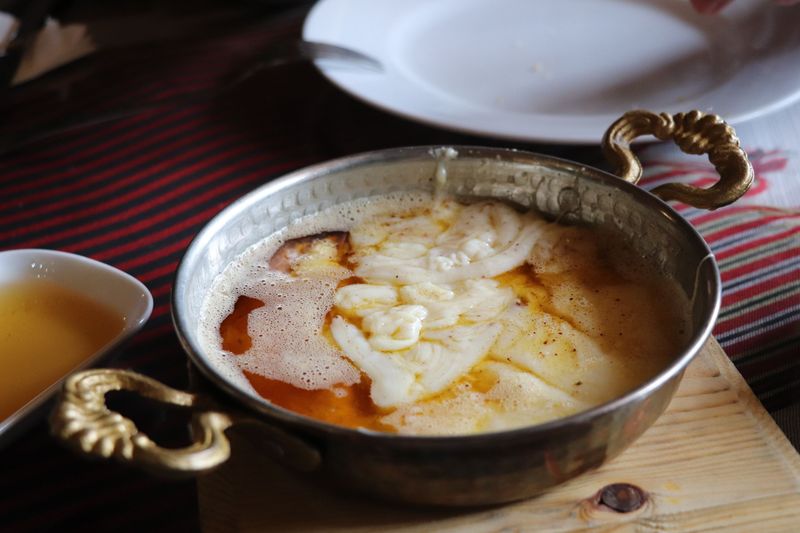
Melted butter smells inviting, even from across the yard. Its high fat content can upset digestion and may trigger pancreatitis in some dogs.
Garlic butter adds another concern, so keep every dipping dish out of reach.
Use stable containers and clear used bowls before leaving the table. Do not pour leftover butter onto your dog’s food.
Contact your veterinarian after a substantial helping, especially if your dog has pancreatitis history or develops vomiting or discomfort.
7. Prevent Dogs From Licking Seasoned Crab Juice
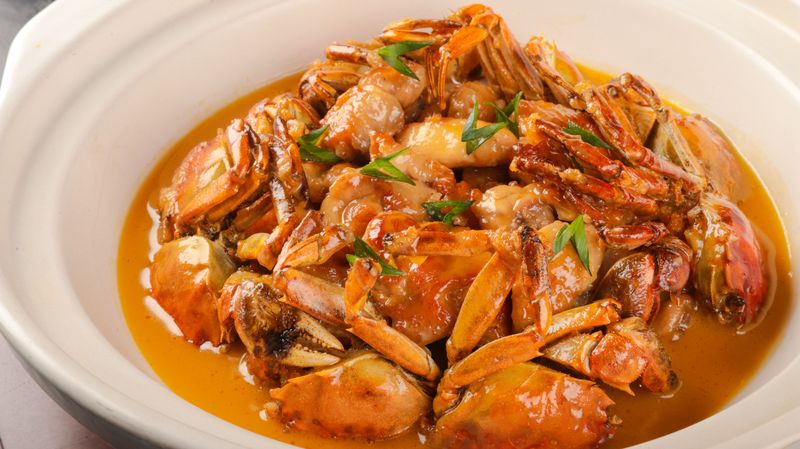
Wet patches beneath the table deserve attention, too. Liquid from steamed crabs may contain concentrated seasoning, salt, and food scraps.
Dogs can lick it from decking, serving trays, or soaked table coverings before anyone notices.
Blot spills promptly and place used paper into a covered bin. Keep your dog away while cleaning, then follow cleaner label directions before allowing access.
If a large amount disappears, tell your veterinarian what seasonings were used and roughly how much.
8. Pick Up Corn Cobs Before Dogs Find Them
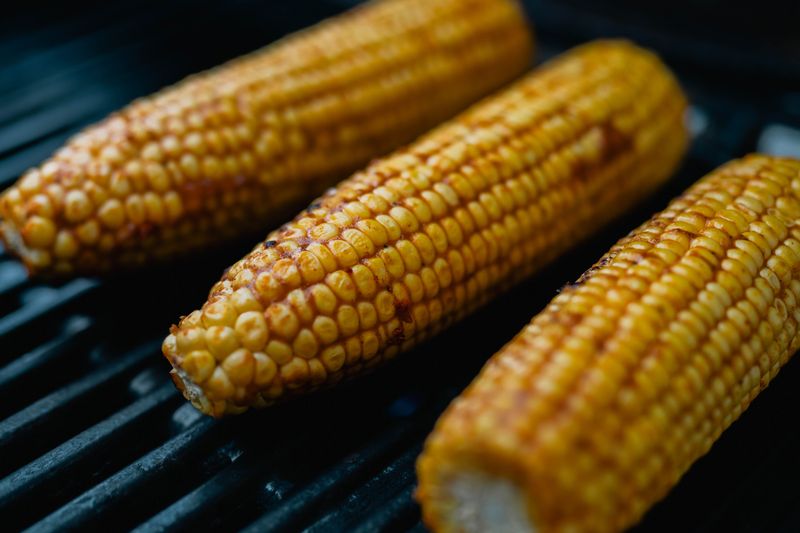
Corn kernels and corn cobs pose very different concerns. A swallowed cob can block the digestive tract, even when it has been chewed.
Butter and seasoning make discarded cobs especially tempting during a backyard meal.
Have guests place finished cobs straight into a secured container. Check the lawn before letting your dog roam again.
If you suspect a cob was swallowed, call your veterinarian promptly. Do not wait for vomiting, appetite changes, or trouble passing stool.
9. Keep Crab Feast Sides Away From Dogs
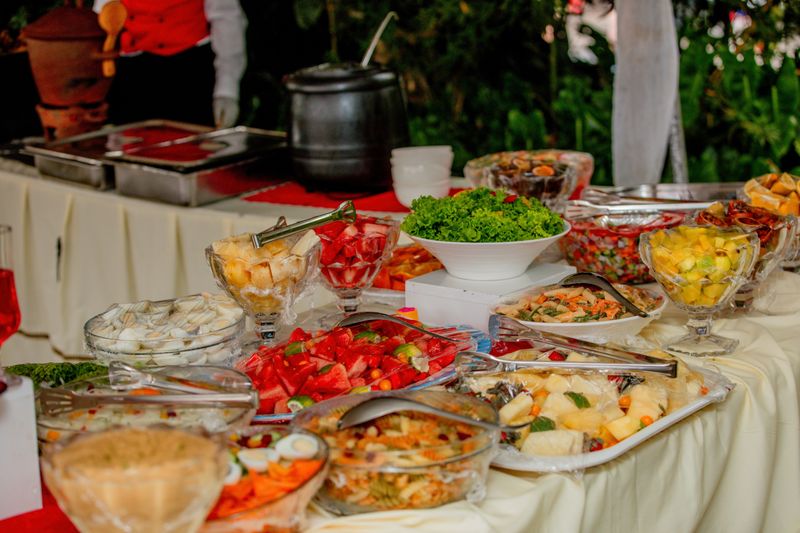
The side table can hold more trouble than the crab platter. Potato salad, rich dips, desserts, and baked beans may contain ingredients unsuitable for dogs.
Grapes, raisins, chocolate, and xylitol deserve particular attention when planning the menu.
Ask guests to keep ingredient labels or recipes available. Offer your dog’s usual treats instead of mixed leftovers.
If something goes missing, identify the dish quickly. Your veterinarian can assess the ingredients, portion, and your dog’s size together.
10. Watch for Onions and Garlic in Shared Dishes
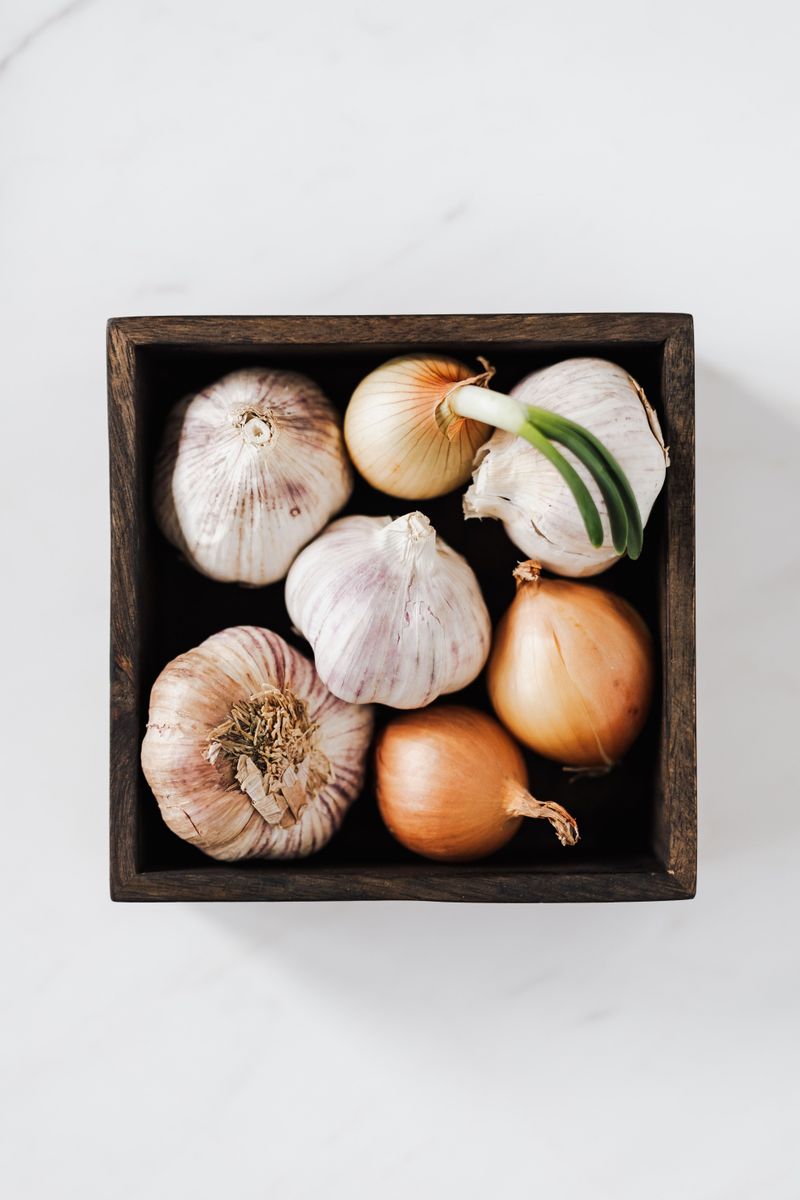
Hidden ingredients matter when guests offer just one bite. Onion and garlic can damage dogs’ red blood cells, whether raw, cooked, or powdered.
Dips, sauces, spice blends, and salads may contain them without obvious pieces.
Make the household rule simple: guests should ask before sharing any food. Keep packaged ingredients available for reference if an accident happens.
Call your veterinarian about a known exposure, even if your dog seems comfortable. Signs may not appear immediately afterward.
11. Make Sure Trash Cans Have Secure Lids
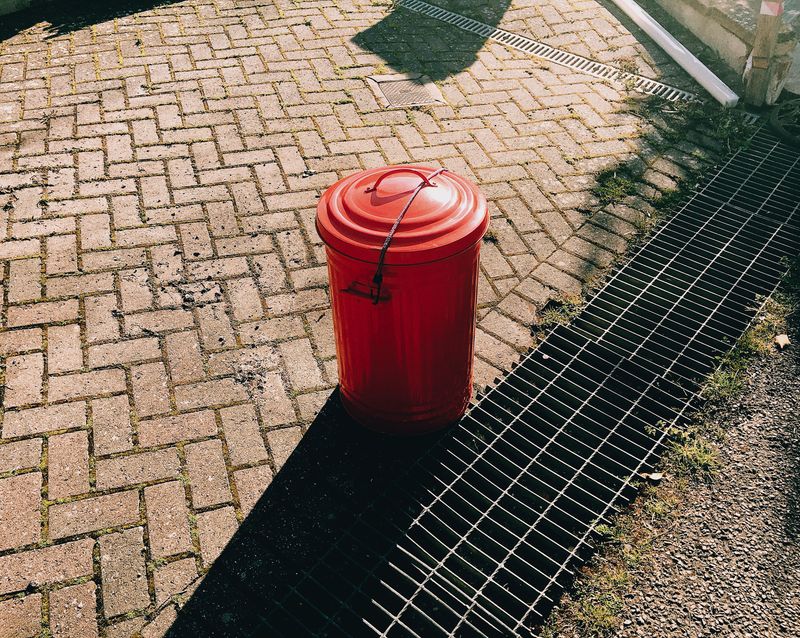
A full trash bag is an invitation worth declining for your dog. Shells, cobs, greasy napkins, and food wrappers create a tempting mix.
Thin bags left beside the table are easy to tear or carry away.
Choose a sturdy bin with a lid that latches securely. Put it behind a closed barrier if your dog can tip containers.
Empty smaller collection bowls frequently, and move filled bags into secured storage before returning to the party.
12. Give Dogs a Shady Place Away From the Crowd
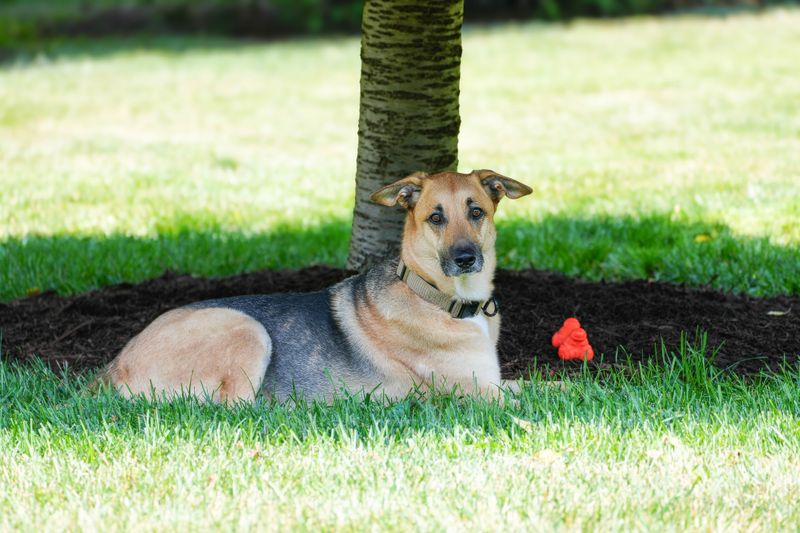
Maryland summer afternoons can feel sticky even beneath leafy trees. Give your dog a quiet resting spot with shade, airflow, and room to stretch.
Check it regularly because shade shifts as the sun moves.
Indoor air conditioning may be the better choice during hot, humid weather. Heavy panting, drooling, weakness, or confusion need prompt attention.
Move your dog somewhere cool and contact a veterinarian if overheating seems possible. Flat faced dogs often need extra care.
13. Keep Fresh Drinking Water Available
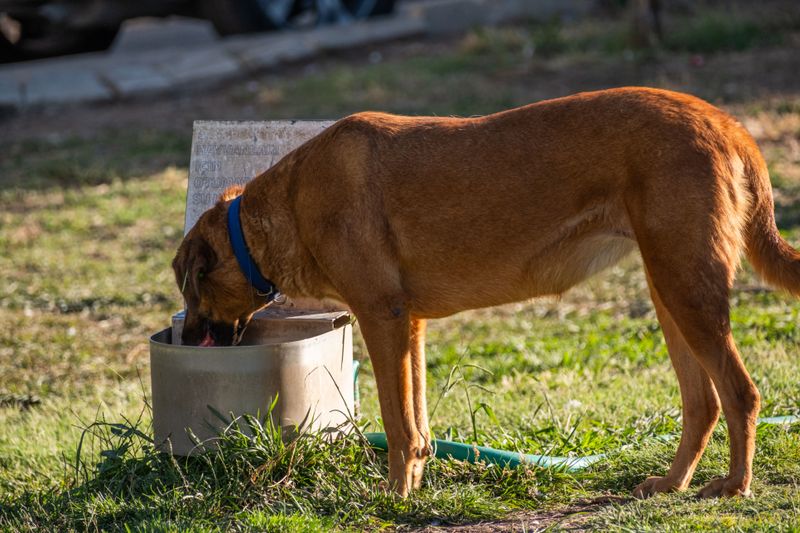
A water bowl should be easier to find than a dropped snack. Set fresh water in a shaded spot away from foot traffic.
Check often for spills, warming water, or bits of food.
Bring an extra bowl if several dogs are visiting, and offer regular breaks indoors. Do not rely on melted cooler ice or puddles for drinking.
Unusual thirst after eating salty food deserves veterinary advice, particularly when paired with vomiting or changes in behavior.
14. Watch Children Around Shared Food
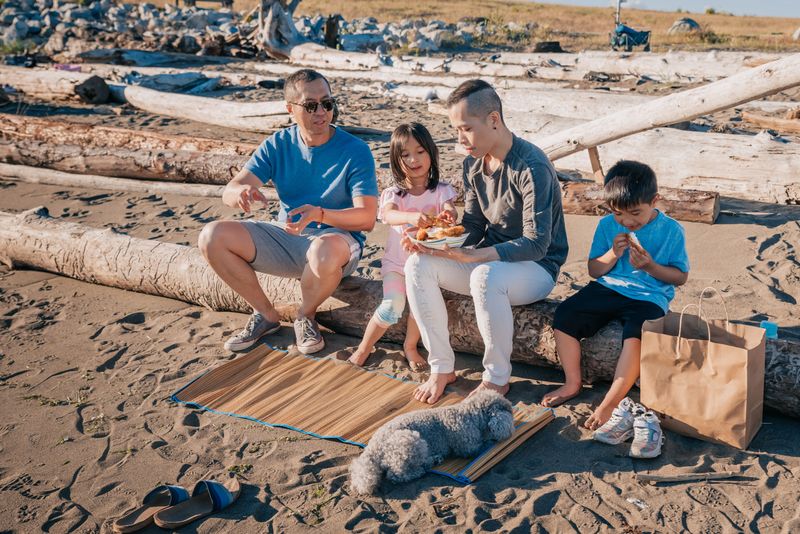
Small hands often share snacks before adults notice. Explain that crab scraps, cobs, and seasoned foods are not dog treats.
Give children a simple job, such as telling an adult when something falls.
Supervise every interaction between dogs and young children, especially around plates. Let your dog eat approved treats in a separate, quiet area.
Children should never take food or chew toys from a dog. Use a gate when close supervision is not possible.
15. Prevent Dogs From Getting Into Seafood Coolers
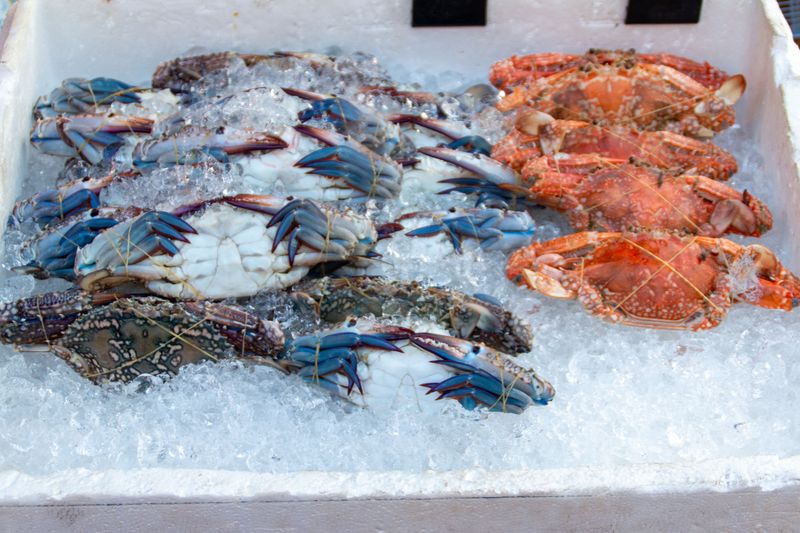
An open cooler can turn a curious sniff into unsupervised snacking. Raw seafood, packaging, and salty meltwater do not belong in your dog’s reach.
Keep lids latched and place coolers somewhere your dog cannot access.
Separate human food storage from your dog’s drinking water and supplies. Ask guests to close lids immediately after serving.
Avoid leaving seafood outside proper temperature control. If your dog eats raw or spoiled seafood, contact your veterinarian for guidance about monitoring.
16. Recognize Signs of Salt Poisoning
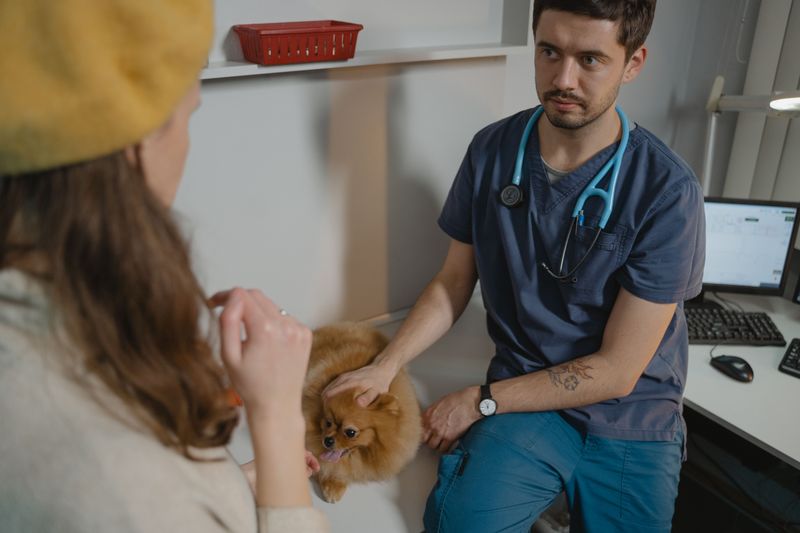
Unusual thirst after raiding seasoned food should get your attention. Salt poisoning can cause vomiting, diarrhea, weakness, poor coordination, tremors, or seizures.
A veterinarian must assess suspected poisoning because symptoms can overlap with other problems.
Call immediately after a substantial salt exposure or concerning signs. Keep fresh water available, but do not force drinking or attempt home treatments.
Share your dog’s weight, the food involved, and the likely amount. Follow professional instructions about getting care promptly.
17. Know When a Seafood Emergency Needs Veterinary Care
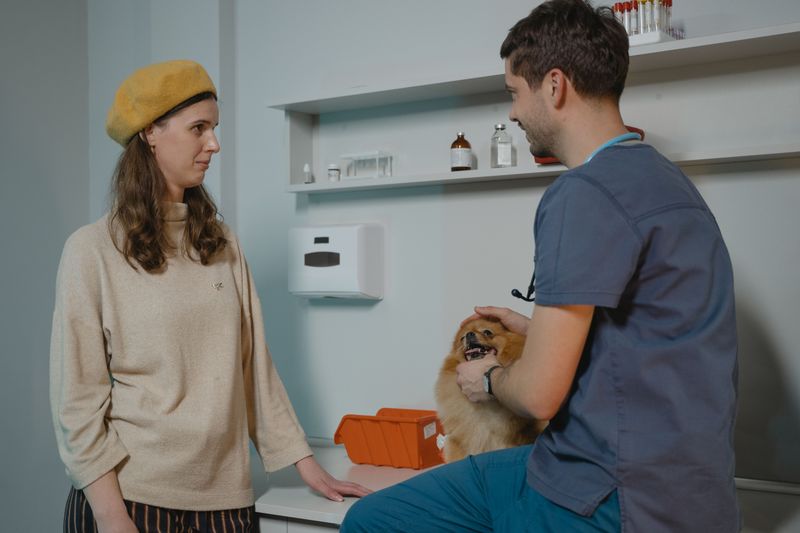
Save your regular veterinarian’s number and a nearby emergency clinic before guests arrive. Breathing trouble, collapse, repeated vomiting, a swollen belly, or seizures require urgent veterinary attention.
Facial swelling after seafood also warrants an immediate call.
Suspected swallowed shells or cobs need advice even without visible symptoms. Never induce vomiting unless a veterinary professional directs you.
Bring packaging, ingredient details, and your best estimate of timing. Calling ahead helps the clinic prepare for your dog’s arrival.
18. Plan a Safe Spot for Your Dog During Cleanup
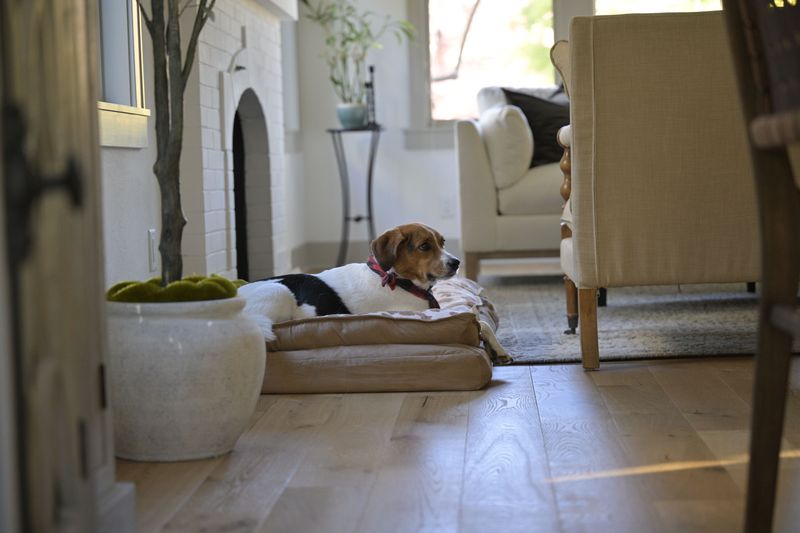
Cleanup brings fresh chances for dropped scraps and open gates. Settle your dog indoors or behind a secure barrier before moving bags and folding tables.
Provide a familiar bed and a safe toy while adults finish.
Walk the yard afterward, checking under furniture for shells, cobs, wrappers, and skewers. Close gates before inviting your dog outside again.
A final sweep, fresh water, and a little planning help keep Maryland crab feasts comfortable for everyone at home.