How Tornado Warnings Should Change A Tennessee Dog Owner’s Shelter Routine
Tennessee storms can change quickly, and your dog depends on you to make the next move. A tornado warning means your usual routine needs to shift from getting ready to taking shelter.
The good news is that a few clear habits can make that move smoother for everyone. From choosing a safe room to handling nighttime alerts, here is how to build a plan that fits your home and your dog.
1. Understand the Difference Between a Tornado Watch and Warning
Two similar weather terms call for very different actions. A tornado watch means conditions could produce tornadoes, so prepare your household and bring pets inside.
A tornado warning means a tornado has been spotted or indicated by radar.
When your location falls within that warning, take shelter immediately with your dog. Do not wait to see a funnel cloud.
Knowing the difference helps you use preparation time wisely and avoid delays when every minute matters most.
2. Choose a Safe Shelter Room Before Storm Season

Your safest room should already be picked before thunder interrupts dinner. Choose a basement or a small interior room on the lowest floor.
Stay away from windows, and put as many walls as possible between you and outdoors.
Manufactured homes are not safe tornado shelters. Arrange access to a sturdy building or community shelter beforehand, confirming pet rules locally.
Practice the route during calm weather, including any steps your dog finds difficult or unfamiliar at first.
3. Bring Your Dog Inside When a Watch Is Issued
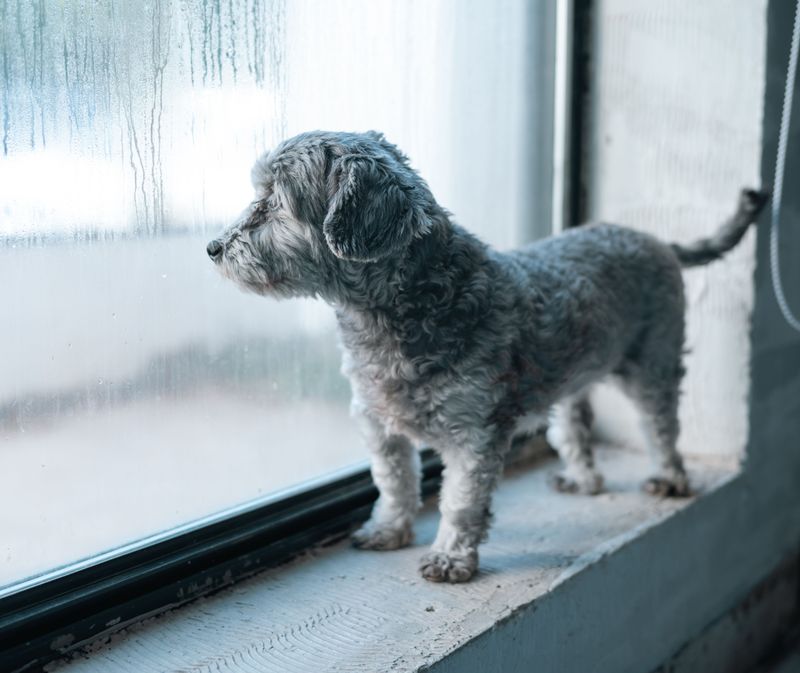
A backyard potty break should not turn into a last minute search. Once a tornado watch covers your area, bring your dog indoors and keep them nearby.
Finish necessary bathroom trips early when conditions allow, using a leash.
Never leave a dog tied outside while storms approach. Close dog doors so your pet cannot slip back into the yard.
If thunder has already arrived, skip unnecessary outings and prepare an indoor bathroom option for the wait.
4. Keep Leashes and Harnesses Near the Shelter
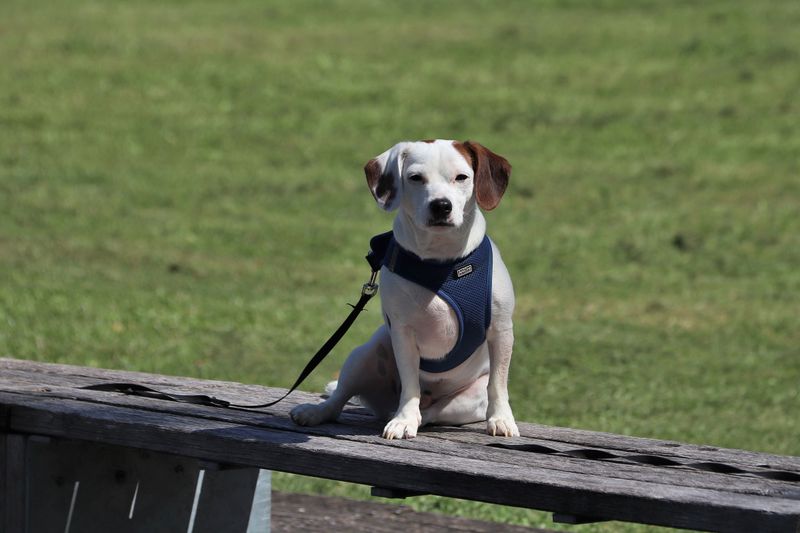
Small supplies can cause big delays when they disappear into a drawer. Store a leash and properly fitted harness beside your shelter entrance.
Keep another leash in your emergency kit as a backup.
During a watch, put the harness on while you can work calmly. Check that your dog cannot back out of it.
Once sheltered, hold the leash without attaching it to furniture that could shift. Avoid leaving a leashed dog unattended during the storm.
5. Move Dogs Into the Shelter at the First Warning
The warning arrives, and your next step should already be decided. Lead your dog straight to the chosen shelter when the warning includes your location.
Leave outdoor checking, window watching, and gathering extra belongings behind.
Use a short, familiar cue such as shelter, then reward cooperation once everyone is inside. Keep your movements steady rather than rushed.
If your home lacks safe shelter, relocate during preparation time, not after a warning makes travel unsafe for everyone.
6. Use Crates Only When They Fit the Safety Plan
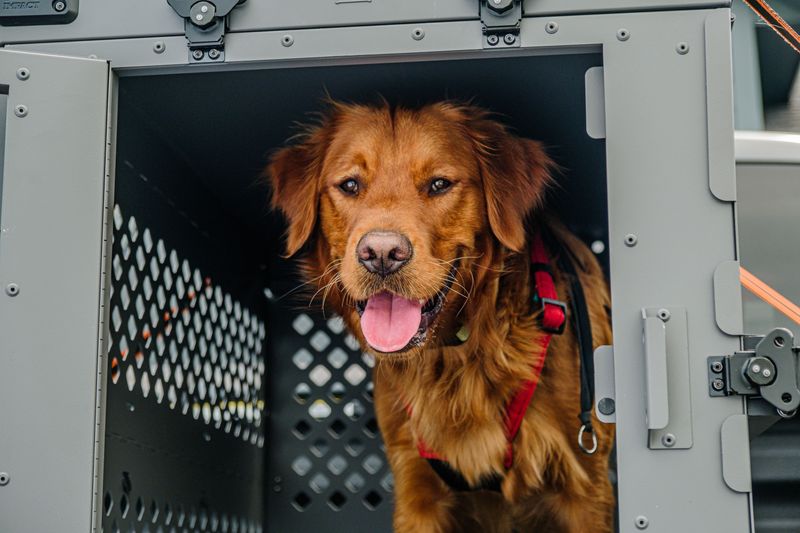
A familiar crate can help some dogs settle, but placement matters more than habit. Use one only if it fits inside your safe shelter without blocking people or exits.
Your dog should have room to stand, turn, and lie down.
A crate elsewhere in the house is not tornado protection. Never delay sheltering while carrying bulky equipment downstairs.
For dogs uncomfortable with crates, a secure harness and attentive handling may suit the household plan much better.
7. Prepare for Dogs That Become Frightened by Sirens
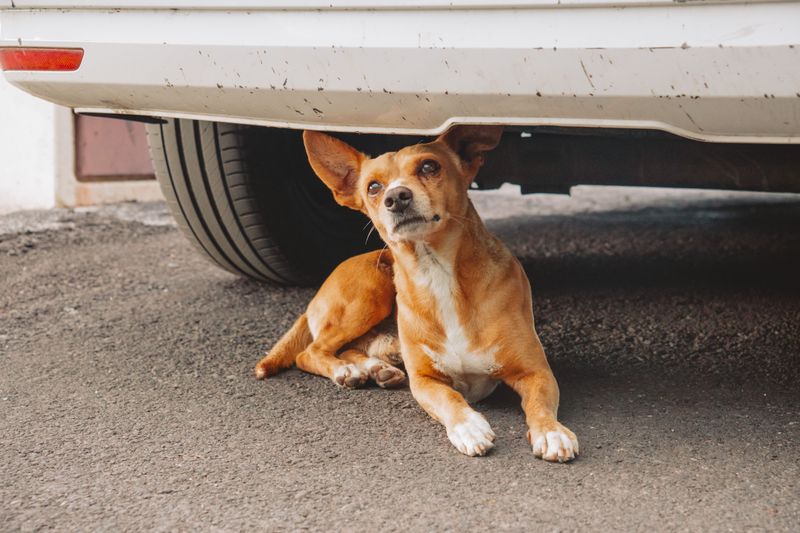
Sirens may send your dog pacing before you understand what is happening. Practice walking to shelter with treats during quiet afternoons.
Keep these sessions brief, upbeat, and free from loud surprise noises.
If storm fear is intense, talk with your veterinarian before storm season about a treatment plan. Give prescribed medicine only as directed, including timing instructions.
Never offer human calming products without veterinary guidance. During warnings, speak normally and allow comforting contact if welcomed by your dog.
8. Give Nervous Dogs a Familiar Comfort Item
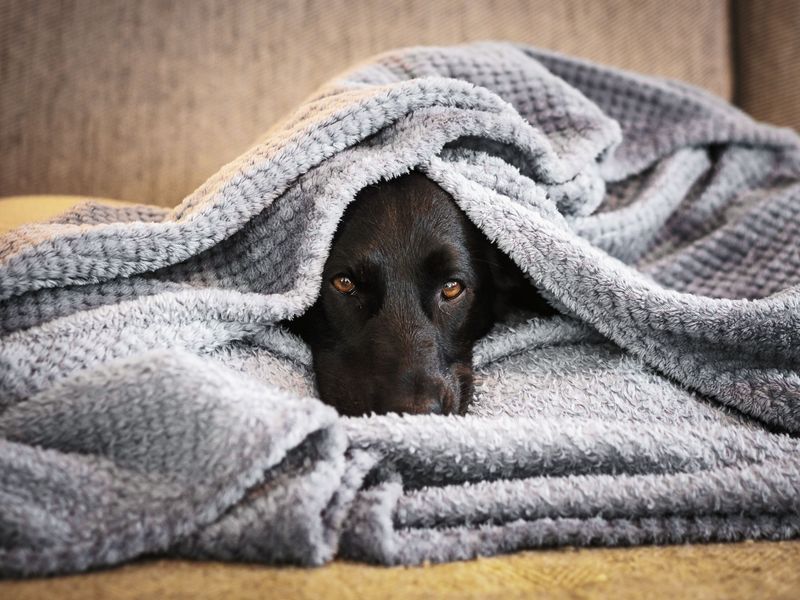
A blanket that smells like home can make an unfamiliar corner feel more ordinary. Keep a washable bed cover or favorite soft toy in your shelter supplies.
Choose something your dog already enjoys rather than introducing a new object during the warning.
Offer comfort without forcing play or cuddles. Skip toys that encourage rough movement in tight spaces.
Watch any chewing closely, especially around children or other pets. Familiar objects support comfort, but never replace safe shelter.
9. Keep a Pet Emergency Kit in the Shelter Room
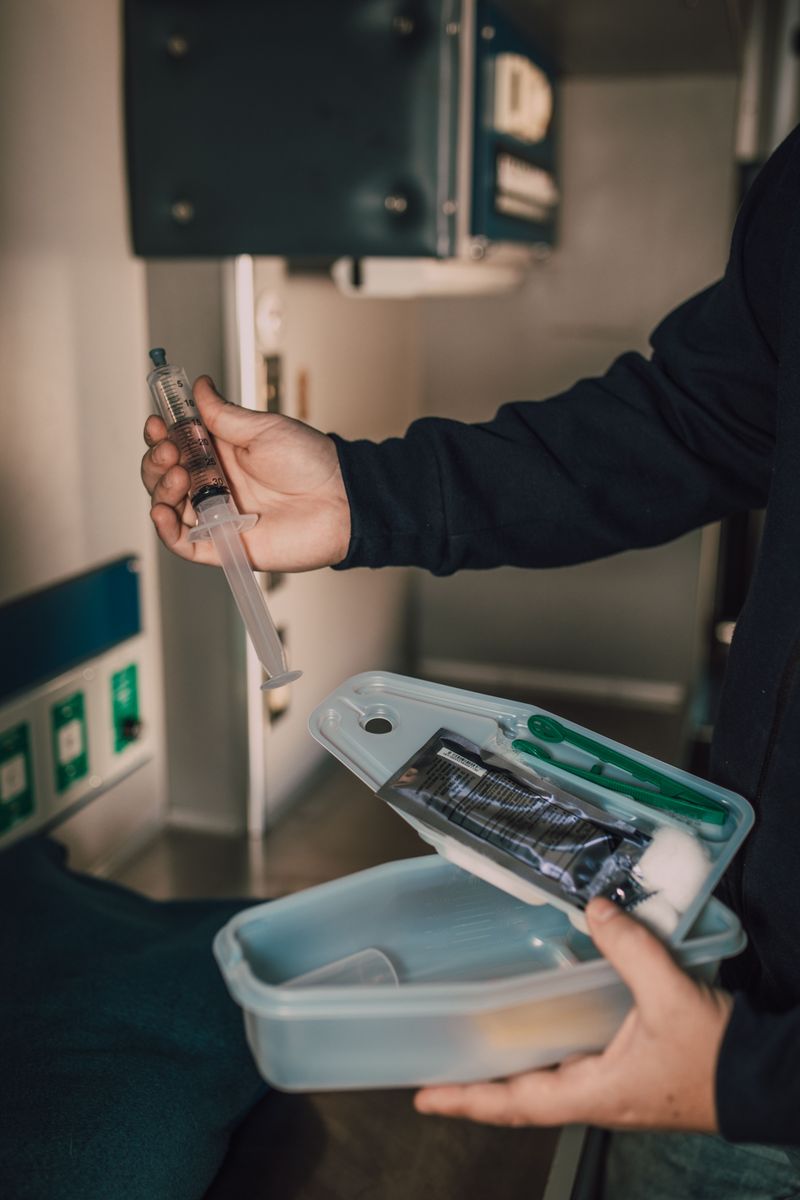
Searching for bowls during an alert is one chore you can prevent. Store drinking water, food, bowls, waste bags, medication, and basic pet first aid supplies together.
Include veterinary contacts and copies of vaccination records in a waterproof pouch.
Keep several days of essentials available in case services are disrupted. Ask your veterinarian about safe medication storage and replacement schedules.
Check expiration dates each season, and pack supplies for every dog rather than assuming sharing will work.
10. Make Plans for Dogs That Hide During Severe Weather
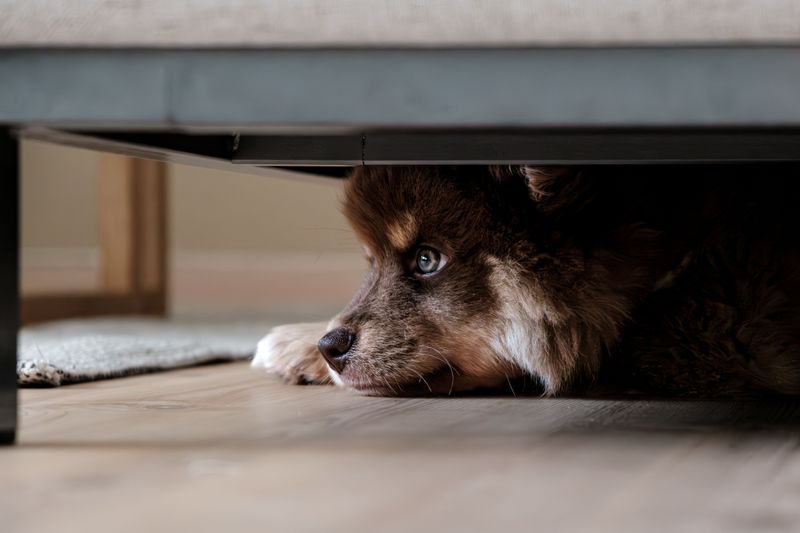
Under the bed may be your dog’s first choice, even when it is not yours. Notice hiding spots during ordinary thunderstorms, then block access to unsafe areas before stronger weather arrives.
Keep your dog near the shelter during watches.
Teach a cheerful recall cue with especially appealing treats during calm practice sessions. Never punish hiding or drag a frightened dog by the collar.
If handling becomes difficult, ask a qualified trainer about a safer plan before spring.
11. Account for Every Pet Before Closing the Shelter Door
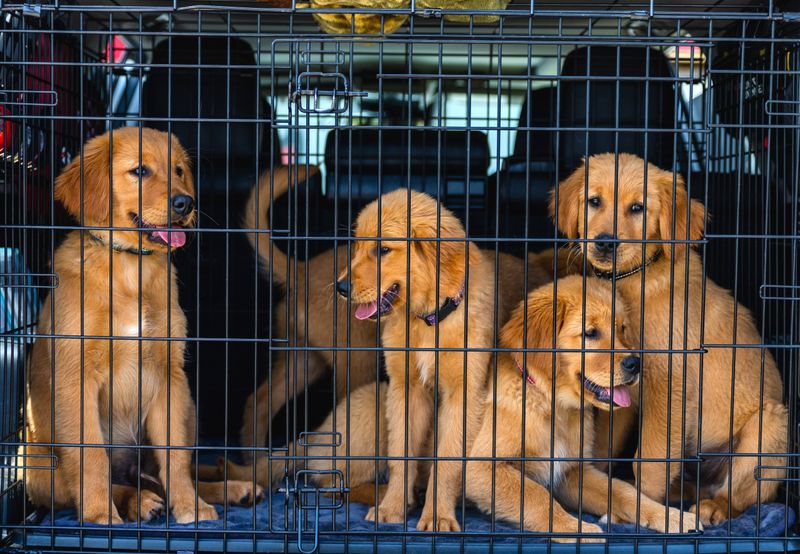
Busy households need a head count, not a hopeful guess. Assign each adult a specific pet before storms develop.
Keep a simple list near the shelter, including animals that usually sleep out of sight.
Count pets as they enter, then secure the door without blocking your exit. Separate animals that become tense together, using carriers or distance when space allows.
Children can help with familiar tasks, but adults should handle frightened dogs and make final safety decisions.
12. Protect Puppies, Senior Dogs, and Dogs With Mobility Problems
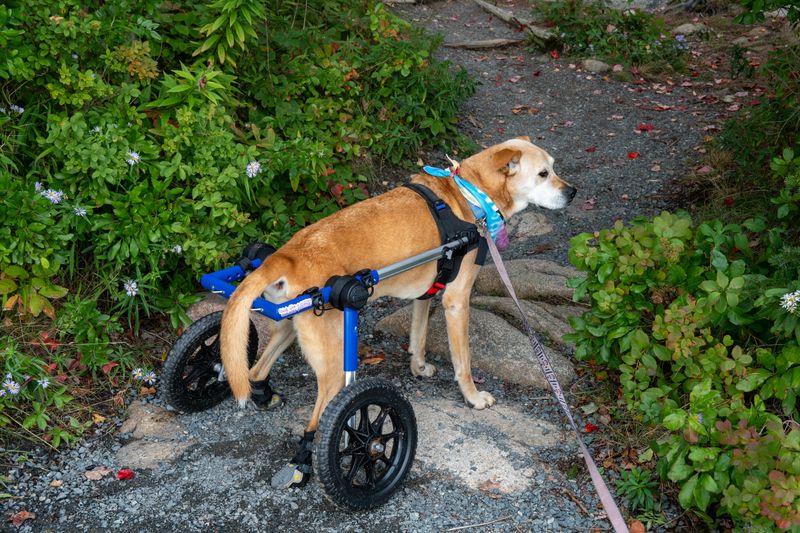
Stairs can turn a quick shelter trip into a difficult task for some dogs. Test the route with your puppy, senior dog, or pet with limited movement before storm season.
Ask your veterinarian about suitable lifting methods or support harnesses.
Place nonslip mats along indoor paths and keep entryways clear. Have prescribed medicines and washable bedding ready.
Consider moving these dogs closer to shelter during a watch, while there is time for patient help and comfortable positioning.
13. Prepare for Tornado Warnings at Night
A sleeping household needs alerts loud enough to wake the people responsible for pets. Keep a working weather radio nearby and enable emergency alerts on your phone.
Charge devices before bed when severe weather is expected.
Set shoes, a flashlight, and your dog’s leash within reach. Let your dog sleep somewhere accessible instead of behind furniture or outdoors.
Practice the nighttime route with lights low, while keeping pathways clear of cords, laundry, and other common tripping hazards.
14. Know What to Do if You Are Away From Home
Storms do not wait until your workday ends. Arrange help from a trusted nearby person who knows your dog and can enter your home safely.
Share shelter directions, leash locations, veterinary contacts, and any handling concerns.
Make clear that helpers should never travel into dangerous weather to reach your pet. When storms are forecast, consider changing plans early or arranging supervised care.
Ask boarding facilities and daycares about their tornado shelter procedures before booking your dog’s stay.
15. Keep Identification on Your Dog
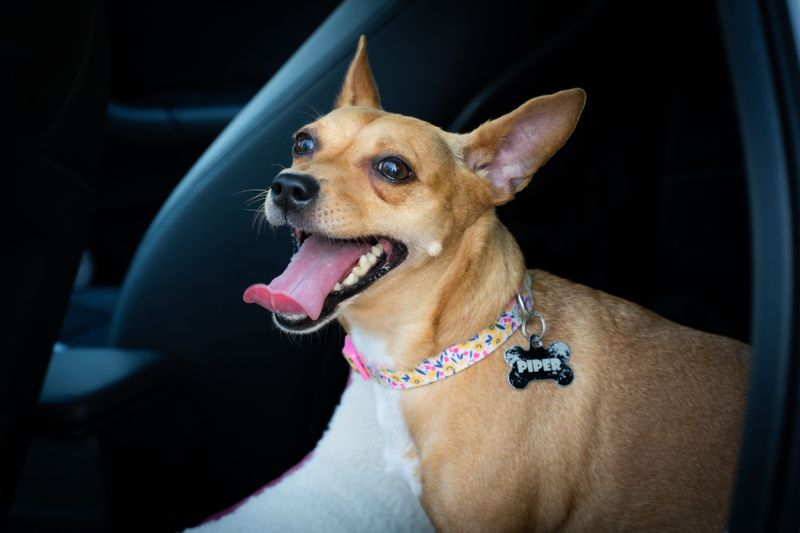
Even a careful dog can slip through a damaged gate after a storm. Keep readable identification tags on a properly fitted collar, and confirm your phone number is current.
A microchip adds another identification option if the collar comes off.
Ask your veterinarian to check the chip, and update its registry whenever contact details change. Save recent photos showing your dog’s face and markings.
Identification supports reunions, but a leash remains essential whenever you leave shelter together.
16. Follow Tennessee Weather Alerts Instead of Relying Only on Sirens
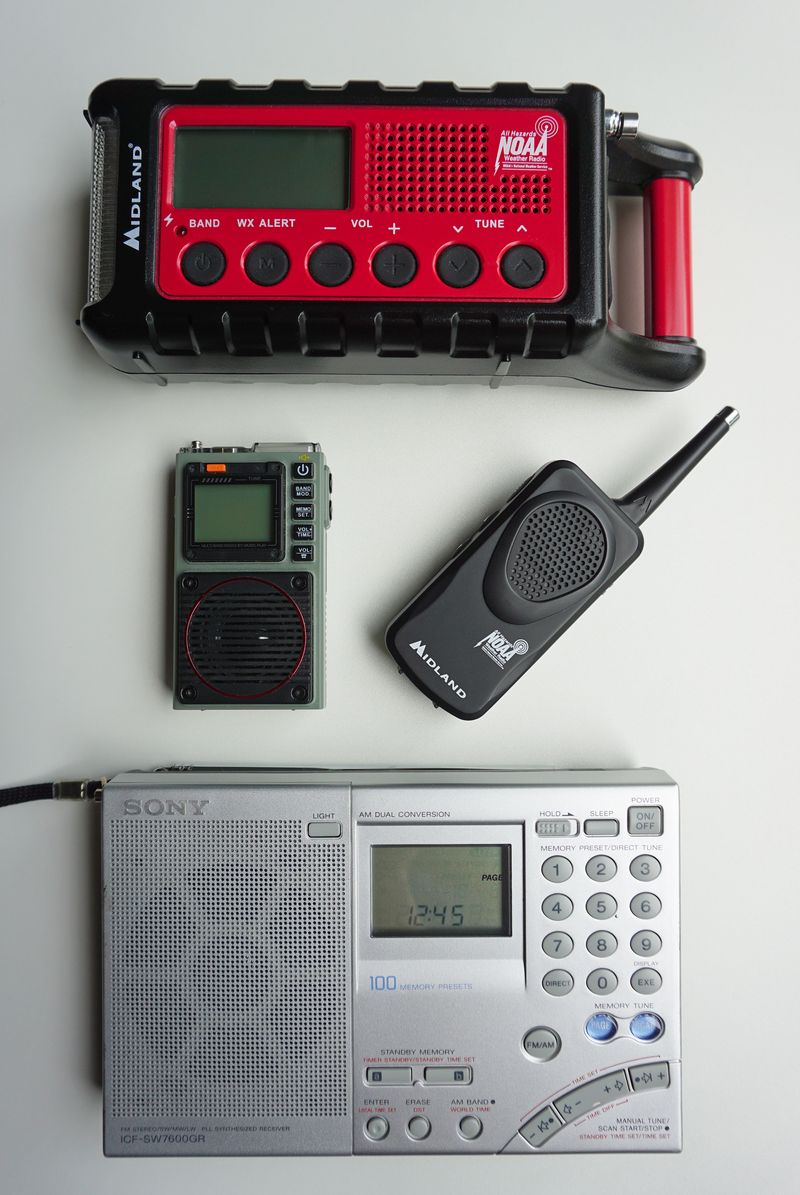
Outdoor sirens are not designed to reliably wake everyone inside a home. Use more than one alert source, including Wireless Emergency Alerts and a NOAA Weather Radio.
Follow National Weather Service information and your local emergency management office.
Learn your county name and nearby communities so warnings make sense quickly. Local notification systems vary across Tennessee, so check enrollment options before storms arrive.
Keep backup batteries available, and never assume silence outside means the warning has ended.
17. Wait for the All-Clear Before Leaving Shelter
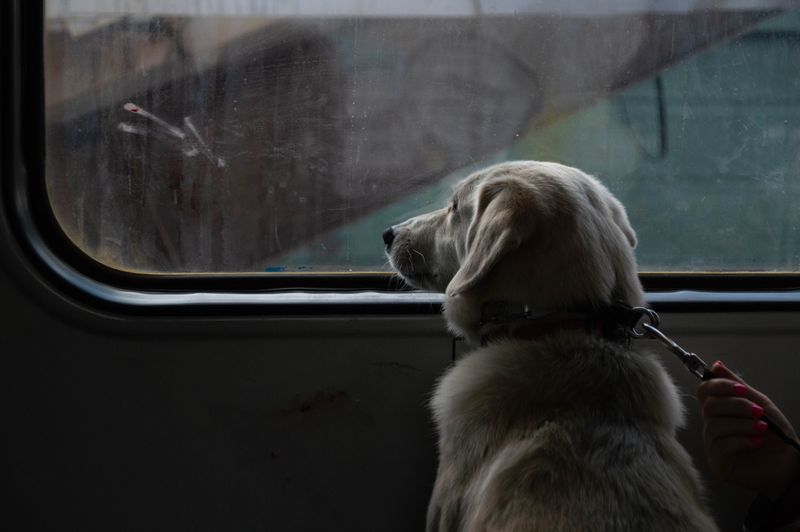
A quiet moment does not always mean the storm has passed your neighborhood. Stay sheltered until the tornado warning expires or is cancelled and the storm has moved away from your area.
Continue monitoring weather alerts in case another warning is issued. Check for additional warnings before opening the door or heading upstairs.
Keep your dog leashed while you assess conditions from a safe position. Windows, doors, and fences may need checking before normal routines resume.
If your dog needs a bathroom break, wait until conditions allow a short, supervised outing.
18. Check Your Dog for Injuries After the Storm
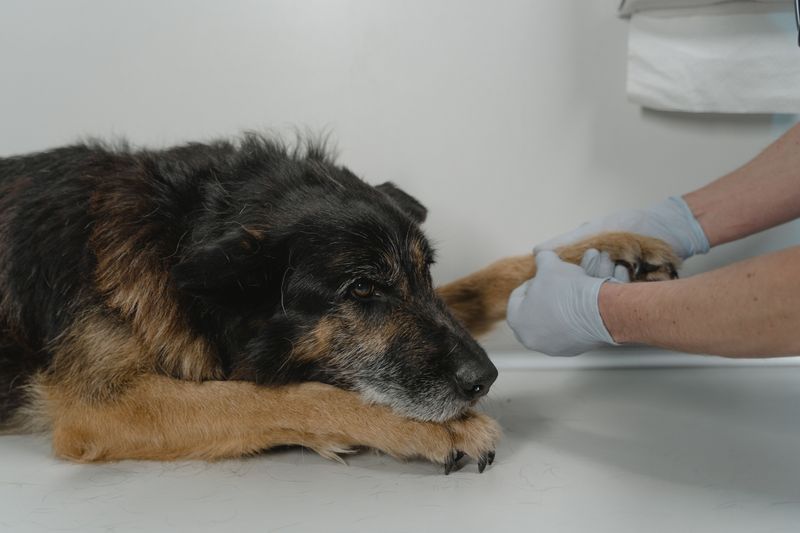
Once officials say conditions are safe, give your dog a quiet check. Look for limping, tender paws, unusual breathing, or behavior that seems different.
Contact your veterinarian promptly about concerning signs, and avoid giving human pain medicine.
Inspect outdoor areas for sharp debris, damaged fencing, and fallen power lines before allowing access. Keep away from downed wires and report them.
A practiced plan, steady handling, and simple checks help your Tennessee household return calmly to familiar routines.