How Santa Ana Winds Can Turn Loose Gates And Yard Debris Into Dog Risks In California
Your familiar backyard can change quickly when Santa Ana winds sweep through Southern California. A loose latch, fallen palm frond, or tipped trash can may create trouble for a curious dog.
You can handle many of these risks with simple checks before outdoor breaks, especially when local forecasts predict strong gusts. A little preparation helps keep your dog comfortable and your yard ready for changing weather.
1. Check Gates Before Santa Ana Winds Pick Up
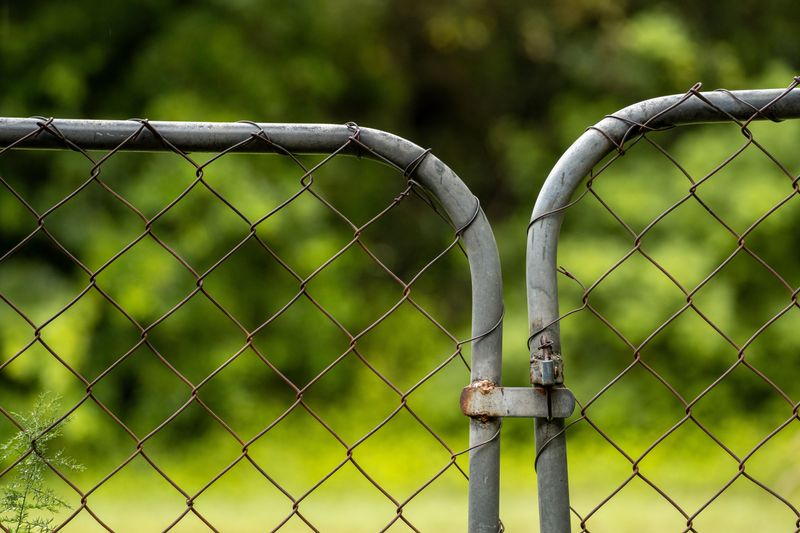
A gate that worked yesterday may shift when dry, gusty weather arrives. Before winds strengthen, check hinges, posts, screws, and the latch.
Close the gate normally, then gently push and pull it without lifting the handle.
Look for gaps underneath where a small dog could squeeze through. Arrange repairs before allowing unsupervised yard access.
Until everything holds firmly, use a leash for bathroom breaks, even inside your fenced yard. Check side entrances and service gates too.
2. Secure Gates That Can Swing Open
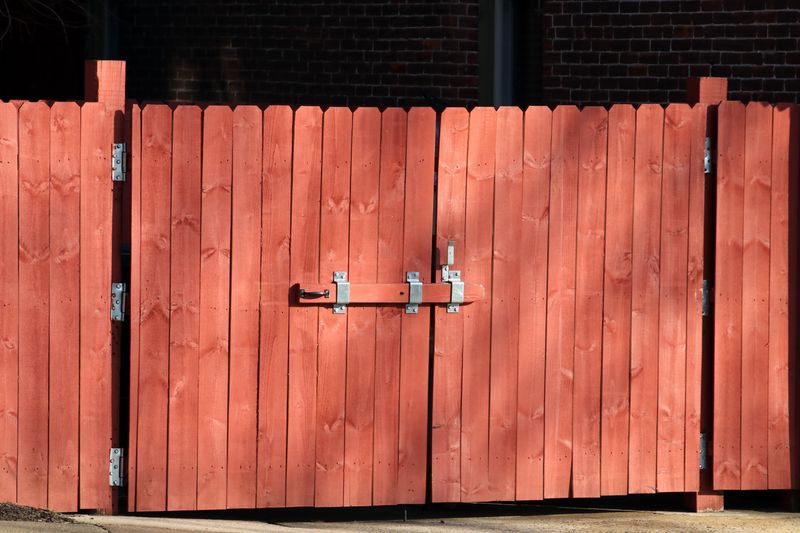
One sudden gust can catch a gate like a sail. Repair worn hardware instead of trusting a loose latch or leaning object.
A suitable secondary latch can add protection when installed correctly.
Choose hardware that household members can operate quickly during an emergency. Avoid cords that create tangles or loops near your dog.
Ask gardeners and delivery workers to close gates fully. After anyone uses an entrance, confirm that both the gate and latch remain secure.
3. Watch for Fence Panels That Start Coming Loose
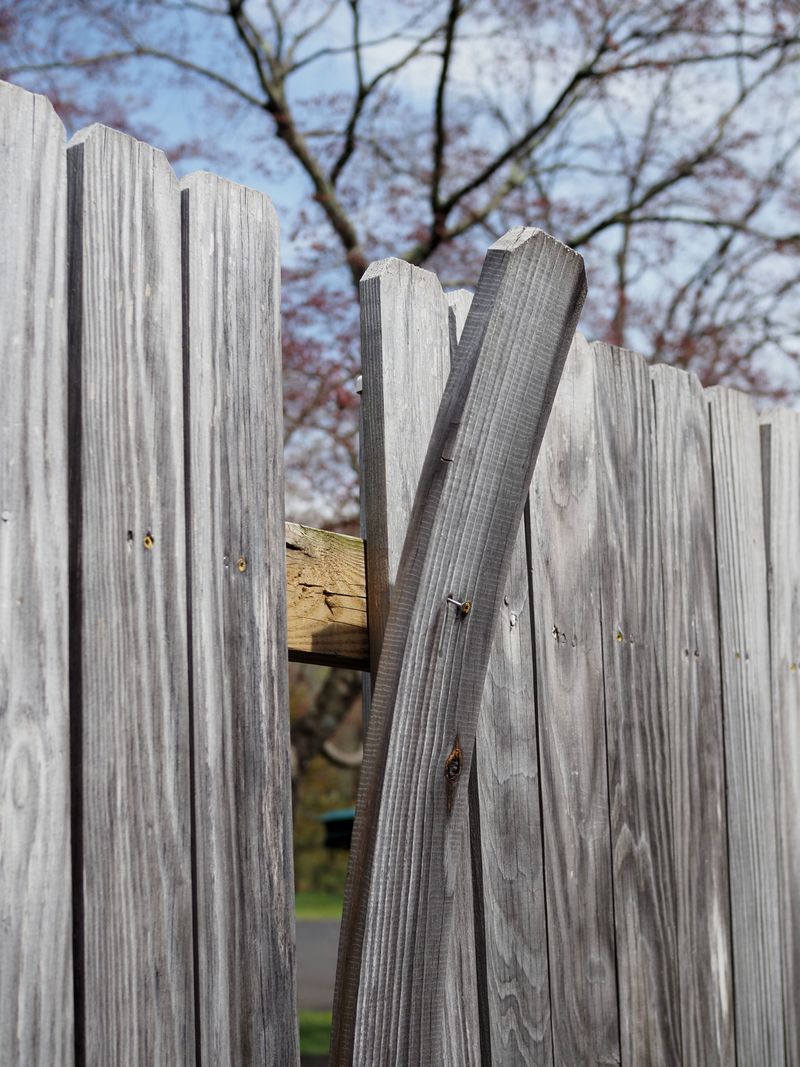
Rattling boards deserve attention before your dog investigates the noise. Wind can loosen panels, widen gaps, and expose nails or sharp edges.
Walk the fence line while your dog stays safely indoors.
Watch for leaning posts and boards pulling away from their supports. Keep pets away from questionable sections until repairs are complete.
Do not brace unstable fencing with objects your dog could climb. If a panel looks ready to fall, contact a qualified repair professional.
4. Remove Branches and Twigs From the Yard
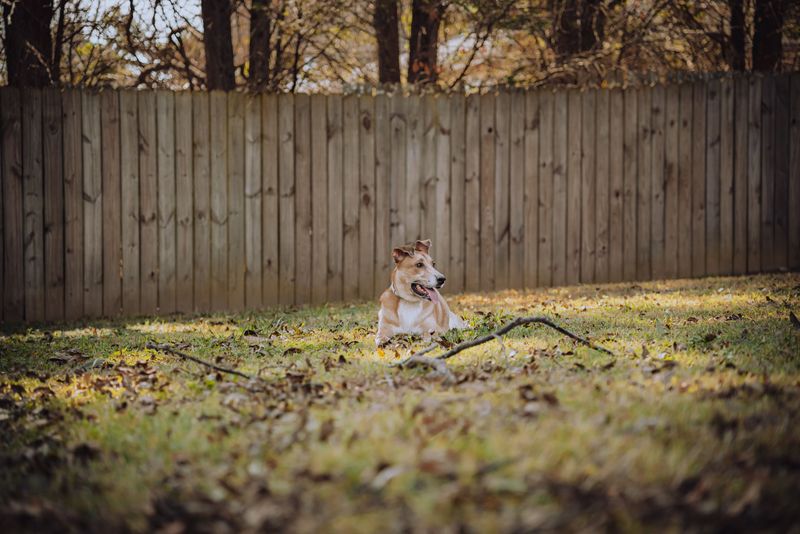
Fresh sticks may look like exciting new toys after a windy afternoon. Broken wood can splinter during chewing or leave pointed ends along walking paths.
Collect branches and twigs before opening the back door.
Use gloves, and place debris where your dog cannot retrieve it. Offer a suitable chew toy instead of encouraging stick play.
Contact your veterinarian if chewing leads to gagging, mouth discomfort, or trouble swallowing. Never pull on wood lodged in the mouth.
5. Keep Palm Fronds Away From Play Areas
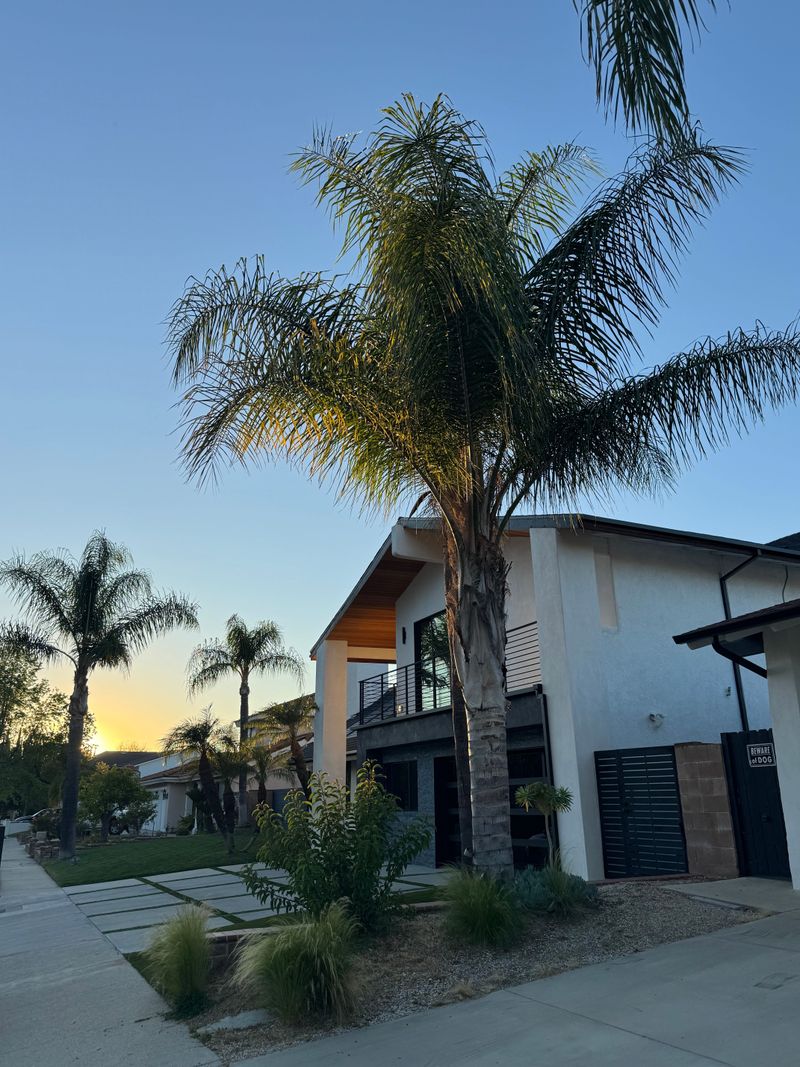
Those familiar palm trees can leave surprisingly bulky litter below. Fallen fronds may have stiff stems, sharp edges, or spines, depending on the species.
Clear them from paths, resting spots, and favorite running routes.
Move heavy pieces only when conditions allow safe handling. Do not stand beneath palms shedding material during gusts.
Keep dogs away from unidentified seeds or fruit as well. Ask your veterinarian about possible plant exposure if your dog chews anything you cannot identify.
6. Watch for Flying Leaves and Yard Debris
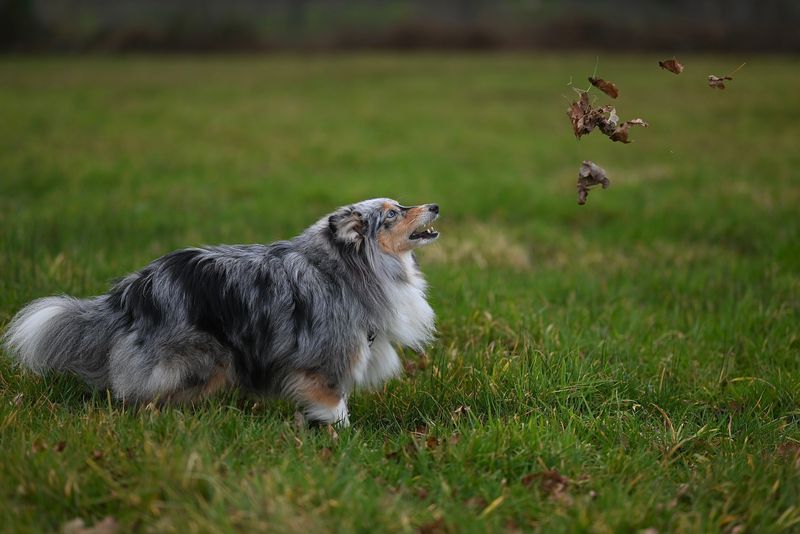
A swirling leaf can launch a chase before you notice. During gusty weather, lightweight litter may also carry grit toward your dog’s eyes.
Keep outdoor visits short and steer away from blowing piles.
If your dog squints, paws at an eye, or develops redness, head indoors. Prevent rubbing and call your veterinarian for guidance.
Avoid using leftover eye medicine without advice. A sheltered bathroom spot can reduce exposure, but it does not replace supervision when debris starts moving.
7. Store Patio Furniture and Outdoor Equipment

Yesterday’s shady patio can become today’s moving obstacle course. Umbrellas, folding chairs, cushions, and lightweight planters may tip or slide during gusts.
Store movable items inside a garage or another enclosed space.
Follow manufacturer instructions for securing equipment that must remain outside. Close umbrellas before winds arrive, and check their bases.
Keep your dog’s route to the bathroom clear. Avoid attaching furniture to weak fencing, since extra pulling force can make an existing problem much worse.
8. Check Trash Cans Before Letting Dogs Outside
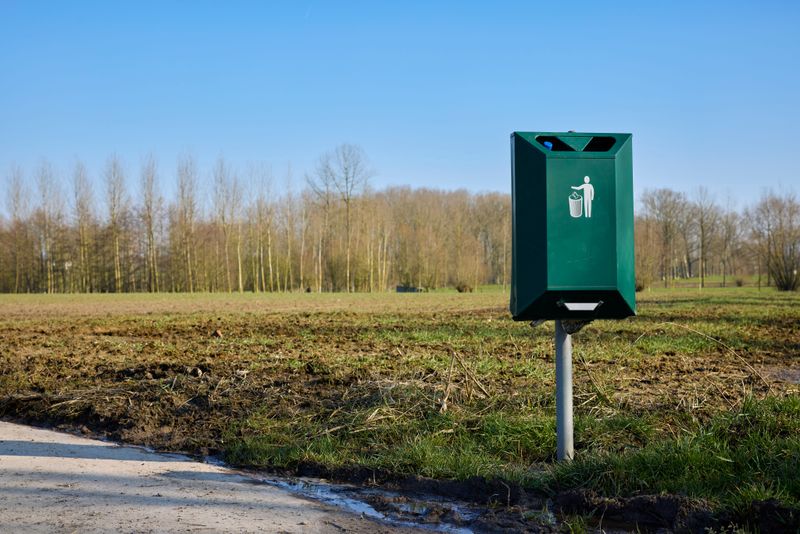
A tipped bin offers smells most dogs find hard to ignore. Windblown trash may include food scraps, packaging, sharp lids, or other unsafe objects.
Check the yard before each outdoor break, especially after collection day.
Secure lids using methods approved by your waste service, and store bins in a sheltered location. Pick up scattered material promptly.
If your dog swallows something questionable, call your veterinarian. Do not induce vomiting unless a veterinary professional specifically directs you to.
9. Remove Loose Garden Tools and Building Materials
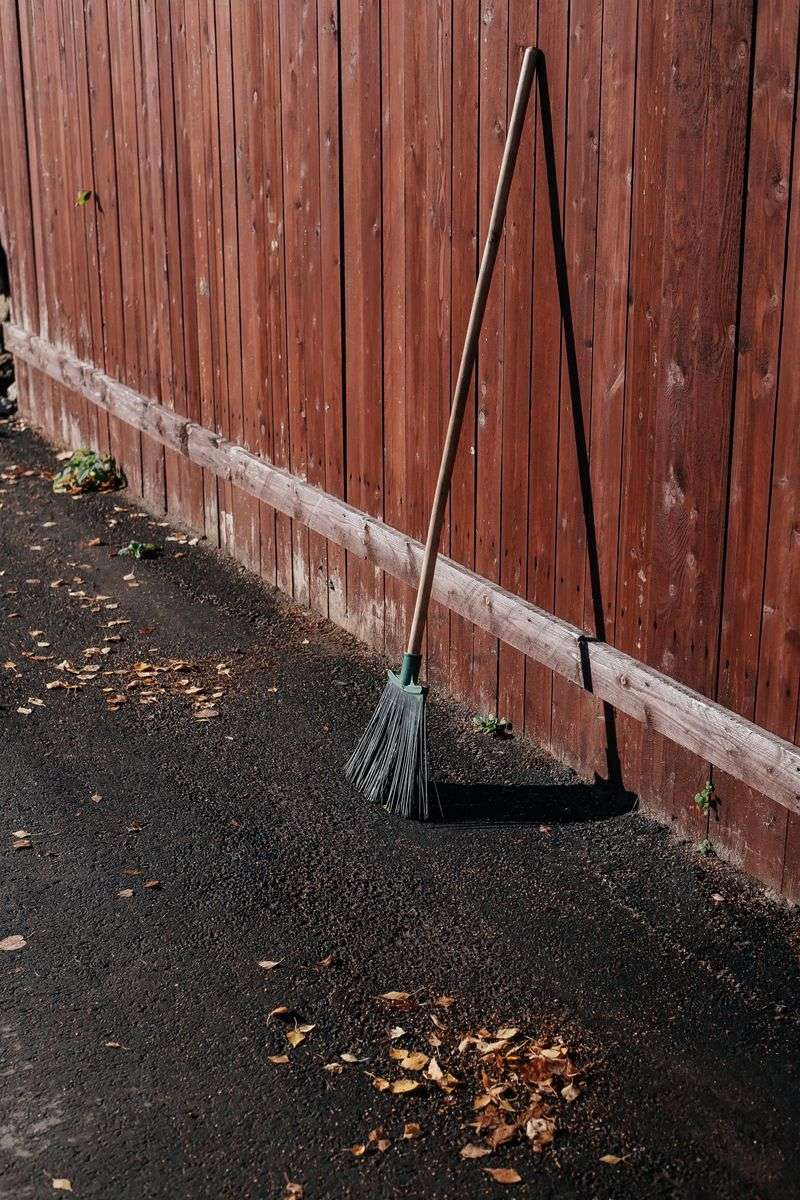
Small cleanup jobs often leave surprisingly risky leftovers behind. A rake, loose screw, plastic sheet, or scrap board can shift into your dog’s path.
Put tools and project supplies away before the forecast turns windy.
Check beneath worktables and around sheds for dropped fasteners. Store fertilizers, pesticides, and other garden products in secure containers beyond your dog’s reach.
Weighing down a tarp is not always enough. Whenever practical, move loose materials into enclosed storage rather than covering them.
10. Keep Dogs Away From Damaged Trees
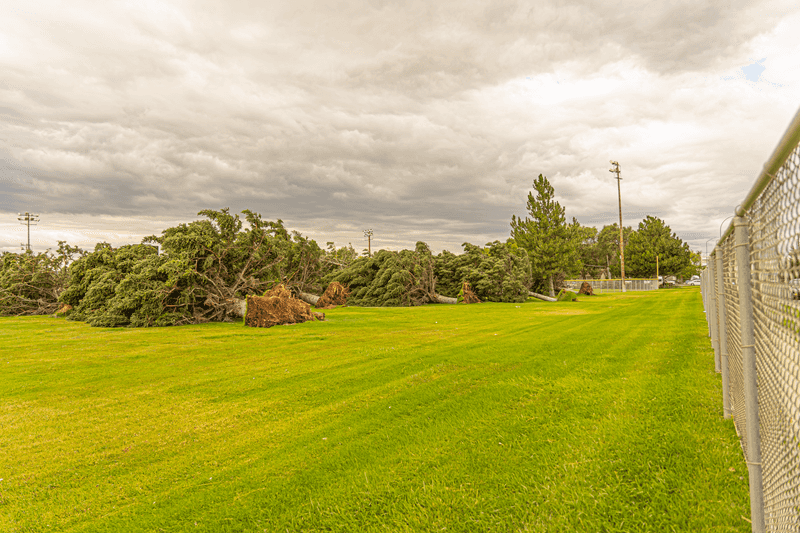
Shade trees need extra space when branches crack or hang loose. Dry conditions, existing damage, and strong gusts can increase the chance of falling limbs.
Choose another bathroom area if a tree looks unstable.
Never send your dog beneath hanging branches while you inspect nearby. Arrange an assessment from a qualified arborist when you notice splitting, leaning, or fresh damage.
Leave overhead cutting to trained professionals. Keep the area off limits until someone qualified confirms it is safe.
11. Watch for Exposed Wires and Broken Outdoor Lights
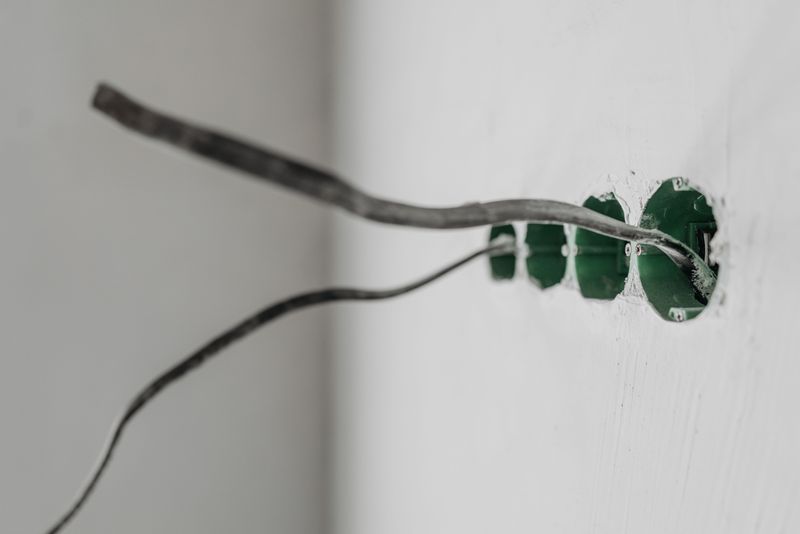
A dark patio light may signal more than a loose bulb. Wind can damage fixtures, pull cords free, or scatter broken glass.
Keep your dog inside while you assess the situation from a safe distance.
Never touch fallen utility lines or anything contacting them. Keep everyone away and contact emergency services or the utility.
For damaged household lighting, arrange safe power isolation and professional repair. Search carefully for glass only after electrical hazards have been properly addressed.
12. Check Pool Covers and Outdoor Water Areas
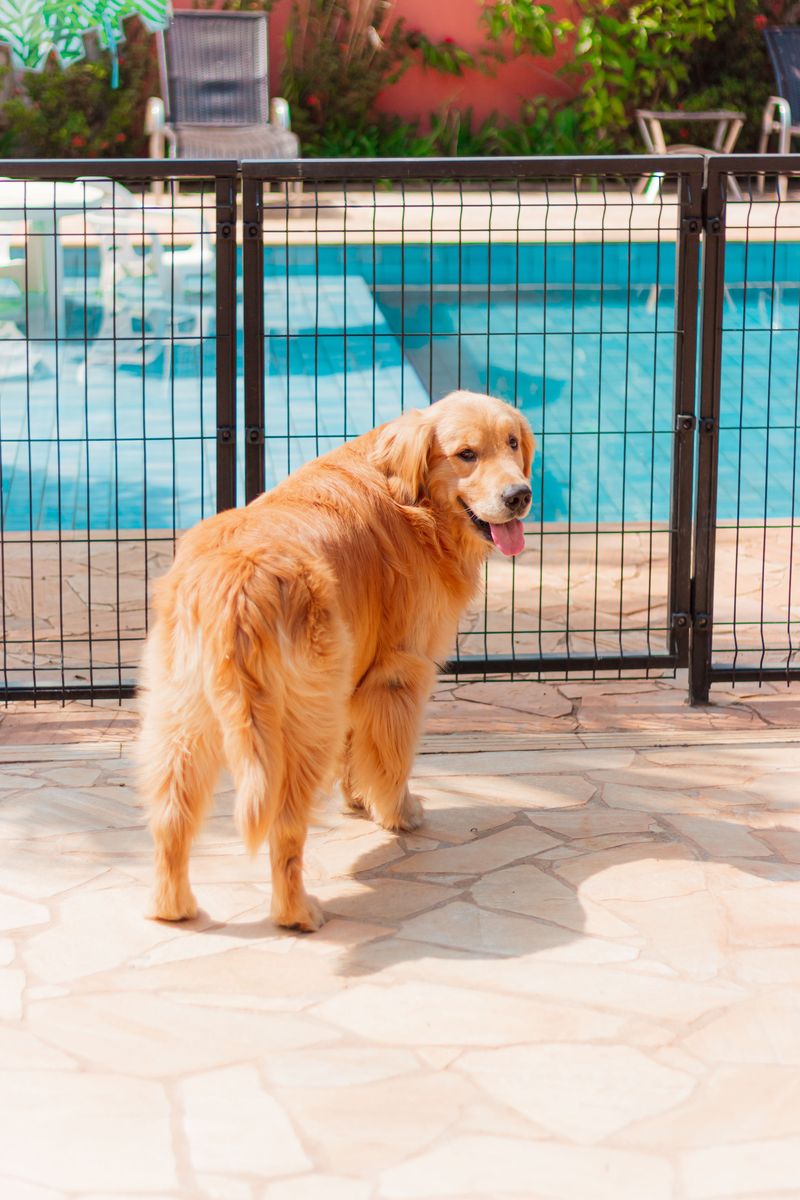
Poolside routines need a second look after a windy night. Gusts may shift covers, move furniture near barriers, or blow debris into water.
Keep dogs separated from pools with appropriate barriers and close supervision.
Never assume a floating cover can support your dog’s weight. Check cover attachments according to manufacturer guidance.
Empty small portable pools when unused, and refresh dirty outdoor drinking bowls. If pool fencing or its gate becomes damaged, block access until repairs are complete.
13. Be Careful With Gravel, Mulch, and Loose Landscaping
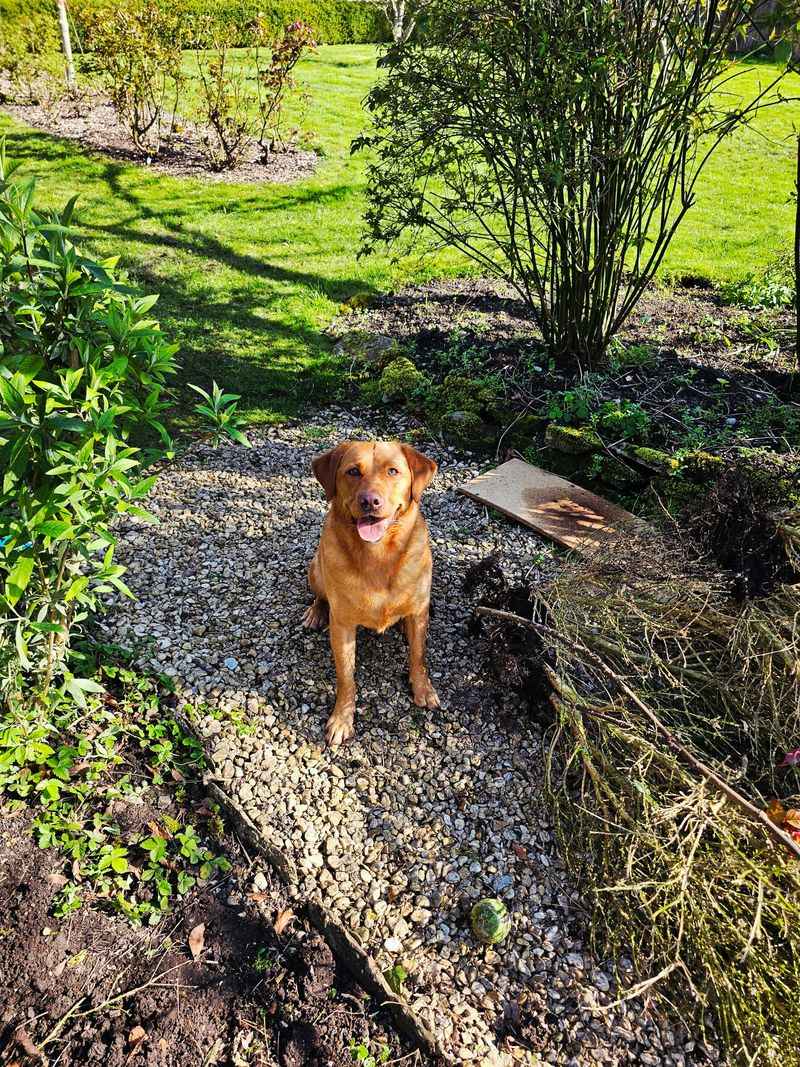
Landscaping that usually stays put can spread across familiar paths. Blowing grit may bother eyes, while scattered stones and mulch invite chewing.
Sweep walking areas and watch dogs that like sampling unfamiliar objects.
Avoid cocoa mulch around pets because it can contain compounds toxic to dogs. Ask your veterinarian about safer choices for your particular dog.
Check paws after outdoor breaks if surfaces look rough. Redirect digging or chewing rather than leaving your dog alone among displaced materials.
14. Keep Dogs Indoors During the Strongest Gusts
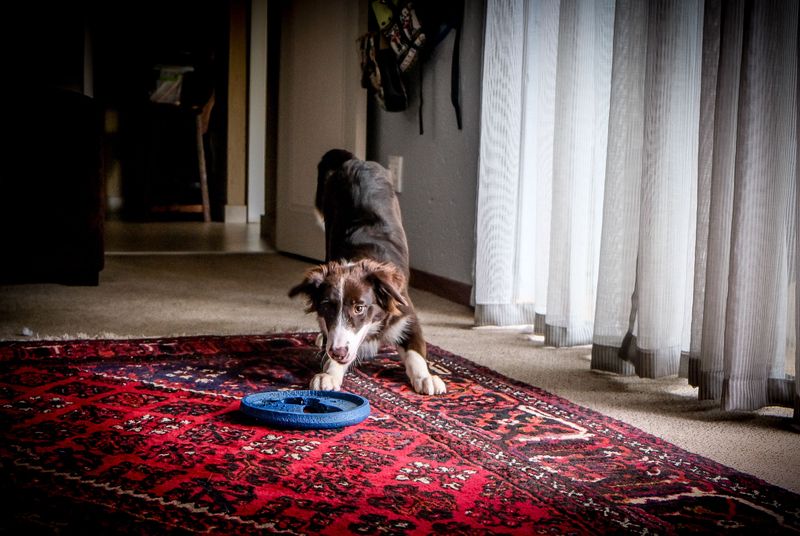
Some afternoons are better suited to indoor sniffing games. When gusts strengthen, bring your dog inside instead of relying on a familiar fence.
Use brief, supervised leash trips when bathroom breaks cannot wait.
Check National Weather Service alerts and local guidance before heading out. Santa Ana winds can increase wildfire danger and may carry smoke or dust that affects air quality.
Follow evacuation instructions promptly when issued. Indoors, offer a food puzzle or quiet play session to replace some outdoor activity comfortably.
15. Inspect the Yard Again After Each Wind Event
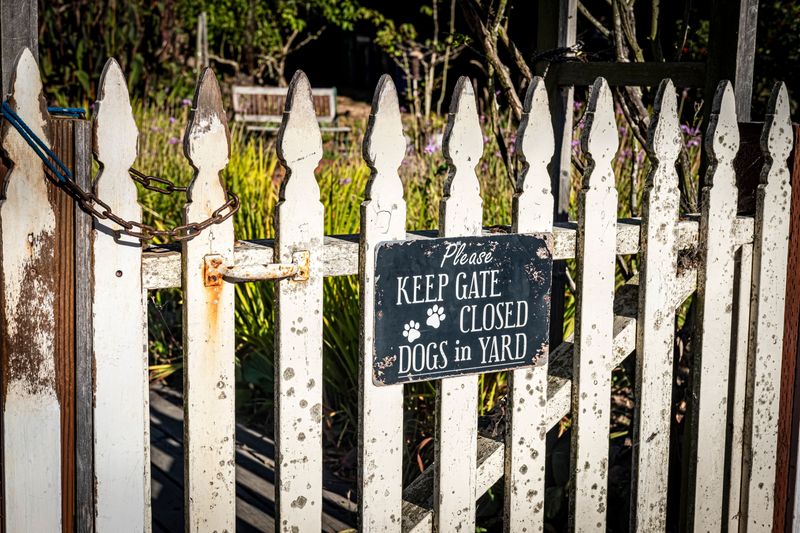
Calmer skies do not automatically mean the yard is ready. A hidden nail, loose panel, or fallen branch may remain after gusts fade.
Leave your dog indoors while you make a fresh inspection.
Start with gates and fencing, then check trees, walking routes, and resting places. Look beneath shrubs where debris can collect.
Inspect again if another round of wind arrives. Taking a quick photo of damage can help you explain repair needs without repeatedly approaching an unsafe area.
16. Make Sure Your Dog Has Updated Identification
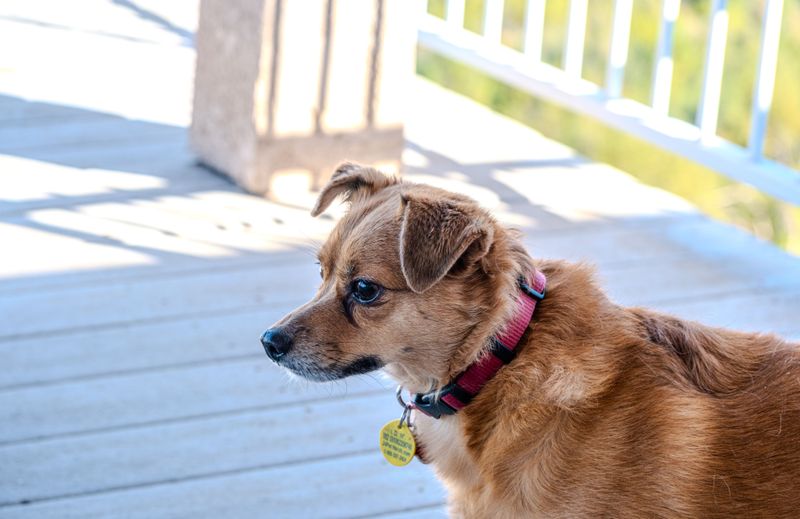
Even careful households can experience an unexpected open gate. A readable identification tag gives someone a direct way to contact you.
Check that your phone number is current and the collar fits comfortably.
Ask your veterinarian to scan your dog’s microchip during a routine visit. Update the chip registry whenever contact details change.
Microchips do not provide live location tracking. Keep a recent photo available, and learn your local shelter’s reporting process before you ever need to use it.
17. Create a Windy-Weather Safety Routine
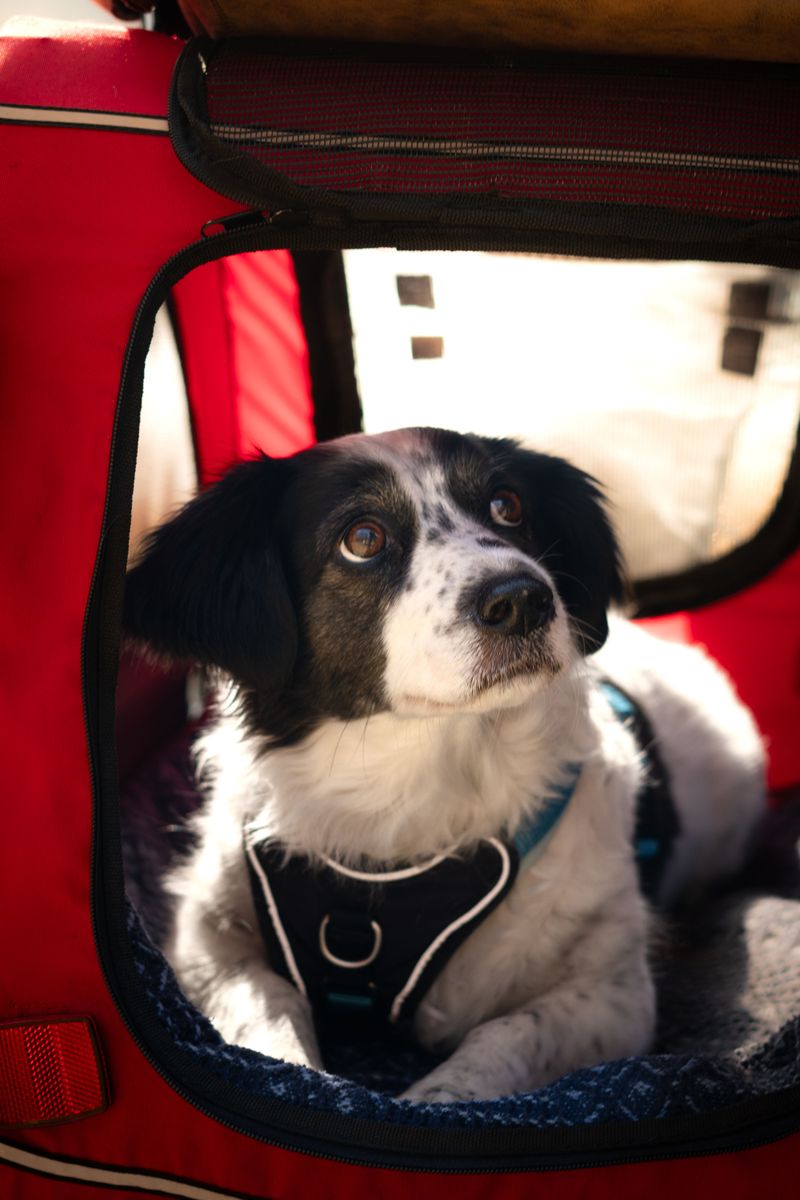
Preparation works best when everyone knows the same simple steps. Keep a checklist near the back door: forecast, gates, debris, leash, and identification.
Assign each household member a clear task before windy weather arrives.
Include pet supplies and a carrier in your evacuation planning. During outages, use a flashlight for yard checks rather than guessing.
Revisit the routine after repairs or changes at home. Secure the yard, supervise outdoor time, and let preparation bring peace of mind.