15 Hurricane Boarding Questions South Carolina Dog Owners Should Ask Before Storm Season
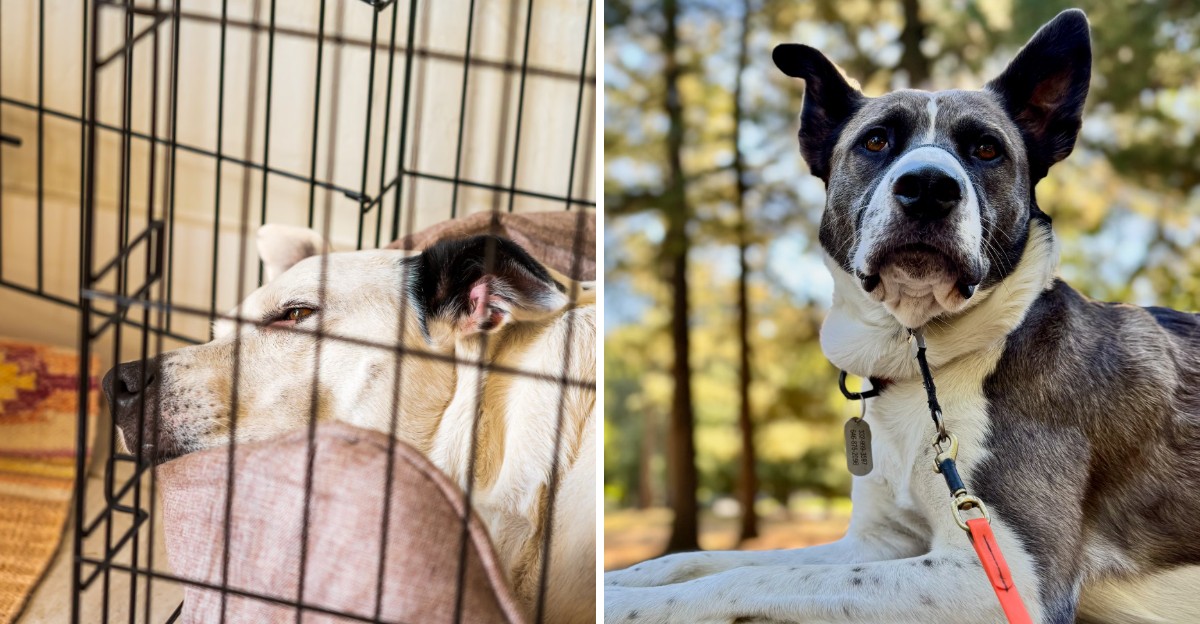
A reliable boarding plan can make storm season feel much more manageable for you and your dog. Along South Carolina’s coast and farther inland, strong winds, flooding, and power outages can change normal kennel routines.
Before booking, ask how the facility prepares, communicates, and handles unexpected changes. Clear answers now give you time to compare options, gather supplies, and choose care that fits your dog’s needs.
1. Does the Boarding Facility Have a Hurricane Emergency Plan?
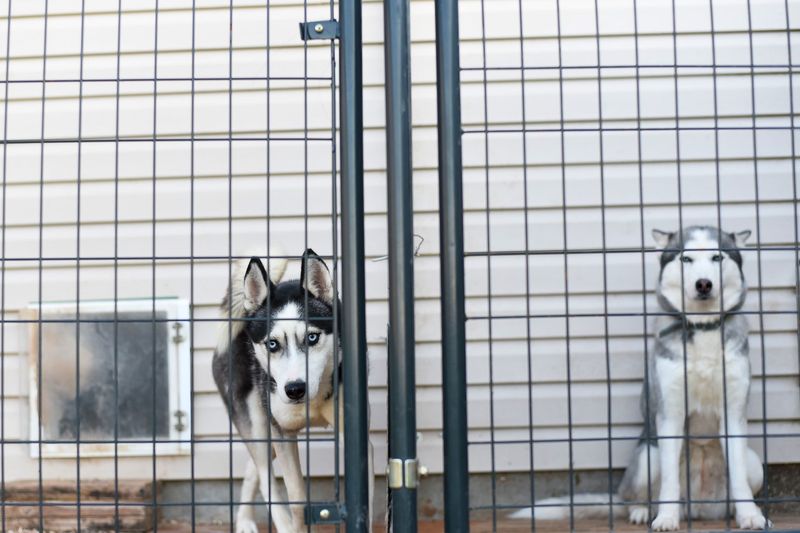
A friendly tour tells you plenty, but a written emergency plan reveals how the kennel prepares. Request a plain explanation of its storm procedures, including evacuation decisions, supplies, and veterinary support.
Find out when staff last reviewed the plan and practiced their roles. Someone should clearly oversee each major task.
Keep a copy or summary with your boarding paperwork. Specific answers are more useful than a general promise that everything is handled.
2. Will the Facility Stay Open During a Hurricane?
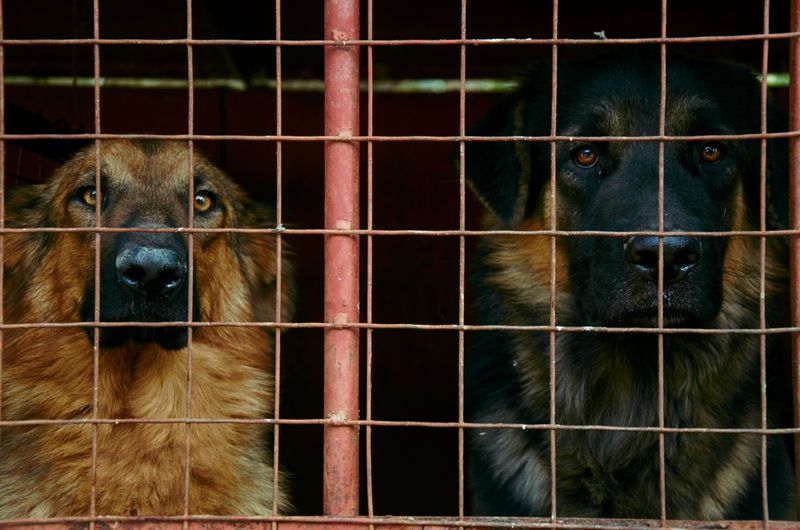
Your reservation does not automatically guarantee care through every storm. Some kennels close early, stop accepting dogs, or require pickup before conditions worsen.
Confirm the exact triggers for closing and the deadline for bringing your dog home. Local emergency orders may change normal operations, so ask how those updates reach customers.
Arrange another boarding option outside the affected area. Save its contact information before forecasts become urgent and available spaces start filling up.
3. What Happens If the Facility Needs to Evacuate?
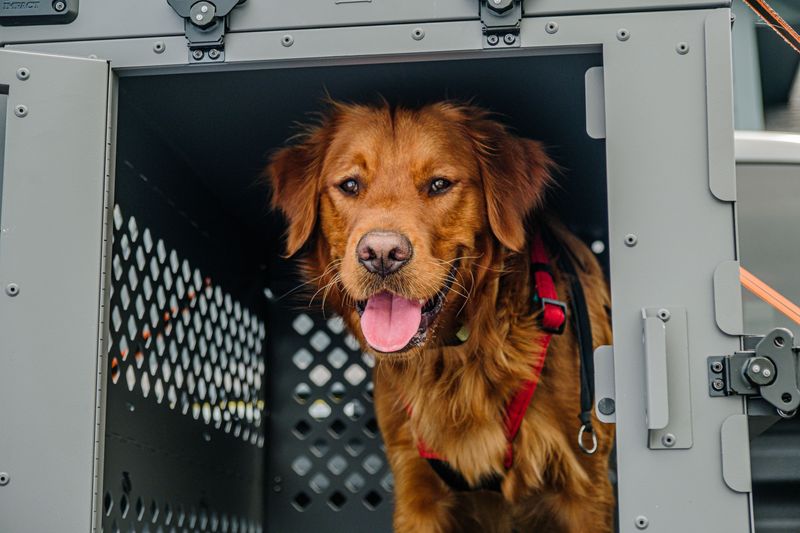
A destination matters just as much as a departure plan. Learn where dogs would go, who provides transportation, and whether the receiving location has agreed to accept them.
Request details about secured crates, vehicle cooling, medication records, and head counts. Staff should explain how dogs remain separated and supervised during travel.
Check whether your permission is required beforehand. Get the destination’s contact details, while recognizing that conditions may require a different safe location.
4. Does the Building Have Backup Power?
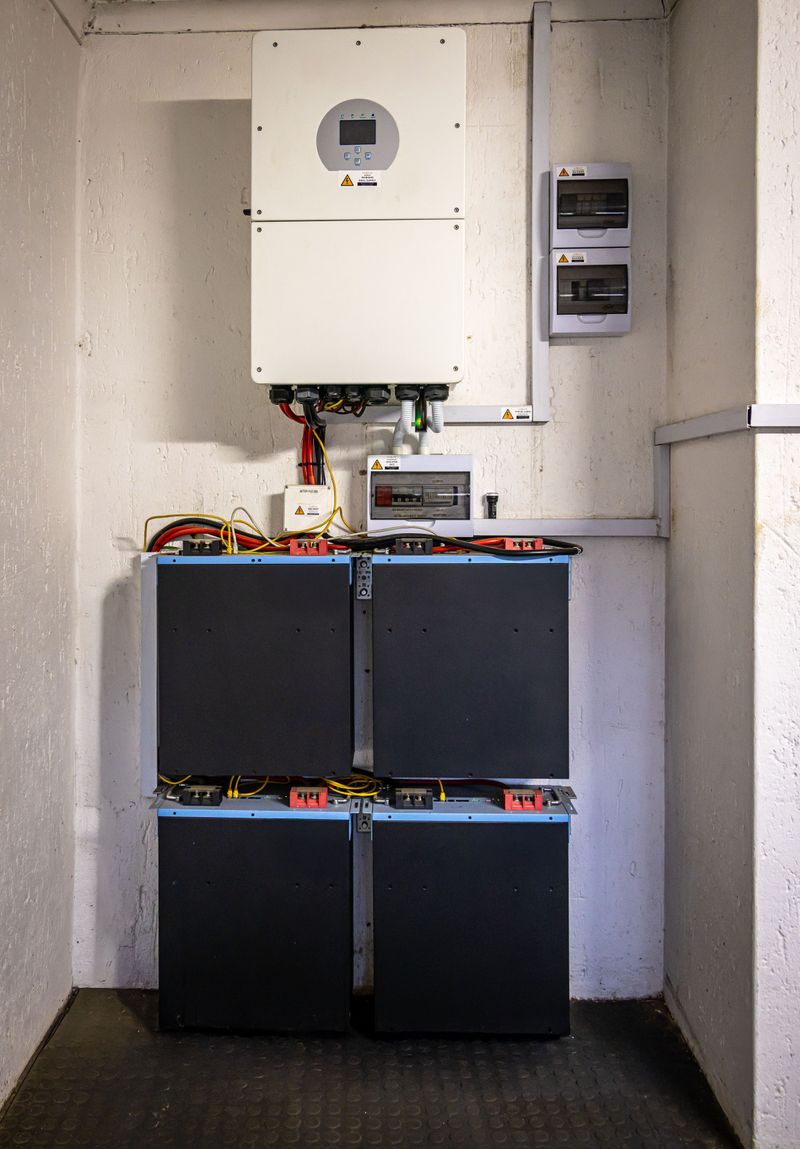
Backup electricity sounds reassuring, yet its usefulness depends on what it actually powers. A generator might run lights without supporting every cooling system.
Have staff identify which equipment stays operational, including ventilation, water pumps, refrigeration, and communications. Discuss testing schedules, fuel supplies, and arrangements for longer outages.
Generators must operate outdoors, away from openings, following safety guidance. If backup equipment fails, the kennel needs another workable plan for keeping dogs comfortable and supervised.
5. How Will My Dog Stay Cool Without Electricity?
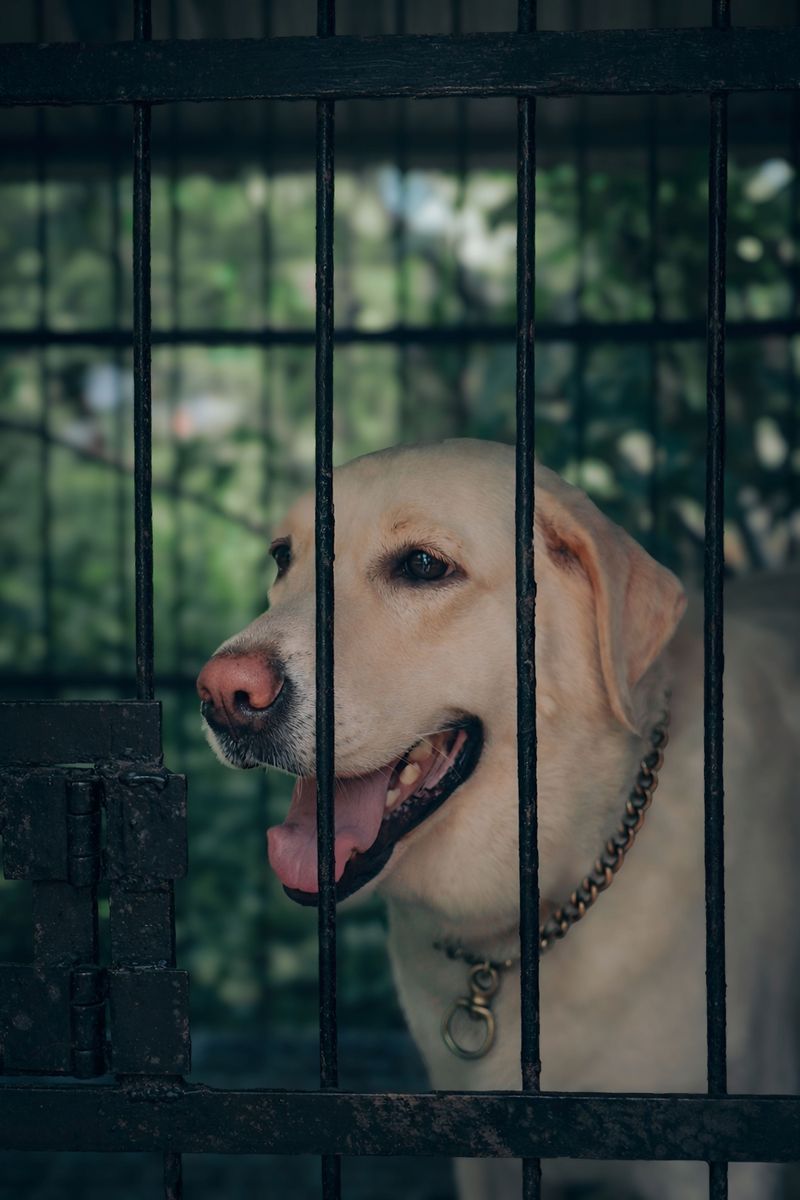
South Carolina’s humid weather can make an uncooled kennel uncomfortable quickly. Fresh water helps, but it cannot replace safe temperatures and reliable ventilation.
Discuss temperature checks, cooler shelter options, and the point when staff would move dogs elsewhere. Flat faced dogs, older pets, and certain medical patients may need extra attention.
Ask your veterinarian about your dog’s particular heat risks. Share those instructions, and confirm staff recognize concerning changes that require prompt veterinary advice.
6. Is the Facility Located in a Hurricane Evacuation Zone?

An inland address does not answer every location question. Check the facility’s exact street address using official South Carolina evacuation information and county emergency resources.
Evacuation zones guide storm planning, but they are not the same as flood zones. Conditions outside designated zones can still affect travel and boarding operations.
Confirm which local orders govern the property. Save an alternate route, and follow current instructions rather than relying on a map from previous seasons.
7. Can the Facility Protect Dogs From Flooding?
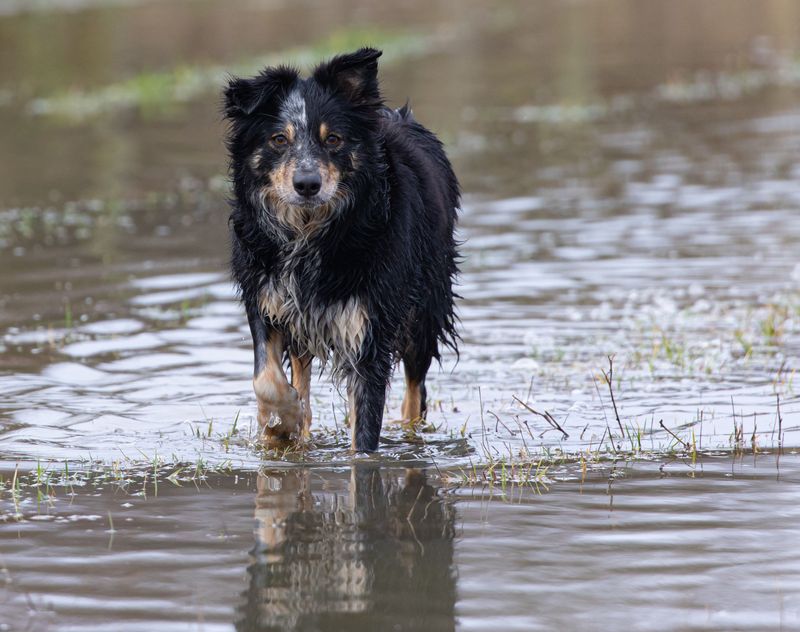
Heavy rain can cause trouble far beyond the immediate coastline. Look beyond the building’s appearance and discuss past flooding, drainage, and nearby roads.
Find out whether dogs stay at ground level and where they move if water threatens. An upper floor alone is not a complete emergency plan.
Staff should explain when they would leave before access becomes unsafe. Never plan to drive through floodwater to reach your dog, even along a familiar route.
8. How Many Staff Members Will Be On-Site During a Storm?
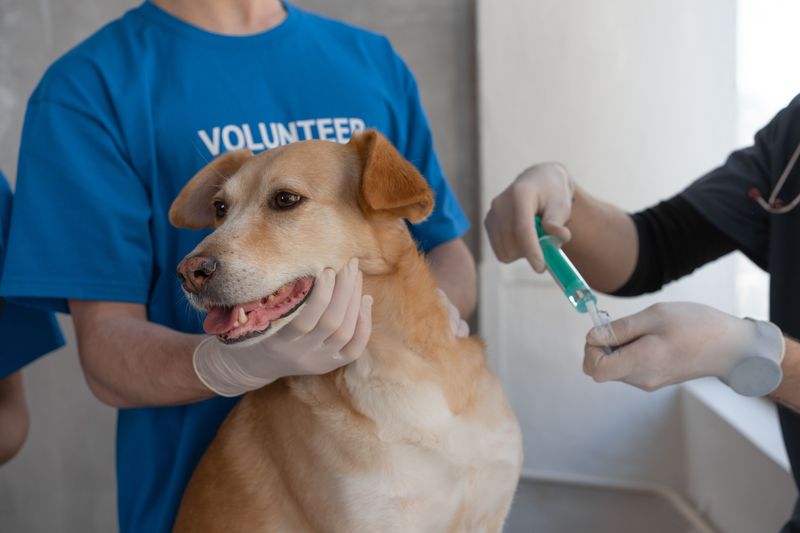
People make the emergency plan work when routines change. Learn how many trained caregivers will remain physically present, including overnight, and how many dogs they will supervise.
There is no single staffing number that fits every boarding setup. Dog needs, building layout, and emergency duties all matter.
Discuss backup coverage if employees cannot travel safely. Confirm someone can manage medications, monitor indoor conditions, and handle an urgent veterinary trip without leaving other dogs unattended.
9. Will My Dog Have Access to a Safe Indoor Area?
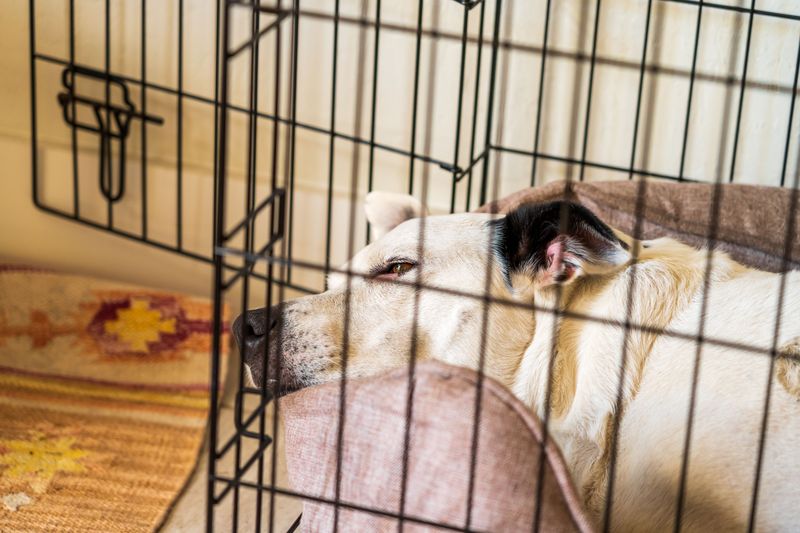
A covered outdoor run is not the same as indoor storm shelter. Request a look at the actual room where your dog would stay.
Check for secure doors, suitable ventilation, clean bedding, and separation from windows when possible. Dogs should have individual spaces unless sharing is appropriate and approved.
Learn how bathroom breaks work when outdoor conditions are unsafe. Indoor toileting arrangements and prompt cleanup help maintain comfort without depending on normal outdoor exercise schedules.
10. How Does the Facility Handle Dogs With Special Needs?
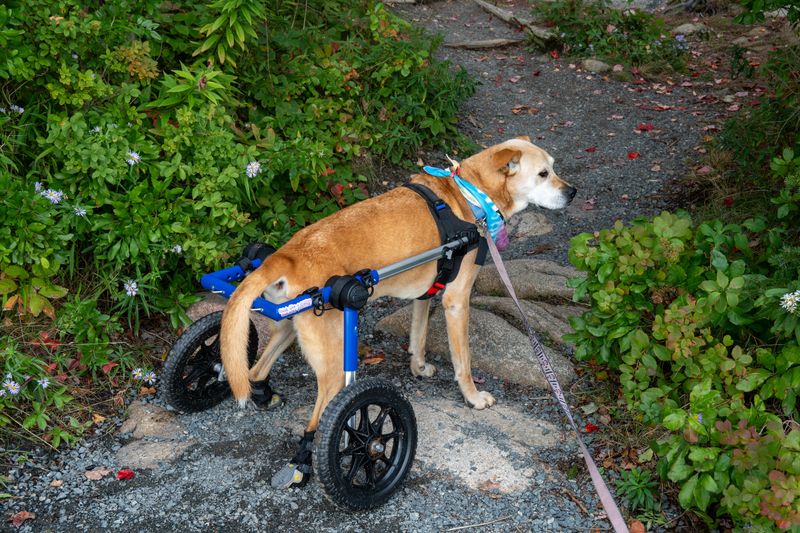
Your dog’s usual routine may be its best source of comfort. Explain medical needs, mobility limits, food restrictions, and fear of thunder before booking.
Bring written veterinary instructions and medications in their original labeled containers. Confirm staff can provide scheduled care, including refrigerated medicine when needed.
Discuss veterinary access if roads close or your regular clinic shuts. Never change doses or introduce calming medicine without veterinary guidance, especially shortly before an unfamiliar boarding stay.
11. What Should I Pack for My Dog’s Hurricane Stay?
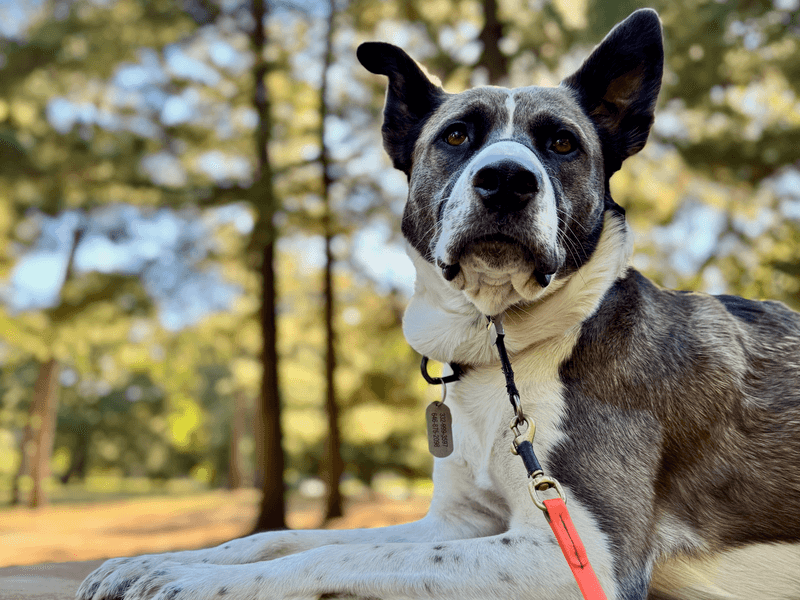
A labeled bag saves staff from guessing when schedules get busy. Request the kennel’s packing list, then prepare enough approved supplies for possible delays.
Include regular food, feeding directions, medicines, vaccination records, and emergency contacts. Add a familiar washable item if the facility allows personal belongings.
Ask how much extra food and medication they recommend bringing. Pack supplies in sturdy containers, label everything clearly, and keep copies of essential records with your own evacuation supplies.
12. How Will the Facility Keep Dogs Identified?
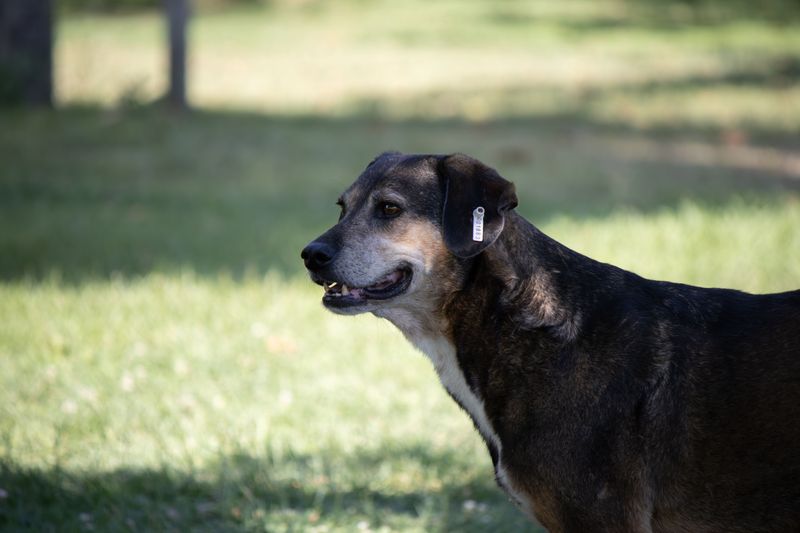
Similar coats and unfamiliar surroundings make clear identification especially useful. Confirm each dog has an individual record that stays connected to its enclosure and supplies.
Update your dog’s microchip registration and attach current contact details to identification tags. A microchip helps identification when scanned, but does not track location.
Provide a recent photo and an alternate contact outside the affected area. Ask how staff verify identities during transfers and check who may collect your dog.
13. How Will I Receive Updates During the Storm?
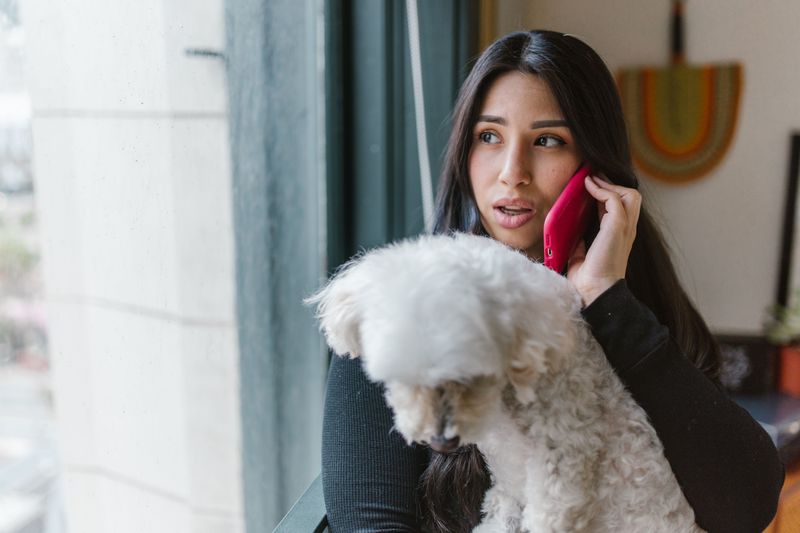
Waiting feels easier when you know what communication to expect. Agree on the main contact method, update schedule, and backup option before dropping off your dog.
Mobile service and internet access may become unreliable. Text messages sometimes work when calls struggle, but no communication method is guaranteed.
Give staff multiple contact numbers and identify one family contact for updates. Save the facility’s emergency number offline, along with instructions for checking any official status page available.
14. What Happens If I Cannot Pick Up My Dog?
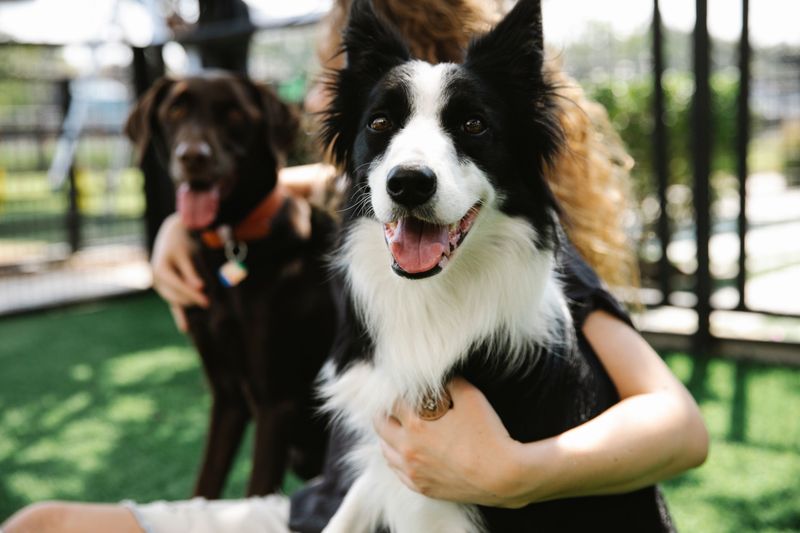
Road closures can delay even the most careful travel plans. Establish what happens if you cannot return on your scheduled pickup day.
Name a trusted person who may collect your dog, and complete any required authorization. Confirm what identification that person must present and whether transfer arrangements need approval.
Discuss continued care if nobody can arrive safely. Keep the kennel informed about delays, but follow local travel guidance rather than rushing back before routes officially reopen.
15. What Are the Policies for Extended Stays and Emergency Costs?

Clear prices keep unexpected changes from becoming another worry. Request written details about extra nights, evacuation transport, medication services, and emergency veterinary expenses.
Check cancellation terms and how payment works during outages. Set veterinary spending permissions while discussing how staff contact you when additional approval is needed.
Keep the agreement with your emergency records and revisit it before each storm season. A few thoughtful questions now help you leave your dog with greater confidence later.