Managing Veterinary Records Gets Complicated When A Florida Dog Lives In Two States
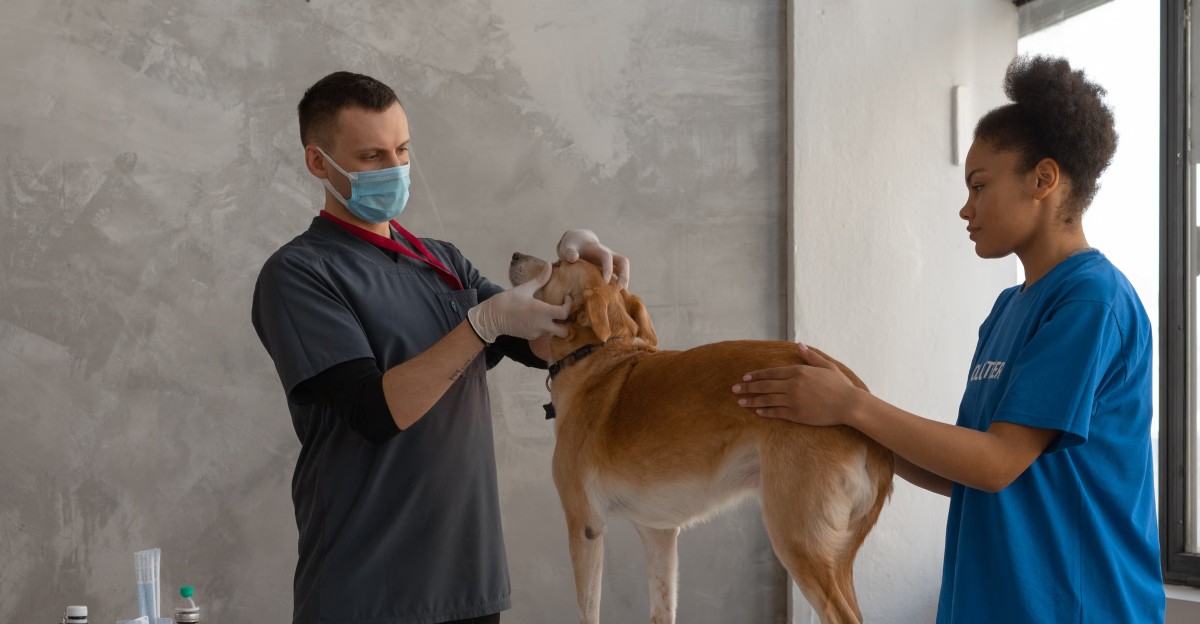
Sharing your dog’s year between Florida and another state means keeping more than a travel bag ready. Both veterinary teams need clear records, especially when vaccines, medicines, or travel paperwork come due.
A few simple habits can prevent repeated tests, missed updates, and last-minute phone calls. Whether you follow the seasons or travel for family, you can build a record system that works wherever your dog calls home.
1. Keep Veterinary Records in One Central Place

A folder should travel as reliably as your dog’s favorite blanket. Choose one main location for medical files, such as a secure digital folder.
Keep a matching paper packet for documents you may need quickly.
Sort records by date and label files with clear names. Include clinic contacts, visit notes, prescriptions, test results, and vaccine certificates.
Give another trusted caregiver access when appropriate. One organized home for paperwork makes every future update much easier to handle.
2. Choose One Veterinary Clinic to Coordinate Care
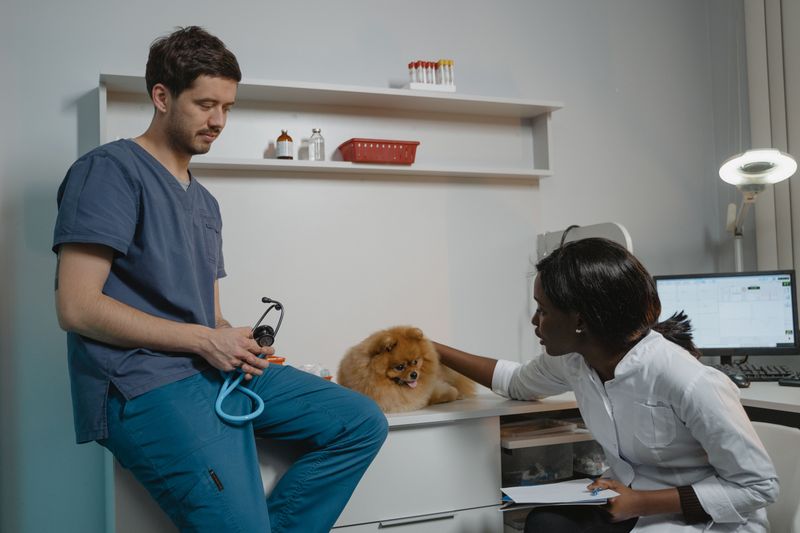
Two caring veterinary teams still need a clear point person. Ask one clinic to help coordinate routine care and collect outside updates.
Usually, the best choice knows your dog’s health history well.
Explain how much time you spend in each state. Ask who will track follow-up visits, review test results, and discuss treatment changes.
Coordination does not replace either veterinarian’s judgment. Instead, it gives everyone a dependable starting point when questions come up between appointments.
3. Make Sure Both Veterinarians Have the Same Medical History

Small details can change how a veterinarian reads today’s symptoms. Share past surgeries, allergies, vaccine reactions, ongoing conditions, and unusual responses to medicines.
Include care received outside your two regular clinics.
After each visit, send the complete notes to the other office. A payment receipt rarely contains enough medical information.
Ask staff to confirm that documents reached the correct patient file. Matching histories help both teams make informed choices without relying on your memory during appointments.
4. Keep Rabies Vaccination Records Easy to Find
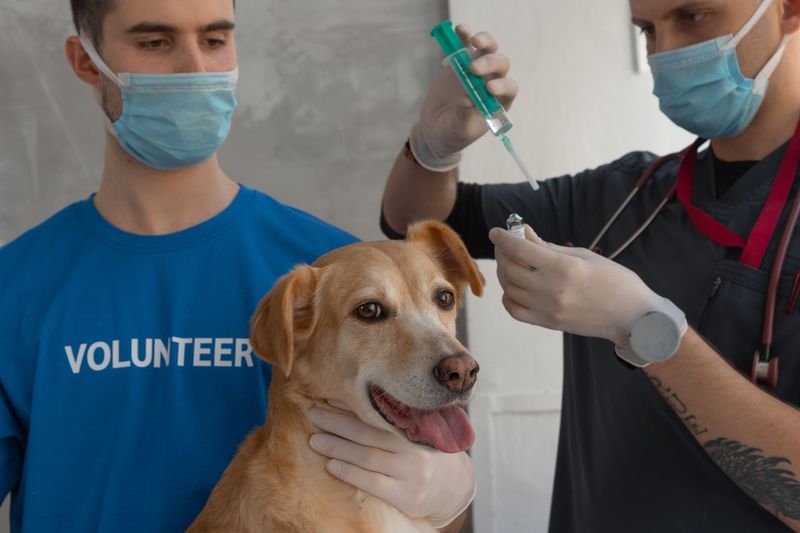
A collar tag helps, but it does not replace the rabies certificate. Keep a readable copy on your phone and another with travel papers.
Check that your dog’s identifying details match other records.
Florida generally requires rabies vaccination for dogs four months and older, subject to limited veterinary exemptions. Ask your veterinarian about your dog’s schedule and any applicable exemption.
Local licensing requirements can vary. Confirm details with the relevant county or city before your arrival.
5. Understand Florida’s Pet Travel Requirements
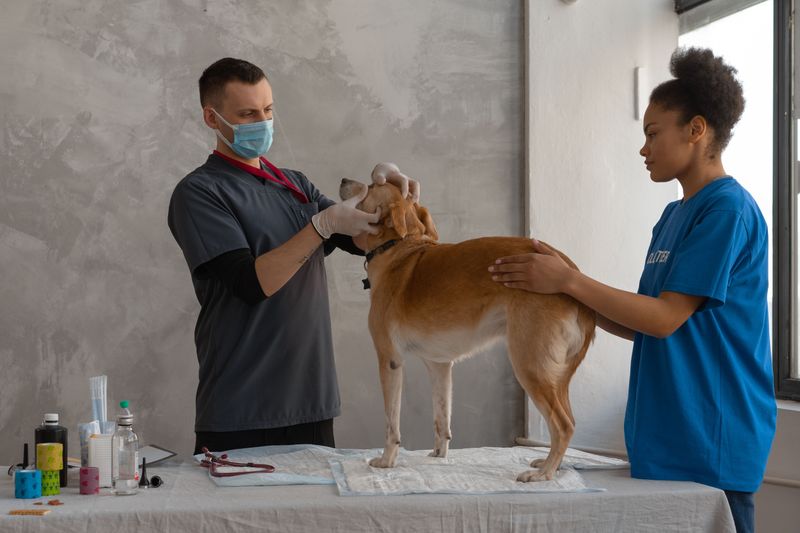
Coming back to Florida deserves its own paperwork check. Dogs entering Florida generally need an official certificate of veterinary inspection issued within the preceding 30 days.
Rabies documentation also matters when age requirements apply.
Exceptions and additional rules may apply, including different requirements for animals intended for sale. Check current guidance from Florida’s agriculture department before departure.
Tell your veterinarian your travel dates and circumstances. Do not assume regular seasonal visits automatically remove Florida’s entry requirements.
6. Check the Other State’s Rules Before Traveling
Your destination sets its own animal entry requirements. A document accepted in Florida may not satisfy another state’s timing or paperwork rules.
Start with that state’s official agriculture or animal health website.
Look for requirements covering dogs arriving from another state. Check certificate deadlines, rabies proof, exemptions, and any special restrictions.
Ask the agency directly if its guidance seems unclear. Save the answer with your trip notes.
Recheck before later visits because requirements can change over time.
7. Keep Health Certificates Separate From Routine Records
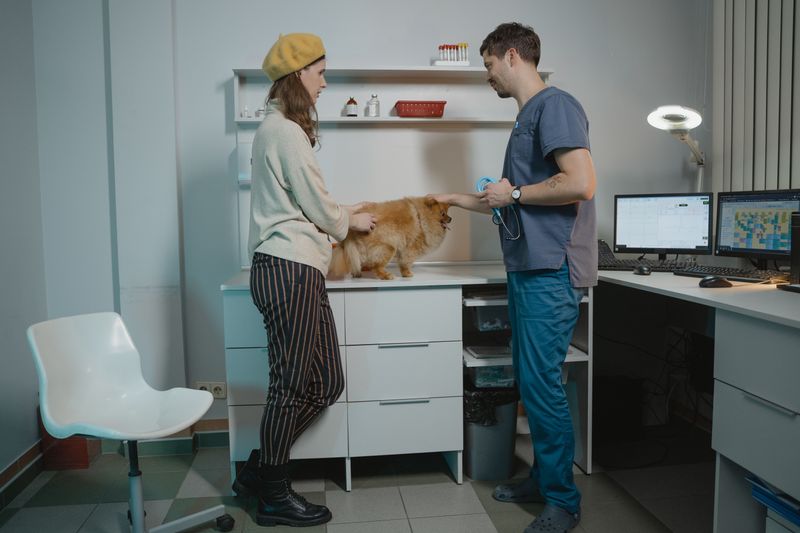
Yesterday’s exam notes are not automatically a travel certificate. An official certificate of veterinary inspection serves a specific travel purpose.
Its validity depends on destination rules and the date it was issued.
Store certificates in a separate section marked with the trip date. Keep routine visit summaries elsewhere so nobody grabs the wrong document.
Ask whether an accredited veterinarian must issue your certificate. Allow time for the appointment, required checks, and any corrections before your planned departure.
8. Track Vaccination Dates Across Both States
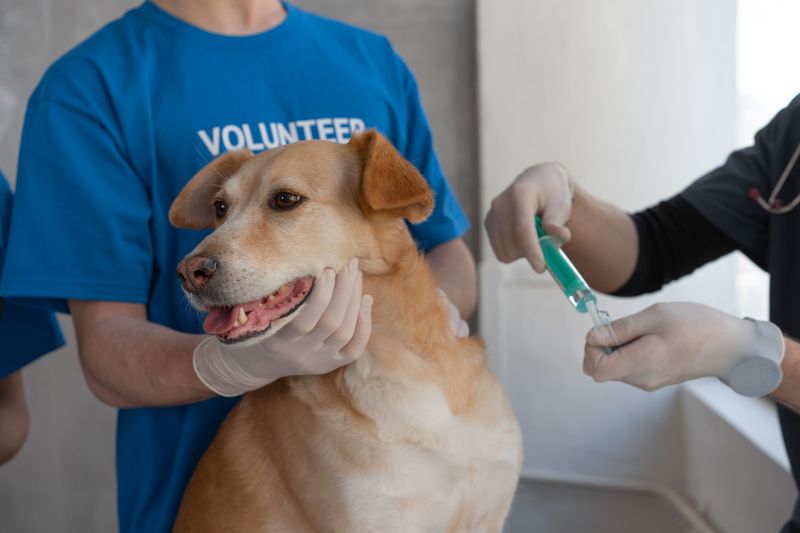
Calendar reminders work best when both clinics see the same dates. Record each vaccine’s name, administration date, and next due date.
Keep the actual certificate or medical entry behind every reminder.
Ask your veterinarians to resolve different recommendations before another dose is given. Travel plans, local disease risks, and boarding policies can affect discussions.
Never guess from an old reminder alone. Update your shared calendar after each vaccination, then remove outdated alerts that might cause confusion later.
9. Make a Complete Medication List

Medicine names can sound alike when you are packing quickly. Write down every prescription, supplement, and parasite preventive your dog receives.
Include strength, prescribed directions, purpose, and the most recent dose.
Add the prescribing clinic and pharmacy contact information. Share changes with both veterinary teams, including anything you stopped giving.
Ask about refills before crossing state lines, since prescribing requirements vary. Keep medicines in their original labeled containers.
Never adjust treatment simply because another appointment is approaching.
10. Keep Copies of Bloodwork and Diagnostic Results
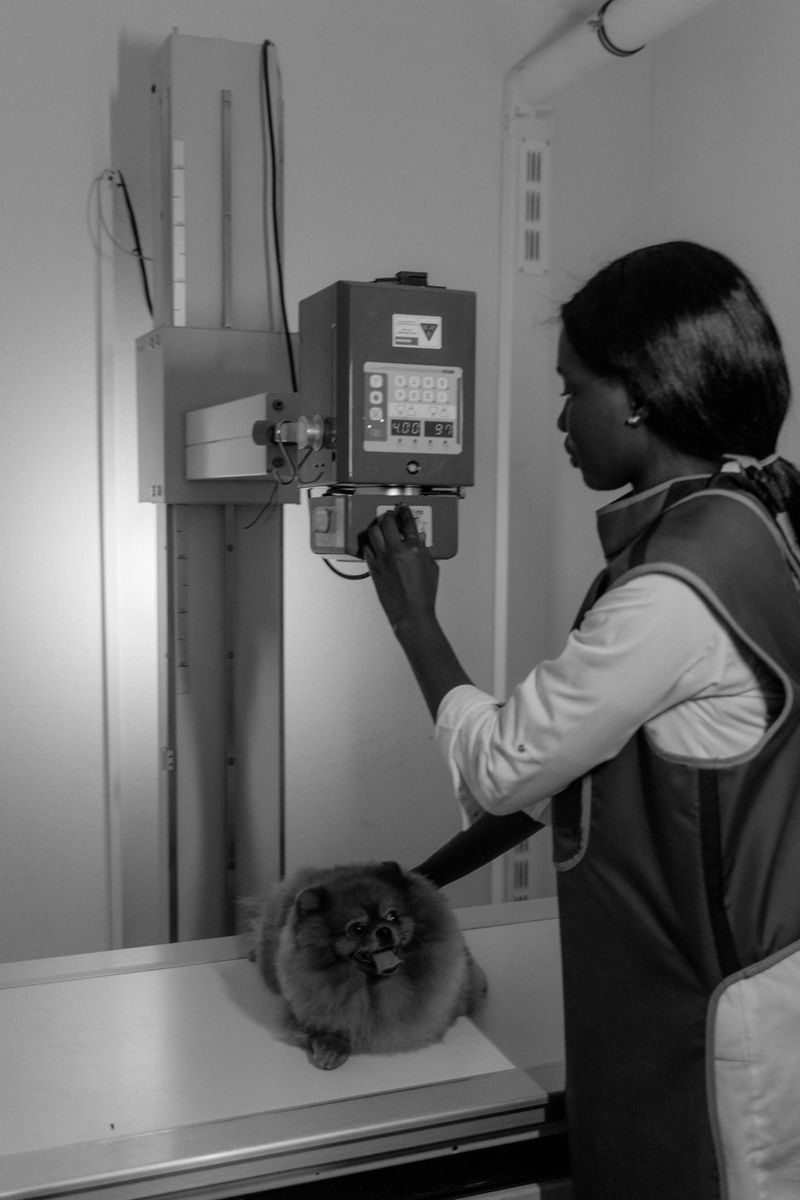
A short message saying results were normal leaves useful details behind. Request full laboratory reports, imaging reports, and other diagnostic findings.
Include dates, reference ranges, and the clinic that ordered each test.
For imaging, ask how another veterinarian can access the actual images. Comparing older results with newer ones may reveal meaningful changes.
Complete records can also help avoid unnecessary repeat testing. However, your veterinarian may still recommend fresh tests when symptoms, timing, or treatment needs change.
11. Ask How Each Veterinary Office Shares Records
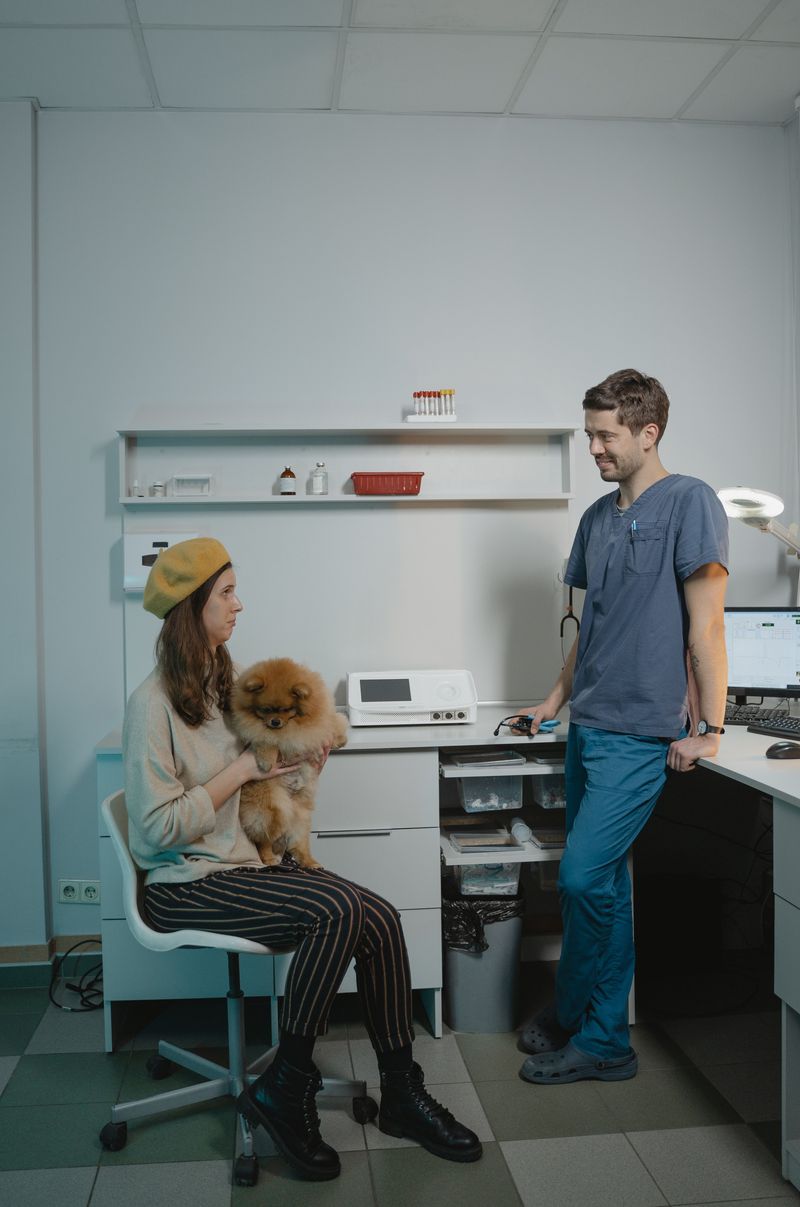
One office emails files, while another uses a secure transfer service. Learn each clinic’s process before a busy travel week.
Ask whether you must sign a release or provide written permission.
Confirm the receiving address, expected turnaround, and any copying fees. Request complete records rather than only a vaccine summary.
Give staff enough time to prepare the file. After sending, check that attachments open properly.
A quick confirmation now can prevent frustrating calls from another state’s waiting room.
12. Avoid Depending Entirely on Veterinary Portals
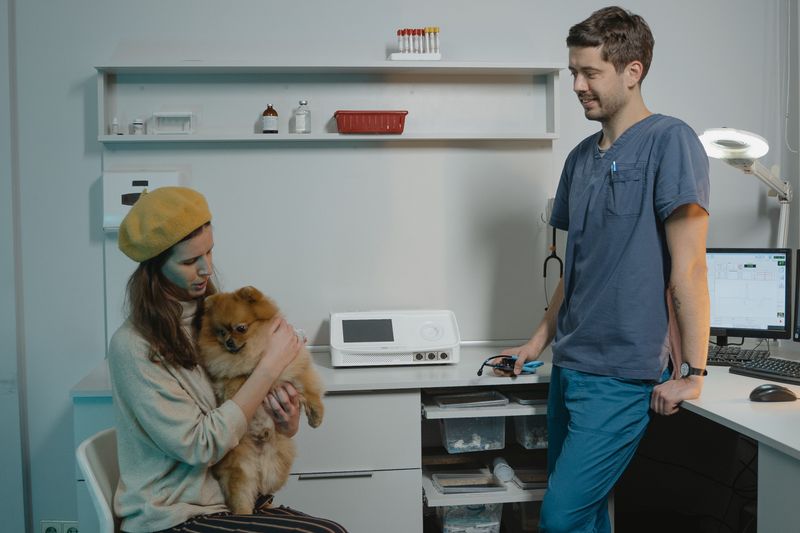
Convenient apps sometimes hide the very document you need. A portal might show reminders but omit detailed notes or outside test results.
Download essential records instead of assuming everything stays available.
Keep readable offline copies on a device you carry. Bring key paper documents when traveling through areas with weak service.
Test your login before leaving home, and check that downloaded pages are complete. Treat the portal as one useful tool, not your dog’s only medical archive.
13. Prepare a Medical Summary for Emergency Visits

During an unexpected visit, a single page can save explanation time. List your dog’s conditions, allergies, current medicines, recent procedures, and regular veterinarians.
Add your contact details and an alternate caregiver.
Date the summary so staff know when you last checked it. Include the location of full records and any relevant specialist contacts.
Keep copies with your travel bag and phone. The summary supports veterinary assessment, but it should never replace complete records or delay needed care.
14. Keep Microchip Information Consistent
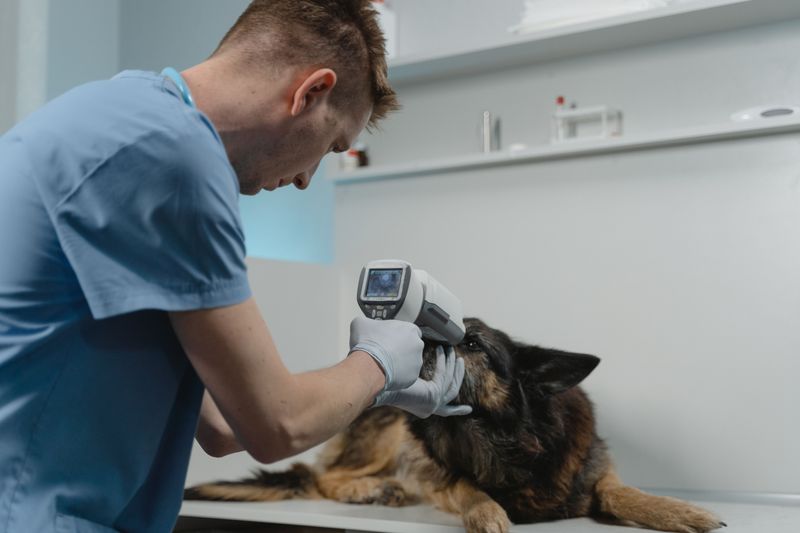
Moving between homes should not leave your dog’s identification behind. Make sure both clinics record the same microchip number.
Ask staff to scan the chip during a routine visit if verification is needed.
Update your registry account with current phone numbers and an alternate contact. A microchip is not a GPS tracker.
Its value depends on readable identification and accurate registration details. Keep the registry name with your records, and review contact information before each seasonal move.
15. Plan Ahead When Changing Veterinarians
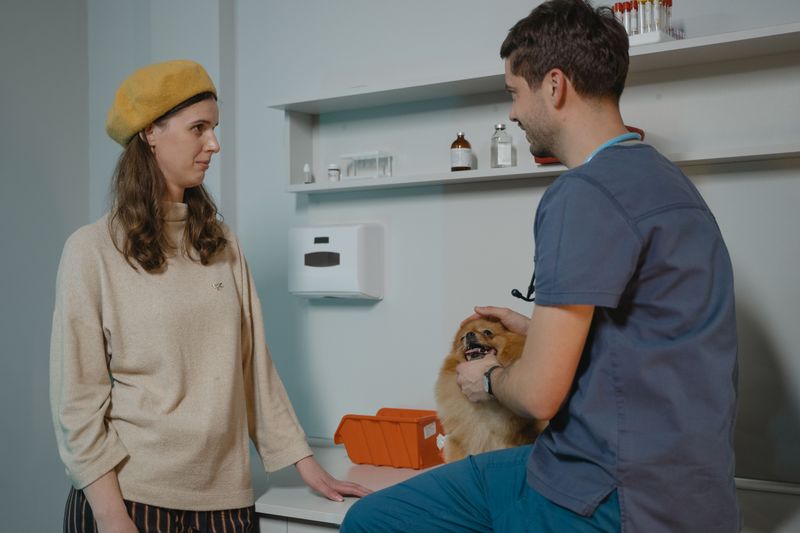
A new clinic needs more than your dog’s name and age. Arrange the first appointment before prescriptions or follow-up care become urgent.
Ask what records the team wants before that visit.
Request transfers early, especially when leaving a practice permanently. Include specialist reports and pending test information, not just routine care.
Confirm who will discuss unfinished treatment plans. Moving records does not automatically establish a prescribing relationship.
Your new veterinarian may need an examination before providing ongoing medicines.
16. Protect Digital Records While Traveling
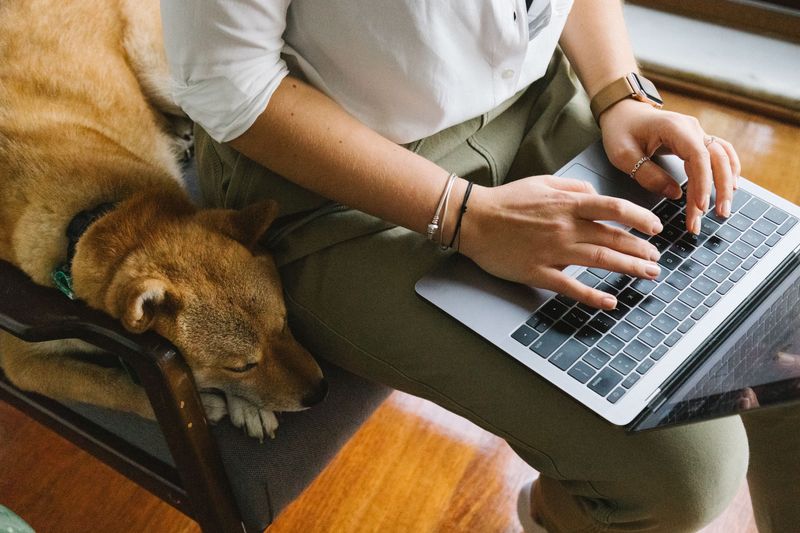
Pet files often include your address, phone number, and payment details. Protect the devices holding them with strong passwords and automatic screen locks.
Enable extra account verification when the service offers it.
Use secure connections when downloading or sharing documents. Double-check email recipients before sending attachments.
Share only what the clinic or caregiver actually needs. Keep a protected backup separate from your main device.
If a phone goes missing, remote locking features may help protect stored information.
17. Know Who to Contact When Records Conflict
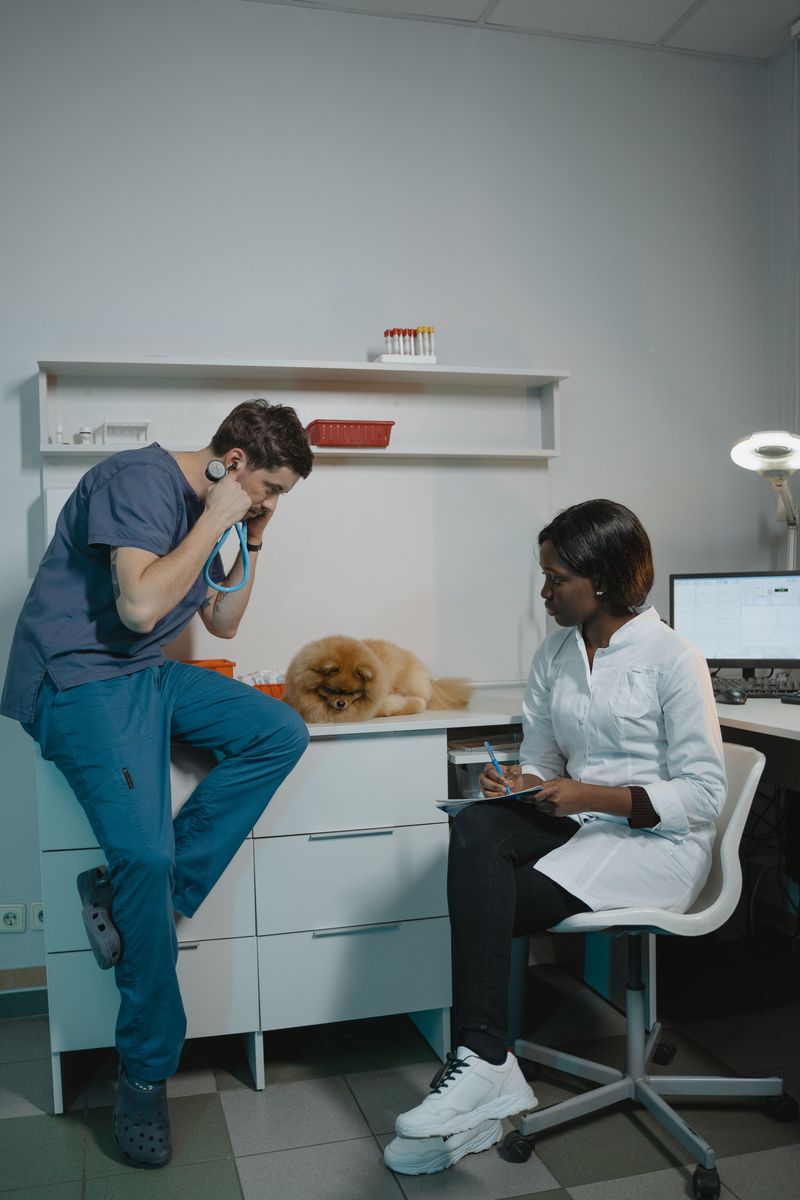
Different dates or instructions deserve a calm phone call, not guesswork. Contact the clinic that created the disputed entry first.
Ask staff to compare original notes, certificates, or prescription instructions.
For treatment differences, have the veterinarians discuss the plan directly. Request a corrected record or written clarification when appropriate.
Keep that update with both files so confusion does not return. Questions about legal entry requirements belong with the relevant animal health authority, rather than an unofficial travel forum.
18. Make Recordkeeping Part of Every Veterinary Visit
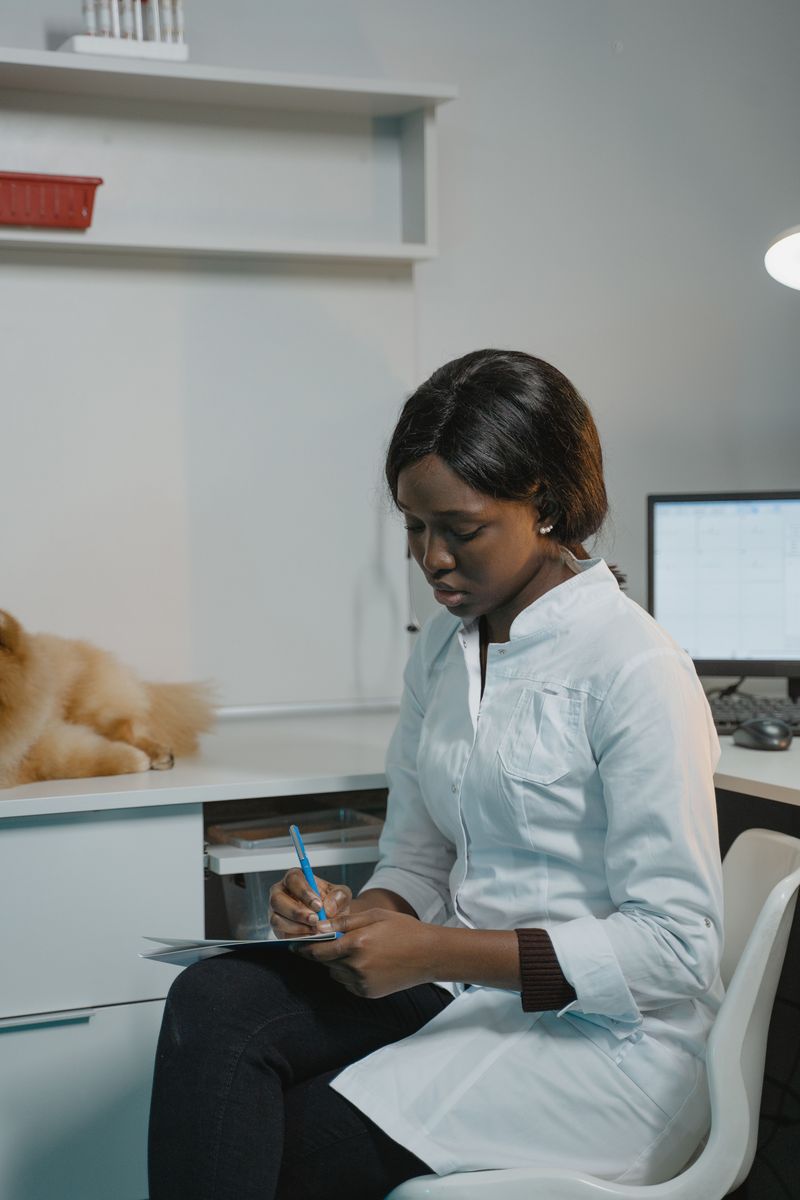
Before leaving an appointment, ask what should enter your shared file. Collect the visit summary, new instructions, test results, and upcoming care dates.
Note anything still pending and who will contact you.
Set aside a few minutes afterward to upload documents and notify the other clinic. Review your travel packet before each move between homes.
Small updates are easier than rebuilding months of history. Two states can share one clear care story, wherever your dog settles next.