What West Virginia Dog Owners Should Know During Deer Hunting Season
Fall walks with your dog are part of what makes West Virginia feel like home. Deer hunting season brings more people into the woods, so a little planning helps everyone share the outdoors safely.
Knowing where to walk, what to wear, and how to handle surprises can make outings more relaxed. Before you grab the leash, here are practical ways to keep your dog close and your plans flexible.
1. Check West Virginia’s Deer Hunting Dates Before Heading Outside
A familiar trail can feel different once deer season begins. West Virginia has separate seasons for archery, crossbow, firearms, and other hunting opportunities.
Dates and county rules can change each year.
Check the current West Virginia Division of Natural Resources hunting regulations before planning woodland trips. Look for special seasons and rules affecting your destination.
Save the official information on your phone, since mountain service can disappear when you need it most during an outing.
2. Choose Walking Routes Away From Active Hunting Areas
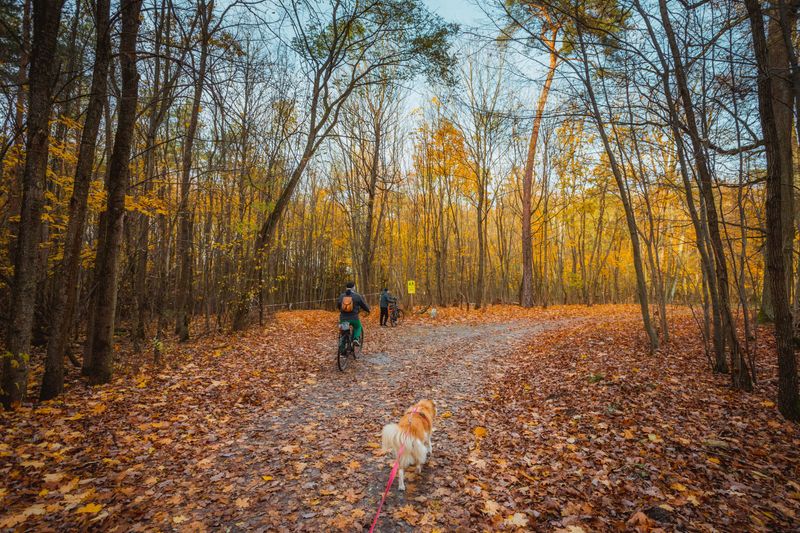
Your usual woodland loop does not have to be your only option. Neighborhood sidewalks, town greenways, and permitted recreation paths may offer easier choices during busy hunting periods.
Confirm whether hunting is allowed nearby, rather than guessing from a trail’s appearance. Private property also requires the owner’s permission.
Choose open routes with clear sightlines and simple exits. Having a backup walk ready makes changing plans feel ordinary, not like losing your outdoor time that day.
3. Keep Your Dog on a Short Leash
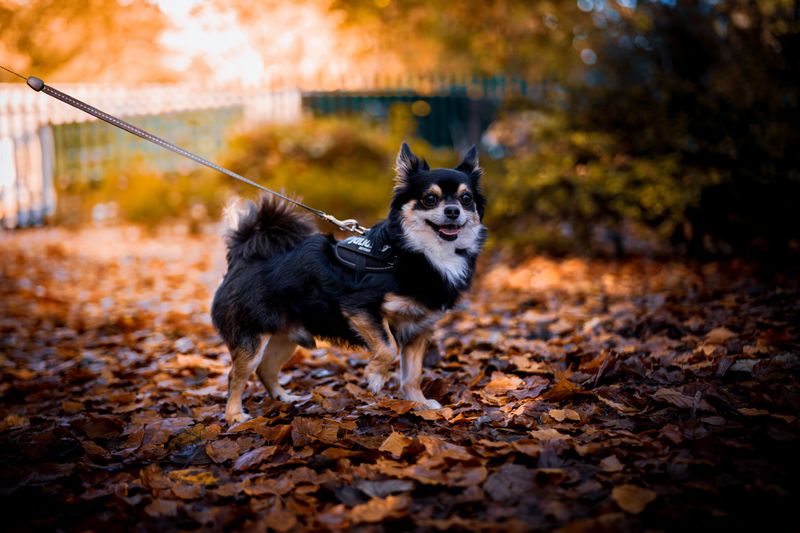
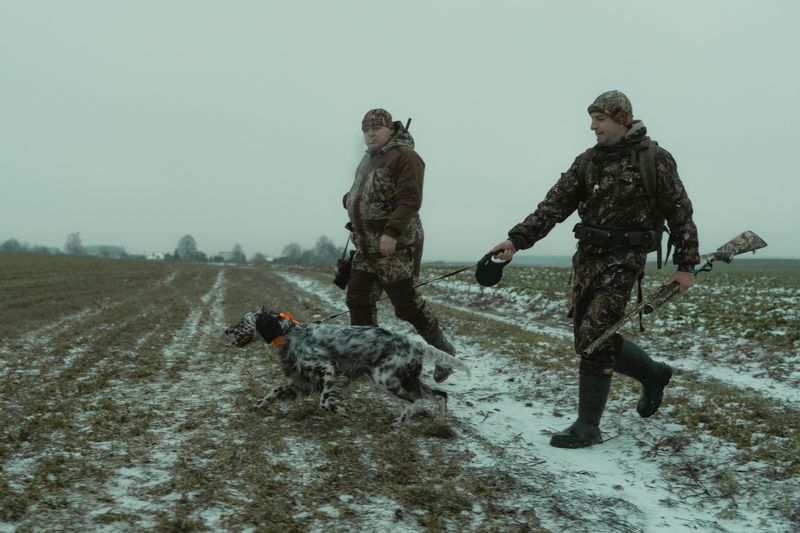
A squirrel can turn a calm stroll into a sudden tug. Use a sturdy leash that keeps your dog beside you without dragging or tangling.
A fixed length leash usually offers better control than a long retractable line near woods and roads. Check the clip, collar, and harness before leaving home.
Follow posted leash rules wherever you walk. Even reliable recall cannot prevent every chase when fresh deer scent catches your dog’s attention outside unexpectedly.
4. Dress Your Dog in Bright Orange
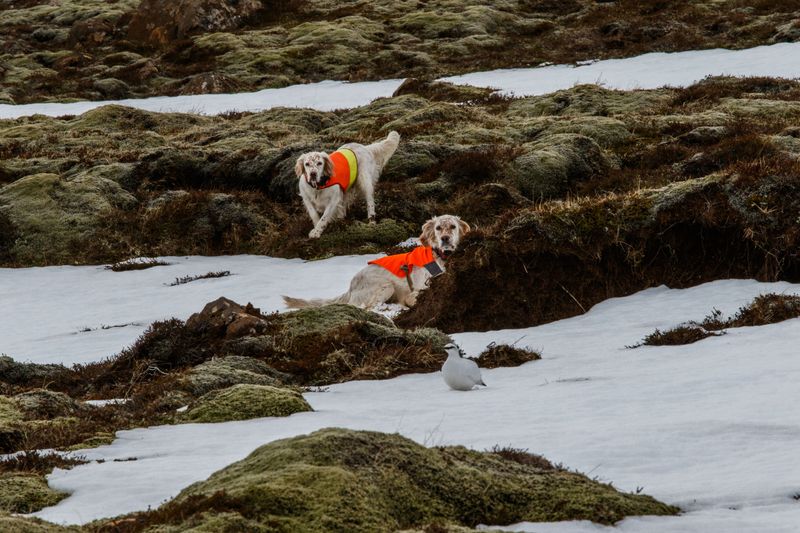
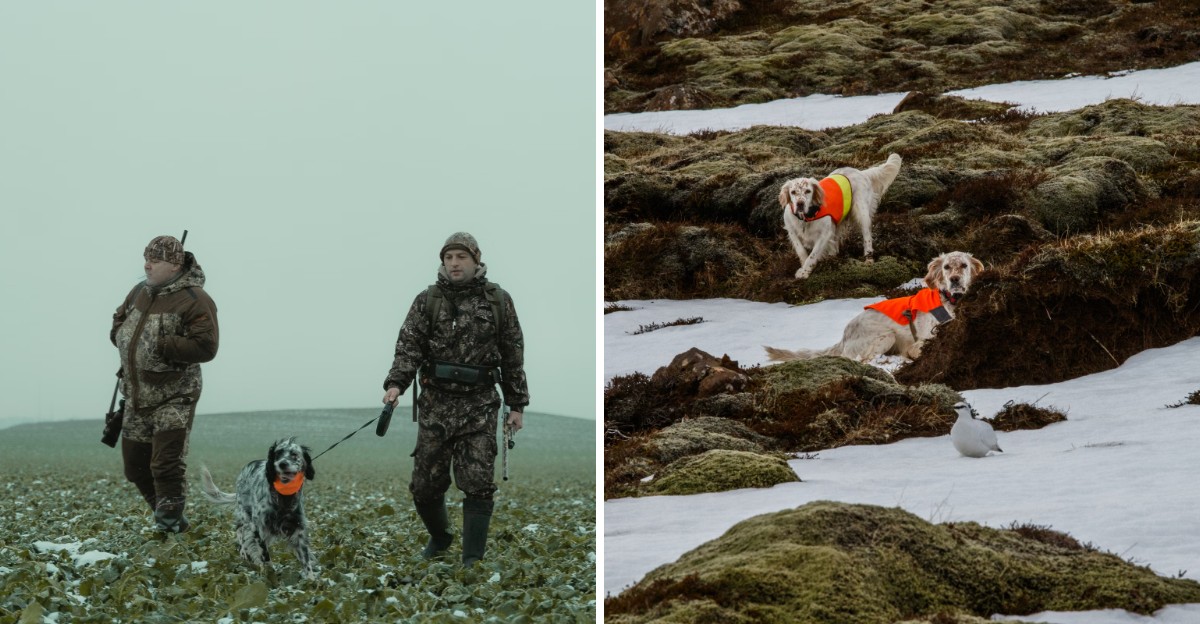
Brown fur blends surprisingly well with fallen leaves and tree trunks. A bright orange vest or jacket makes your dog easier for other people to notice.
Choose gear that fits securely without limiting movement, breathing, or bathroom breaks. Check visibility from both sides and behind.
Reflective strips help in low light, but they do not replace bright daytime color. Orange adds visibility, not protection from every risk, so keep using the leash throughout your walk.
5. Wear Hunter Orange Yourself
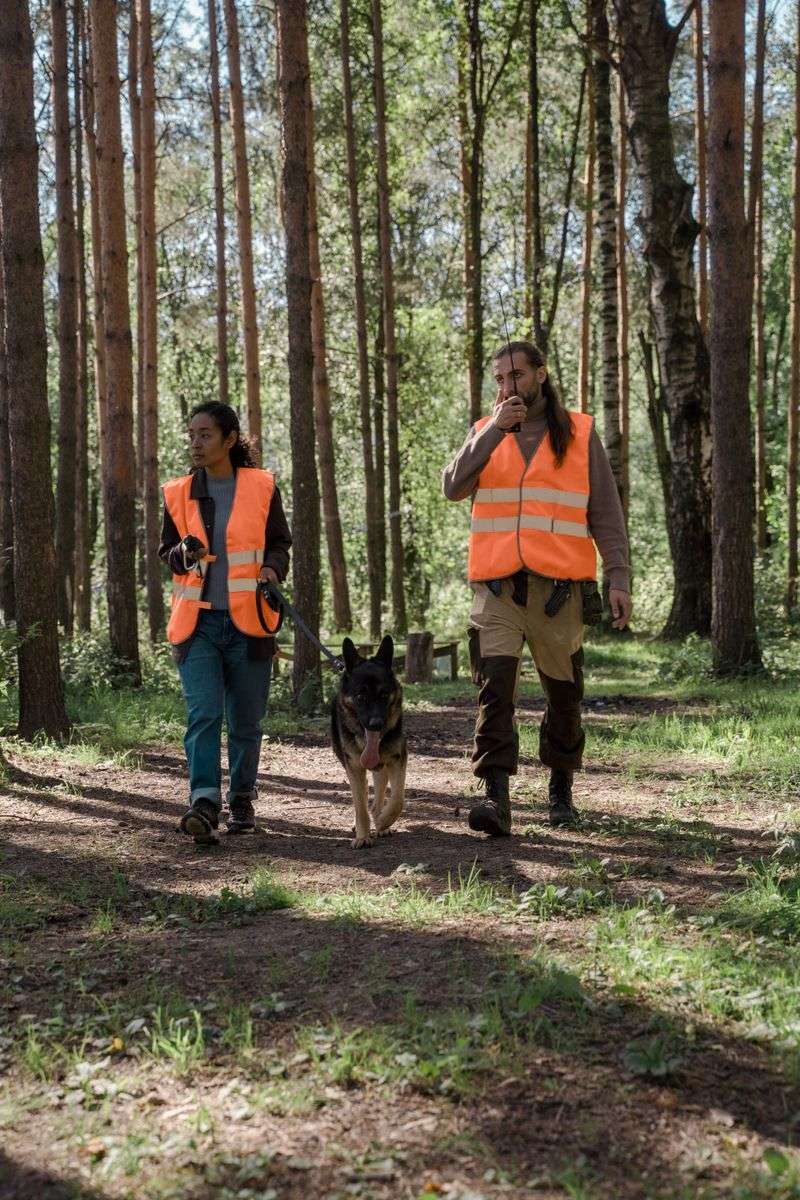
Visibility works best when both ends of the leash stand out. Wear a bright orange vest or hat instead of relying on muted outdoor clothing.
West Virginia requires hunter orange for certain hunting activities and seasons. Check current regulations for exact requirements and exceptions if you also hunt.
For walkers, orange remains a sensible extra precaution even where not required. Keep it visible above backpacks, rain jackets, and other layers during your entire outdoor visit.
6. Avoid Letting Dogs Chase Deer
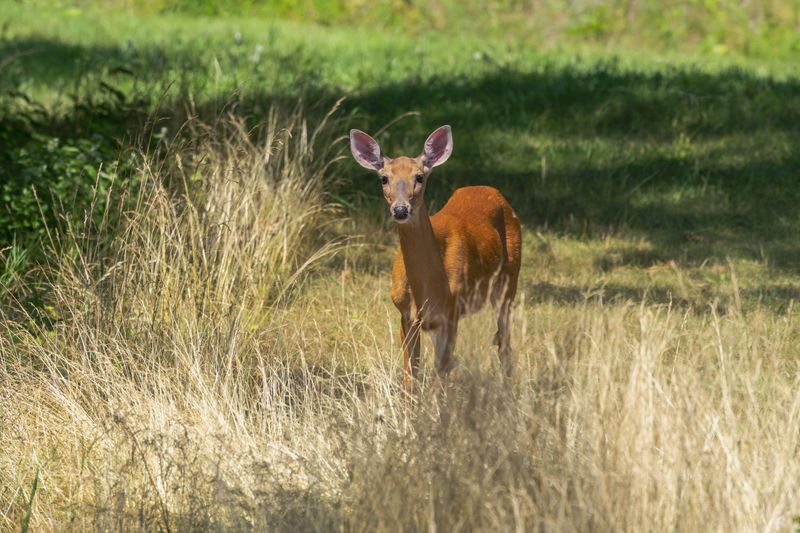
That bouncing white tail can awaken instincts in even a quiet dog. Deer chasing puts wildlife, dogs, and nearby drivers at risk.
West Virginia restricts dogs pursuing deer, so never treat chasing as harmless exercise. Ask a natural resources police officer about current rules if you need clarification.
Practice turning away and rewarding attention before woodland outings. When deer appear, shorten your distance from your dog and leave calmly without allowing a closer look first.
7. Understand West Virginia’s Public Hunting Lands
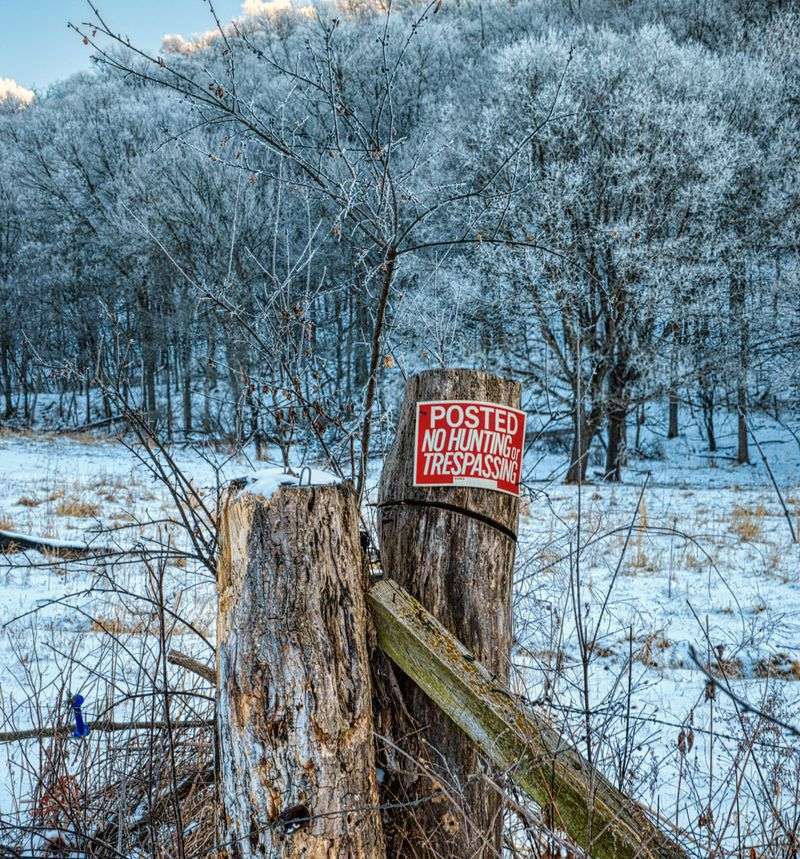
Public access does not always mean a place is reserved for hikers. Many West Virginia public lands support hunting alongside other outdoor activities.
Before visiting, identify who manages the property and read its current rules. National forest land, state forests, parks, and wildlife management areas can have different restrictions.
Check maps for boundaries and nearby private parcels. A welcoming trail entrance alone cannot tell you which activities are allowed beyond the next wooded ridge ahead.
8. Check Trail Conditions at State Parks and Forests
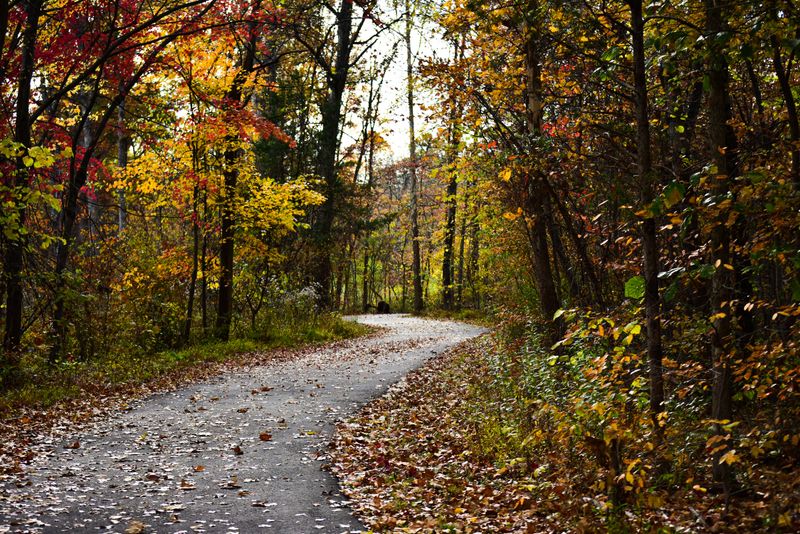
A park name alone does not tell the whole story. Hunting permissions, special hunts, closures, and pet rules can differ between individual properties.
Check the official park or forest webpage, then call staff when details remain unclear. Ask which trails are open and whether hunting affects nearby areas.
Wet leaves, early ice, and storm damage also deserve attention. Staff can help you choose a suitable route for your dog’s fitness and the day’s conditions before departure.
9. Be Careful Near Wildlife Management Areas
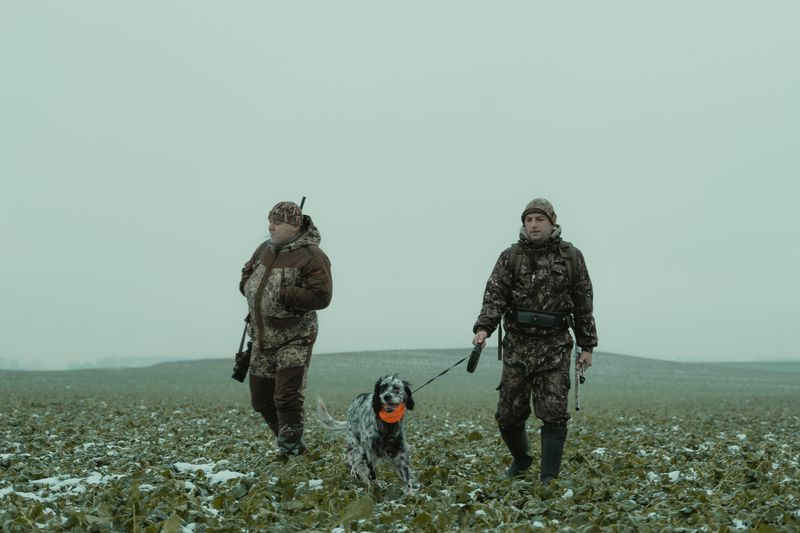
Wildlife management areas are working habitats, not simply quiet walking parks. Hunting is a common use, and some locations have special access or dog restrictions.
Read the specific area’s rules before entering with your pet. Check posted notices at parking areas and trail entrances, too.
If activity seems busy, choose another destination rather than searching deeper for solitude. Nearby roads and boundary trails may also bring you close to hunters using the property that same day.
10. Watch for Hunting Activity Near Rural Roads
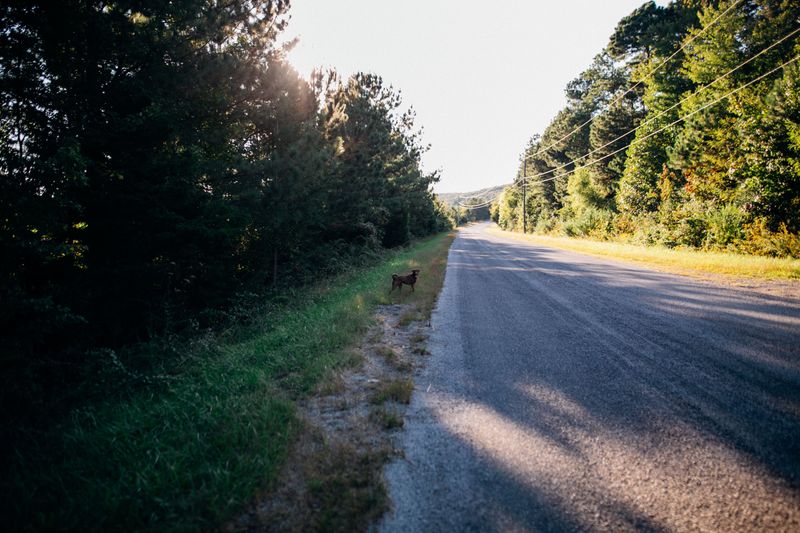
Parked trucks and people in orange can signal nearby hunting activity. Along narrow country roads, give everyone room and keep your dog away from traffic.
Do not assume a quiet shoulder offers a safe walking route. Curves, hills, and limited space can make drivers harder to see.
Avoid blocking gates or access roads when parking. If the roadside feels crowded, drive to a designated walking area instead of squeezing past vehicles with your dog beside you.
11. Do Not Approach Hunters or Hunting Dogs
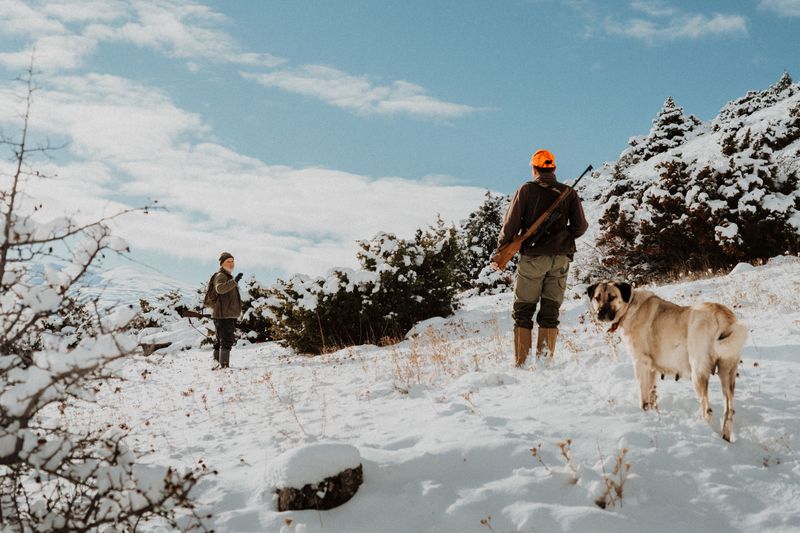
A friendly greeting is not always helpful in the woods. Give hunters space, and keep your pet from approaching unfamiliar dogs or equipment.
If you must pass, speak calmly from a clear, safe position. Ask where you can pass without interfering, then keep moving with your dog close.
Never handle another person’s equipment. If a loose hunting dog seems lost, record its location and contact its owner or local authorities rather than pursuing it yourself.
12. Watch for Deer Crossing Roads
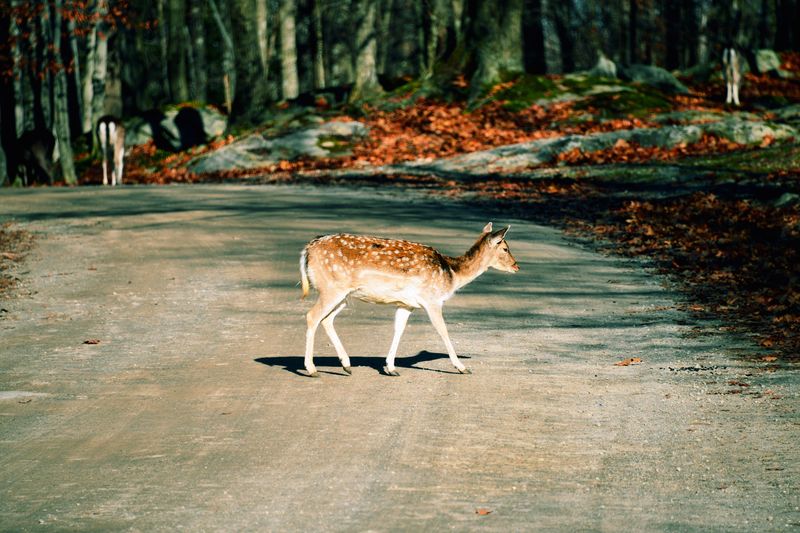
One deer beside the road may have companions just behind it. Stay alert while driving to walks, especially around wooded edges and during dawn or dusk.
Use an appropriate vehicle restraint or secured crate for your dog. Sudden braking is harder on an unsecured passenger.
Slow down when deer appear, and avoid swerving into another lane. At walking crossings, pause well back from traffic and wait until wildlife has moved away before continuing with care.
13. Check Your Dog for Ticks After Woodland Walks
Cool weather does not guarantee a tick free walk. Ticks can remain active during mild spells, including late fall and winter days.
After outings, check your dog’s ears, neck, armpits, groin, and spaces between toes. Ask your veterinarian which preventive suits your dog and local conditions.
Remove attached ticks promptly with an appropriate tool, following veterinary guidance. Contact your vet about unusual tiredness, appetite changes, or other concerns following a bite, even days afterward at home.
14. Keep Your Dog Away From Gut Piles and Animal Remains
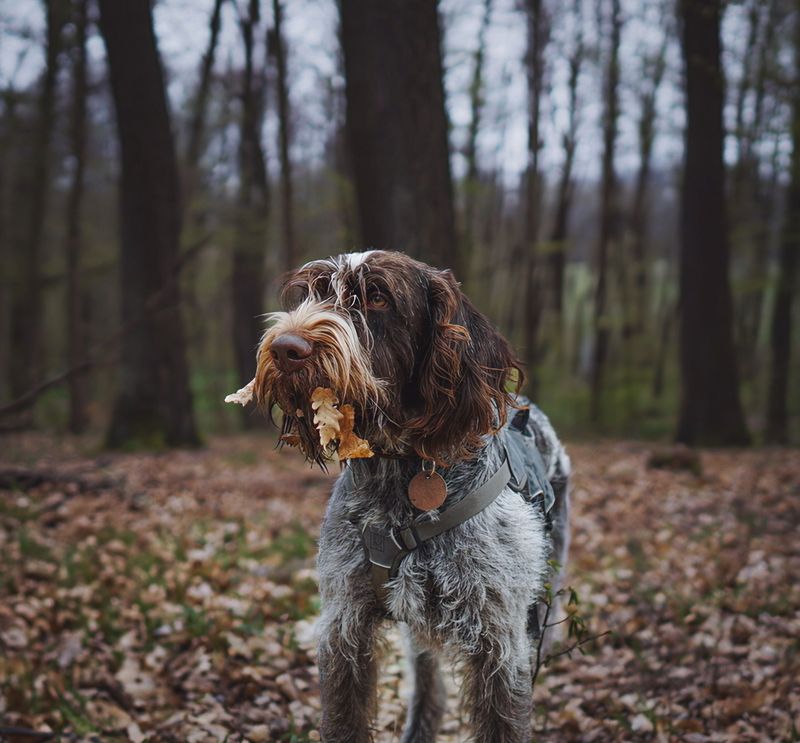
A dog’s nose may find things you would rather avoid. Field dressing leftovers and animal remains can attract curious pets along woodland routes.
Keep your dog from sniffing closely, rolling, chewing, or eating anything found there. Raw tissues and bones can cause illness, choking, or digestive injury.
Use your leave it cue and move away. If your dog swallows something, call your veterinarian for advice and avoid inducing vomiting unless specifically directed by a veterinary professional.
15. Know What to Do If You Hear Gunshots
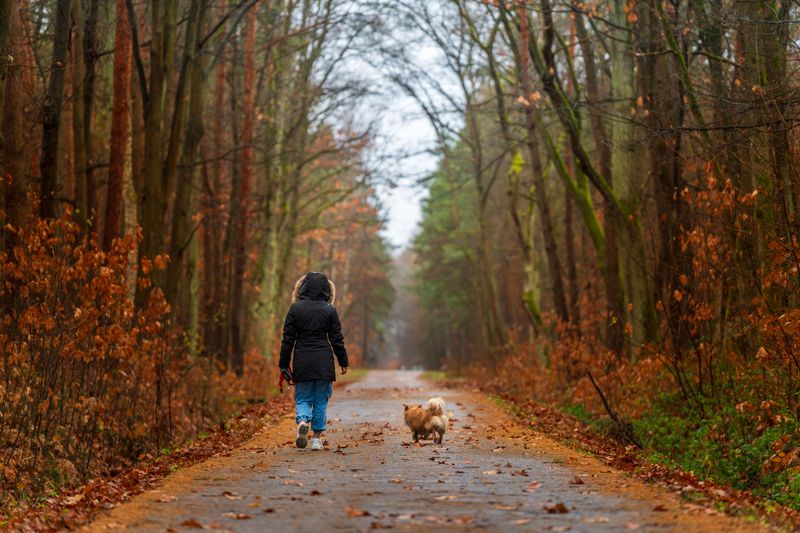
A sudden loud sound can startle even an experienced trail dog. Stay calm, secure your grip, and keep your dog beside you.
Do not run, investigate, or head toward the sound. Distance and direction can be difficult to judge among hills.
Return by a known route when safe, and speak clearly if nearby people need to know your location. For dogs frightened by loud noises, choose quieter settings and discuss support with your veterinarian before outings.
16. Make Sure Your Dog’s Identification Is Current
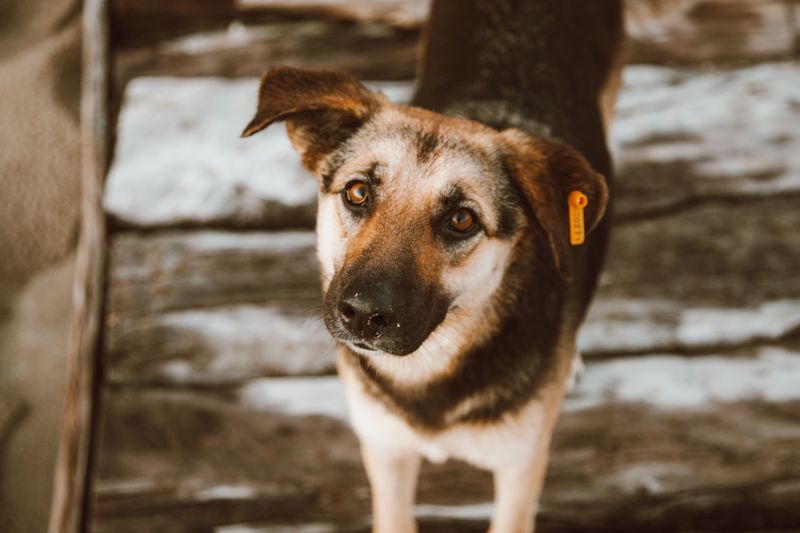
A readable tag can turn a stressful separation into a quicker reunion. Check that your dog’s collar carries a current phone number.
Ask your veterinarian to scan the microchip, and update the registry whenever contact details change. A microchip is identification, not live tracking.
Carry a recent photo showing your dog’s markings and walking gear. If separation happens, contact local shelters, animal control, and nearby land managers promptly with accurate location details and callback information ready.
17. Carry a First-Aid Kit on Longer Walks
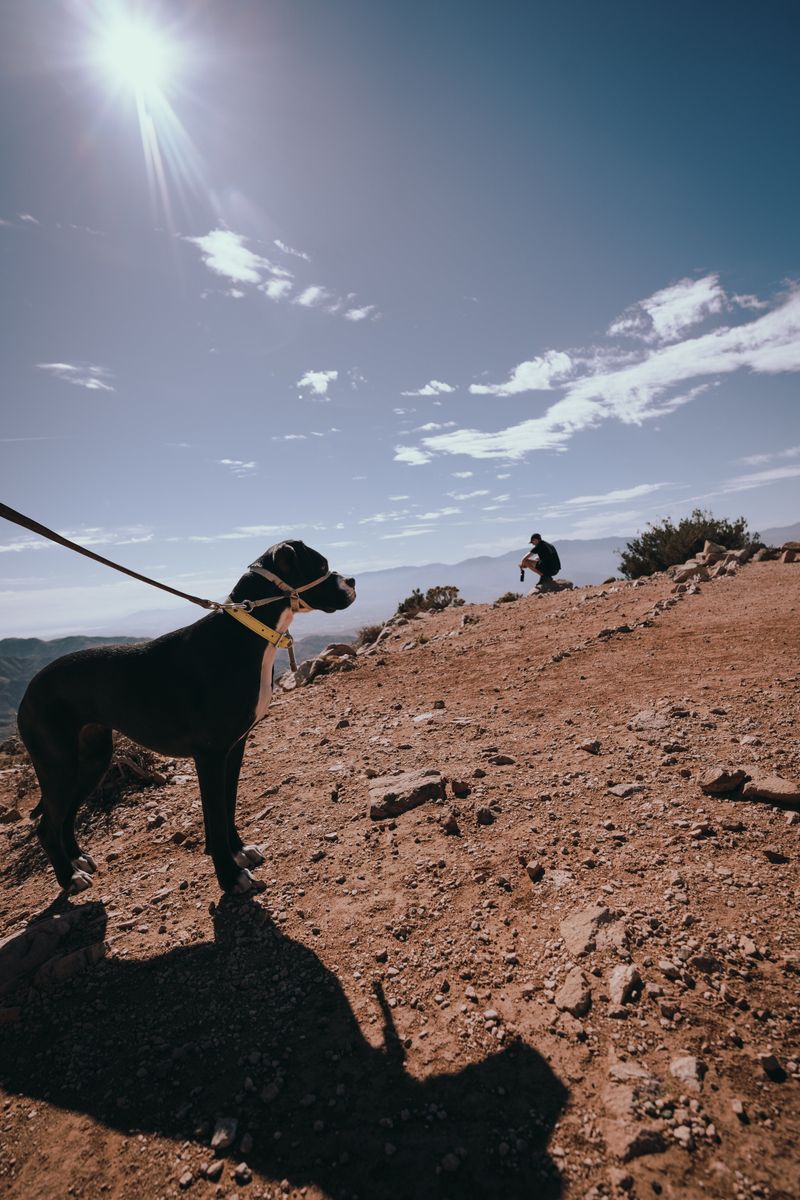
A small kit earns its place beside your water bottle. Pack gauze, nonstick pads, saline, a spare leash, and your veterinarian’s contact information.
Add clean water and a towel for basic cleanup or warmth. Learn simple pet first aid before a problem happens.
Never give human pain medicine unless your veterinarian directs it. Know the closest emergency clinic and save directions offline, because rural drives and weak phone service can delay getting help when needed outdoors.
18. Plan Outdoor Time Around Hunting Activity
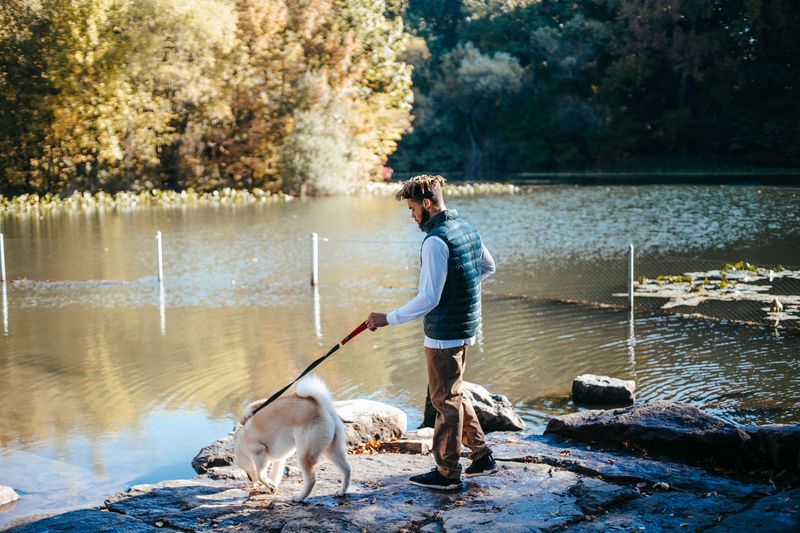
Good planning leaves plenty of room for enjoyable autumn walks. Hunting often increases around dawn, dusk, weekends, and popular season openings, though activity can happen throughout daylight.
Do not treat midday as a guaranteed quiet window. Match your schedule with verified local conditions, and use neighborhood walks or indoor games when needed.
A checked calendar, visible gear, and a close leash make a dependable routine. Keep plans flexible, and enjoy West Virginia together with greater confidence.