12 Ways California Coastal Noise And Inland Heat Create Very Different Rescue-Dog Transitions
Bringing home a rescue dog feels different beside a busy California beach than it does in a hot inland neighborhood. Your dog may need help with unfamiliar sounds, warmer sidewalks, or a daily routine that suddenly feels strange.
Small changes can make those first weeks more comfortable without rushing your new friend. Understanding your surroundings helps you build trust, spot problems early, and give your dog room to settle.
1. Coastal Noise Can Make the First Days Overwhelming

A seaside address can come with a surprisingly busy soundtrack. Traffic, delivery trucks, gulls, and weekend visitors may keep an unfamiliar dog on alert.
Start with one quiet room rather than offering the whole house immediately.
Close windows during noisy periods, and let your dog choose whether to approach you. Reward calm curiosity with small treats.
If sounds cause trembling or repeated hiding, reduce exposure and ask your veterinarian for guidance before distress becomes a habit.
2. Inland Heat Changes the Daily Routine
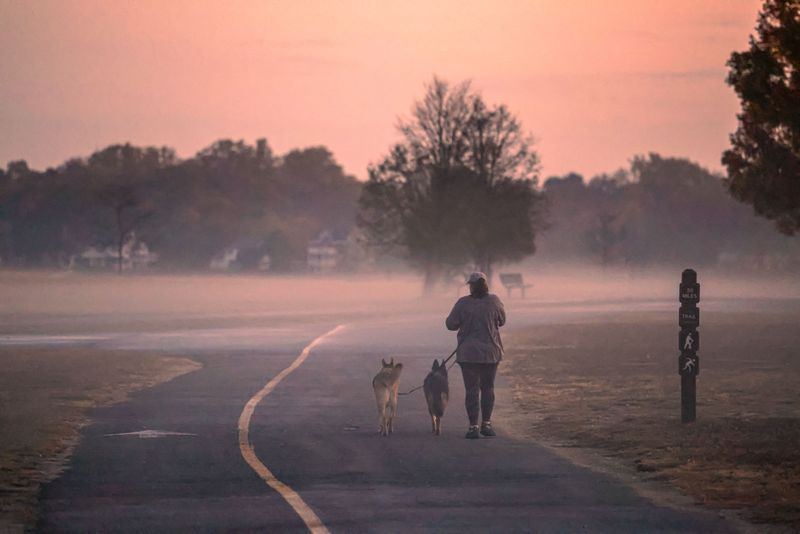
Your old walking schedule may need a fresh start inland. Warm afternoons can make outdoor activity uncomfortable, especially for dogs arriving from cooler shelters or coastal homes.
Plan outings around actual conditions, not just the clock.
Choose cooler morning hours, offer fresh water, and keep midday bathroom trips brief. Reliable indoor cooling matters more than shade alone during extreme heat.
Ask your veterinarian about extra precautions for puppies, older dogs, and dogs with short, flat faces.
3. Shelter Stress Can Look Different in a New Environment
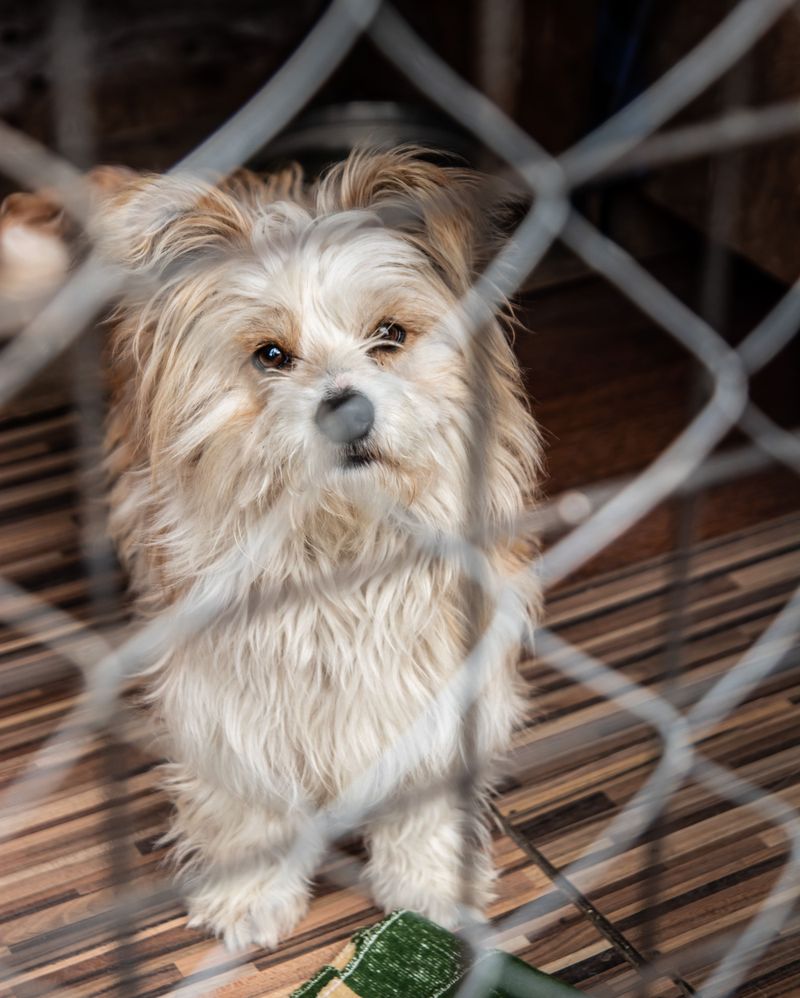
A quiet shelter dog might become restless after coming home. Another may sleep heavily or avoid contact while learning what feels safe.
Neither reaction tells you everything about the dog’s personality or future behavior.
Track meals, sleep, bathroom habits, and reactions to weather or sound. Coastal noise and inland warmth can add different pressures.
Share sudden changes with your veterinarian, since illness and discomfort can resemble stress. Let progress guide expectations rather than adoption timelines alone.
4. Beach Sounds May Frighten Sensitive Dogs
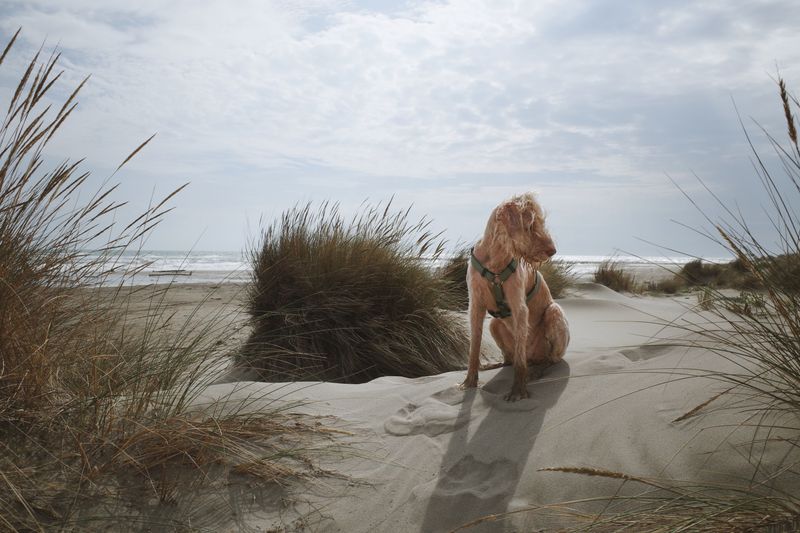
Breaking waves are not relaxing for every new arrival. Surf, rolling skateboards, and sudden gull calls can feel unpredictable to sensitive dogs.
Begin far enough away that your dog can notice sounds without freezing or trying to escape.
Pair brief exposure with treats, then leave while your dog remains comfortable. Never pull a frightened dog toward the water.
Check local beach access and leash rules before visiting. A quiet inland park may suit early outings better.
5. Hot Pavement Can Limit Inland Walks

Sidewalks can hold more heat than the air suggests. Asphalt, concrete, and artificial turf may become uncomfortable under strong inland sun.
A hand check can flag obvious heat, but it cannot guarantee safety for your dog’s paws.
Favor shaded natural ground and shorten trips when surfaces feel warm. Properly fitted boots need gradual practice and do not prevent overheating.
If your dog limps, lifts paws, or avoids walking, stop and check for discomfort before continuing outside.
6. Decompression Time Helps Dogs Adjust

Permission to do less can be a wonderful welcome. New dogs already face unfamiliar smells, people, and household sounds.
Adding crowded beach trips or long inland hikes can leave little energy for learning basic routines.
Keep meals and bathroom breaks predictable, limit visitors, and offer easy choices about contact. There is no fixed schedule that fits every dog.
Increase activity when your companion eats, rests, and explores comfortably. Quiet progress still counts as meaningful progress together.
7. Inland Nights May Bring More Comfortable Walks
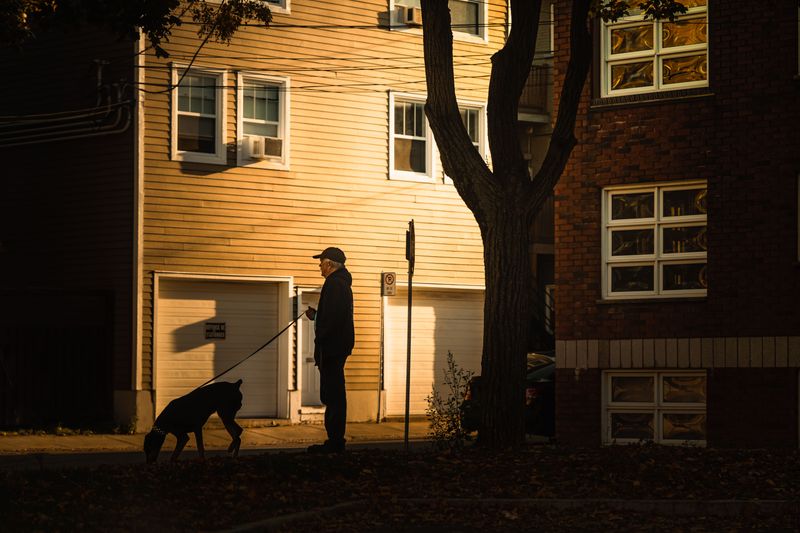
After sunset, some inland neighborhoods finally become comfortable for exploring. Others stay warm because buildings and pavement release stored heat.
Check outdoor conditions and walking surfaces before assuming darkness means a safe temperature.
Use a reflective leash or light, carry water, and choose familiar routes. Watch for wildlife without letting your dog approach.
Keep identification current in case an unexpected sound causes a startle. Short sniffing walks can provide enrichment without demanding much physical effort tonight.
8. Coastal Homes May Have Different Outdoor Challenges

Ocean breezes do not make every yard automatically comfortable. Wind can rattle gates, blow unfamiliar objects around, or carry sounds from nearby paths.
Sand and saltwater can also irritate some dogs after beach visits.
Inspect fences and latches before allowing outdoor time, and supervise your new arrival. Provide fresh drinking water instead of allowing seawater drinking.
Rinse sandy paws when needed, then dry them gently. Coastal areas also experience hot spells, so keep checking conditions daily.
9. Heat Can Make Anxiety Harder to Recognize

Panting can tell more than one story at once. A recently adopted dog might feel worried, hot, uncomfortable, or several things together.
Pacing and trouble settling also need context rather than quick labels.
Move your dog into a cool, quiet space and offer water. Notice whether breathing and behavior return to normal with rest.
Persistent panting, unusual weakness, or breathing difficulty needs veterinary advice promptly. Avoid assuming every restless moment simply reflects the adoption adjustment period.
10. Exercise Needs May Change After Adoption

A longer walk is not always the best answer. Dogs settling into coastal noise or inland heat may benefit more from sniffing, simple training, and food puzzles.
Mental activity can help without adding another demanding outing.
Build physical exercise gradually based on health, age, and recovery afterward. Let your veterinarian guide plans for dogs with medical concerns.
Indoors, try scattering part of a meal for sniffing. Stop games before excitement makes resting difficult for your dog.
11. Quiet Indoor Spaces Support Better Rest
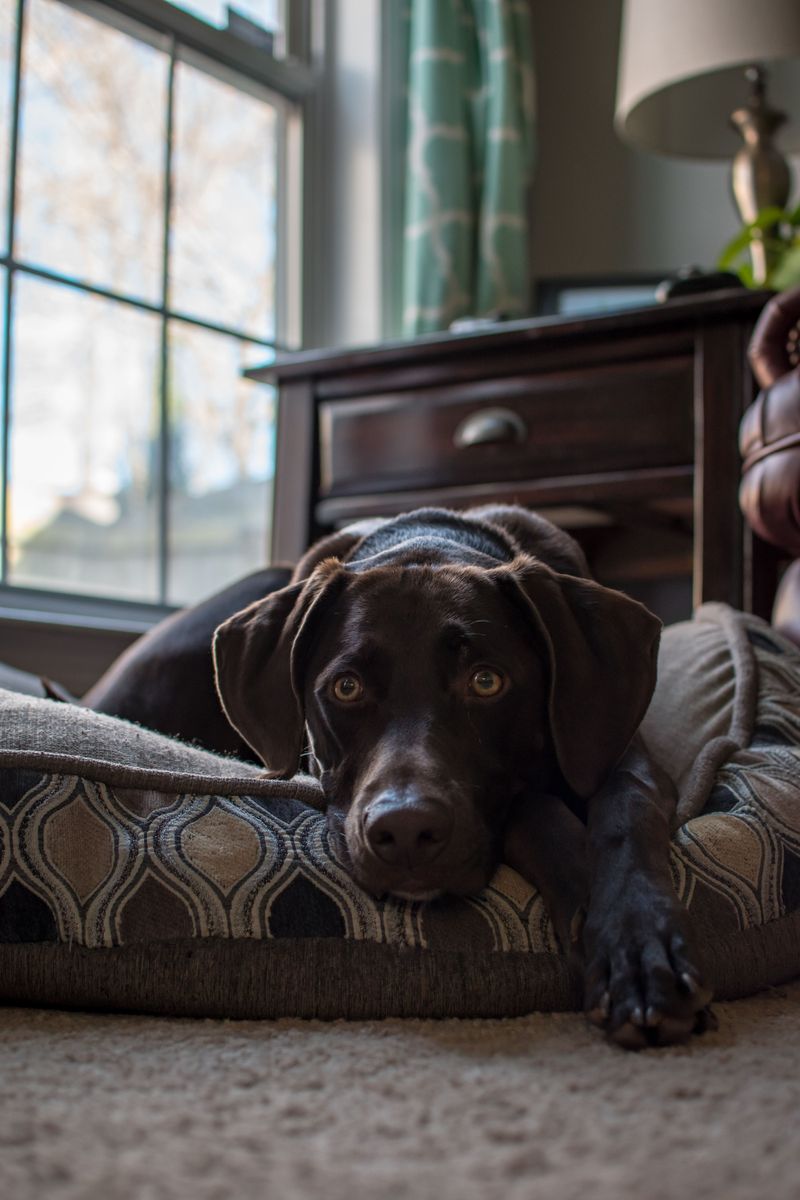
Good rest starts with a place nobody keeps interrupting. Choose a sleeping area away from busy doors, sunny windows, and household traffic.
Coastal dogs may benefit from closed curtains, while inland dogs need reliably comfortable indoor temperatures.
Provide a washable bed, accessible water, and space to move away. Soft background sound may help some dogs, but keep it low.
Teach children to leave resting dogs alone. Never require crate confinement if it causes panic or persistent distress.
12. Watch for Signs of Heat Stress
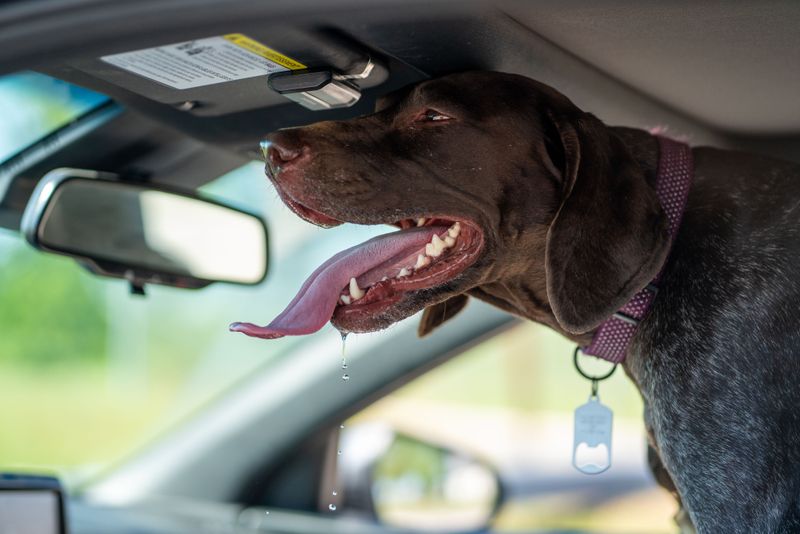
Heavy panting, drooling, weakness, or confusion call for immediate attention. Heat illness can develop during walks, yard time, or stays in warm rooms.
Never leave your dog alone inside a parked vehicle.
If overheating seems possible, stop activity and move somewhere cooler. Begin cooling with cool water and airflow while contacting a veterinarian immediately.
Avoid ice baths, and never force drinking. Seek care even after apparent improvement.
Calm routines and attention help your rescue settle safely.