Who Typically Pays the Vet Bill When Another Dog Hurts Yours in North Carolina
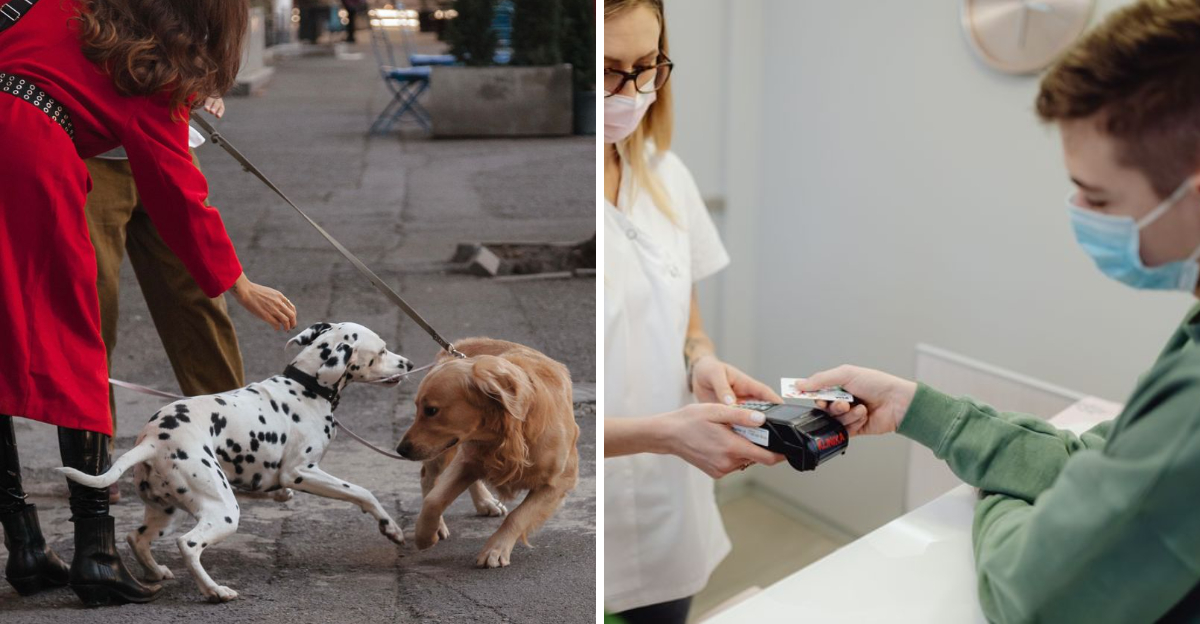
Your dog just got hurt by another dog, and your mind is racing. Between rushing to the vet and worrying about your pup, the last thing you want to think about is money.
But understanding who pays the vet bill matters, and in North Carolina, the answer depends on several practical and legal factors.
This guide walks you through exactly what you need to know, step by step, so you feel prepared and confident no matter what happens next.
1. You Usually Pay the Veterinary Clinic Upfront
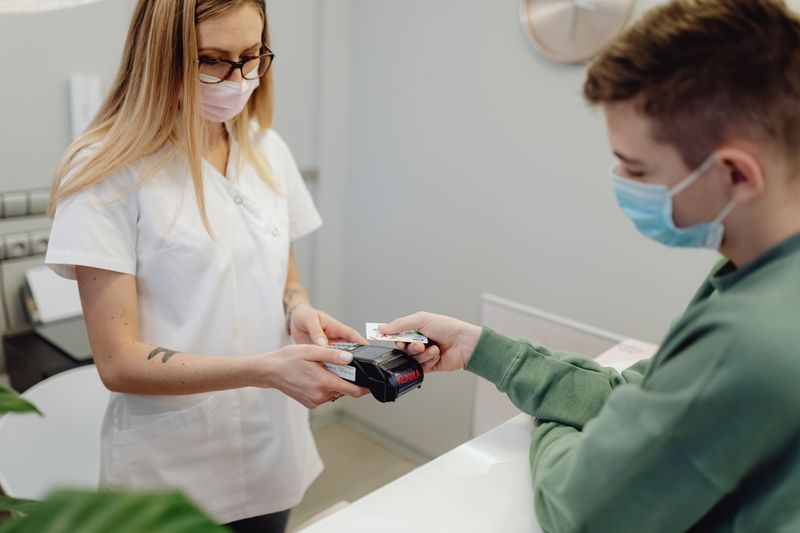
Walking into a vet clinic after an attack, your first financial reality is simple: payment is typically expected before or at the time of service.
Most veterinary practices collect payment directly from the pet owner at checkout. Some clinics offer payment plans for larger bills, and a few emergency groups have financial assistance funds for owners in need.
Keeping your receipts is critical. Every invoice documents the cost you may later recover from the responsible party.
2. The Attacking Dog’s Owner Can Reimburse You
Once legal responsibility is established, the owner of the dog that caused the injury is typically the one who reimburses your costs.
North Carolina law allows you to recover documented damages when the other owner is found liable. That can include your vet bills, follow-up care, and related expenses.
Getting everything in writing early makes the reimbursement process smoother. A clear paper trail of costs strengthens your position significantly.
3. Strict Liability Applies to Legally Designated Dangerous Dogs
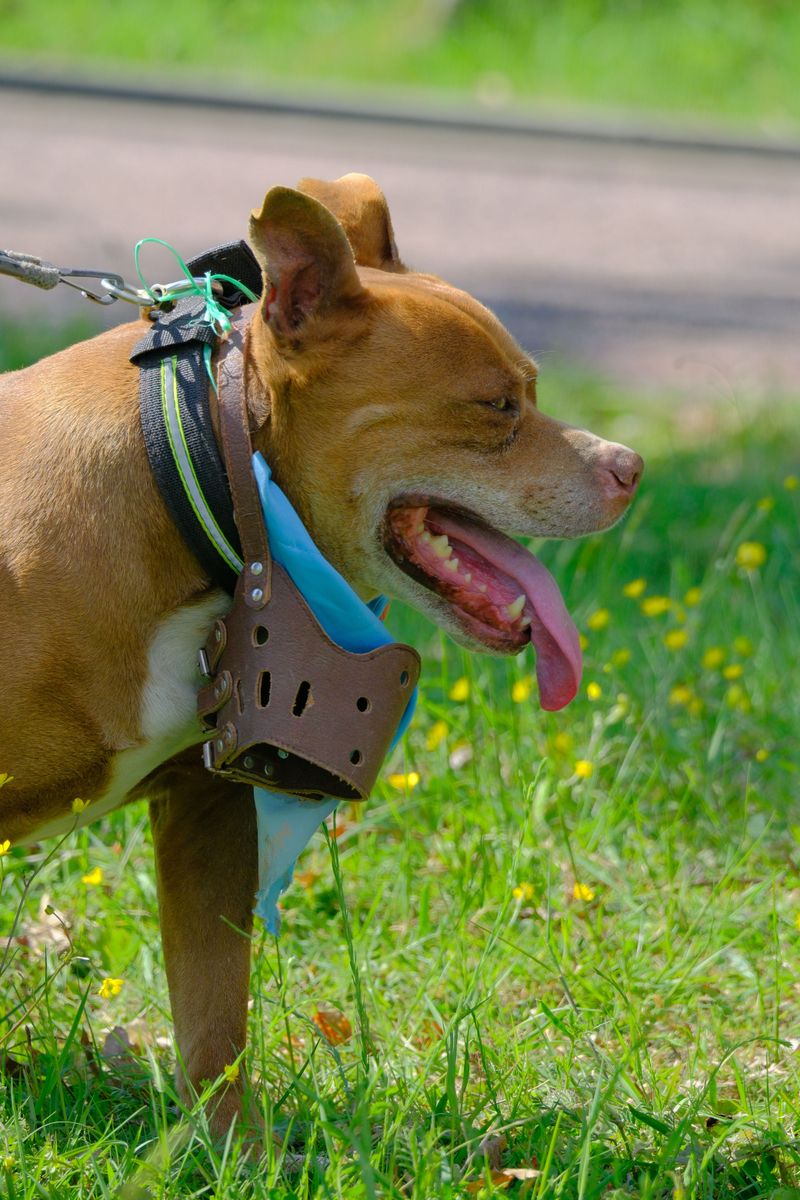
North Carolina General Statute 67-4.4 holds owners of legally designated dangerous dogs strictly liable for injuries their dog causes to people, property, or other animals.
Strict liability means you do not need to prove the owner was careless. The classification alone creates responsibility.
A dog may be labeled dangerous after a prior severe attack or due to dog-fighting involvement. If the attacking dog carries that label, your path to reimbursement is more straightforward legally.
4. Prior Aggressive Behavior Can Establish the Owner’s Liability
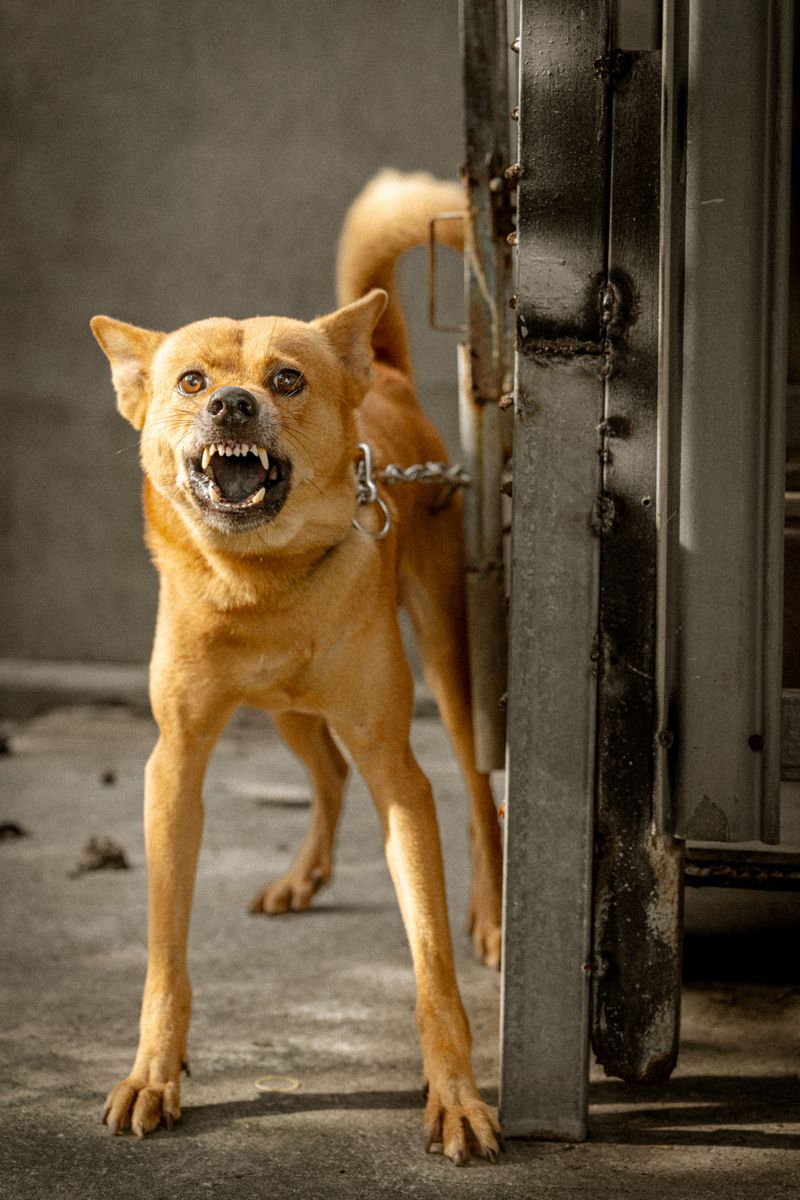
North Carolina generally follows a modified version of the one-bite rule. An owner can be held liable if they knew, or reasonably should have known, their dog had aggressive tendencies before the attack happened.
Evidence like a history of growling, lunging, or prior biting incidents supports this.
Neighbors, prior incident reports, or animal control records can all help show that the owner had fair warning about their dog’s behavior.
5. Failure to Control or Leash a Dog Can Mean Liability
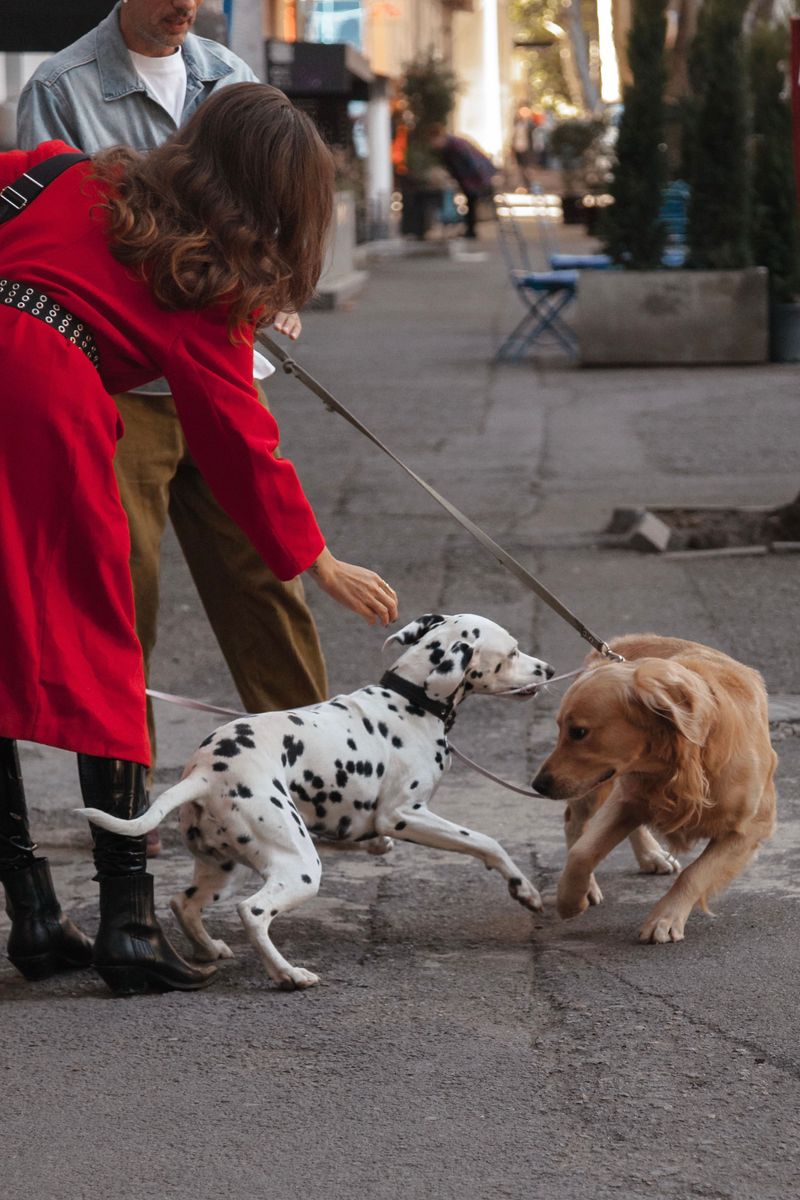
Owners have a legal duty to exercise reasonable care when controlling their dogs. Letting a dog roam off-leash, failing to secure a fence, or ignoring known aggression can all qualify as negligence under North Carolina law.
Negligence does not require a prior bite history. If the owner simply failed to take reasonable precautions and your dog was hurt as a result, that failure can form the basis of a valid liability claim.
6. Local Leash Law Violations Strengthen Your Claim
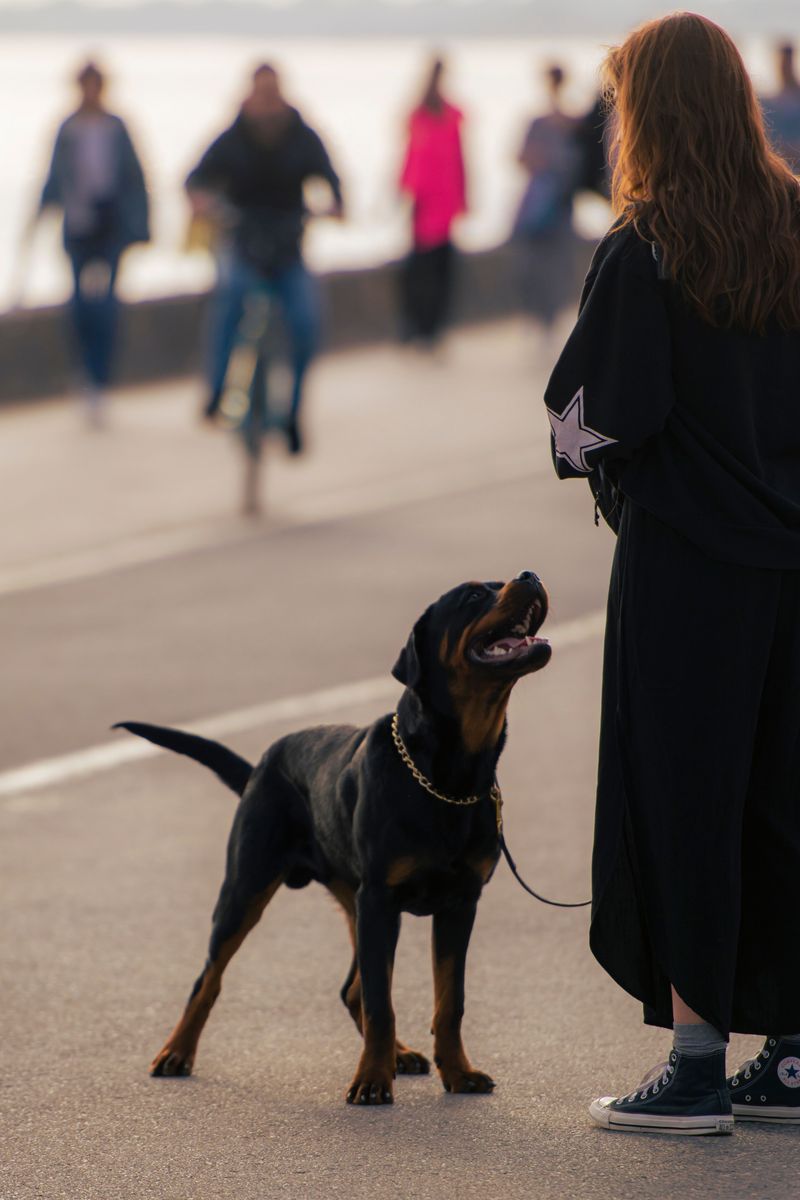
When a dog owner breaks a local leash or animal-control ordinance, that violation can support a legal concept called negligence per se. Basically, breaking the law becomes automatic evidence of negligence, which simplifies your claim.
Leash laws vary by city and county across North Carolina, so confirming the specific rules in your area matters. Contact your local animal control office to find out exactly which ordinances apply to your neighborhood.
7. The Attacker’s Homeowners or Renters Insurance May Cover It
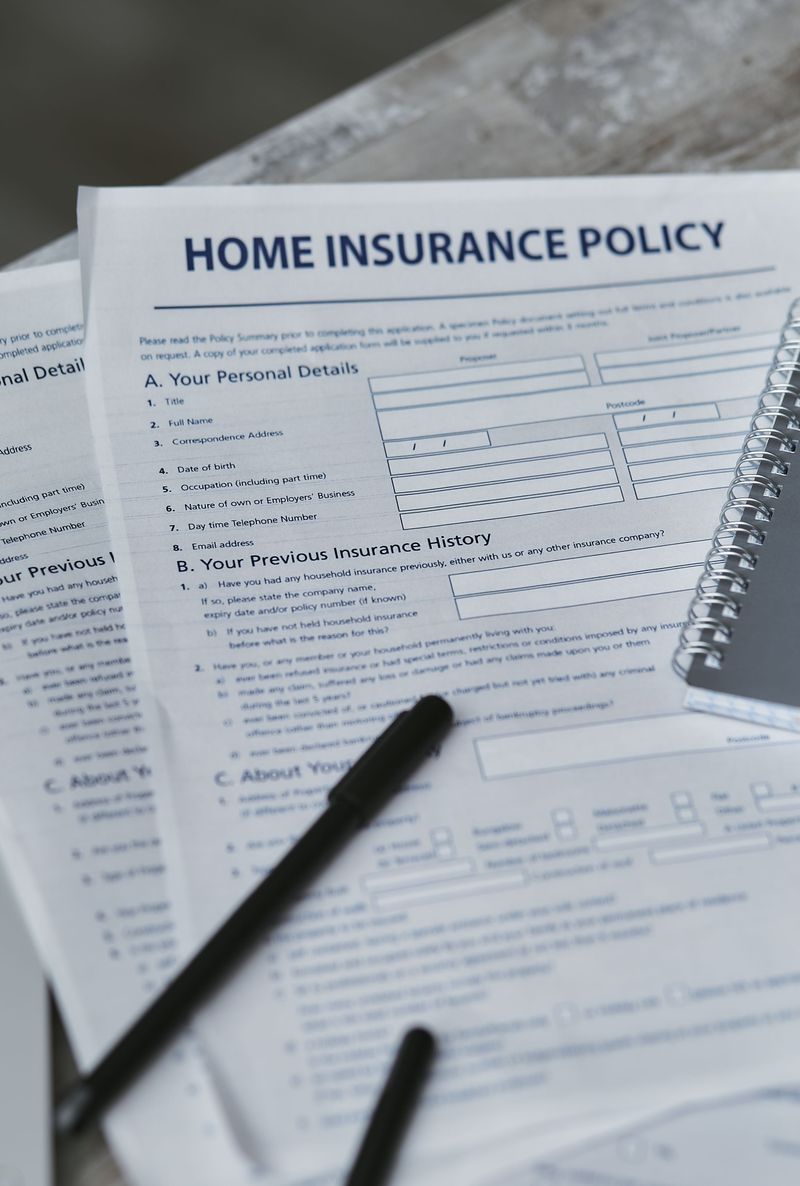
Many homeowners and renters insurance policies include personal liability coverage that extends to dog-related incidents. If the attacking dog’s owner carries such a policy, their insurer may pay your vet bills up to the policy limit.
A few policies exclude certain breeds or dog bites entirely, so coverage is not guaranteed. Asking the other owner for their insurance information right after the incident is a reasonable and practical first step.
8. Your Own Pet Insurance May Help Cover Treatment Costs
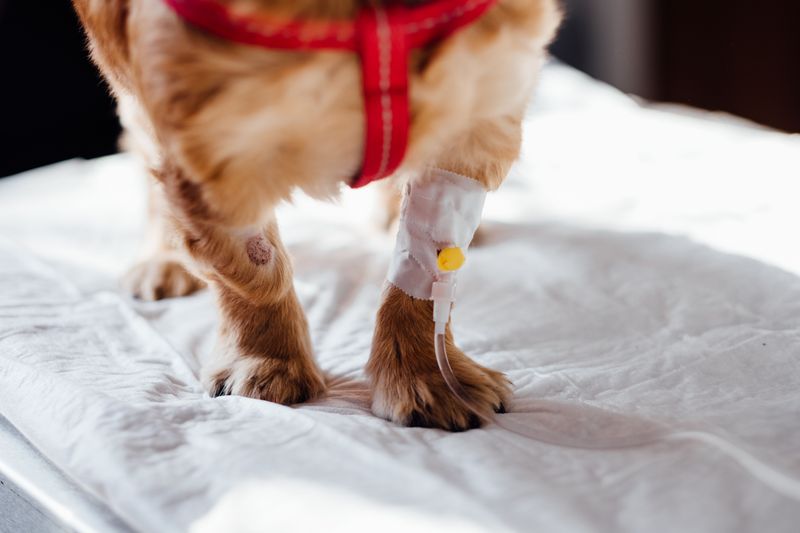
If you carry pet insurance, your policy may cover accident-related injuries, including those caused by another dog.
Coverage typically applies after your deductible and within any payout limits your plan sets. Some insurers reimburse you after you file a claim, while others pay the vet directly at checkout.
Either way, using your own coverage first can ease the immediate financial pressure while you pursue reimbursement from the responsible owner.
9. Direct Negotiation and Written Settlements Are an Option

Not every dog attack situation ends up in court. Many owners resolve the matter directly, with one party agreeing to pay the vet bills and both signing a written settlement to confirm the arrangement.
A written agreement protects both sides and prevents future disputes. If you go this route, make sure the document clearly states the amount, the payment timeline, and a release of further claims related to the incident.
10. Provocation or Unlawful Roaming Can Complicate Your Claim
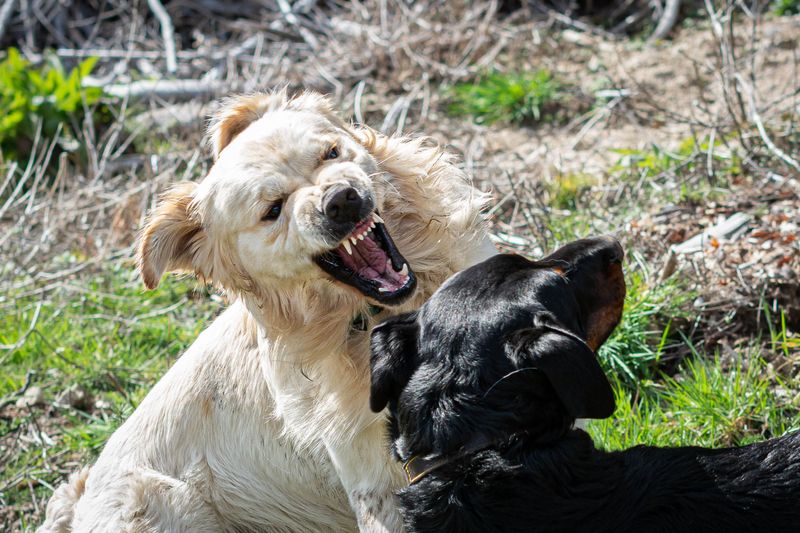
Liability is not always clear-cut. If the other owner can show your dog provoked the attack or was trespassing on private property at the time, their liability may be reduced or eliminated entirely.
Provocation does not have to be dramatic. Even minor behaviors like excessive barking, lunging, or entering another dog’s space could be raised as a defense.
Gathering witness accounts right after the incident can help protect your version of events.
11. North Carolina’s Contributory Negligence Rule Is Strict
North Carolina uses a contributory negligence standard, which is one of the strictest in the country. Under this rule, if you are found even slightly responsible for the incident, you may be barred from recovering any compensation at all.
For example, letting your dog off-leash in a restricted area before the attack could count against you. Consulting a local attorney before making any statements or agreements is a smart move in contested situations.
12. Animal Control Investigates but Does Not Pay Your Bill
Reporting an attack to local animal control is worth doing. Officers can investigate the incident, classify a dog as dangerous, and issue penalties to the owner.
A 10-day quarantine may also be ordered for observation purposes.
Animal control does not, however, pay your vet bills. Their role is regulatory, not financial.
That said, their official records and findings can serve as useful documentation if you pursue a legal or insurance claim later.
13. A Landlord, Sitter, or Kennel Could Also Share Responsibility
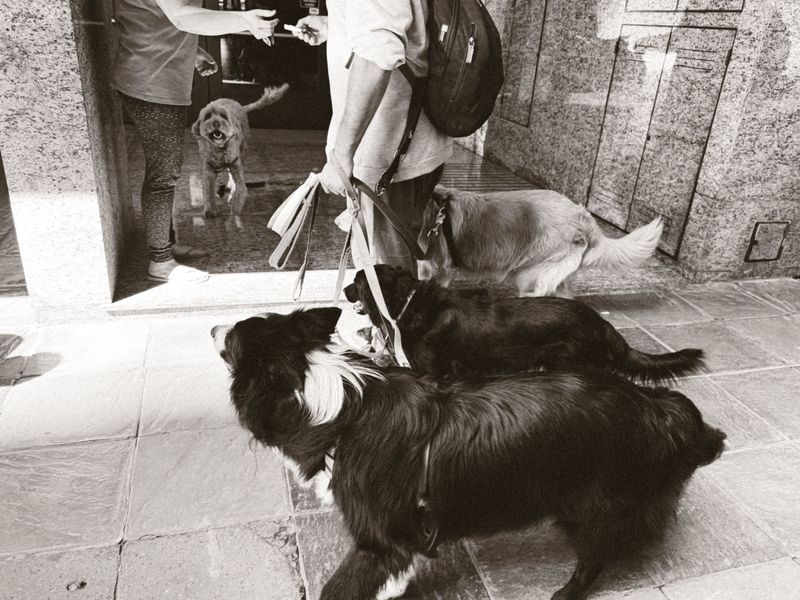
Liability does not always rest only with the dog’s registered owner. Anyone acting as a keeper or caretaker at the time of the attack may also bear responsibility if their negligent handling contributed to the incident.
This can include landlords who knowingly allowed a dangerous dog on their property, dog sitters who lost control, or kennels that failed to follow safe practices.
Evaluating all parties involved helps ensure you pursue the right people.
14. Small Claims Court Is an Accessible Option for Unpaid Bills
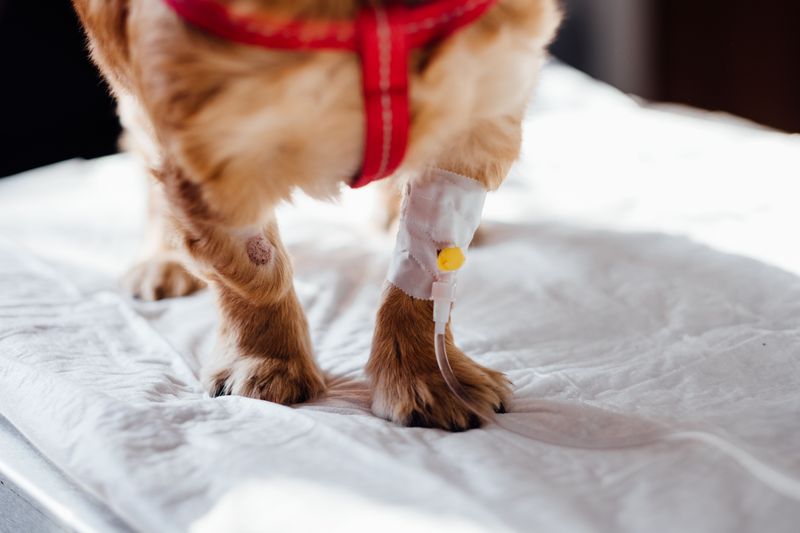
In North Carolina, dogs are considered personal property under the law. That means vet bills from an attack can be pursued as property damage in civil court, including small claims court for qualifying amounts.
Small claims court is designed to be accessible without a lawyer, though consulting one beforehand never hurts. Filing fees are modest, and the process moves faster than full civil litigation.
Check your county courthouse for current filing limits and procedures.
15. You May End Up Responsible If Liability Cannot Be Proven
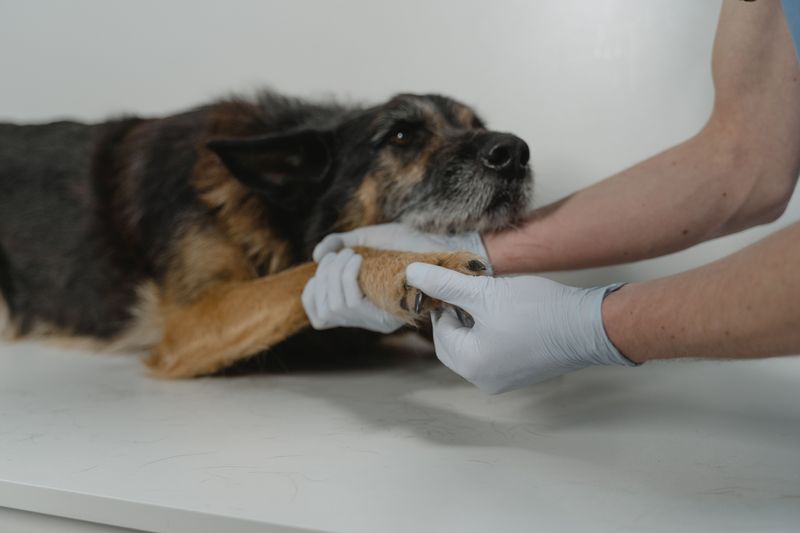
Here is the practical reality: if you cannot establish the other owner’s legal fault, the vet bill most likely stays with you. Proof matters in every claim, whether you pursue insurance, negotiation, or court.
Documenting the scene, collecting witness contact information, photographing injuries, and filing a report with animal control right away all build your case.
The stronger your evidence from day one, the better your chances of recovering what you spent on your dog’s care.