What Virginia Law Says About a Constantly Barking Dog Next Door

Living next to a dog that barks around the clock can wear you down fast. Whether you are the frustrated neighbor or the dog owner trying to keep the peace, knowing what Virginia law actually says puts you in a much stronger position.
The rules here are not one-size-fits-all. Virginia lets each city and county set its own noise and animal control ordinances, so the specific rules where you live may look a little different from the next town over.
Understanding how these local laws work, what counts as a violation, how to report a problem, and what you can do as a dog owner to stay on the right side of the law will help you handle this situation calmly and confidently. This guide walks you through everything you need to know, from the basics of state law all the way to practical steps for resolving the issue without turning neighbors into enemies.
Virginia Has No Single Statewide Barking Law
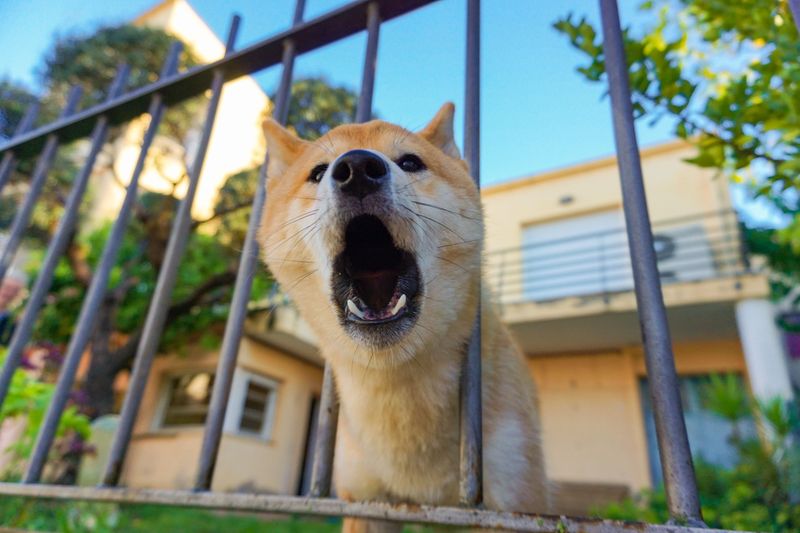
Many people assume Virginia has one clear statewide rule about barking dogs. That assumption is understandable, but it is not quite accurate.
The Code of Virginia does not include a single statute that defines nuisance barking for the entire Commonwealth.
Instead, state law gives individual counties and cities the authority to create their own animal control and noise ordinances. This means the rules in Arlington County look different from those in Augusta County or the City of Richmond.
Your first step is always to look up your specific locality’s code.
How Local Ordinances Define Nuisance Barking

Virginia localities use different standards to determine when barking becomes unlawful. Some rely on measurable time limits, while others use broader language about excessive or disruptive noise.
Arlington County generally prohibits animal noise that is audible at least once per minute for ten consecutive minutes. Prince William County uses a similar standard when the noise can be heard inside another home or at least 50 feet from the animal.
Roanoke County also prohibits dog noise that is plainly audible at least once per minute for ten consecutive minutes. Because the details vary, residents should always check the ordinance for their own city or county.
What Richmond and Augusta County Rules Look Like

City-level rules can be just as detailed. Richmond’s code states that continuous barking for 20 minutes at night or 30 minutes during the day can result in a fine for the dog’s owner.
That gives owners a clear, measurable standard to work with.
Augusta County takes a slightly broader approach, describing “prolonged or frequent barking or howling, especially after midnight” as a nuisance. The language is less precise, but the intent is the same.
If you live in either area, confirming the current code directly with your local animal control office is a smart move.
Important Exemptions Built Into Most Ordinances
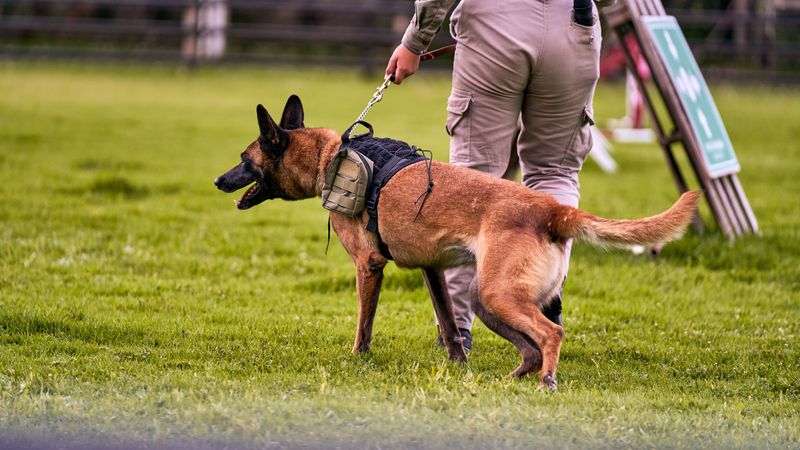
Not every bark is treated equally under Virginia’s local ordinances. Most localities include specific exemptions that protect dogs from being penalized in certain situations.
A dog that barks because it is in pain, injured, or actively protecting itself, its puppies, or a person from a real threat is generally not considered in violation.
Police dogs performing official duties are also exempt from noise ordinance rules in most jurisdictions.
Knowing these exemptions matters both for dog owners defending themselves and for neighbors trying to understand whether a complaint will hold up legally.
Penalties Owners Could Actually Face

Violating a barking ordinance in Virginia is typically treated as a misdemeanor. Fines vary widely by location.
Richmond starts at around $50 for a first offense, while Arlington County can impose fines up to $1,000 plus court costs.
Augusta County sets a maximum fine of $250. Repeated violations can lead to steeper fines, and in some jurisdictions like Arlington, a judge could even impose up to thirty days in jail for persistent offenders.
Courts may also order additional measures, including the animal’s removal or confinement, particularly in cases involving ongoing nuisance behavior.
How to Report a Barking Dog Complaint

Animal control agencies across Virginia generally encourage neighbors to talk directly with the dog owner before filing a formal complaint. A calm, respectful conversation often resolves the issue faster than any official process.
If that does not work, the next step is contacting your local animal control unit or the non-emergency police line. Be ready to provide dates, times, and durations of barking incidents.
A short audio recording can also strengthen your case.
Documenting everything carefully from the start gives you a solid foundation if the situation needs to go further.
The Role of Magistrates in Noise Disputes

Animal control officers in many Virginia localities can issue warnings, but they often cannot force a legal resolution on their own. For stronger action, the affected neighbor may need to visit a local magistrate and file a summons against the dog owner.
The magistrate reviews the evidence and decides whether it is sufficient to support a noise ordinance violation charge. If approved, the case can move to court, and the complainant may be required to appear and testify.
This process takes time, so thorough documentation from the very beginning really does make a difference.
Why Dogs Bark Excessively and What Owners Can Do

Constant barking is rarely just bad behavior. Animal welfare organizations point out that excessive barking often signals something the dog needs: more exercise, mental stimulation, or help with separation anxiety.
Boredom and loneliness are among the most common triggers.
Owners can address these issues through consistent obedience training, longer walks, puzzle toys, and regular playtime. A veterinarian or certified animal behaviorist can be especially helpful when anxiety is involved.
Bark collars exist as a tool, but experts caution against using them for anxiety-driven barking, since punishment can actually make that behavior worse.
Staying on the Right Side of the Law as a Dog Owner

Being a responsible dog owner in Virginia means staying aware of your local ordinances before a complaint ever arrives at your door. Look up your county or city’s animal control code online, or call your local animal control office directly for a plain-language explanation.
Keep your dog mentally and physically active, and address barking patterns early before they become a habit. If a neighbor approaches you about the issue, listen openly and take it seriously.
Proactive ownership protects your dog, your relationships with neighbors, and your standing under local law.