15 Things That Shock New Dog Owners in Florida
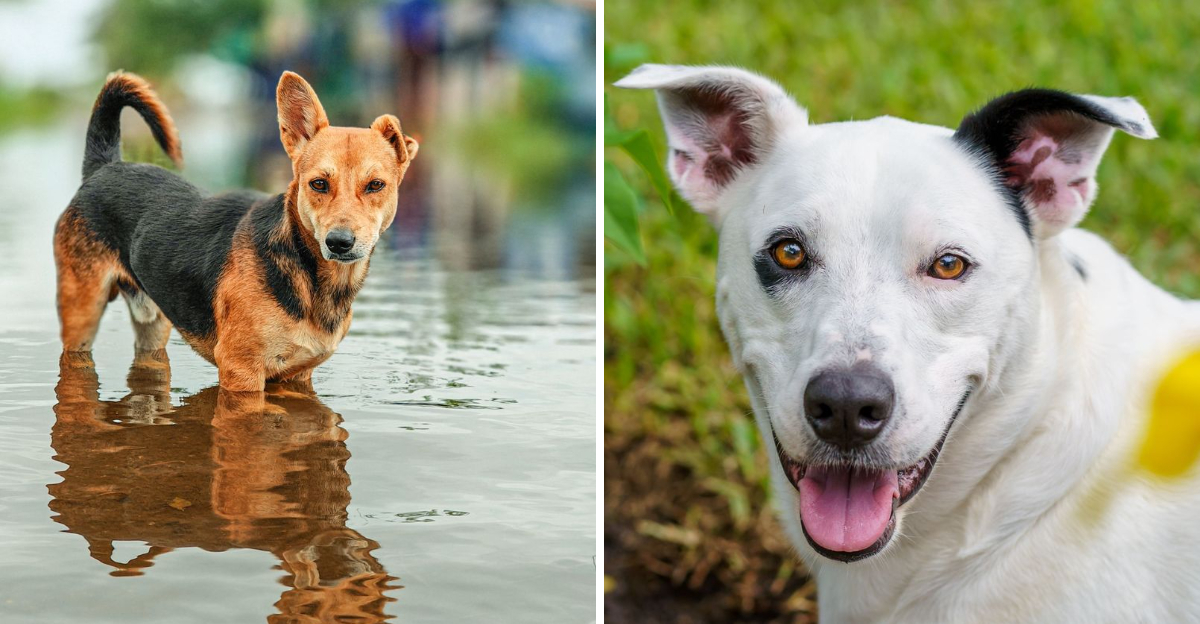
Moving to Florida with a dog is exciting, but the Sunshine State comes with a learning curve that surprises even experienced pet owners.
From year-round heat to backyard wildlife, Florida has its own set of rules when it comes to keeping dogs safe.
The good news is that none of these challenges are impossible to manage once you know what to expect. Think of this as a friendly heads-up from someone who wants your dog to thrive here, not just survive.
1. Florida Heat Can Be a Dog Problem Almost Year-Round
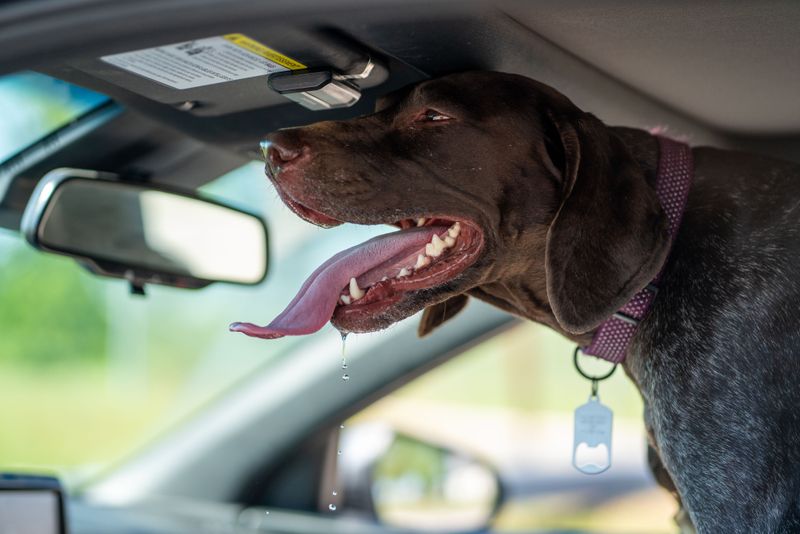
Florida heat does not take a summer vacation. Humidity and high temperatures combine to make outdoor time risky for dogs in every season, not just July and August.
Flat-faced breeds, senior dogs, and overweight dogs are especially vulnerable to overheating. Watch for heavy panting, bright red gums, weakness, or vomiting.
If those signs appear, move your dog to a cool area, offer small sips of water, and apply cool water to the neck and paws. Then call your vet right away.
2. Sidewalks and Beach Sand Can Become Dangerously Hot

Asphalt can run 40 to 60 degrees hotter than the air around it. At 95 degrees outside, blacktop can exceed 140 degrees Fahrenheit, hot enough to burn paw pads within seconds.
A simple test: press the back of your hand to the pavement for seven seconds. If it hurts your hand, skip the walk for now.
Early morning before 8 a.m. and late evening after 7 p.m. are the safest windows. Grass paths and shaded sidewalks are cooler choices throughout the day.
3. Flea Season Basically Never Ends

Florida’s warmth and humidity keep fleas active all twelve months of the year. There is no cold snap to reset the flea population the way northern winters do.
If you spot adult fleas on your dog, the infestation is already larger than it looks. Eggs and larvae are likely living in your carpets and furniture too.
Year-round flea prevention, chosen with your vet’s guidance, is the most reliable solution. Even dogs that stay mostly indoors are at risk, since fleas can hitch rides on clothing.
4. Ticks Can Remain Active Throughout the Year
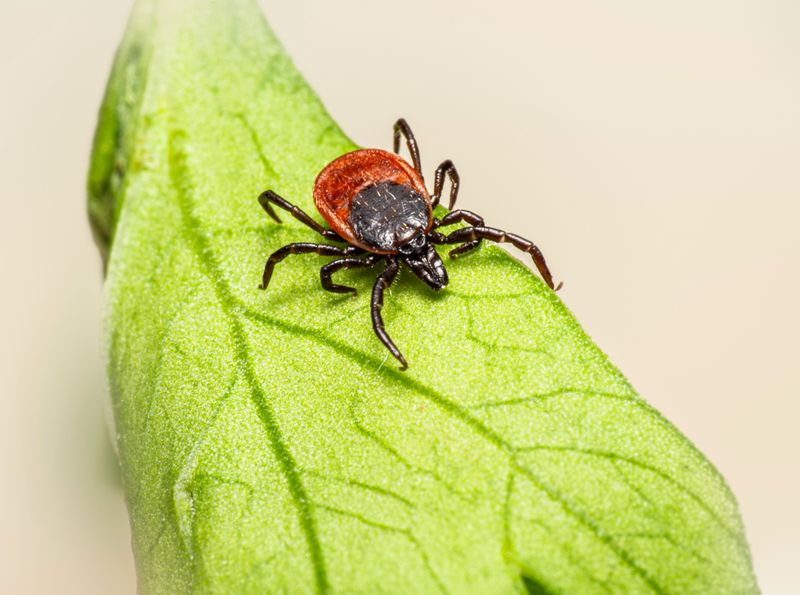
Ticks in Florida do not follow the same seasonal patterns as ticks in cooler states. Brown dog ticks, for example, can complete their entire life cycle indoors and stay active year-round.
Common species here include the American dog tick, Lone Star tick, and black-legged tick. Each one can carry diseases like ehrlichiosis, Rocky Mountain spotted fever, or anaplasmosis.
Check your dog’s ears, neck, belly, and between the toes after every outdoor outing. Ask your vet about a year-round tick prevention product that fits your dog’s lifestyle.
5. Mosquitoes Make Heartworm Prevention Especially Important
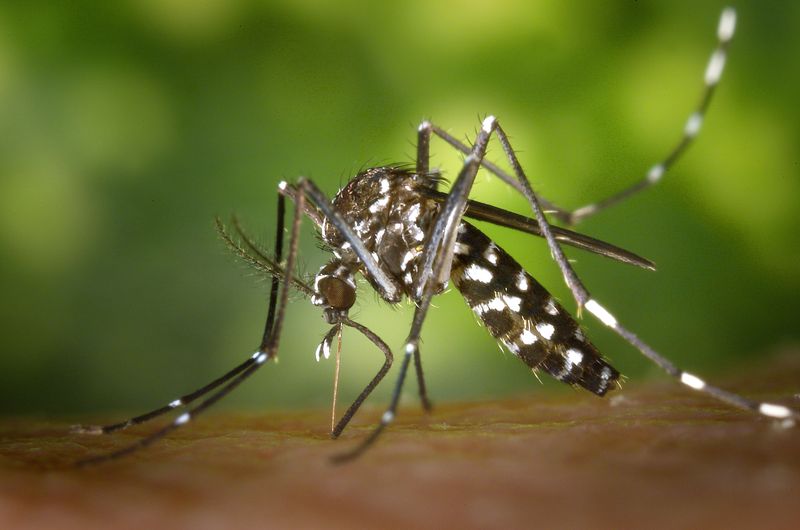
Heartworm disease is spread by mosquito bites, and Florida has mosquitoes in every month of the year. A single bite from an infected mosquito is enough to start an infection.
Adult heartworms grow up to a foot long and settle in the heart and lungs. Symptoms often stay hidden until the disease is already advanced, sometimes a year after infection.
Monthly heartworm prevention medication and annual testing are the standard of care in Florida. Talk to your vet about the right product, since skipping even one month creates a window of risk.
6. Neighborhood Ponds Can Contain Alligators
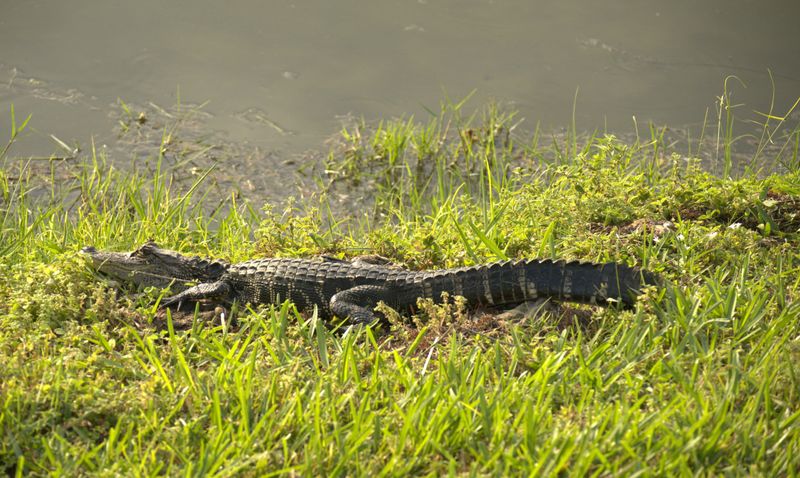
Alligators live in freshwater and brackish ponds, lakes, canals, and rivers across Florida, including in quiet residential neighborhoods. They are not limited to wild or remote areas.
Dogs near water edges can be seen as prey, especially smaller breeds. Alligators are most active at dawn and dusk, so those times call for extra caution around any water body.
Keep your dog on a leash near any Florida water source. Never let your dog swim in unsupervised ponds or drink from standing water in areas where alligators may be present.
7. Cane Toads Can Be a Serious Backyard Hazard
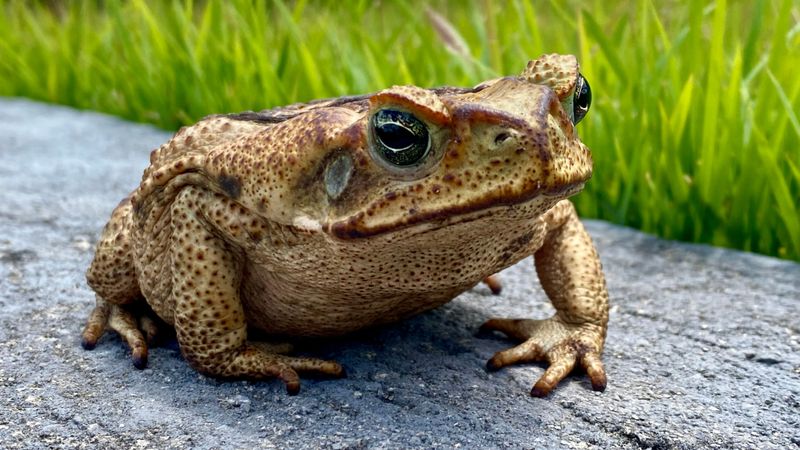
Cane toads are an invasive species found throughout South and Central Florida. When threatened, they release a milky toxin from glands behind their eyes that absorbs quickly into a dog’s mouth and gums.
Signs of poisoning include heavy drooling, red gums, pawing at the mouth, vomiting, and in severe cases, seizures. This can become extremely serious without prompt treatment.
If your dog mouths a cane toad, rinse the mouth with water, wiping forward from the back, and head to an emergency vet. Learning to recognize these large, warty toads helps you remove them from your yard early.
8. Blue-Green Algae Can Make Lakes Unsafe for Dogs
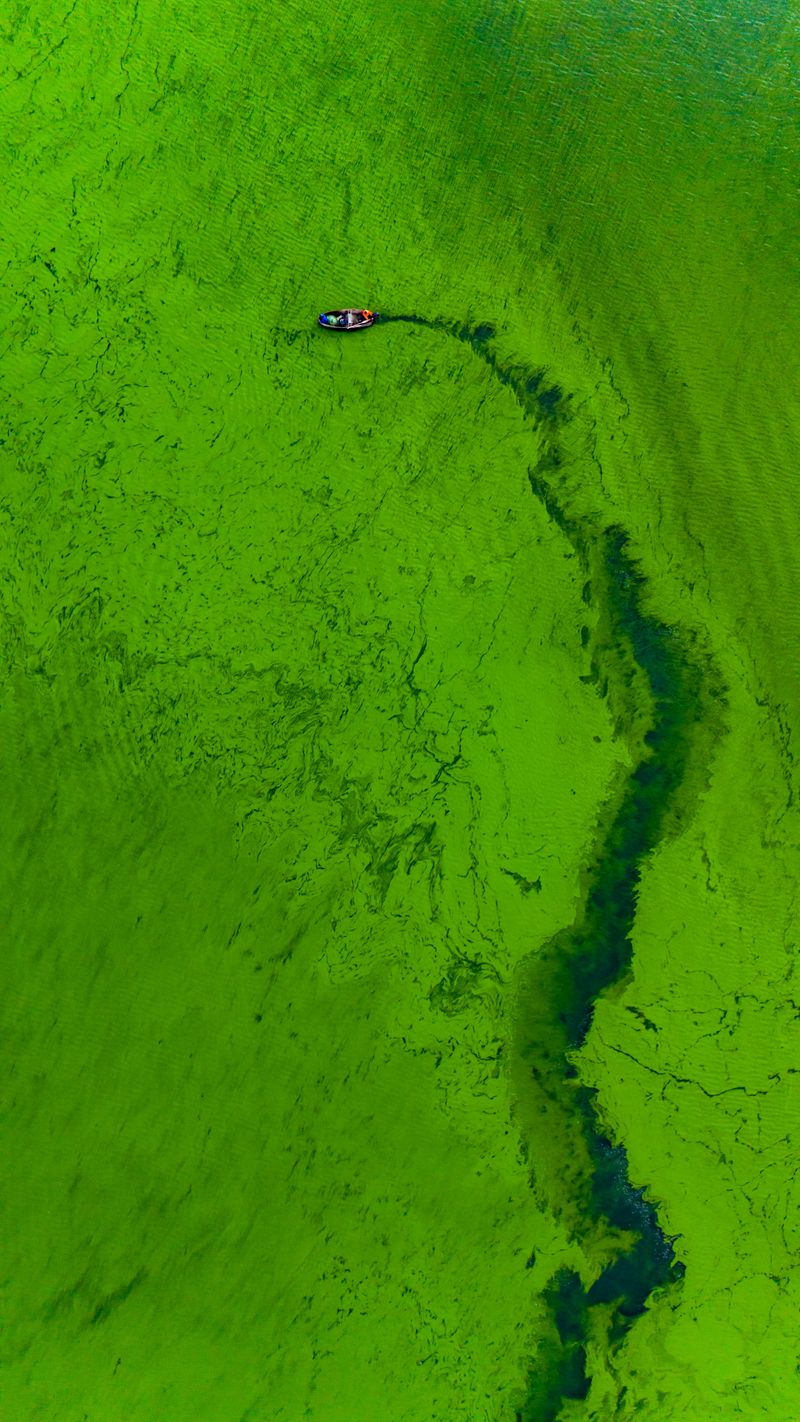
Blue-green algae, or cyanobacteria, can produce toxins that are extremely harmful to dogs. These blooms appear in warm, slow-moving freshwater as blue, green, brown, or reddish surface scums.
Dogs can be exposed by drinking the water, swimming in it, or licking contaminated fur afterward. Symptoms include vomiting, weakness, neurological problems, and severe liver complications.
Avoid any water that looks discolored, smells unusual, or has floating mats on the surface. If you suspect exposure, contact a veterinarian right away without waiting for symptoms to worsen.
9. Ocean Water Is Not Safe Drinking Water for Dogs
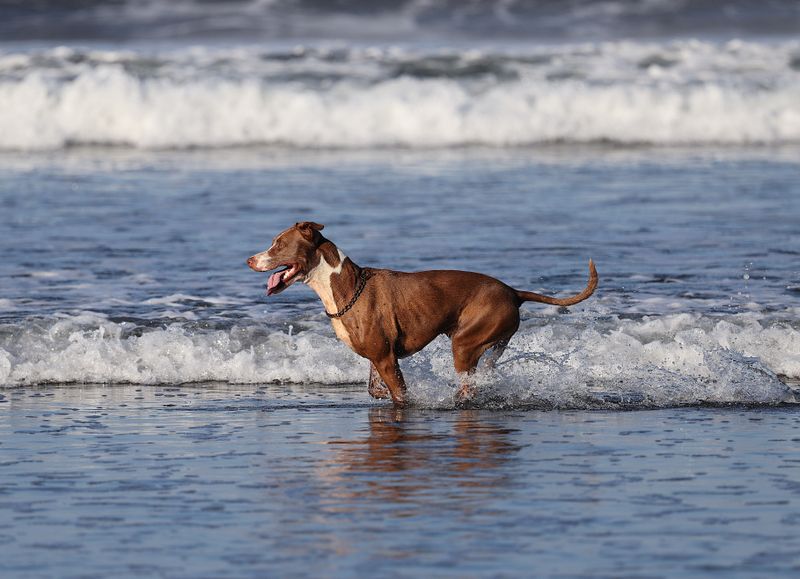
A few small sips of ocean water usually cause only mild stomach upset, but larger amounts are genuinely dangerous. Saltwater contains sodium levels that disrupt a dog’s electrolyte balance quickly.
The condition, called hypernatremia, causes the body’s cells to release water as they try to balance high blood salt. This can lead to dehydration, vomiting, tremors, and in serious cases, significant neurological complications.
Always bring a bottle of fresh water to the beach and offer it often. Keeping your dog well-hydrated reduces the temptation to drink from the surf between swims.
10. Sago Palms Are Highly Toxic to Dogs

Sago palms are a common landscaping plant in Florida, and every part of the plant is toxic to dogs. The seeds are the most dangerous, containing a compound called cycasin that causes severe liver damage.
Even a small amount can cause extremely serious illness. Severe cases can remain difficult to treat even with intensive veterinary care and may require hospitalization.
Symptoms can appear within 15 minutes or take several days to show, and include vomiting, lethargy, jaundice, and seizures. If your dog chews any part of a sago palm, treat it as an emergency and call your vet immediately.
11. Hurricane Kits Need Supplies for Dogs Too
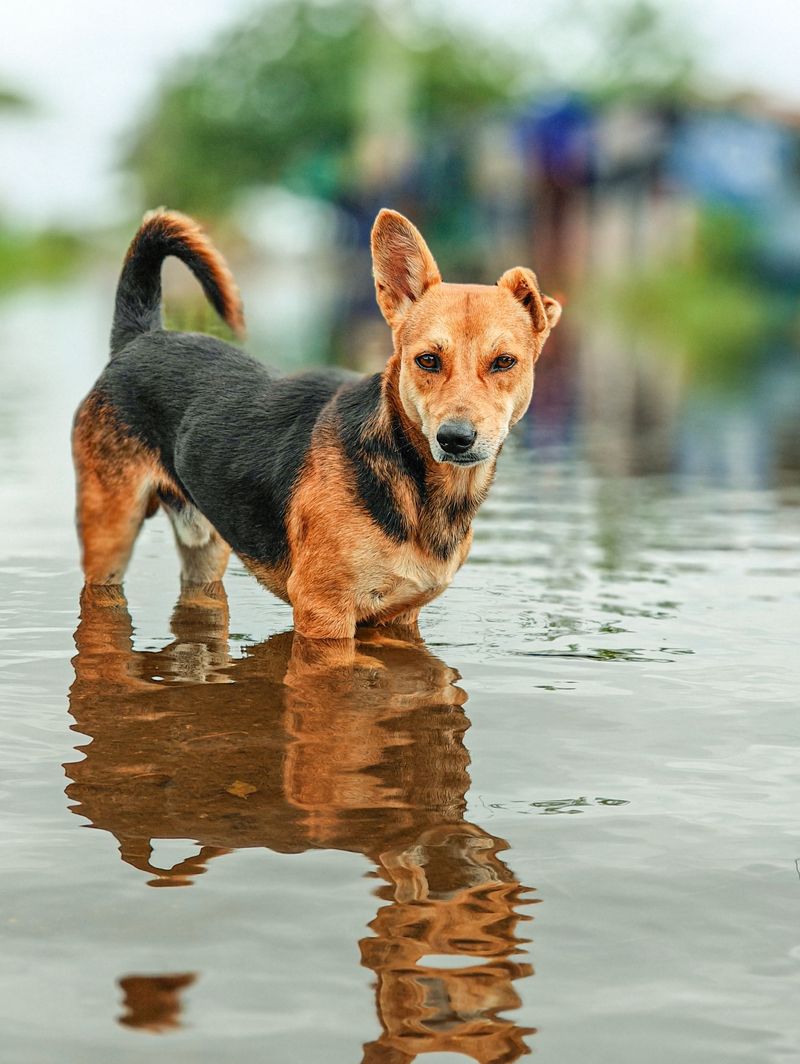
Florida hurricane season runs from June 1 through November 30. Having a ready-to-grab kit for your dog before a storm is announced saves critical time when evacuation orders come quickly.
A good kit includes a two-week supply of food and water, medications with copies of prescriptions, vaccination records, a sturdy leash, ID tags, and a properly sized carrier.
Pack sanitation supplies and a familiar toy or blanket to help reduce your dog’s stress. A current photo of you with your dog can also help prove ownership if you get separated.
12. Not Every Emergency Shelter Accepts Pets
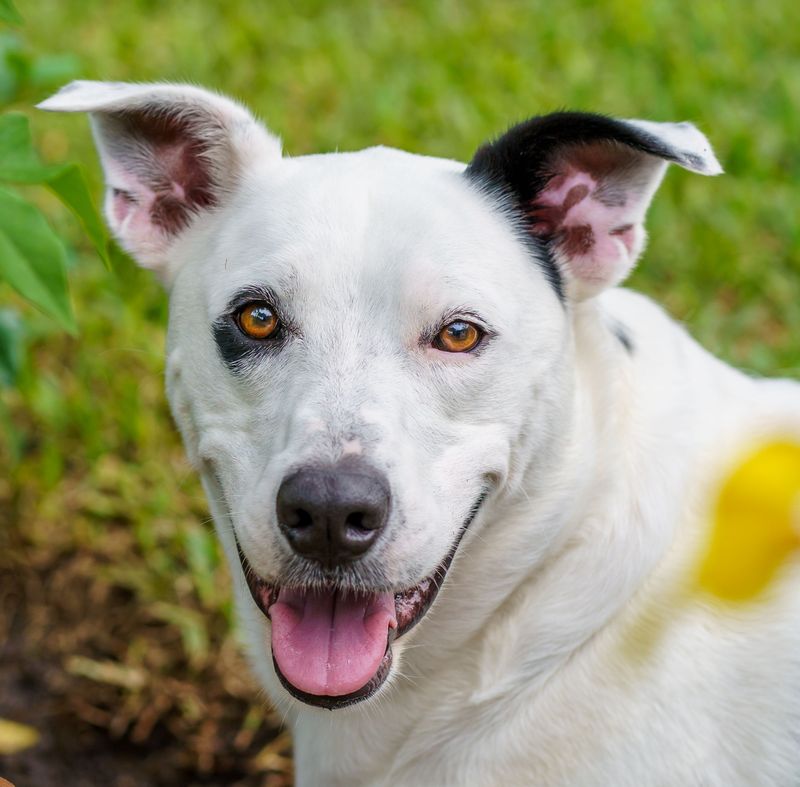
Most public emergency shelters in Florida do not accept pets, with the exception of certified service animals. Owners who assume their dog is welcome may arrive during a storm with nowhere to go.
Research pet-friendly hotels, friends outside the evacuation zone, and any county-run pet shelters well before hurricane season begins. Some counties, like Pinellas, operate pet-friendly shelters, but policies vary and space is limited.
Keep your dog microchipped with current contact information. If pets become separated during an evacuation, updated microchip records are one of the most reliable ways to reunite with them.
13. Dog-Friendly State Parks May Not Have Dog-Friendly Beaches
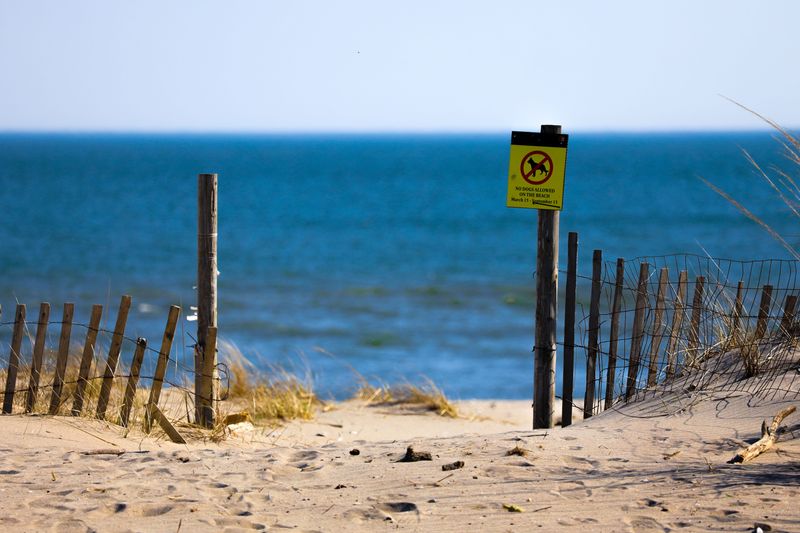
Many Florida State Parks welcome leashed dogs on trails and at campsites, but beach access is often a different story. Designated swimming beaches frequently have rules that prohibit dogs entirely.
Some parks do offer separate pet-friendly beach sections, while others keep dogs off all beach areas to protect wildlife and other visitors. The rules are not always obvious from a park’s general listing online.
Before you load up the car for a beach day, check the specific park’s website or call ahead to confirm current pet policies. A quick phone call prevents a long drive and a disappointed dog.
14. Florida State Park Cabins Generally Do Not Allow Dogs
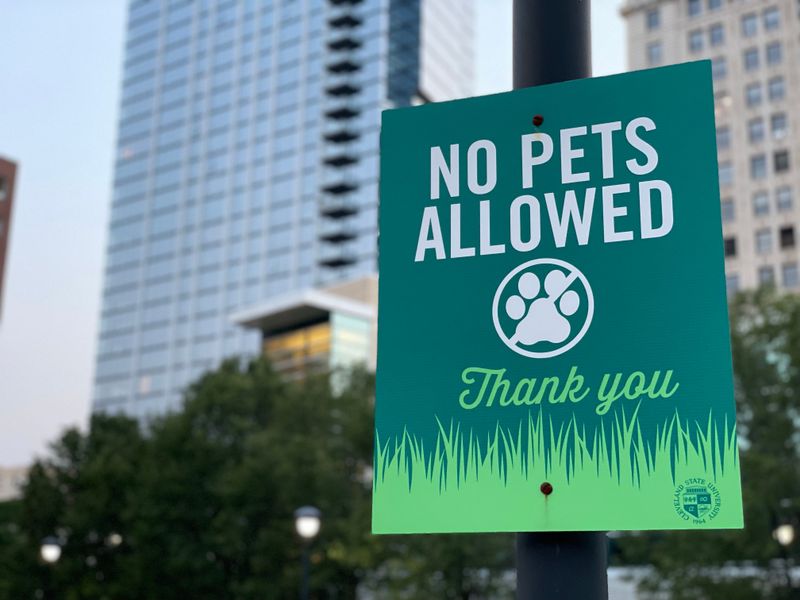
Florida State Parks offer cabin rentals that look like a perfect pet-friendly getaway on paper, but most cabins have a strict no-pets policy. Service animals are typically the only exception.
Campsites within the same park may allow leashed dogs, so there is often a workaround if you plan ahead. The key is to confirm the specific accommodation type before you book.
Arriving with a dog and discovering the cabin policy on the spot creates a stressful situation. Check the Florida State Parks website directly or call the park to get accurate, current information before making reservations.
15. Beach Days Bring Hazards Beyond Just the Heat
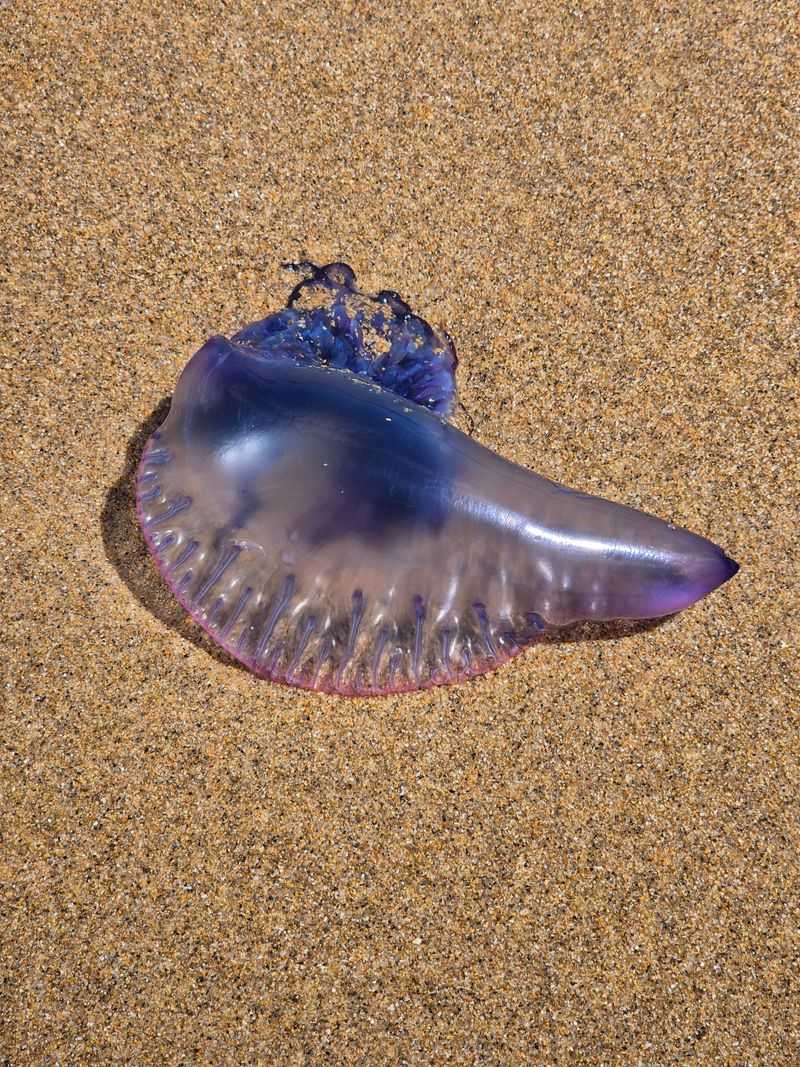
Florida beaches look like paradise for dogs, but the shoreline comes with a few surprises. Jellyfish and Portuguese man o’ wars can sting paws or curious noses if a dog steps on or sniffs them.
Eating sand while fetching toys can cause a serious condition called sand impaction, which requires veterinary care. Strong rip currents can pull even strong swimming dogs away from shore quickly.
Sharp shells and debris can cut paw pads, and eating dead fish found on the beach can cause stomach trouble or worse. Bring fresh water, inspect paws often, and keep a close eye on your dog throughout the visit.