What Florida Dog Owners Should Know About Alligators Near Water
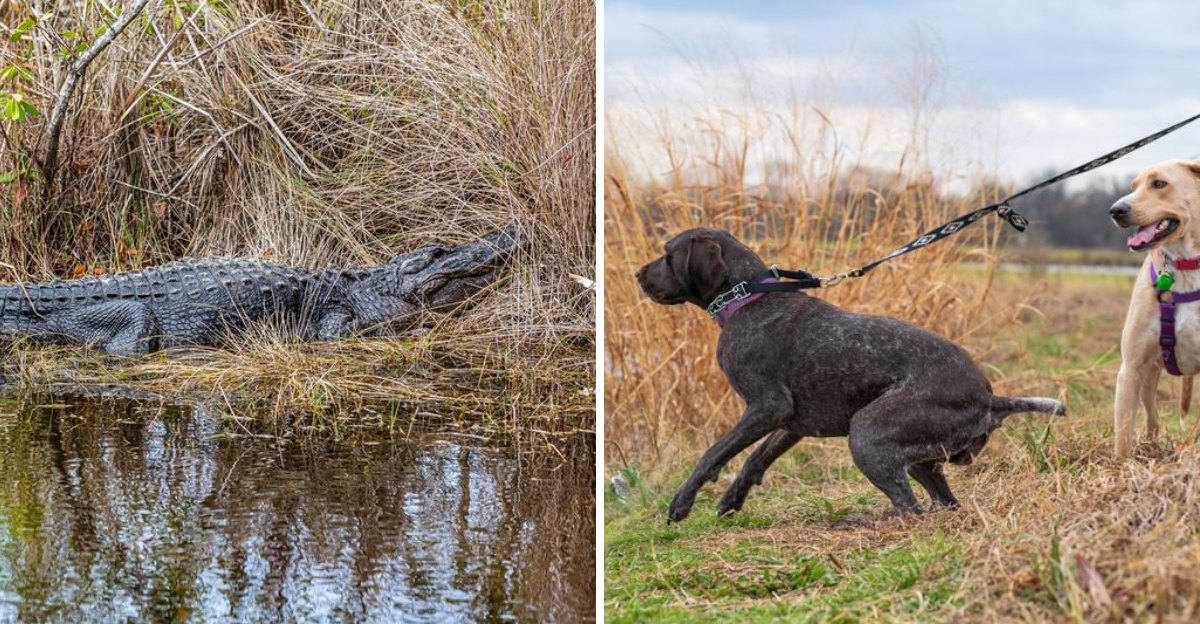
Living in Florida means sharing your backyard, your walking trails, and your favorite parks with one of nature’s most ancient predators: the alligator.
For dog owners, that reality calls for a little extra awareness every time you head out near water. The good news is that staying safe is mostly about building smart habits, not about living in fear.
Read on for everything you need to know to keep your dog protected near Florida waterways.
1. Assume Alligators Are Present in Every Florida Waterway
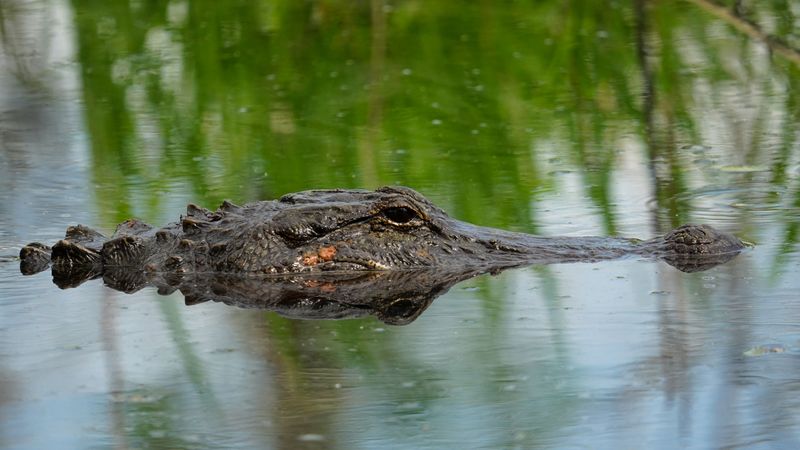
Florida is home to roughly 1.3 million alligators spread across all 67 counties. That means every lake, pond, canal, marsh, river, and swamp in the state is potential alligator habitat.
You simply cannot rule one out based on appearances alone.
Assuming an alligator could be present, even when the water looks completely still, is the single most protective mindset a dog owner can carry. Treat every body of water as occupied, and your decisions will naturally become safer.
2. Your Dog’s Size and Movement Can Attract an Alligator
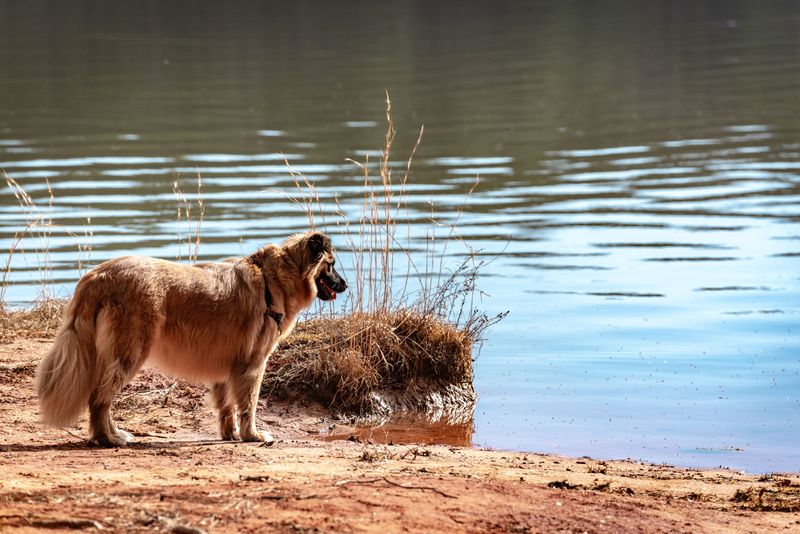
Alligators are ambush hunters, and they key in on small animals near the water’s edge. A dog’s size, movement, and splashing can closely match what an alligator naturally hunts, even if your dog is just sniffing around at the shoreline.
Keeping your dog several feet back from the water’s edge removes that visual trigger. You do not need to panic, but you do need to stay aware.
Distance from the shoreline is one of the easiest protections you can offer your pet.
3. Skip the Swim, Even a Quick Splash Is a Risk
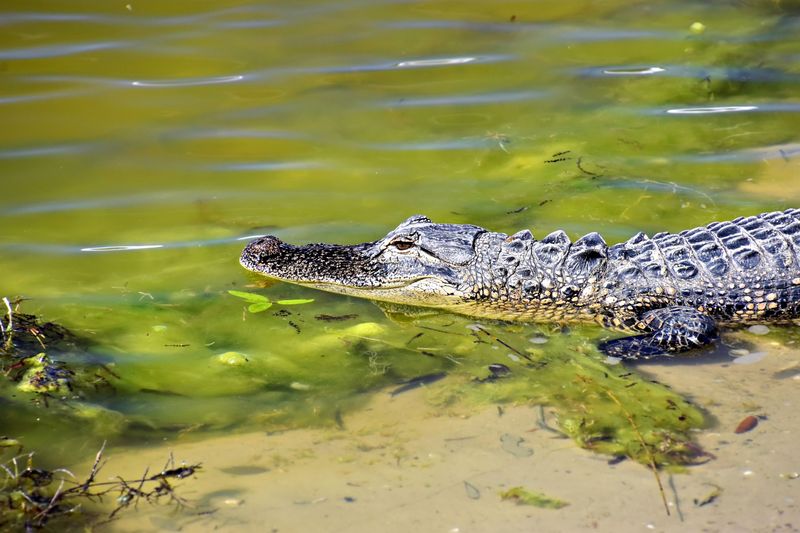
Fresh and brackish water in Florida should be off-limits for your dog, full stop. Even a brief wade along the shore puts your pet in territory where an alligator could strike from below the surface without any warning.
Alligators are fast in water and can cover short distances in seconds. No swim is worth that risk.
If your dog loves to splash, look for a clean, chlorinated pool or a dog-friendly splash pad instead of a natural waterway.
4. Your Neighborhood Pond Is Not Automatically Safe
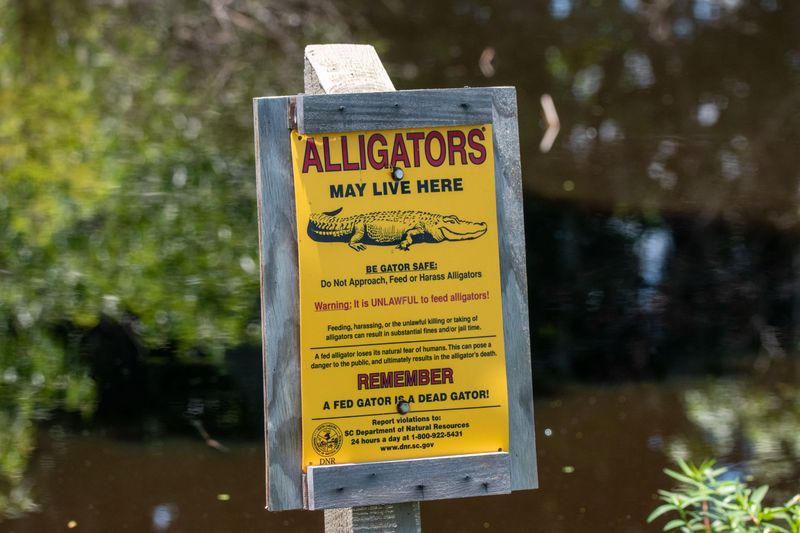
Many Florida dog owners feel comfortable near the retention ponds and small lakes in their own neighborhoods, reasoning that nothing has happened there before. That logic has a real flaw.
Alligators move between water sources, and a pond that looked empty last week may not be empty today.
Alligators travel overland, especially during warmer months. A pond you pass daily deserves the same caution as a wild swamp.
Familiarity is not the same as safety, so keep your habits consistent no matter where you walk.
5. Keep Your Dog on a Short Leash Near Any Water
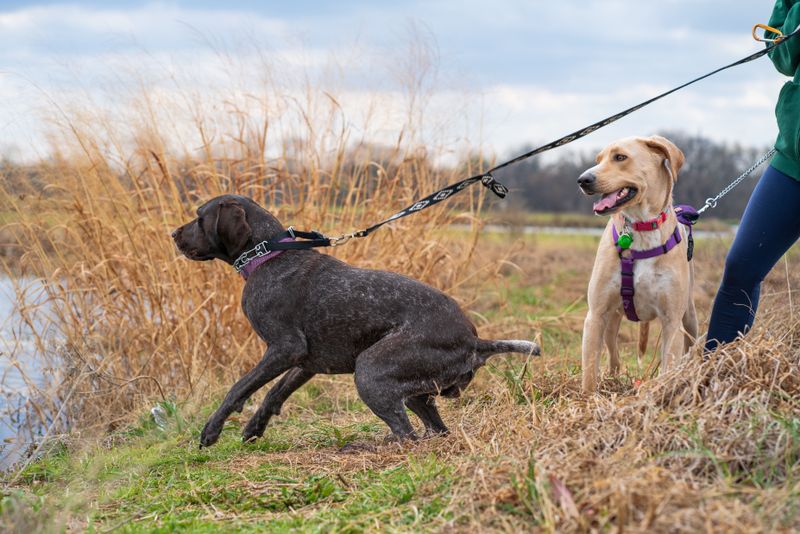
The Florida Fish and Wildlife Conservation Commission (FWC) recommends keeping pets on a non-retractable leash no longer than six feet near any fresh or brackish water. A shorter leash gives you real control when you need it most.
Retractable leashes allow dogs to dart toward the water before you can react. A standard six-foot leash keeps your dog close enough to redirect quickly.
Near any Florida waterway, that distance can genuinely matter.
6. Dusk to Dawn Is the Highest-Risk Window Near Water

Alligators are crepuscular, meaning they are most active during the low-light hours around sunrise and sunset, and they continue hunting through the night. During these windows, they move along shorelines actively searching for food.
Early morning and evening walks near water require extra alertness. Use a flashlight if you are out after dark near any waterway.
Staying on well-lit paths and keeping your dog close on a short leash are both simple steps that reduce risk during these peak activity hours.
7. Designated Swimming Areas Are for People, Not Pets
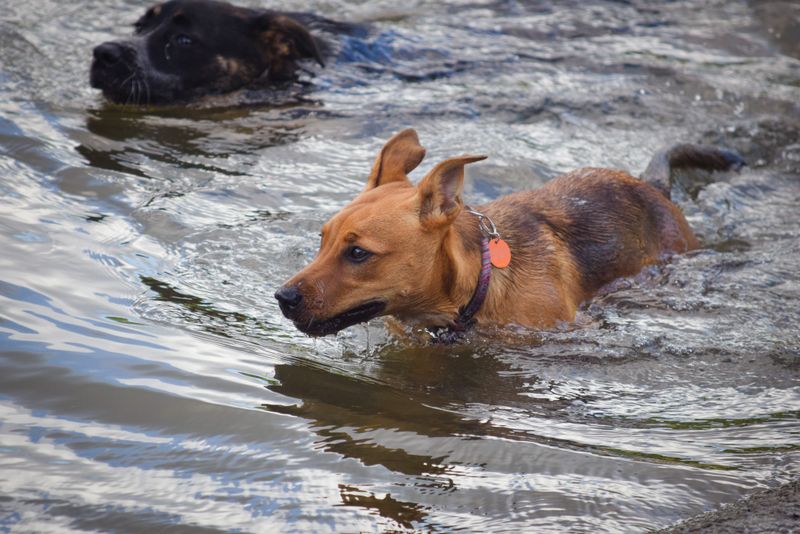
Even when you swim in a designated, monitored area, your dog should stay out of the water. Designated swimming spots are set up with human safety in mind, and they do not eliminate alligator risk for pets.
Dogs swimming alongside people can attract attention from alligators that might otherwise stay away. Keep your dog on the bank, in the shade, with fresh water to drink.
A happy, hydrated dog on dry land is a safe dog, and that is a win for everyone.
8. Never Let Your Dog Approach or Engage an Alligator
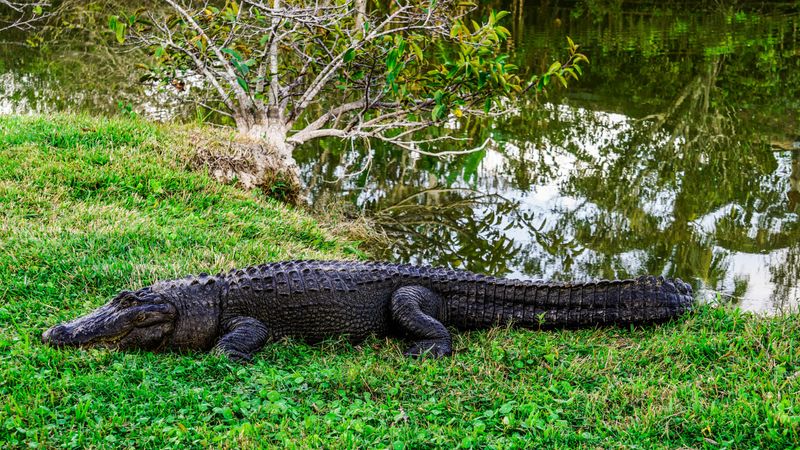
Dogs are naturally curious, and some will bark at or lunge toward an alligator without hesitation. That curiosity can escalate a calm situation into a dangerous one very quickly.
Even a resting alligator can move with surprising speed when it feels challenged.
If your dog fixates on an alligator, redirect and move away immediately. Do not wait to see what happens.
Chasing, barking at, or sniffing around an alligator puts both your pet and you at unnecessary risk. Calm, quick withdrawal is always the right call.
9. Spot an Alligator? Create Distance Right Away
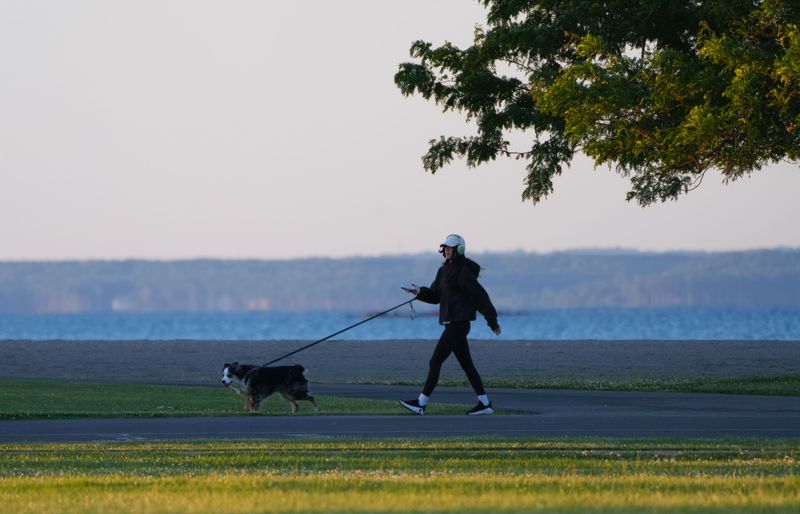
Wildlife experts advise staying at least 60 feet away from any alligator you spot. If an alligator hisses, that is a clear signal you are already too close.
The right response is to back away slowly and calmly, keeping your dog beside you.
Running can trigger a chase response in some animals, so a steady, deliberate retreat is better than a sprint. Once you are well away from the area, find an alternate route.
Reporting the sighting to local wildlife authorities is also a helpful step.
10. Feeding Alligators Is Illegal and Genuinely Dangerous
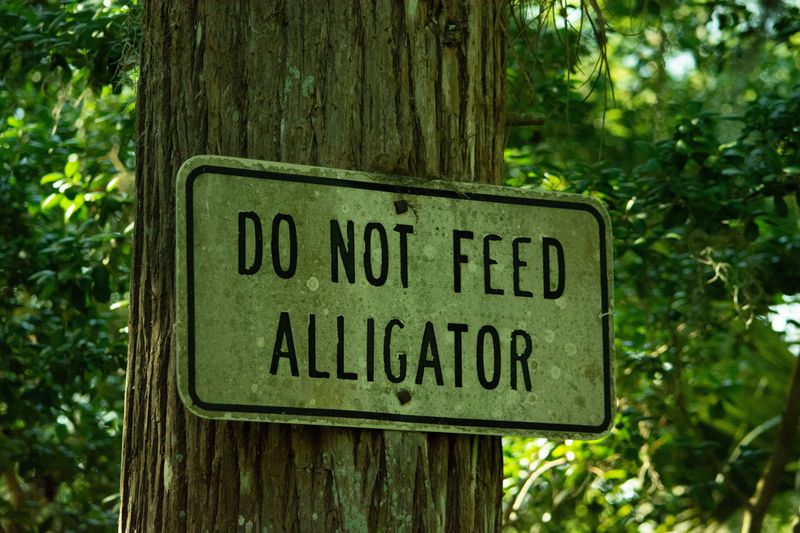
Florida law prohibits feeding, enticing, or attempting to attract alligators. The reason is straightforward.
When alligators are fed by humans, they lose their natural wariness and begin associating people, and the pets walking with them, with food.
An alligator that has been fed by people is far more likely to approach humans and pets aggressively. That behavior often ends with the animal being classified as a nuisance and removed.
Protecting alligators from that fate starts with never offering them food, even accidentally.
11. Fish Scraps and Food Waste Can Draw Alligators Closer
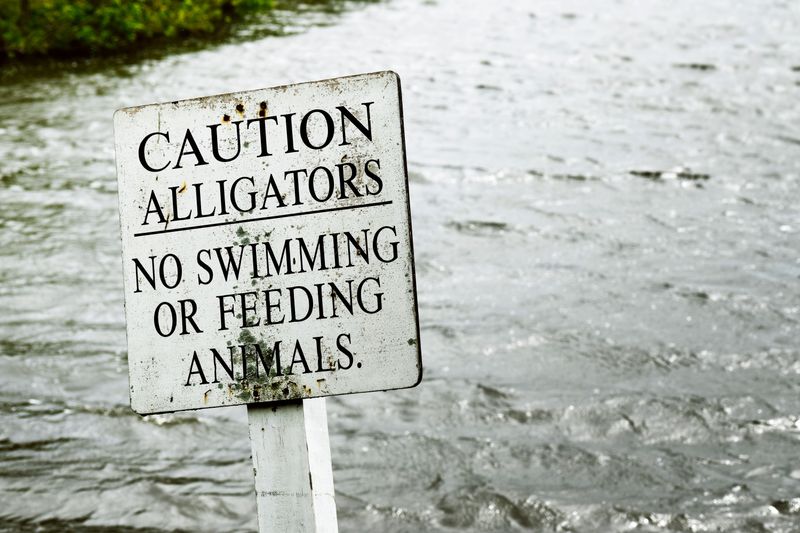
Tossing fish remains into the water or leaving food scraps near a shoreline can attract alligators just as effectively as intentional feeding. Alligators follow scent, and decaying bait or fish waste is a strong signal to investigate an area.
Always use designated waste bins at boat ramps, fishing piers, and waterfront parks. Avoid leaving pet food outside near any waterway, too.
Keeping the area clean is a shared responsibility that benefits both wildlife and the dogs we bring along on our outdoor adventures.
12. An Alligator Does Not Have to Be Visible to Be There
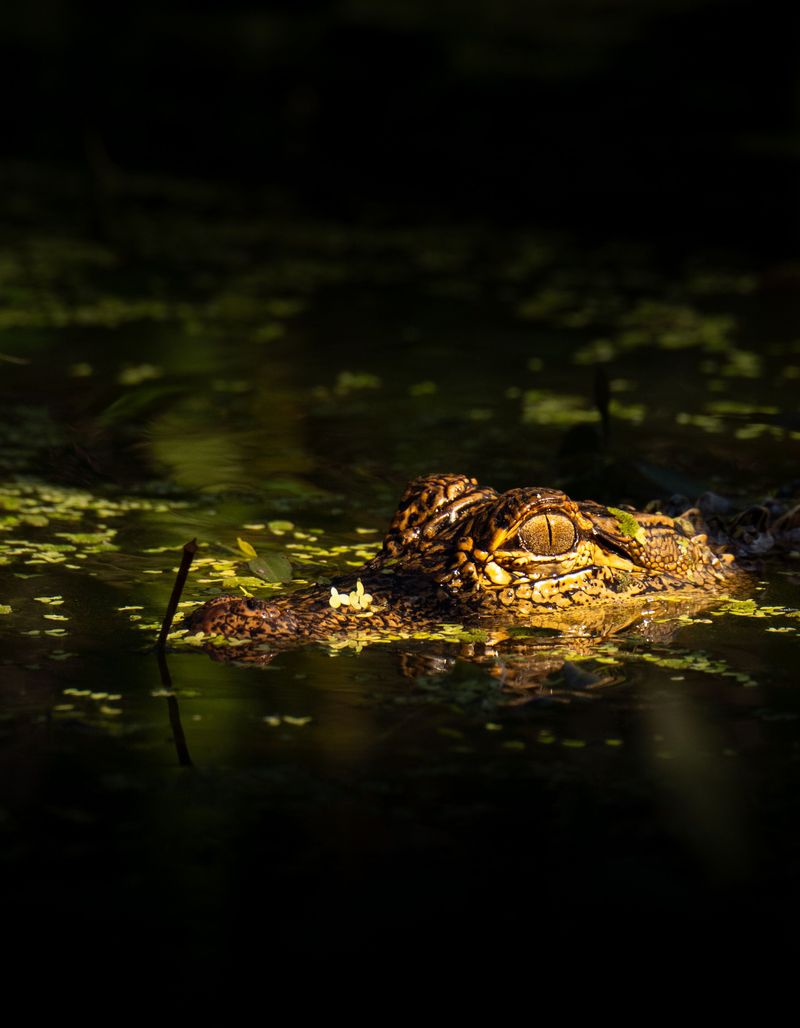
Alligators are expert ambush predators. They can float with only their eyes and nostrils above the surface, blending into murky water, aquatic plants, and shadows with impressive ease.
A clear view of the water does not mean the water is clear of alligators.
Deciding a spot is safe because you cannot see an alligator is a reasoning trap worth avoiding. Treat every waterway as potentially occupied regardless of visibility.
Your dog’s safety depends on consistent caution, not on what you can see on any given day.
13. Fenced Yards Are Not Foolproof Against Wildlife

Alligators can climb low fences and travel considerable distances overland, especially during warmer months when they are searching for mates or new territory. A standard backyard fence is not a guaranteed barrier against wildlife entering your property.
Supervising your dog outdoors, even in a fenced yard near water, is a smart habit. If your property backs up to a canal, pond, or wetland, consider fencing that is at least four feet tall and angled outward at the top.
Staying present with your dog adds a layer of protection no fence alone can provide.
14. Walking the Water’s Edge Puts Your Dog in the Strike Zone
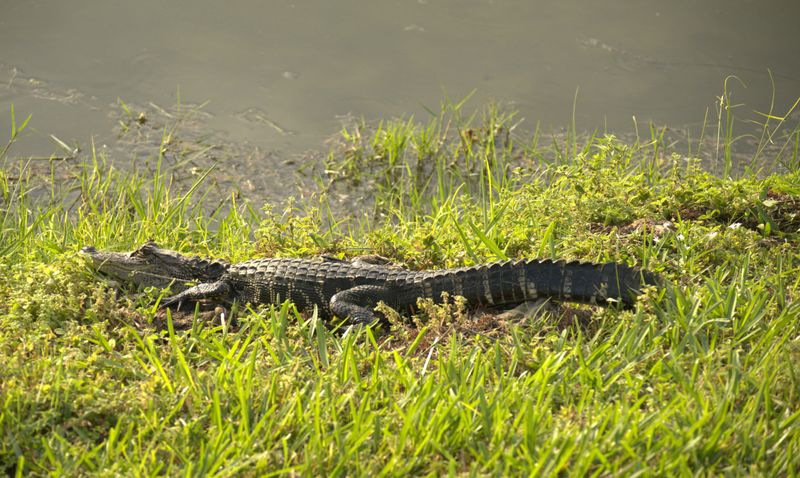
The narrow strip of land right at the water’s edge is where alligators are most likely to lunge from the water. Walking your dog along that zone, even on a leash, closes the gap between your pet and a potential strike faster than most people realize.
Choose walking paths that run parallel to waterways but maintain a comfortable buffer from the shoreline. A few extra feet of separation makes a meaningful difference.
Steering clear of the water’s edge is one of the easiest, most effective habits you can build as a Florida dog owner.
15. Warm Weather Brings More Alligator Activity Statewide
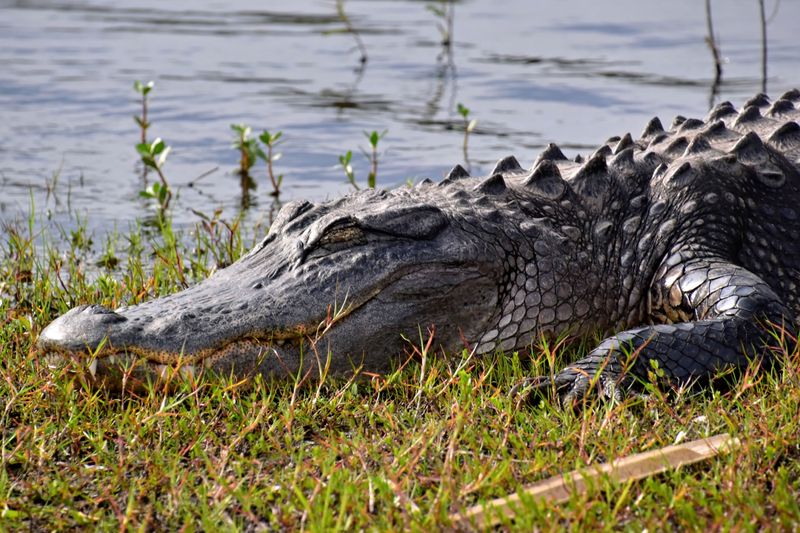
Alligators are cold-blooded, so their activity level rises and falls with the temperature. They are most active when air temperatures sit between 82 and 92 degrees Fahrenheit.
From April through September, you will see and encounter alligators far more frequently across Florida.
Spring also brings mating season, which runs roughly from April through June. During this period, alligators move more boldly and may show up in unexpected places.
Raising your awareness a notch during these warmer months is a practical and proportionate response to the seasonal shift.
16. Leave Alligator Removal to the Professionals
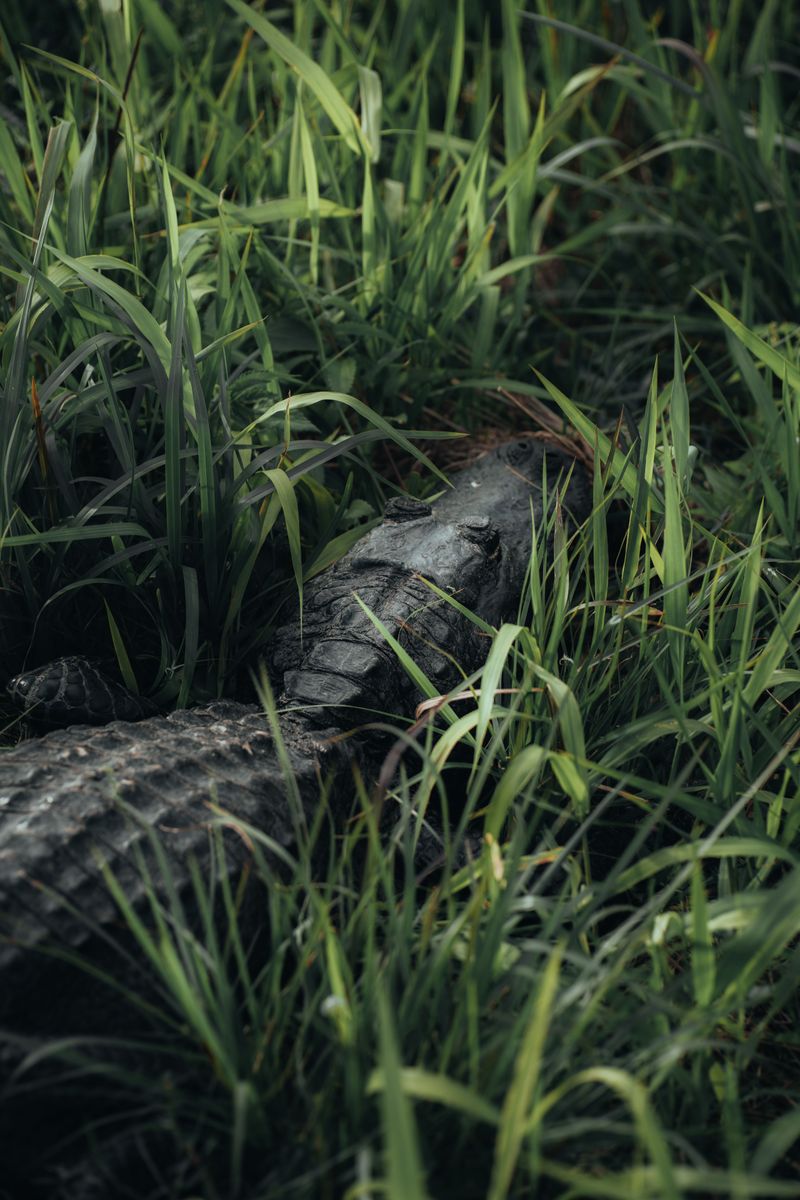
Florida law prohibits any private individual from harassing, handling, capturing, or killing an alligator. That applies to small ones, too.
Even a young alligator can inflict a serious bite, and attempting to move one yourself puts both you and the animal at serious risk.
If you encounter an alligator that seems out of place or threatening, the right move is to back away and call for professional help. Wildlife trappers contracted by the state are trained and equipped for exactly this situation.
Your job is to stay clear and make the call.
17. Call the FWC Nuisance Alligator Hotline When Needed
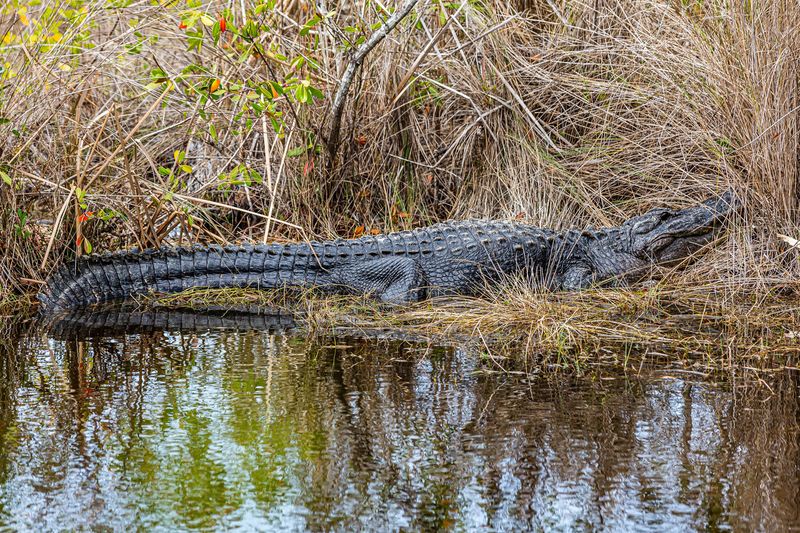
The FWC Nuisance Alligator Hotline is available at 866-FWC-GATOR, which is 866-392-4286. You can call this number anytime an alligator appears to pose a genuine threat to people, pets, or property.
An alligator is typically considered a nuisance when it is at least four feet long and behaving in a threatening way.
After you call, the FWC dispatches a contracted trapper to assess and manage the situation. Keep your dog well away from the area while you wait.
Knowing this number before you ever need it is a small step with real value.
18. Alligator Safety Rules Apply in Every Corner of Florida
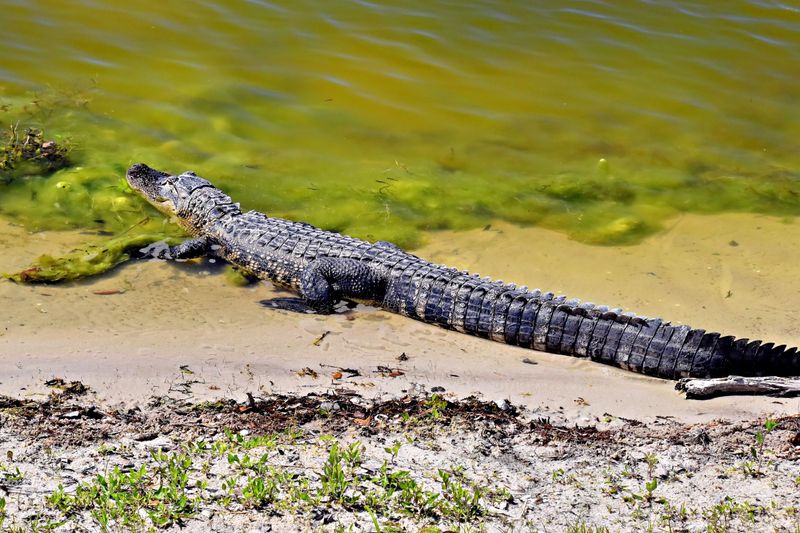
With alligators confirmed in all 67 Florida counties and a statewide population estimated at around 1.3 million, there is no region of the state where water safety precautions become optional. Whether you live in the Panhandle, the Treasure Coast, or South Florida, the same rules apply.
Staying consistent with leash habits, shoreline distance, and awareness regardless of where you are in the state is the most reliable approach. Florida’s landscape is beautiful precisely because wildlife thrives here.
Respecting that wildlife keeps both your dog and the ecosystem healthier for the long run.