How to React If a Coyote Turns Up in Your California Yard
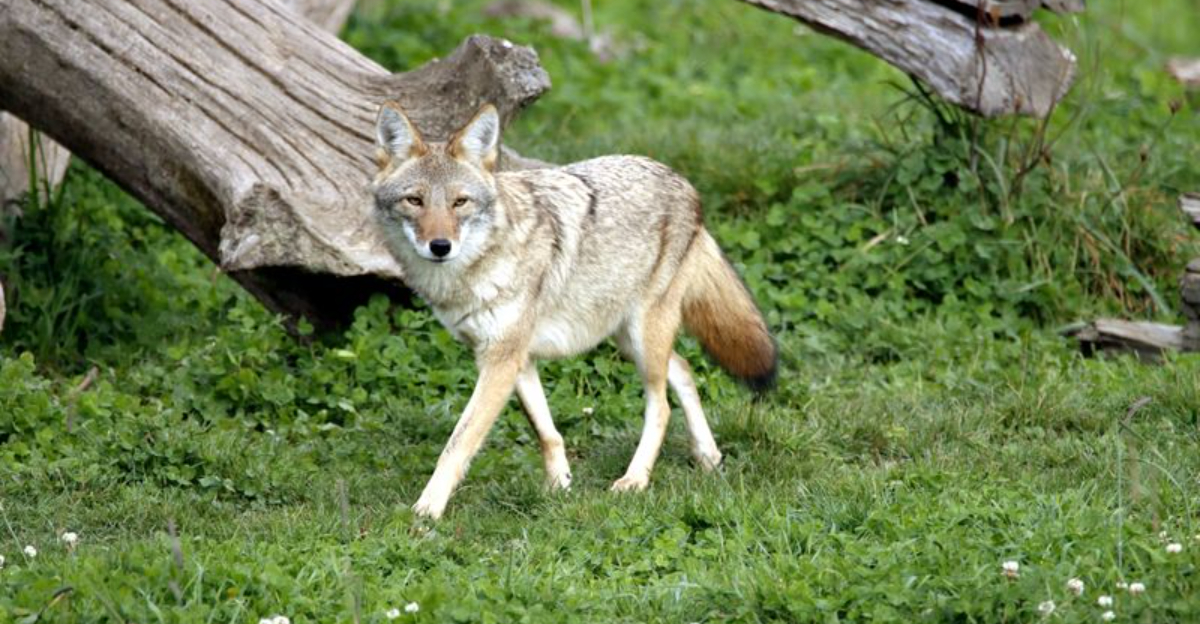
Spotting a coyote near the swing set or along the back fence can stop you mid step. Here in California, that sight is more common than most dog owners expect.
Coyotes live in canyon suburbs, beach towns, farm country, and dense city neighborhoods alike. They are curious, adaptable, and usually far more interested in rodents than in a confrontation.
Still, if you share your home with a dog, a coyote in the yard deserves a thoughtful response. The good news is that reacting well takes no special training.
It takes a plan, a few habits, and a clear sense of what actually helps. Wildlife officials in this state promote simple, proven steps: keep your distance, protect pets, remove food, and encourage the animal to move along.
None of it involves heroics or harm. Think of the next few sections as the conversation you would have with a neighbor who has seen this a hundred times.
You will learn what to do in the first minute, what to change around your property, and when to bring in professional help. Local rules differ from county to county, so confirming details with animal control is always smart.
Confidence comes from knowing the routine before you need it.
Stay Calm and Keep Your Distance
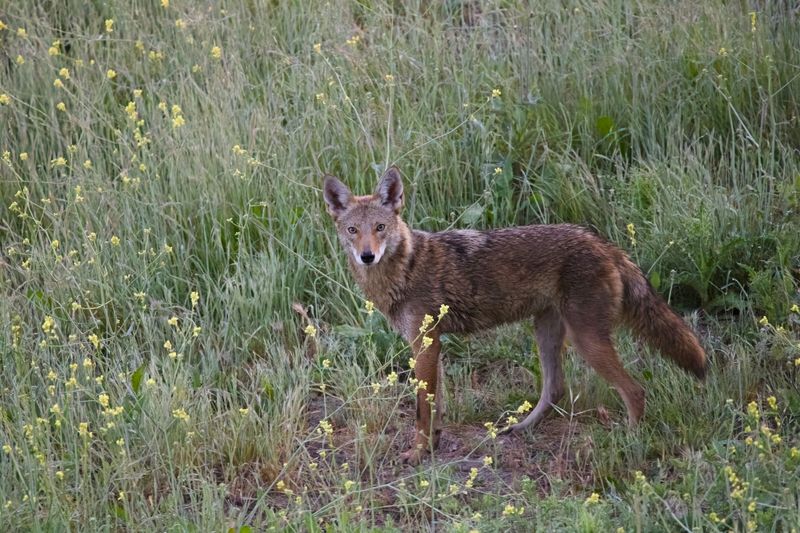
A coyote standing in your grass can look bold, though most want nothing to do with people.
Take a slow breath and watch from a window, porch, or doorway. Distance keeps everyone safer and buys you time to think.
Skip the closer photo, and never trap the animal against a fence or shed. Most yard visits end within minutes.
Steady behavior from you usually leads to a quiet exit. Patience works better than panic.
Bring Pets Indoors
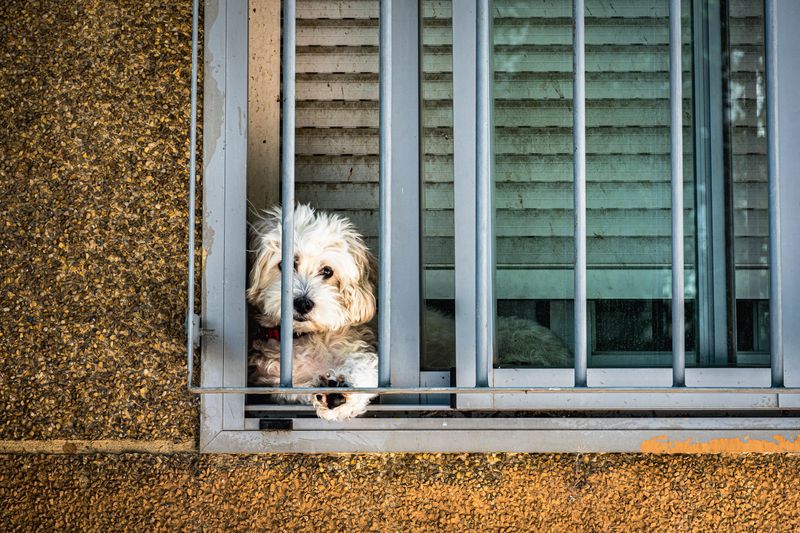
Dogs and cats are the reason most coyotes glance twice at a yard.
Call your pets inside as soon as you spot one. Small dogs especially should be brought indoors promptly.
A six-foot fence is not a complete guarantee, since coyotes can climb fences and take advantage of gaps.
Use a treat or a favorite toy to bring your dog inside quickly. Avoid reaching toward or picking up a barking dog while the coyote is nearby.
Indoors is the safest place for pets until the visitor has moved away.
Keep Children Inside

Kids are naturally curious, and a wild animal in the yard looks fascinating to them.
Bring them inside first. Then explain the rule plainly: no chasing, no approaching, no shouting up close.
Let them watch through a window instead. Curiosity is fine when there is glass between them and the wildlife.
Wait until the coyote has clearly left the property before playtime starts again. Teach the routine once, and it sticks for years.
Never Feed a Coyote
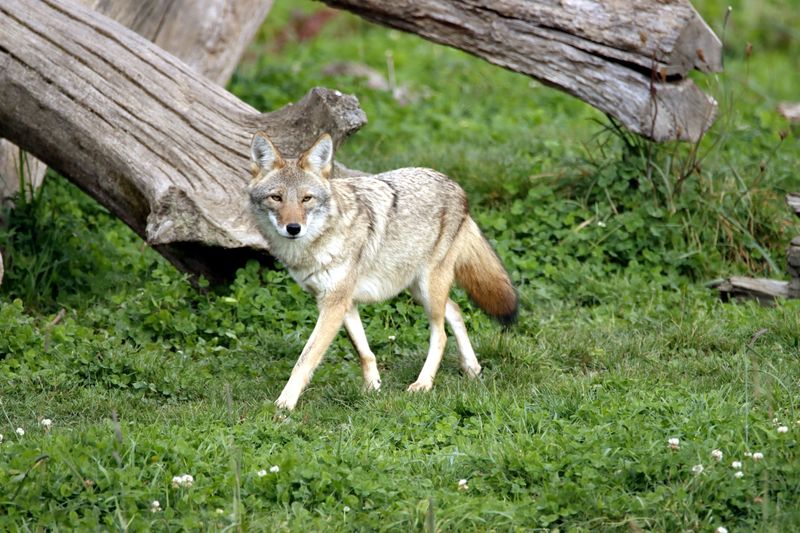
Feeding is the fastest way to turn a passing coyote into a regular guest.
Food teaches wild animals that homes mean easy meals, which erases their natural caution.
California wildlife officials discourage feeding coyotes, and some cities ban it. Check your local ordinance if you are unsure.
That includes indirect feeding, like leaving scraps out for stray cats. Kindness here backfires, both for neighbors and for the coyote itself.
Let wild animals stay wild.
Remove Outdoor Food Sources
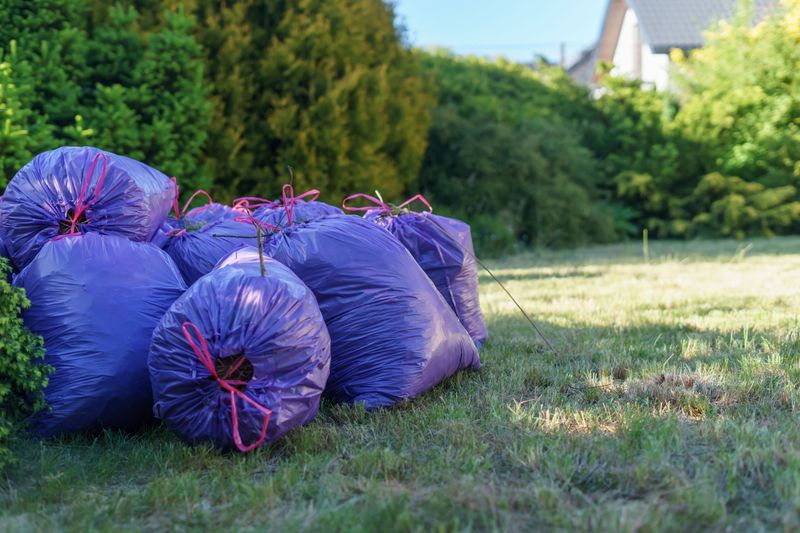
Coyotes follow their noses, and yards offer more snacks than owners realize.
Store pet food indoors and pick up bowls after every meal. Keep trash bins latched and rinse them now and then.
Fallen citrus, plums, and figs are fair game. Rake fruit up a couple of times each week.
Spilled birdseed attracts rodents, and rodents attract coyotes. Clean up the buffet, and the visits usually taper off.
Less food, fewer guests.
Make Yourself Look Larger

Wildlife officials recommend hazing as one way to encourage a coyote to leave. The approach involves making yourself look larger and using a firm voice or other safe noises while maintaining plenty of distance.
Stand tall, raise your arms, and wave a jacket or umbrella if needed. You can also shake a can filled with coins or use an air horn.
Keep your distance throughout the process. Continue until the coyote has completely left the immediate area, rather than stopping as soon as it takes a few steps away.
The goal is to make your property feel unwelcoming without approaching the animal.
Make Noise From a Safe Distance
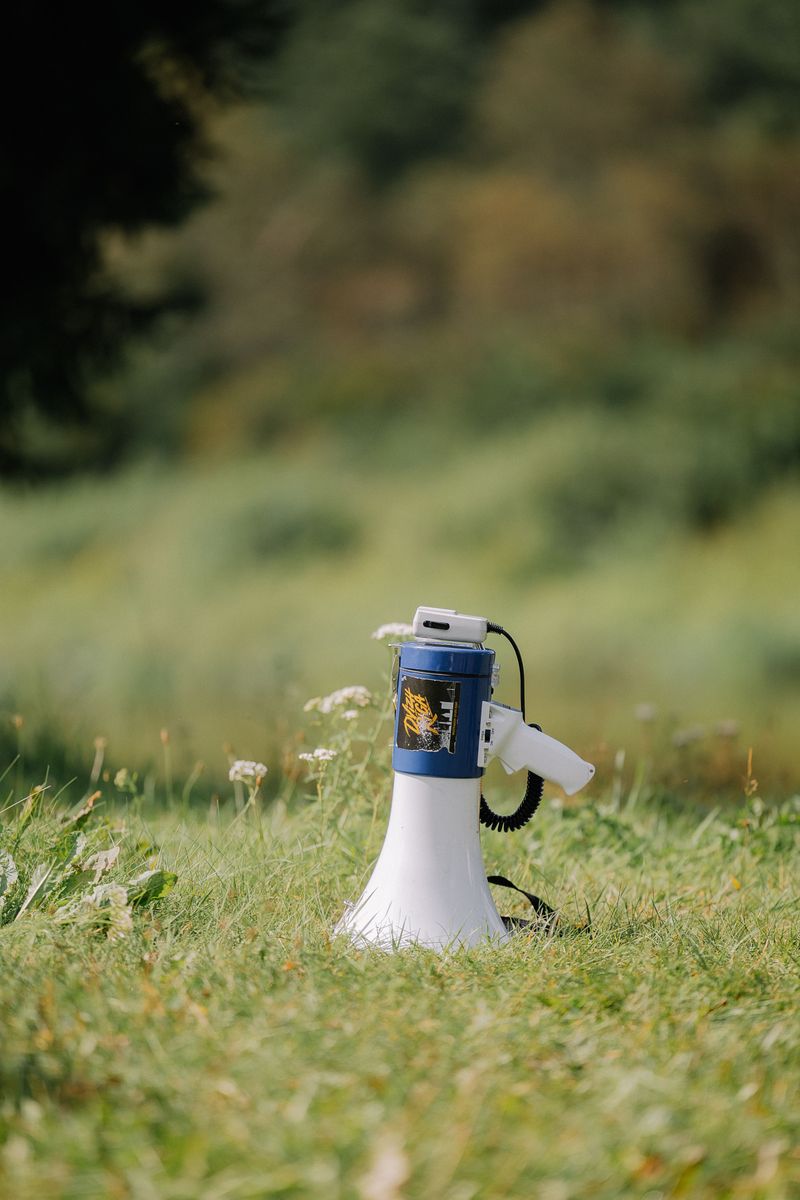
Coyotes dislike unpredictable sound, so your voice is a useful tool.
Shout firmly, clap, bang a pot, or shake a can filled with coins. A whistle or air horn works well too.
Stay on your porch while you do it, and keep plenty of space between you.
You are encouraging an exit, not starting a standoff. Once the coyote moves off, stop the noise.
Neighbors may appreciate a heads up first.
Never Chase, and Always Leave an Exit Open

Running at a coyote feels satisfying, yet it removes your safety margin fast.
Hold your ground instead, or back away slowly while facing the animal.
Check that gates, side paths, and fence gaps stay clear. A coyote pinned between a wall and a person may panic.
Give it an obvious way out, and it will nearly always take it. Never turn your back and sprint indoors either.
Walk, watch, and let the animal leave first.
Keep Your Dog Leashed
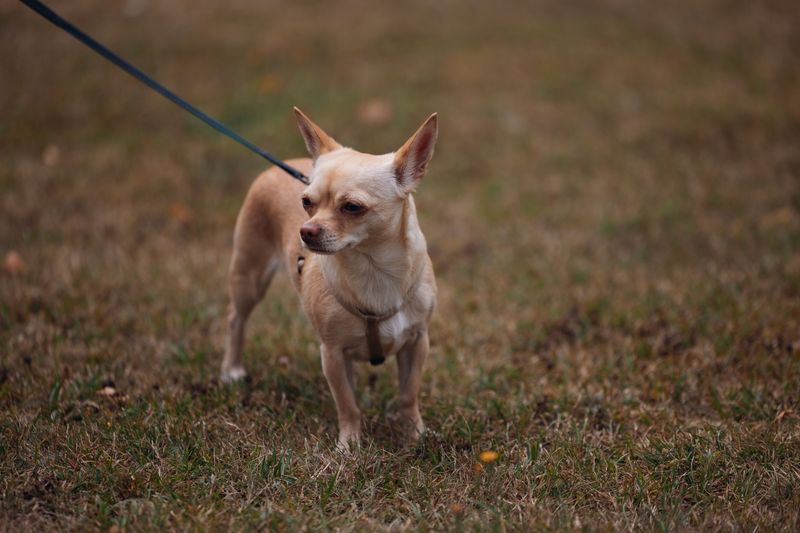
Even after the yard looks empty, a coyote may still be nearby and out of sight.
Leash your dog for the next few trips outside, and stay close enough to bring your dog back inside quickly.
A short leash gives you better control if something appears at the fence line. Retractable leads can make that control more difficult.
Skip unsupervised backyard time until you are confident the coyote has moved on. A quick scan of the yard before letting your dog out is especially useful around dawn and dusk.
Secure Your Fences and Gates

Coyotes are athletic, and a gap the size of a basketball is an invitation.
Walk the perimeter and look for dug hollows, loose boards, and gates left ajar.
Extenders, rollers, and buried wire aprons reduce climbing and digging. Rules about fence height vary by city, so confirm before building.
Latching the side gate every single time costs nothing. Small repairs beat big worries.
One weekend of patching pays off all year.
Remove Brush and Hiding Spots

Shady, overgrown corners make comfortable daytime rest stops.
Trim low branches, thin dense shrubs, and clear stacked wood or forgotten equipment. Block crawl spaces under decks and sheds.
Open sightlines also help you spot a visitor early. Motion sensor lights add another layer of discouragement after dark.
Keep native plants you love, and simply raise the canopy a little. Tidy does not have to mean bare.
A yard with fewer hideouts feels less like home to wildlife.
Watch for Unusual Behavior
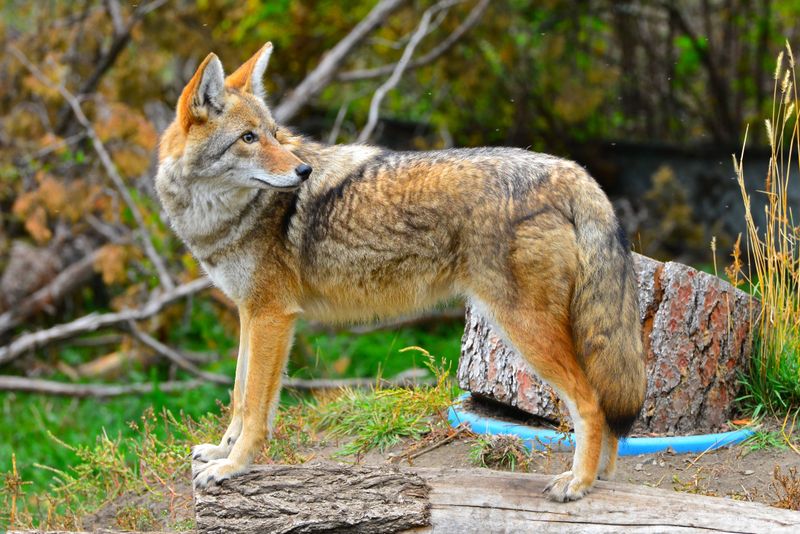
Most coyotes trot through, glance around, and vanish over a fence.
Pay closer attention to one that follows people, sits calmly on a patio, or ignores hazing.
Daytime sightings alone are not alarming, since coyotes move at all hours in California suburbs.
Note the date, time, and behavior in your phone. Patterns matter more than a single sighting.
Repeated boldness is the signal worth acting on. Share what you see with neighbors too.
Do Not Approach an Injured Coyote
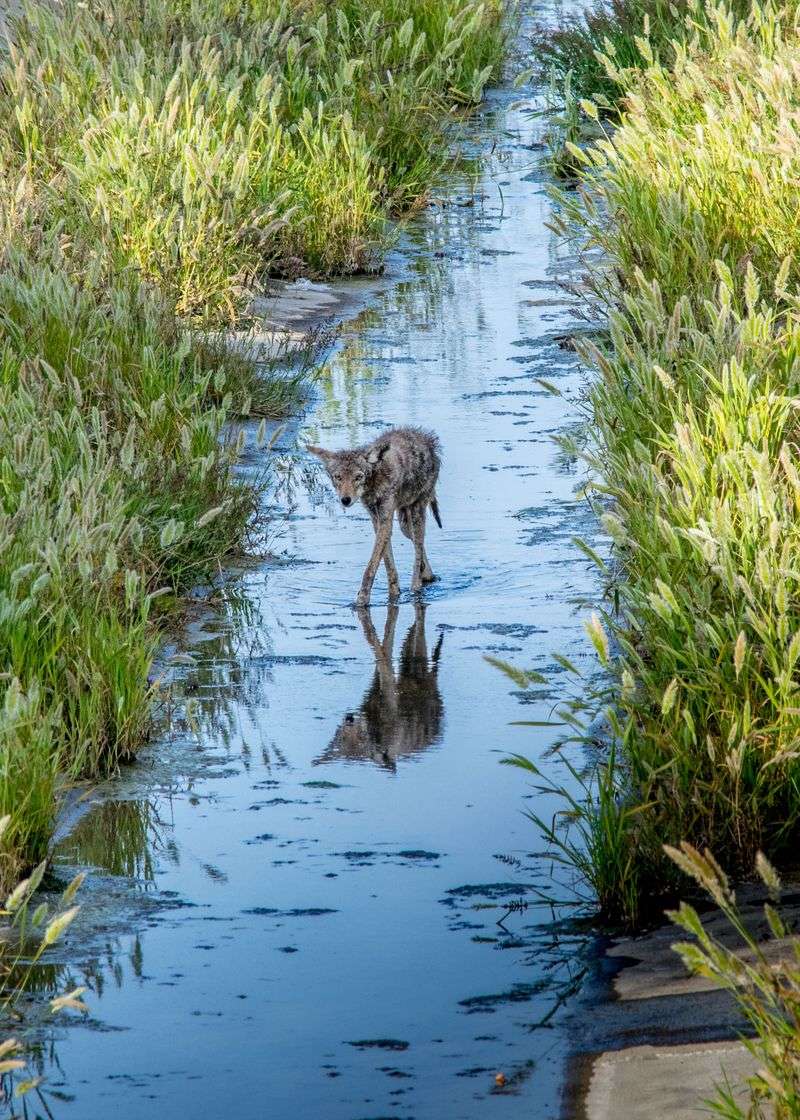
A limping or disoriented animal deserves space, not a close visit.
Illness and injury can make an animal’s behavior unpredictable. Keep pets and people well back, then contact local animal services or a qualified wildlife rehabilitator for guidance.
Trained professionals can advise you on the safest next step. Never attempt to capture or transport a wild coyote yourself.
California wildlife officials recommend contacting local animal services or a wildlife rehabilitator when wildlife is sick or injured.
Report Concerning Encounters
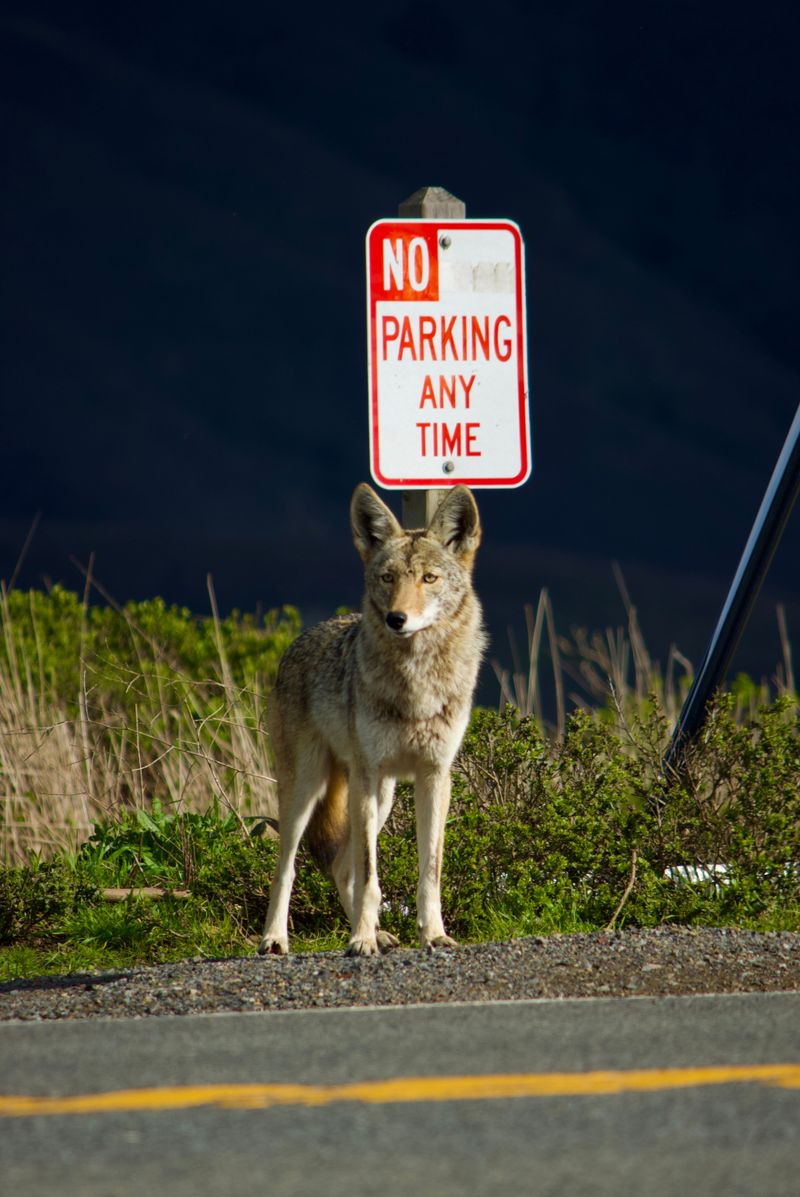
Reports help wildlife agencies see the bigger picture across a neighborhood.
Contact your city or county animal control for repeat visits or bold behavior. The California Department of Fish and Wildlife also accepts wildlife incident reports online.
Include the location, date, time, and exactly what the animal did. Photos help when they are safe to take.
Responses differ by county, so ask what your area recommends. Good records lead to better decisions.
Reporting is not overreacting.
Know When to Seek Immediate Help
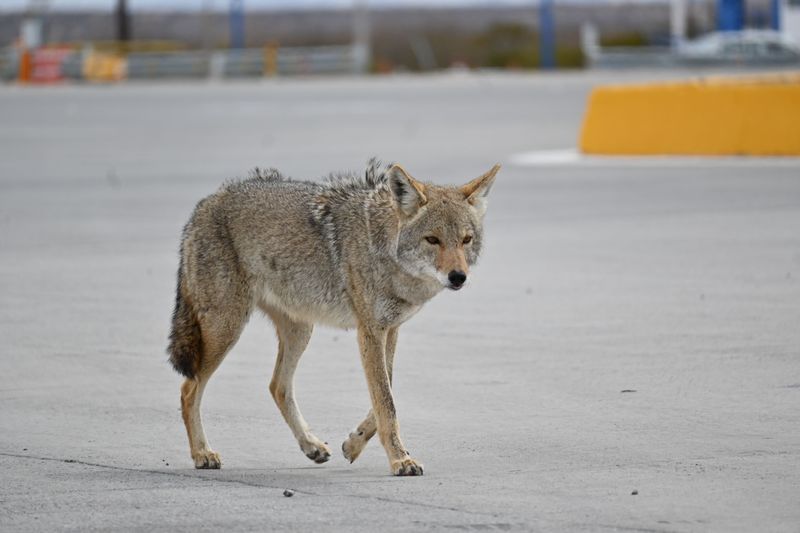
Some encounters call for professional help rather than hazing.
If a coyote approaches aggressively or makes contact with a person or pet, create distance and get everyone indoors when possible.
For an immediate threat to public safety, California Department of Fish and Wildlife advises calling 911. If a person is bitten or scratched, seek prompt medical attention and follow public-health guidance.
If your pet has had physical contact with a coyote, contact your veterinarian promptly for advice. Keep people and pets separated from the animal while you wait for guidance.
Asking for help early shows good judgment. Prepared owners stay calm and give wildlife plenty of room to move away.