15 Things Florida Dog Owners Should Know Before Visiting A Natural Spring With A Dog
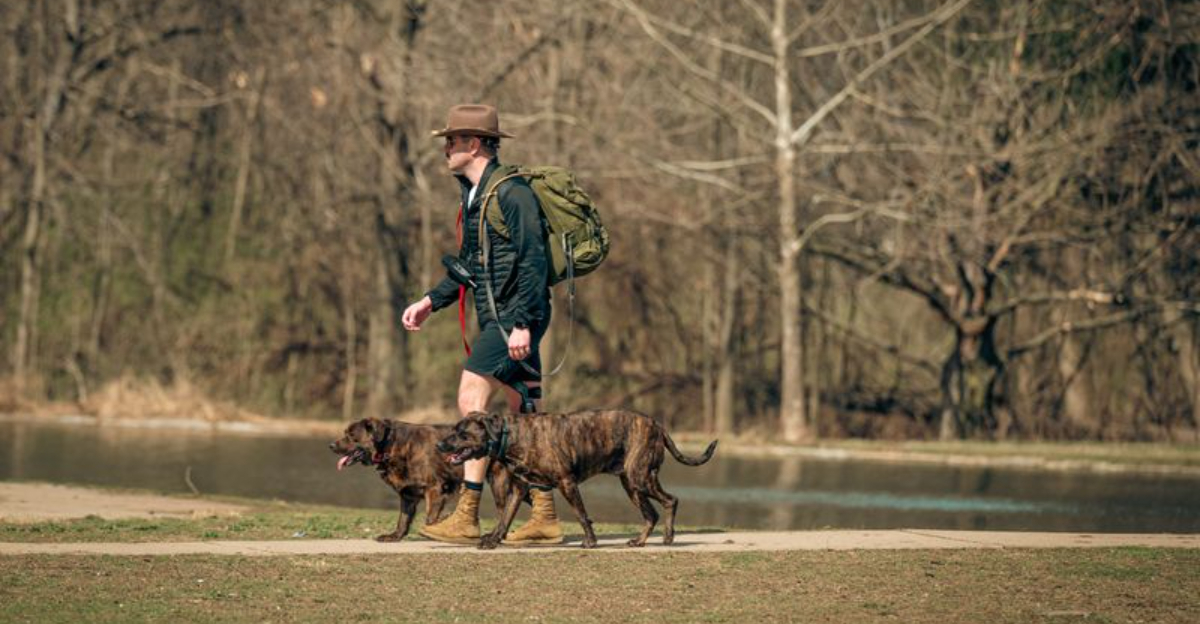
Florida’s springs hold a neat trick: they stay near 72 degrees all year, which sounds like paradise for a panting pup. But that cool water comes with rules, currents, wildlife, and posted signs that change from park to park.
Some springs roll out the welcome mat for dogs. Others say no paws past the parking lot.
Knowing the difference ahead of time saves a wasted drive and keeps your dog happy, hydrated, and safe. Here is what smart spring-goers plan for first.
1. Check If Dogs Are Actually Allowed
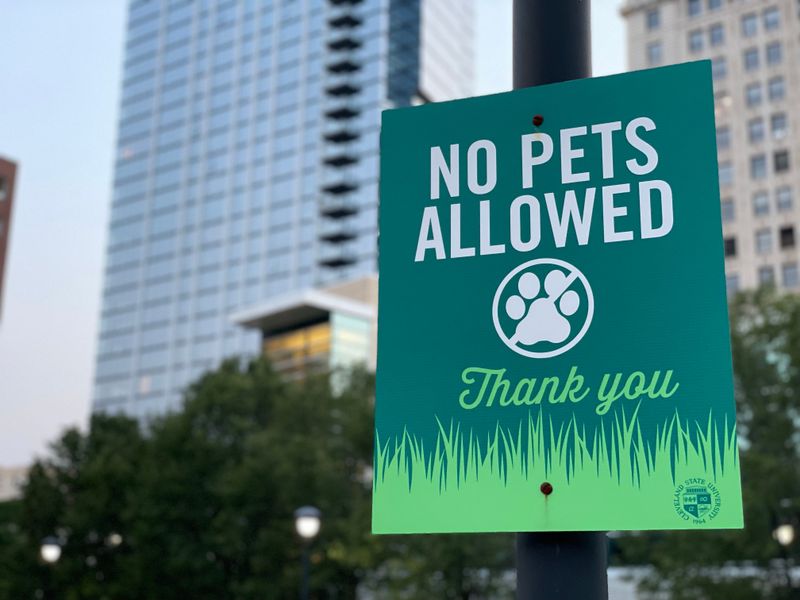
Nothing deflates a road trip faster than a sign at the gate saying no pets. Florida springs each set their own policies, and those policies shift with management and season.
Some state parks allow dogs on trails but not near water. Others ban them entirely from swim areas.
Call the park office or check the official website the morning you leave. Two minutes of research beats a two-hour drive home with a disappointed dog.
2. Know Where Your Dog Can Roam

Pet-friendly does not always mean pet-friendly everywhere. A spring might welcome dogs in picnic areas and on wooded trails, then draw a firm line at the swimming beach or boardwalk.
Look for posted maps near the entrance station. Rangers usually mark approved zones clearly.
Staying inside those boundaries protects the fragile shoreline and keeps your access intact. Rules stick around when visitors respect them, so wander wisely and everybody wins.
3. Keep Your Dog Leashed
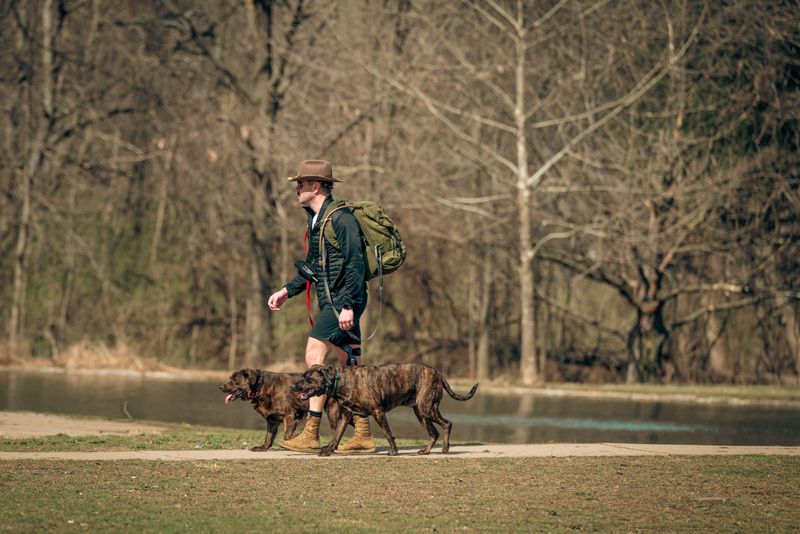
Squirrels, wading birds, splashing kids, and the smell of fresh water: springs are a sensory carnival for dogs. Even the calmest companion can bolt when something interesting rustles nearby.
Most Florida parks require a six-foot leash, and that rule exists for good reason.
A hands-free waist leash keeps you comfortable while you carry gear. Skip retractable models near water, since they tangle easily and offer little real control when it matters.
4. Watch For Strong Currents
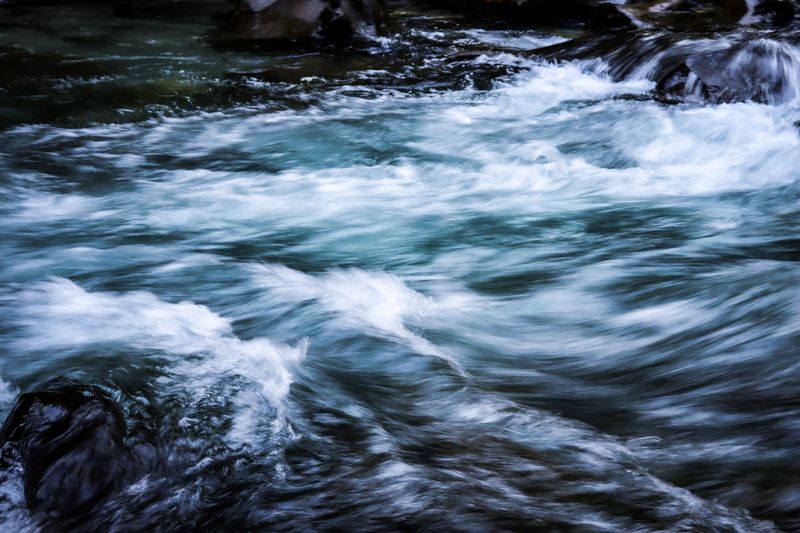
Spring water looks glassy and gentle, yet millions of gallons push through some vents daily. Narrow spring runs funnel that flow into surprisingly strong pulls.
Underwater grasses bending sideways are your clue that the current means business.
Let your dog wade in shallow edges before committing to a swim. Strong swimmers still tire fast against moving water, and a dog fighting a current burns energy far quicker than you expect.
5. Bring Fresh Drinking Water
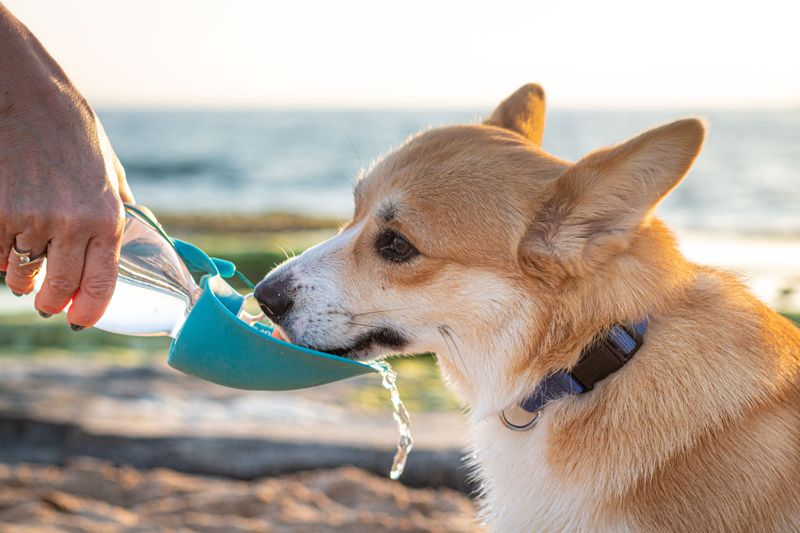
Crystal clear does not equal clean enough to drink. Spring water can carry bacteria, algae, and runoff that upset a dog’s stomach for days.
Bring plenty of fresh water and offer it regularly, since your dog’s needs can vary with its size, activity level, and the weather.
A collapsible silicone bowl weighs almost nothing and clips to a backpack. Offer water regularly, especially after swimming or periods of activity, and watch for signs that your dog needs a break.
6. Protect Paws From Hot Ground
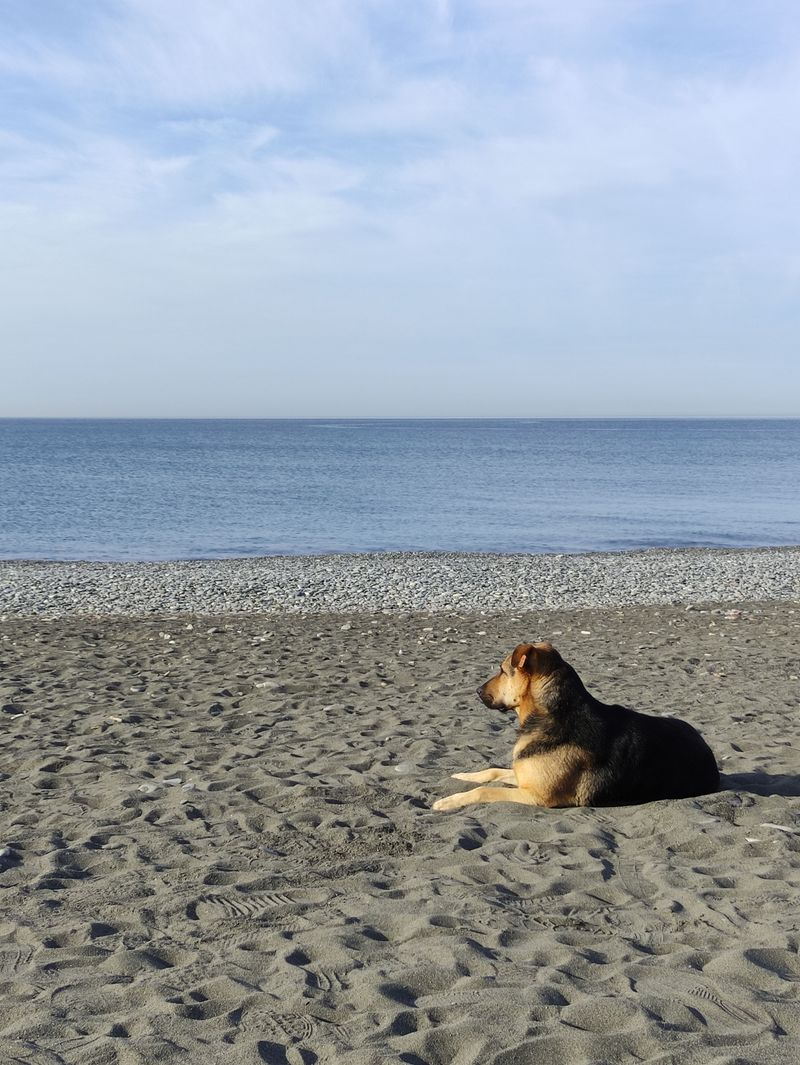
Press the back of your hand to the pavement and hold it for seven seconds. If you flinch, your dog’s pads will too.
White sand near springs reflects heat and can scorch quickly by late morning.
Route your walk along shaded grass, packed dirt, or boardwalk when permitted. Booties help sensitive pups, and paw balm soothes afterward.
Morning and evening visits sidestep the worst of the sizzle entirely.
7. Look Out For Wildlife
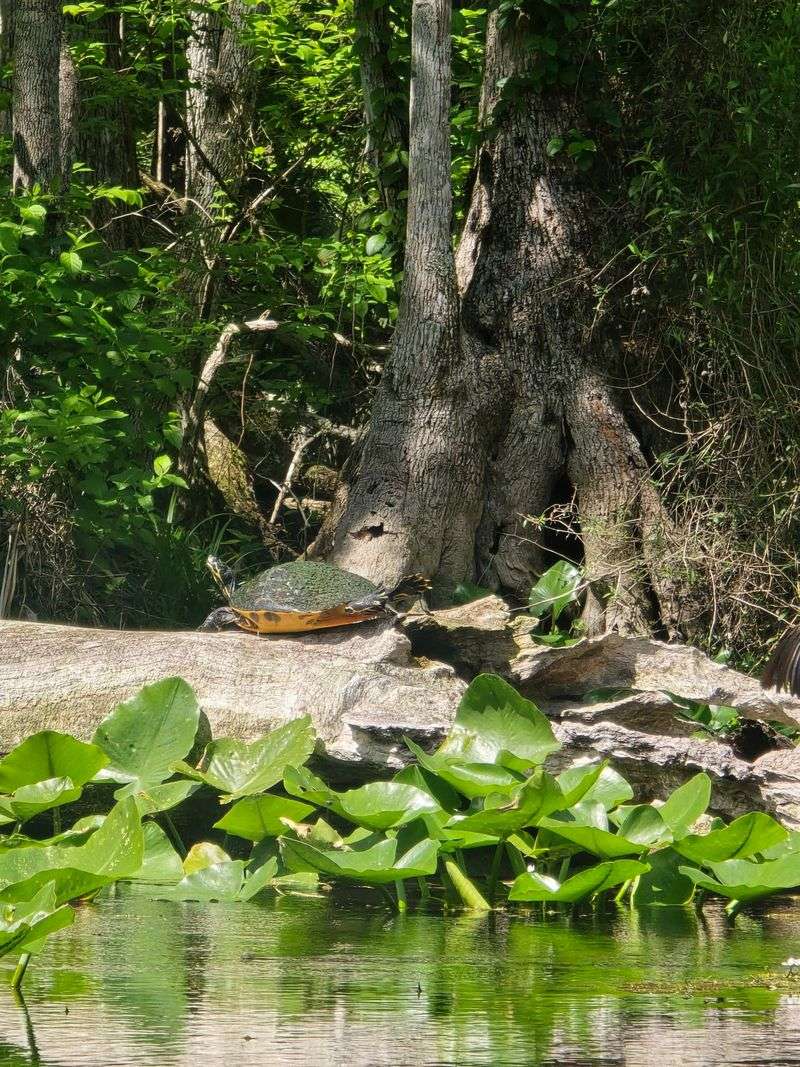
Springs are living aquariums. Turtles bask on logs, mullet flash below, herons stalk the shallows, and manatees drift in during cooler months.
Your dog’s instinct says chase. The law and good manners say absolutely not.
Harassing wildlife can bring fines, and manatees are federally protected. Keep the leash short near shorelines and steer clear of nesting birds.
Watching quietly together is honestly the better show anyway.
8. Be Careful Around Alligators
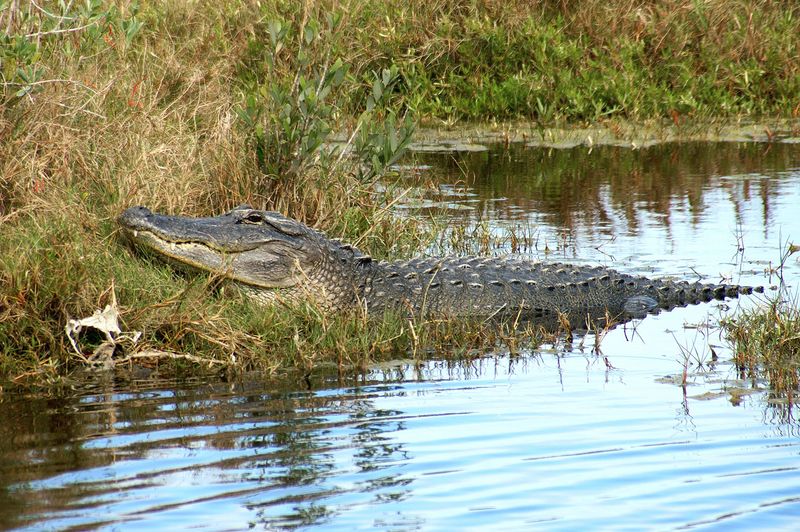
Freshwater in Florida means gators may be nearby, even in busy parks and shallow coves. Small dogs at the water’s edge look like an easy snack.
Read every posted warning and take dawn and dusk seriously, since those are peak feeding hours.
Keep your dog several feet back from murky banks and thick vegetation. When a ranger says the water is closed, believe them and pick a different spot.
9. Bring A Dog-Friendly Life Jacket
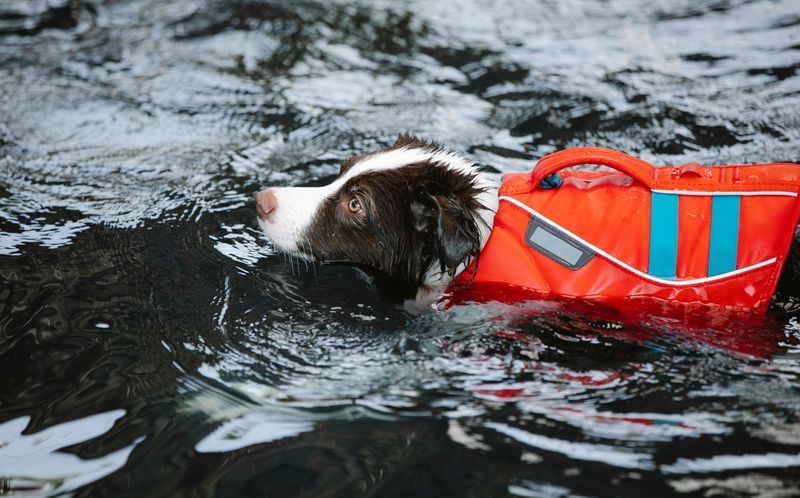
Even a dog who paddles like a champion benefits from flotation. Life vests add buoyancy, visibility, and a grab handle that makes lifting a soggy dog into a kayak far easier.
Measure the chest girth before buying, and check that legs move freely.
Bright orange stands out against dark spring runs. For deeper vents and longer swims, that little bit of extra lift buys real peace of mind.
10. Pack Towels And A Drying Spot

Wet dog plus sandy paws plus car upholstery equals a smell you will remember for weeks. Plan the cleanup before the swim.
Toss in two or three microfiber towels, a waterproof seat cover, and an old mat for the tailgate.
Give your dog a shady staging area to shake, roll, and dry off. Bonus tip: a quick brush after drying pulls out grass bits and sand you would otherwise find later.
11. Prepare For Crowded Weekends
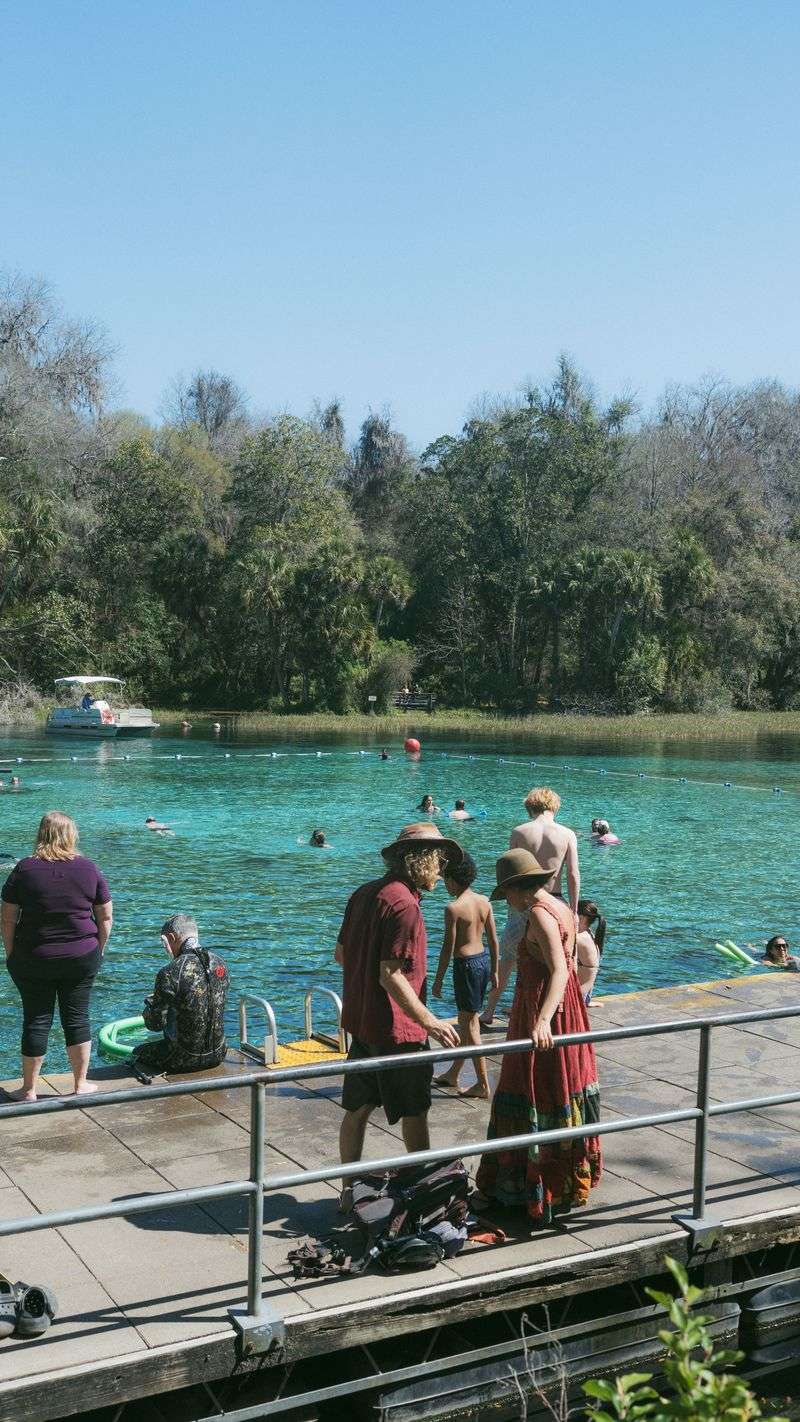
Popular Florida springs can become crowded and may reach capacity during busy weekends and holidays. Gates close, and cars get turned away.
Arriving at opening time gets you a parking spot and a quieter shoreline.
Weekdays are the real secret weapon. If your dog gets jumpy around strollers, coolers, and crowds, choose Tuesday over Saturday.
Everyone relaxes more, including you, and photos look far better without a hundred strangers.
12. Respect Other Spring Visitors
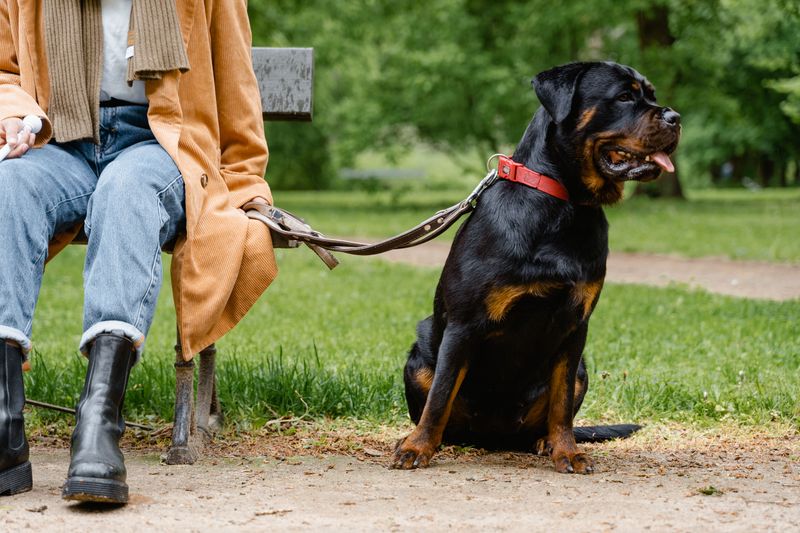
Here is a truth every dog lover forgets: not everybody wants to meet your dog. Some visitors are nervous, allergic, or simply want quiet time by the water.
Ask before letting your pup approach anyone, and never assume a wagging tail is an invitation.
Scoop every mess immediately and carry the bag out. Courteous owners are the reason springs stay open to pets, so set the example proudly.
13. Watch For Heat And Humidity
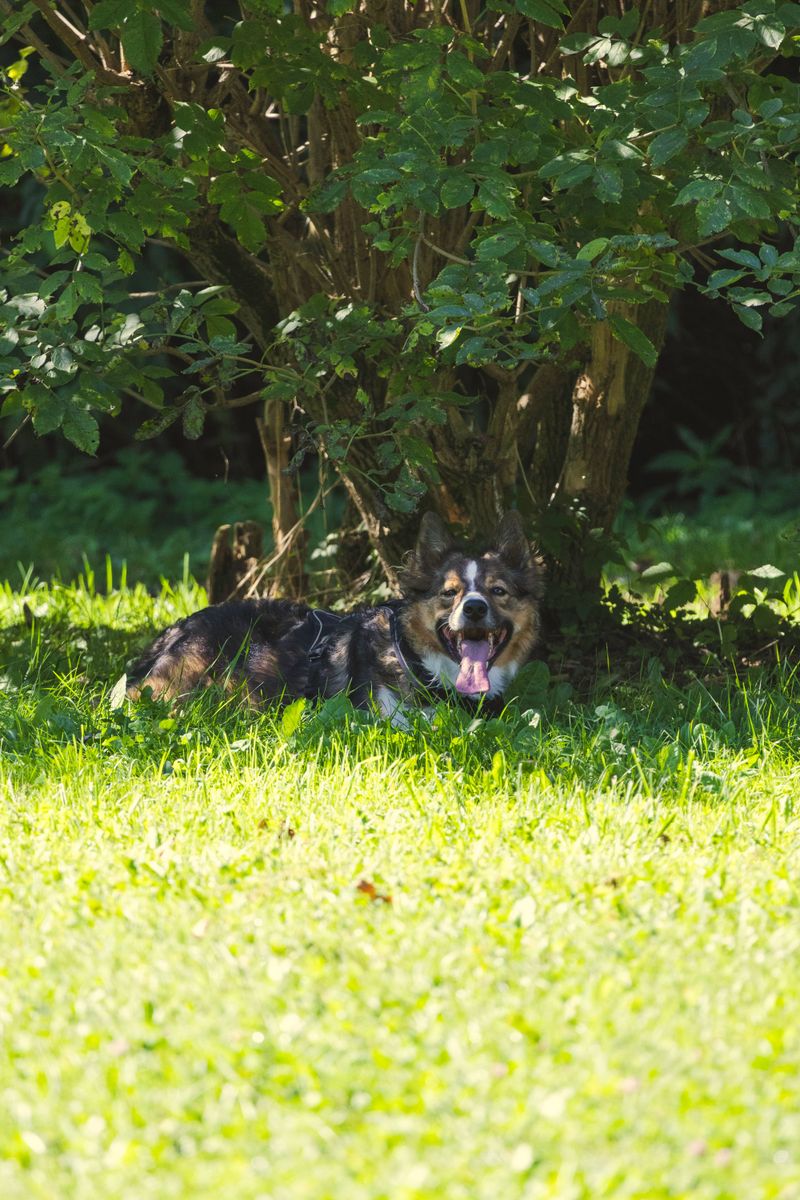
A cool dip masks how hard Florida humidity works on a dog. Panting, thick drool, wobbly legs, or bright red gums signal it is time to stop.
Move to shade, offer water, and let the excitement fade before heading out again.
Flat-faced breeds like bulldogs and pugs overheat fastest, so keep their outings short. Rest breaks every fifteen minutes are not overkill in August.
They are just good sense.
14. Check Your Dog After Swimming
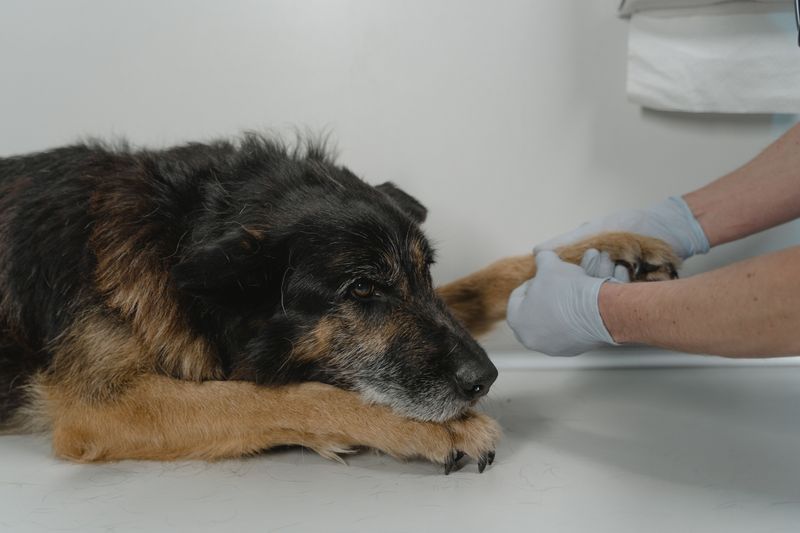
Post-swim inspections take three minutes and prevent a week of trouble. Rinse the coat with fresh water to clear algae and grit.
Dry inside the ears with a soft cloth, since trapped moisture invites infections in floppy-eared dogs.
Run your fingers between the toes, hunting for sand, twigs, or hitchhiking ticks from the trail. Check the belly and armpits too.
Catching a tick early is always the easier fix.
15. Leave No Trace With Your Dog
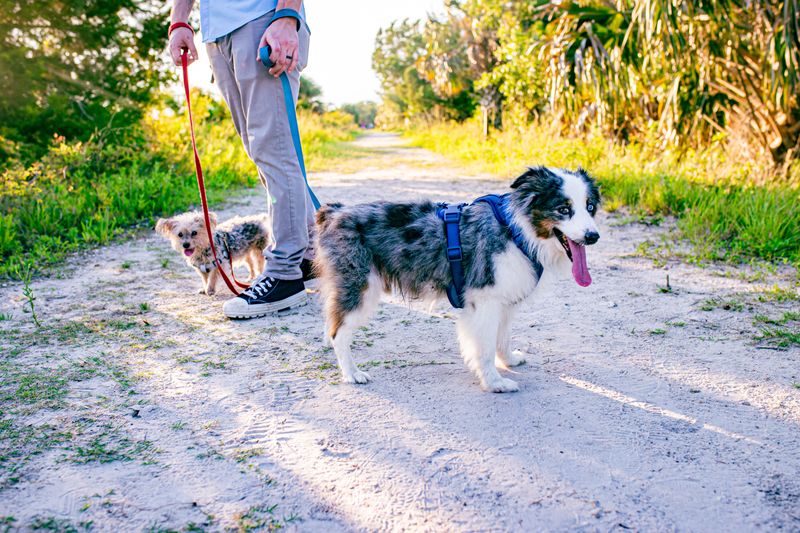
Springs are delicate systems fed by underground aquifers, and every wrapper or waste pile matters. Pack out what you pack in, including used bags.
Stay on marked paths so paws do not crush shoreline plants that hold the banks together.
Skip feeding fish or birds, however tempting. Responsible visits keep gates open for dogs tomorrow.
Grab the leash, fill the water bottle, and go make some happy, sandy memories.