What Oregon Dog Owners Should Know About Sneaker Waves On The Coast
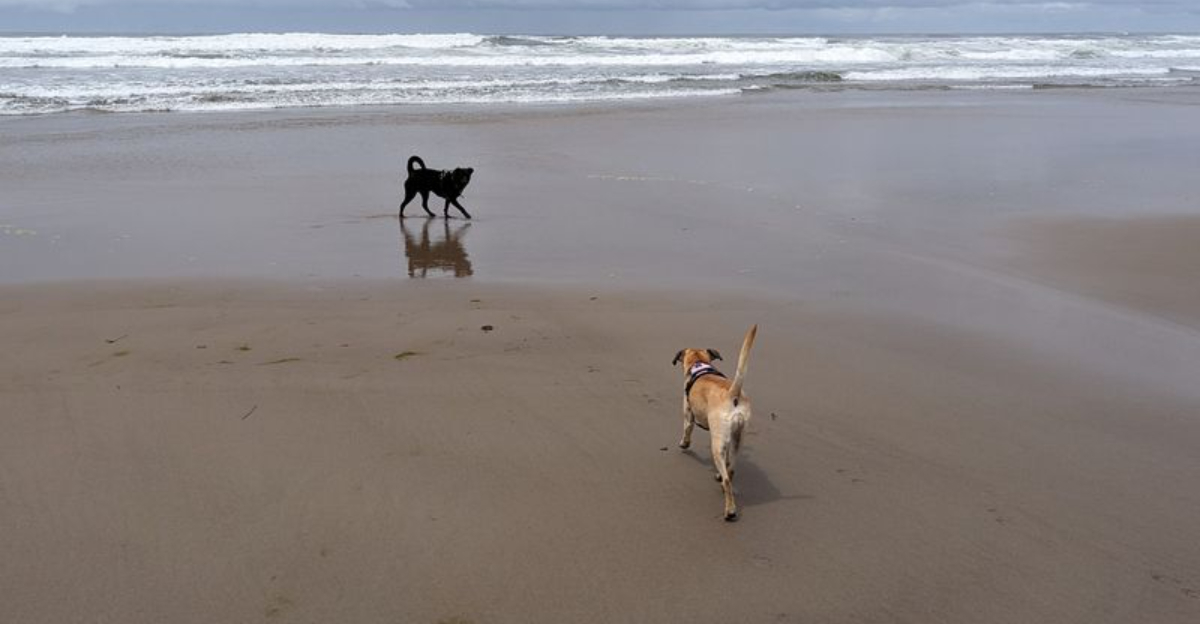
If you love taking your dog to the Oregon coast, you already know how good those salty walks feel. Wide sand, driftwood, tide pools, and a happy dog racing ahead of you: it is one of the best parts of living here.
Still, our shoreline has a quirk that surprises even longtime locals. Sneaker waves can push far up the beach with little warning, arriving when the water looks fairly ordinary.
That does not mean you should stay home. It simply means a little know-how goes a long way, especially when your dog is off exploring with their nose to the sand.
Most coastal safety comes down to habits: where you stand, how closely you watch the water, and whether a leash is within reach. None of it is complicated, and none of it ruins the fun.
Think of this as the friendly rundown a neighbor might give you before your next trip to Cannon Beach, Seaside, or the dunes near Florence. Learn these points once, and they become second nature.
Your dog gets a great day out, and you get to relax and enjoy it too.
Sneaker Waves Can Arrive Without Warning
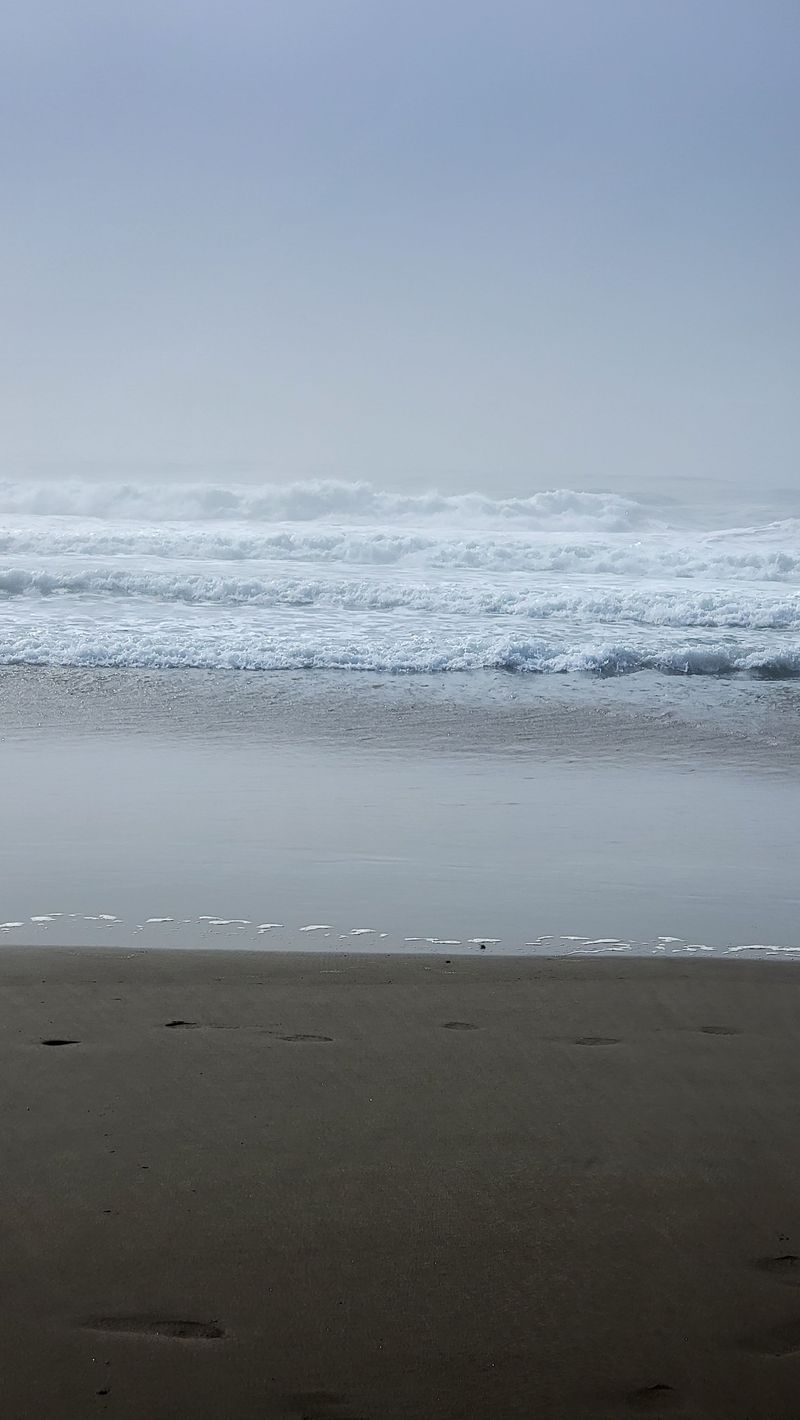
Oregon beachgoers hear the term often, and for good reason. A sneaker wave is an unusually large wave that rushes much farther up the sand than the waves before it.
What makes it tricky is the timing. The ocean can look fairly calm, then suddenly send water well past the wet line.
Dogs rarely notice the change, since they are busy sniffing. Your awareness becomes their safety net, so treat every calm-looking day with quiet respect.
Keep Your Dog Well Away From The Waterline
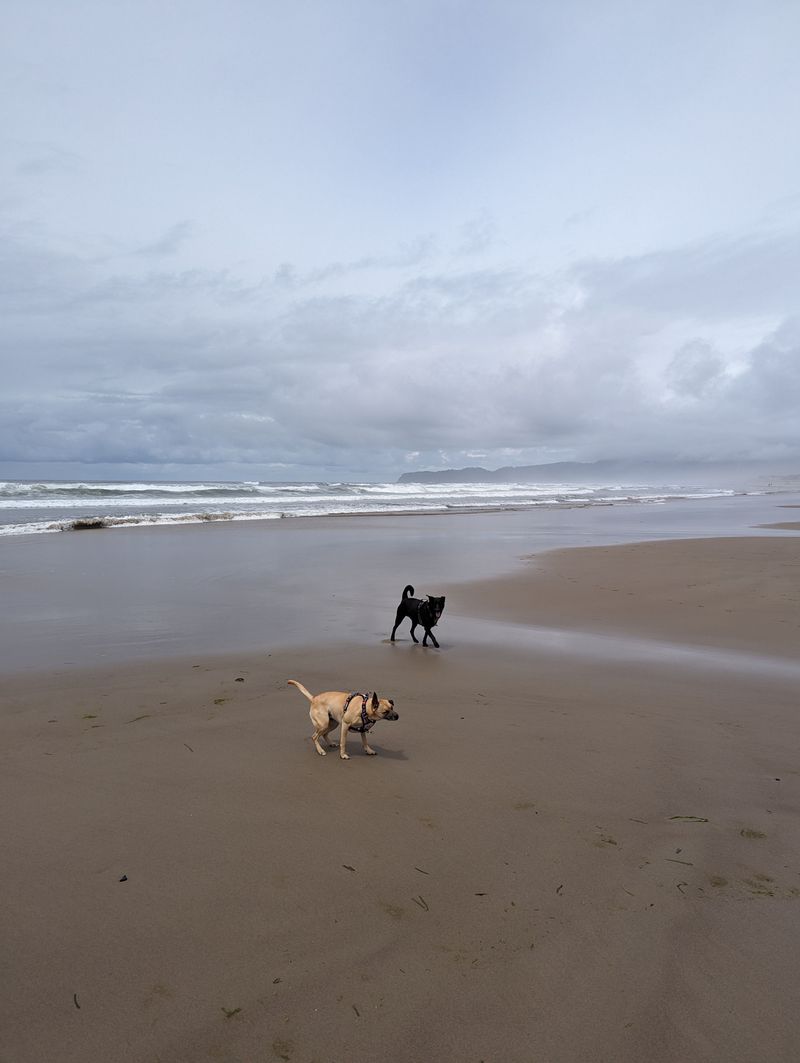
Distance is the simplest tool you have. Walking higher on the dry sand buys you extra seconds, and seconds matter when water surges inland.
Broad, open beaches make this easy. There is usually plenty of room to enjoy the view without hugging the edge of the surf.
Try setting an invisible line for yourself and sticking to it. Your dog will follow your lead more than you expect.
Never Turn Your Back On The Ocean
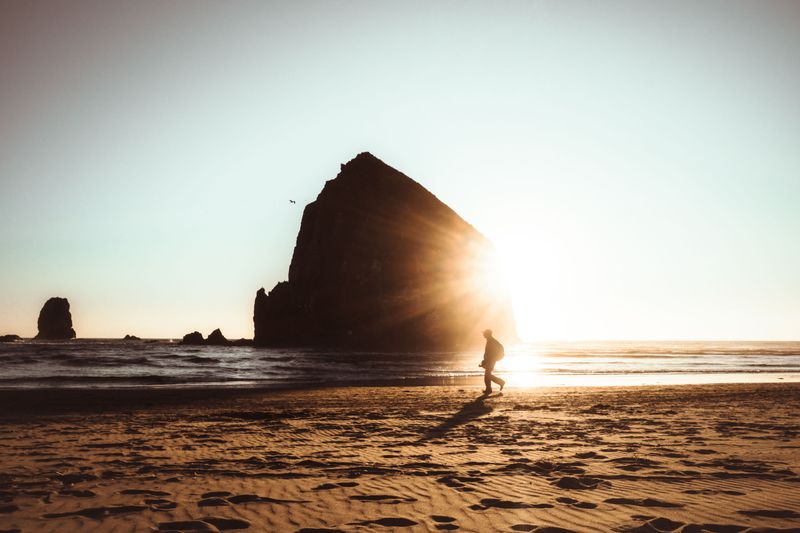
Local advice repeats one rule above all: face the water. Conditions along our coast shift fast, and a wave set can build while you are looking away.
Photos are a common distraction. So are thrown balls, phone calls, and chatting with other owners.
Keep the ocean in your line of sight while your dog explores. Glancing seaward every few seconds becomes automatic once you practice it.
Watch For Sets Of Smaller Waves
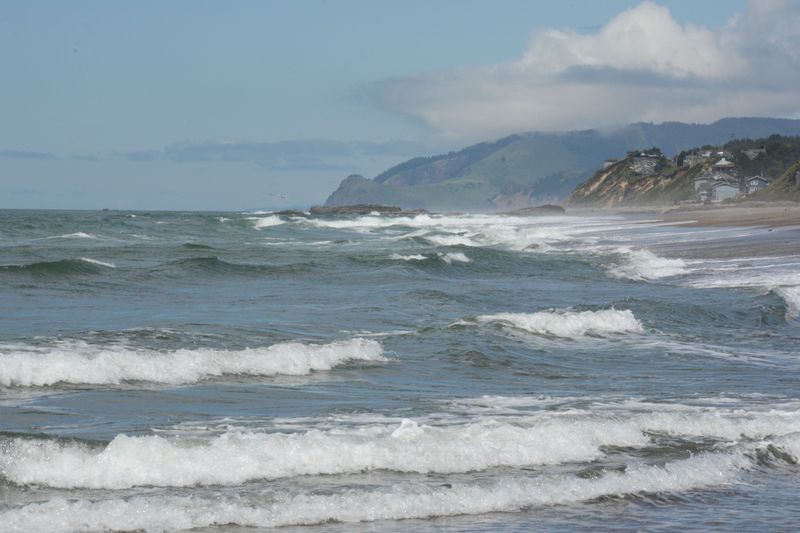
Quiet stretches can be misleading. Waves often travel in sets, so several modest ones may be followed by something much larger.
People sometimes relax after watching a few gentle rollers and step closer to the water. That is exactly when a bigger wave can arrive.
Stay alert for your whole visit, not just the first ten minutes. Consistent attention beats a quick assessment at the start.
Wet Sand Can Be A Warning Sign
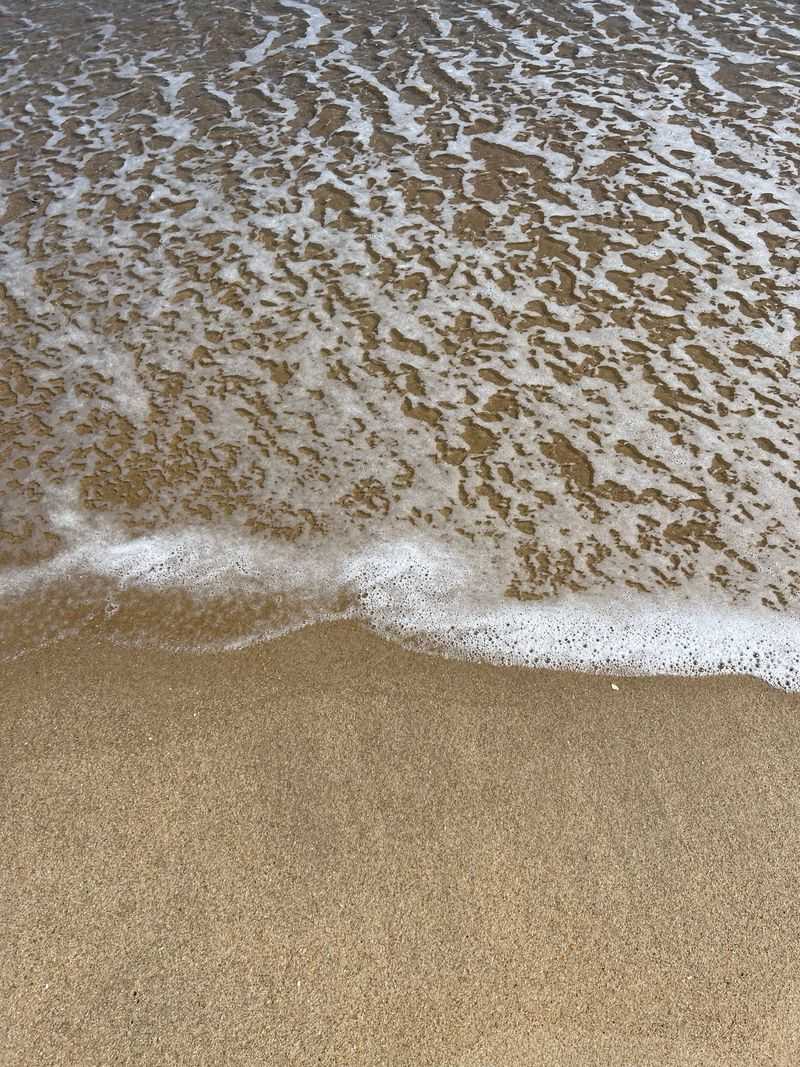
The beach keeps a record of where water has been. Dark, damp sand shows how far recent waves have reached.
If you notice water creeping past that line, take it seriously. A surge that wets previously dry ground signals stronger conditions.
Move yourself and your dog farther inland right away. Reading the sand is a quick habit that costs nothing and tells you plenty.
Avoid Standing On Logs Near The Surf
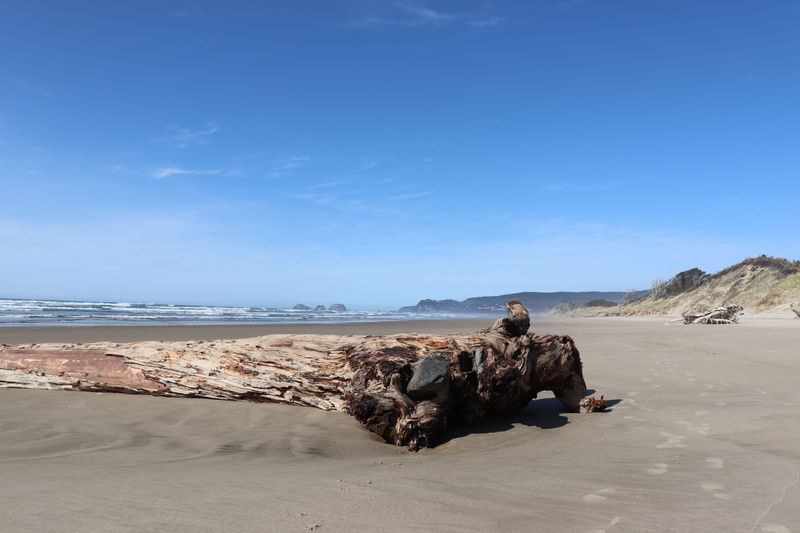
Driftwood looks like furniture the ocean left behind. It is tempting to sit on, climb over, or let a dog scramble around.
Waves, though, can shift those logs without warning. Large waterlogged logs can be extremely heavy, yet sneaker waves can still move or roll them unexpectedly.
Keep dogs away from logs sitting close to the surf. Choose seating well up the beach, where the wood is settled and dry.
Give Your Dog Extra Room To Explore
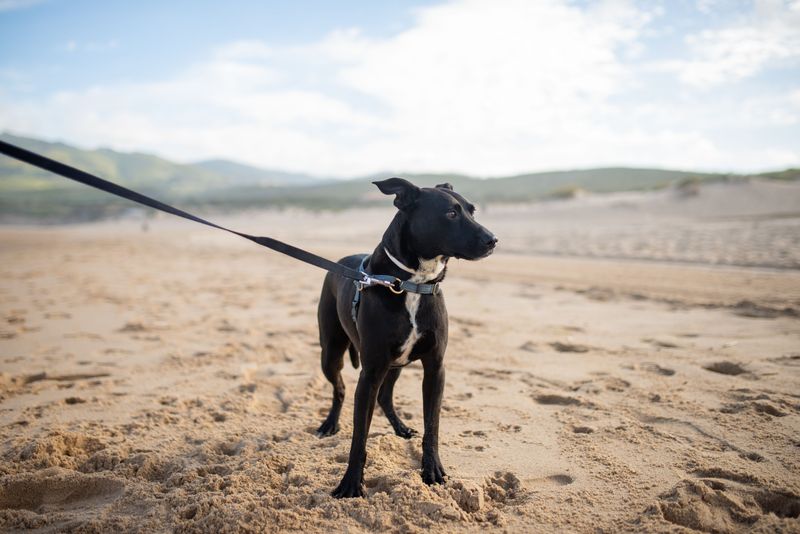
Smells, birds, crabs, kelp: the shoreline is a sensory carnival for dogs. All that excitement can send them bolting toward incoming water.
A secure leash gives your dog freedom to investigate while keeping that dash in check. Longer lines work well on open sand.
Think of it as room to roam with a safety limit. Your dog explores happily, and you stay in charge of the boundary.
Leashes Are Especially Important Near Surf
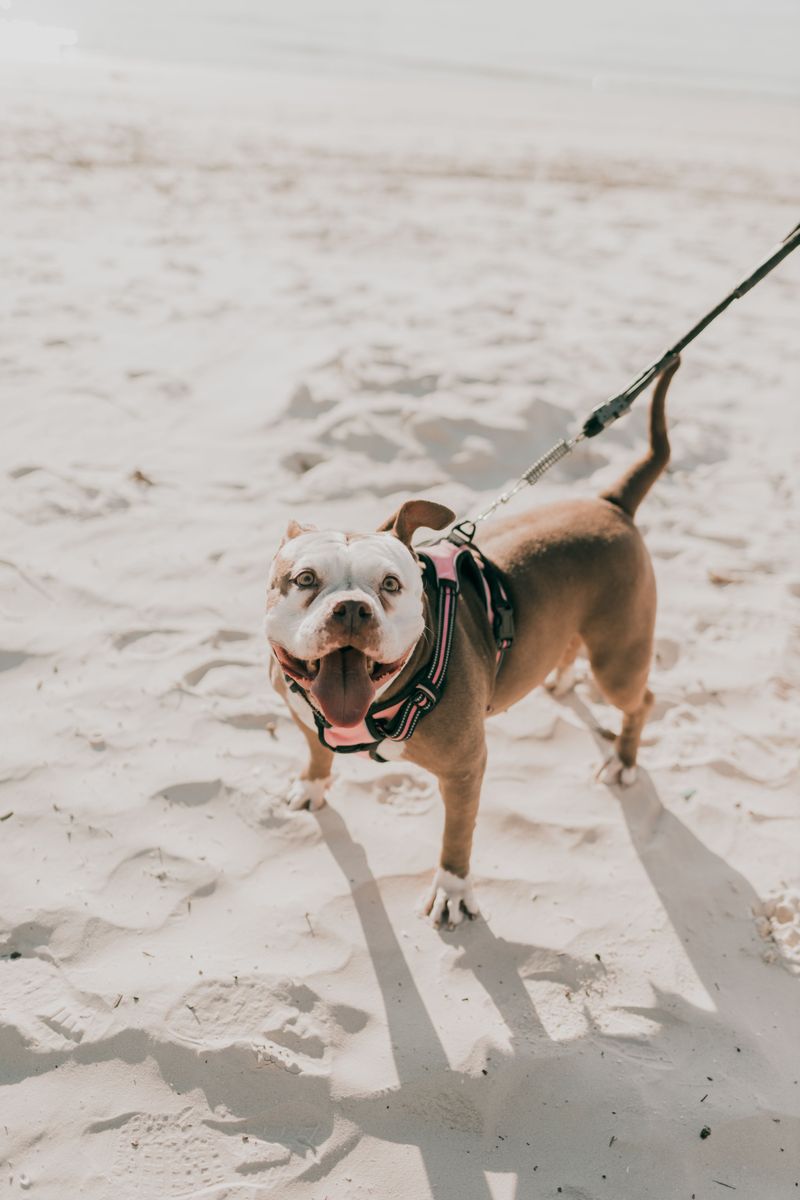
Control matters most in the moments you cannot predict. When a wave surges inland, a leash lets you guide your dog instead of chasing them.
Fit deserves attention here. Collars can slip over heads, and a startled dog pulls harder than usual.
Many owners prefer a snug harness for coastal walks. Check the buckles before you leave the parking area, then check again on the sand.
Do Not Let Dogs Chase Waves
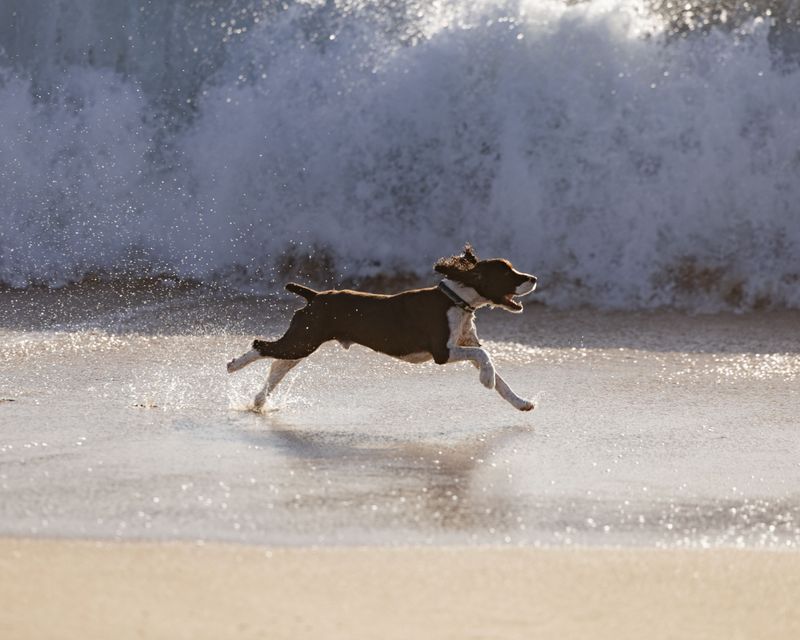
Moving water is irresistible to plenty of dogs. Chasing the retreating foam feels like the best game ever invented.
Sneaker waves turn that game risky, because the next surge can arrive while your dog is right at the edge.
Shift beach play farther inland instead. Fetch, tug, and sniffing games all work beautifully on dry sand, and your dog will not know the difference.
Pay Attention To Weather And Ocean Conditions
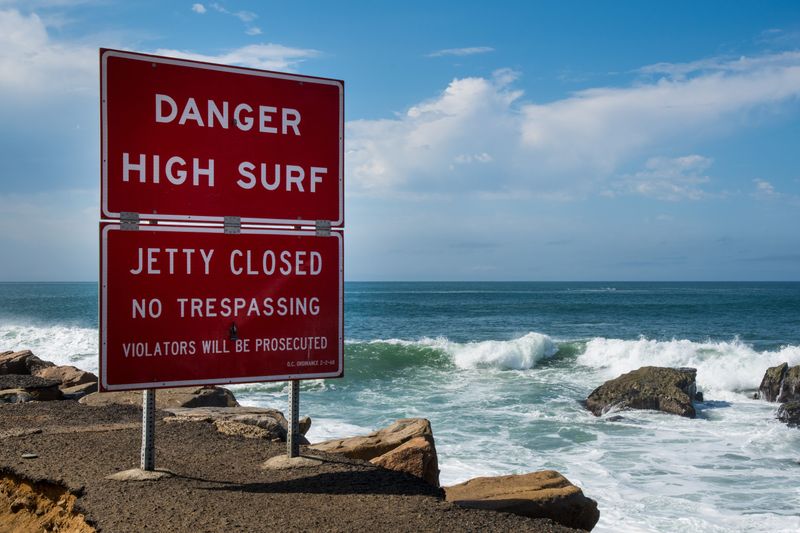
A quick forecast check before you drive over the coast range pays off. Wind, tides, and offshore swell all shape what happens on the sand.
The National Weather Service issues high surf and sneaker wave advisories for Oregon beaches. Reading those takes about a minute.
Stay observant after you arrive, too. Forecasts describe the day broadly, while your eyes track what is happening right now.
High Surf Calls For More Distance
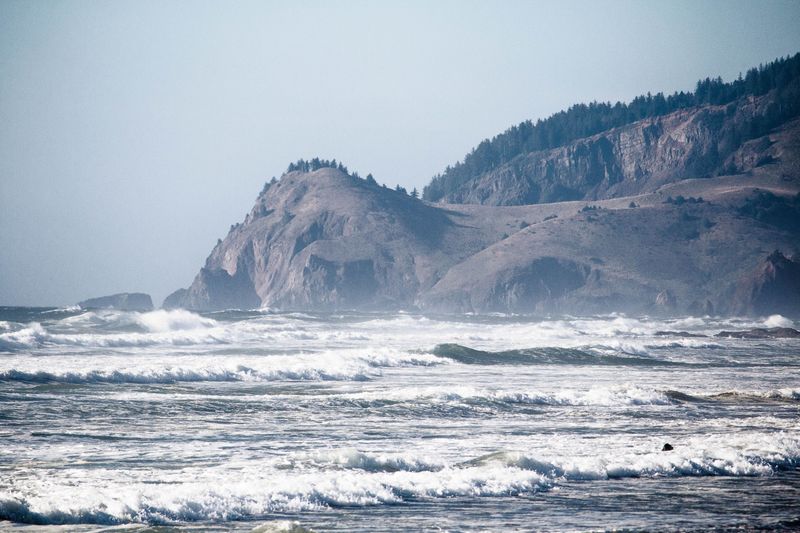
Big-swell days draw crowds for a reason. Watching heavy surf from a safe spot is genuinely spectacular.
Powerful waves also reach much farther up the beach, so widen your buffer well beyond usual. Doubling your distance is a reasonable rule of thumb.
Higher ground or a more sheltered pocket of beach works better on rough days. Sometimes the best view is from the bluff trail above.
Stay Away From Rocks And Cliffs
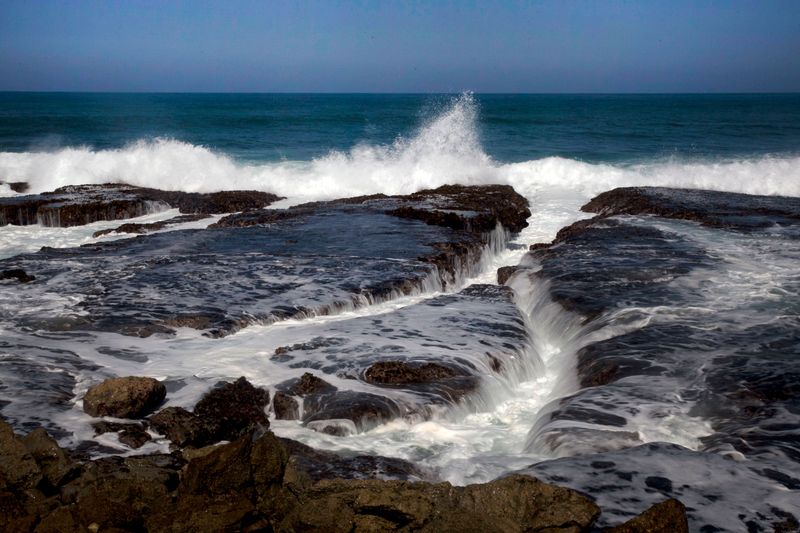
Tide pools and rocky outcrops are some of Oregon’s best scenery. They also become slick the instant a wave washes over them.
Dogs have poor traction on wet basalt, and a surge leaves little room to back away. Cliff edges add another layer of risk.
Keep paws on sand and trails instead. Admire the rocks from a spot where retreat is always easy.
Teach Your Dog A Reliable Recall
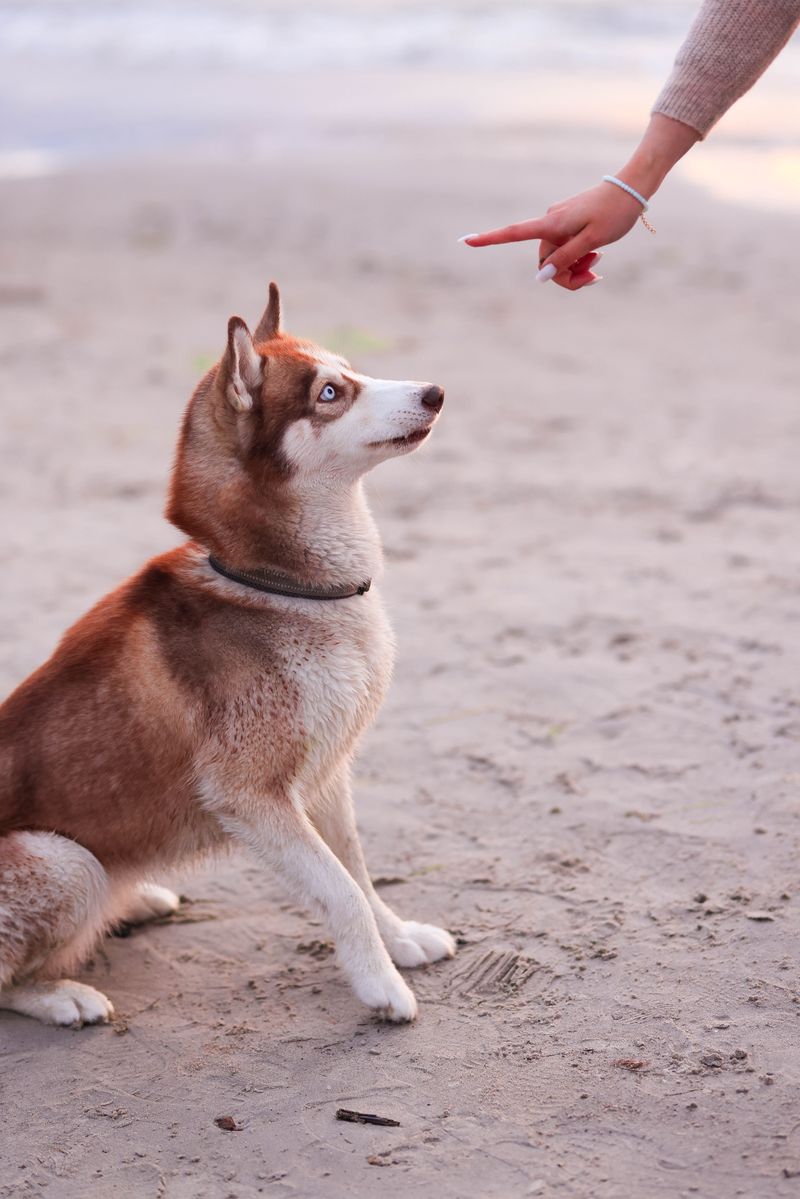
Few skills serve a coastal dog better than coming when called. A dependable recall can stop a beeline toward the water.
Build it in easy places first: a hallway, a fenced yard, a quiet park. Reward generously every single time.
Then practice with distractions, because the beach offers plenty. Trainers often suggest a special high-value treat reserved just for recall, which keeps the response sharp.
Carry A Leash Even During Off-Leash Activities
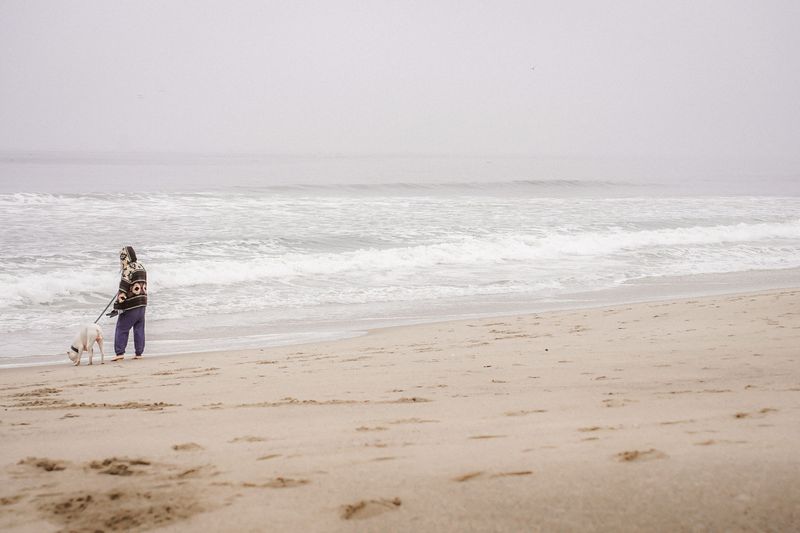
Some Oregon beaches allow off-leash time, though rules vary by city, county, and state park. Confirm the local rules before you unclip.
Either way, keep a leash on your person. Wave conditions can change while your dog is halfway down the sand.
Clipped to a belt or stuffed in a jacket pocket, it weighs almost nothing. Having it ready means you can regain control instantly.
Choose A Safer Spot For Beach Play
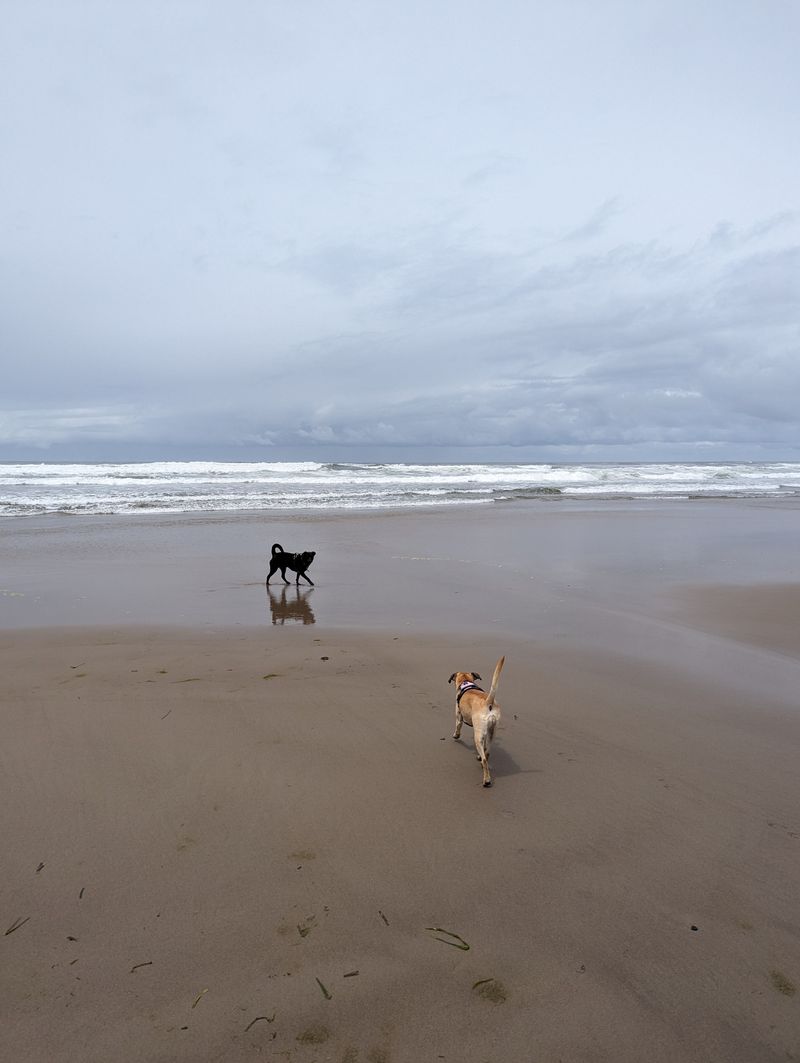
Not every stretch of coastline suits a play session. Wide, gently sloping beaches give you space and options.
Narrow strips below bluffs or between headlands do the opposite, since water can fill the available room quickly.
Scout for a roomy area well back from the surf where your dog can sniff, trot, and dig freely. Comfort and safety usually share the same patch of sand.
Keep Children And Dogs Close Together
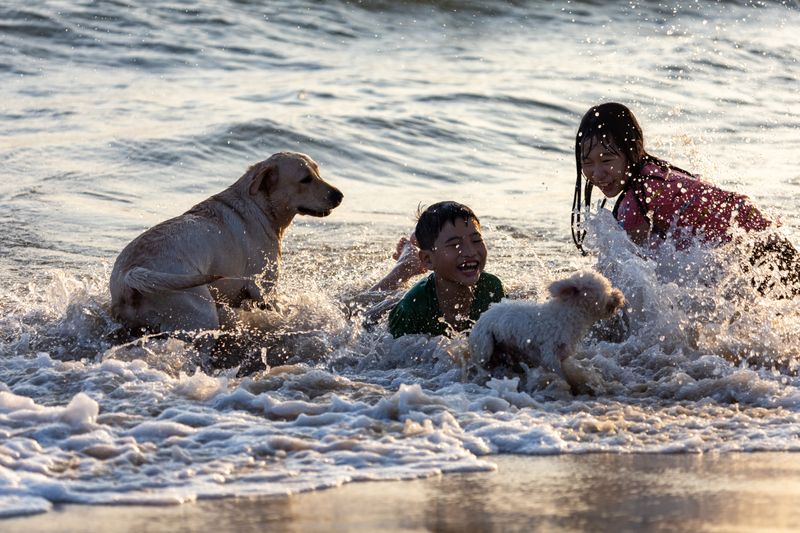
Family beach trips get lively fast. Kids wander one way, the dog trots another, and suddenly your group is spread across fifty yards.
Tighter grouping makes everyone easier to gather if water pushes inland. It also cuts down on lost-shoe drama.
Set a simple rule that everyone stays within arm’s reach near the shoreline. Save the wandering for the dunes and trails behind the beach.