What Montana Dog Owners Should Know About Porcupines On Rural Properties
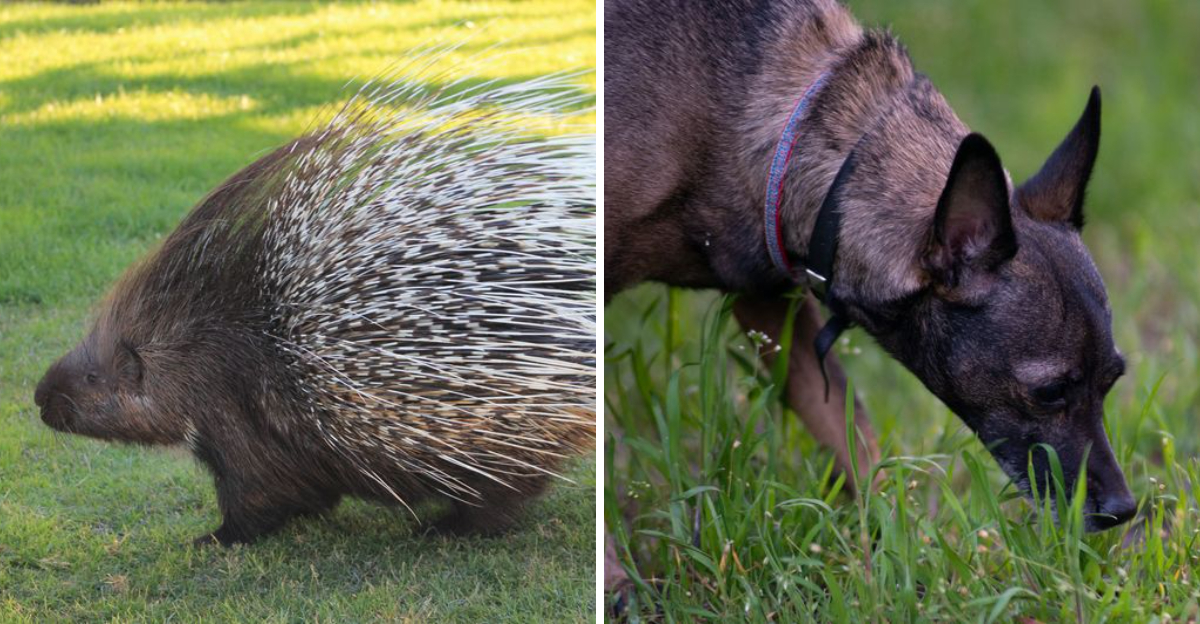
If your dog spends time on acreage anywhere in Montana, porcupines are worth understanding. They are slow, quiet, and mostly harmless when left alone.
Trouble usually starts when a curious dog decides to sniff first and think later. The good news is that most encounters are preventable with a few simple habits, and none of them require you to keep your dog cooped up indoors.
Think of this as the kind of practical advice a neighbor might share over a fence line. We will walk through why porcupines show up near homes, when they are most active, and how to lower the odds of a close meeting.
You will also learn what to do if quills do end up in your dog, plus when it makes sense to call a veterinarian or local wildlife officials. Nothing here is meant to worry you.
Porcupines are simply part of rural Montana life, along with deer, skunks, and the occasional wandering moose. Once you know how they behave, you can plan around them with confidence.
Rules for handling or moving wildlife can vary, so confirm specifics with Montana Fish, Wildlife and Parks or your local animal control when needed.
Understanding Porcupines Around Montana Properties
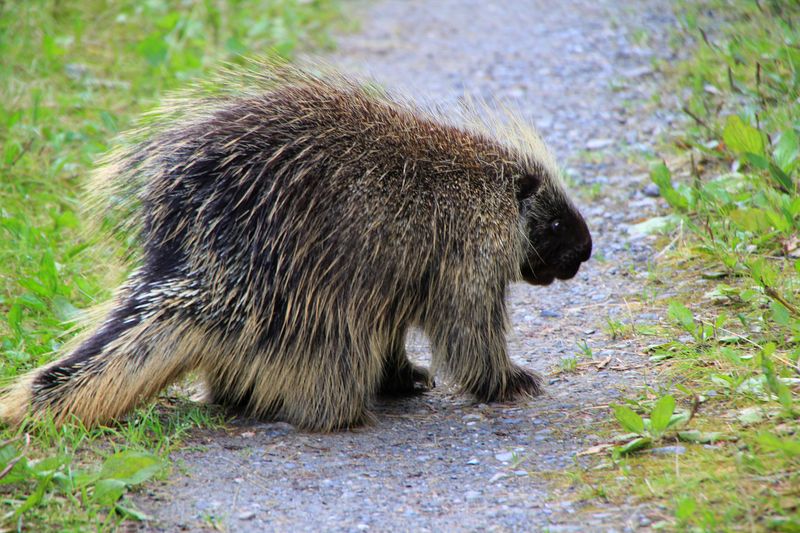
Wooded draws, aspen stands, and brushy fence lines all suit porcupines nicely. Many rural parts of Montana offer exactly that mix, so sightings are fairly ordinary.
Porcupines move slowly and rely on quills rather than speed. They are not hunting anything and have no interest in your dog.
Learning their habits gives you a real advantage. Owners who know where these animals travel can steer dogs away long before curiosity takes over.
Why Porcupines May Visit Your Property
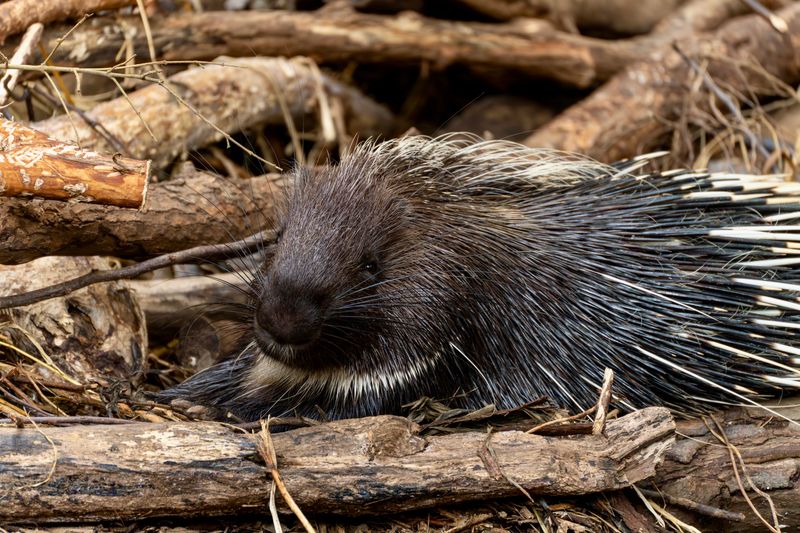
Food explains many visits. Porcupines are herbivores that feed on bark, twigs, leaves, buds, and other vegetation, and they may be attracted to trees and plants around rural properties.
Outbuildings, woodpiles, and crawl spaces offer shade and cover, which makes a property even more appealing. Some porcupines linger for days if conditions suit them.
Take a walk around your place and note what might be attractive. Removing easy food and tidying cluttered corners often reduces repeat appearances without any special equipment.
When Porcupines Are Most Active
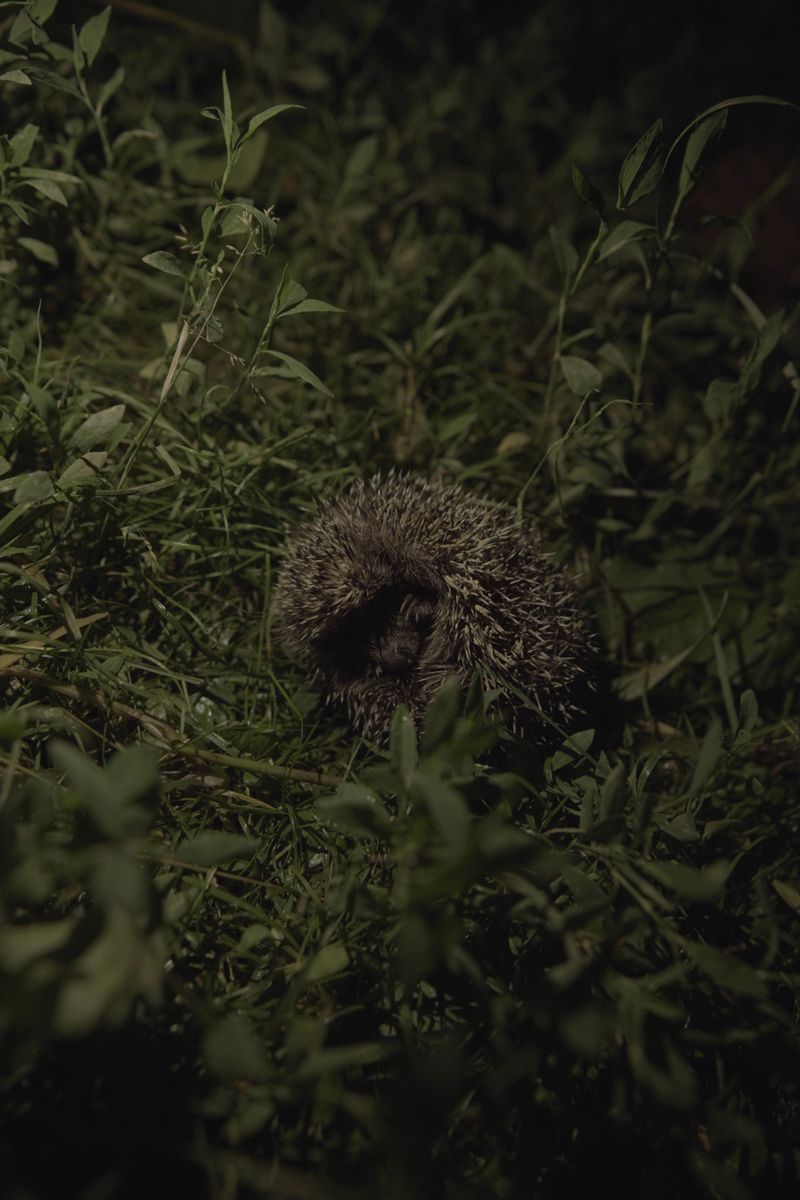
Evening changes everything. Porcupines usually stir at dusk and stay busy through the night, which is exactly when many dogs get their last outing.
Late night potty breaks deserve a leash or a quick scan with a flashlight. A few seconds of looking can save a stressful trip to the clinic.
Early mornings can also bring encounters as animals head back to cover. Adjust your routine slightly and the risk drops.
What Makes Porcupines Different From Other Wildlife
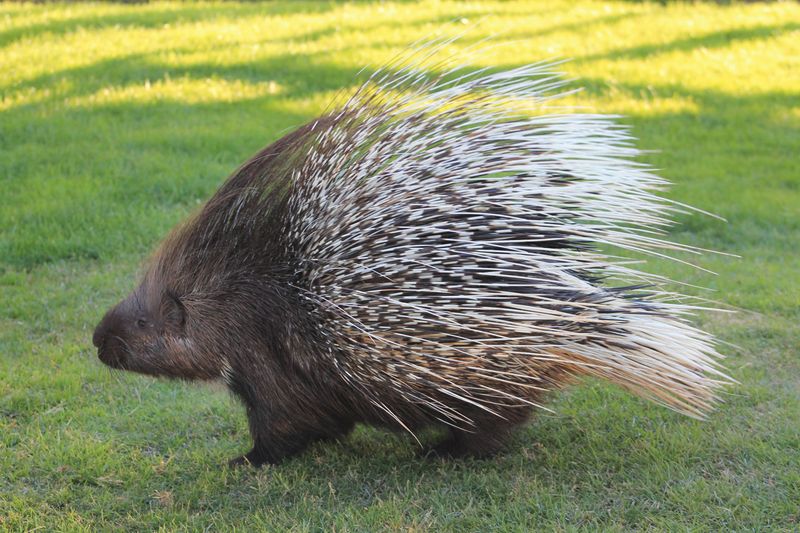
Here is a fun bit of trivia: porcupines are rodents, related to beavers and mice. What sets them apart is a coat of thousands of quills.
Quills are defensive, not offensive. A porcupine cannot throw them, though they detach easily on contact.
When threatened, the animal turns its back, raises its quills, and may swing its tail. That posture is a warning, and most animals learn to respect it quickly.
Why Curious Dogs May Get Too Close
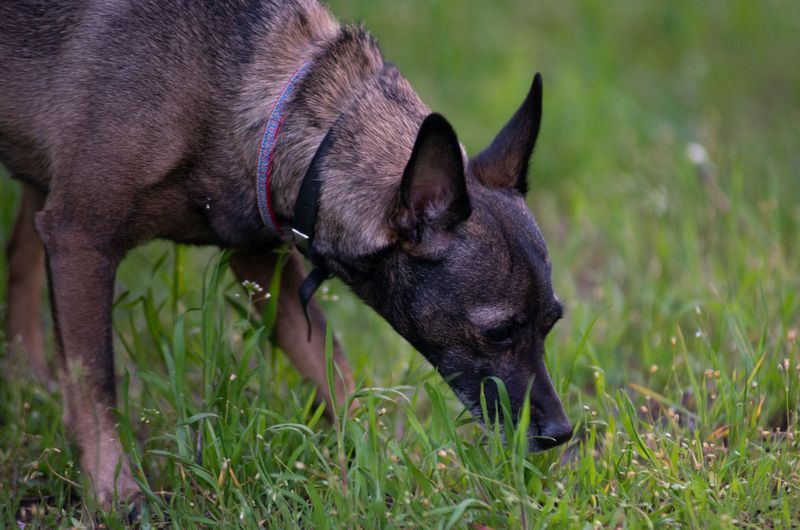
Dogs explore with their noses, and that habit puts their face closest to danger. A slow moving animal in the brush looks like an invitation to investigate.
Hunting breeds and confident young dogs tend to press in fastest. Some dogs repeat the mistake even after one bad experience.
Knowing your dog’s personality helps you plan. A pushy investigator needs closer supervision than a cautious dog who prefers to keep distance.
Keep Dogs Supervised Outdoors
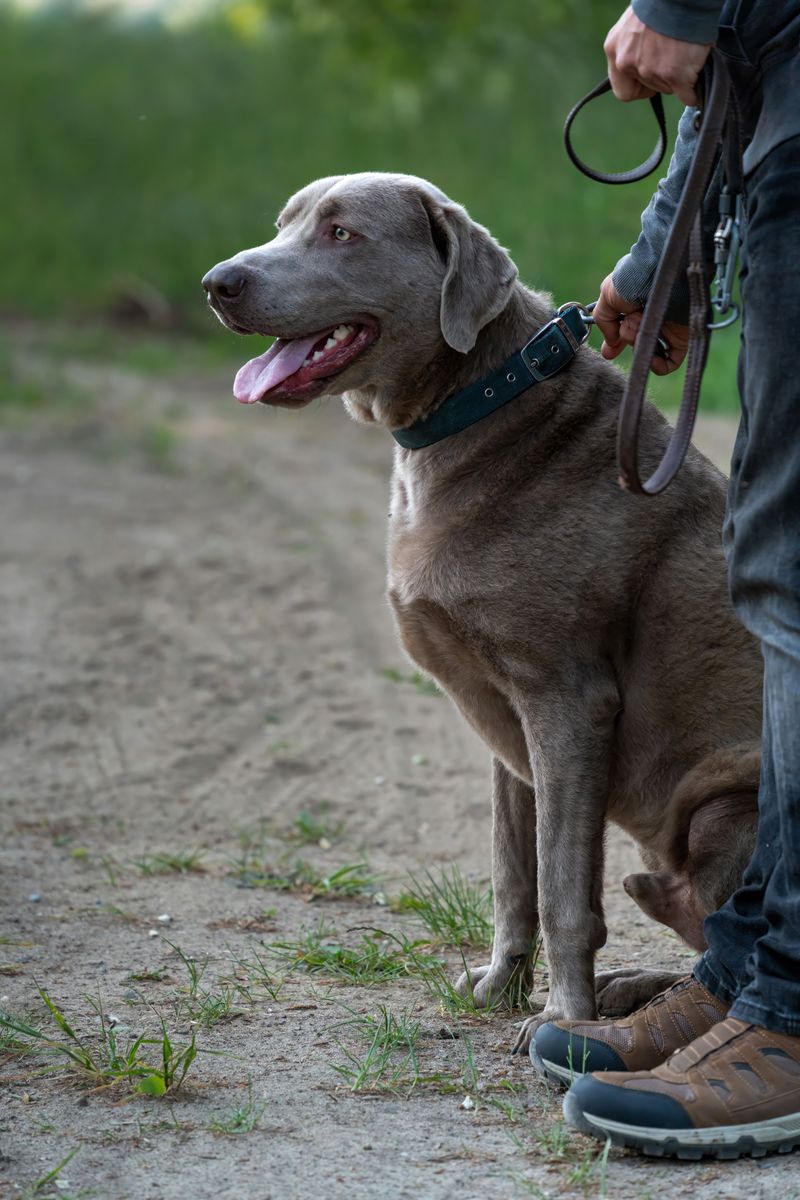
Wide open acreage feels safe, but wildlife slips through unnoticed all the time. Supervision closes that gap.
Standing outside with your dog gives you a chance to spot movement early and call him back. Watching through a window rarely works as well.
You do not need to hover every minute. Simply being present during dawn and dusk outings covers the highest risk windows on most rural properties.
Check Yards Before Letting Dogs Out
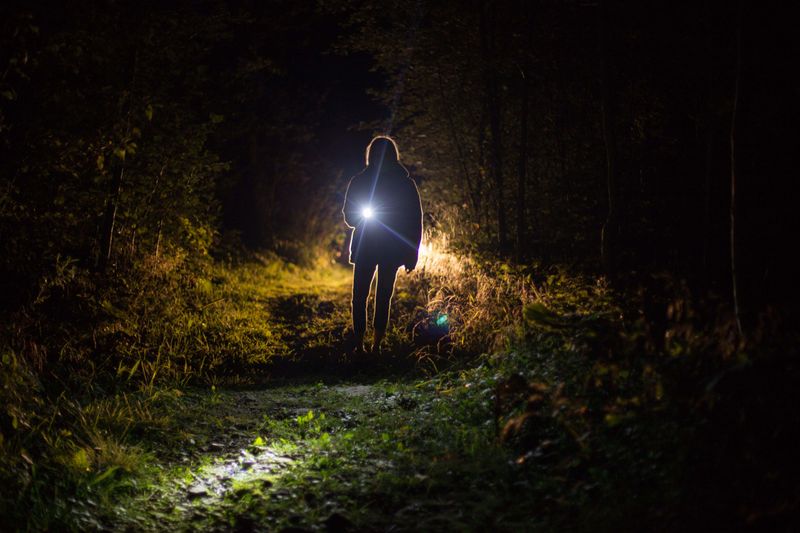
Thirty seconds of scanning goes a long way. Step out first, sweep a flashlight along the treeline, and listen for rustling.
Focus on the spots wildlife favors: brush piles, low shrubs, deck skirting, and shed foundations. Porcupines often tuck into shadowed corners.
If something is out there, wait it out or take your dog on leash to a different area. Patience beats an unplanned veterinary visit every time.
Secure Food And Outdoor Attractants
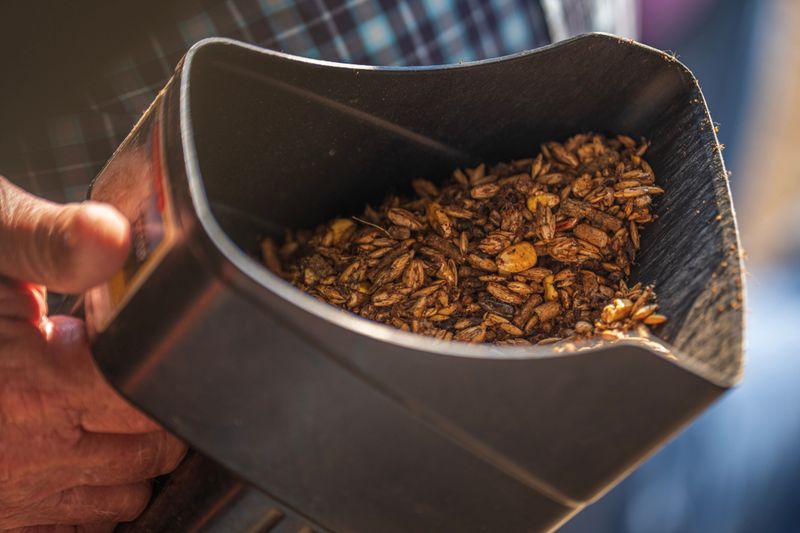
Loose food invites company. Bags of dog kibble in an open shed, spilled grain, and overflowing bins all send a signal to passing wildlife.
Store feed in sealed containers, clean up fallen fruit, and keep trash secured. Simple housekeeping reduces traffic near the house.
Salt can also attract porcupines, which may seek out salty materials. Keep salt sources, livestock supplements, and other potentially attractive materials secured where practical.
Give Porcupines Space
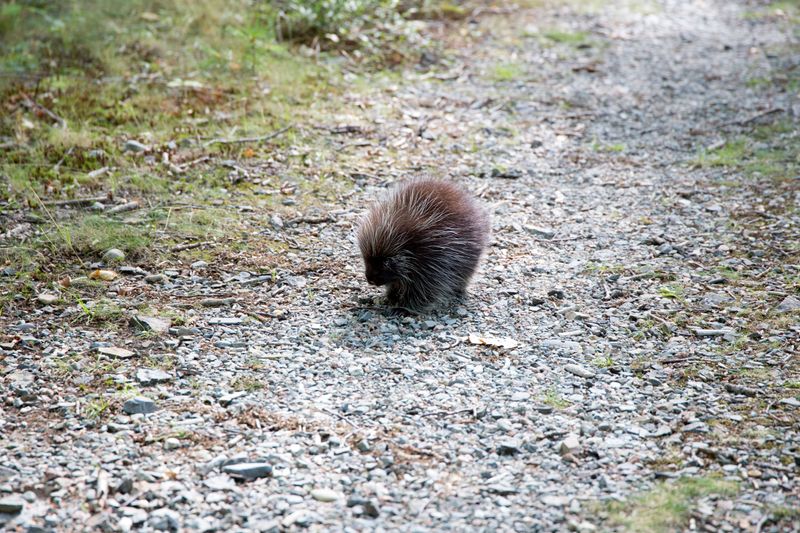
Spotted one near the barn? Back off and let it travel.
Porcupines are not fast, so give them time to reach cover.
Call your dog inside instead of walking closer for a photo. Crowding the animal only raises the chance of a defensive reaction.
Give the porcupine plenty of space and allow it time to move away on its own. Keeping your dog indoors while the animal is nearby is the safest approach.
Keep Dogs Away From Trees And Brush
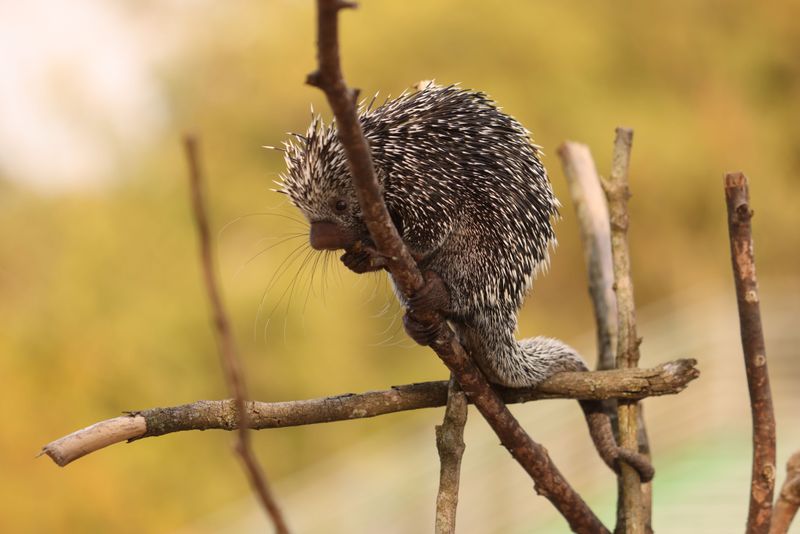
Wooded areas and dense vegetation can provide porcupines with food and suitable places to rest. Keeping dogs from investigating these areas without supervision can reduce the chance of a close encounter.
Porcupines also climb, so a resting animal may sit above head height. Dogs rarely look up.
Limiting unsupervised roaming through those areas cuts encounters noticeably. Save the brushy exploring for daylight hours when you are along, ideally with your dog on a long leash.
Rural Fencing Can Help
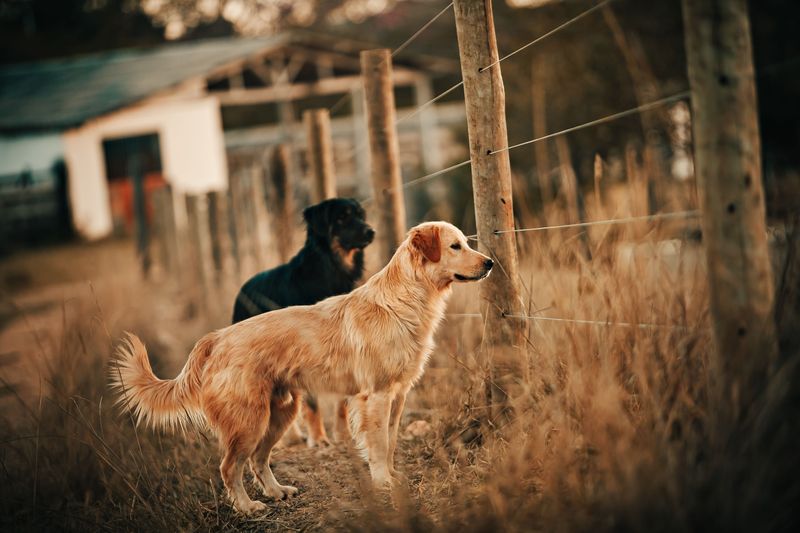
Fencing will not stop wildlife entirely, though it does keep dogs where you want them. A defined yard means fewer unsupervised trips into the timber.
Solid barriers near the ground help, since porcupines travel low and slow. Check for gaps under gates and along old wire.
Consider a smaller fenced area close to the house for nighttime outings. Less ground to cover means less chance of a surprise meeting.
Teach A Reliable Recall
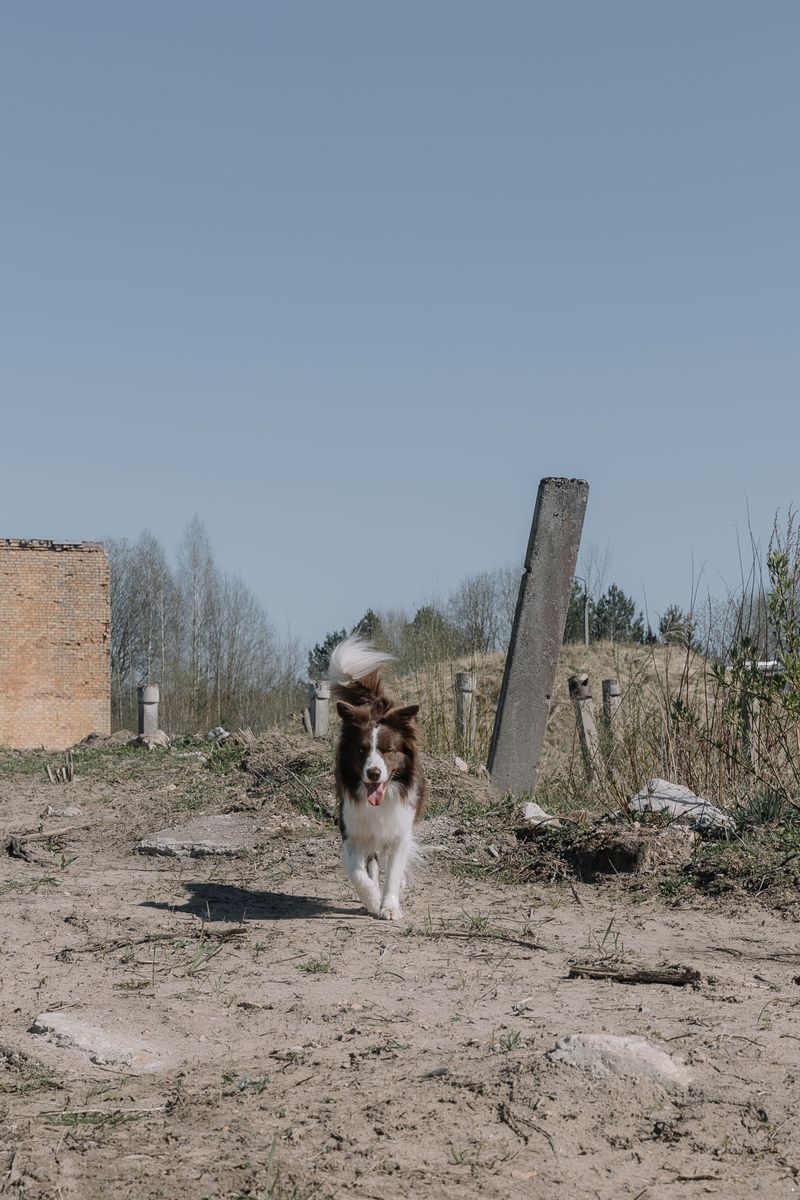
One well trained word can stop a bad decision in progress. Recall is the single most useful skill on rural land.
Practice in easy settings first, then add mild distractions. Reward generously every single time your dog turns back toward you.
A whistle often carries farther than a voice across open country. Build the habit before you need it, because wildlife encounters happen fast and without warning.
What To Do If A Dog Encounters A Porcupine
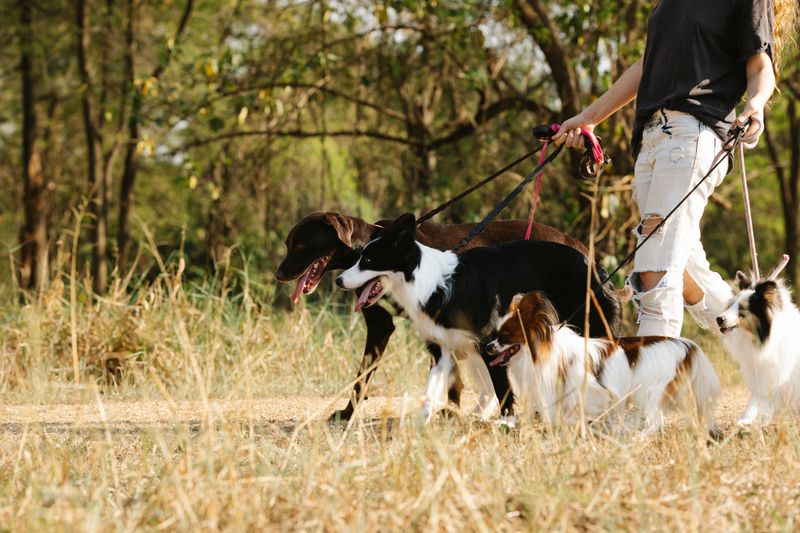
Your calm matters most in that moment. Leash your dog, move away from the porcupine, and avoid shouting or chasing.
Resist the urge to pull quills at home. They have barbed tips and can break off or push deeper.
Call your veterinarian right away and describe what you see. Most cases need sedation for safe, complete removal, and prompt care usually means a smoother recovery.
Why Quills Should Be Taken Seriously
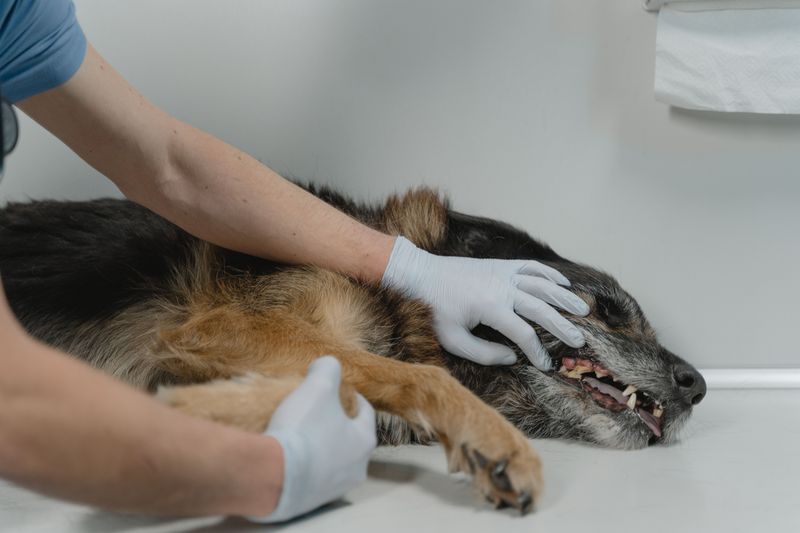
Quills often land in the muzzle, lips, tongue, chest, and paws. Some break off or migrate deeper into tissue over time.
Eyes and joints are especially sensitive areas, which is why professional evaluation matters. A veterinarian can check spots you simply cannot see.
Infection is the main long term concern. Follow the aftercare plan closely and report any swelling, limping, or trouble eating during the following days.
Avoid Handling A Porcupine
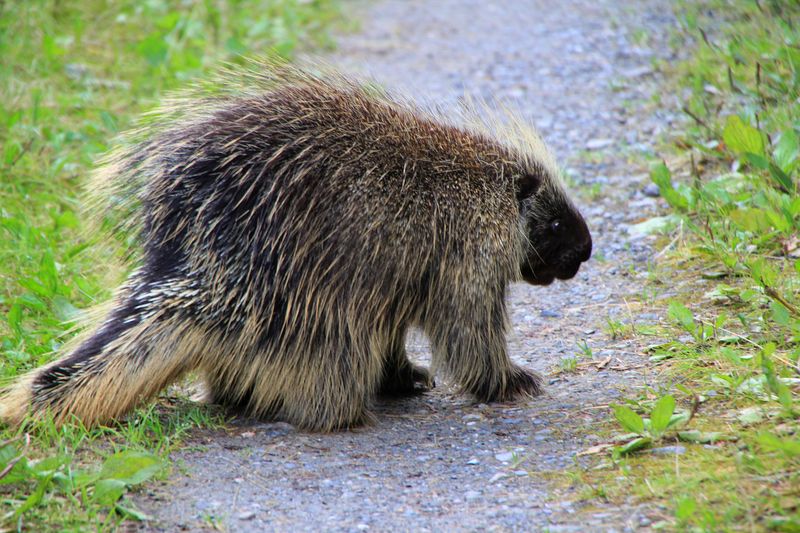
Well meaning owners sometimes try to shoo an animal away by hand. Skip that idea entirely.
Cornering a porcupine stresses it and raises the chance of injury for you. Brooms, jackets, and gloves do not make it safer.
Watch from a window or well back instead. If the animal seems injured, unable to move, or acting oddly, contact local wildlife officials for guidance rather than intervening yourself.
Know When To Contact Wildlife Professionals
Repeat visits sometimes create real conflict, especially around outbuildings or livestock areas. That is the point to ask for help.
Montana Fish, Wildlife and Parks can offer guidance, and licensed wildlife professionals handle situations that need hands on work.
Rules about trapping, moving, or removing wildlife vary and can differ by county. Confirm what applies to your situation before taking any action on your own property.
Make Evening Walks More Wildlife-Aware
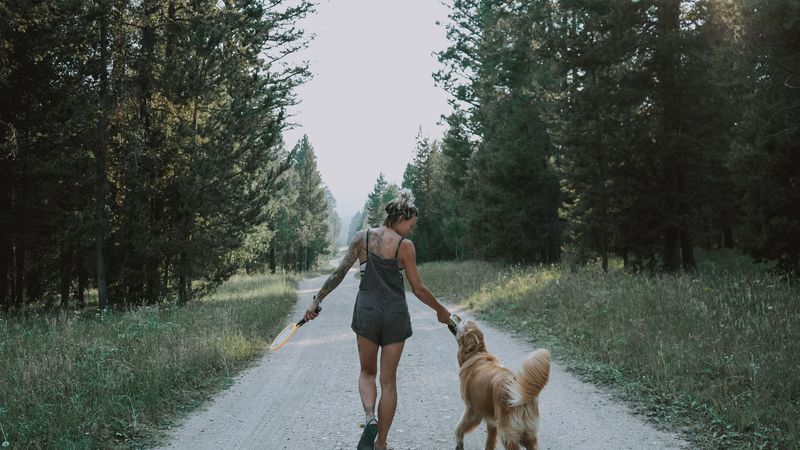
Sunset walks are one of the best parts of country living. A leash and a headlamp keep them uneventful.
Slow down near culverts, brushy ditches, and shelterbelts where animals gather. Scan ahead rather than watching your phone.
Turn wildlife awareness into plain routine: supervise outings, store food securely, practice recall, and know your veterinarian’s number. Prepared owners enjoy Montana’s wide country with a lot more peace of mind.