Why Frozen-Lake Season Requires Extra Caution For Minnesota Dog Owners
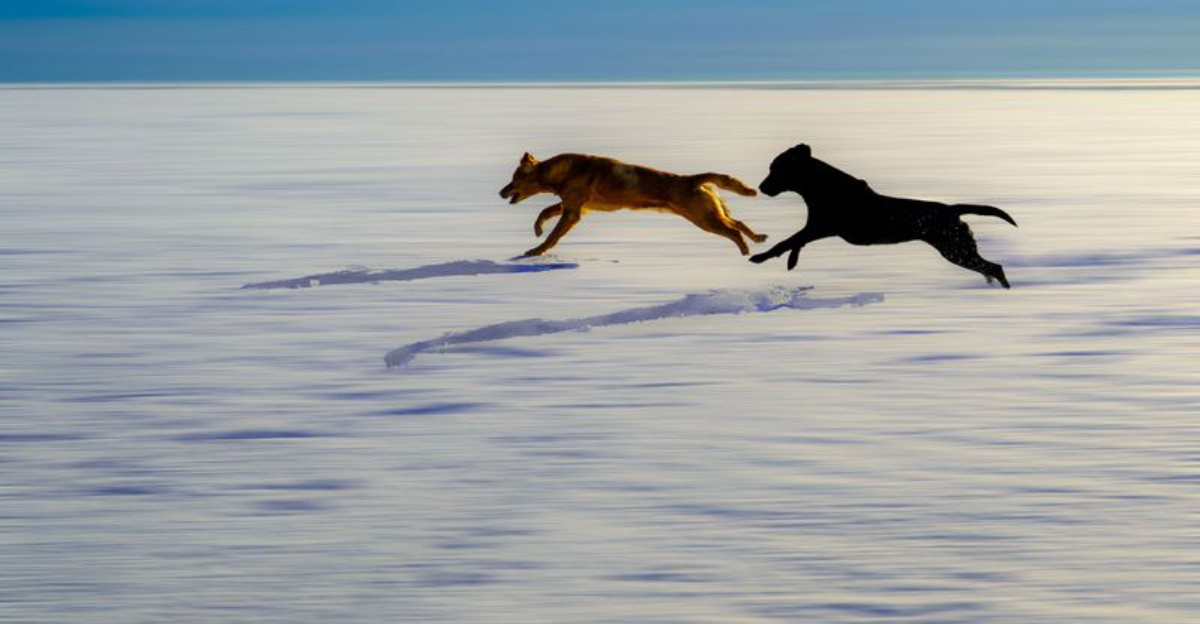
If you live in Minnesota, winter walks near a frozen lake probably feel like second nature. The snow squeaks, the air is sharp, and your dog is thrilled to be outside.
But ice is one of those things that rewards patience and punishes assumptions, and dogs do not read warning signs. That is why a little extra planning during frozen-lake season goes a long way.
This guide is written for local owners who already love winter and simply want to enjoy it wisely. You will find practical points about how lake ice actually behaves, why snow cover can be misleading, and which habits help most when your dog is off exploring.
Nothing here is meant to scare you away from the shoreline. Most winter outings go perfectly well, especially when you know what to watch for and when to stay on solid ground.
Think of the tips ahead as the kind of advice a neighbor shares while scraping the windshield. Some points are about the ice itself.
Others are about training, gear, and knowing your dog. Together they help you make calm, confident choices all season long.
Ice Can Look Stronger Than It Really Is
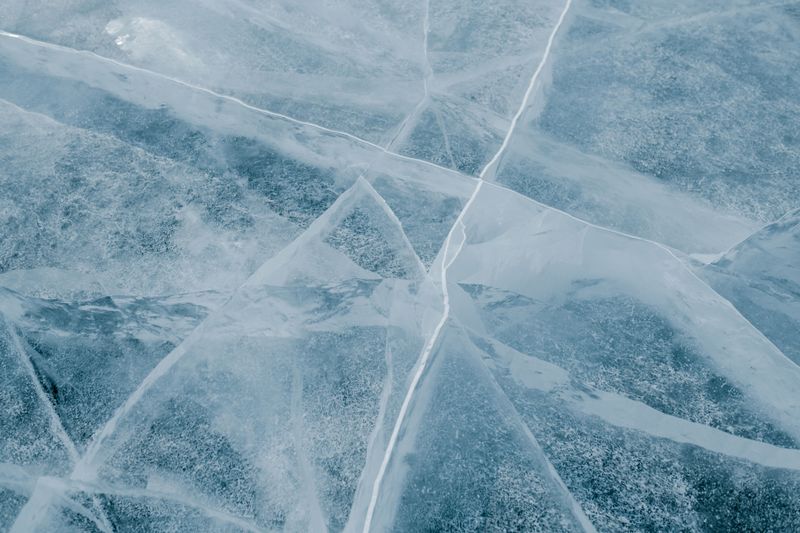
Smooth, gray, endless: frozen lakes have a way of looking dependable. Yet strength varies from spot to spot, and appearance tells you very little.
Officials in Minnesota consistently remind residents that no ice is ever considered completely safe. Treat every frozen surface as unpredictable until conditions are verified.
A simple habit helps. Assume the ice is questionable, then let measured information, not looks, change your mind before your dog steps out.
Early-Season Ice Deserves Extra Attention
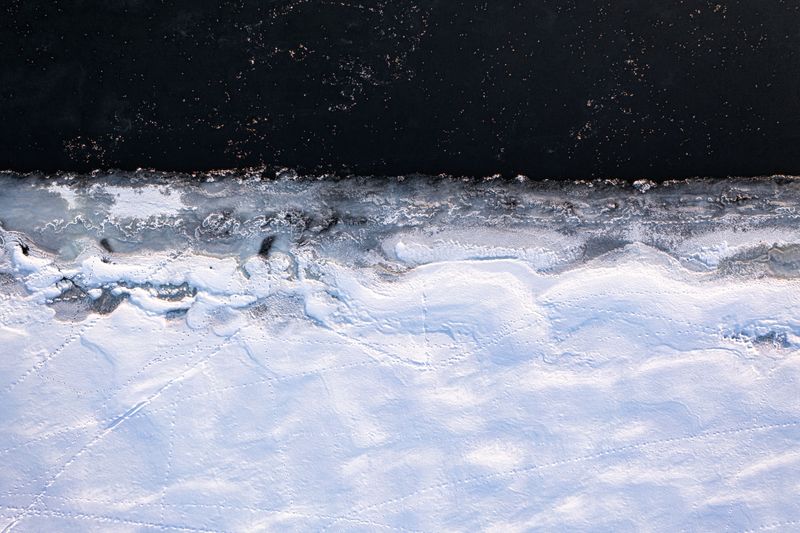
December thaws are famous around here for undoing a week of hard freezing. Temperatures bounce, and freshly formed ice loses strength fast.
New ice has not had time to build thickness or consistency. It may not support a dog, let alone an adult.
Give the season time. Waiting for sustained cold and current local reports is far better than testing a surface that formed only days ago.
Snow Can Hide Weak Spots
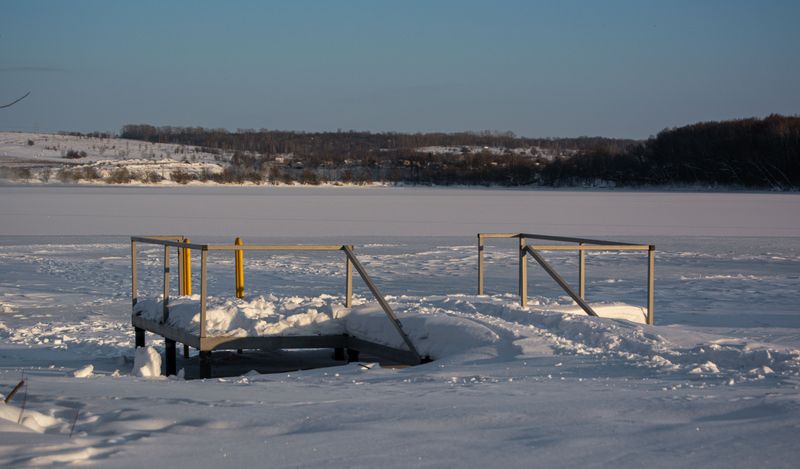
Fresh powder makes a lake look like a blank field, which is exactly the problem. Cracks, thin patches, and open water disappear under white cover.
Dogs move quickly and rarely pause to evaluate footing. They can reach a soft area before you have noticed anything unusual.
Snow can insulate ice and slow the freezing process, while its weight can also reduce how much weight the ice can support. When snow cover makes the surface difficult to assess, keeping your dog on shore is the sensible call.
Moving Water Creates Hidden Risks
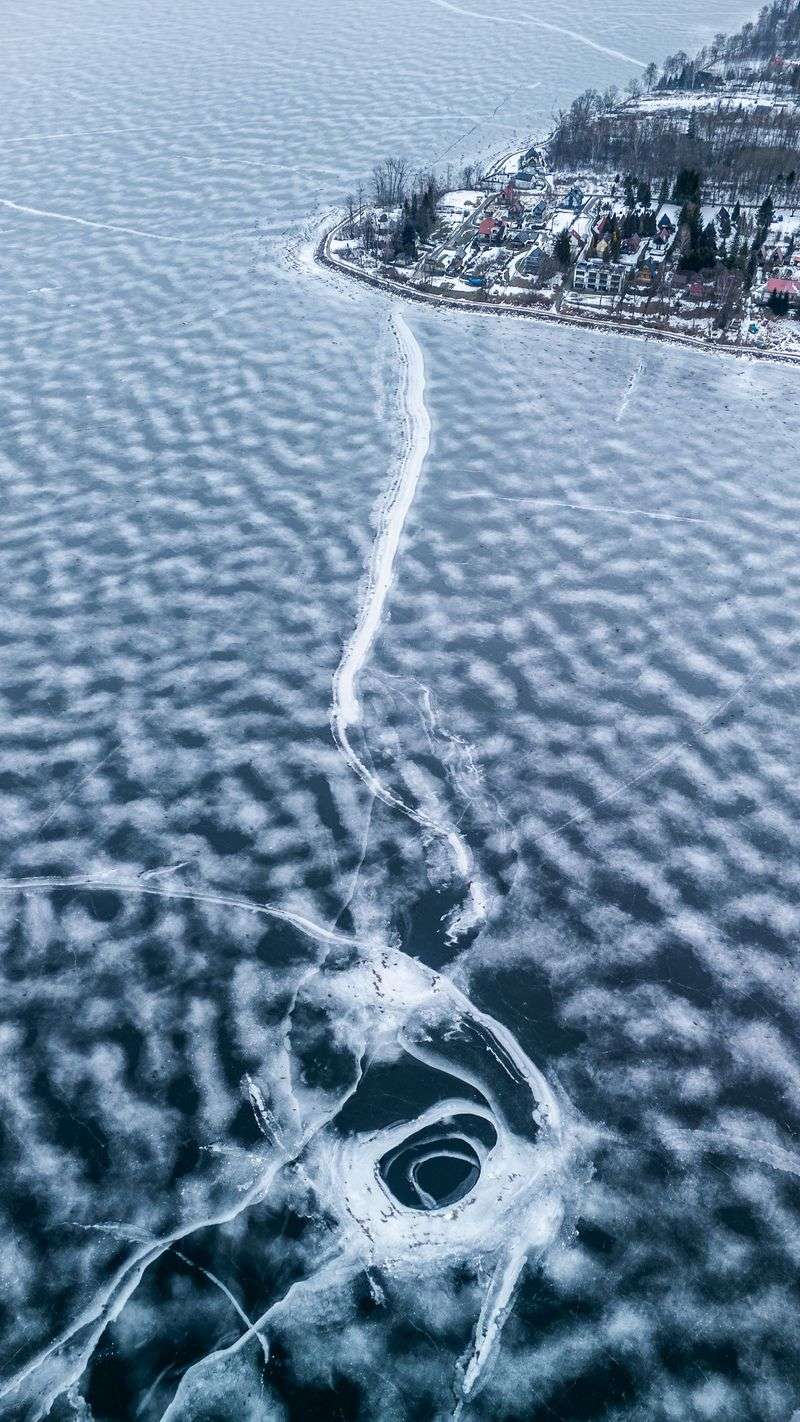
Ever notice that one stretch of a lake never seems to freeze? Inlets, outlets, streams, and springs keep water moving underneath.
Moving water can make ice thinner and less predictable in those areas, so streams, springs, inlets, outlets, and other areas with current deserve extra caution.
Learn where these features sit on the lakes you visit most. Steering your dog wide of them, even by a generous margin, removes a lot of guesswork.
Ice Thickness Can Vary Across One Lake
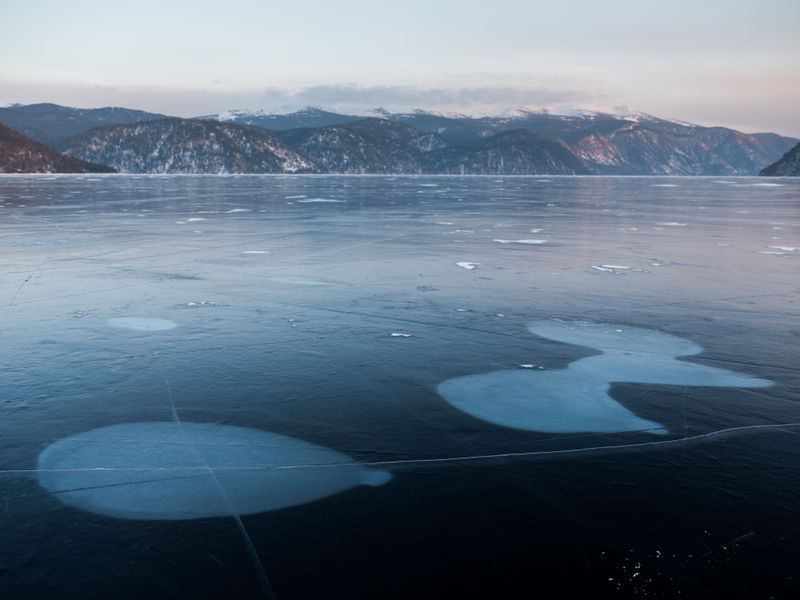
Here is something many people find surprising. A single lake can hold firm ice in one bay and much thinner ice a short walk away.
Depth, wind, springs, and shading all influence how each section freezes. Pressure ridges add another layer of variation.
So a solid measurement near shore proves nothing about the middle. Judge each area separately rather than trusting one reassuring reading.
Your Dog’s Weight Is Not the Only Concern
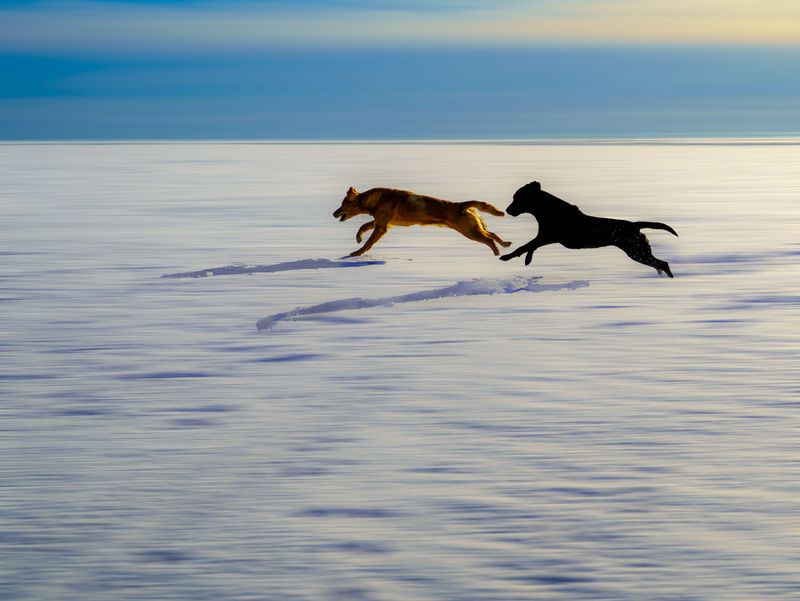
Owners often assume a sixty pound dog is safe anywhere they can stand. Weight alone does not tell the whole story.
Running dogs concentrate force through four small paws, slide unpredictably, and change direction without warning. Traction on bare ice is poor.
Because of that, ice supporting a careful walker may still be risky for a sprinting dog. Movement matters as much as pounds.
Leashes Can Help Prevent Sudden Runs
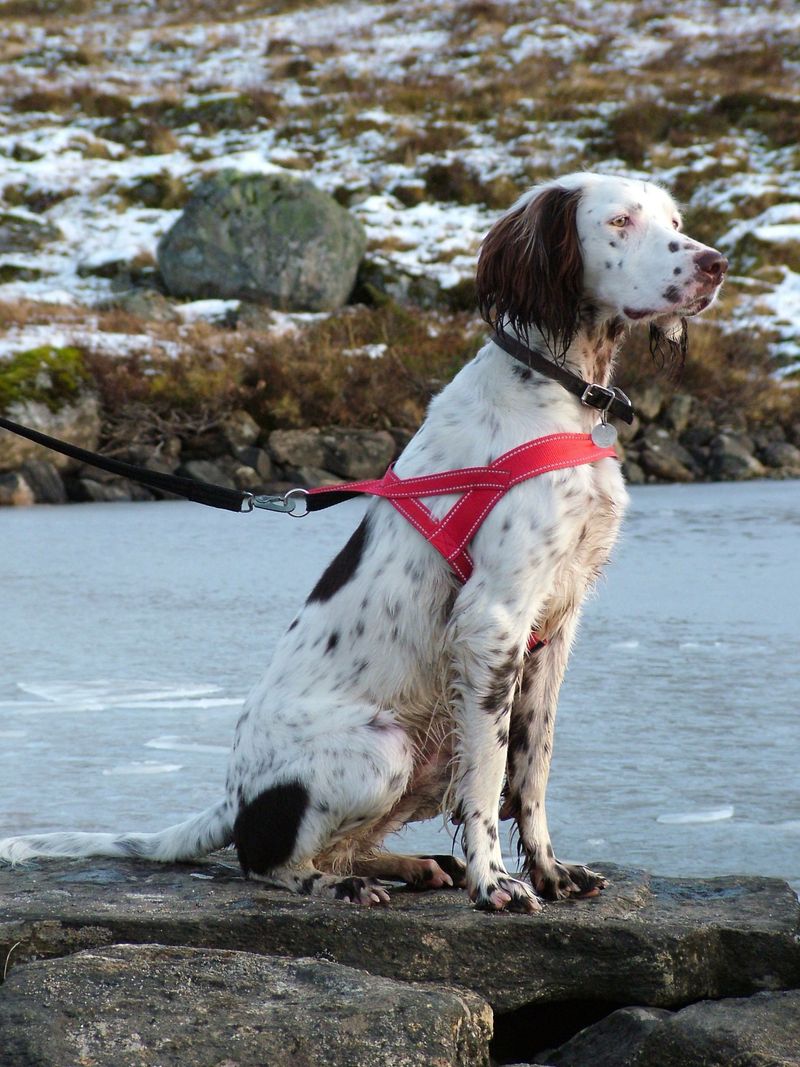
A leash is the least glamorous safety tool you own, and one of the most useful. It buys you seconds when instinct takes over.
Dogs react fast to geese, squirrels, and other dogs near the shore. A leash keeps that impulse from becoming a dash onto unverified ice.
Standard flat leashes give better control than long retractable lines in slippery conditions. Keep the handle looped securely.
Recall Skills Matter Near Frozen Water
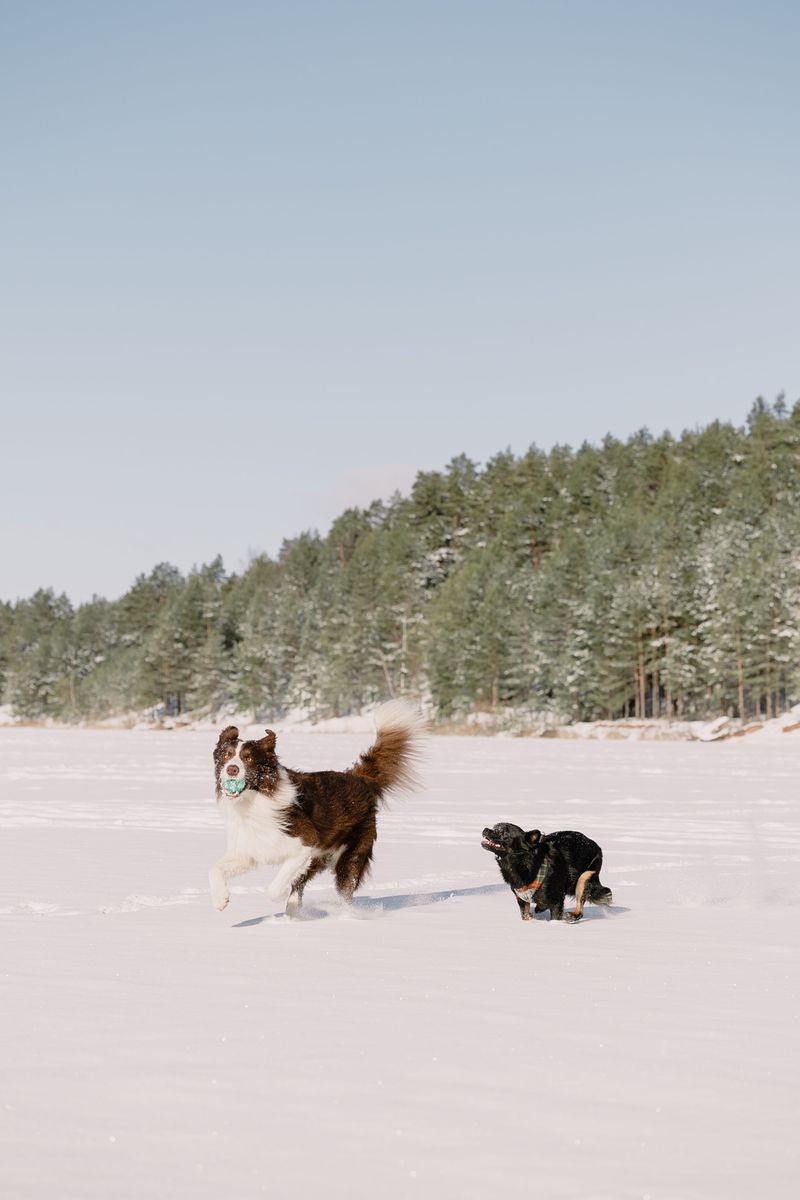
Winter is a poor time to discover that your recall only works in the backyard. Practice belongs at home first.
A dependable come command gives you a way to redirect your dog before curiosity carries them farther out.
Rehearse in quiet spots, reward generously, then add mild distractions. Cold weather sessions can be short.
Consistency builds the response you will actually need someday.
Shorelines Can Be Especially Tricky
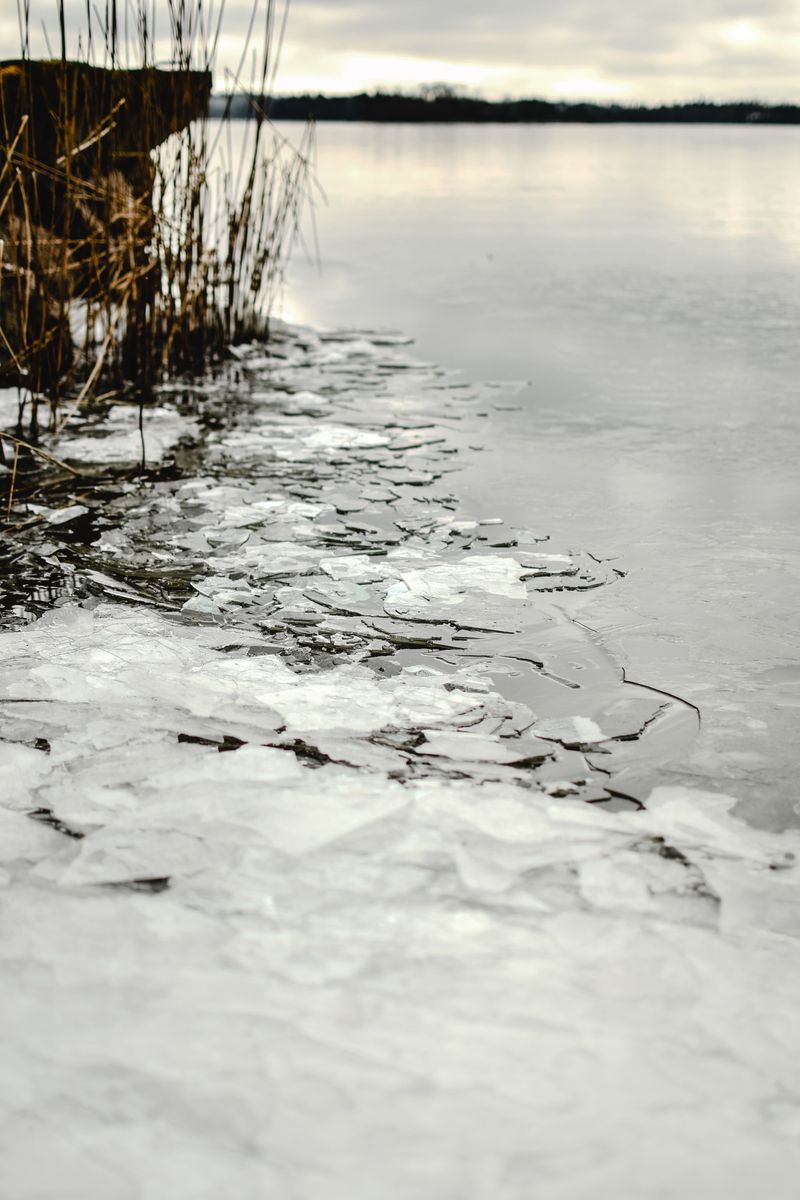
The edge of a lake looks like the safest place to explore. In reality, it is often the most uneven.
Fluctuating water levels, reeds, rocks, and sun exposure create slush pockets and hollow spots near the bank.
Keep your dog within arm’s reach along these stretches. Watching footing closely for the first few yards is a small effort with real payoff.
Wildlife Can Lure Dogs Onto Unsafe Ice
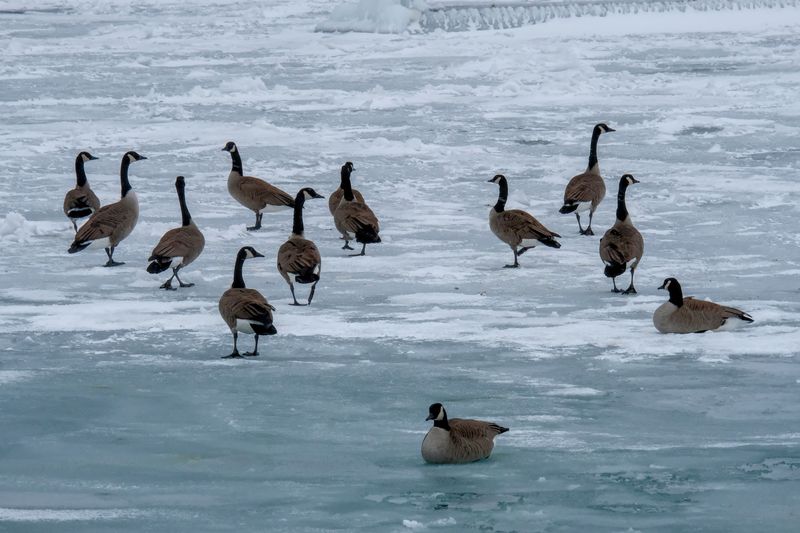
Geese resting far out on a lake are practically an invitation, at least from a dog’s point of view.
Deer, rabbits, and waterfowl often gather where ice conditions are least predictable. A chase can cover distance in seconds.
Scan the lake before unclipping anything. If wildlife is visible on the ice, keeping your dog leashed for that walk is the easy choice.
Cold Water Is A Serious Hazard
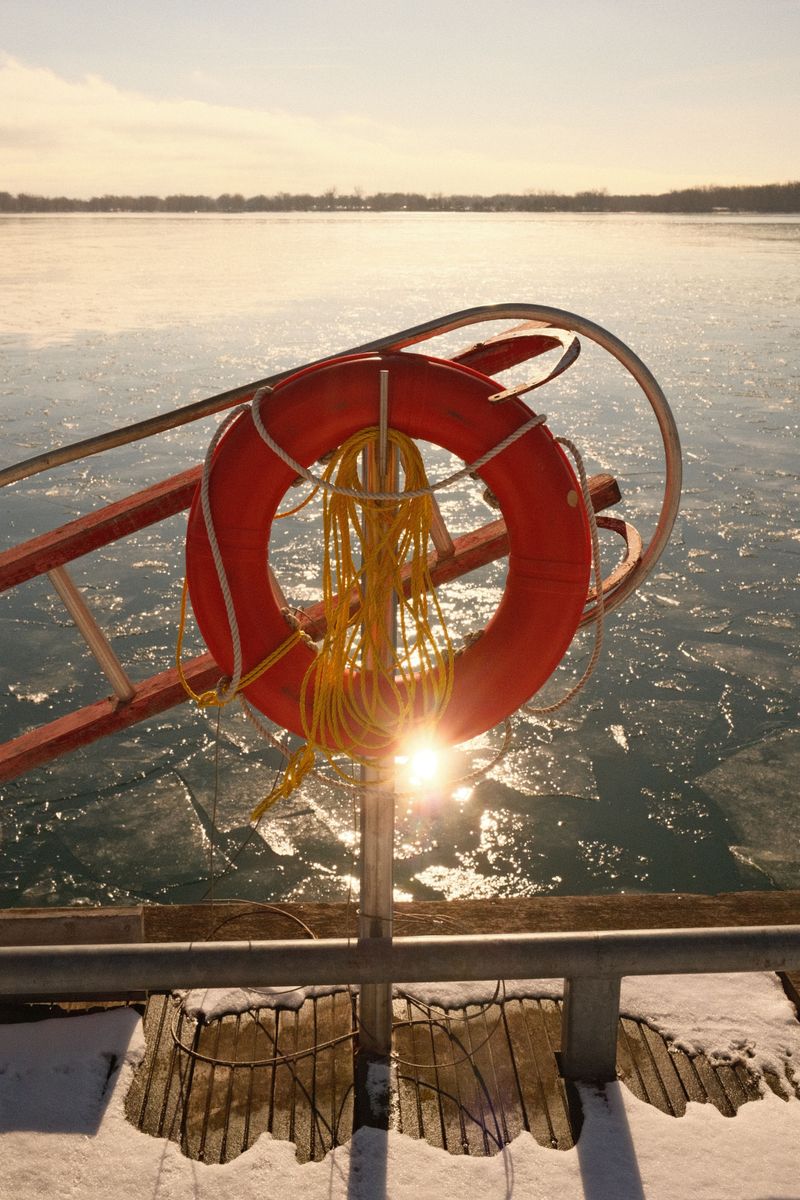
Cold water affects strength and coordination quickly, for dogs and people alike. Time matters more than most expect.
Safety agencies advise against going in after a pet. Call 911, stay on solid ground, and let trained responders work.
From shore you can encourage your dog and extend something like a rope, branch, or reach pole. Keeping yourself safe keeps help possible.
Never Assume Familiar Lakes Are Always Safe
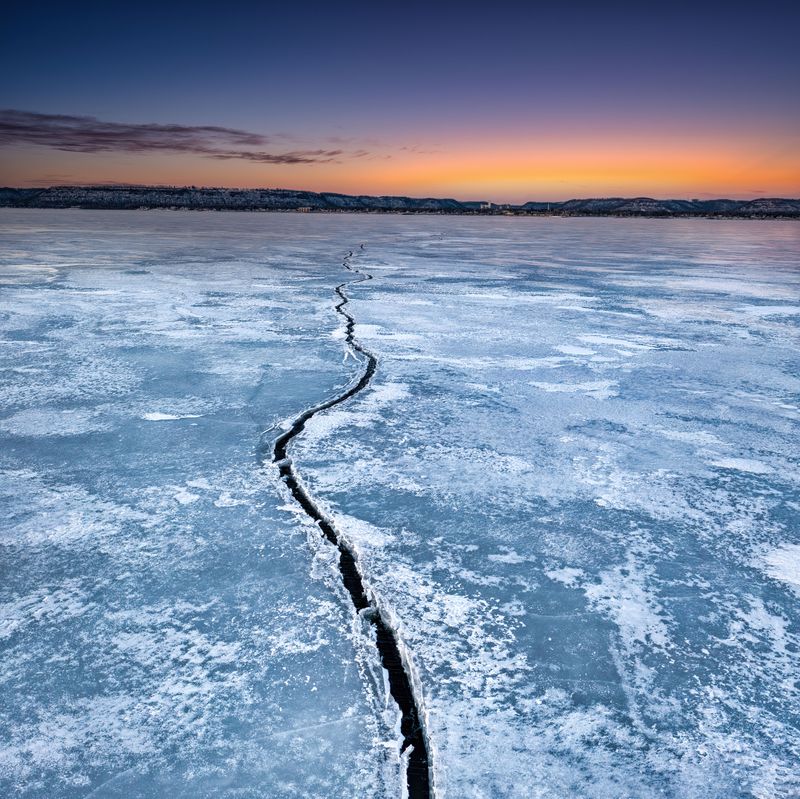
Twenty winters at the same lake builds comfort, and comfort can quietly replace observation. Conditions do not repeat on schedule.
Wind, snow cover, aeration systems, springs, and a warm week can all reshape ice from one year to the next.
Approach a familiar lake the way you would a new one. Fresh eyes each visit are worth more than long experience alone.
Check Local Ice Conditions Before Heading Out
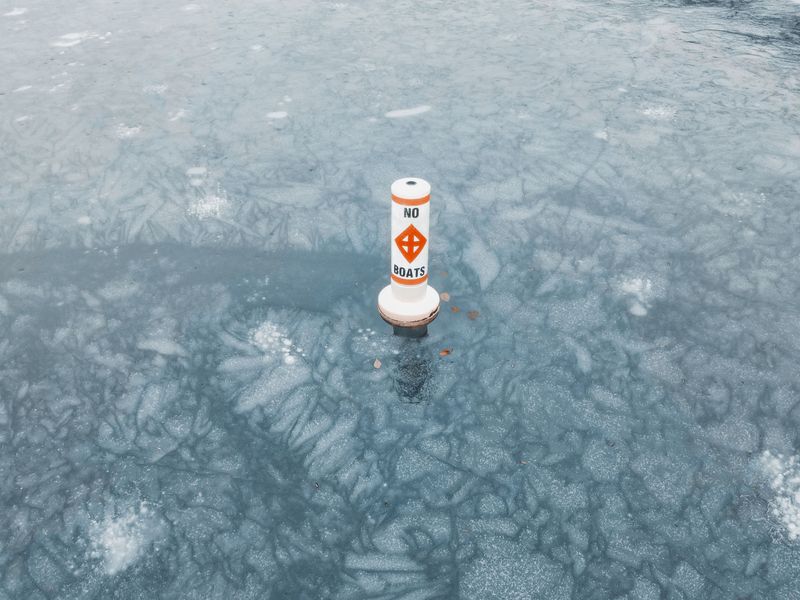
Five minutes of research beats a hunch every time. Local sources know what the past week actually did.
The Minnesota DNR publishes ice safety guidelines, and bait shops, resorts, and local access reports often share recent observations. Guidance varies by lake and season.
Ask questions, note dates, and remember that reports describe one spot. Confirm details with local authorities when anything seems unclear.
Keep Dogs Away From Unverified Ice
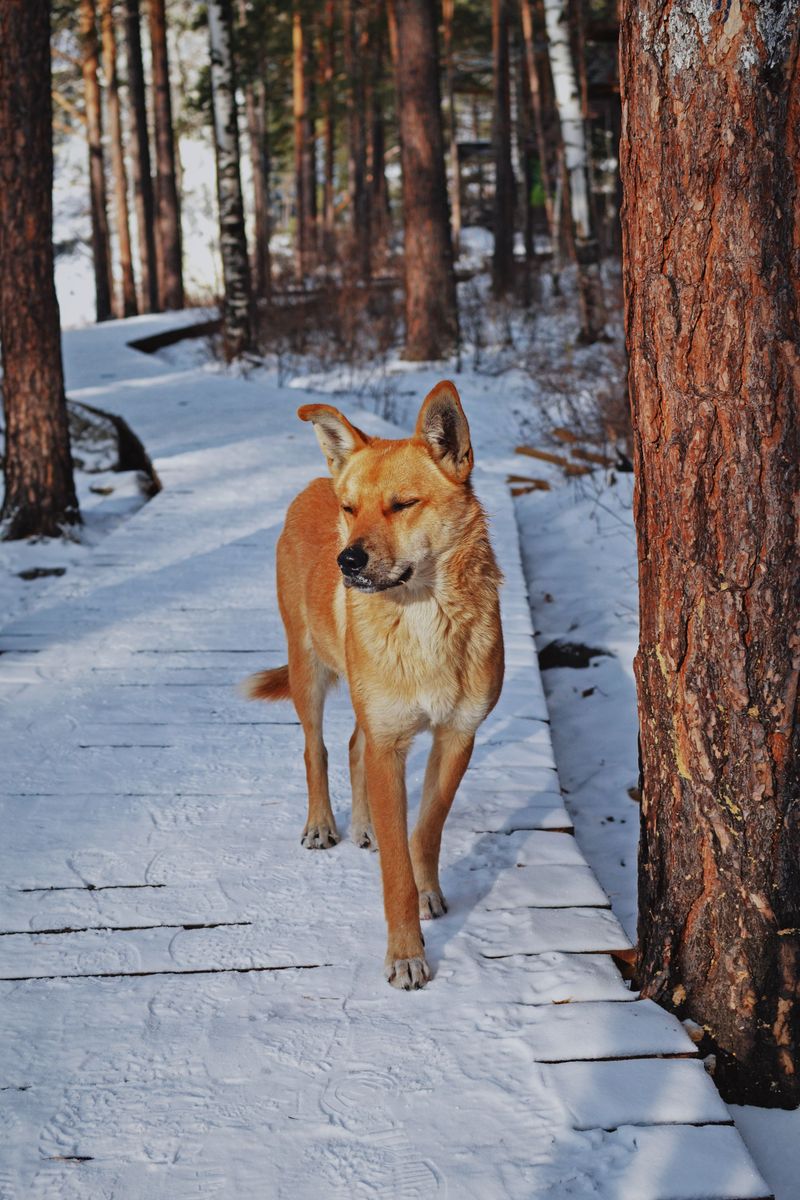
When in doubt, stay out. That old ice-safety saying applies to paws just as much as boots.
Shoreline paths, snowy fields, and neighborhood loops still deliver plenty of sniffing and running. Your dog will not feel shortchanged.
Skipping the ice on an uncertain day costs almost nothing. There will be colder, clearer weeks ahead for lake walks.
Prepare For A Cold-Weather Emergency
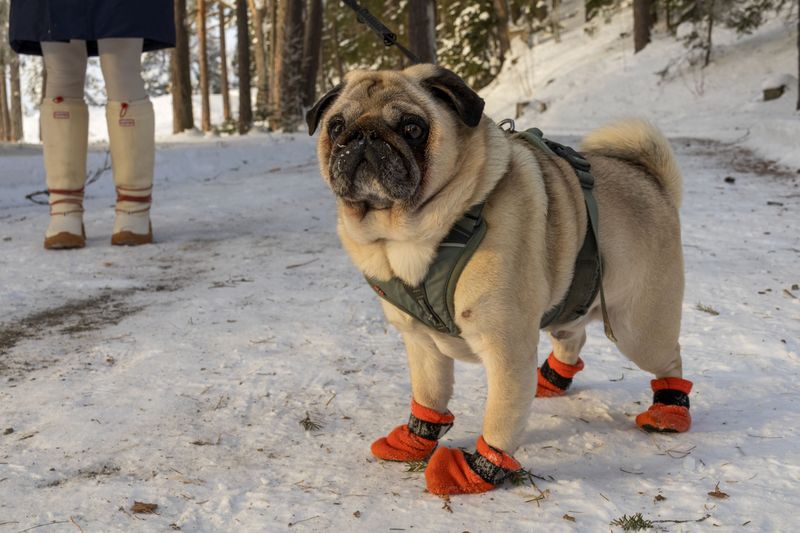
Preparation is mostly small stuff done in advance. A charged phone, a sturdy leash, and a towel cover a lot of ground.
Consider adding treats, a spare harness, ID tags, and your vet’s number saved for quick access.
Know where the nearest road access sits, so you can describe your location clearly. Calm responses come from knowing what you already have.