12 Dog Breeds Suited To Kansas Farms And Wide-Open Properties
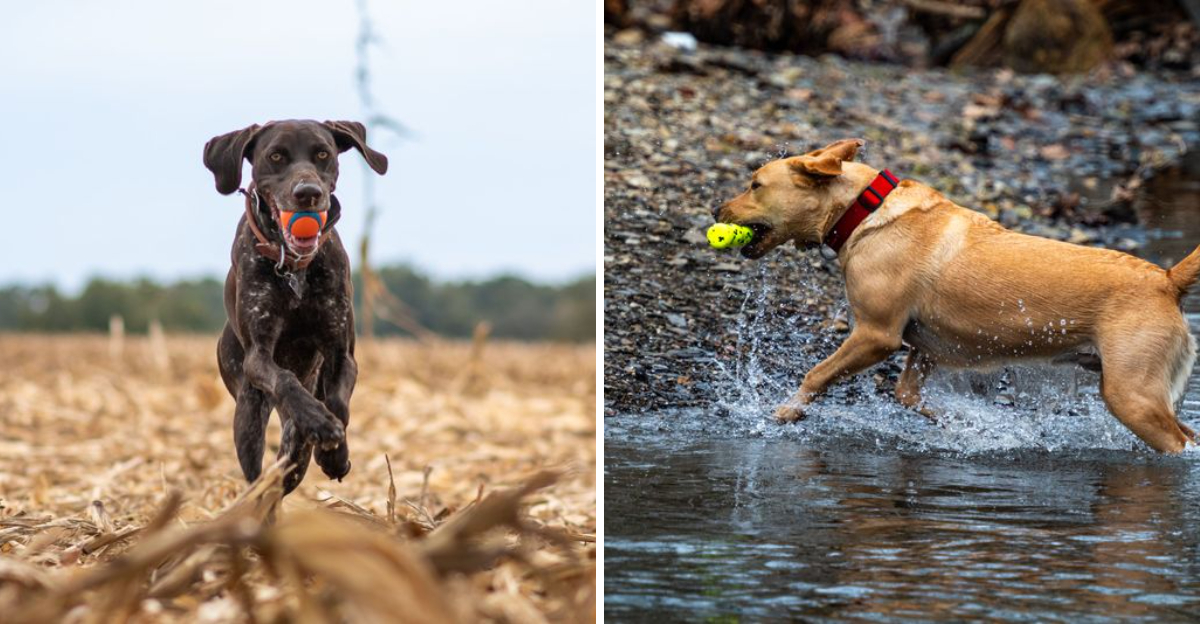
Kansas has a way of humbling a dog. Miles of wheat, tallgrass ridges, cattle on the move, wind that never seems to quit.
Some dogs wilt in that kind of space. Others come alive, working sunup to sundown and still begging for one more lap of the pasture.
The breeds ahead were built for exactly this: big acreage, real jobs, and weather that swings hard. Here is who earns their keep on Kansas ground.
1. Australian Cattle Dog
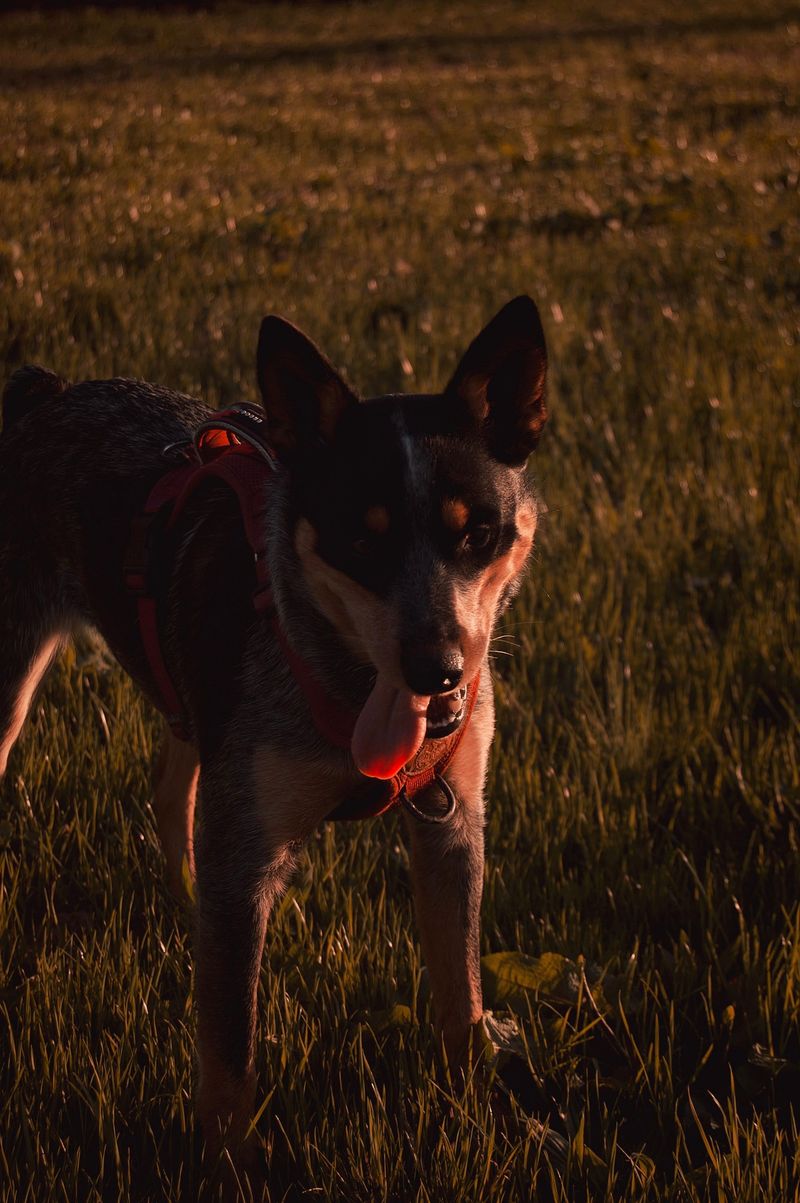
Give one a herd of stubborn steers and watch the math happen behind those eyes. Australian Cattle Dogs were shaped in 1800s Australia to move cattle across brutal country, and that grit carried over.
Once trained, they handle routine chores without hovering supervision. Plan on one to two hours of real work daily, plus puzzle toys or scent games.
Bored heelers redecorate barns. Busy heelers guard your place like family.
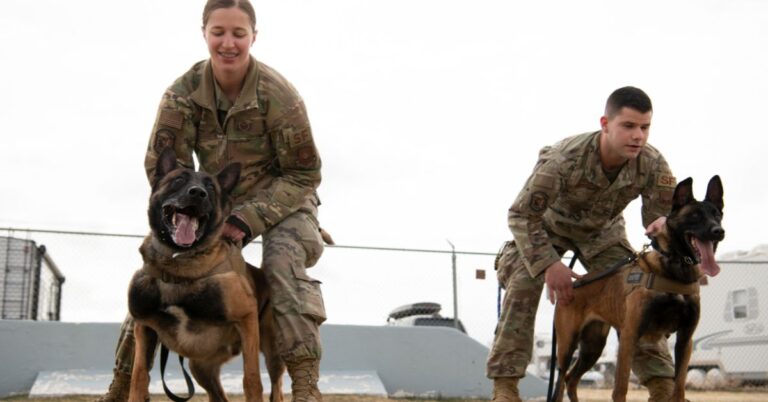
2. Border Collie
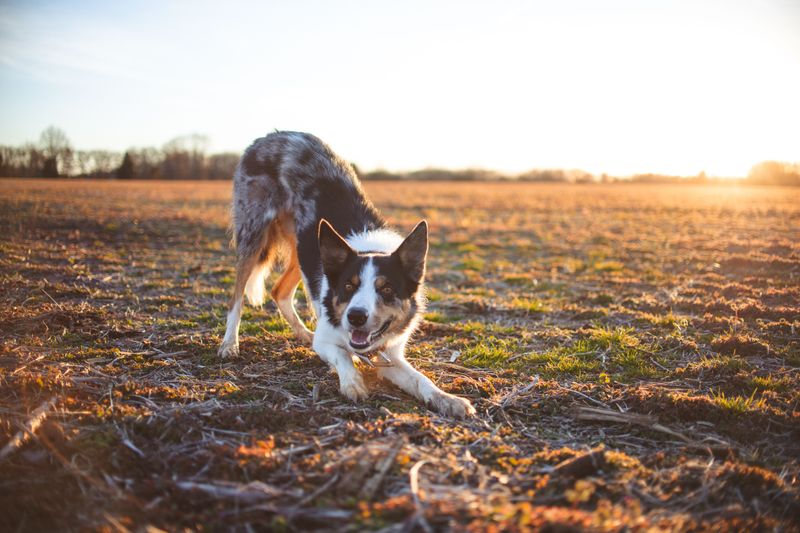
That famous crouch and stare? Pure borderlands engineering.
Bred between Scotland and England, Border Collies pivot, sprint, and hold sheep for hours without running out of gas.
Intelligence this sharp needs direction. Farm chores, agility, or structured training all count as a job well done.
Skip the outlet and restlessness sets in fast, showing up as pacing or chewing. Teach an off switch early.
Evenings will thank you.
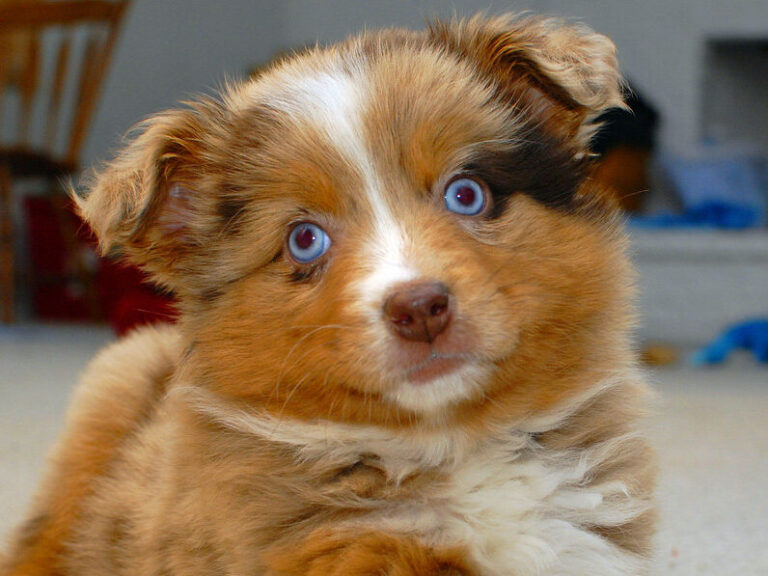
3. Australian Shepherd
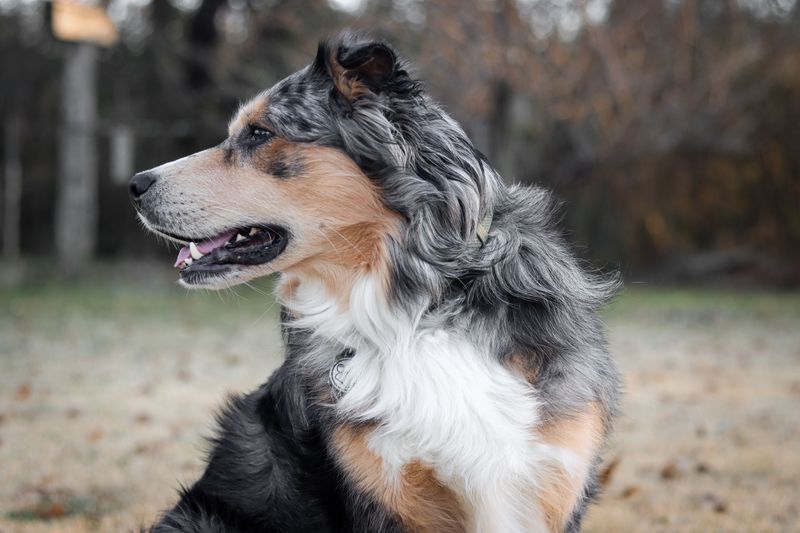
Fun fact for the trivia pile: Aussies are American through and through, developed here in the 1800s for livestock work.
Nicknamed velcro dogs, they shadow their people everywhere, sometimes into the bathroom. Early socializing helps, since new faces can make them cautious.
Budget one to two vigorous hours daily plus brain games. Under-worked Aussies dig, chew, and narrate the whole neighborhood.
Acreage suits them beautifully.
4. Great Pyrenees
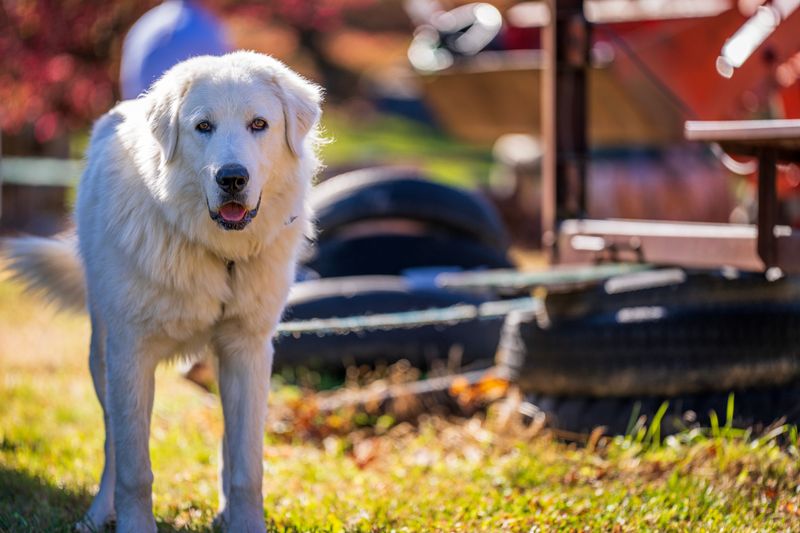
Picture a snowy white mountain deciding where to nap, then guarding it. Great Pyrenees came from the Pyrenees range of France and Spain, built to protect flocks alone.
Adults stay calm, affectionate, and quietly suspicious of strangers. Training tests patience, because independent thinking was the whole point.
Energy needs stay modest: twenty to forty minutes of walking suits them. Acres to roam matter far more than sprints.
5. Anatolian Shepherd Dog
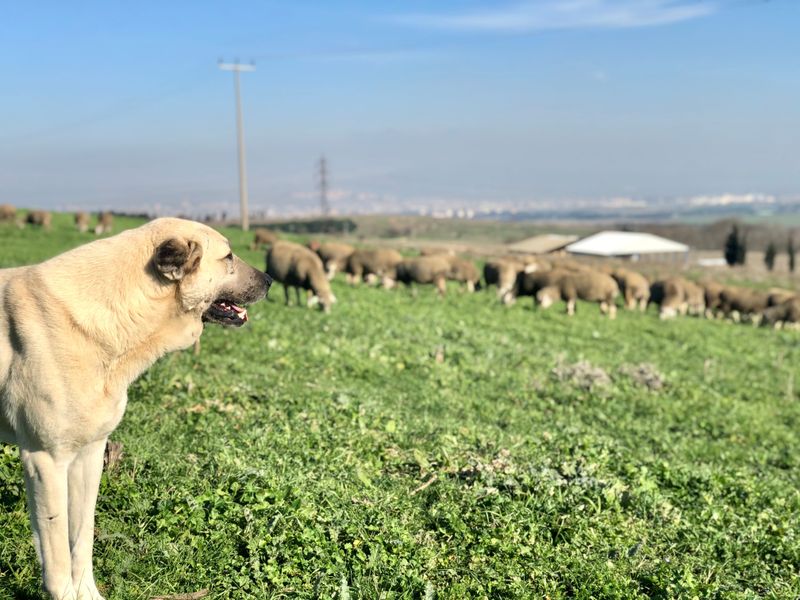
Turkey gave the world this breed, and Kansas ranchers give it something to watch over. Anatolians guard rather than herd, and they take the assignment seriously.
Loyal at home, reserved with visitors, quick to notice anything out of place. Independent decisions come naturally.
Expect one to two hours of daily activity, split into walks. One acre may feel cramped.
Secure fencing is non-negotiable, plus supervision.
6. English Shepherd
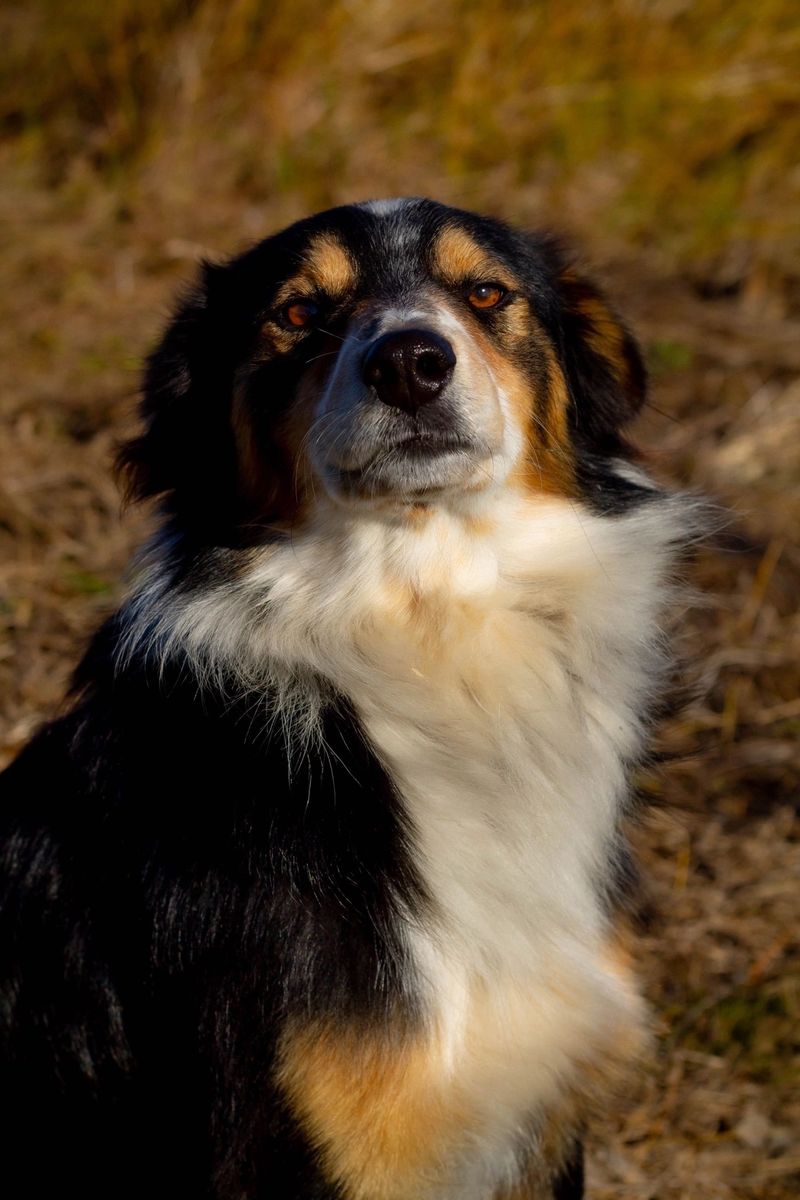
Every farm needs a generalist, and few wear more hats than this one. English Shepherds herd, guard stock, watch the yard, and hunt when asked.
They bond hard with one person and stay patient around children, though herding instincts may nudge kids along.
Sixty to ninety minutes of purposeful work keeps them steady. Idle days turn into barking marathons and chewed boots.
Fields make them happiest.
7. Australian Kelpie
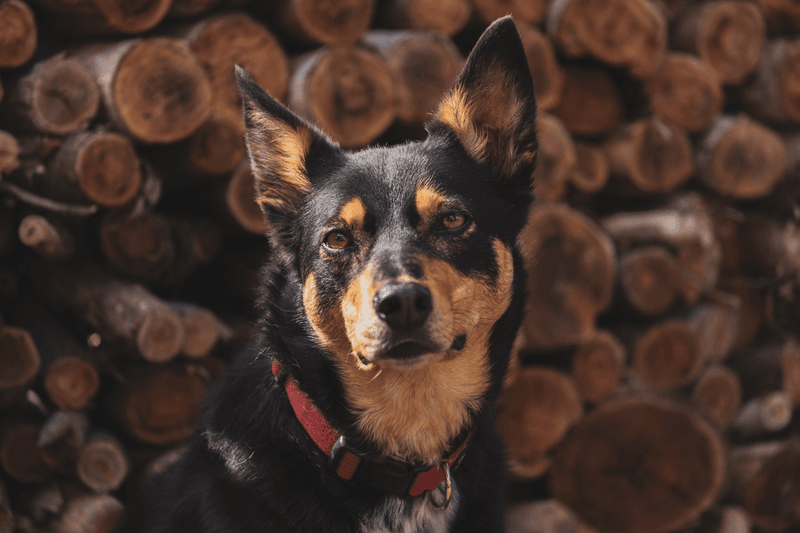
Tireless barely covers it. Kelpies were developed in Australia to cover enormous, rugged country, often working stock without anyone watching.
Reserved with newcomers, deeply devoted at home, always scanning. Nipping heels or chasing vehicles can appear, so training starts young.
Sixty to one hundred twenty minutes of vigorous work is the daily minimum. Jogs, paddock chores, agility, flyball, scent games.
Secure fencing keeps that independent streak useful.
8. German Shepherd Dog
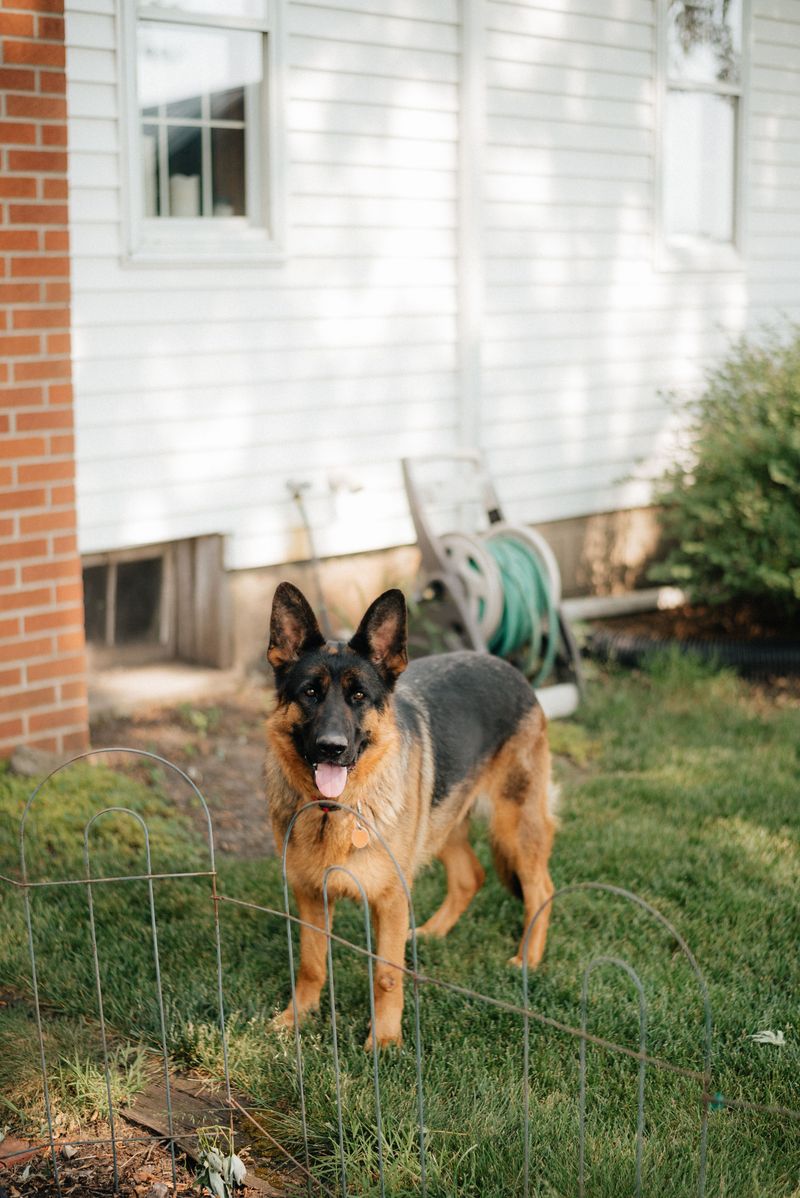
Long before police cruisers and search teams, this breed moved sheep. German Shepherds still carry that herding engine under all that noble presence.
Commands stick quickly, and few dogs alert a farmer to trouble faster. Friendliness comes slowly with strangers, which suits gate duty fine.
One to two hours of hard physical and mental work daily prevents chewed fence posts. Big properties let that talent stretch out.
9. Catahoula Leopard Dog
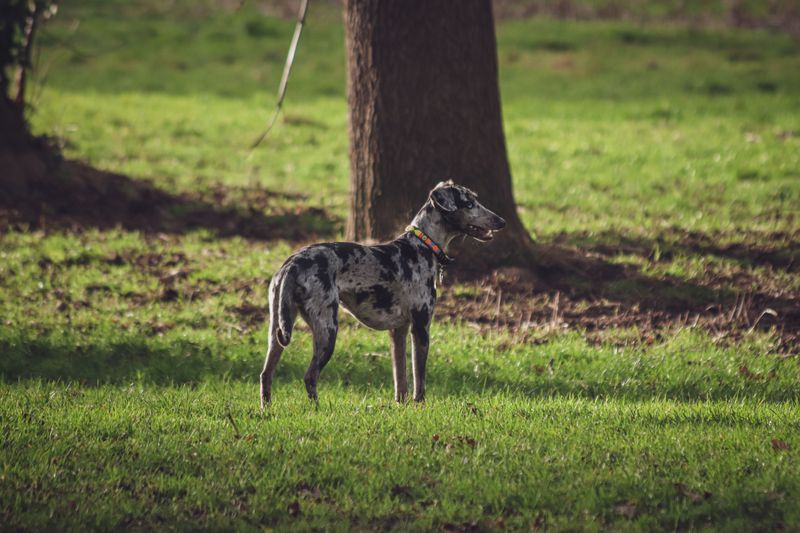
Louisiana bred them, and the nickname says plenty: Hog Dog. Catahoulas tracked and herded wild hogs, and the AKC lists them among herding dogs.
Bold, independent, loyal, with a coat that looks spilled paint in the best way. Prey drive runs high, so cats need early introductions.
Loud, rowdy chaos rubs them wrong. Give daily jobs, real space, and outdoor adventure instead.
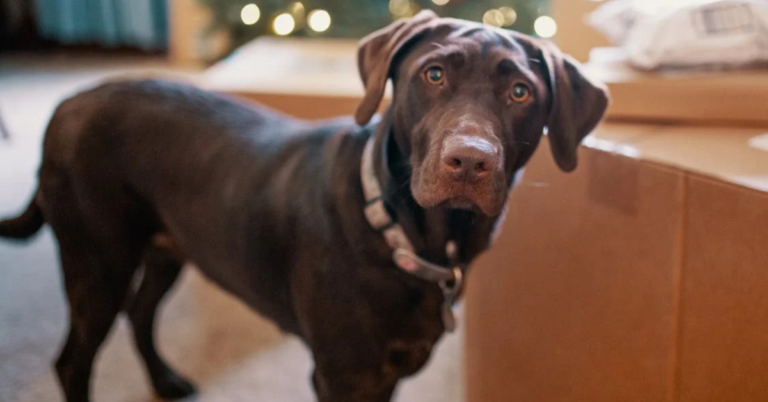
10. Labrador Retriever
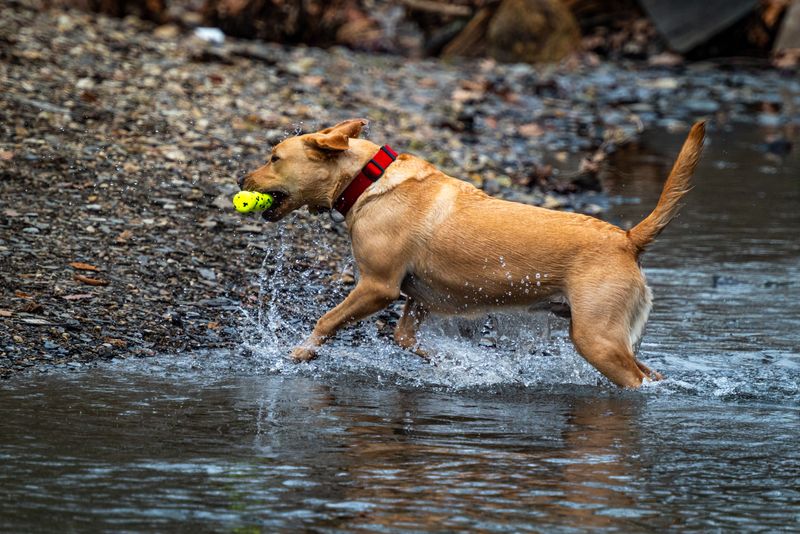
America’s favorite dog started out hauling nets and fish from icy Newfoundland water. That retrieving drive never left.
Labs stay friendly, even-tempered, and puppy-goofy for years, getting along with kids, dogs, and often cats. Solitude, though, wears on them badly.
One to two hours of daily activity works best: swims, fetch, off-lead romps, real tasks. Bored Labs dig craters.
Farm life keeps them wonderfully occupied.
11. German Shorthaired Pointer
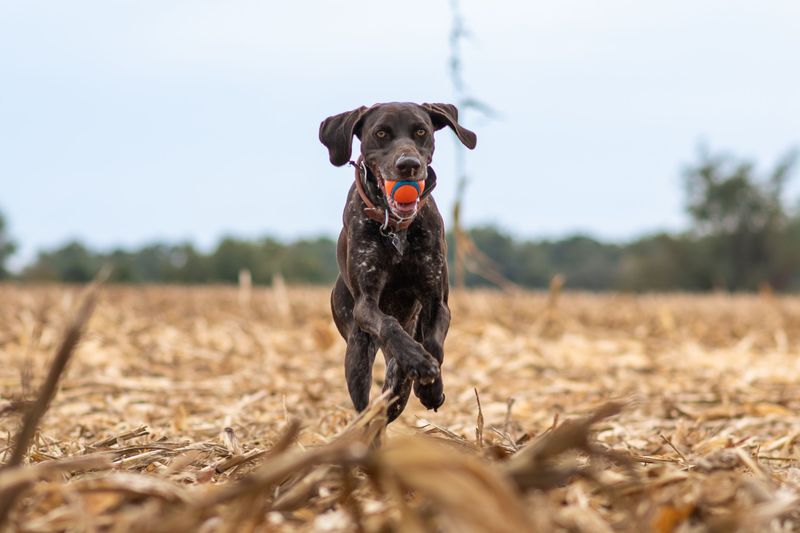
Watch one lock onto point and you see 19th century Germany’s design goal: a dog that points, retrieves, tracks, and works land or water.
GSPs are affectionate, quick learners, and gloriously rowdy when energy piles up. Separation anxiety hits the under-exercised hard.
Casual leash strolls will not cut it. Running, swimming, fetch, hunting, agility, dock diving.
A tired Shorthair is a delightful Shorthair.
12. Jack Russell Terrier
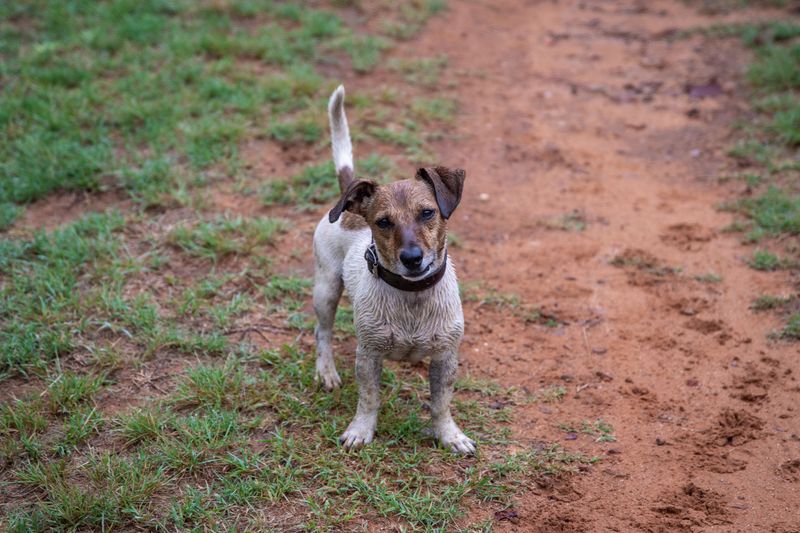
Small dog, enormous opinions. Jack Russells were bred to flush foxes from underground dens, which explains the explosive energy and the digging.
Ninety minutes of quality exercise is the baseline, and lap-dog expectations will disappoint you. Puzzle feeders, nose work, trick training, agility: all essential.
Left understimulated, they invent projects involving furniture and escape routes. Give one a barn to patrol and everybody wins.