What Montana Dog Owners Should Know Before Hiking In Grizzly Country
Montana trails offer some of the finest hiking anywhere, and most of us would rather share them with our dogs than leave them home. Sharing that landscape with grizzly bears simply means planning a little differently than you would in a city park.
The good news is that preparation does most of the work for you. Bears generally want nothing to do with people or pets, and the vast majority of hikes end with muddy paws and a happy, tired dog.
What matters is knowing where bears live, how your dog might react to wildlife, and which habits keep everyone calm and comfortable. Think of the steps ahead as a checklist you run through before loading up the truck.
None of them are complicated, and none require special skills. They are the same practices longtime Montana hikers use without thinking twice.
Leash habits, noise, bear spray, food storage, and route choice cover most of the ground. Add a quick check of current land manager alerts, and you are in solid shape.
Here is what every dog owner should understand before heading into grizzly habitat, explained plainly and without any drama.
Know Where Grizzlies Are Found
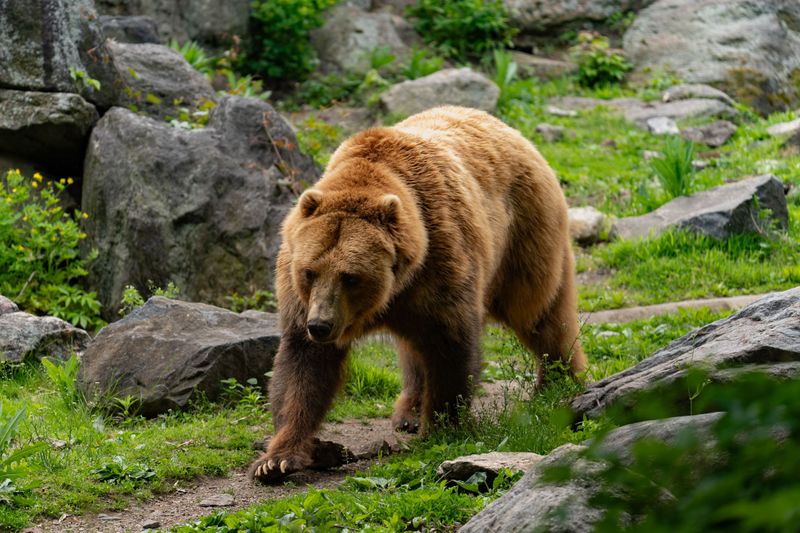
Grizzly range in Montana is wider than many people assume. Bears travel through mountain ranges, river bottoms, thick forest, and open valley edges, sometimes far from the parks.
Before you settle on a trail, look up current distribution maps and recent sighting information from Montana Fish, Wildlife and Parks or the managing agency.
Knowing whether you are entering occupied habitat shapes every other decision you make that day, including where you park.
Check Trail Conditions Before Leaving
Conditions shift fast in the mountains, and so does bear activity. Berry crops, spawning streams, and carcass sites can all change which drainages bears are using in a given week.
Land managers post alerts, advisories, and closures online and at trailheads.
A two minute check the night before, plus a glance at the kiosk when you arrive, keeps you from walking into a situation somebody already flagged.
Keep Your Dog On A Leash
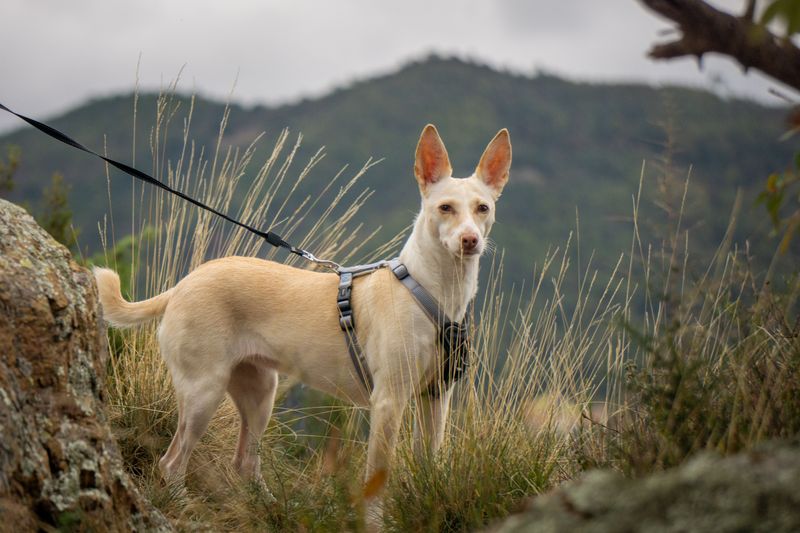
A leash is the single most useful piece of gear you will carry, aside from bear spray.
Dogs often notice wildlife before we do, and an off leash dog may run toward a bear and then return straight to you with the bear following.
Keeping your dog physically connected removes that possibility.
Many hikers prefer a hands free waist leash, which frees both hands for trekking poles or spray.
Make Noise On The Trail
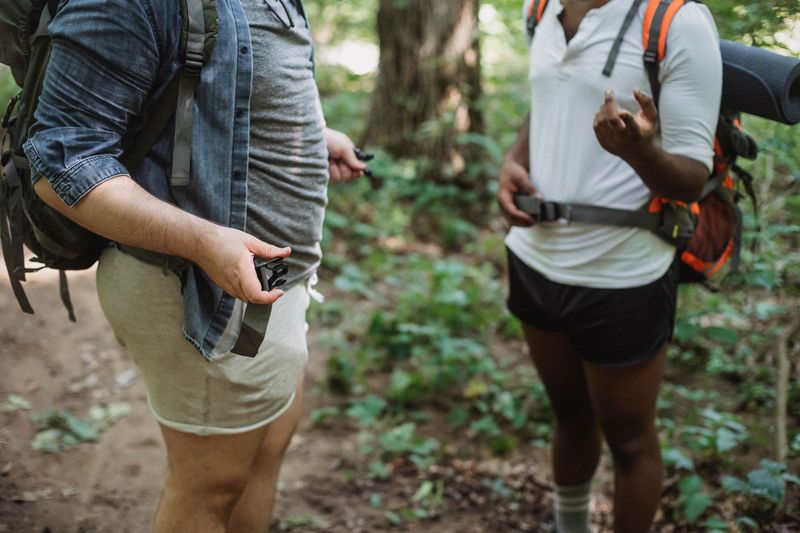
Surprise is what turns a bear encounter into a problem, so remove the surprise.
Talk with your hiking partner, call out around blind corners, and make extra noise near rushing water or dense vegetation where your voices may be harder to hear.
Your normal speaking voice works better than bells, which are too quiet to help much.
The goal is to alert wildlife to your presence before you get too close.
Stay Alert In Dense Vegetation
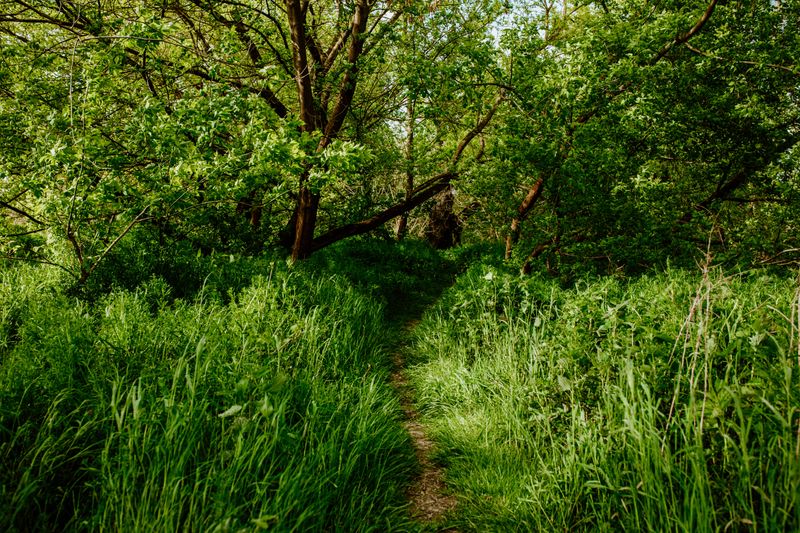
Thick willows, alder patches, and head high brush hide everything more than a few steps away.
Slow your pace in those stretches and shorten your dog’s leash so it stays beside you.
Listen as much as you look, since a snapped branch may be your first clue.
Open meadows and ridgelines are far easier to read, so save your fast walking for those sections instead.
Carry Bear Spray
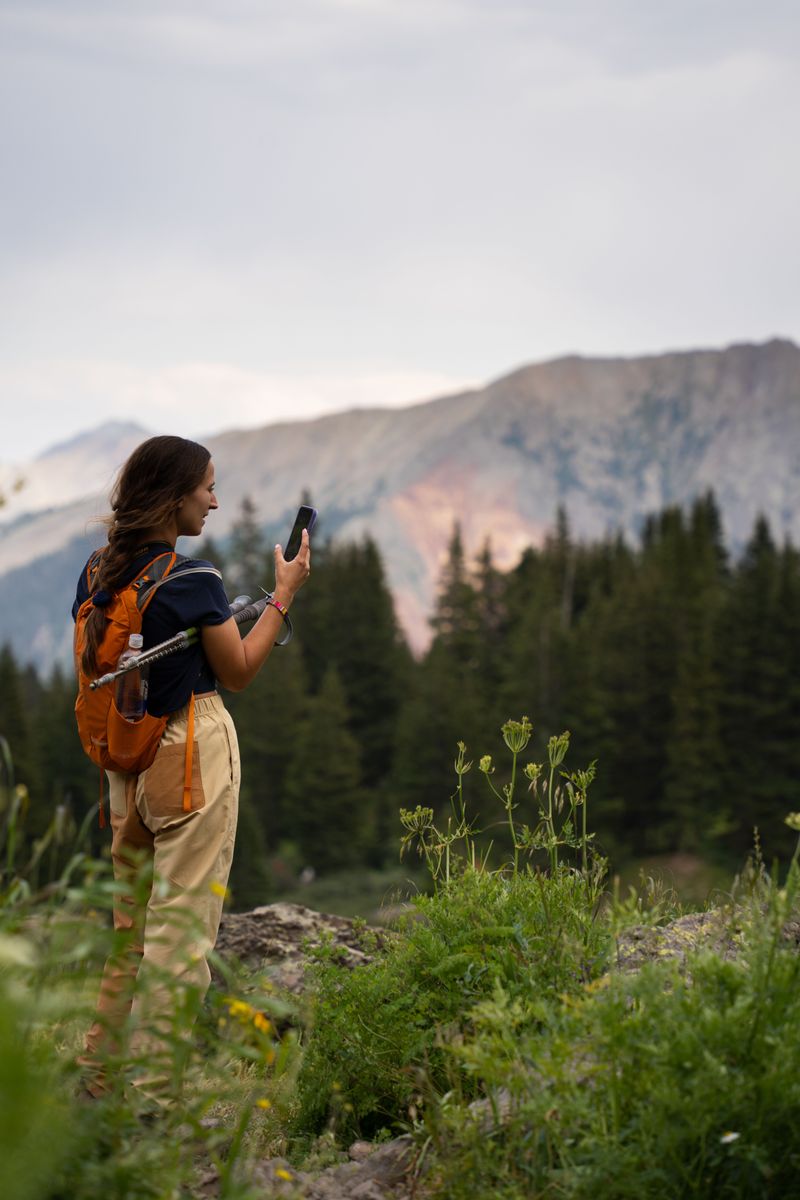
Bear spray belongs on your hip belt, chest strap, or holster, never inside your pack.
If you cannot reach it in about two seconds, it is not doing its job.
Check the expiration date before the season starts, and buy a canister labeled specifically for bears.
One more thing worth remembering: spray cannot travel by commercial aircraft, so visiting friends will need to buy or rent locally.
Know How To Use Bear Spray
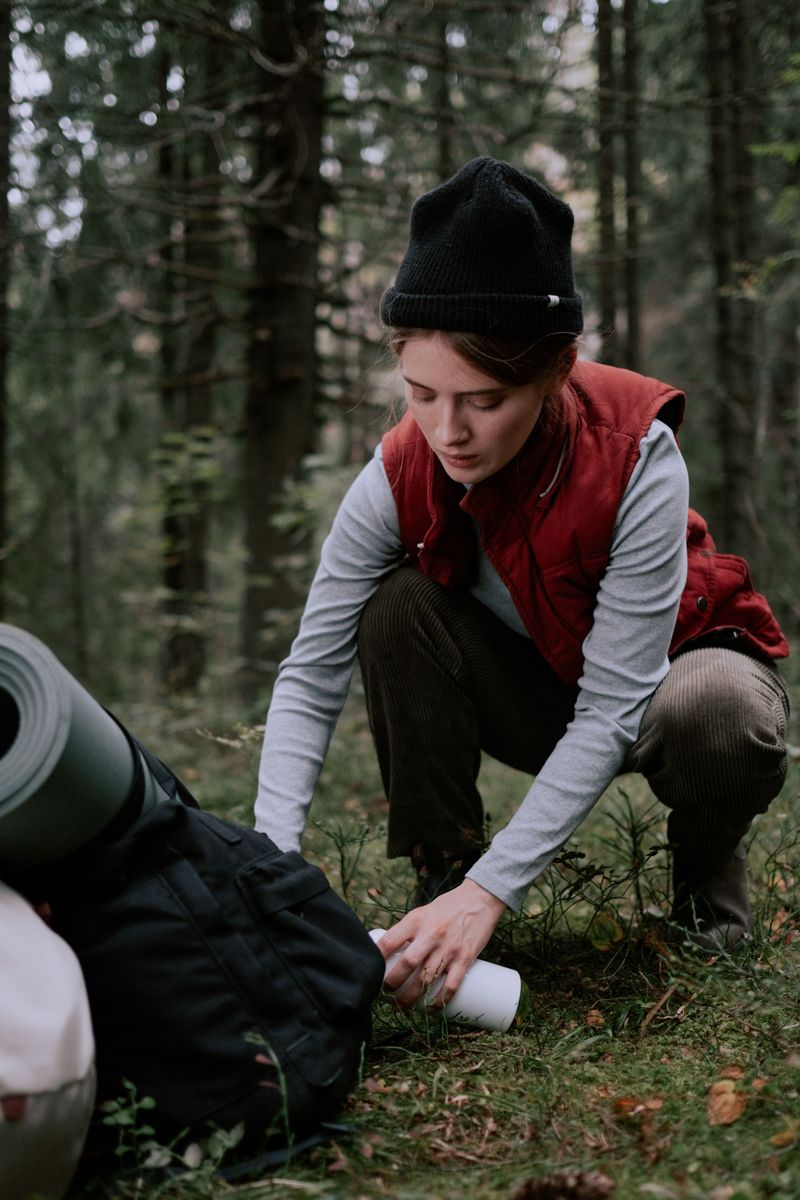
Owning spray and knowing how to deploy it are different things.
Inert practice canisters can help you rehearse the basic steps, including removing the safety mechanism and aiming according to the manufacturer’s instructions.
Follow the manufacturer’s instructions, and note that wind direction matters a great deal.
Show anyone hiking with you how it works too, including older kids.
Practice can make it easier to respond calmly and confidently if you ever need to use it.
Watch For Signs Of Wildlife
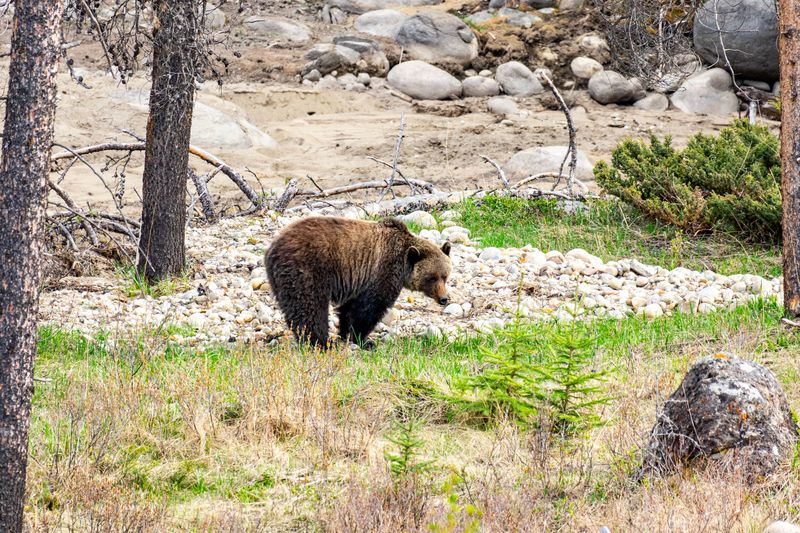
Bears leave a readable trail behind them. Look for wide tracks in mud, overturned logs, scat, freshly dug soil, and claw marks on trunks.
Fresh sign means an animal passed through recently, not necessarily that it is nearby.
Still, that is your cue to talk louder, tighten the leash, and consider a different drainage.
Dogs will often signal interest in these spots, so watch their body language too.
Give Wildlife Plenty Of Space
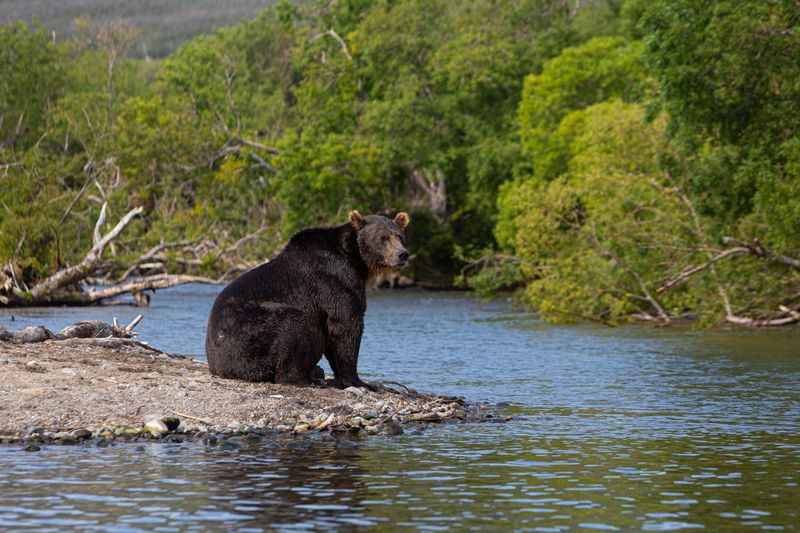
No photo is worth closing distance on a grizzly.
If you spot one at a distance, keep your dog under control, give the bear plenty of room, and slowly increase the distance without running.
Let the bear have the trail and the meadow.
Wildlife agencies publish recommended minimum distances, and in national parks those figures are rules rather than suggestions.
Check the guidance for the specific land you are visiting.
Keep Your Dog From Chasing Wildlife
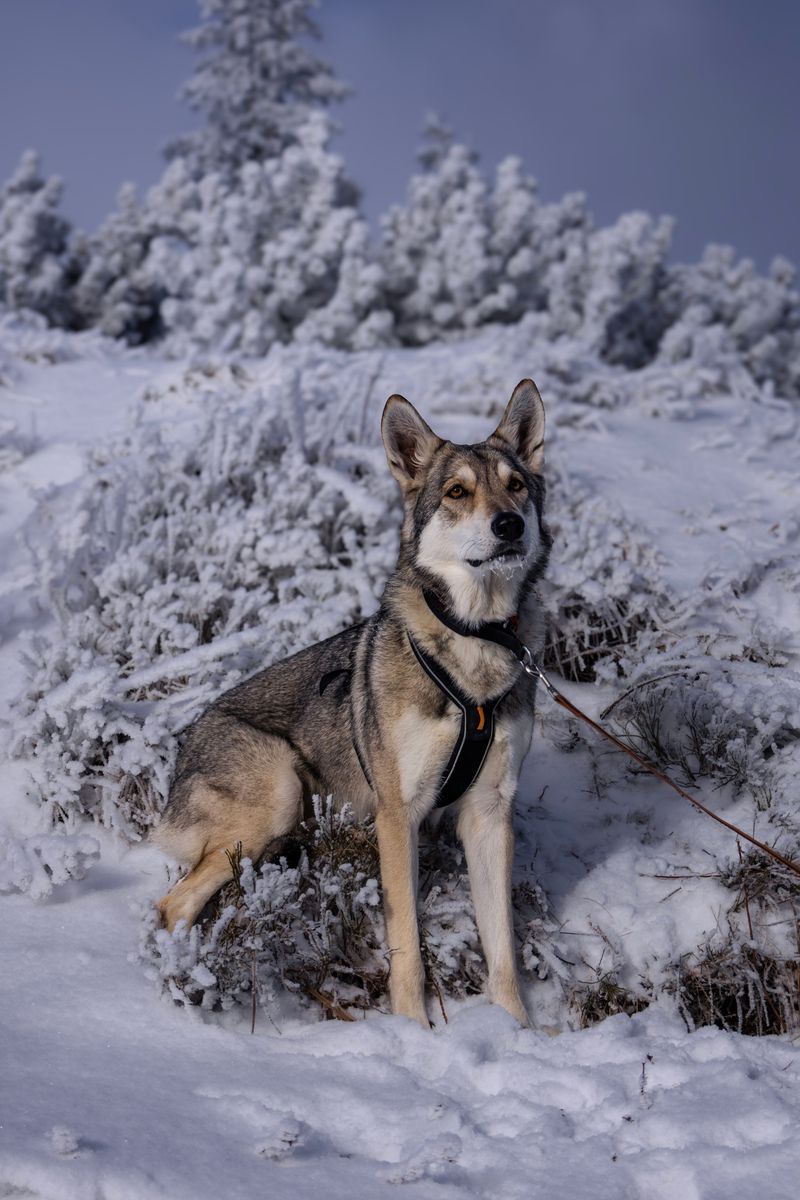
Even a dog with flawless recall can forget everything the moment instinct kicks in.
Deer, elk, marmots, and bears all trigger the same chase reflex.
A secure leash and a well fitted harness stop the problem before it starts.
Practicing a solid “leave it” and “come” at home helps, but treat those cues as backup rather than your main plan on the trail.
Avoid Hiking With Food In Hand
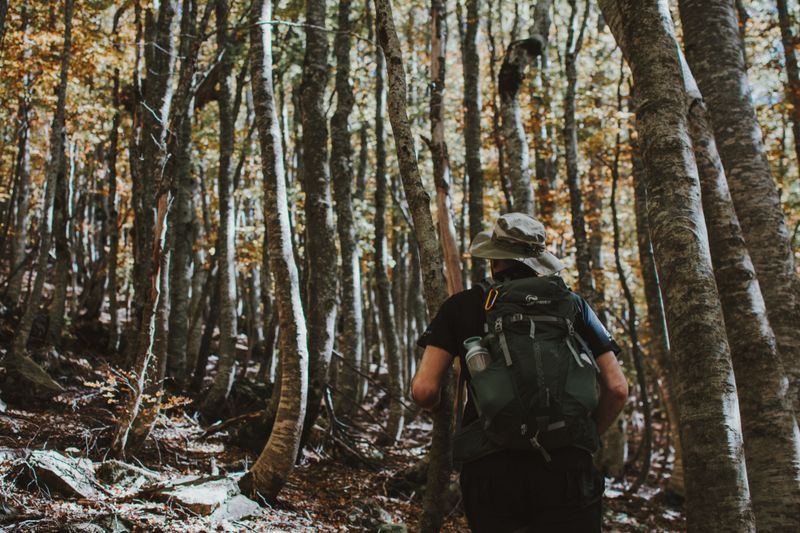
Strong-smelling foods and treats can attract wildlife, so keep food and snacks secured when they are not being eaten.
Eat at a quick stop, then seal everything back up rather than snacking as you walk.
The same applies to your dog’s treats and any leftover kibble.
Pack out wrappers, crumbs, and even fruit peels.
Keeping smells contained lowers the odds of drawing curious animals toward the trail you just used.
Pack Food In Secure Containers
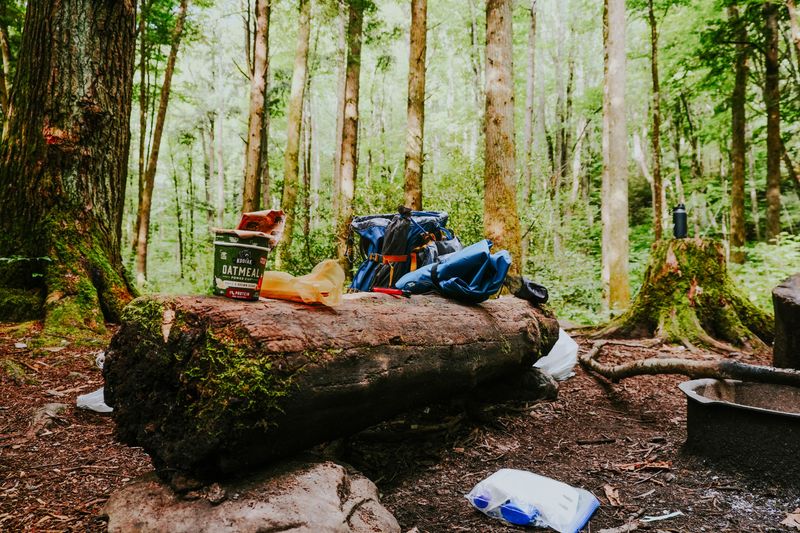
Overnight trips raise the stakes on food storage.
Use a certified bear resistant canister or follow the hanging and storage rules for the area, which differ between national forests, parks, and state lands.
Dog food counts as attractant, so store it the same way you store yours.
Never walk off and leave a pack sitting on the trail while you explore a viewpoint.
Be Extra Careful Near Carcasses
A strong odor, circling ravens, or a patch of scraped up ground and branches all suggest a food source nearby.
Bears defend those sites closely.
Leave the area promptly by the way you came, keep your dog on a short leash, and do not let it investigate.
Report what you found to the local ranger station so others can be warned.
Curiosity is the one instinct to override here.
Know What To Do During An Encounter
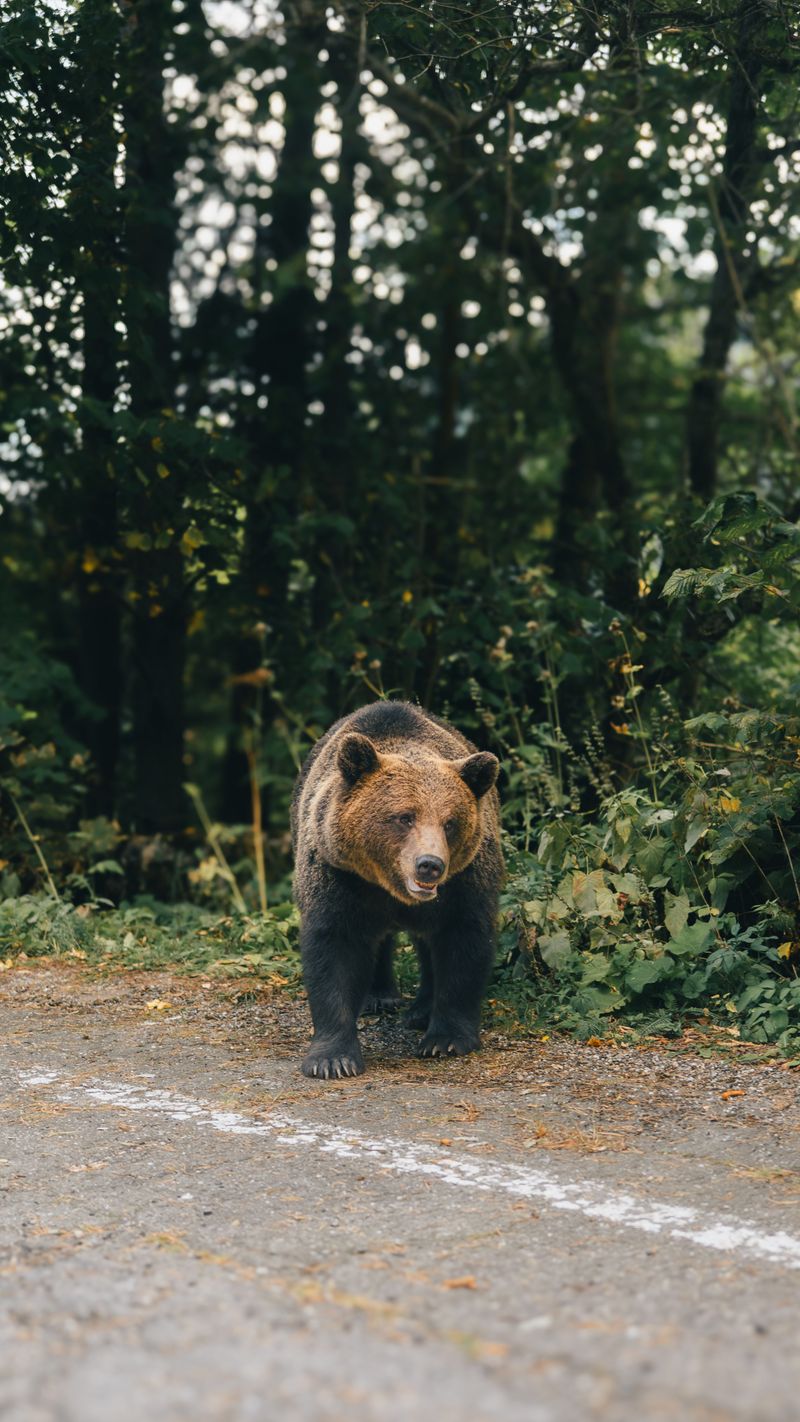
Calm beats fast every time. Stop, avoid running, speak in a low steady voice, and gather your dog in close beside your legs.
Ready your spray while you assess.
The right response depends on whether the bear is surprised, curious, or defending something, so read Montana Fish, Wildlife and Parks guidance before you go.
Reviewing it once at the kitchen table is worth far more than guessing later.
Choose Routes With Your Dog In Mind
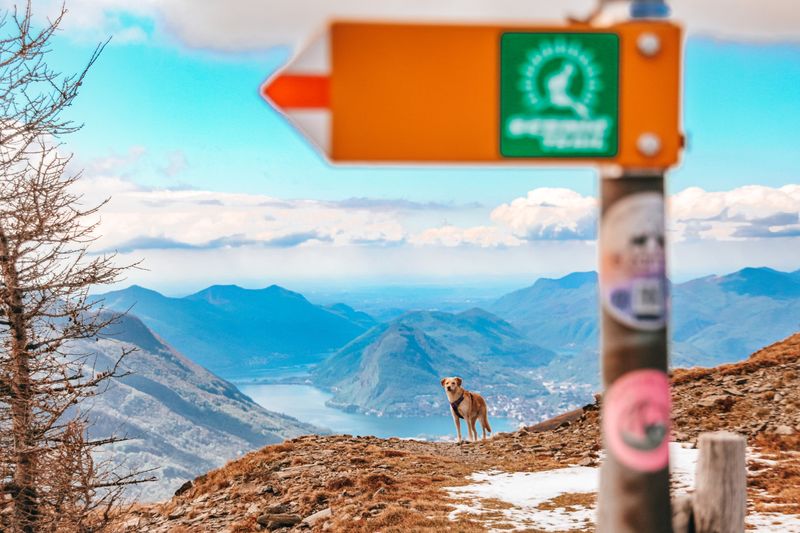
Not every beautiful trail suits a dog in bear habitat.
Favor routes with long sightlines, steady foot traffic, and open terrain over narrow, brushy creek bottoms.
Consider heat, water sources, and how far your dog can comfortably travel.
Shorter, busier trails early in the day often work better than remote loops.
A little route matching keeps the outing pleasant instead of tense.
Hiking With Others Adds Awareness
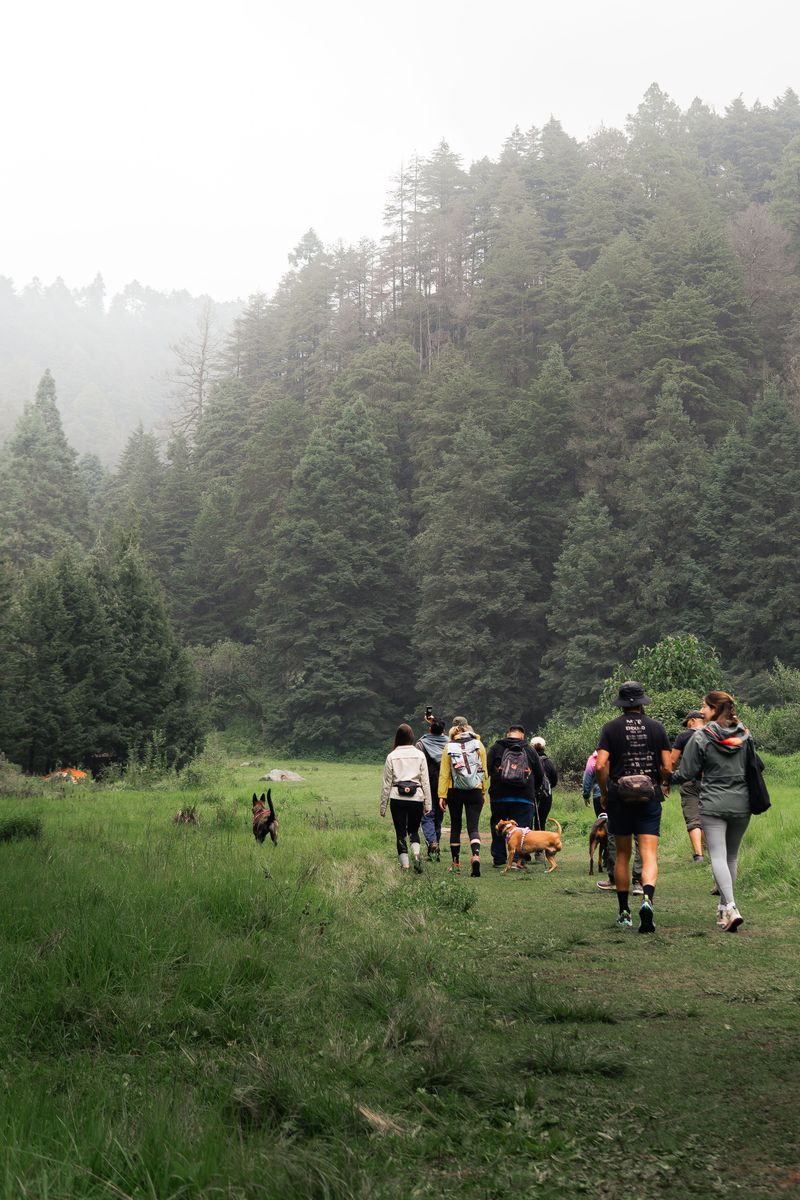
Groups naturally make more noise and notice more.
Wildlife managers consistently recommend traveling with companions in bear country for exactly that reason.
Keep the party bunched together rather than strung out over a quarter mile, and do not let a fast walker or a dog get ahead.
Agree in advance who carries spray and where it rides.
Company also makes turning around an easier decision.
Know When To Turn Around
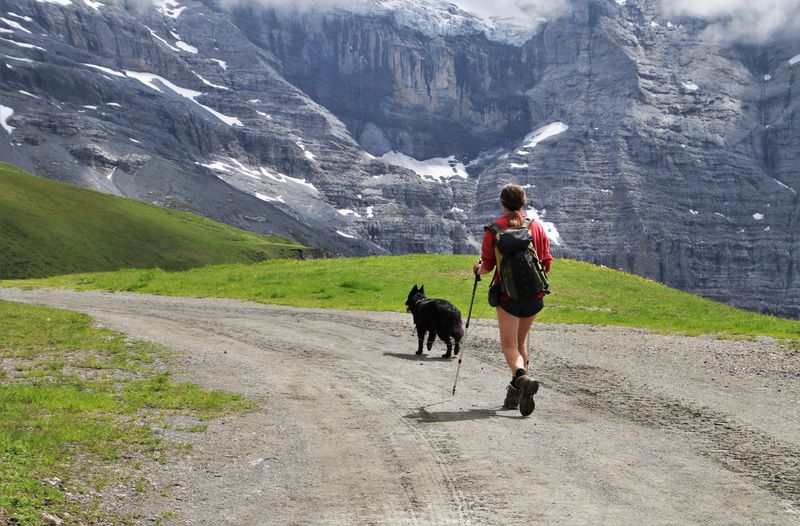
Turning back is a skill, not a failure.
Fresh tracks, a posted closure, a strong odor, or a dog acting unusually alert are all reasonable reasons to head home.
The mountains will still be there next weekend.
Long time locals will tell you the best hikers are the ones who change plans without arguing about it.
Set that expectation with your group before you start walking.
Review Local Rules Before Your Trip
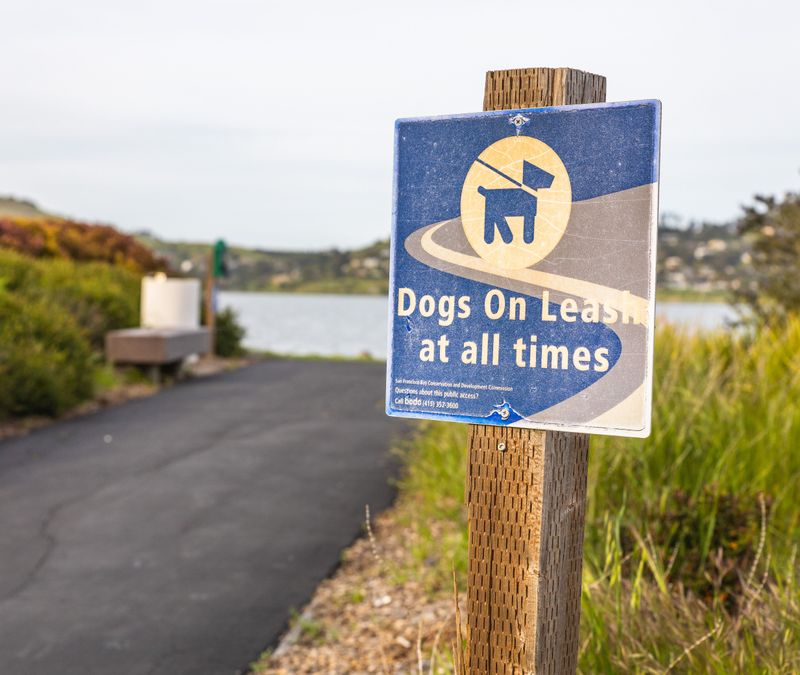
Rules differ noticeably across Montana’s public lands.
Some national forest trails allow dogs under voice control, many state parks require leashes, and Glacier and Yellowstone prohibit dogs on backcountry trails entirely.
Seasonal food storage orders and closures also apply in certain districts.
Confirm requirements with the managing agency for your exact destination.
Do that once, and you can head out relaxed, prepared, and ready to enjoy the day.