What New York Dog Owners Should Know About Black Bears At Adirondack Campsites
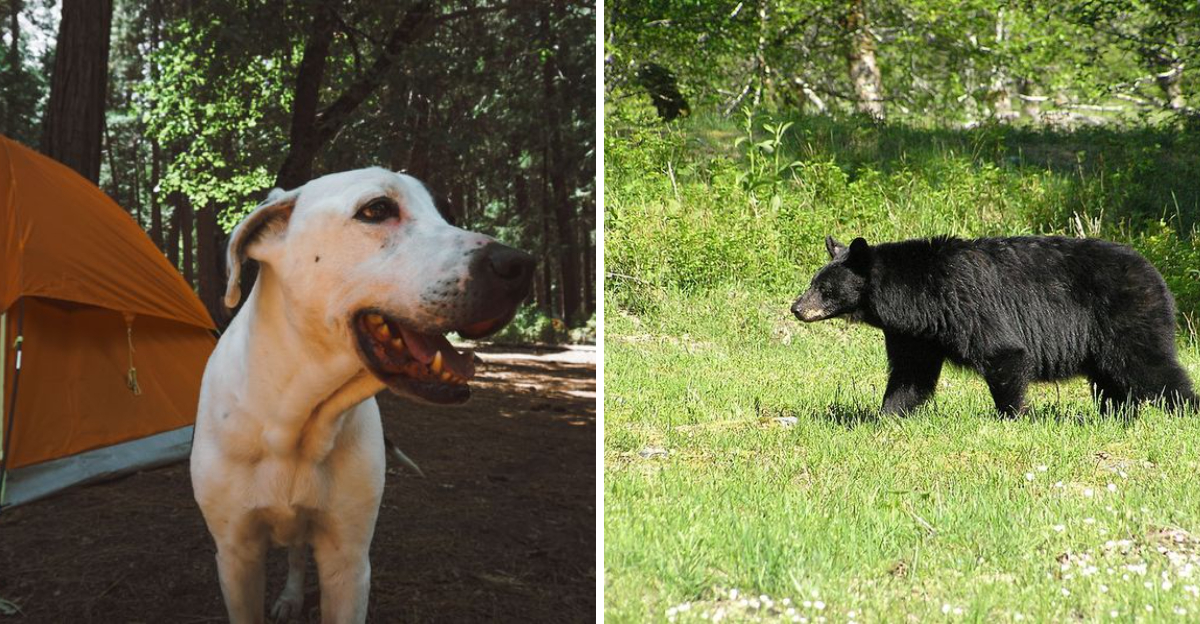
Camping in the Adirondacks with your dog can be a wonderful trip, and black bears are simply part of that landscape. Most visits go smoothly when owners understand how bears find food and how dogs can change an encounter.
A few smart habits can lower stress for you, your pet, and the wildlife around camp. Here is the kind of practical advice a local friend would want you to know before you go.
1. Bears Are Part of Adirondack Camp Life
Many first-time campers are surprised by how often bears live nearby in this region. Black bears are common throughout the Adirondacks, and many campsites sit in active bear habitat.
That does not mean trouble is likely. It means you should camp with clean habits, steady dog control, and realistic expectations.
When you assume bears may pass through, your choices become smarter, calmer, and safer for everyone sharing the woods around camp each single day outdoors.
2. Leashes Are the Safer Choice
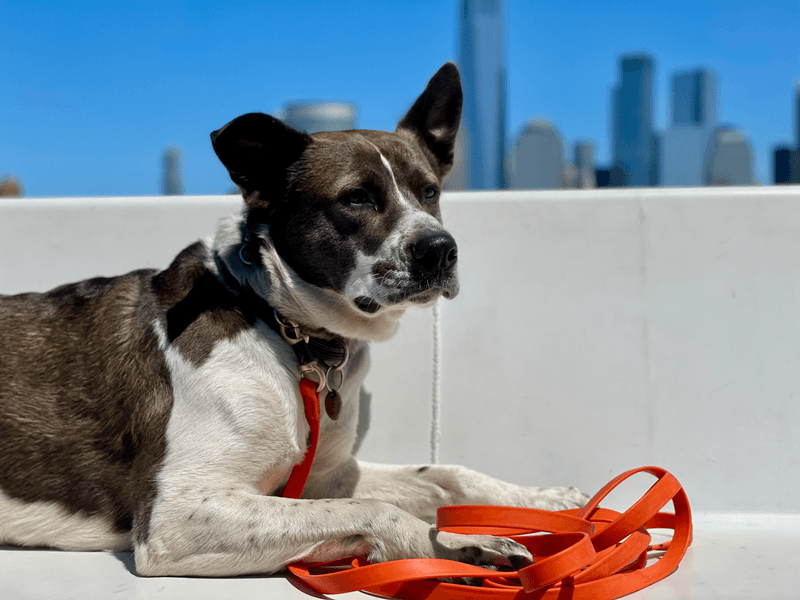
At camp, freedom for your dog can create problems fast. Keep your dog leashed around campsites, especially in established campgrounds where New York DEC requires a leash no longer than six feet.
In the High Peaks Central Zone, dogs must be leashed at all times. A short leash helps you steer away from wildlife, stop sudden lunges, and show nearby campers that your dog is under control from morning until bedtime every day at camp.
3. Off-Leash Dogs Can Escalate a Sighting
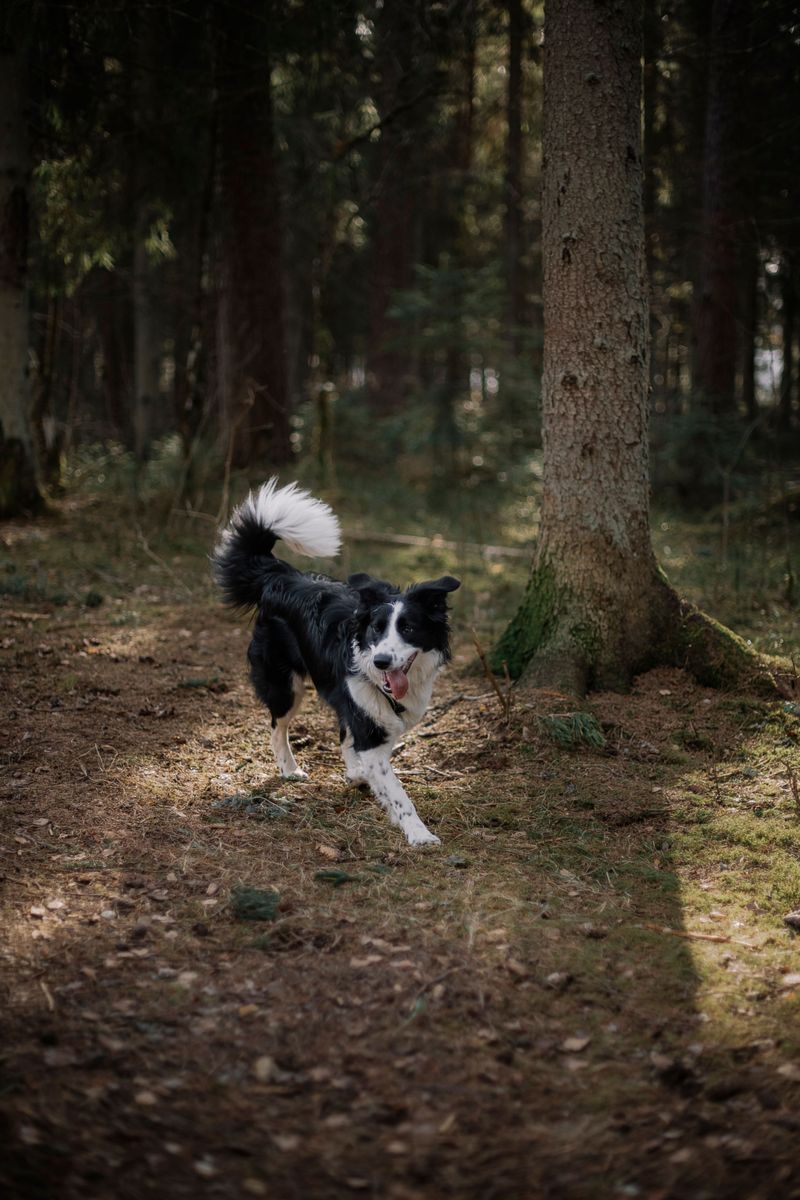
Here is the part many owners do not expect. An off-leash dog can turn a distant bear into a close encounter by running ahead, barking, or circling back toward you.
Some bears avoid people until a dog changes the scene. If your dog races after a bear, the animal may follow the dog back.
Keeping your dog close reduces confusion, lowers tension, and gives you more time to leave calmly before things feel uncomfortably crowded.
4. Do Not Let Your Dog Provoke a Bear
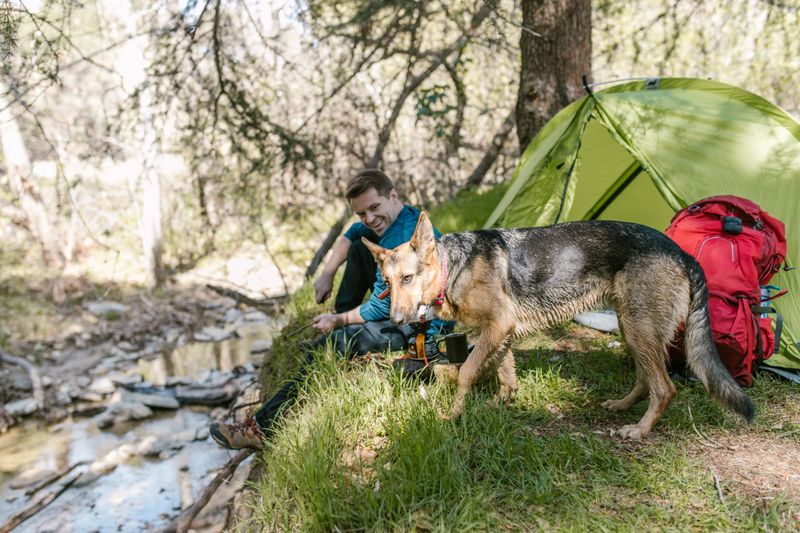
Picture a bear crossing beyond camp, and your dog suddenly wants to charge. Do not let your dog bark at, chase, harass, or corner a bear, even if the bear seems calm.
Bears may react defensively when pressured, especially near cubs or food. Use your leash, body position, and voice cues to turn your dog away.
Good control protects your pet, your campsite neighbors, and the bear from a preventable mess on any weekend trip.
5. Dog Food Attracts Bears

A kibble bag can smell ordinary to you, but not to a bear. Dog food counts as a bear attractant because it is rich, calorie-dense, and easy for bears to investigate.
Feed only what your dog will finish, then pick up the bowl right away. Wipe spills, seal leftovers, and never leave food out while you explore.
Clean feeding habits remove one of the strongest scents around camp before a curious visitor wanders through nearby.
6. Treat Bags Need Real Storage Too
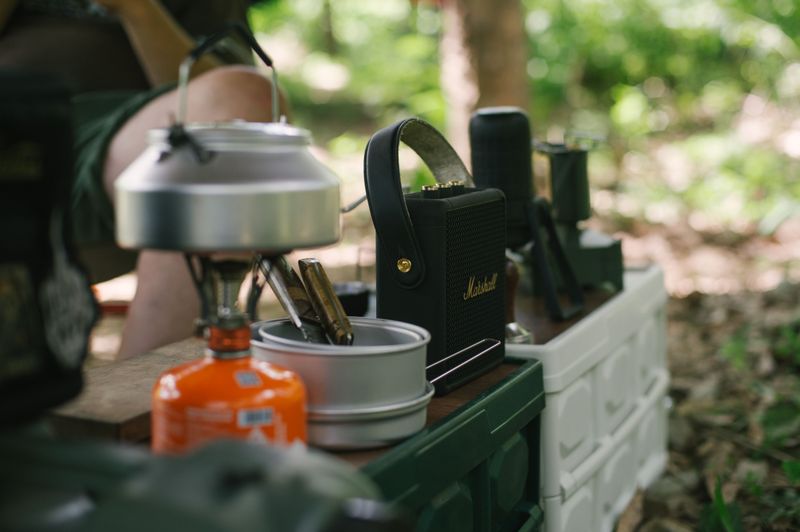
Tiny training treats seem harmless, yet bears do not sort snacks by size. Store dog treats securely too, using the same care you use for your own food.
Keep unopened bags sealed, stash crumbly treats after walks, and check pockets before bed. Even a forgotten chew can leave a strong scent trail.
Treats belong in proper storage, not loose in camp chairs, jackets, or packs overnight where noses search for easy calories after dark nearby.
7. Know Where Canisters Are Required
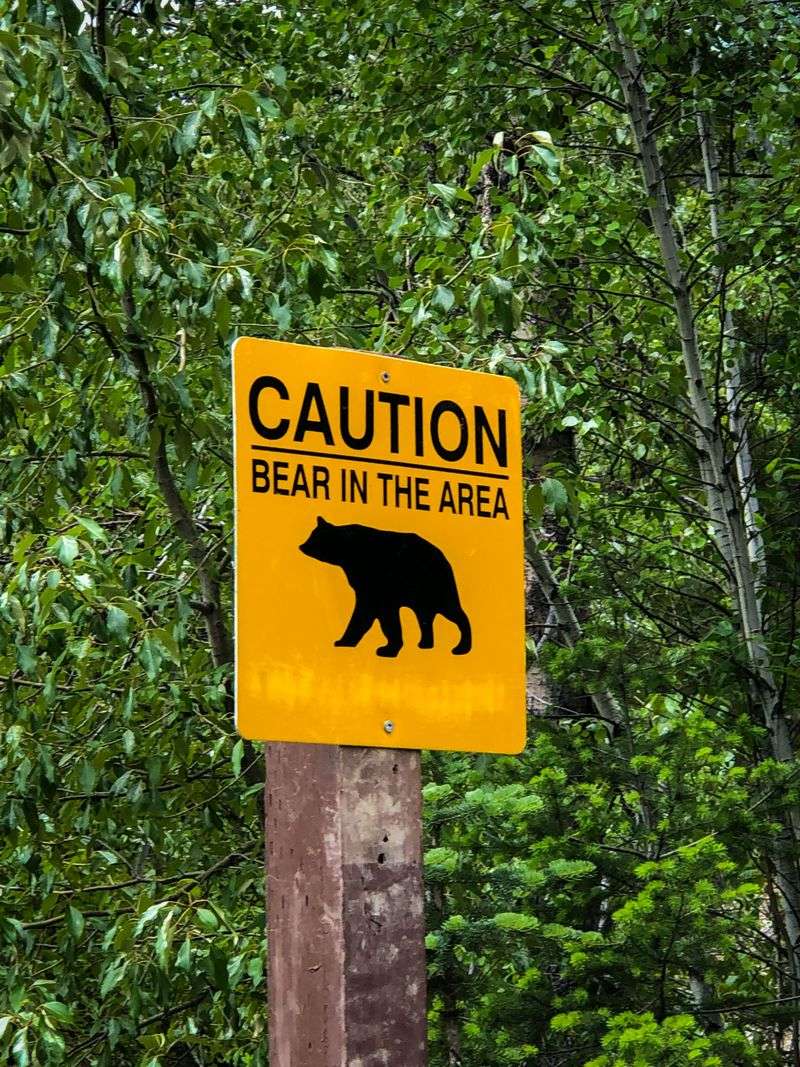
Rules matter most when they match real wildlife behavior. Bear canisters are mandatory in parts of the High Peaks, specifically the Eastern High Peaks Wilderness, for overnight users from April 1 through November 30.
That requirement is a New York State regulation, not just a suggestion from fellow campers. Before your trip, confirm your route and camping area.
If the rule applies, bring an approved canister sized for both you and your dog each night.
8. A Bear Hang Does Not Count There
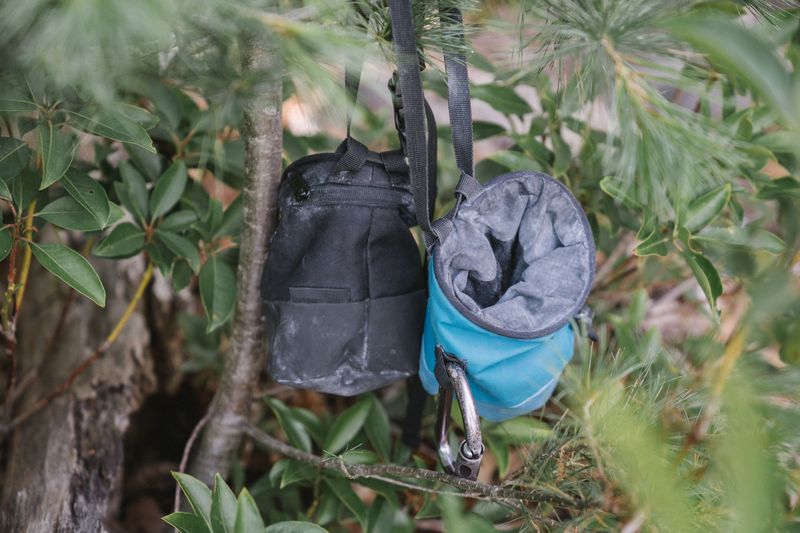
Old-school bear hangs sound clever, but they do not meet every rule. In the Eastern High Peaks, a food bag or bear hang does not satisfy the canister requirement.
DEC rules call for a bear-resistant canister there, not a sack in a tree. That matters because hangs fail often, especially in busy areas where bears learn quickly.
Save yourself trouble by following the exact rule instead of relying on older campsite stories from past decades.
9. Canisters Make Sense Beyond Required Zones
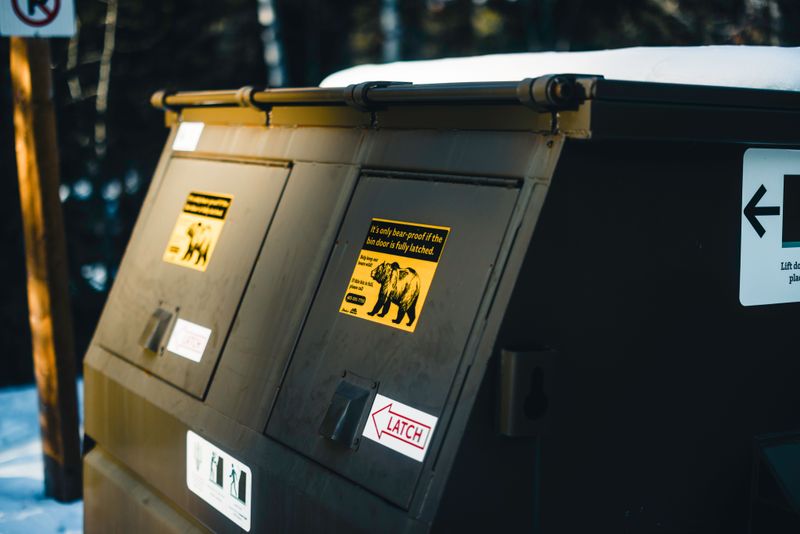
Even outside required zones, smart campers often choose the tougher option. Bear canisters are recommended where they are not mandatory because they protect food better than many other methods.
They also help bears stay wild by denying easy rewards near people. A canister can feel bulky at first, yet it simplifies camp life.
You spend less time hanging bags and more time enjoying quiet evenings with your dog nearby after dinner and before turning in.
10. Place Canisters Away From Your Sleeping Area
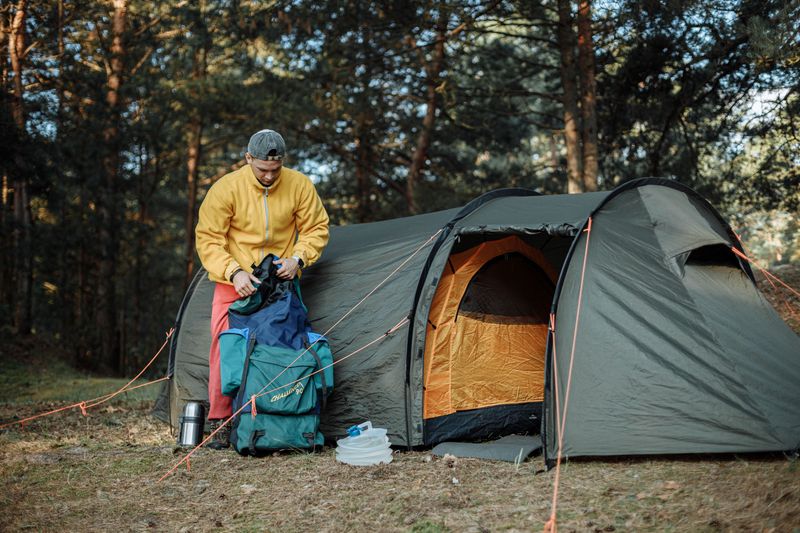
Where you place your canister matters almost as much as bringing one. Store bear canisters well away from where you sleep, and keep them away from your cooking area too.
Many campers aim for about 100 feet, while some guidance suggests farther when terrain allows. Set the canister on level ground so it will not roll far if nudged.
Distance helps keep nighttime curiosity away from tents and tired campers during damp, noisy mountain nights.
11. Secure Toiletries, Garbage, and Medicines

Bears sniff out more than dinner, which surprises plenty of careful campers. Keep toiletries, garbage, and medications secured with food, since scented products can attract attention too.
Toothpaste, lip balm, wrappers, and pet medicines all belong in the same secure storage system. Do a final sweep before bed and after breakfast.
Small forgotten items often cause the biggest campsite headaches because their smells linger longer than people expect in cool, still air near camp overnight.
12. Keep the Campsite Free of Scraps
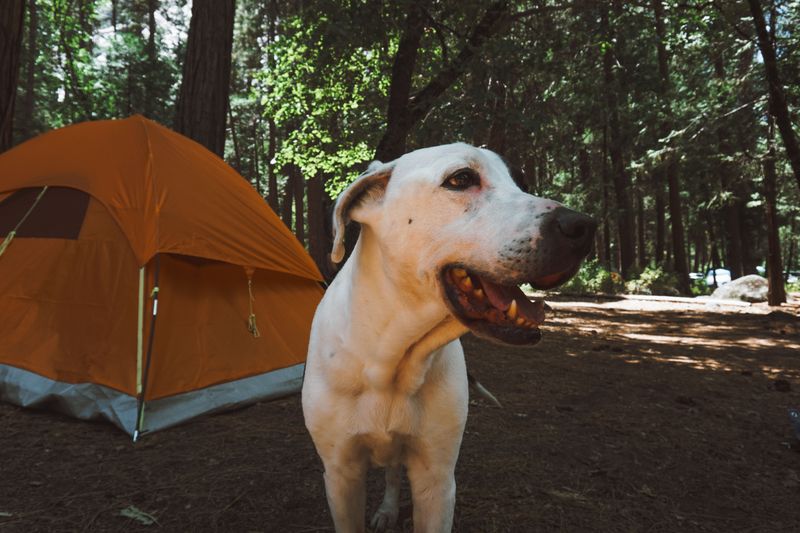
Crumbs count, even when they look too tiny to matter. Do not leave food scraps around camp, and do not assume birds or squirrels will clean everything up.
Bears learn quickly when meals are easy to find. Pick up dropped pieces, strain dishwater if needed, and pack waste out properly.
A spotless site protects your dog, keeps bears from returning, and makes the next camper’s visit safer and far more pleasant for everyone nearby tomorrow.
13. Keep Scented Gear Out of the Tent
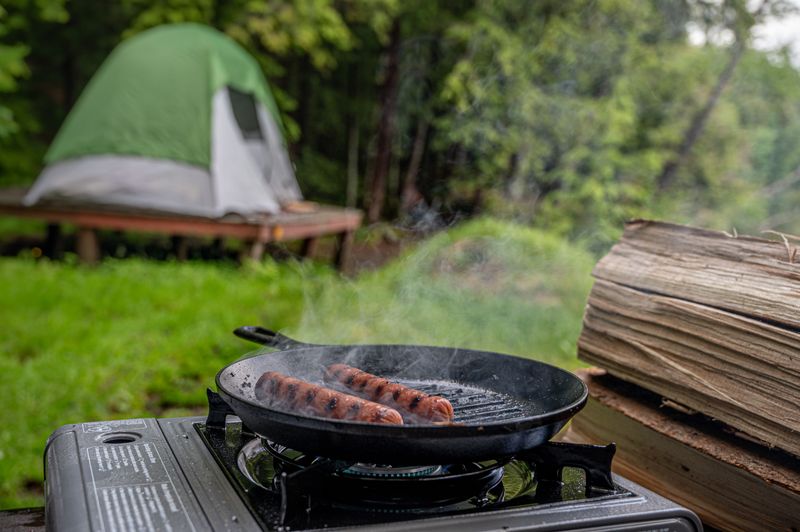
A tent should smell like sleep, not supper. Do not keep dog food or scented gear inside your tent, including bowls, treat pouches, cooking clothes, and used food containers.
Bears have an excellent sense of smell, and fabric walls offer no real barrier. Move every attractant into secure storage before dark.
When your sleeping area stays scent-free, you reduce unwanted visits and make the night feel calmer for both you and your dog until sunrise.
14. Stay Sharp on Dawn and Dusk Walks

Morning and evening walks can feel peaceful, yet they need extra attention. Be especially attentive during early-morning and evening dog walks because black bears are often more active at dawn and dusk.
Choose open paths when possible, keep your leash short, and scan ahead before rounding bends. Skip headphones so you can hear movement or ranger warnings.
Those small habits give you more time to notice wildlife and calmly change direction if needed that day.
15. Give Every Bear Plenty of Room
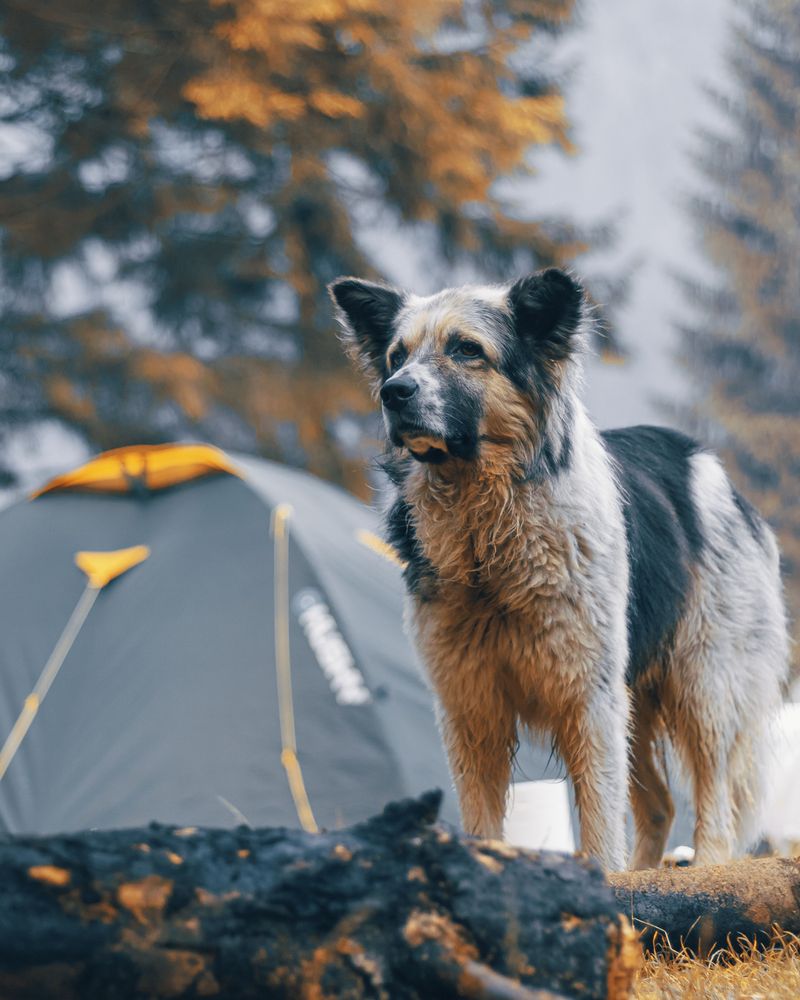
Seeing a bear can stop a conversation in one second. Give bears plenty of space if you spot one, and start backing away before the animal changes direction.
A simple thumb test can help judge distance. If your outstretched thumb cannot cover the bear, you are too close.
Stay calm, keep your dog beside you, and leave the area slowly without trying for a better photo or longer look than the moment safely allows you.
16. Never Run From a Black Bear
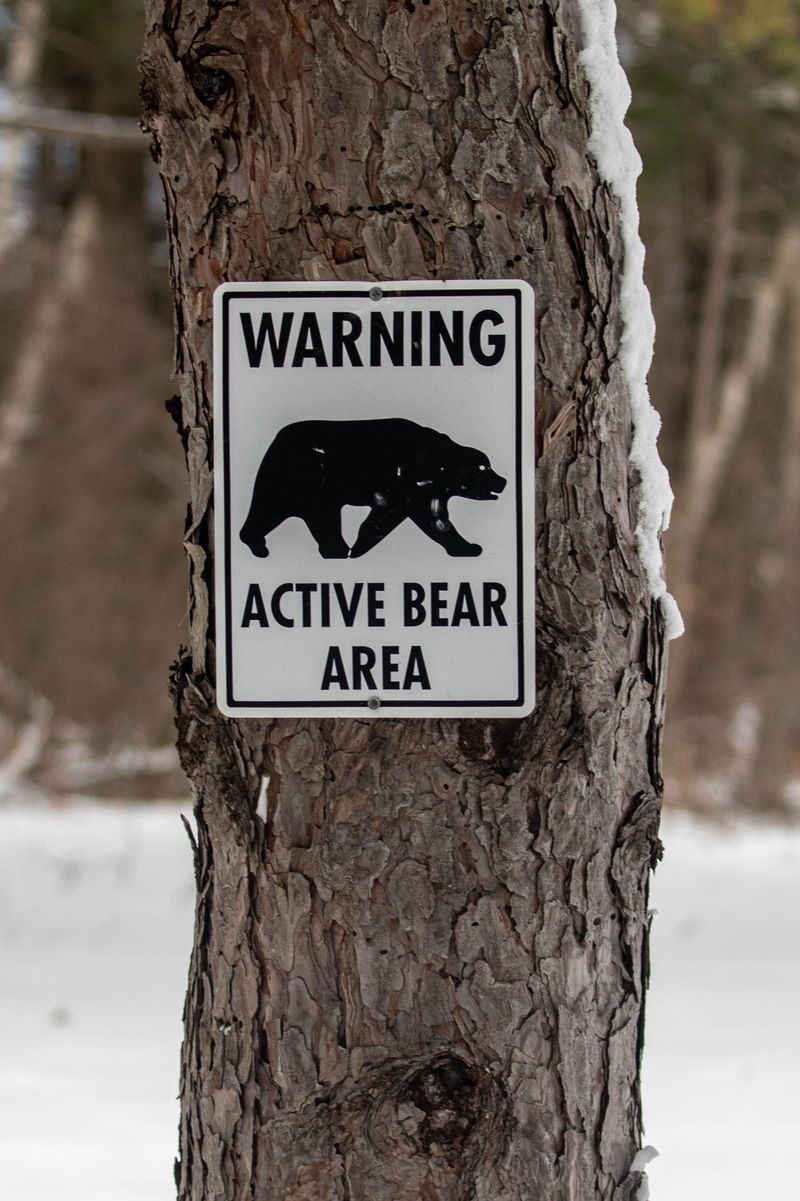
When surprise hits, people want to move fast. Never run from a black bear, because running can trigger pursuit and make your dog panic too.
Instead, face the bear, keep hold of the leash, and back away slowly. Speak in a calm voice and avoid sudden motions.
A steady retreat shows you are leaving, while giving everyone a better chance to end the moment without more stress than a rushed dash through brush would bring.
17. If a Bear Keeps Approaching, Change Your Response
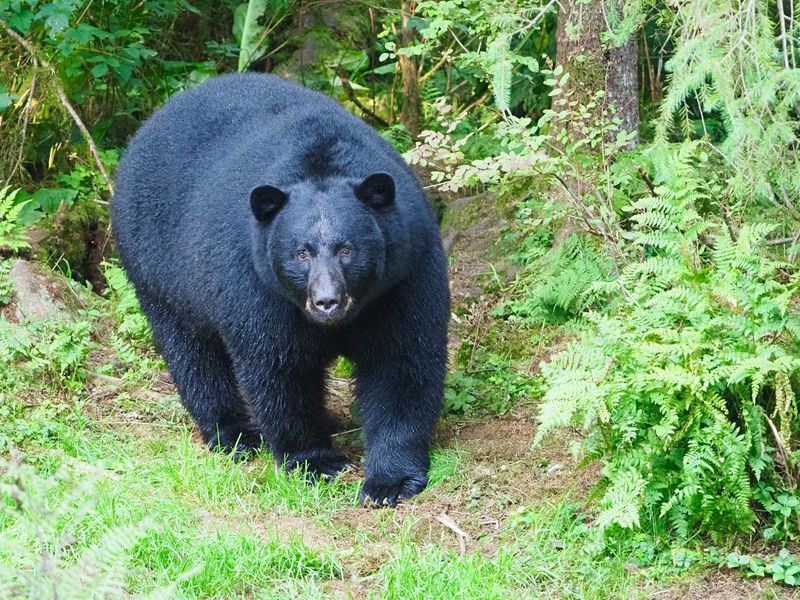
Sometimes a bear does not leave right away, and that feels unsettling. Know what to do if a bear keeps approaching: stand your ground, make yourself look bigger, and speak in a loud, clear voice.
Have bear spray ready if you carry it and know how to use it. Do not run.
In the rare event of physical contact with a black bear, fight back as recommended by safety guidance from New York wildlife officials.
18. Do Not Jump Into a Dog-Bear Fight
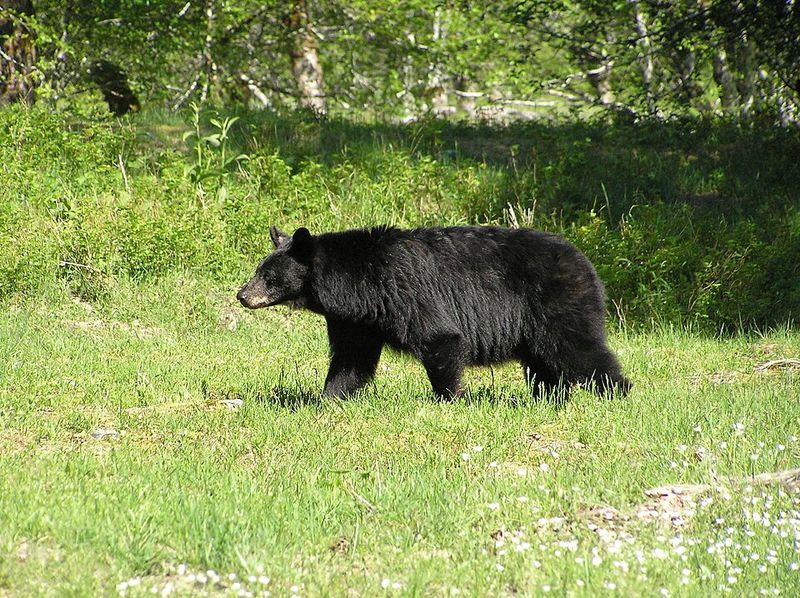
Instinct may tell you to rush in, but that can worsen everything. Do not physically jump into a dog-bear fight, because people often get hurt when they enter the struggle.
Your best move is prevention: leash control, space, calm handling, and secure food. If trouble starts, focus on creating distance and regaining control of your dog if possible.
Prepared campers stay calmer, camp cleaner, and leave the Adirondacks with better stories for the next trip.