Why Grass Awns Become A Bigger Dog-Walking Issue On Dry Oregon Trails
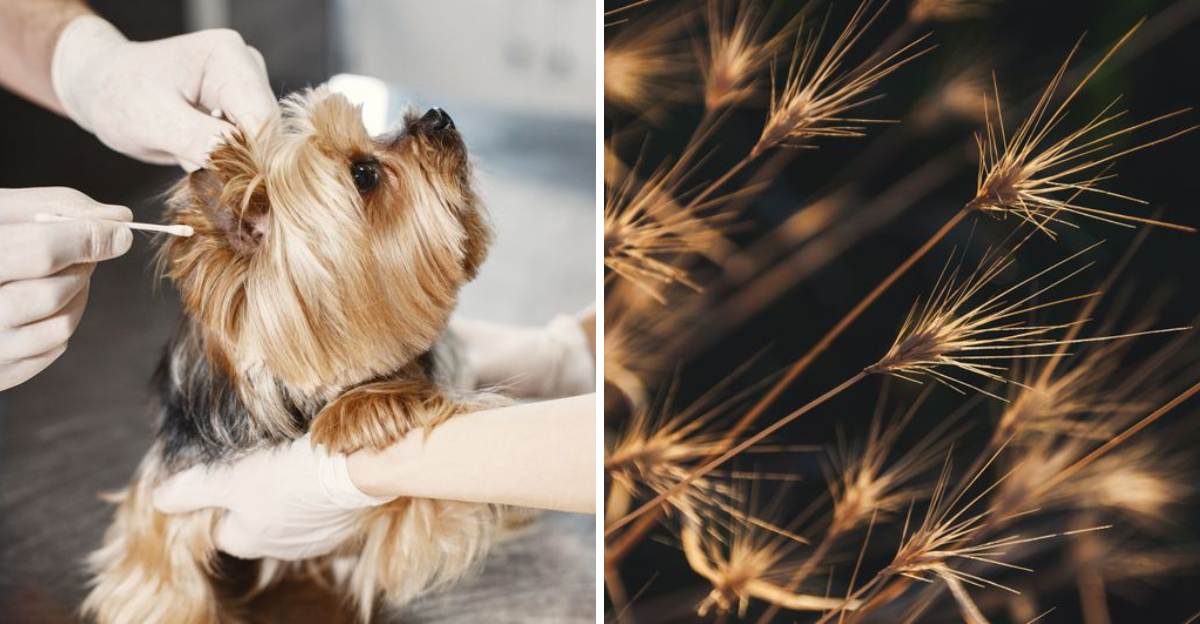
If you walk a dog through Oregon’s sunny months, you have probably seen those tan, spiky seed heads clinging to socks and fur. Those are grass awns, and once the summer heat dries the grasses out, they get sharper and travel more easily.
The good news is that a little knowledge goes a long way. Here is what local dog owners should understand about awns, where they show up, and the simple habits that keep walks happy.
1. Ripe Awns Let Go Of The Plant Without Much Effort
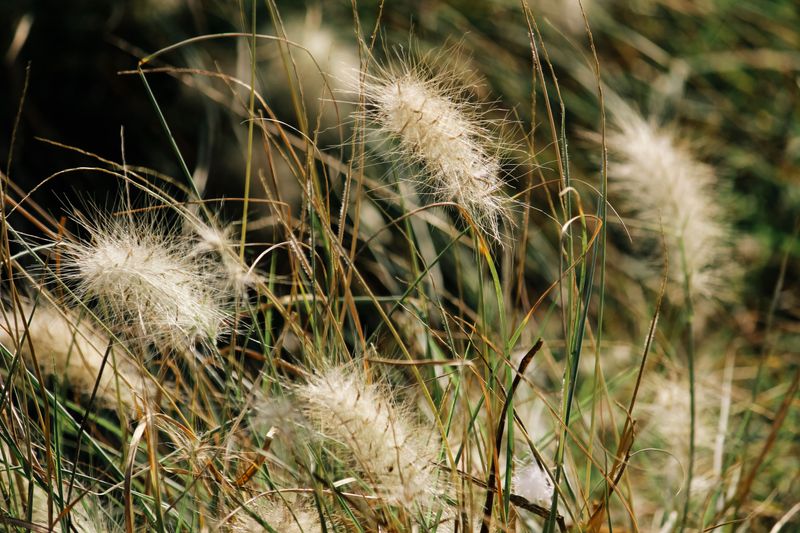
Grasses have one job at summer’s end: send their seeds out into the world. Drying loosens each awn until a breeze or a passing leg knocks it free.
A single plant may release thousands of seeds across a season.
That means the risk is not only tall standing grass. Detached awns drift, catch, and settle wherever dogs and people happen to move through.
2. Trail Dust Collects Loose Seeds You Cannot Always See
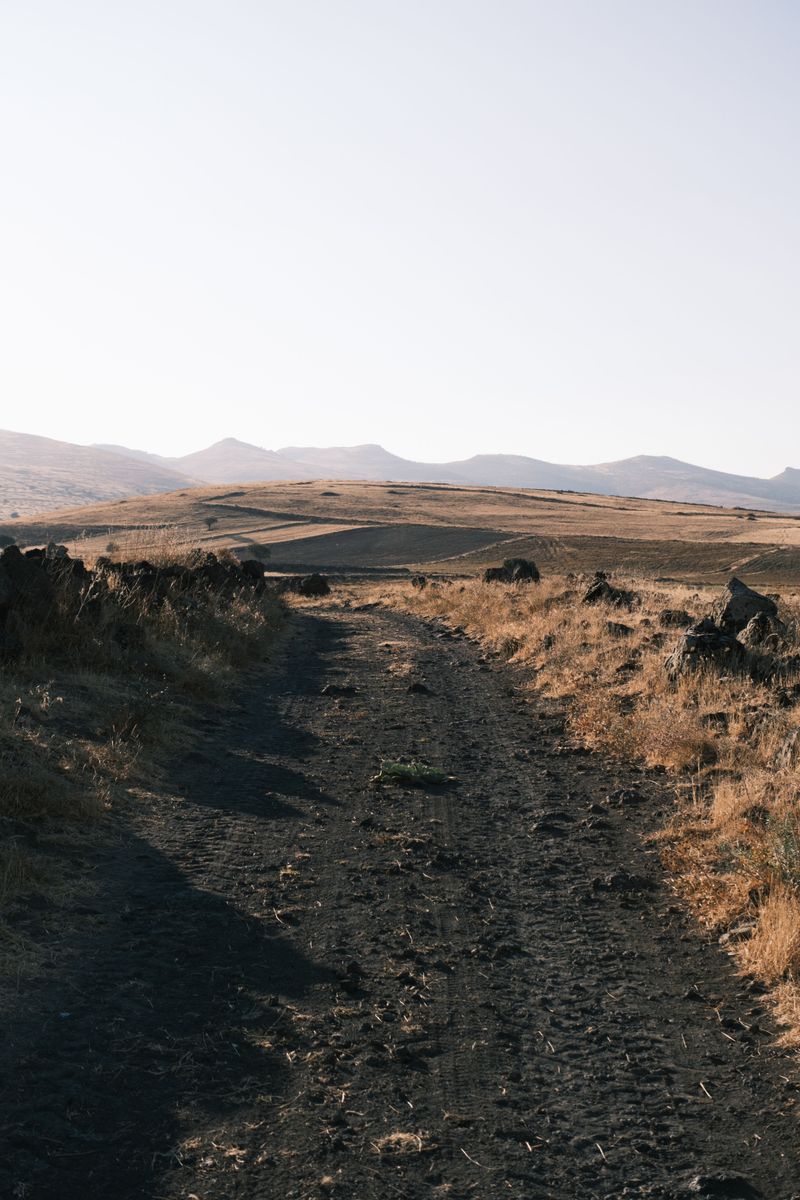
Look down at a dusty path in August and you will often spot pale slivers mixed into the dirt.
Wind and foot traffic sweep detached awns onto the trail surface itself, especially along narrow singletrack.
Wild barley, cheatgrass, and needlegrass all contribute to that litter.
So even a dog trotting neatly down the middle can pick some up. Paw checks matter just as much on open, tidy-looking routes.
3. Summer Heat Turns Soft Seed Heads Into Stiff Spears
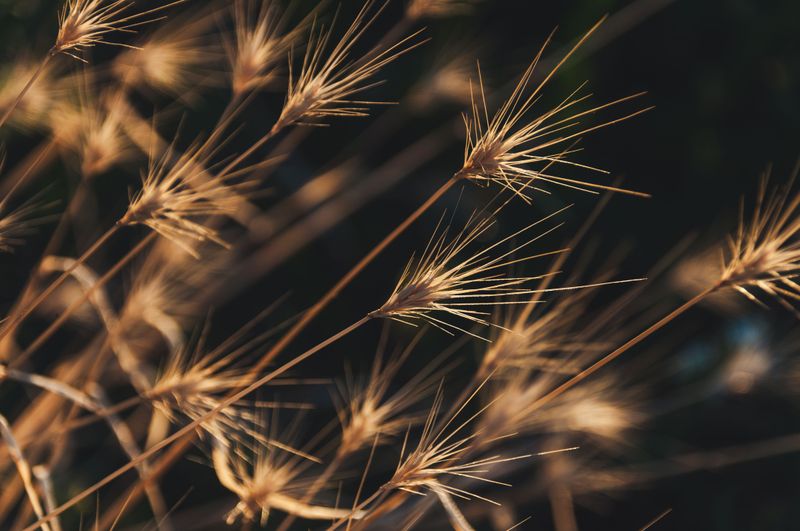
Green spring grass feels soft and floppy against your hand. Once July sun bakes the moisture out, those same seed heads stiffen into rigid, needle-like shapes.
The twisted, dry structure gives each awn mechanical strength, which is exactly what lets it push into fur.
Owners often notice the change without naming it. Grass that felt harmless in May can prickle by August, and that is the shift worth watching on every trail.
4. Those Pointed Tips Work Like Tiny Needles
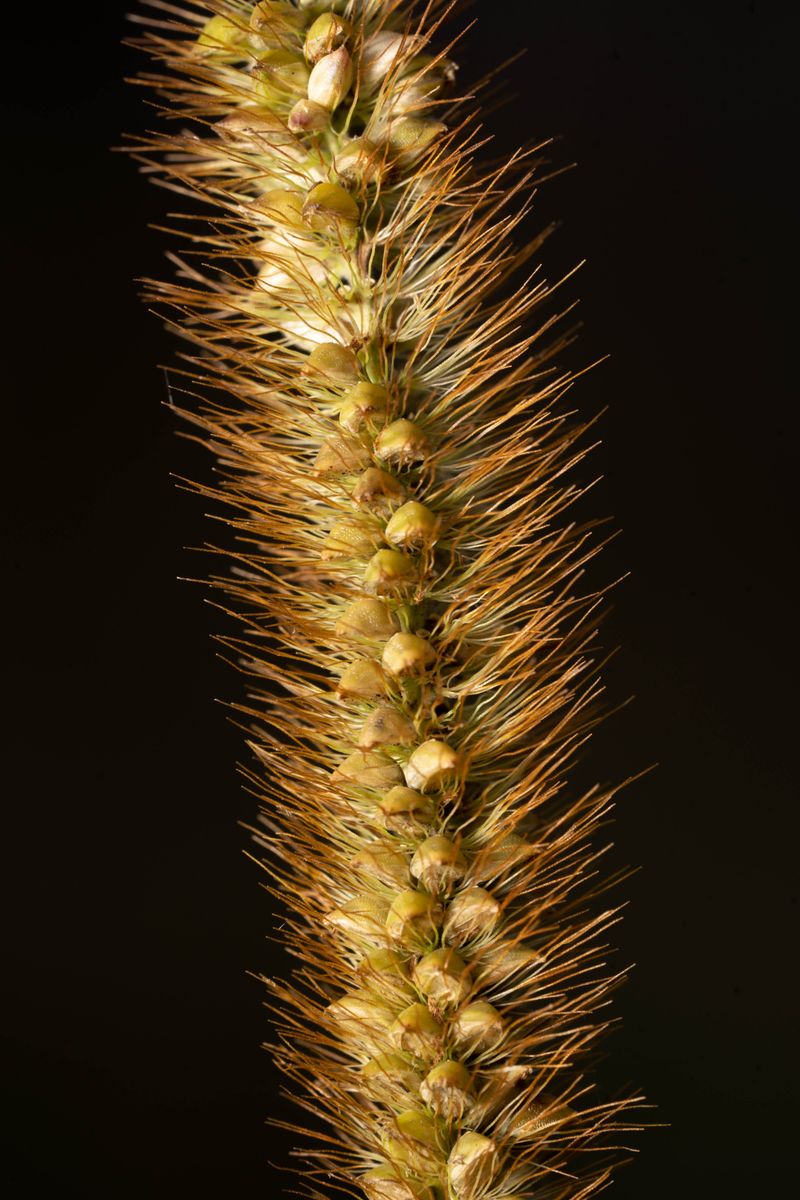
Run a dry awn between your fingers, tip first, and you will feel why vets take them seriously.
The pointed end is firm enough to slip past hair and press into skin, particularly where fur is thin.
Between toes, inside ear folds, and along the belly are common spots.
Nothing dramatic usually happens at first. The seed simply lodges, and the trouble starts if it stays put.
5. Barbs Point Backward, So Awns Only Travel One Way
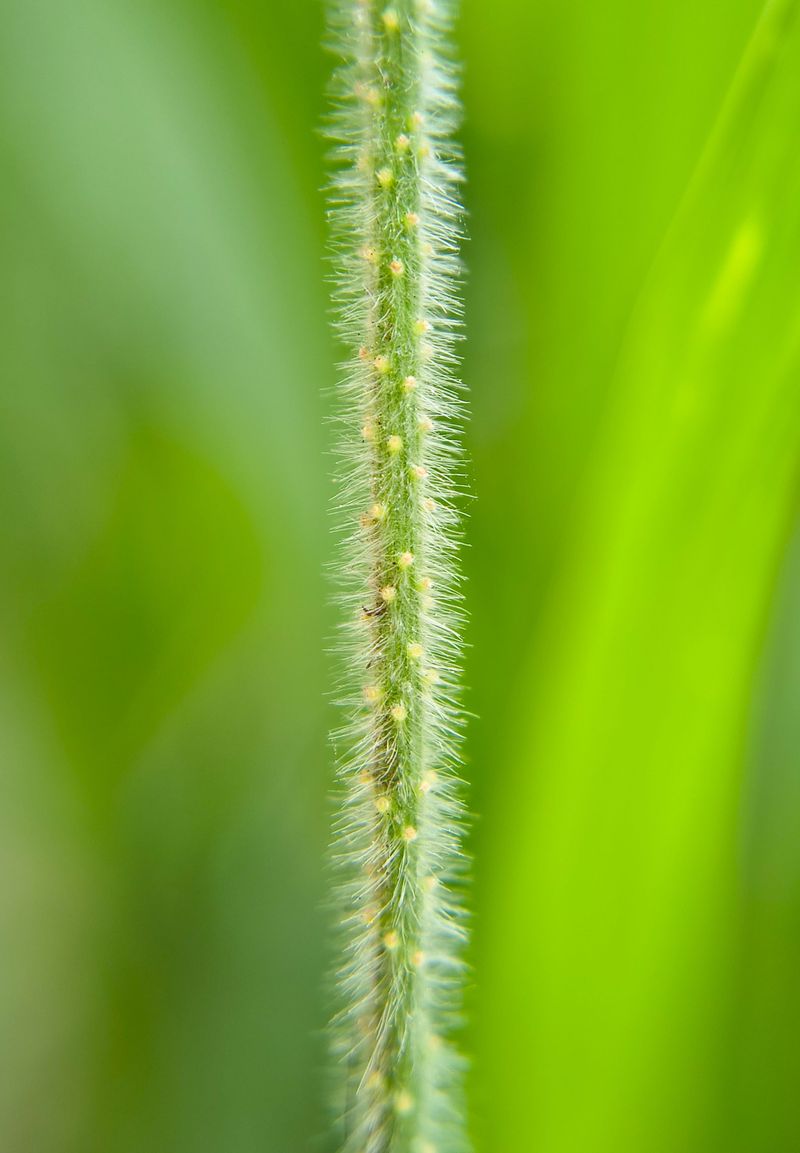
Nature designed these seeds to plant themselves, not to fall back out.
Rows of tiny barbs angle backward along the shaft, gripping fur or tissue like fish-hook bristles.
Every wiggle nudges the awn forward instead of releasing it.
That one-way design explains why pulling at a half-buried seed rarely works well. If the tip has disappeared under the skin, a veterinarian has better tools and a much better view.
6. Cheatgrass Loves Roadsides, Trailheads, And Burned Ground
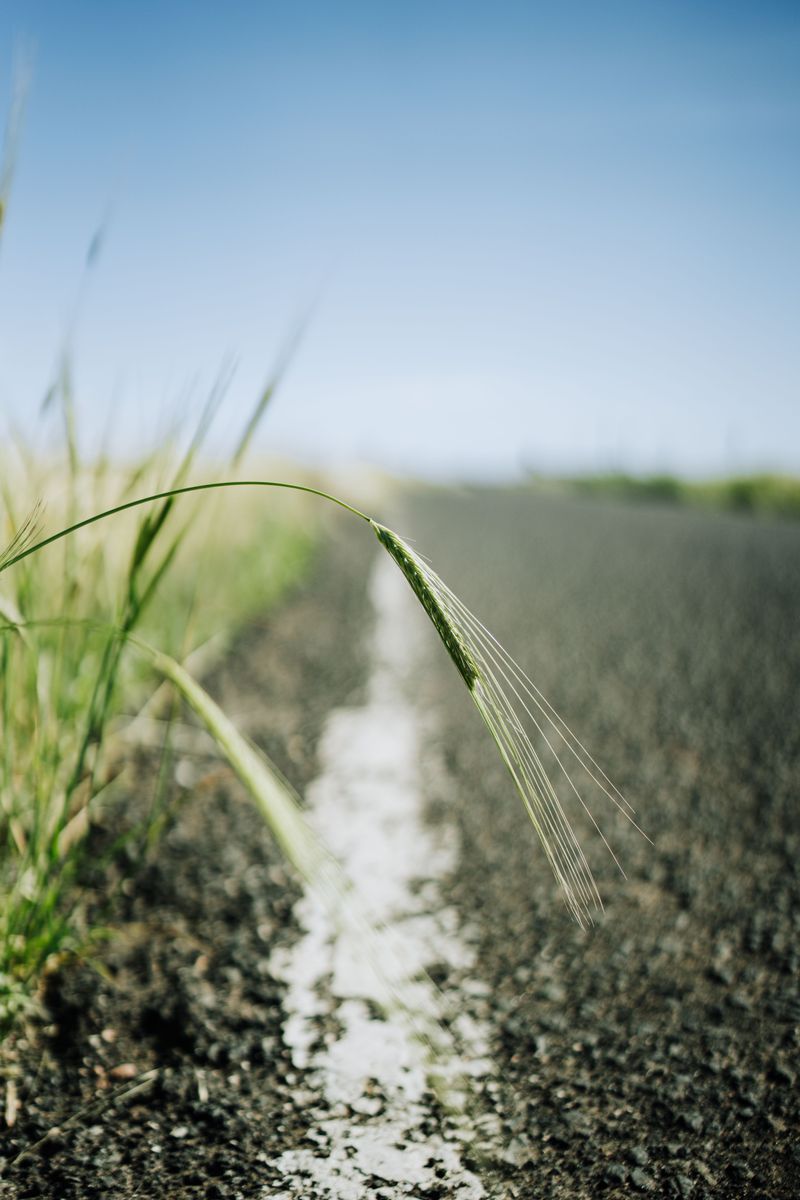
Cheatgrass thrives exactly where people go. Disturbed soil along roadsides, parking areas, and trailheads suits it perfectly.
It sprouts early, crowds out native plants, and spreads quickly after fire.
Central Oregon sees a real summer bump in cheatgrass and foxtail cases at veterinary clinics.
Knowing the plant helps. Once you can spot those drooping, purplish-tan seed heads, you will start choosing your rest stops differently.
7. A Quick Detour Through Tall Grass Loads Up A Coat
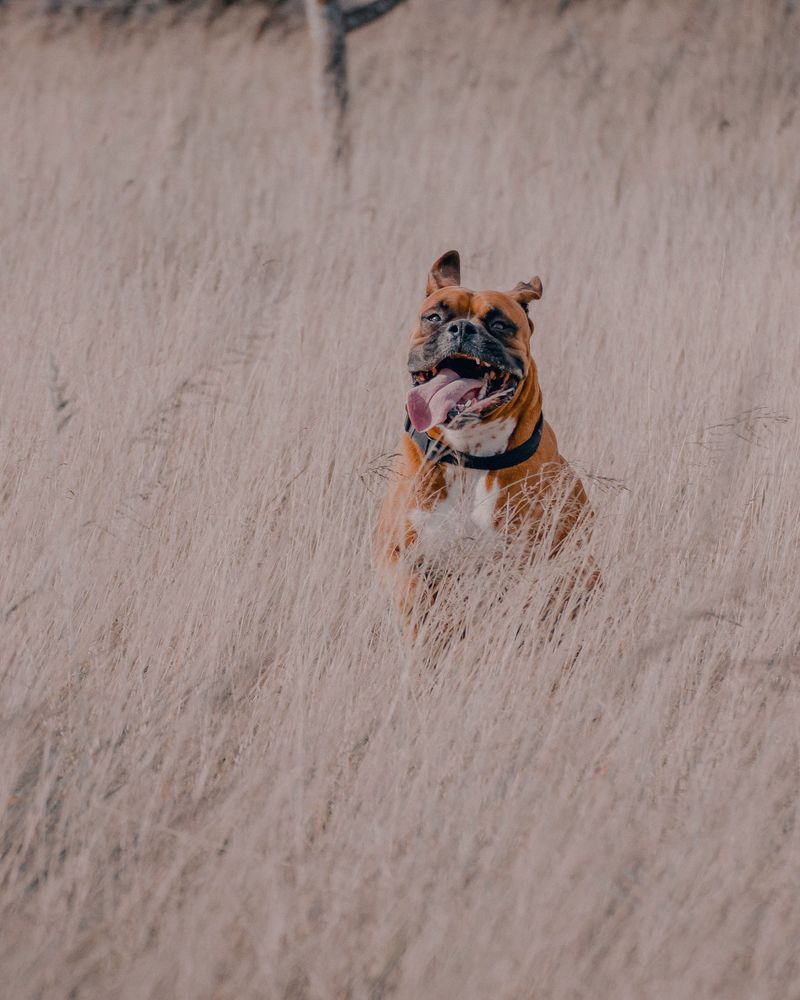
Dogs rarely walk in straight lines. One squirrel and they are twenty feet into the dry stuff.
Brushing past seed heads transfers awns onto legs, chest, armpits, and belly in seconds.
From there, ordinary movement drags them deeper into the coat.
Keeping a leash shorter through grassy stretches is not about strictness. It simply cuts down how much your dog collects along the way.
8. Paws Are The Number One Landing Spot
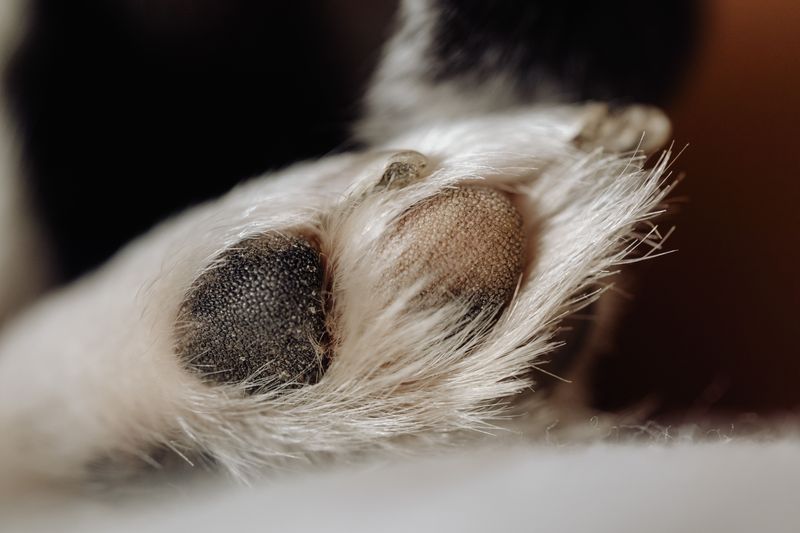
Ask any clinic staffer where awns turn up most and paws top the list.
The webbing between toes is warm, damp, and full of fine hair, which traps seeds beautifully.
A dog steps on a loose awn, and the tip works upward with each stride.
Spreading the toes and looking, not just feeling, takes about thirty seconds per paw. It is the single best habit you can build.
9. Limping And Nonstop Licking Are Early Clues
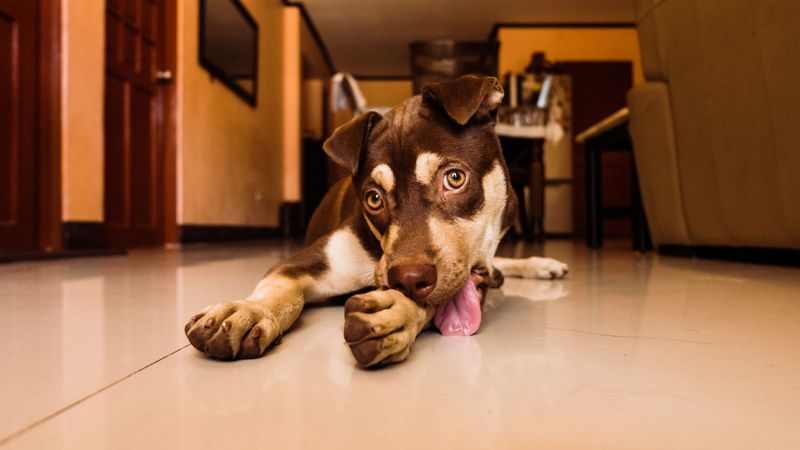
A seed lodged between the toes often announces itself through behavior first.
Watch for a dog who licks one paw obsessively, favors a leg, or nibbles at the same spot repeatedly.
Swelling, redness, or a small bump between the toes can follow.
Catching it at the licking stage usually means a simple visit. Waiting until there is a swollen lump generally means a longer treatment plan.
10. Curious Noses Can Breathe Seeds Straight In
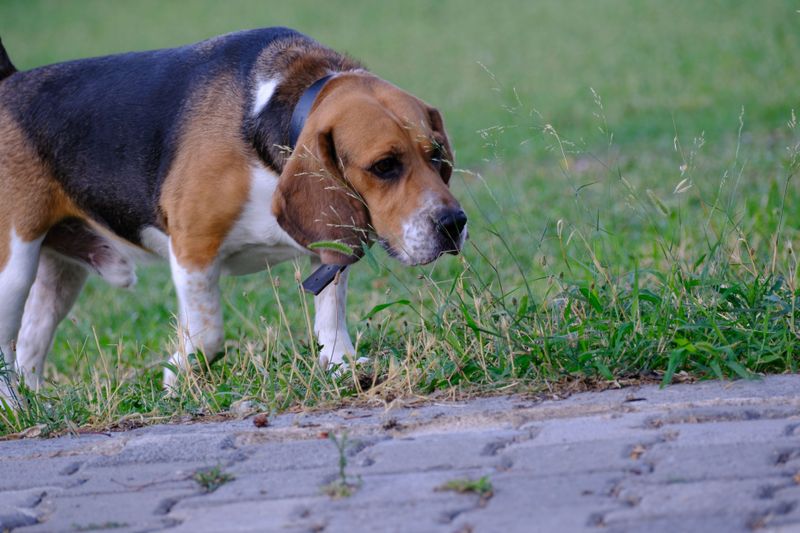
Sniffing is how dogs read the landscape, and dry grass is a favorite chapter.
Inhaling near loose seed heads can draw an awn into a nostril before anyone notices.
Sudden violent sneezing, pawing at the muzzle, or one-sided nasal discharge are the usual signs.
Same-day veterinary attention is the right call here. Trying to fish something out of a nose at home rarely ends well.
11. Ear Canals Are Surprisingly Easy Targets
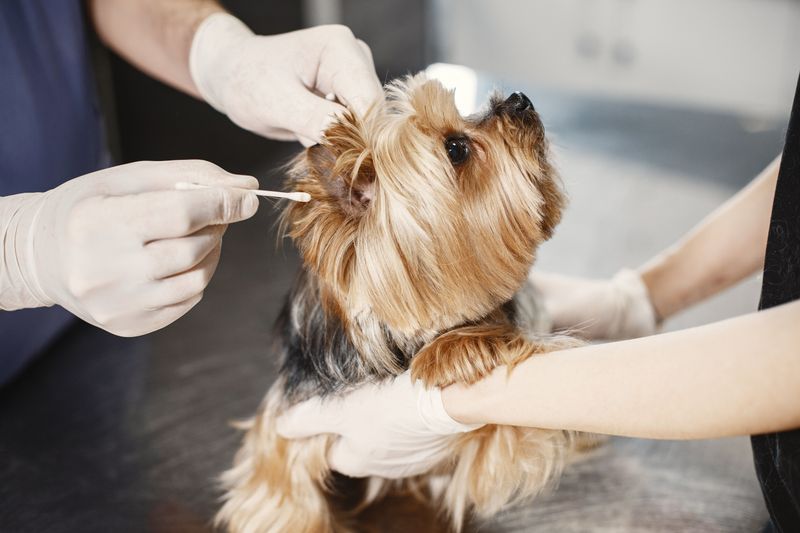
One study found the external ear canal accounted for about half of grass awn cases.
Floppy or hairy ears create a funnel that guides seeds inward, and the canal keeps them there.
Head shaking, tilting, scratching at one ear, or discharge all deserve attention.
Ear awns are uncomfortable and can lead to infection, so book an exam rather than waiting to see if it settles.
12. Eyelids And Eye Corners Catch Them Too
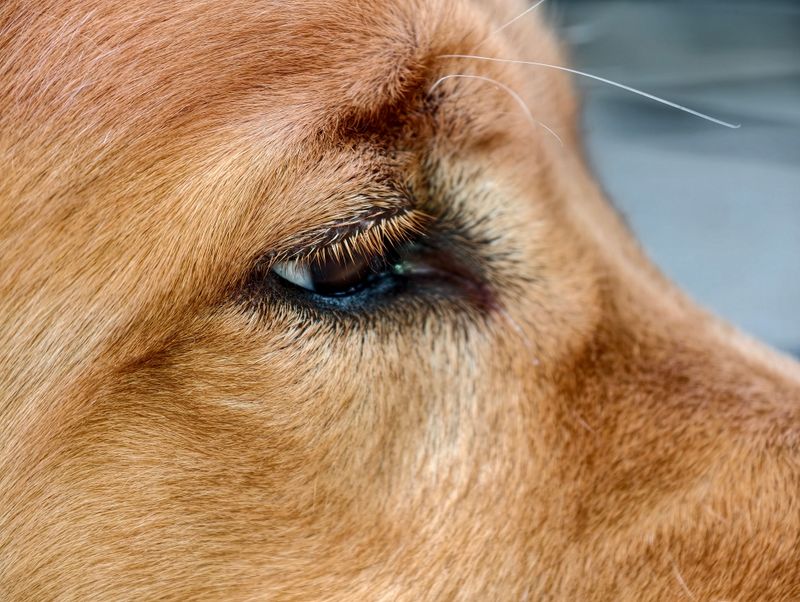
Eyes are sensitive, so an awn near the lid shows up fast.
Squinting, watering, redness, blinking more than usual, or rubbing a face against the ground are common signals.
Seeds can tuck under an eyelid where you simply cannot see them.
Because the surface of the eye can be scratched quickly, this one counts as urgent. Call your veterinary clinic the same day.
13. Thick Fur Hides Hitchhikers Beautifully
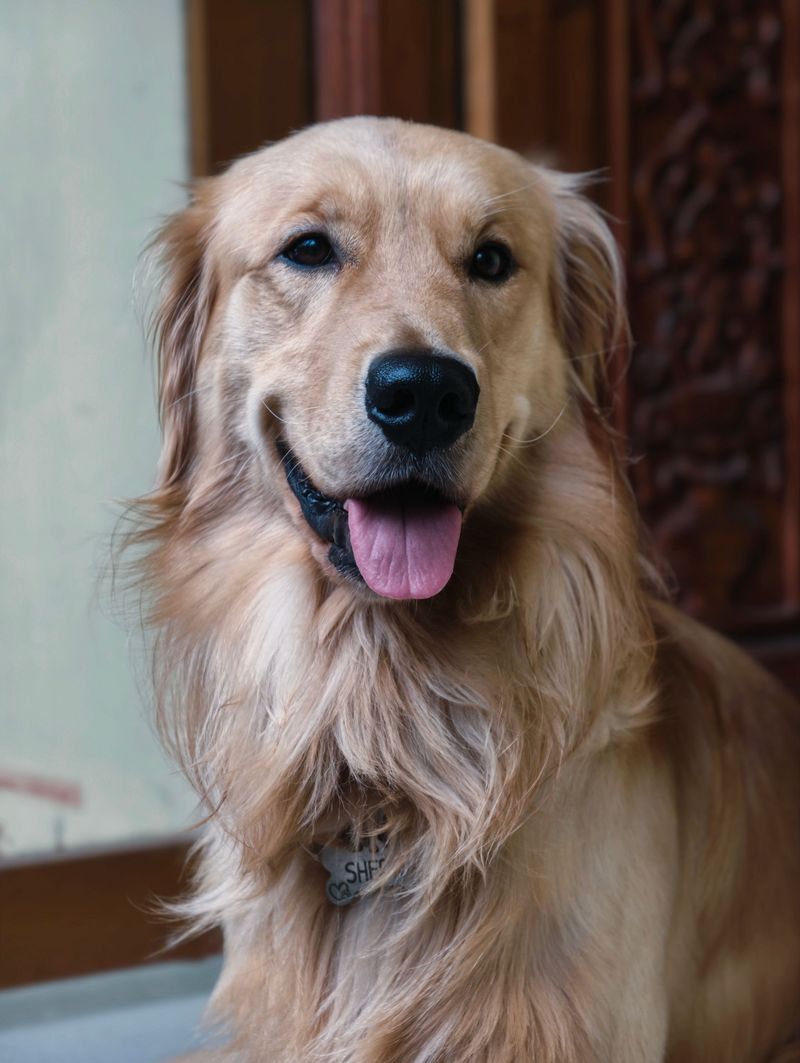
Golden Retrievers, doodles, spaniels, and any dense-coated dog have a built-in disadvantage.
Awns slide under the top layer and sit against the skin, invisible from above.
A quick pat will not find them. Parting the coat with your fingers or a comb will.
Trimming the feathering around paws, ears, and armpits before summer makes checks faster and gives seeds fewer places to hang on.
14. Every Step Nudges A Trapped Seed Deeper
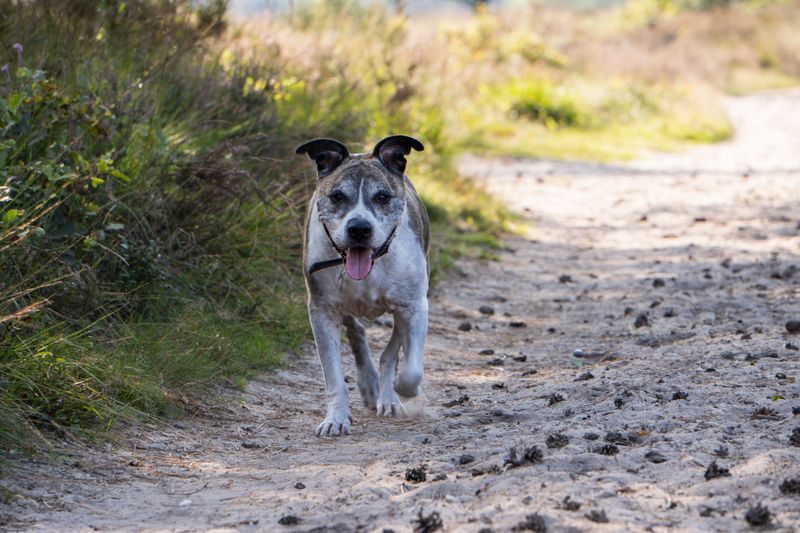
Here is the part that surprises people: the awn does not need to be pushed by anyone.
Motion does the work. Walking, running, scratching, and shaking all encourage those backward barbs to advance.
A seed sitting on the surface at noon may be under the skin by evening.
Checking right after the walk, rather than at bedtime, genuinely changes the outcome.
15. Buried Awns Can Set Off Swelling And Infection
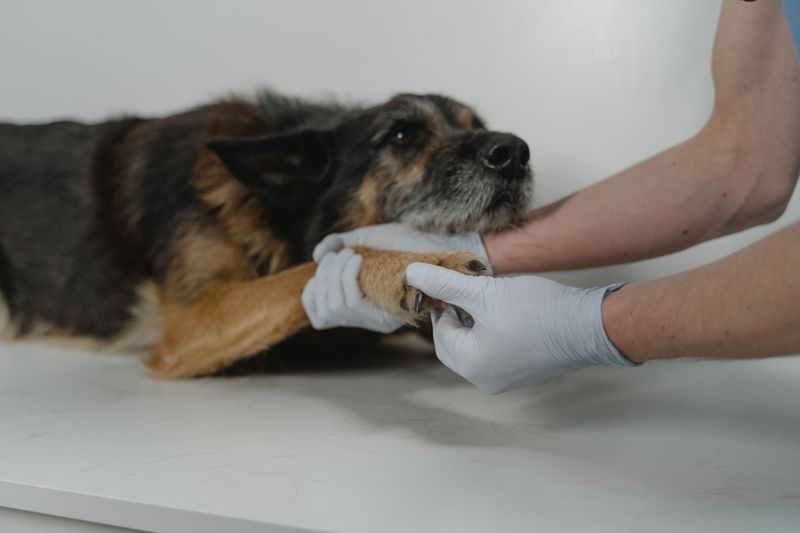
The body treats an embedded seed as a foreign object and reacts.
Inflammation, a warm tender lump, or a small draining spot can develop as tissue tries to wall the awn off.
Abscesses and secondary infection are common reasons dogs end up at the clinic in late summer.
Antibiotics alone often are not enough. Removing the seed is what actually resolves the problem.
16. Some Seeds Keep Traveling After They Get In
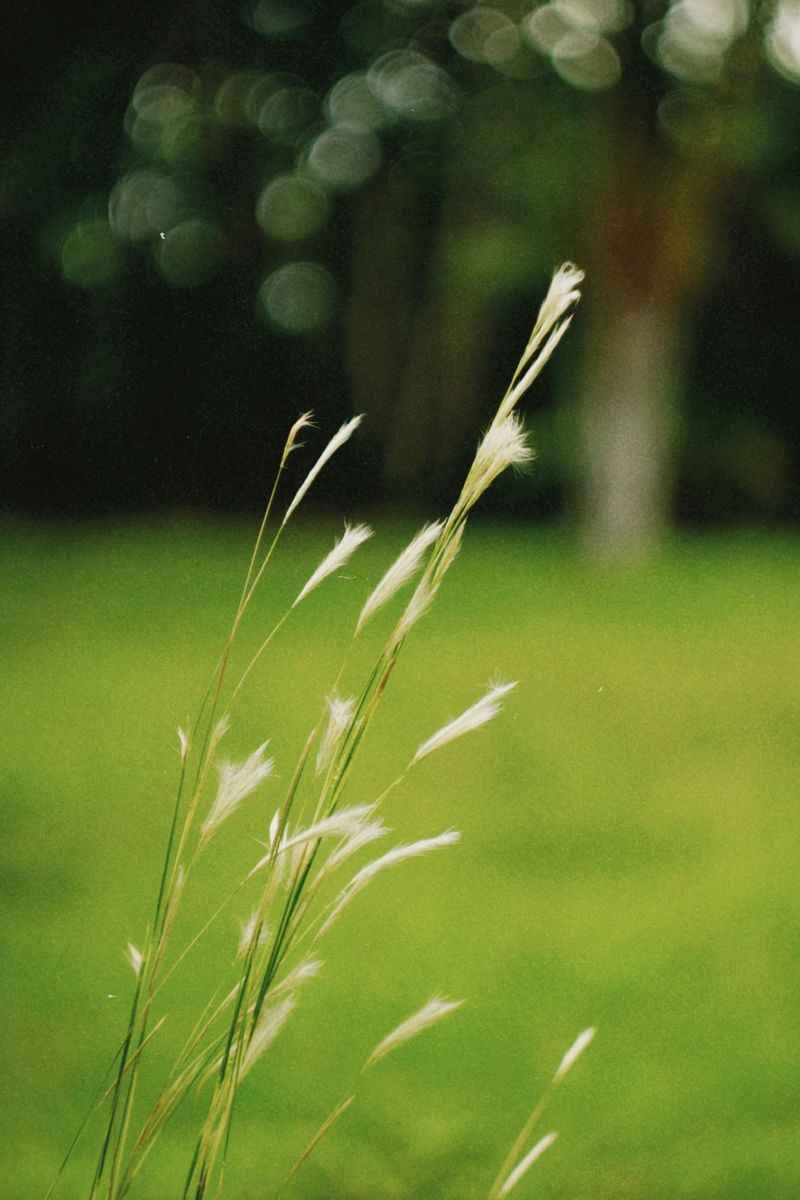
Because barbs prevent backward movement, an awn that enters tissue can keep migrating.
Vets sometimes find seeds far from where they started, which is why locating them can take imaging.
Cases that reach internal areas are uncommon but serious enough that early removal is always preferred.
None of this should worry you on a normal hike. It simply explains why quick action beats a wait-and-see approach.
17. A Mowed Verge Is Not Automatically A Safe One
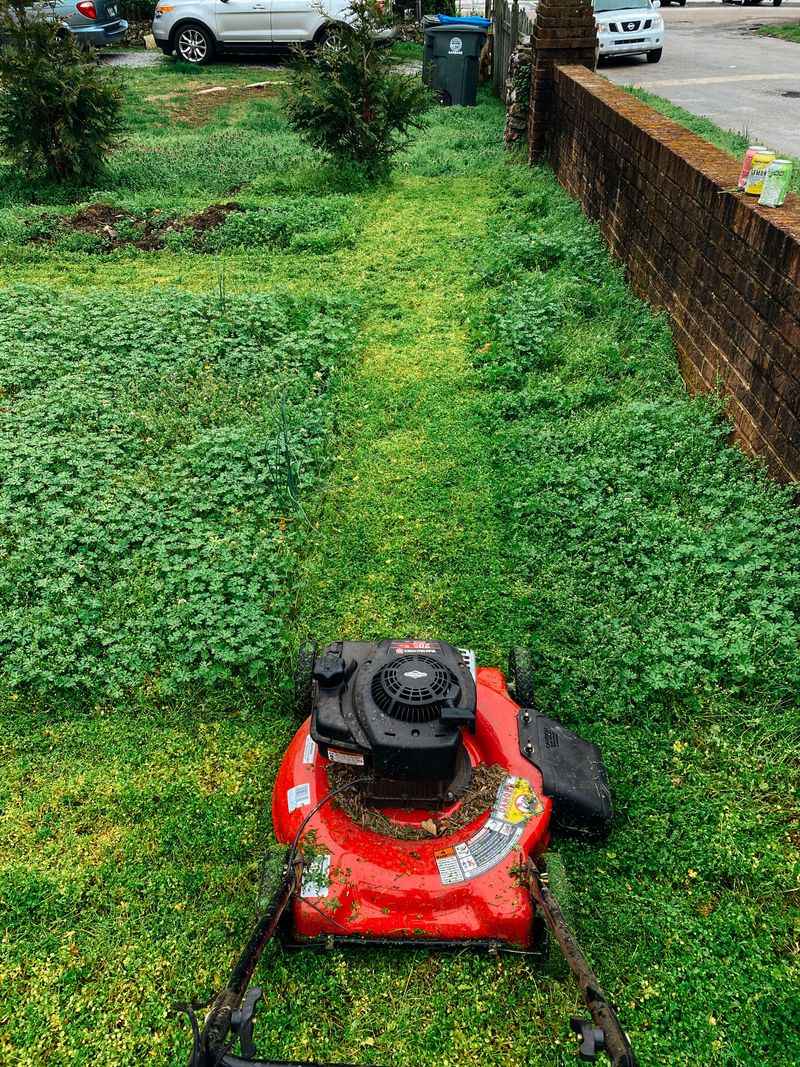
Trimmed edges look reassuring, and they do reduce brushing contact.
The catch is that mowing cuts the plant but leaves the seeds. Loose awns settle into the clippings and stubble below.
Dogs then pick them up from ground level instead of from standing stalks.
Treat mowed strips like any other dry grass area in summer, and keep the post-walk check exactly the same.
18. Peak Awn Season Lines Up With Peak Trail Season
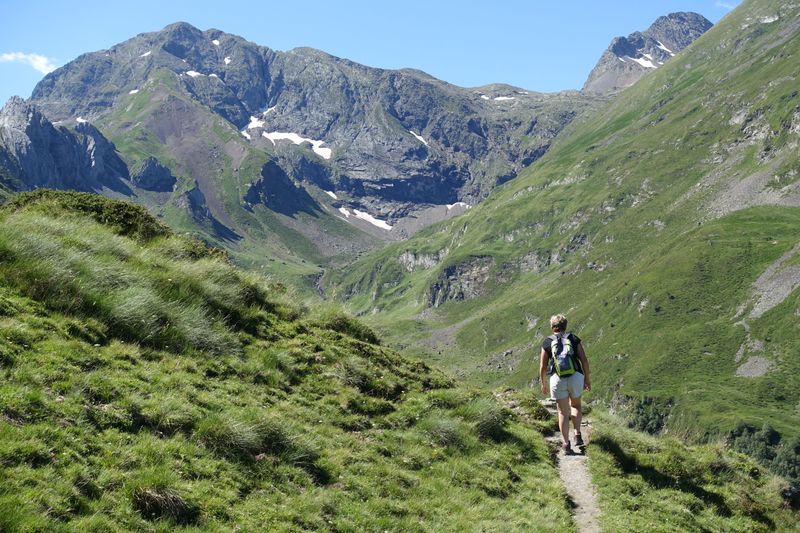
Oregon’s best hiking stretch runs roughly June through September, and so does awn season.
Grasses dry, seeds scatter, and trails fill with people and dogs at the same moment.
Central and eastern parts of the state tend to dry earliest, though the Valley catches up.
Rather than skipping the season, plan for it. Awareness turns a summer nuisance into a manageable routine.
19. Sticking To The Path Cuts Exposure More Than Anything
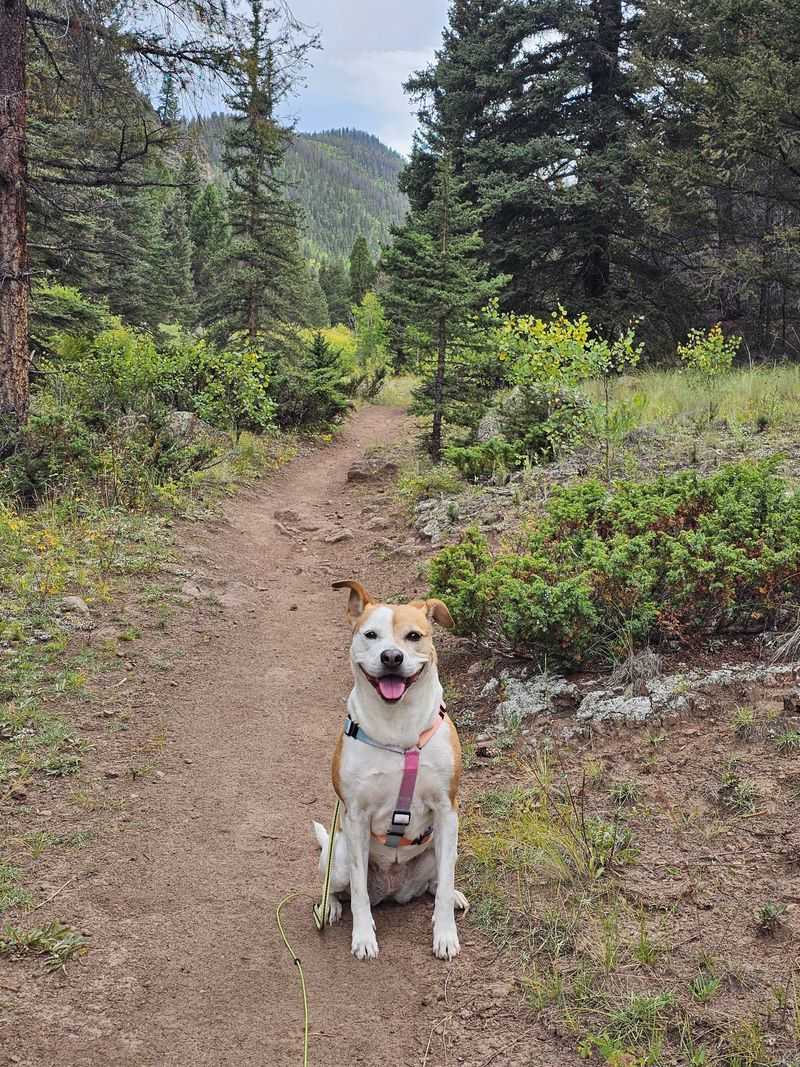
Of all the prevention advice out there, this one does the heaviest lifting.
Staying on established, well-used trails keeps your dog out of the tall dry margins where seed heads cluster.
Choose gravel, packed dirt, or paved routes during the hottest months when possible.
Break spots matter too. Rest in shade on bare ground instead of letting your dog flop into a golden meadow.
20. The Five-Minute Post-Walk Check That Solves Most Of This
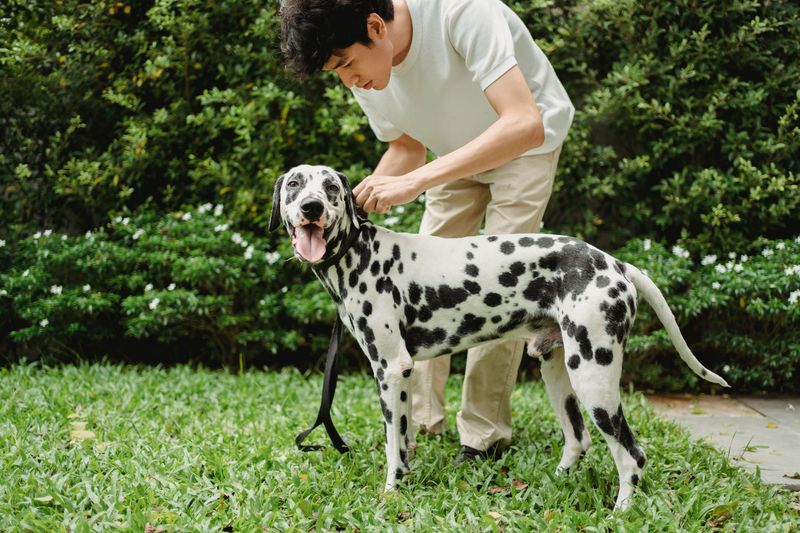
Finish every summer outing the same way: paws, ears, eyes, armpits, belly, and tail base.
Spread the toes, look inside ear flaps, and run a comb through the coat.
Surface awns lift out easily with fingers or tweezers before they cause trouble.
If something is already embedded, or your dog seems sore, ring your veterinarian. Steady habits and calm attention keep Oregon trails a joy all season.