What Maryland Dog Owners Should Know Before Letting Dogs Swim In The Chesapeake Bay
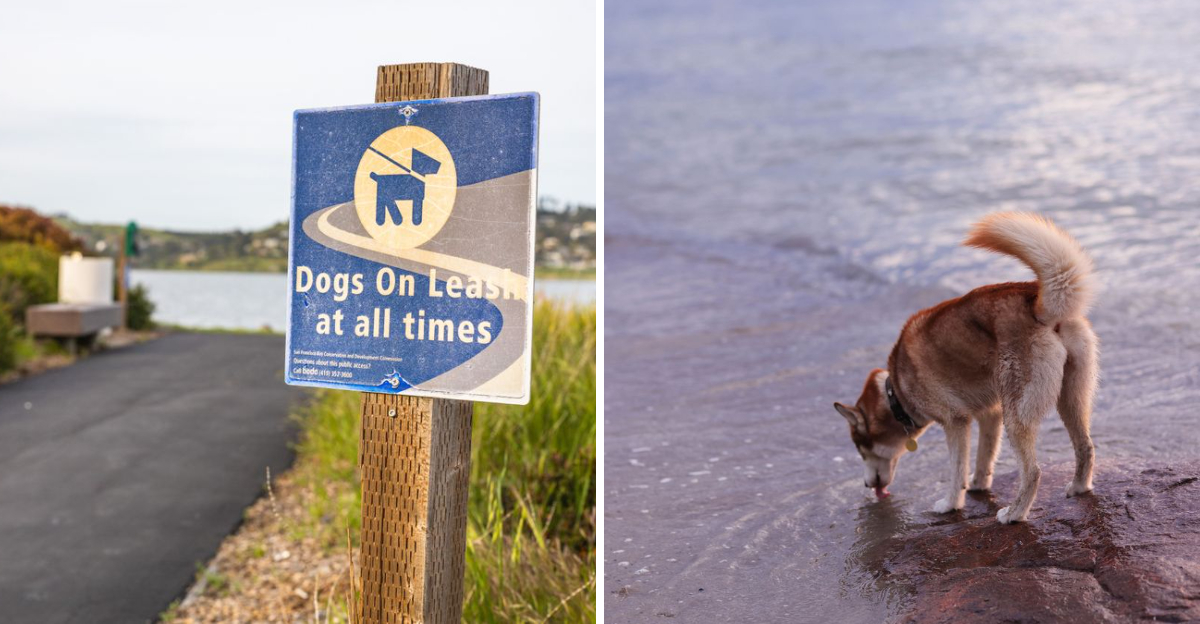
Few things look happier than a dog splashing into the Chesapeake on a warm Maryland afternoon. The Bay is a wonderful place to share with your pup, and a little preparation makes those swims even better.
Water conditions here shift with the weather, the tides, and the season, so knowing what to look for helps you make smart calls at the shoreline. Here is what local owners find genuinely useful before the leash comes off.
1. Start With Today’s Beach Advisories
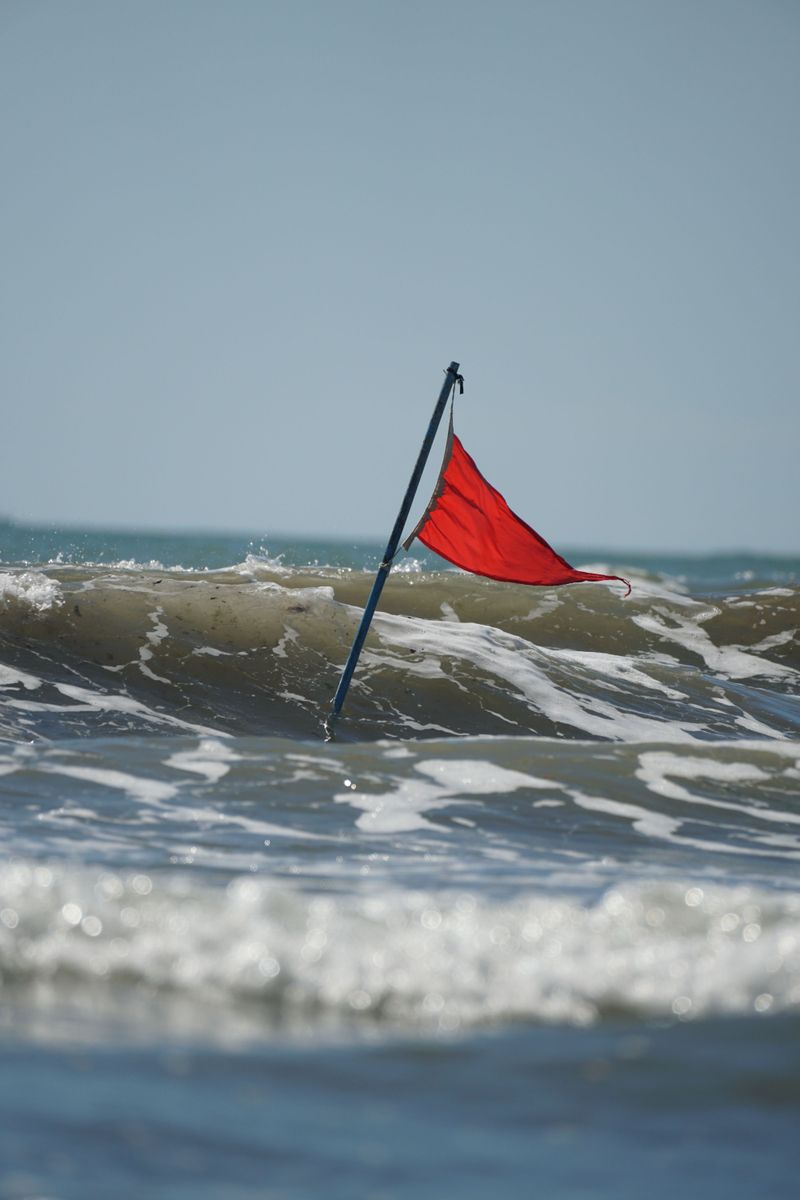
Water quality changes day to day, so a quick check beats guessing. Maryland’s Department of Natural Resources runs the Eyes on the Bay site, and the Department of the Environment posts Healthy Beaches notices through swimming season.
Counties also track bacteria counts at local beaches. Two minutes of scrolling before you load the car can save you a wasted trip.
Bookmark those pages on your phone for easy access.
2. Green Scum, Foam, Or Odd Color Means Wait
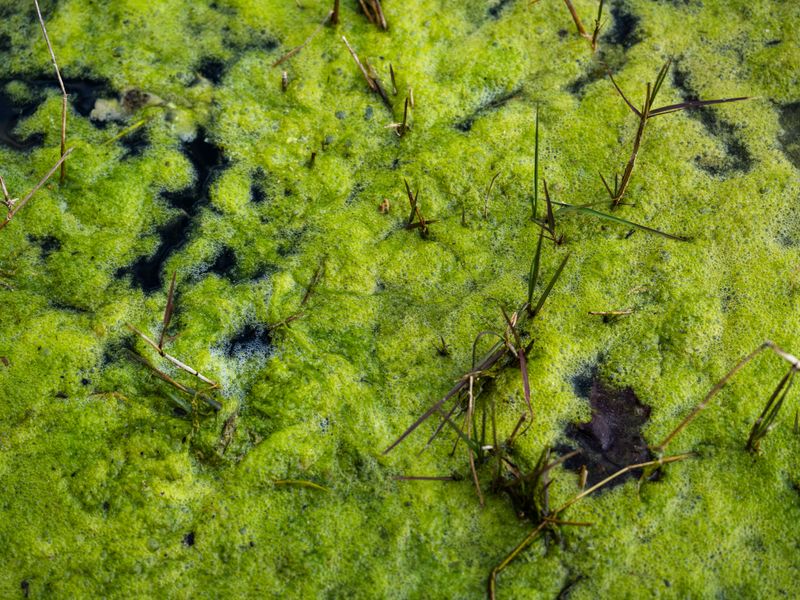
Harmful algal blooms often show up as green or blue-green streaks that look a bit like spilled paint. Sometimes the water turns brown, yellow, orange, or red instead.
Thick foam, slimy surfaces, and mats of fibrous algae washed onto the sand are other clues. Benthic mats can be dense and dark, floating or stranded.
Spot any of that, and keep paws on dry land.
3. Bay Water Is Not A Drinking Bowl
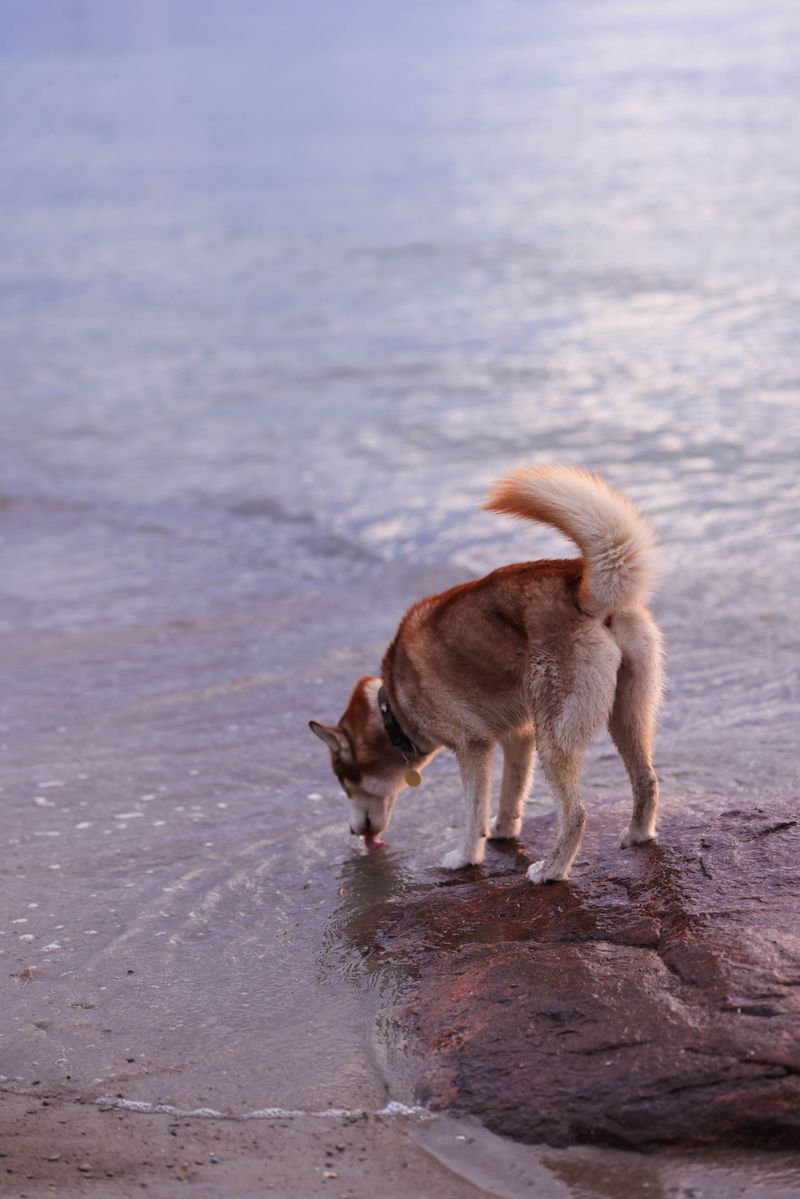
Plenty of dogs treat every puddle like a fountain, and the Bay is no exception. Brackish water carries salt, and too much of it can upset a dog’s stomach and cause dehydration.
Bacteria, algae, parasites, and runoff chemicals may also be present. Harmful substances from blooms are swallowed most often through drinking.
Interrupt the habit early, praise the pause, and offer clean water instead.
4. Warm Weeks Raise Bloom Odds

Blue-green algae, also called cyanobacteria, thrives once water climbs past roughly 75 degrees. Nutrient-rich, still, sunny coves are its favorite setup.
Mid to late summer tends to bring the most reports across Maryland waterways. Shallow, sheltered spots warm faster than open water.
During those stretches, scan the surface carefully every single visit. Conditions from last weekend tell you nothing about today, so look with fresh eyes.
5. Give It About 48 Hours After Heavy Rain

Storms rinse everything off lawns, streets, and parking lots straight toward the water. Pet waste, fertilizer, and road grime ride along with it.
Bacteria levels commonly spike, which is why many health agencies suggest waiting roughly two days before swimming.
Cloudier, browner water after a downpour is a visible hint. Plan a long walk instead, then head back once things settle down.
6. Skip Spots Near Storm-Drain Outlets
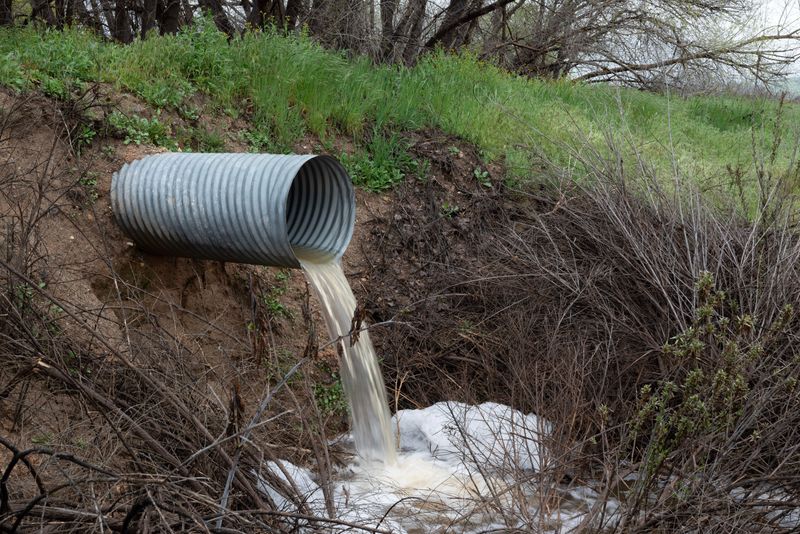
Storm drains usually carry untreated water directly into creeks and the Bay. Whatever washed into the grate arrives at the shoreline unchanged.
That can include animal waste, yard chemicals, pesticides, and driveway drips. Water near outfalls often looks murkier and holds more bacteria.
Walk a good distance away before wading. If you see runoff actively pouring in, choose a different stretch of beach entirely.
7. Trust Your Nose And Eyes On Pollution Signs
An oily sheen, a swampy smell, or floating trash all point toward water you can pass on. Harmful algae sometimes gives off a distinctly unpleasant odor.
Fish washed up nearby is another reason to keep your dog on the sand.
Cloudy, scummy water simply is not worth the gamble. Your senses are useful screening tools, even before any official advisory gets posted.
8. Fresh Cuts And Brackish Water Do Not Mix

Bacteria such as Vibrio occur naturally in brackish water, and open skin gives germs an easy entry point. Dogs recovering from surgery, hot spots, or scrapes are better off staying dry.
Leptospirosis can also spread through contaminated water contacting broken skin or mucous membranes.
Talk with your veterinarian about vaccines and timing. When a wound is healing, save the swim for another week.
9. Rinse Every Time, No Exceptions
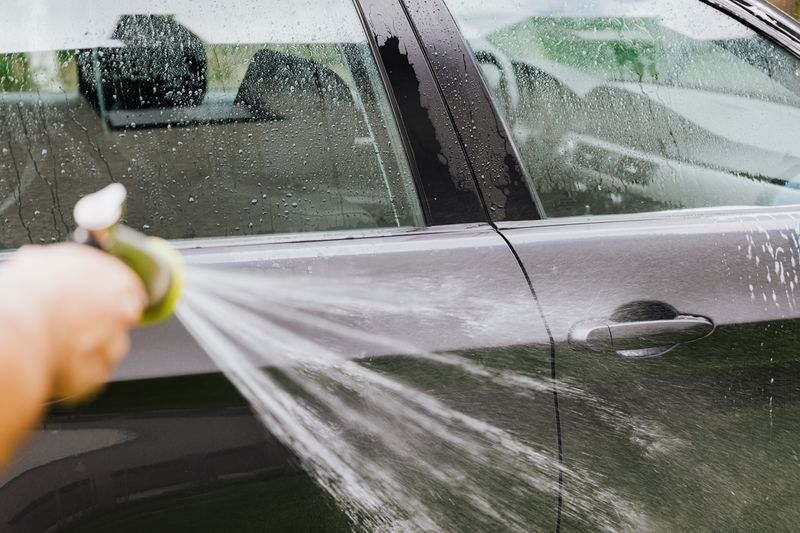
A thorough freshwater rinse is the single easiest habit to build. Salt, silt, and algae residue left in the coat can irritate skin, and dogs lick their fur clean.
Rinsing removes most of that before it reaches the mouth.
Pay attention to ears, belly, and between toes. A portable sprayer or jug in the trunk makes this quick and painless.
10. Pack Fresh Water And A Travel Bowl
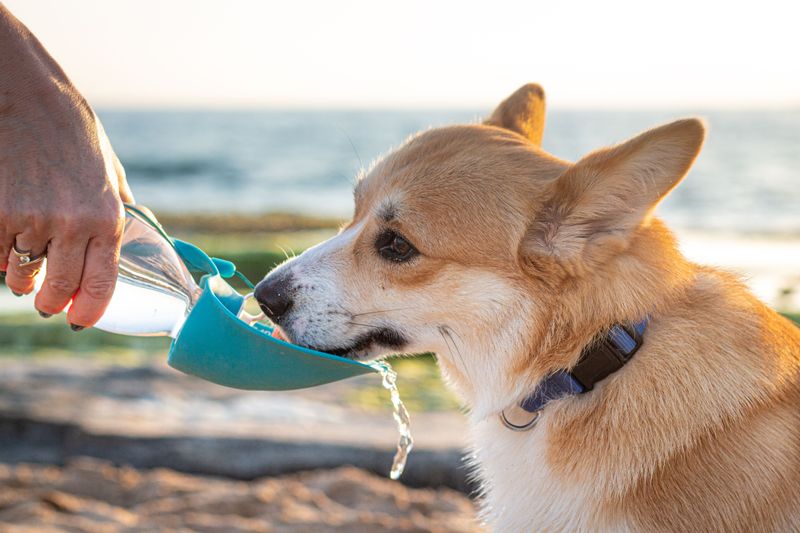
Thirsty dogs drink whatever is closest, so bring a better option. A jug of tap water plus a collapsible bowl handles most beach afternoons.
Offer sips often, especially on hot, humid days when panting ramps up.
Hydrated dogs are far less tempted by salty water. Freeze a bottle overnight if you want something cool waiting halfway through the outing.
11. Clear Water Can Still Hold Trouble

Harmful substances cannot be seen, smelled, or judged by eye alone. Laboratory testing is the only way to confirm what is in a sample.
Cyanobacteria sometimes sits below the surface or hides in patches near the bottom.
Safety experts suggest treating any suspected bloom as toxic. Pretty, inviting water still deserves the same advisory check you would give murky water.
12. Know Where Bloom Reports Get Posted

Maryland runs a coordinated bloom surveillance program through the Department of the Environment, Department of Health, and DNR. Eyes on the Bay is the main public dashboard.
Residents can report suspected blooms using the free bloomWatch app, or call the Fish Health Hotline at 866-633-4686.
Reporting helps neighbors too. Local health department pages often carry the most current beach-specific notices.
13. Shallow Water First For Beginners

Not every dog is born knowing how to swim, and that is completely normal. Let a newcomer wade where paws still touch bottom, then read the body language.
Tail position and breathing tell you plenty about comfort levels.
Stay close, and avoid strong currents or choppy waves. Short, cheerful sessions build confidence faster than one long, overwhelming introduction.
14. Life Jackets Earn Their Keep

Puppies tire remarkably fast, and senior dogs lose steam sooner than owners expect. A well-fitted canine flotation vest adds buoyancy and a sturdy grab handle.
Boating and dock jumping are exactly where that handle matters most.
The Chesapeake Bay Environmental Center recommends jackets for dogs aboard boats. Check the fit snugly, and let your dog practice wearing it at home.
15. Steer Clear Of Boat Traffic And Marinas

Channels, marinas, and popular fishing piers stay busy through the season. Boat operators cannot always see a swimming dog, and wakes push small swimmers around.
Personal watercraft add speed to the mix on weekends.
Pick a quiet cove or a designated swimming area instead. Fishing spots also mean hooks and line in the water, which is reason enough to move along.
16. Walk The Shoreline Before Your Dog Does
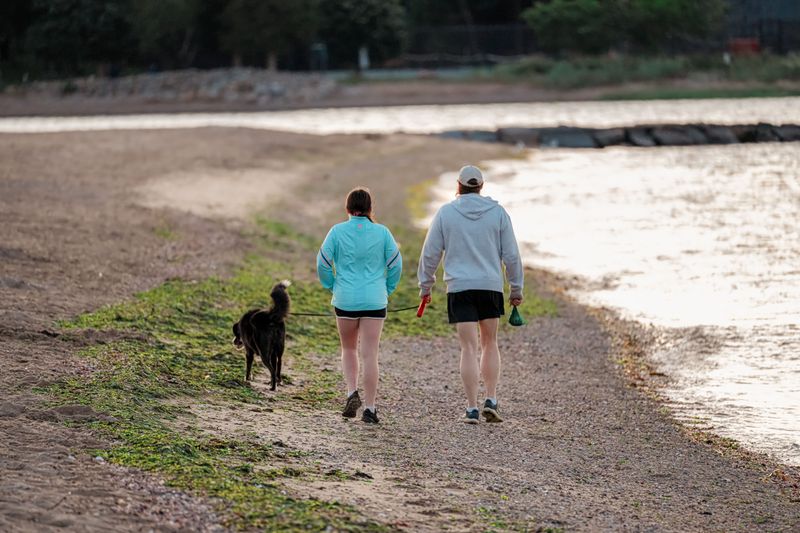
Oyster shells are sharp, and Bay beaches are full of them. Add discarded fishing line, rusted hooks, broken glass, and slick rocks, and a quick scan pays off.
Paw pads cut easily on shell edges hidden under an inch of water.
Booties help on rough stretches. Keep a small first aid kit in the car for minor scrapes.
17. Every Beach And Park Has Its Own Rules
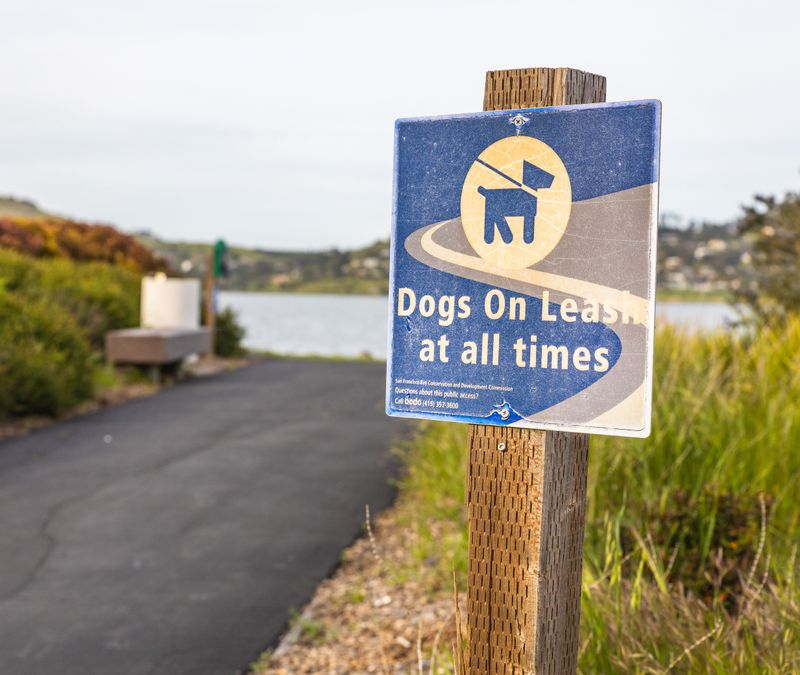
Dog access varies widely across Maryland state parks, county beaches, and wildlife management areas. Some allow leashed dogs year round, others only in the off season.
Many designated swimming beaches keep dogs out, largely because waste affects water quality.
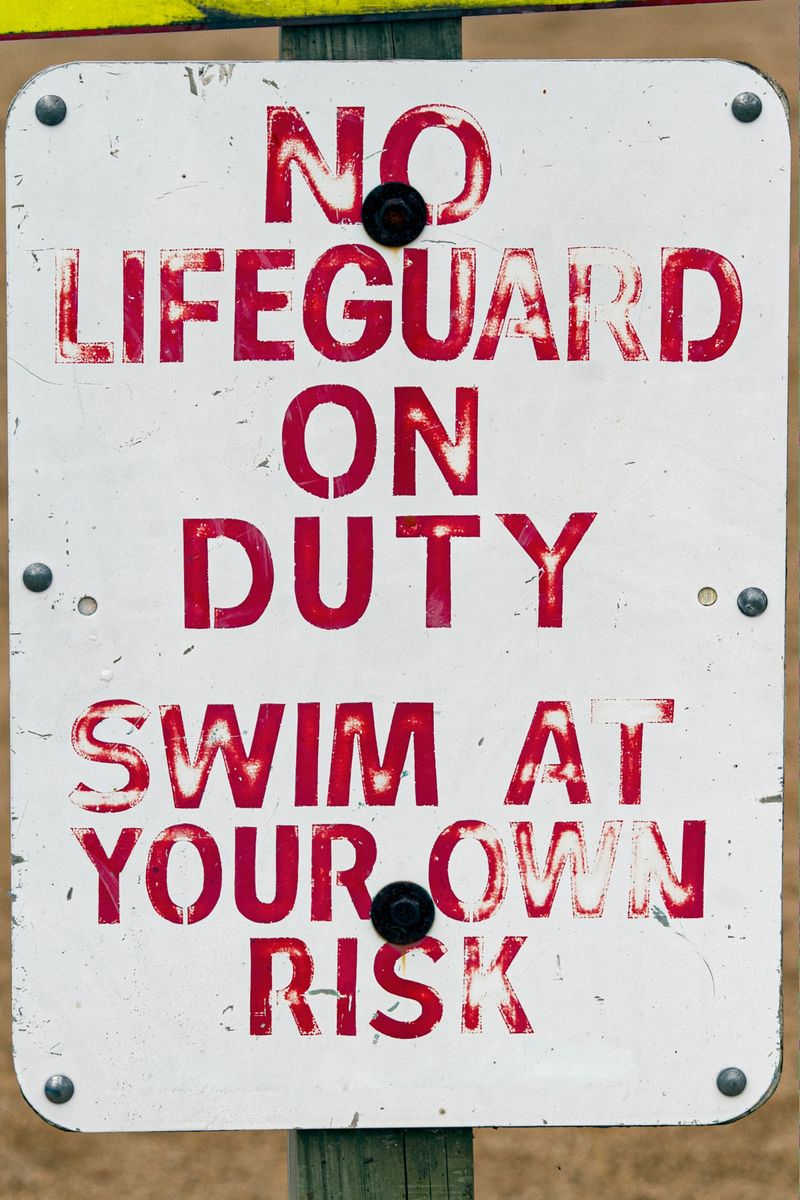
Rules can change seasonally, so confirm on the official park page or call ahead. Signs at the entrance are your final word.
18. Watch Closely Afterward, And Call The Vet If Something Seems Off

Most swims end with nothing more than a happy, sandy dog. Still, keep an eye out for vomiting, loose stool, low energy, appetite loss, drooling, wobbliness, or red skin and ears.
Signs after algae contact can appear within minutes to hours.
Bathe your dog right away if exposure seems likely, then call your veterinarian promptly. Mention the water and timing.
19. Scoop It, Bag It, Carry It Out

Pet waste is one of the leading bacteria sources in Bay waterways. A single gram can hold millions of fecal coliform bacteria.
As it breaks down in water, it uses up oxygen and releases nitrogen and phosphorus that feed algae growth.
Anything left on sand or grass washes in with the next rain. Bag it and use a proper receptacle every time.
20. When In Doubt, Choose The Dry Adventure

Uncertainty is your cue to pause. Green tint, scum, mats, cloudiness, or a strange smell all point toward finding somewhere else to play.
A shoreline walk, a shady trail, or a hose session in the yard still burns energy happily.
The Bay will be there next weekend. Steady judgment today keeps many more good swimming days ahead for both of you.