What Florida Dog Owners Should Know About Coral Snakes Around Homes And Trails
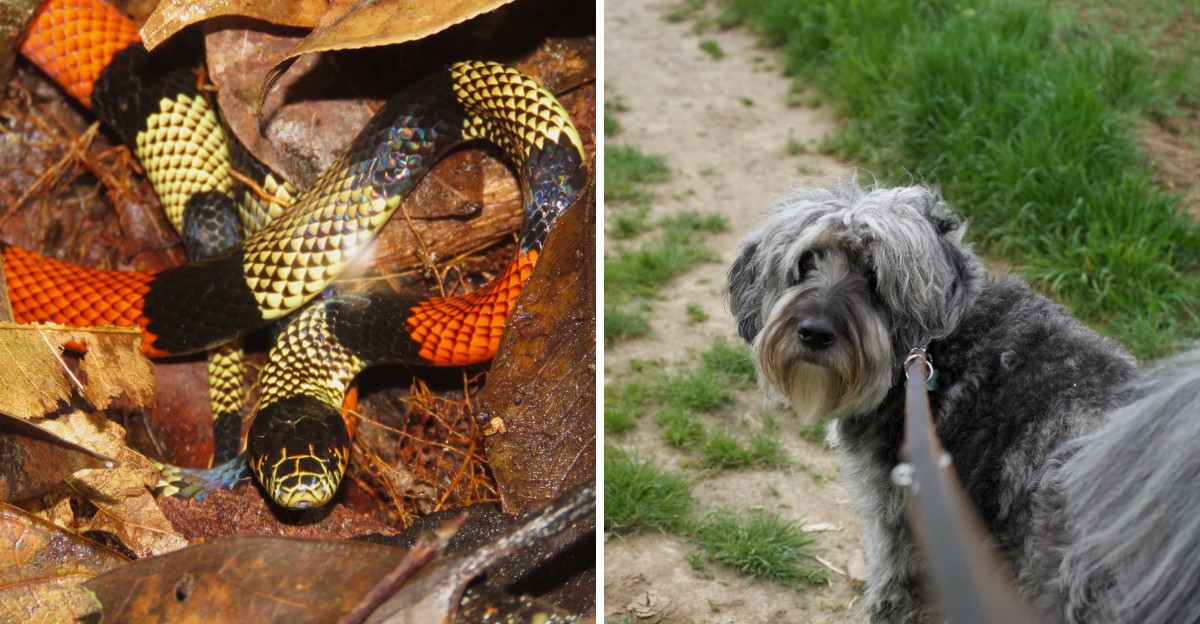
Florida walks give your dog plenty to sniff, from sandy trails to shady backyard corners. Those same places can shelter coral snakes, which usually stay hidden and avoid people.
You do not need to fear every rustle, but a few smart habits can make outings safer. Here is what to recognize, what to avoid, and how to respond calmly if your dog gets too close.
1. Learn to Recognize Florida Coral Snakes
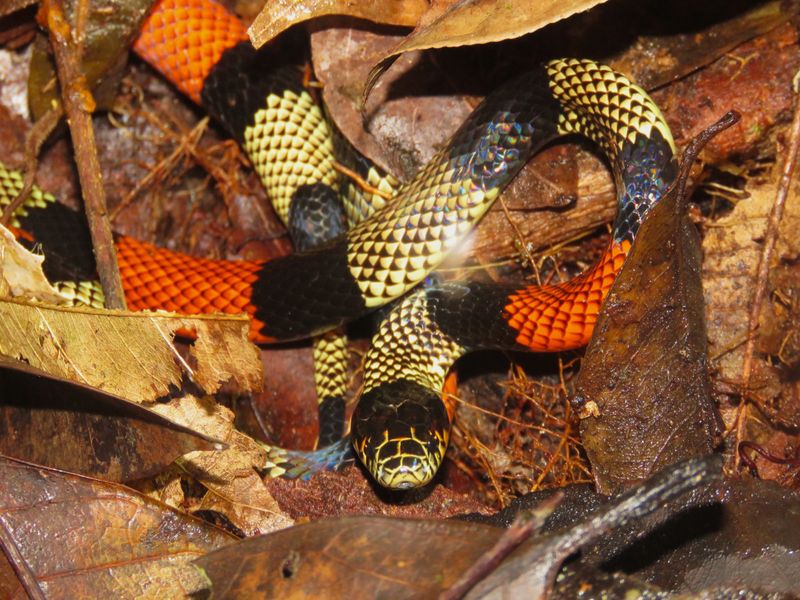
A bright banded snake deserves space, not a closer look. Florida’s native eastern coral snake has red, yellow, and black bands, a black snout, and a slender body.
Its head is not broad like many pit vipers.
Study reliable photographs from the Florida Museum before your next outing. However, markings alone should never guide handling decisions.
Keep your dog away from any unidentified snake, and observe only from a safe distance without moving closer for photographs.
2. Know Where Coral Snakes Live
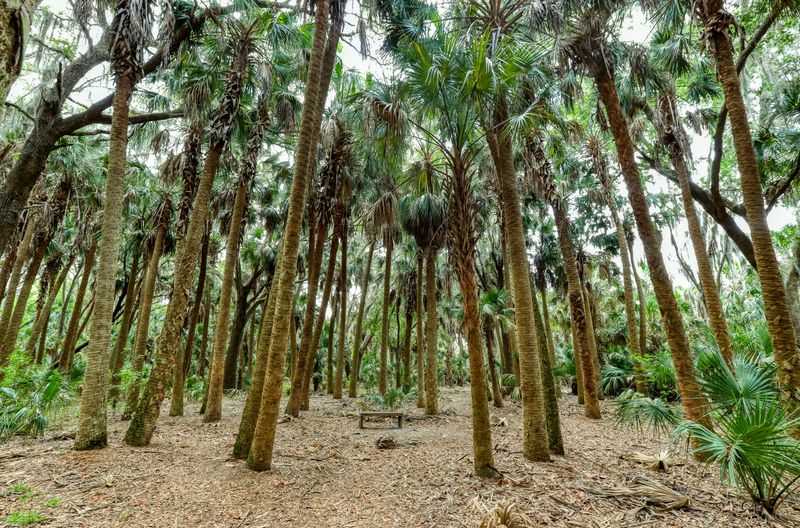
Hidden spaces matter more than dramatic wilderness scenery. Eastern coral snakes occur across much of Florida, including wooded areas, sandy habitats, and some neighborhoods.
They often shelter beneath leaves, logs, or other ground cover.
You may pass suitable habitat without ever seeing one. Stay alert near covered ground, especially where your dog wants to nose underneath objects.
Check local wildlife resources for regional information rather than assuming developed areas are always free of snakes around homes.
3. Understand Why Coral Snakes Enter Residential Yards
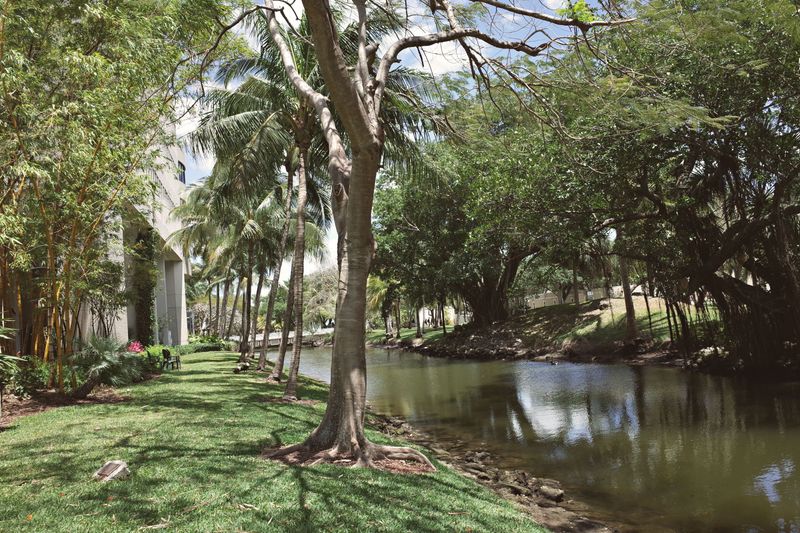
Your yard may simply sit along a snake’s normal route. Coral snakes can enter residential spaces while seeking shelter or prey, including small snakes and lizards.
Their presence does not mean they are targeting pets.
Ground cover, loose debris, and nearby natural habitat can provide places to hide. Focus on reducing accessible shelter around dog areas.
Avoid assuming one sighting means an infestation, and never investigate hiding spots with your hands or your dog’s curious nose.
4. Watch Your Step on Florida Trails
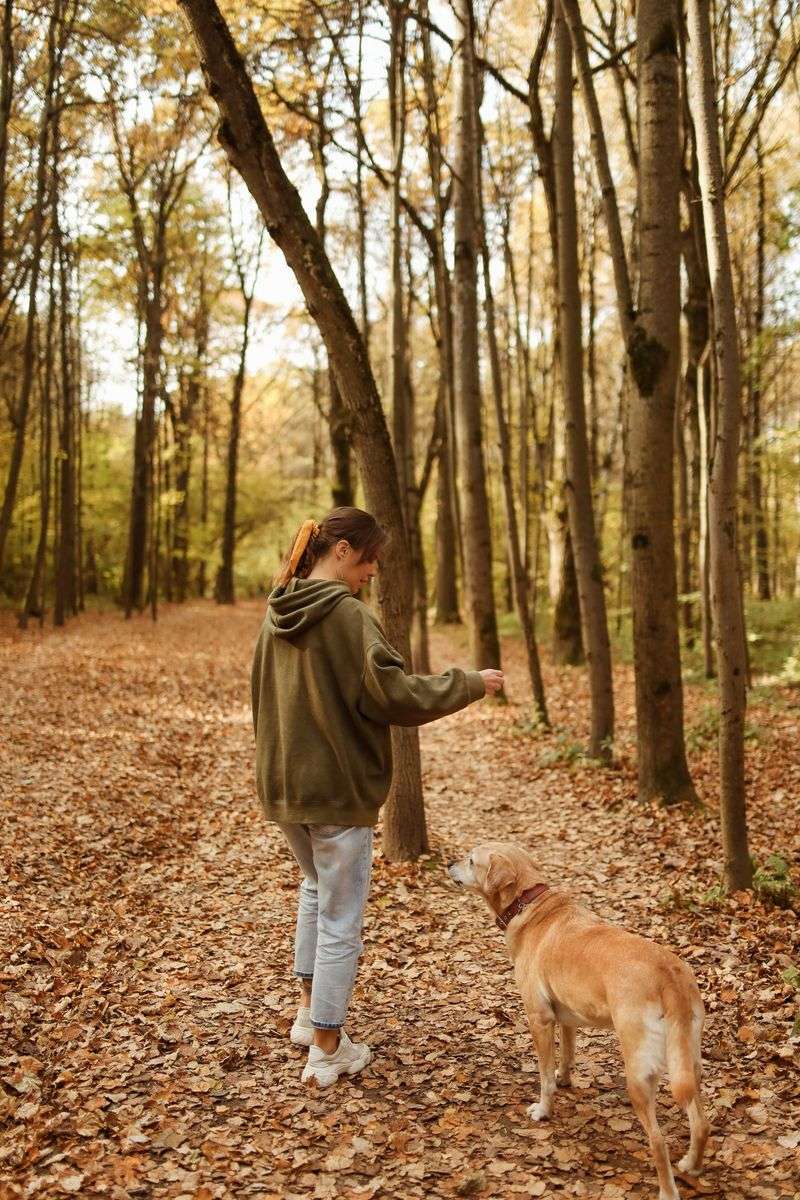
A fallen branch can hide more than muddy footing. On Florida trails, watch the ground ahead and keep your dog within view.
Look before stepping beside logs, crossing brush, or entering grassy trail edges.
Use established paths instead of shortcuts through vegetation. Closed shoes help protect your feet, but they do not make approaching snakes safe.
If you notice a snake ahead, stop, gather your dog close, and choose another route with plenty of clear space.
5. Check Around Your Home Before Letting Dogs Outside
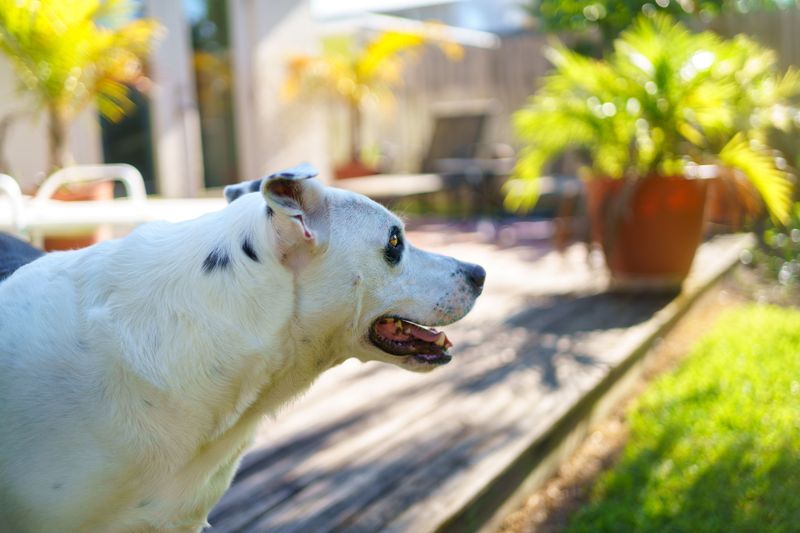
Opening the back door takes only seconds, so add a quick look first. Scan the patio, fence line, steps, and nearby planting beds before releasing your dog.
Use a flashlight when outdoor lighting leaves dark corners.
A visual check cannot guarantee that every hidden snake is absent. Supervise outdoor time and keep dogs away from covered spots.
If something looks unfamiliar, bring your dog inside before inspecting from a distance or asking for professional identification help.
6. Keep Dogs Away From Leaf Piles and Woodpiles
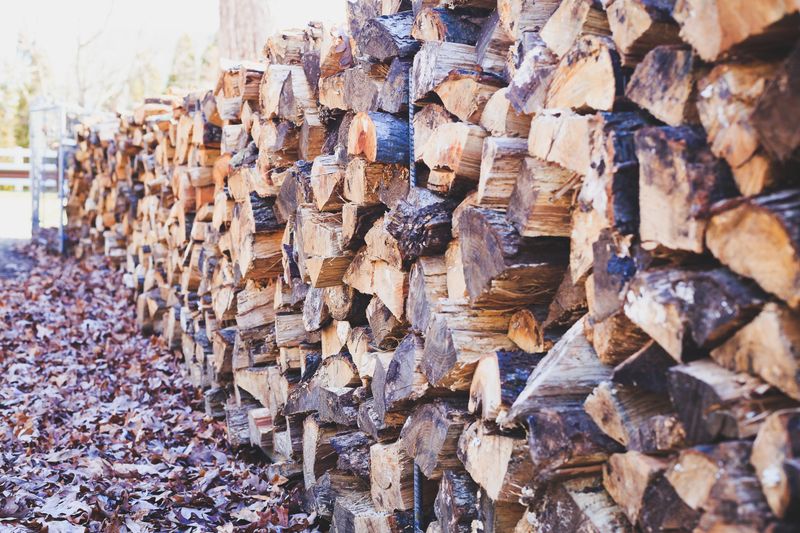
That interesting pile can become a dog’s favorite investigation spot. Leaves, stacked wood, and garden debris create sheltered spaces where snakes may remain unnoticed.
Prevent your dog from poking its muzzle underneath them.
Store firewood away from play areas and remove loose debris when practical. Before moving materials, look carefully and use suitable tools rather than reaching blindly.
If you see a snake, stop working and step back instead of trying to uncover its hiding place.
7. Use a Short Leash on Walks
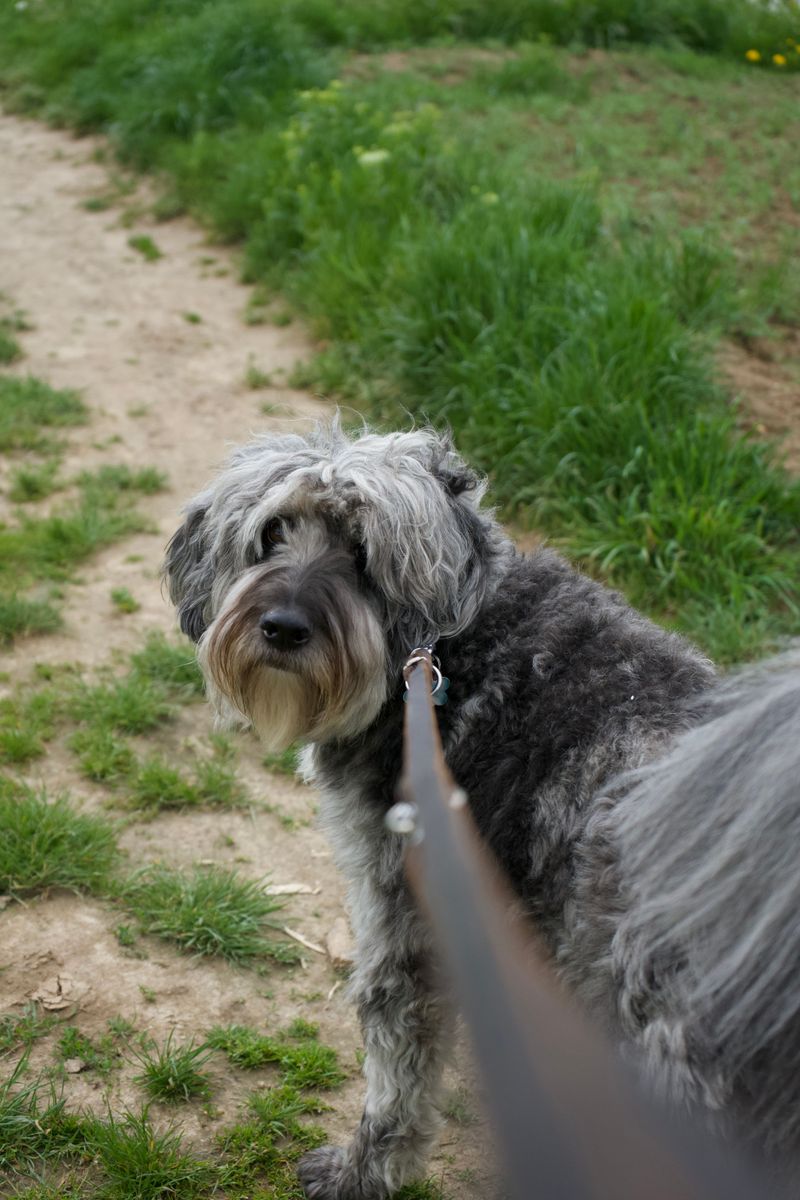
Extra roaming room can put a curious nose beyond your reach. A fixed length leash helps you guide your dog around brush and stop an unexpected approach.
Keep enough slack for comfortable walking without allowing access to hidden edges.
Retractable leashes can make quick control harder when dogs move ahead. Follow posted leash rules, which vary between parks and communities.
Even where off leash activity is allowed, choose controlled walking near habitat with limited ground visibility.
8. Do Not Rely on Traditional Color Rules
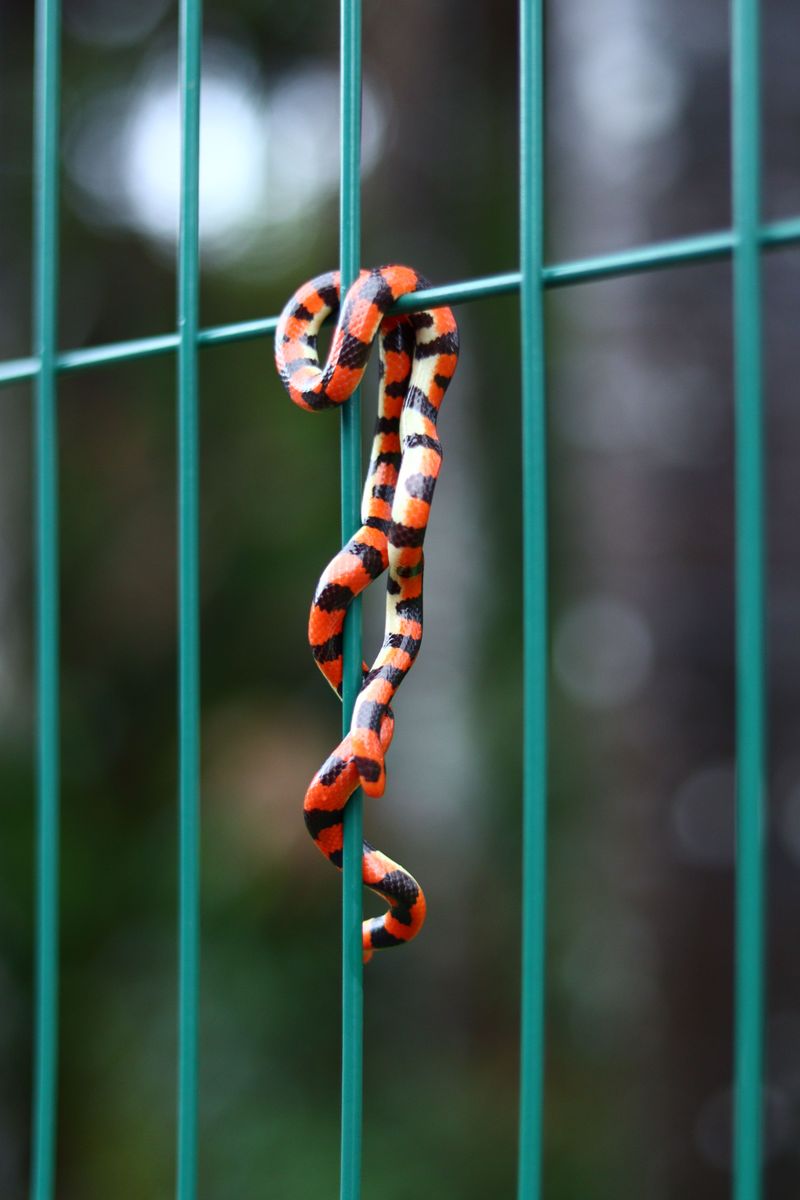
Old color rhymes sound helpful, but they are not a safety plan. Lighting, movement, unusual markings, and incomplete views can confuse identification.
Similar looking harmless snakes also occur in Florida.
Never move closer to decide which colors touch. Treat any unknown snake as wildlife that needs space, and keep your dog back.
For identification, share an existing clear photograph with a qualified expert. Never approach or disturb a snake to obtain a photograph.
9. Recognize the Danger of a Coral Snake Bite
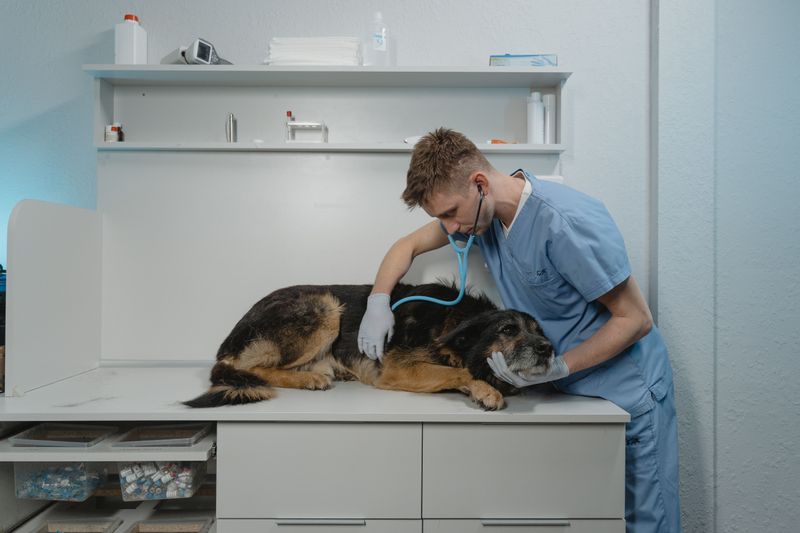
A dog can seem fine at first after a concerning encounter. Coral snake venom affects the nervous system, and symptoms may be delayed.
Possible signs include weakness, trouble walking, drooling, swallowing difficulty, or breathing changes.
Bite marks and swelling may be hard to notice. Do not use their absence to rule out a bite.
Any suspected coral snake bite requires immediate veterinary attention, even if your dog seems normal. Coral snake bite symptoms can take several hours to appear, so do not wait for signs of illness before seeking care.
10. Know What to Do if Your Dog Is Bitten
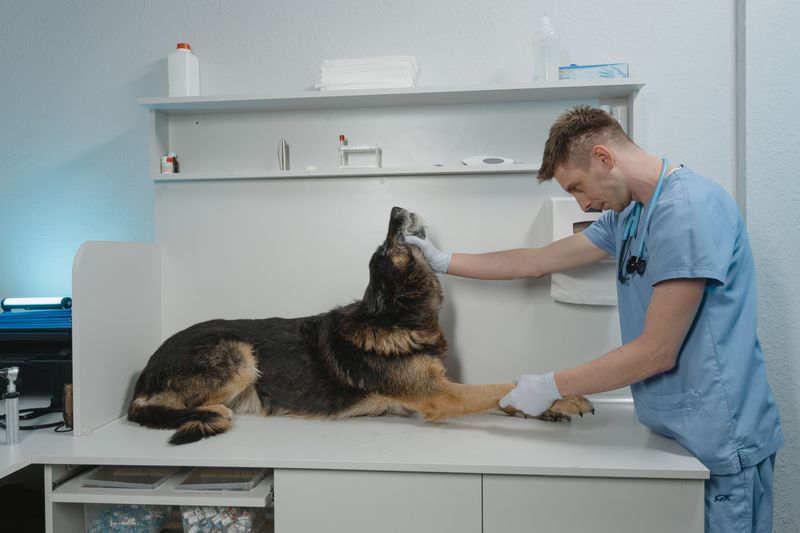
Quick action starts with moving away from the snake. Call the nearest emergency veterinary hospital and begin transport immediately.
Explain that a coral snake bite is possible and describe what you observed.
Keep your dog quiet and limit movement during travel. Carry smaller dogs if safe, and get help moving larger dogs.
Do not delay departure to catch the snake or search for bite marks. Ask the hospital about treatment capability while someone else drives safely.
11. Avoid Home Remedies After a Suspected Bite
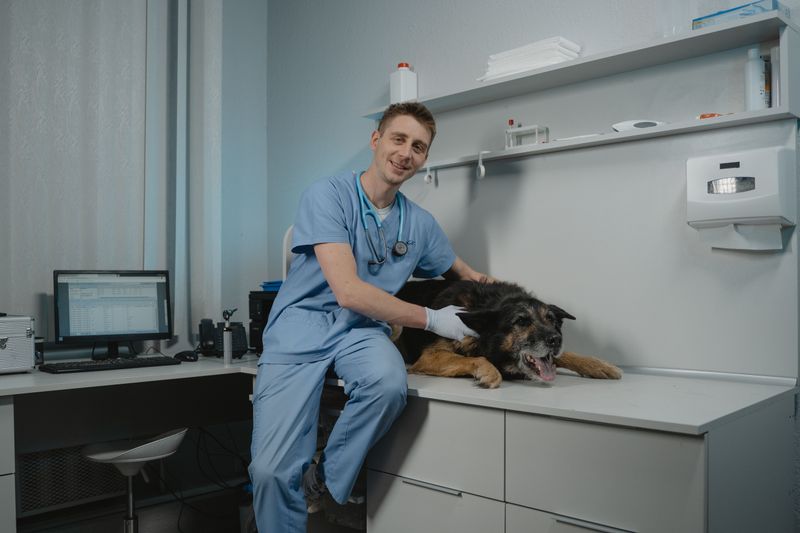
Your best first aid tool is a call to a veterinarian. Cutting, suction, ice, tight bandages, and tourniquets are not recommended for suspected snakebites.
They can cause harm or waste valuable treatment time.
Do not give human medicines, leftover prescriptions, or other remedies unless a veterinarian specifically directs you. Avoid forcing food or water, especially if swallowing seems difficult.
Focus on quiet transport and clear communication rather than trying to treat the bite yourself at home.
12. Never Let Your Dog Investigate a Snake
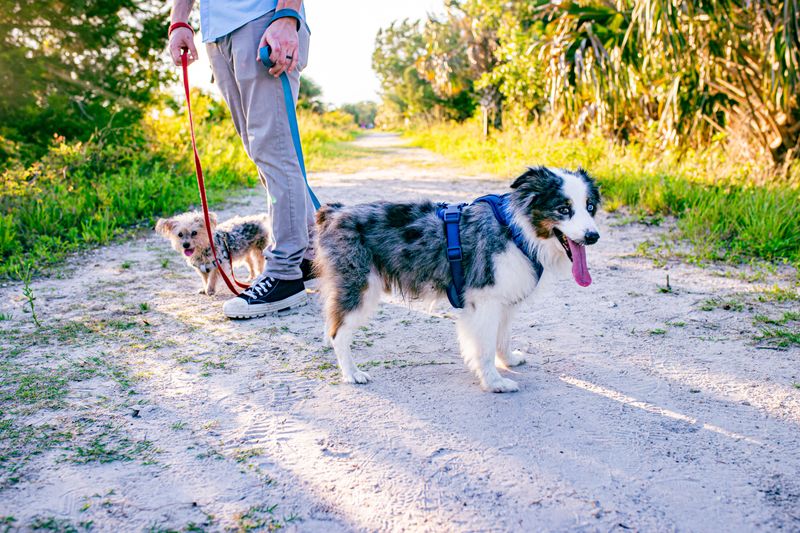
Curiosity is normal, but a snake encounter is not a training opportunity. Dogs may sniff, paw, or mouth unfamiliar animals before owners can react.
Interrupt the approach immediately and guide your dog away.
Do not allow barking, circling, or repeated advances. Give the snake an open escape route while you retreat.
Even an apparently motionless snake should remain untouched. Keep children and other pets back, and avoid placing yourself between your dog and the animal unnecessarily.
13. Keep Outdoor Water and Feeding Areas Clear
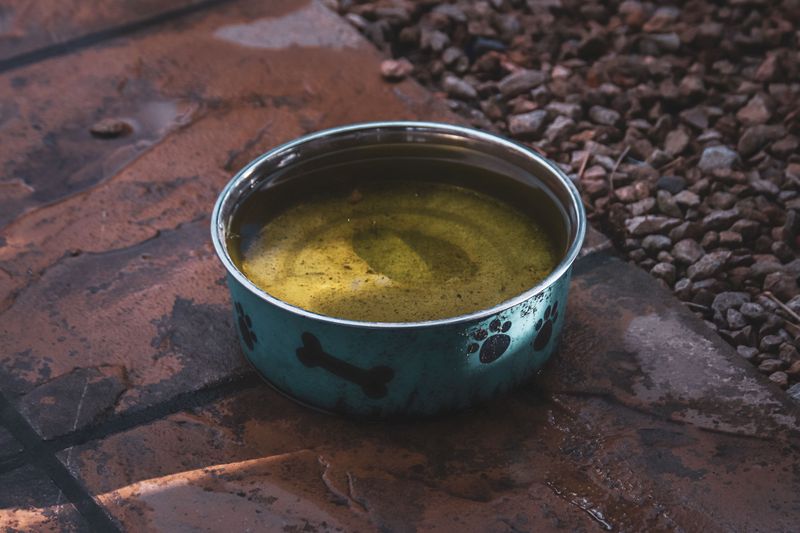
A tidy feeding corner makes nearby movement easier to spot. Place outdoor bowls where you can clearly see the ground around them.
Pick up leftover food promptly instead of leaving it outside overnight.
Food scraps can attract rodents and other visitors, although coral snakes mainly eat small reptiles. Provide fresh water without surrounding bowls with clutter or dense plants.
Regular cleaning supports general yard safety, but neither bowl placement nor cleanup guarantees that snakes will stay away.
14. Make Your Property Less Attractive to Hiding Snakes
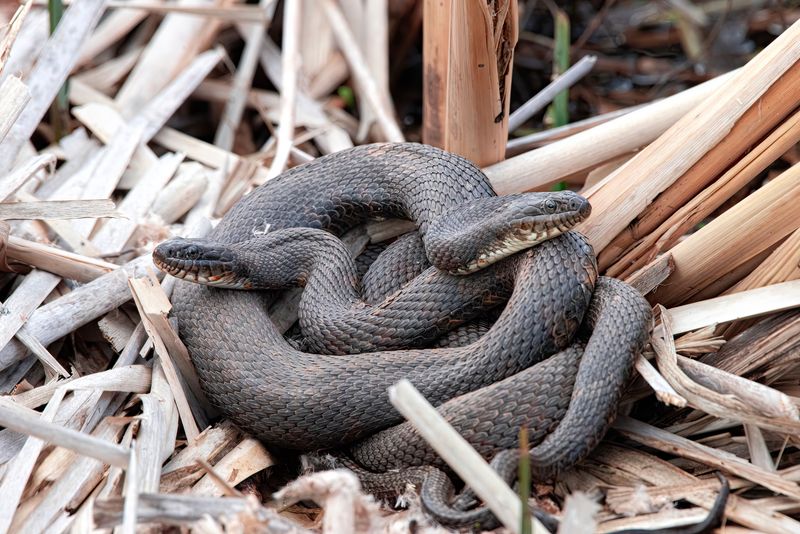
Clear sightlines beat promises printed on repellent packages. Trim vegetation beside walkways, remove unused boards, and organize storage near dog areas.
Repair accessible gaps around buildings where practical, without trapping wildlife inside.
No landscaping method makes a property completely snakeproof. Commercial repellents and homemade mixtures are not reliable substitutes for supervision and habitat cleanup.
Avoid mothballs outdoors, since improper use can expose pets to harmful chemicals. Ask local extension staff about practical yard improvements for your setting.
15. Teach Dogs to Leave Wildlife Alone
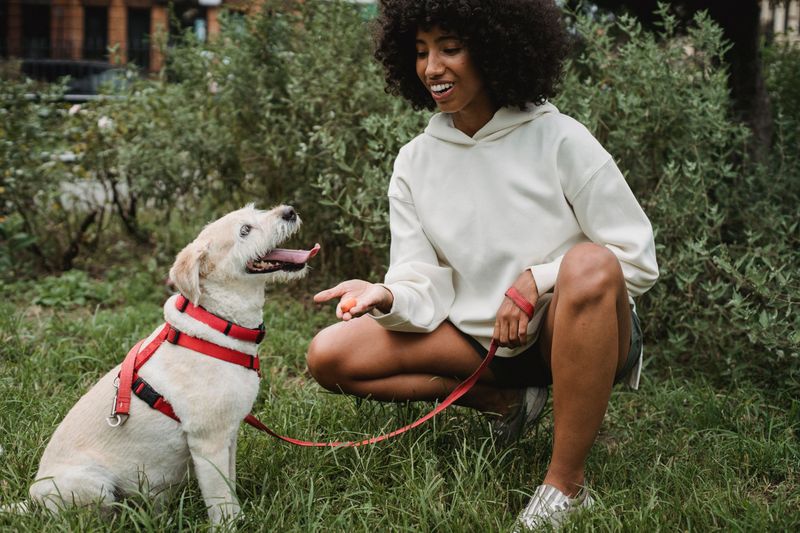
A practiced cue can turn surprise into a manageable moment. Teach leave it, recall, and a calm turn away using rewards in safe settings.
Start with ordinary distractions before practicing around busier outdoor environments.
Never use a live snake for home training. Ask a qualified reward based trainer for help if your dog strongly pursues wildlife.
Training reduces risk but cannot replace a leash or supervision. Keep rewarding attention to you throughout walks, not only during problems.
16. Be Extra Careful During Sniffing and Digging
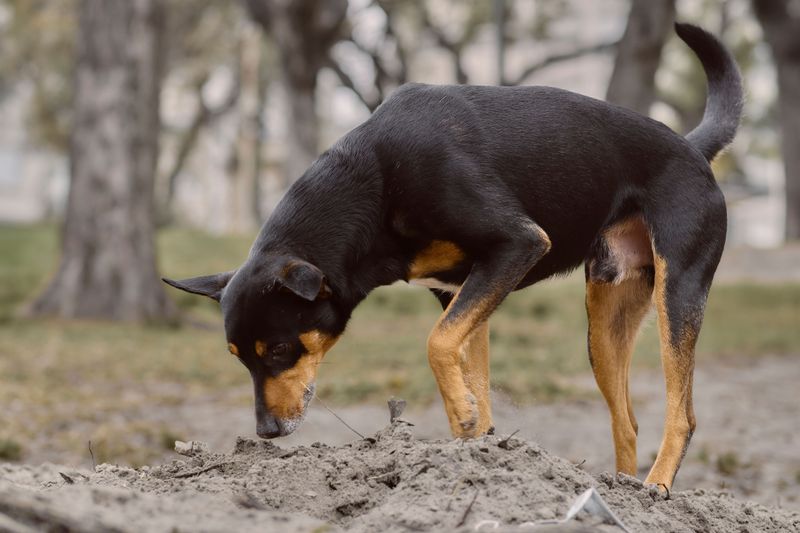
Sniffing enriches walks, so the goal is choosing safer places. Allow nose work on visible ground rather than beneath logs or deep leaf cover.
Interrupt digging beside roots, holes, or piles you cannot inspect.
Coral snakes often remain hidden, making close ground exploration worth extra attention. Redirect your dog toward open areas and reward cooperation.
If the leash suddenly pulls toward cover, stop before following. Never reach into a hole to retrieve something your dog has found.
17. Choose Trail Stops With Good Visibility
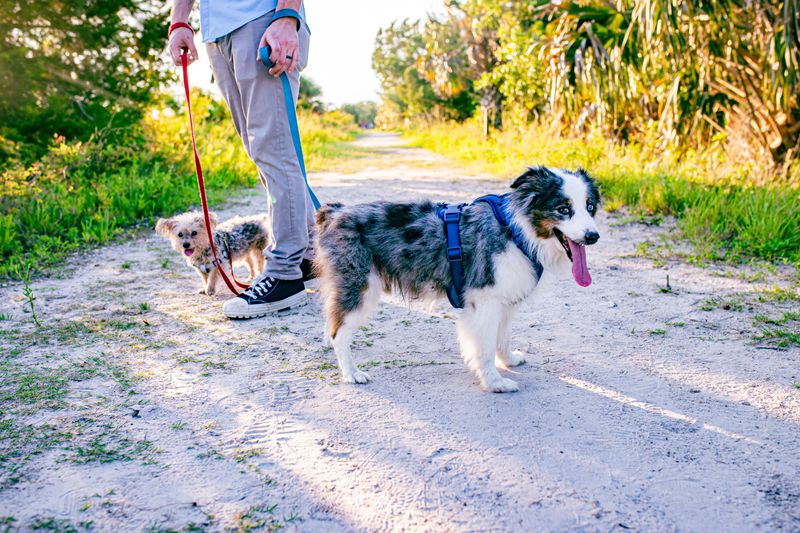
Rest breaks are easier when everyone can see the ground. Choose open trail shoulders, maintained picnic areas, or clear patches for water stops.
Look around benches and beneath tables before settling your dog nearby.
Avoid parking your dog beside thick brush just because it offers shade. Find shade with visible footing instead, and keep the leash attached.
Before moving on, check the surrounding path again. Comfortable pauses should give your dog refreshment without inviting exploration into cover.
18. Know When to Call Wildlife Professionals
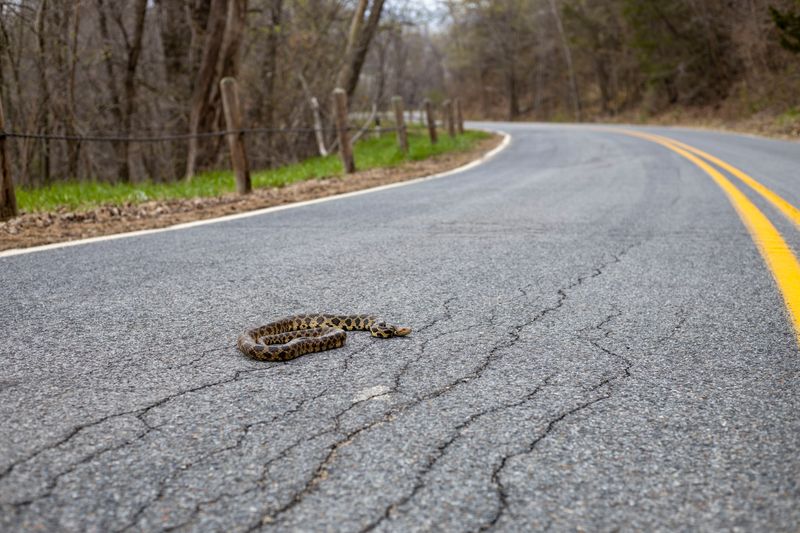
A snake beside a doorway may need more than patient observation. Keep pets indoors and contact animal control or a qualified wildlife professional for guidance.
Services and wildlife rules vary by community, so confirm local procedures.
Do not attempt capture or relocation yourself. A suspected bite belongs with an emergency veterinarian, not a removal service.
Save both contact numbers before you need them. Space, supervision, and prompt professional help let you enjoy Florida with greater confidence.