What Arkansas Dog Owners Should Know About Ticks In The Ozarks And Ouachitas
If you share your life with a dog in Arkansas, ticks are simply part of the landscape. The forests of the Ozarks and the ridges of the Ouachitas are wonderful places to roam, and they happen to suit ticks well too.
The good news is that a little knowledge goes a long way here. With steady prevention, quick checks, and a bit of yard care, you can keep your dog comfortable and your outings enjoyable all year.
1. Arkansas Woods And Fields Are Prime Tick Country
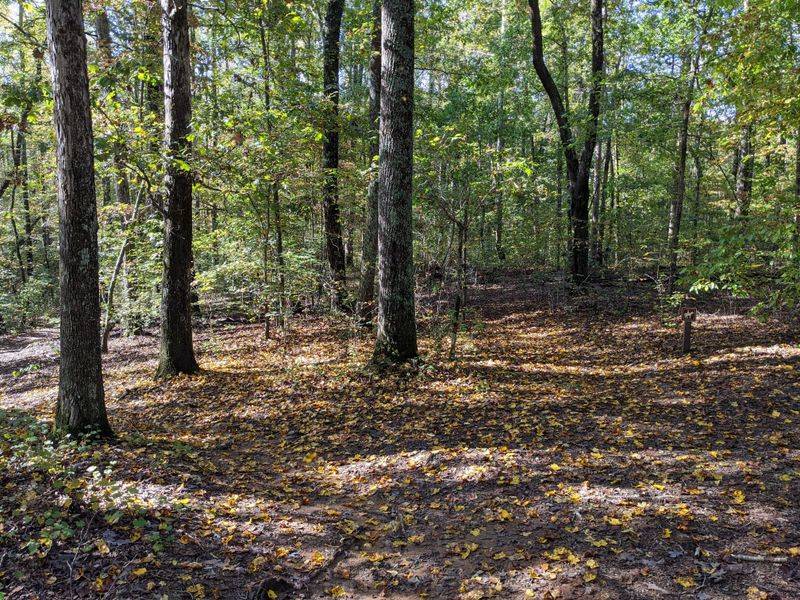
Leaf litter, tall grass, and brushy edges give ticks the shade and moisture they need. Arkansas has plenty of all three, which is why the state ranks high for tick presence.
The Ozark Plateau supports especially varied tick populations, thanks to abundant deer and small mammals. Knowing this helps you plan instead of worry.
Treat wooded ground and grassy fringes as places worth a post-walk check, every single time.
2. Trails, Fields, And Even The Backyard Count

Ticks do not chase. They climb grass tips or low shrubs, hold out their legs, and wait for something warm to brush past.
Your dog qualifies whether the walk is a ten mile trail or a quick trip to the fence line. American dog ticks favor open grassy spots, forest edges, and trail shoulders.
So yes, backyard time counts. Short outings deserve the same quick scan as big adventures.
3. Peak Season Runs Spring Through Early Fall
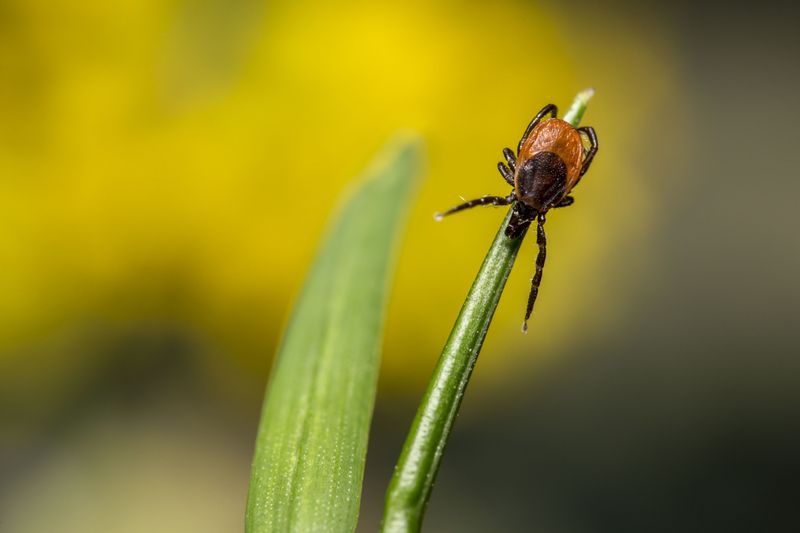
March through October is the busy stretch, with activity climbing sharply in late spring and early summer.
Arkansas winters rarely shut ticks down completely, though. A mild sunny day in January can bring them out again, especially near sheltered leaf piles.
Because of that, many local veterinarians recommend year round prevention rather than a seasonal on and off approach. Steady coverage removes the guesswork about when to start and stop.
4. Why The Ouachita Terrain Suits Ticks So Well
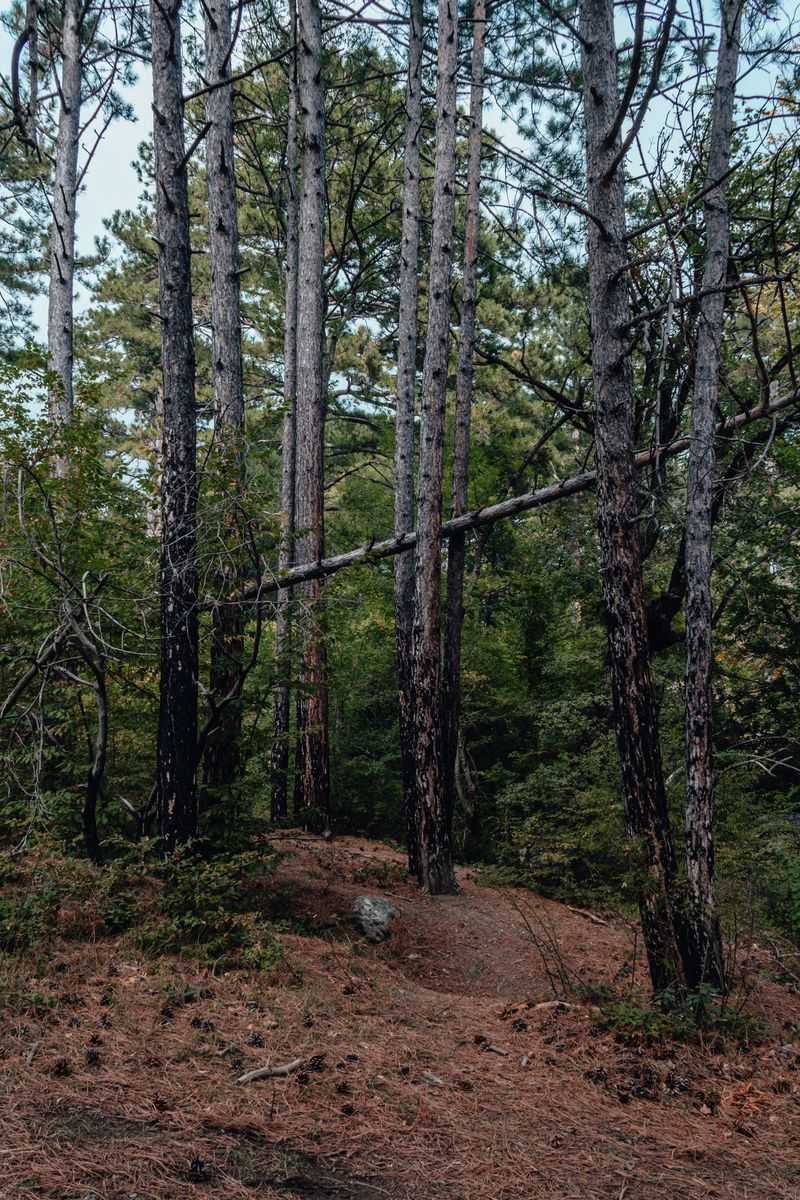
Picture dense oak-hickory stands, rocky glades, pine ridges, and river valleys. That mix feeds a healthy wildlife population, and wildlife feeds ticks.
Deer, raccoons, rodents, and ground birds all move through the same brushy corridors your dog loves to sniff.
Pastureland edges and overgrown field borders act as gathering points too. Recognizing these hotspots lets you choose cleaner routes when you want a lower risk outing with your pup.
5. Veterinary Prevention Products Do The Heavy Lifting
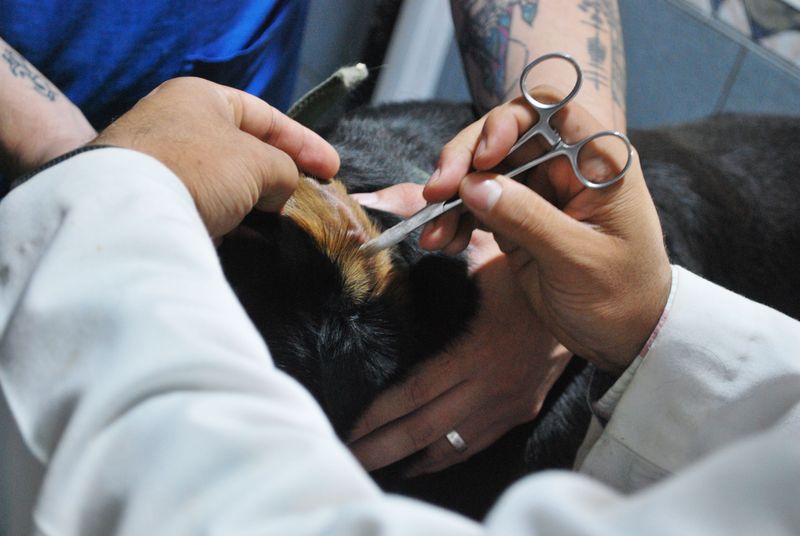
Nothing beats a product chosen by someone who knows your dog. Chewables, topicals, and collars all work differently, and your veterinarian can match one to your pet.
Annual screening for tick-borne illness is also a smart part of the yearly exam.
Because Arkansas supports parasite activity nearly all year, consistency matters more than brand loyalty. Set a reminder on your phone so no monthly dose slips past you.
6. Two Minutes Of Checking Beats Hours Of Worry
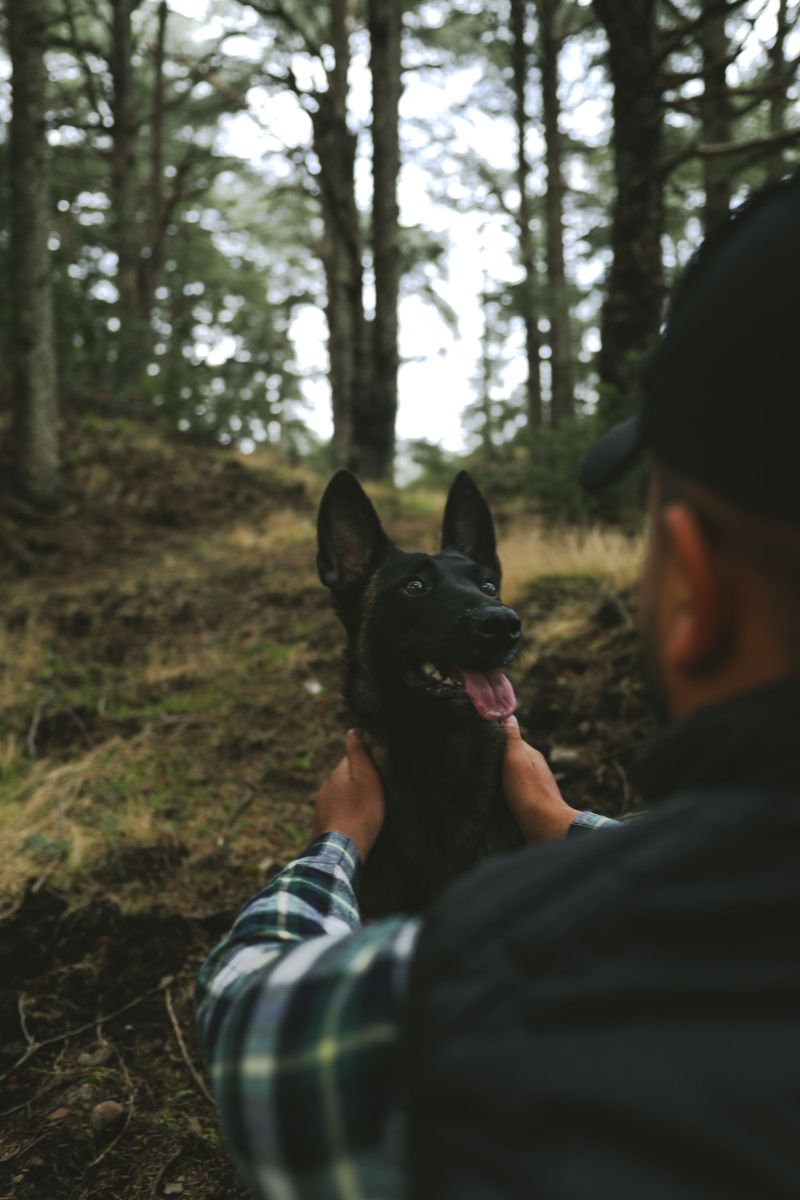
Right after a hike, run your hands over your dog like you are giving a slow massage. Fingers often find a bump before eyes do.
Speed matters because most tick-borne infections need roughly 24 to 48 hours of attachment to pass along.
Daily checks during warm months turn into a habit fast. Many owners fold it into evening cuddle time, which the dog rarely complains about.
7. Ticks Love Warm, Hidden Spots
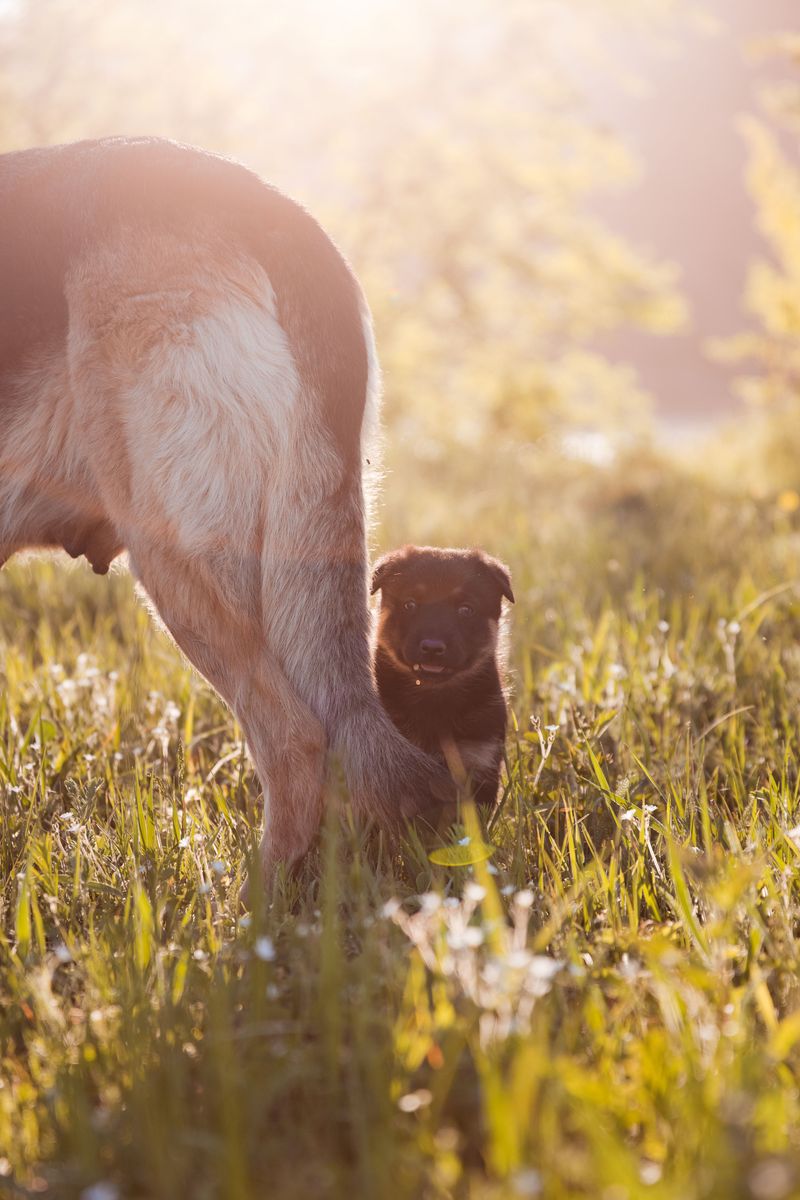
Start with the ears, inside and out. Then work through the neck under the collar, the armpits, the groin, and under the tail.
Feet deserve real attention, especially between toes and around paw pads. Legs and belly round out the list.
These spots stay warm, dark, and sheltered, exactly what a tick wants. A comb and good lighting make the job faster and far more reliable.
8. Thick Coats Need A Slower Search
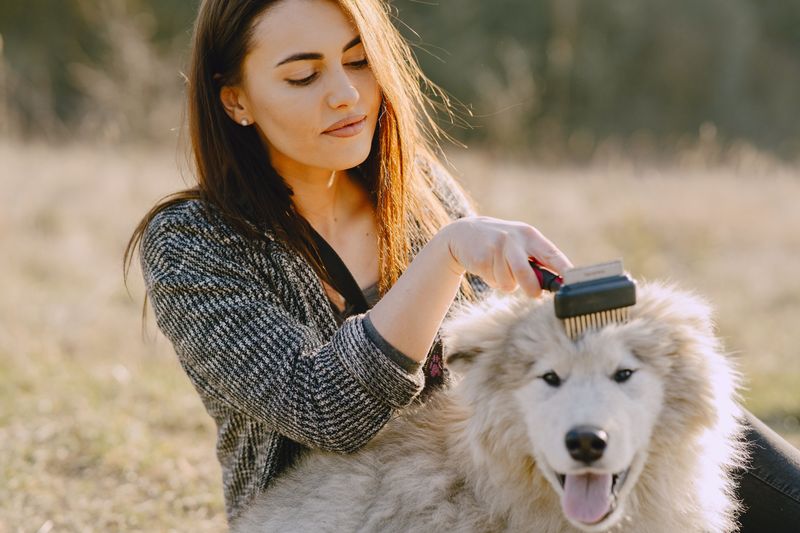
Double coats, curls, and long feathering create layers that hide small passengers close to the skin.
Looking alone will not cut it here. Part the fur in sections with your fingers or a fine comb, working from the head backward.
A grooming brush after every outing helps too, since loose ticks often get caught before attaching. Owners of shepherds, spaniels, and doodles know this routine well.
9. Yard Upkeep Quietly Lowers The Odds
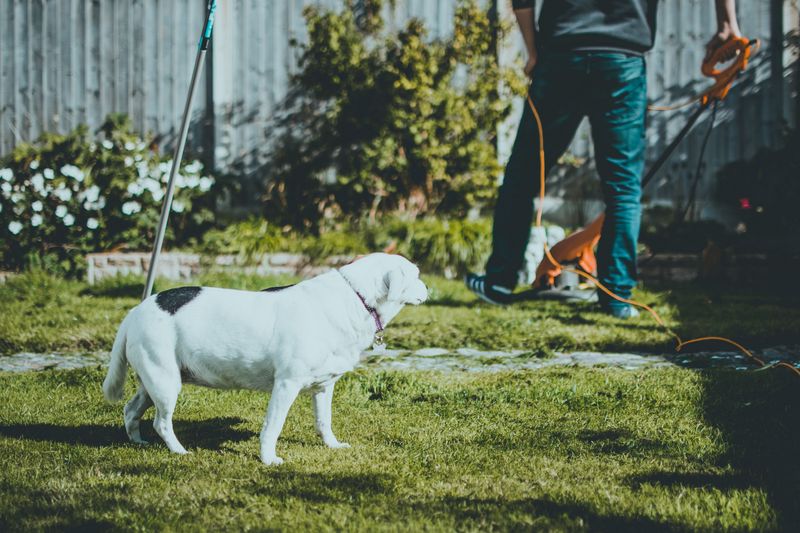
Mowed grass dries out quickly, and ticks dislike dry, sunny ground.
Rake up leaf litter, trim back thick shrubs, and clear the shady strip under decks and along fences. Those cool pockets are where ticks tend to gather.
Creating a clean border between your lawn and the tree line helps as well. None of it takes long, and the payoff shows up in fewer surprises after backyard play.
10. Hitchhikers Can Ride Indoors

A tick that has not attached yet may drop off inside your home. From there it can wander onto bedding, rugs, or furniture.
Households with pets tend to see more indoor tick encounters, even when prevention products are used faithfully.
Brushing your dog on the porch before coming in helps a lot. Washing dog bedding regularly in hot water is another simple, low effort safeguard for the whole family.
11. Illnesses Local Ticks Can Carry
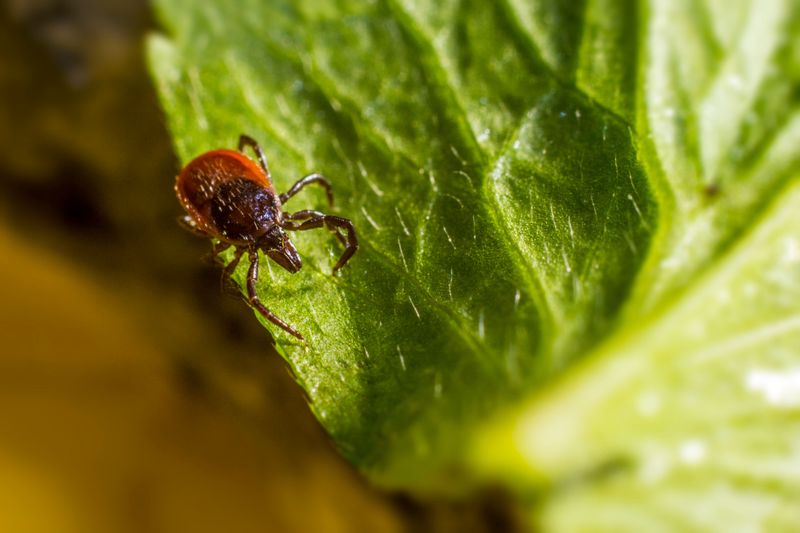
Rocky Mountain spotted fever is the most commonly reported tick-borne illness in Arkansas, affecting people and animals alike.
Ehrlichiosis, anaplasmosis, and tularemia also appear here. Lyme disease is uncommon in the state, though not impossible.
Most cases respond well when caught early, which is exactly why quick removal and prompt veterinary care matter so much. Awareness gives you a head start, not a reason for alarm.
12. Walk The Middle Of The Trail
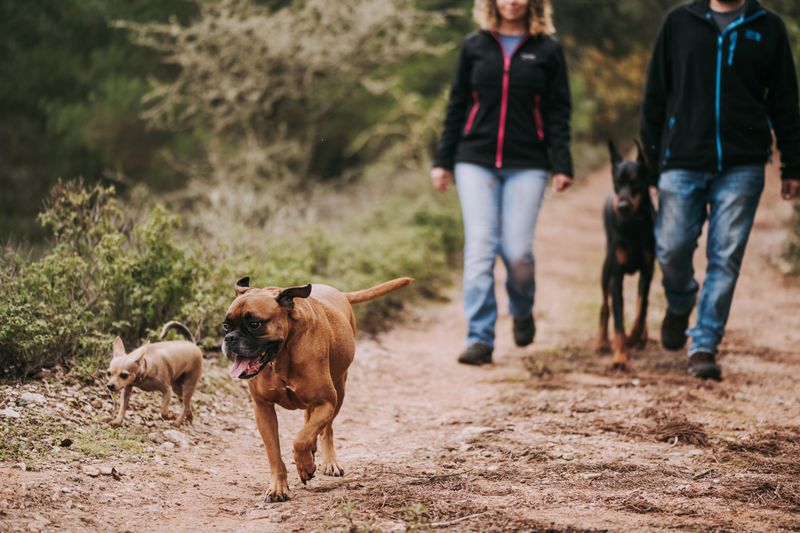
Trail shoulders are where the grass leans in and ticks wait. The center is usually packed dirt or gravel with far less contact.
Keeping your dog leashed on the path also cuts down on detours into brush and leaf piles.
Longer routes through overgrown areas call for a more thorough check afterward. Small route choices add up over a season of weekend hikes together.
13. Working And Hunting Dogs Need Extra Attention
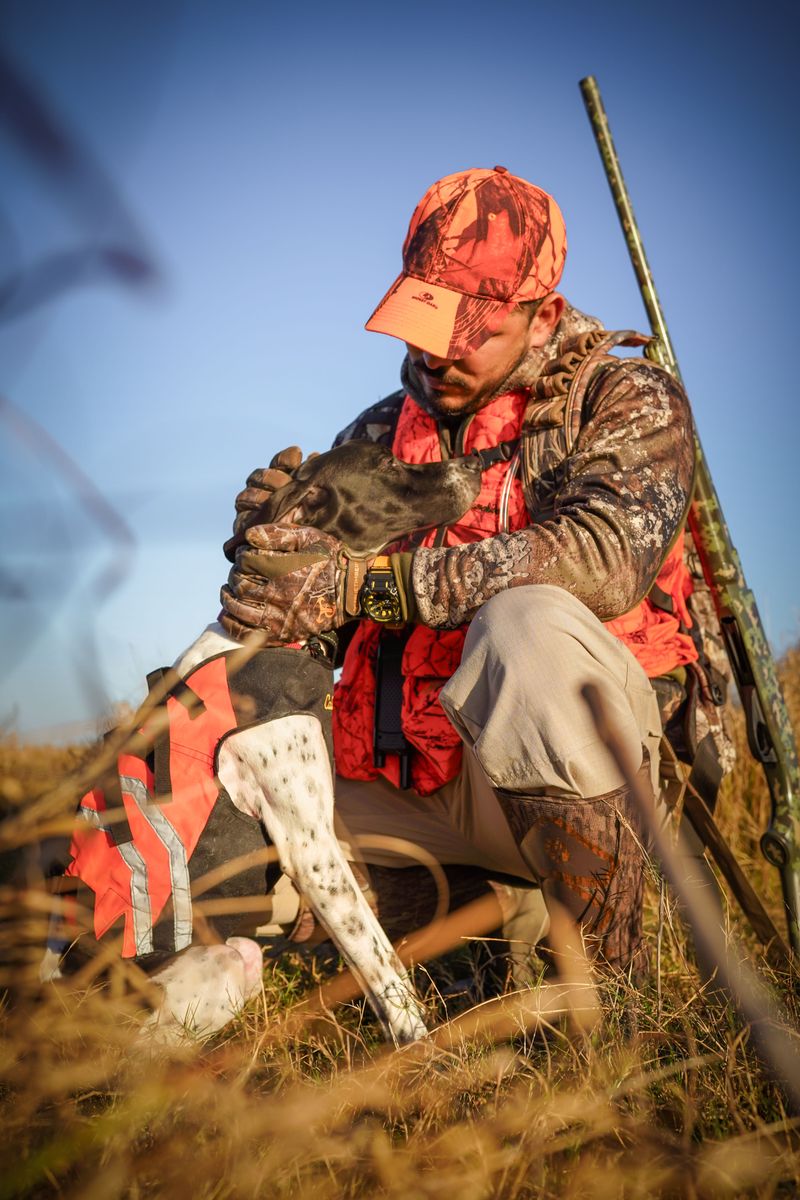
Bird dogs pushing through cover, farm dogs patrolling pastures, and hounds working timber all rack up serious exposure.
Spring turkey season and fall deer season put both dogs and handlers in heavy tick territory.
Build a check into the end of every workday, same as feeding and water. A quick brush at the tailgate catches loose ticks before the ride home turns into a rolling tick taxi.
14. Safe Removal, Step By Step

Grab fine-tipped tweezers or a dedicated tick tool. Grip the tick as close to the skin as you can manage.
Pull straight upward with steady, even pressure. Skip the twisting, the matches, and the petroleum jelly tricks.
Clean the spot and your hands afterward with soap and water or another appropriate cleaning method. If part stays behind or the skin looks irritated later, ring your veterinarian.
15. Rural Living Is Not A Free Pass
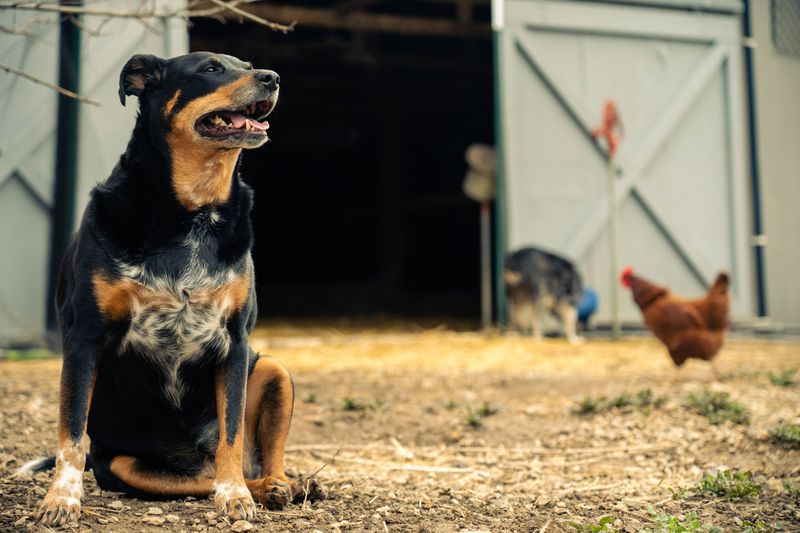
Some owners assume country dogs build up resistance. Ticks do not work that way.
Farmyards, garden beds, hay storage, and the woodlot behind the barn all hold suitable habitat. Even in the Delta, riverbanks and tree stands support tick populations.
Familiar ground simply means familiar risk. Whether your dog roams forty acres or a fenced quarter acre, the prevention plan should look about the same.
16. Match The Product To Your Dog’s Life
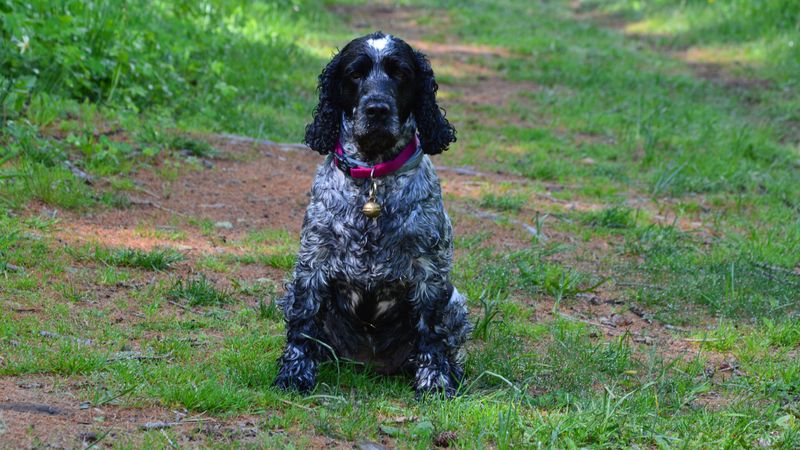
A city dog with short potty breaks and a trail dog logging twenty miles a week have different needs.
Swimming habits, age, weight, other medications, and skin sensitivities all influence which option works best. Some homes with young children prefer chewables over topicals.
Bring these details to your appointment. Your veterinarian can weigh prescription and over-the-counter choices and help you build a plan you will actually stick with.
17. Keep An Eye Out In The Weeks After A Bite
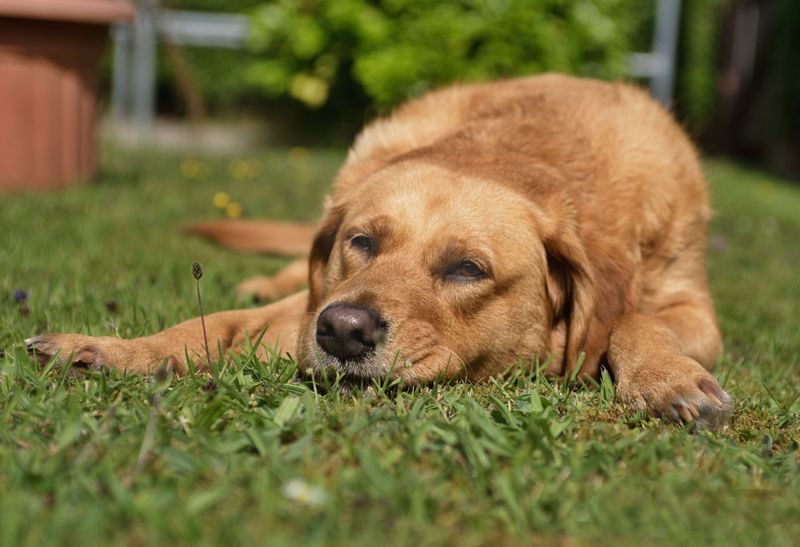
Symptoms rarely show up right away. Seven to twenty one days is typical, sometimes longer.
Watch for unusual tiredness, a drop in appetite, limping that shifts between legs, stiffness, fever, or upset stomach.
Jot down the date you removed a tick. That small note helps your veterinarian connect the dots later.
Calling early is always reasonable, and most concerns turn out to be easily managed.
18. Routine Beats Last Minute Effort

Prevention applied only before camping trips leaves long gaps in coverage.
Because Arkansas parasites stay active nearly year round, a steady monthly rhythm protects far better than occasional bursts. Pair it with regular checks, yard upkeep, and yearly screening.
Handling a small routine is much easier than dealing with an infestation later. Set the habit once, and your dog gets to enjoy the Ozarks and Ouachitas worry free.