How To Handle A Coyote Encounter During A New Jersey Dog Walk
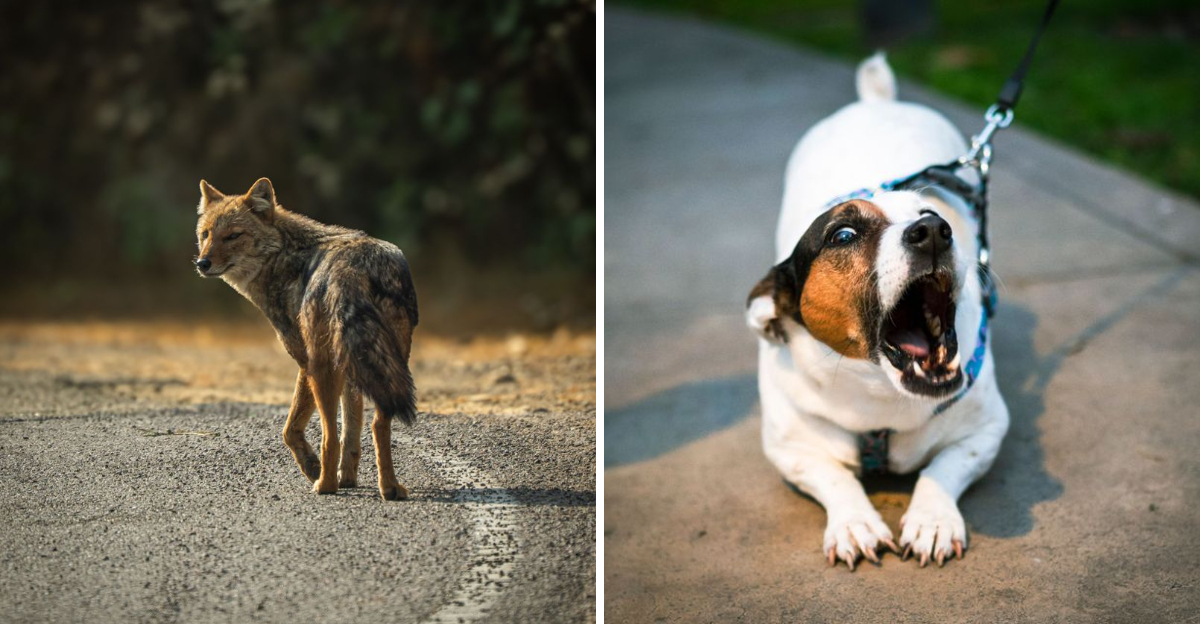
Coyotes live in every county in New Jersey, from farm country to leafy suburbs. Most keep to themselves, and most sightings end with the animal trotting off.
Still, knowing what to do in the moment makes a walk with your dog feel a lot easier. Think of this as friendly advice from someone down the street who has walked these trails a while.
Here is what every local dog owner should have tucked in the back of their mind.
Stay Calm When You First Spot A Coyote
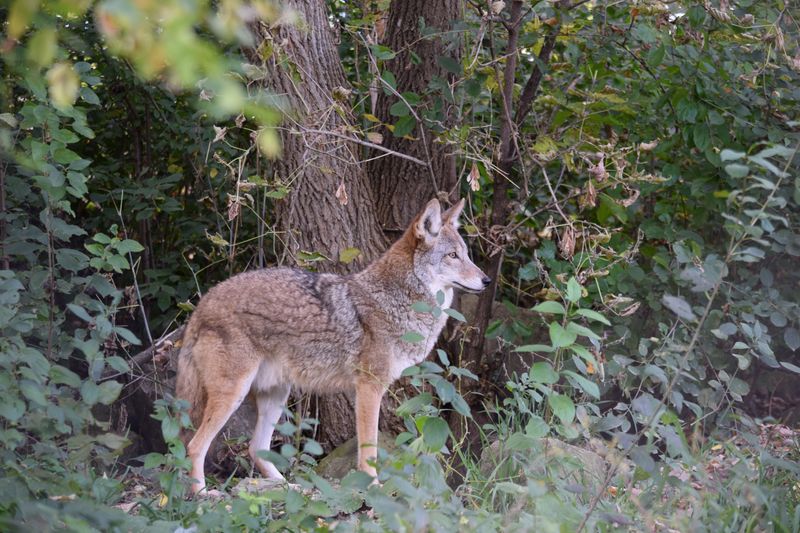
That first glimpse tends to jolt you. Your heart speeds up, and your instinct says react fast.
Slow breathing helps more than quick movement here.
Most coyotes want nothing to do with you or your dog. Gather your leash, plant your feet, and take stock of where the animal is standing.
Your goal is simple: build distance. Chasing it off is never the job.
Steady beats dramatic every single time on a neighborhood walk.
Keep Your Dog On A Short Leash
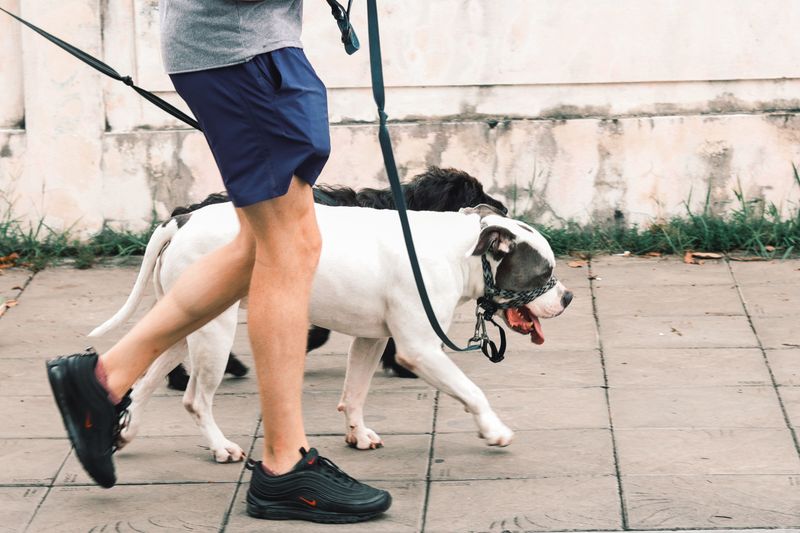
Leash length changes everything in a tense moment. Reel in the slack the second you spot movement in the brush.
A dog walking six feet ahead has room to lunge, spin, or wrap the line around your legs. Kept at your side, they stay under your control.
Retractable leashes are tricky here, since locking them takes an extra second. Many local owners switch to a fixed four-foot lead near wooded areas.
Never Let Your Dog Chase The Coyote
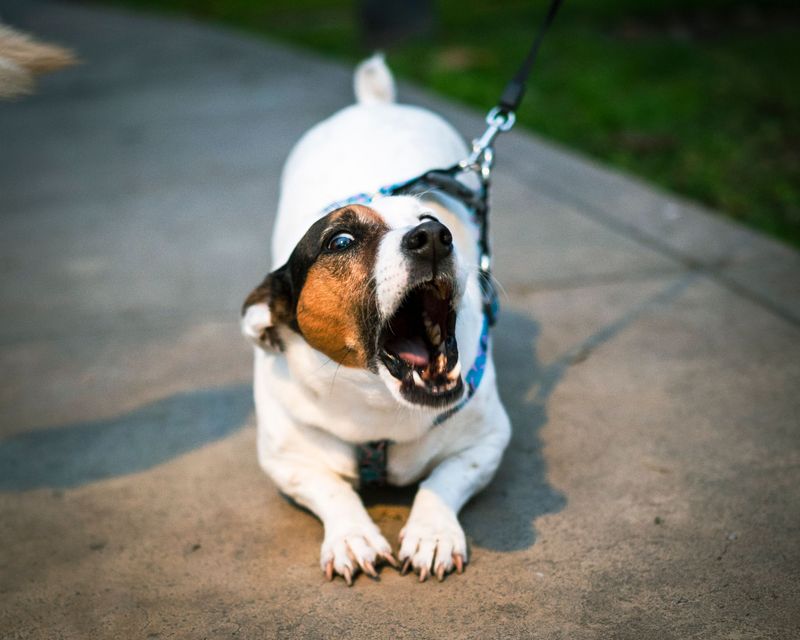
Plenty of friendly dogs think a coyote looks like a playmate. That misunderstanding is how a quiet sighting turns messy.
Barking, lunging, and pursuing all raise the stakes. A cornered wild animal responds very differently than a neighbor’s Labrador would.
Redirect your dog with a treat, a firm cue, or gentle body blocking. Praise them for looking at you instead.
Training that habit at home pays off outdoors.
Give The Coyote Plenty Of Space
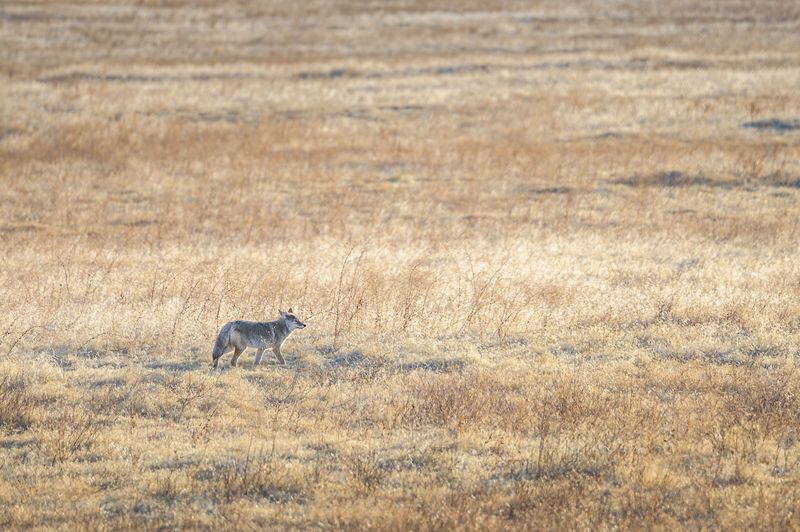
Watch what the animal does before you do anything. A coyote heading away has already solved your problem.
Resist the pull to follow, film, or shepherd it along. Let the gap widen naturally while you move the other direction.
Give the coyote as much space as practical, and do not approach it. If the animal is moving away, let it continue without following, filming, or trying to move it along.
Back Away Without Turning Around
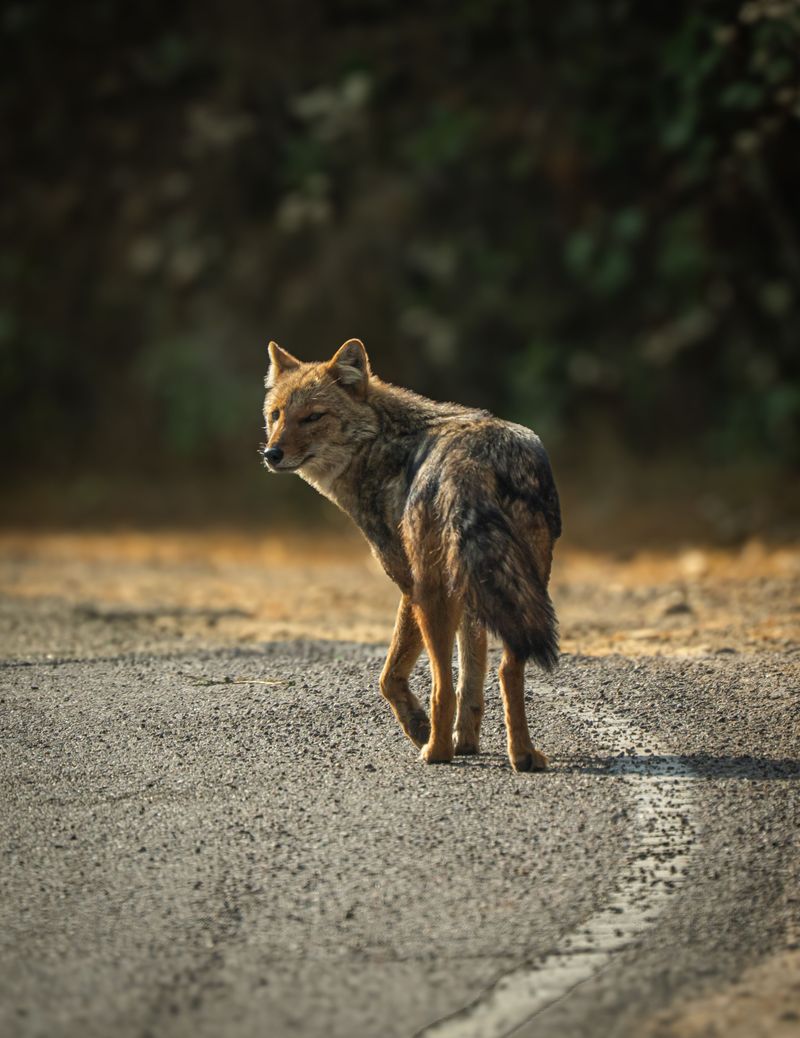
Turning your back feels natural, though it removes your best tool: information. Keep facing forward as you move.
Step backward slowly, or angle away sideways while glancing at the animal. Short, deliberate steps beat quick ones.
Running triggers a chase response in many wild animals, and you will not outrun a coyote anyway. Walk.
Breathe. Talk quietly to your dog so they stay settled beside you.
Make Yourself Look Larger If It Approaches
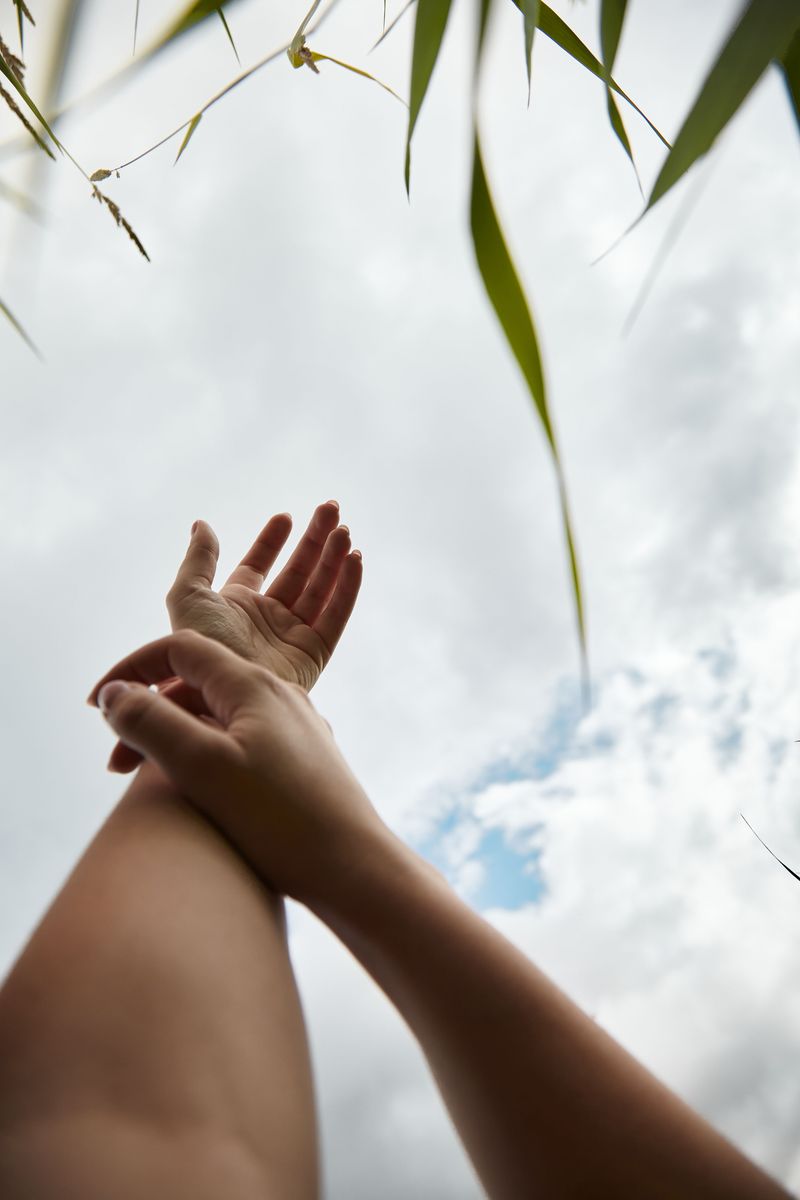
If a coyote approaches, make yourself appear larger and use loud noises to discourage it. Stand tall, raise your arms, and make yourself look imposing while keeping your dog close.
Clapping, stomping, or waving your arms can add to the display. New Jersey Fish & Wildlife also recommends loud noises and other deterrents such as an air horn.
Use A Confident Voice

Use a firm, confident voice and make enough noise to discourage the coyote from approaching. New Jersey Fish & Wildlife recommends loud noises as a deterrent.
Try a sharp “Go on!” or “Get out of here!” rather than a high, nervous shout. Repeat it if the animal lingers.
Clapping, whistling, or banging a water bottle adds useful noise. Some walkers carry a small air horn for backup.
Your dog benefits too, since a confident handler helps keep them from spiraling.
Put Your Dog Behind You
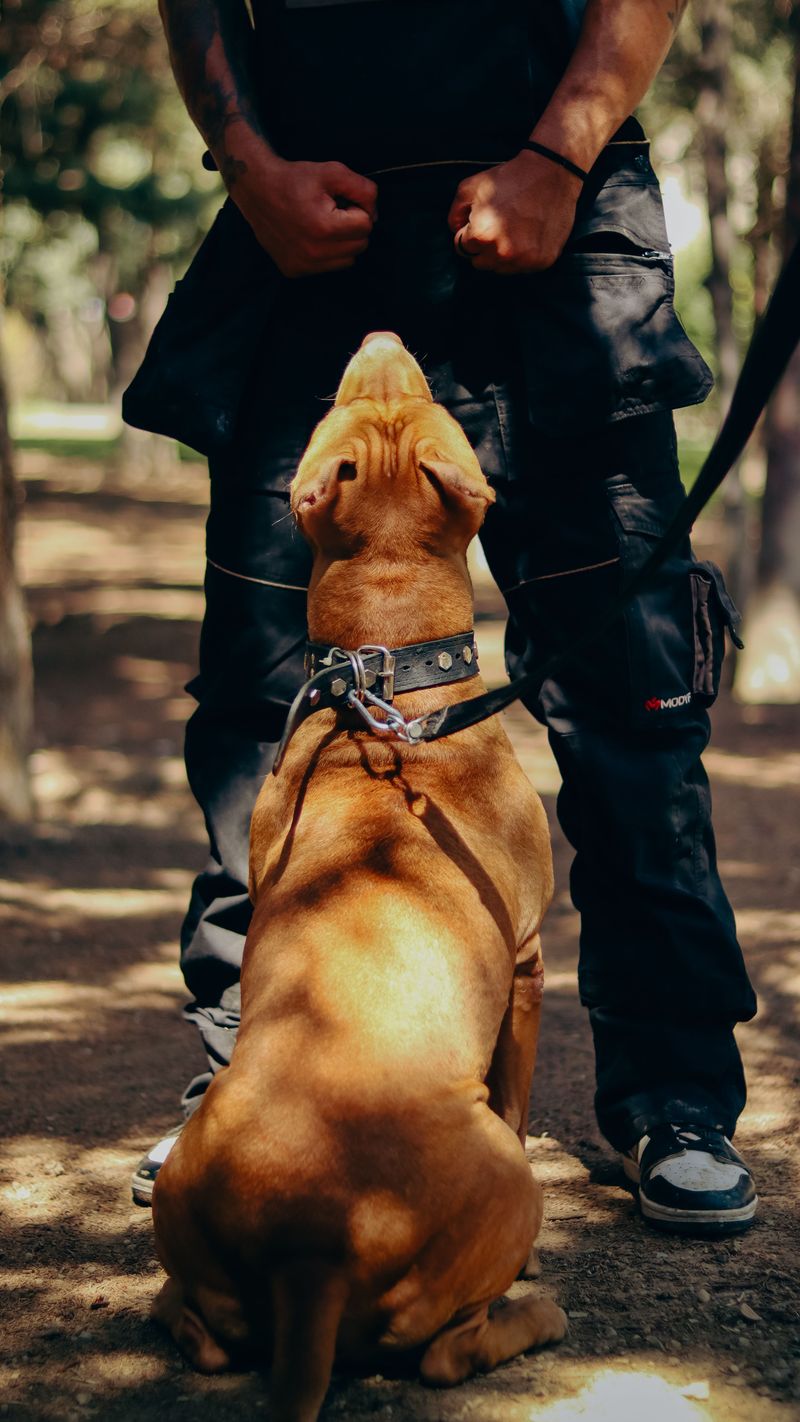
Position beats panic. Sliding your body between your dog and the coyote gives you the say in what happens next.
Shorten the leash, step sideways, and guide your dog to your back leg. Smaller dogs can be lifted if that feels manageable.
From there, you control the direction of retreat. Your dog cannot dart forward, and the coyote sees a person first, not an unfamiliar animal.
Do Not Offer Food To A Coyote
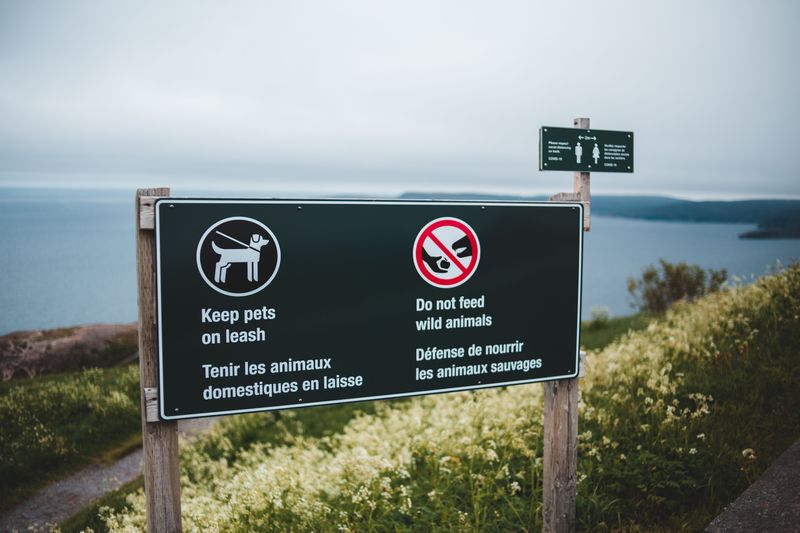
Kindness backfires badly here. A coyote that associates people with snacks stops keeping its distance.
Never toss treats, sandwich scraps, or your dog’s kibble toward one, no matter how thin it looks.
Feeding wildlife is discouraged statewide, and some towns have their own rules about it. Check with your municipality if you are unsure.
The same logic applies at home: secure trash, skip outdoor pet bowls, and clean up fallen birdseed.
Avoid Getting Between A Coyote And Its Escape Route
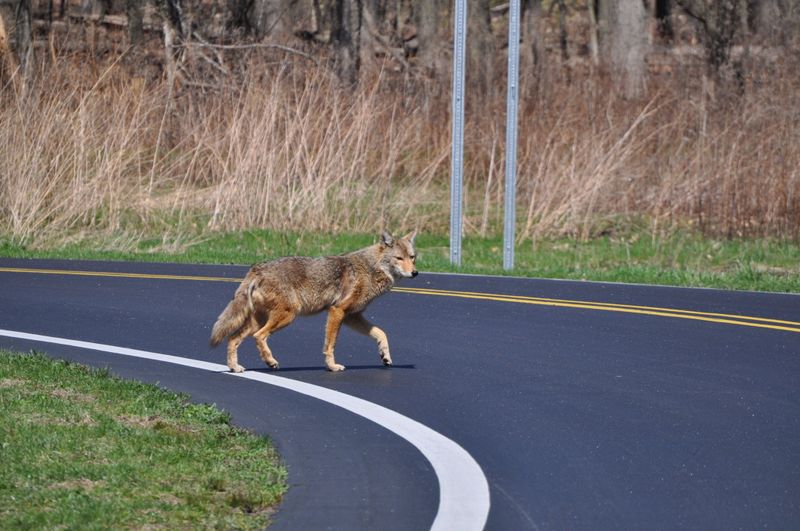
Picture the scene from the animal’s side. A coyote pinned against a fence, hedge, or creek has fewer choices.
Cornered wildlife acts defensively, even when it would rather leave quietly.
Scan quickly for where it can go. Then move yourself and your dog the opposite way, leaving that exit wide open.
Narrow trails, alleys, and fenced yards deserve extra thought. Widen the space before you do anything else.
Be Extra Careful Around Dens And Young Coyotes
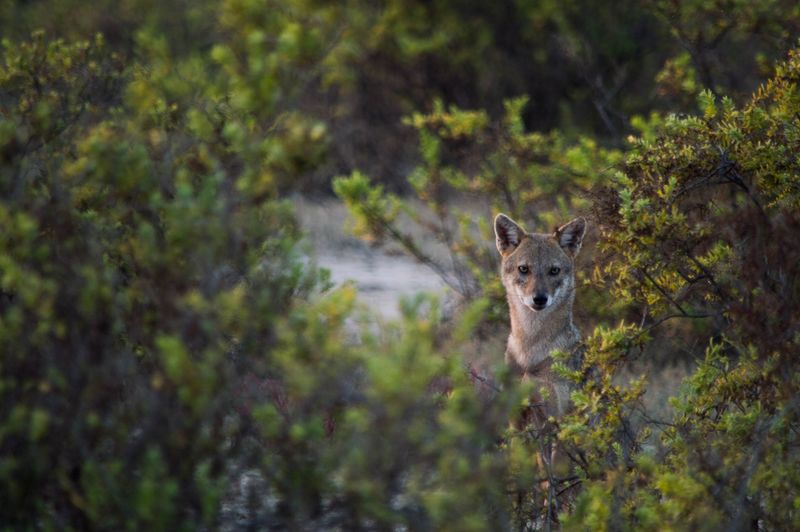
Spring shifts the picture. Adults raising pups tend to be far more protective of one patch of ground.
A coyote that keeps reappearing in the same spot, or seems reluctant to leave, may have a den nearby.
Escorting behavior, where it follows you at a distance, often means “please move along.”
Take the hint. Choose another route for a few weeks.
Pups grow up fast, and the area usually calms down.
Know When To End The Walk
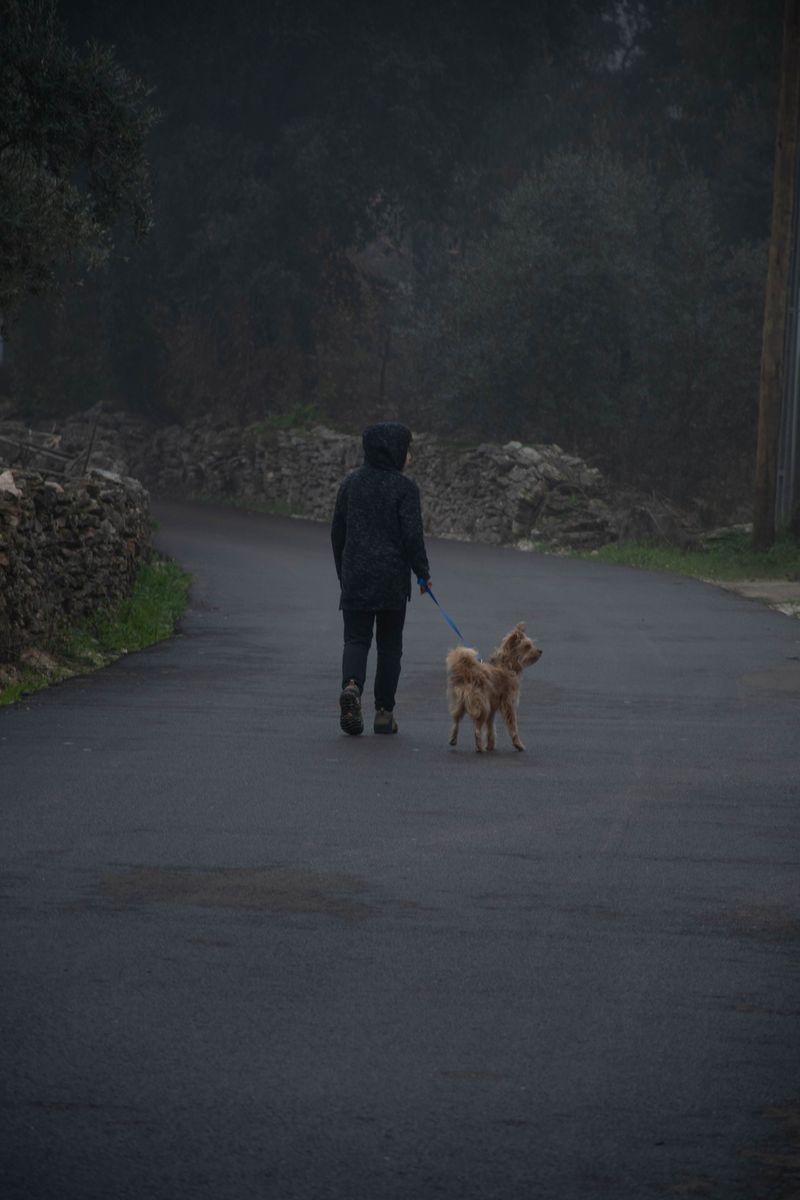
No prize exists for finishing the loop. Cutting a walk short is a perfectly good outcome.
If the animal stays visible, keeps pace with you, or reappears twice, head home.
Your dog will not hold a grudge over a shorter outing. A backyard potty break and an indoor puzzle toy cover the rest.
Trust that nudge in your gut. Walkers who leave early rarely regret it.
Carry A Light On Evening Walks
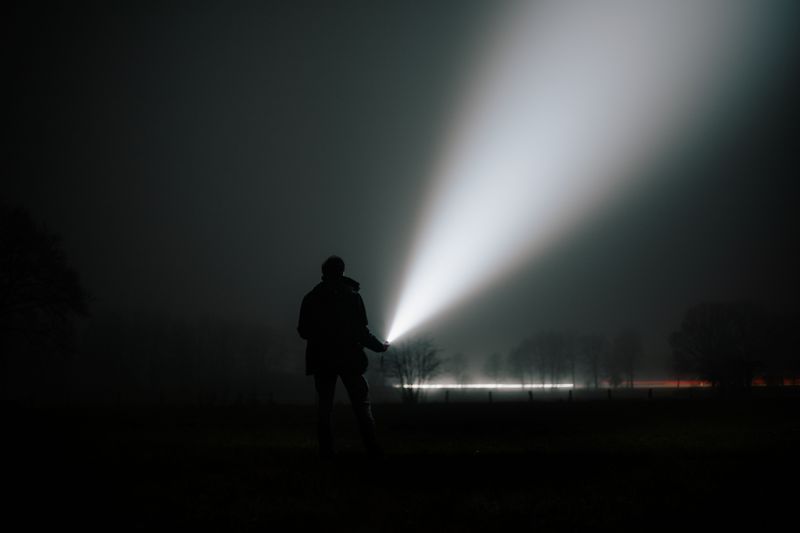
Dawn and dusk are prime coyote hours, which happens to match many people’s walking schedule.
A decent flashlight or headlamp buys you seconds of warning. Eyeshine at the tree line shows up long before a shape does.
Reflective collars, clip-on lights, and light-colored leashes help drivers and neighbors see you too.
Winter darkness arrives early in New Jersey. Keep a charged light by the door from November onward.
Keep Your Dog Close Near Wildlife Areas
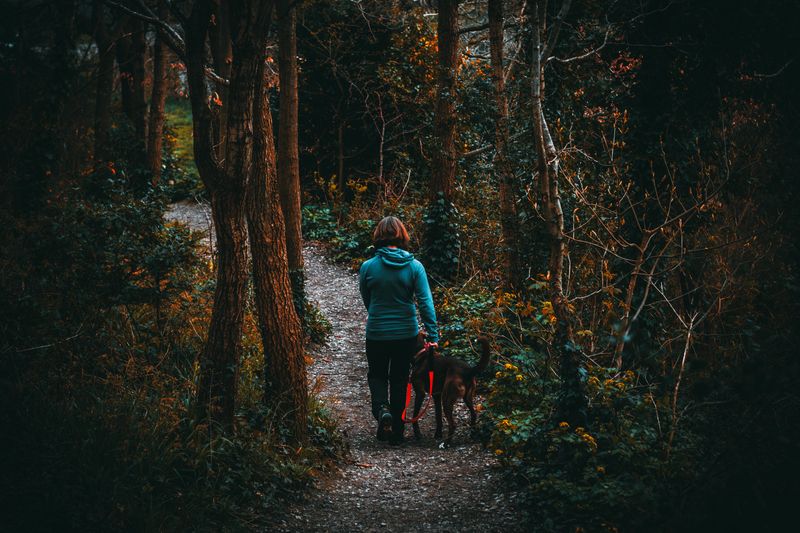
Edges matter most: where lawns meet woods, where trails border marshland, where a cul-de-sac backs up to preserved land.
Coyotes travel those seams because cover and food overlap there.
Shorten the leash before you reach the tree line, not after. Scan ahead rather than staring at your phone.
Many county parks require dogs on leash anyway, though rules vary by park. Signage at the trailhead is your best source.
Do Not Approach A Coyote For A Better Look
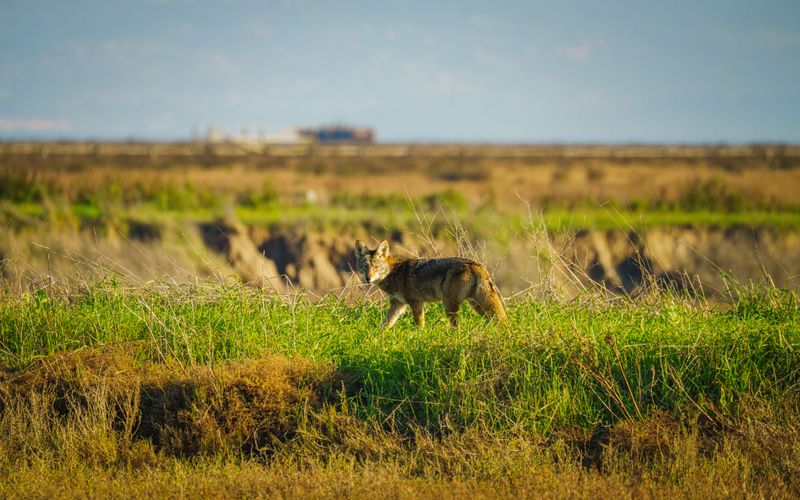
Curiosity is understandable. A coyote sitting quietly in a field looks almost like a stray dog.
Appearances mislead. Wild animals tolerate distance, not company, and a relaxed posture can change in a moment.
Skip the closer photo. Zoom in from where you stand, or simply enjoy the sighting and keep moving.
Kids and visiting relatives may not know this rule, so it is worth saying out loud before a group walk.
Watch For Unusual Coyote Behavior
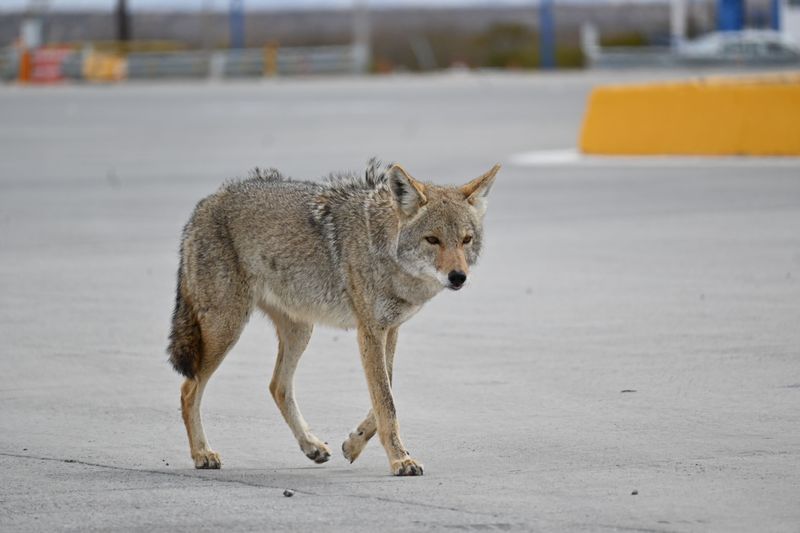
Ordinary coyote behavior looks like avoidance: a glance, then a trot into cover.
Pay closer attention when one approaches people directly, follows walkers for a stretch, or shows no reaction to shouting.
Daytime activity alone is not alarming, since coyotes do move around in daylight.
Persistent boldness is the real signal. Note the time, street, and what happened.
Details help local officials far more than a vague description.
Report A Coyote That Poses An Ongoing Threat
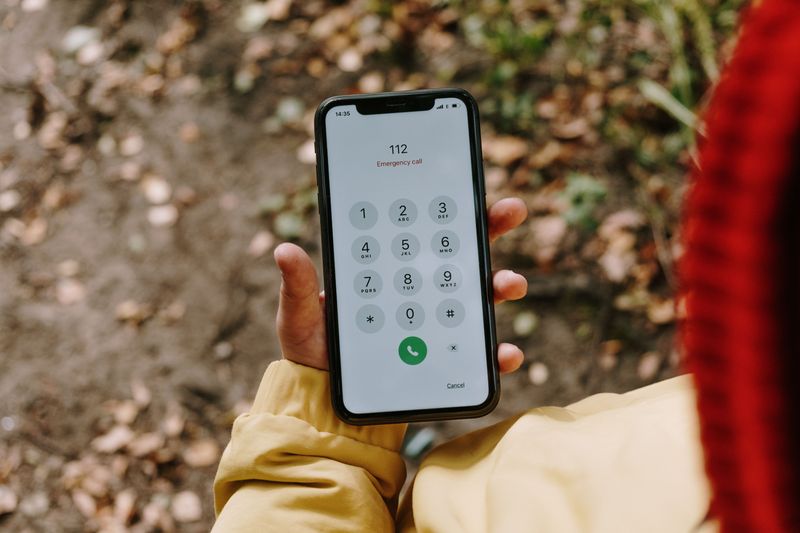
One sighting rarely needs a phone call. Coyotes pass through neighborhoods constantly without incident.
Repeated bold approaches are different. Contact your municipal police non-emergency line, local animal control, or the state Division of Fish and Wildlife.
Reporting procedures differ from town to town, so check your municipality’s website for the right contact.
Sharing what you saw helps officials spot patterns early, which benefits every dog owner on your block.
Check Your Surroundings Before The Next Walk
After the adrenaline fades, a little planning goes a long way.
Jot down where and when the encounter happened. Patterns show up quickly, often tied to a specific hour or corner.
Shift your route toward busier sidewalks, adjust your timing toward midday, and bring a light when evenings get dark.
Coyotes and dog owners share a lot of ground in New Jersey. Steady habits let both go about their day peacefully.