How To Keep Dogs Safe Around Livestock And Farm Equipment In Iowa
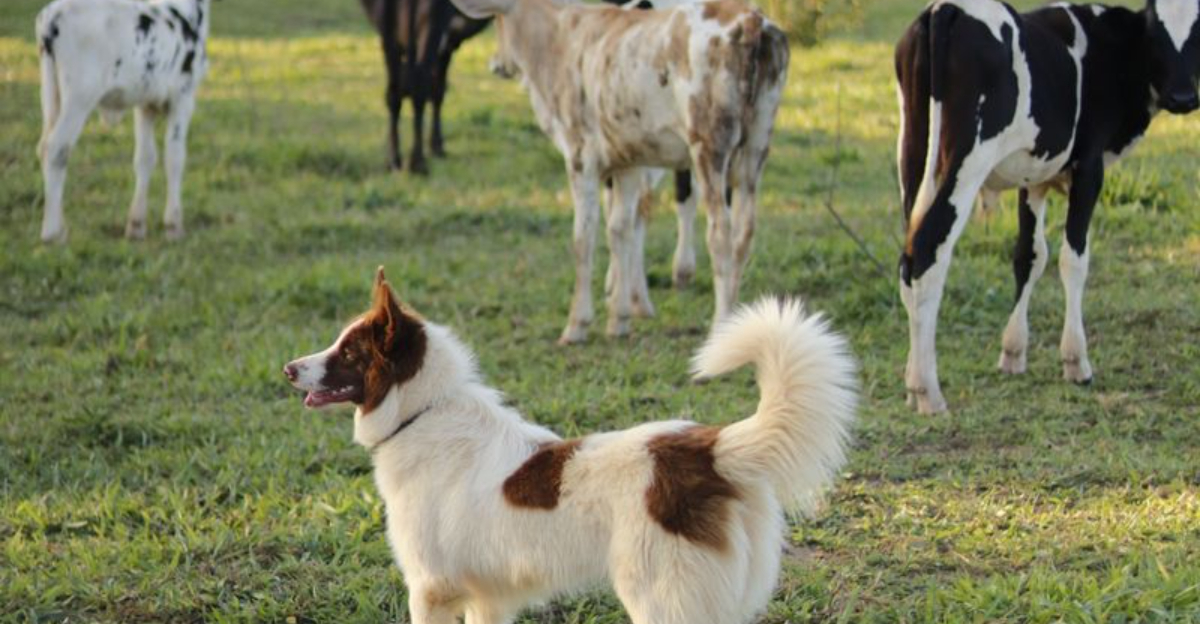
If you share your life with a dog in rural Iowa, chances are your days include cattle, hogs, gravel lanes, and the steady hum of machinery. Farm life offers dogs a wonderful amount of freedom, and most dogs thrive in it.
Still, a working farm holds a few risks that a town backyard simply does not.
The good news is that nearly every farm incident involving a dog is preventable with habits you can build in a single season. Iowa law also matters here.
What follows is a practical, farm-tested checklist. Think of it as advice from a neighbor who has walked the same lanes.
Read it once, apply a few points each week, and confirm any local rules with your county officials or veterinarian.
Leash First, Freedom Later for Dogs New to Stock
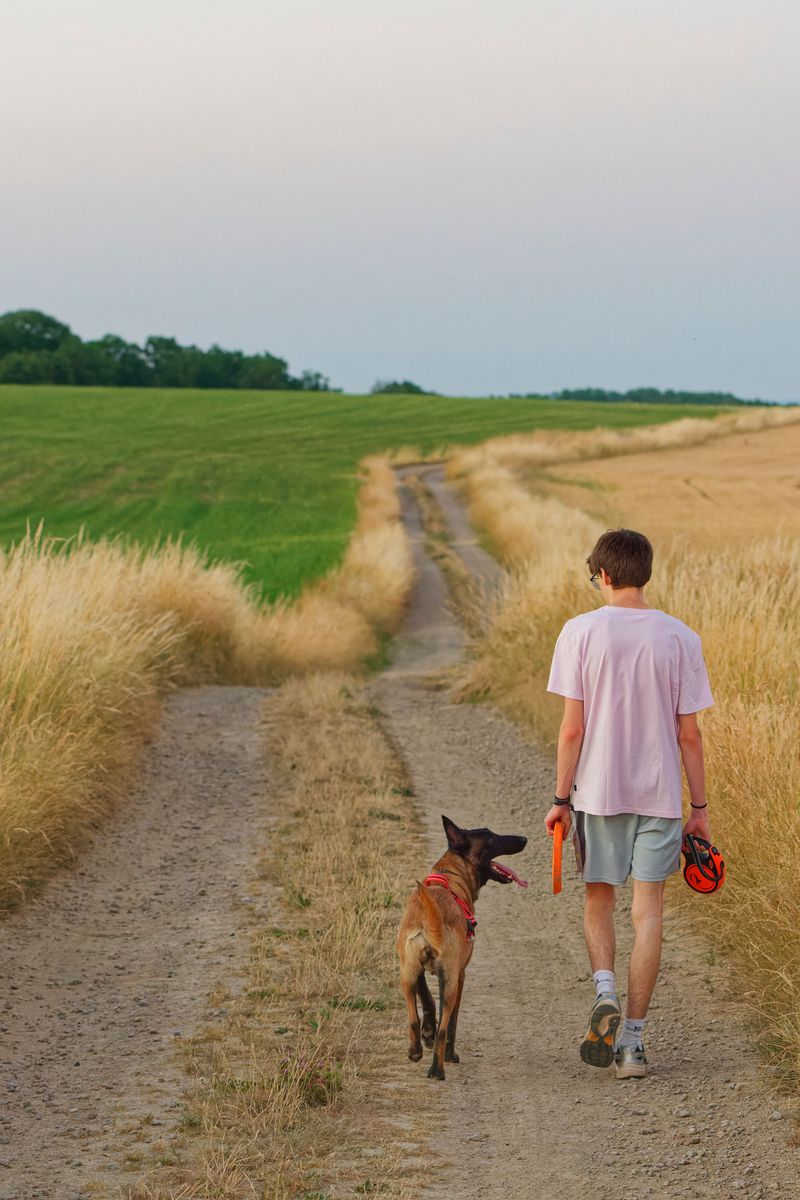
New dogs and young dogs read livestock as something exciting rather than something to respect. Until you know exactly how yours reacts, a short leash is your best tool.
Skip retractable or long lines near pens. They give away control at the moment you need it most.
Walk past animals calmly, reward quiet attention, and end the session early. Earned freedom always beats freedom handed out too soon.
Chasing Is Never Harmless Fun
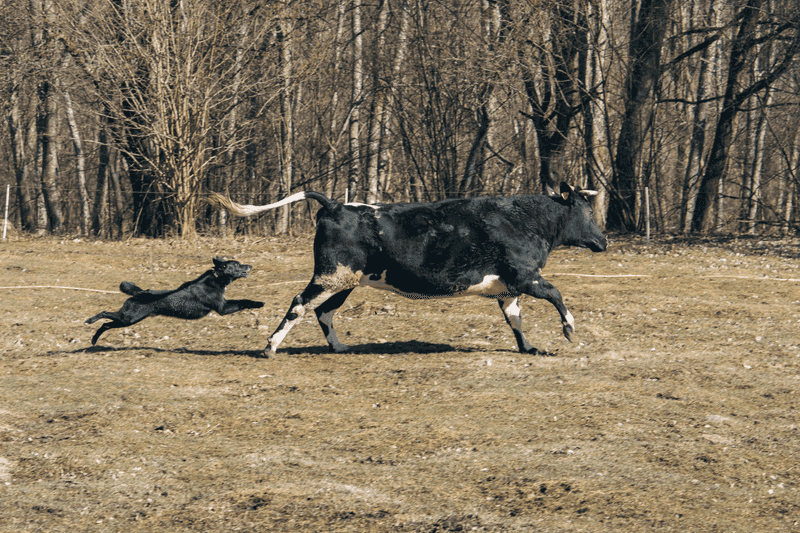
What looks like a game to a dog can injure livestock badly. Panicked animals run into fences, get trampled, or lose unborn young from stress.
Iowa law places responsibility squarely on the owner for damage a dog causes to domestic animals. A dog caught chasing stock may also face serious legal consequences under Iowa law.
So interrupt chase behavior the very first time it appears. Redirect, leash up, and treat it as a training priority, not a phase.
Mothers With Newborns Deserve Wide Berth
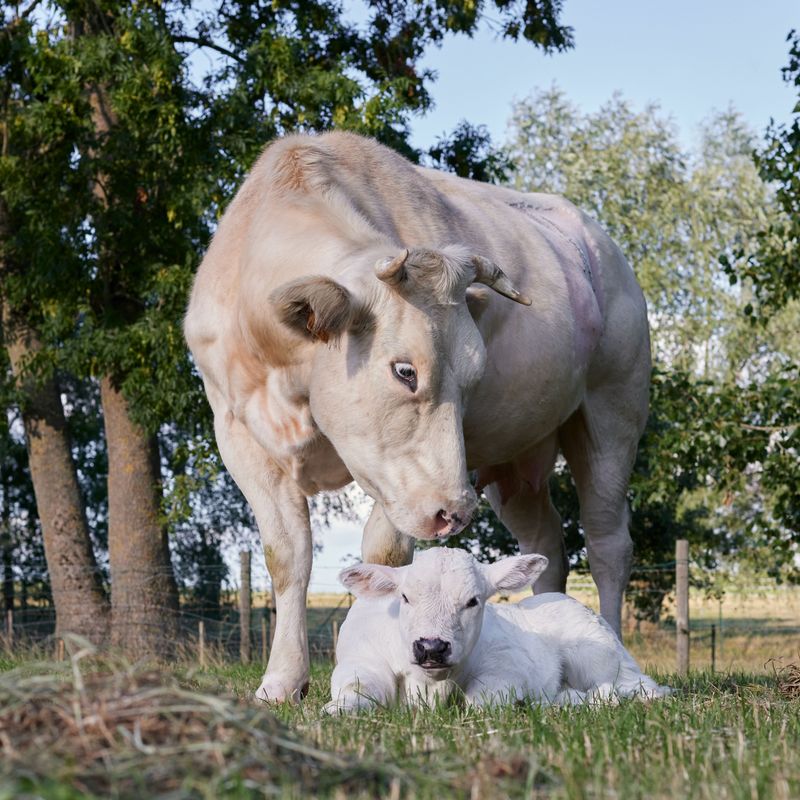
Spring calving and lambing season changes everything about pasture manners. A normally calm cow or ewe will confront anything that approaches her baby.
Never let your dog pass between a mother and her young. Take a longer route, even if it costs you five extra minutes.
Keep your dog leashed and quiet during birthing weeks. Extra distance protects your dog and keeps stress off the herd at a sensitive time.
Build a Recall That Works Even With Cattle in Sight
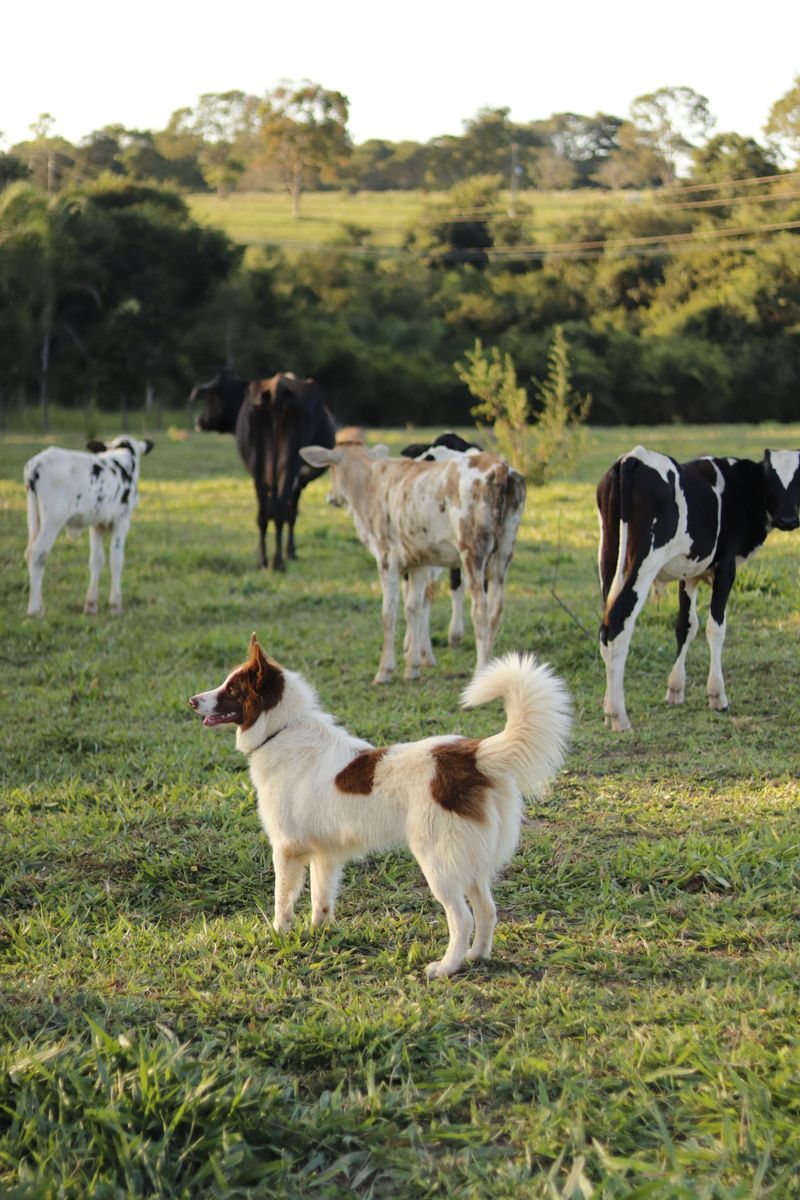
A dog that comes when called has a safety net no fence can match. Start recall practice in a quiet yard, then slowly add distractions like distant cattle.
Reward generously every single time, using treats your dog truly loves. Pair recall with a solid leave-it cue so your dog can turn away from tempting smells.
Practice a few short sessions daily rather than one long one. Consistency, not volume, builds a response you can trust near livestock.
Always Leave an Open Way Out
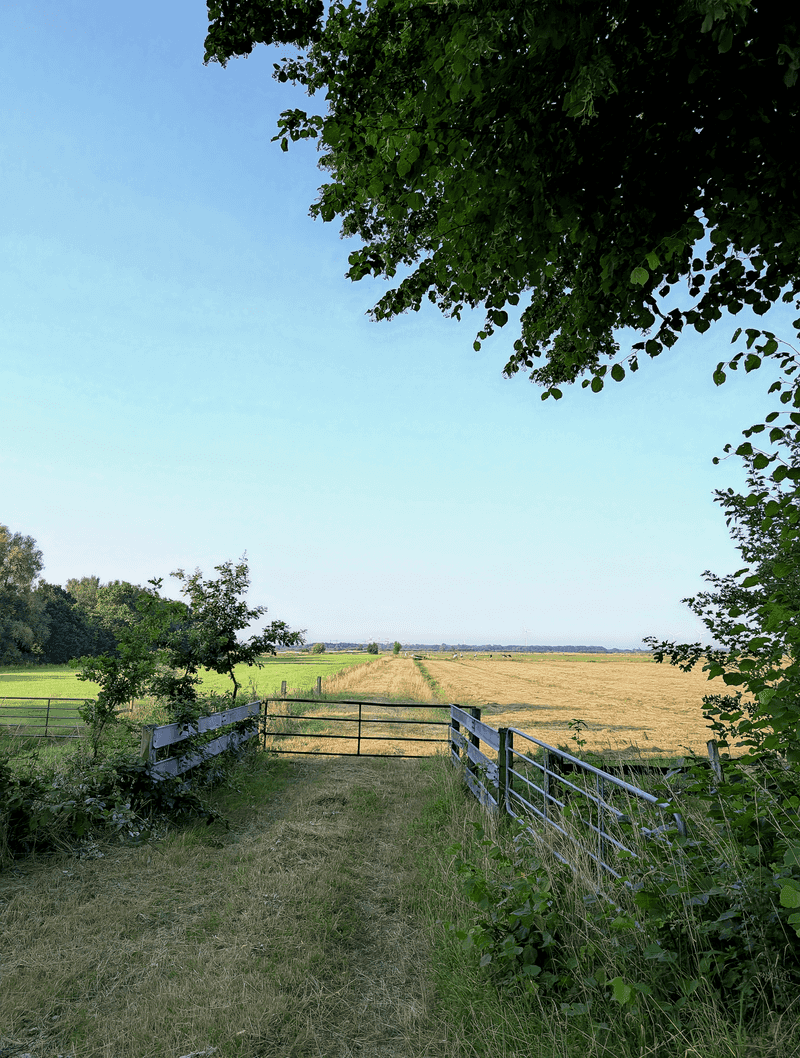
Cornered dogs panic, and panicked dogs make poor choices. Plan your route so there is always a gap, gate, or open field edge nearby.
If cattle approach at speed, drop the leash. Your dog can outrun cattle easily, while you likely cannot.
Stay calm, walk steadily away, and avoid shouting or running. Curious cattle usually lose interest once the pressure disappears and everyone has room to move.
Handling Alleys and Chutes Are No Place for Paws
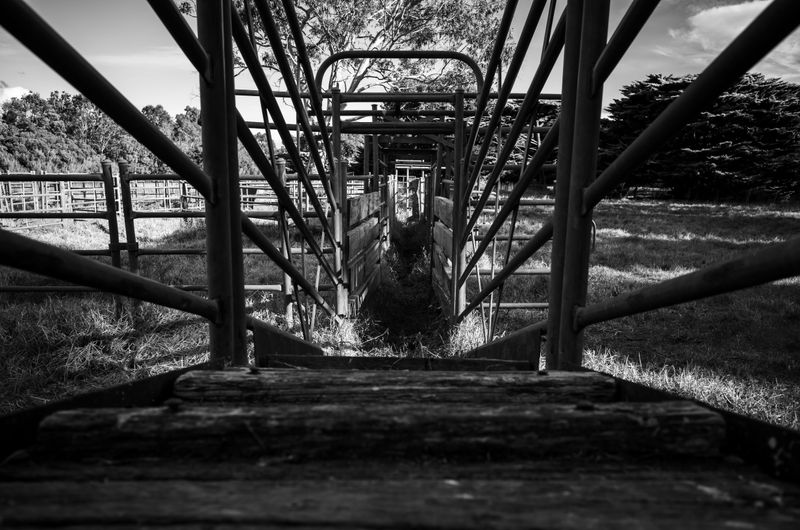
Sorting alleys, chutes, and loading areas concentrate weight, noise, and swinging gates. A dog underfoot there has almost nowhere to go.
Crowded pens are just as risky, since animals push together without watching where they step.
Kennel your dog or shut it in the house before working stock. Even a well-trained dog can be crushed against a rail or pinched in a latching gate.
Kennel Up When the Tractor Starts Rolling
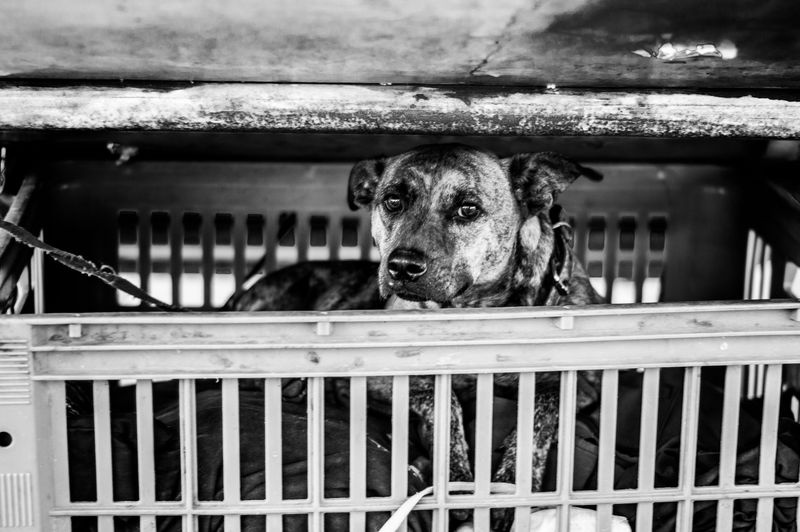
Big equipment has enormous blind spots and very poor stopping distance. Dogs that chase tires or dart across lanes take terrible chances.
Before field work begins, put your dog in a kennel, fenced yard, or closed building. Tell everyone helping where the dog is.
Many farm families make it a rule: engine on means dog secured. Simple routines like that remove guesswork during long, busy harvest days.
PTO Shafts Demand Absolute Distance
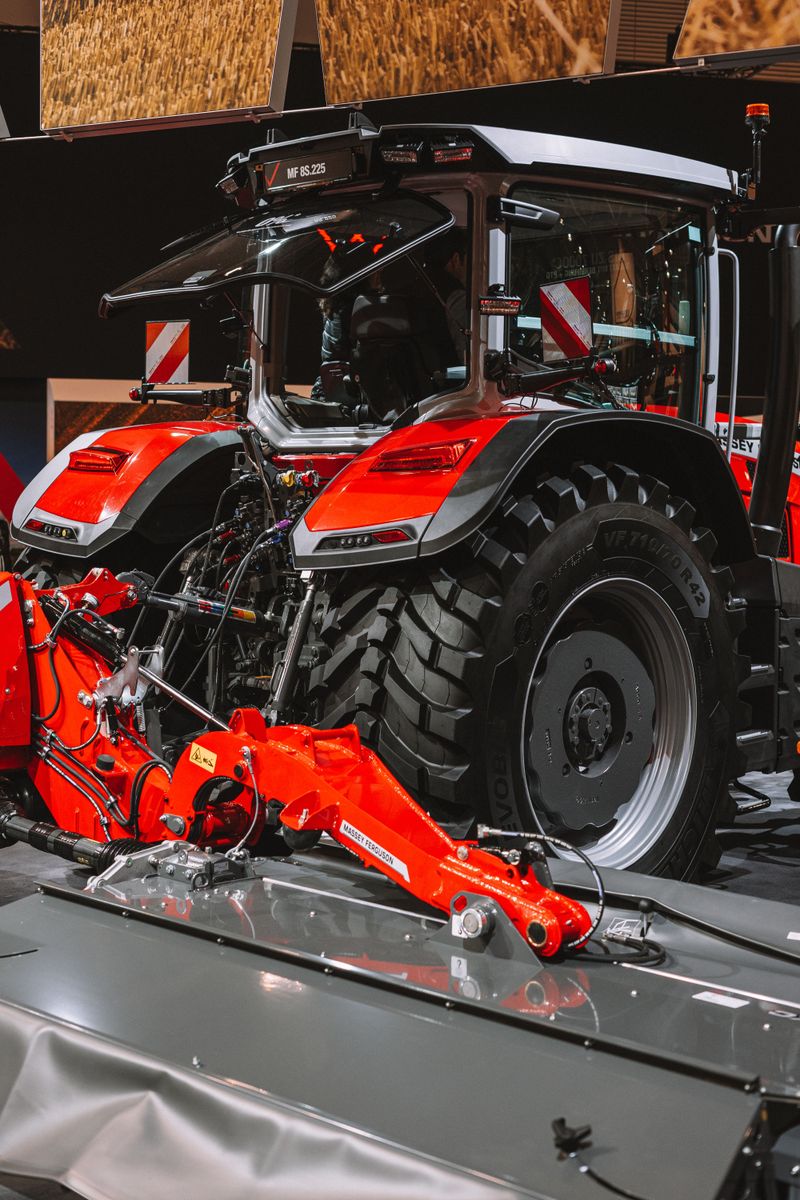
Few farm hazards act faster than a spinning power take-off shaft. It grabs hair, collars, leashes, and clothing in an instant.
Keep shields in place and in good condition. A missing guard turns a routine job into a serious hazard for people and pets alike.
Never let your dog wander near operating PTO equipment, not even briefly. Distance is the only reliable protection with machinery that turns this quickly.
Augers, Belts, and Conveyors Stay Dog-Free
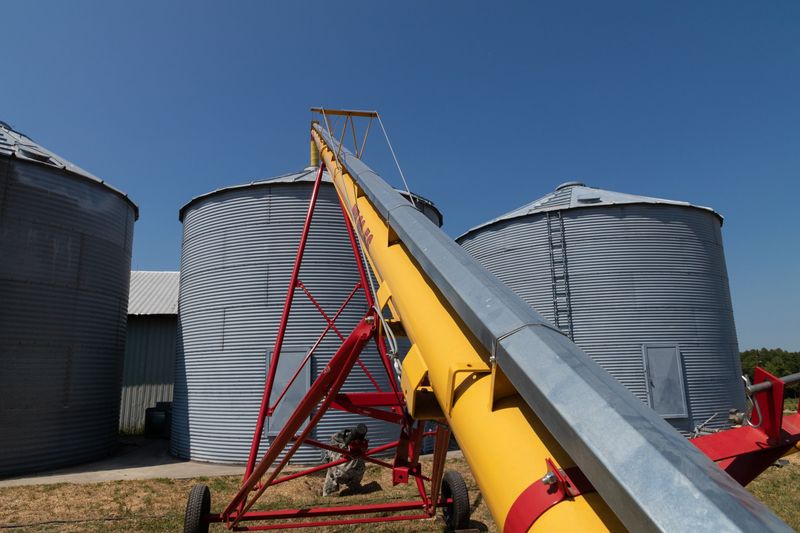
Moving belts and turning augers pull in anything that touches them. A tail, paw, or leash can be caught before you finish a sentence.
Exposed drive chains and open gearboxes carry the same danger.
Make these zones permanently off-limits. Use a closed door, gate, or kennel rather than depending on your dog to remember the rule while distracted by activity and noise.
Power Down Before the Dog Comes In
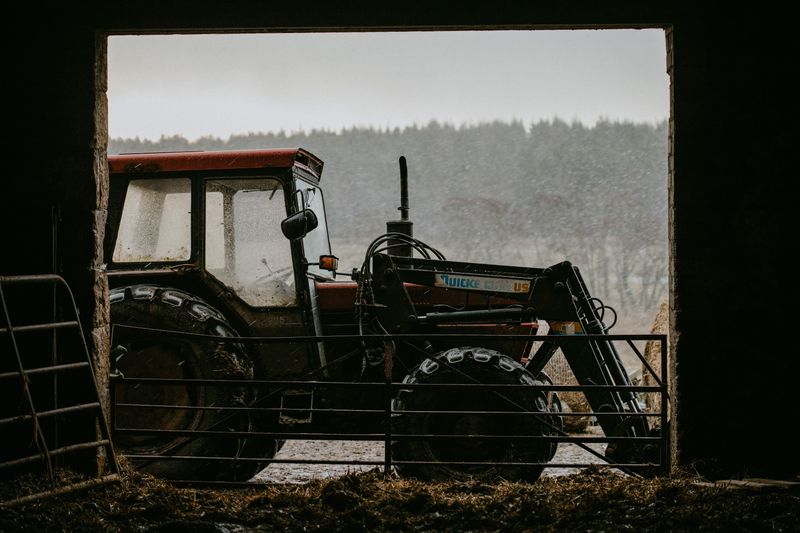
Shutting off is not the same as securing. Stored energy, hydraulic pressure, and hot components can still cause harm after the engine quits.
Lower raised implements, remove keys, and let parts coast fully to a stop.
Only then invite your dog into the work area. Building that habit protects everyone, because equipment does not need to be running to become dangerous to a curious nose.
Grain Bins Are Strictly Out of Bounds
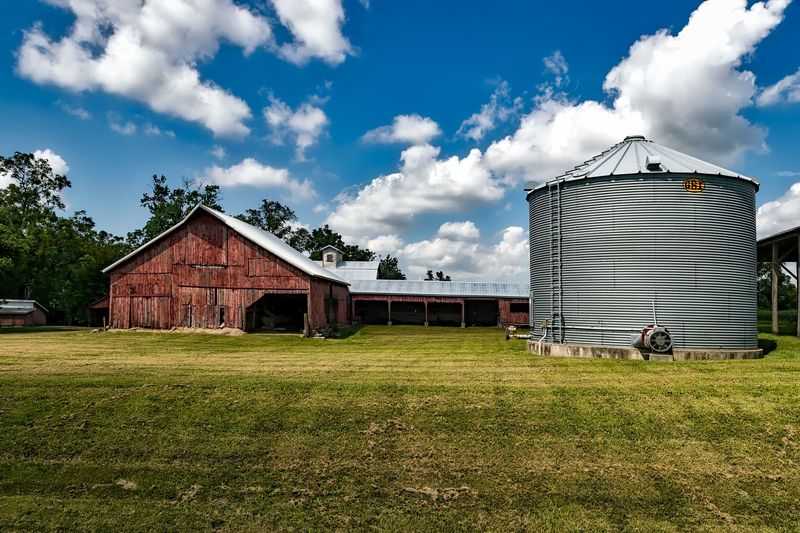
Flowing grain behaves like quicksand and can bury an animal quickly. Bins also hold sweeps, augers, and unloading equipment that move without warning.
Keep bin doors latched and access ladders blocked when possible.
Spilled corn near a bin also tempts dogs to snack, and moldy grain can make them sick. Sweep spills up and keep the whole area a no-dog zone.
Manure Pits and Pump Rooms Need Locked Doors
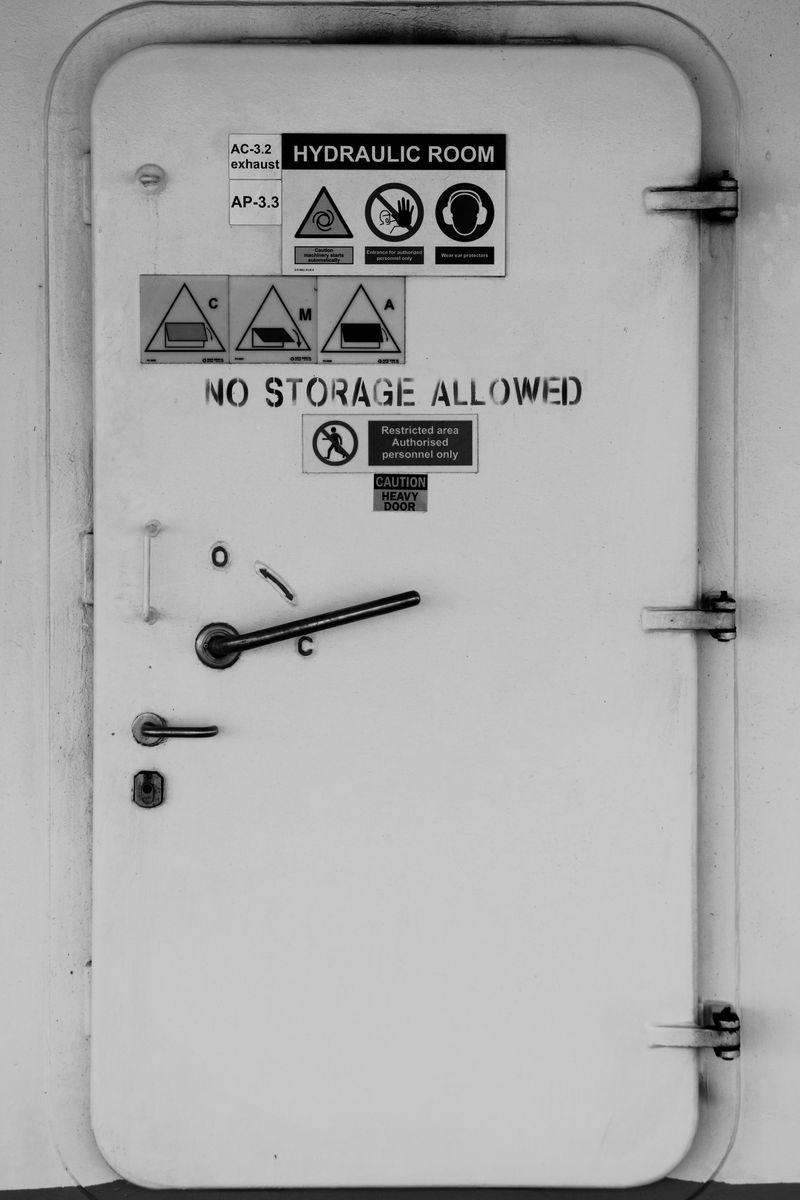
Gases from manure storage, including hydrogen sulfide, can harm animals fast in enclosed spaces. Agitation raises the risk sharply.
Deep pits and open tanks also present a drowning hazard for a dog that slips in.
Keep covers secured, doors latched, and ventilation working. During pumping days, keep your dog indoors or kenneled well away from the building and downwind areas.
Lock Chemicals Up High and Out of Sight
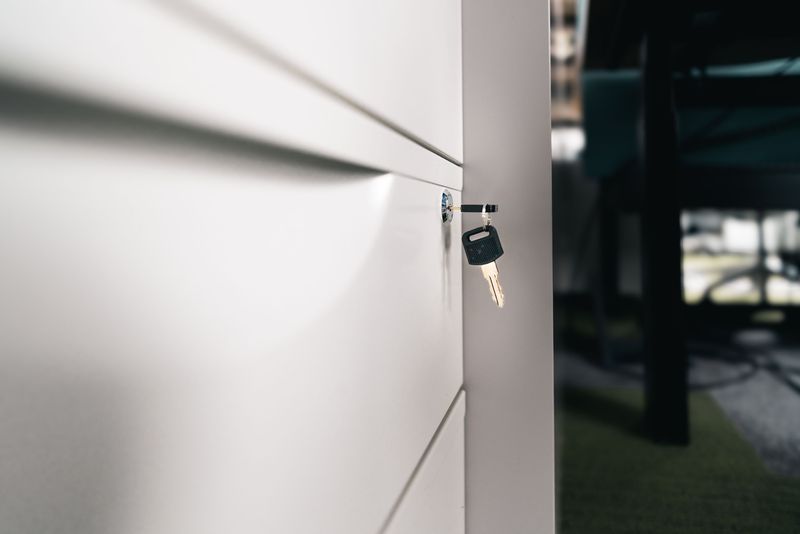
Herbicides, insecticides, rodent bait, and antifreeze rank among the most common poisoning sources on farms. Some taste sweet to dogs.
Store everything in a locked cabinet or dedicated chemical room, never in open buckets or unmarked jugs.
Clean spills right away and rinse equipment where dogs cannot drink the runoff. Keep your veterinarian’s number and a poison hotline posted somewhere easy to find.
Fresh Water Beats Whatever the Field Offers
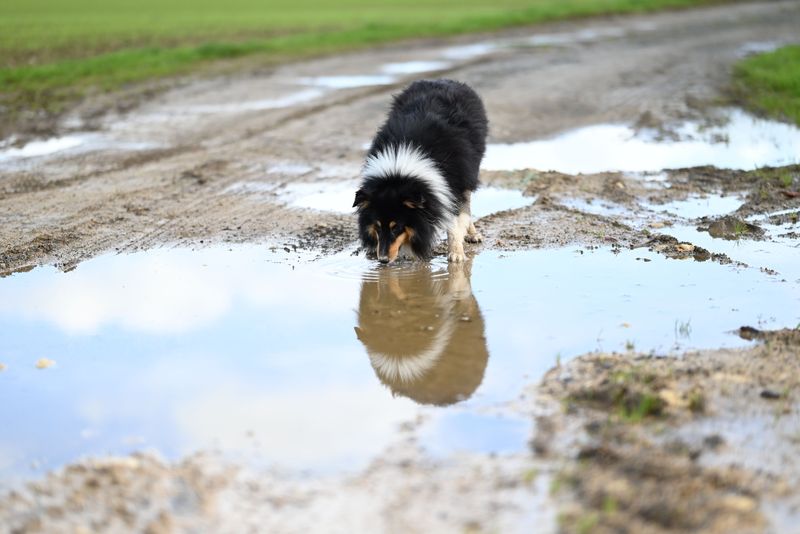
Puddles, ponds, and lot runoff can carry bacteria, parasites, and chemical residue. Blue-green algae in warm, still water is another summer concern.
Set out clean water in several spots so your dog never needs to drink from a tire track or trough.
Scrub bowls often, especially in hot weather. If your dog drinks questionable water and later seems unwell, call your veterinarian promptly.
Steer Clear of Sick or Deceased Animals
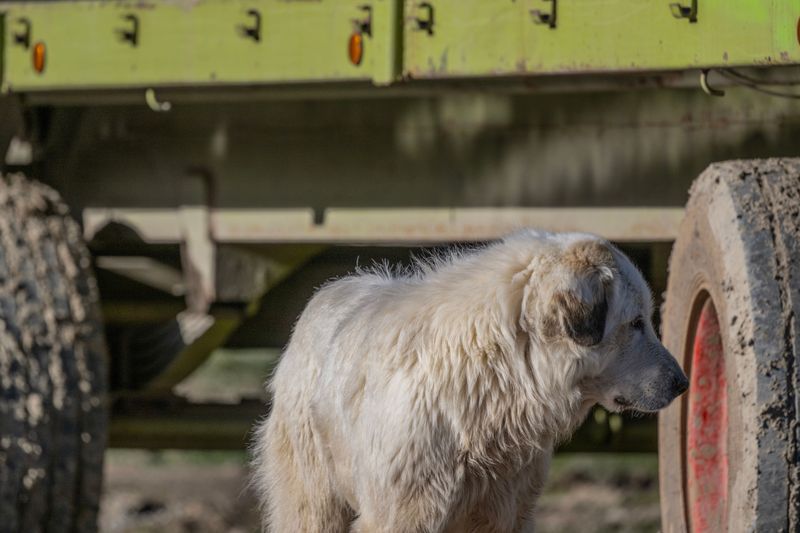
Illness on the farm can move between species, and some diseases reach people too. Animal remains can strongly attract dogs, which makes prevention important.
Handle animal losses promptly using approved disposal methods, and keep your dog kenneled while you work.
Wash your hands and change boots afterward. Ask your veterinarian about vaccines and parasite prevention suited to dogs living around cattle, hogs, or poultry.
Acres Alone Will Not Keep a Dog Home
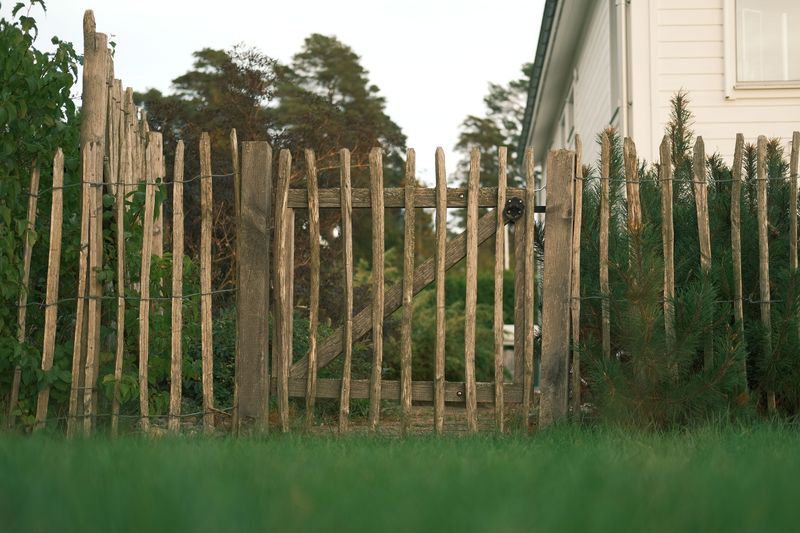
Wide open ground feels safe, yet most livestock trouble starts with a dog that wandered. Roads and neighboring herds are closer than they seem.
Build a real barrier: four to five feet tall, no gaps at the bottom, latches that self-close.
Electronic containment can add a layer, but should not replace physical fence. Walk the perimeter monthly and repair small holes before they become escape routes.
Bright Colors Help Operators Spot Your Dog
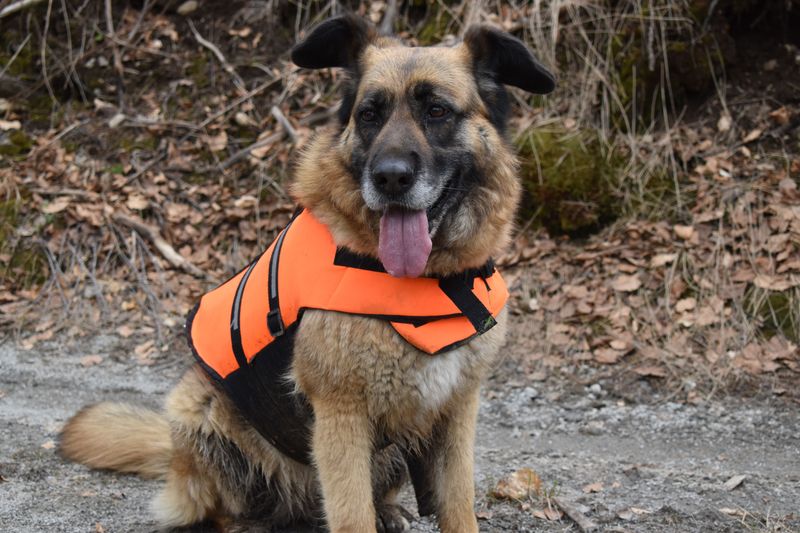
Dust, tall corn, and low light hide dogs surprisingly well. A blaze orange vest or reflective collar changes that in a hurry.
Add a light-up collar tag for chores after sundown, when most equipment moves in the yard.
Visibility helps hunters and neighbors too during fall seasons. Pair bright gear with current ID tags and a registered microchip so a wandering dog gets home quickly.
Find the Dog Before You Turn the Key
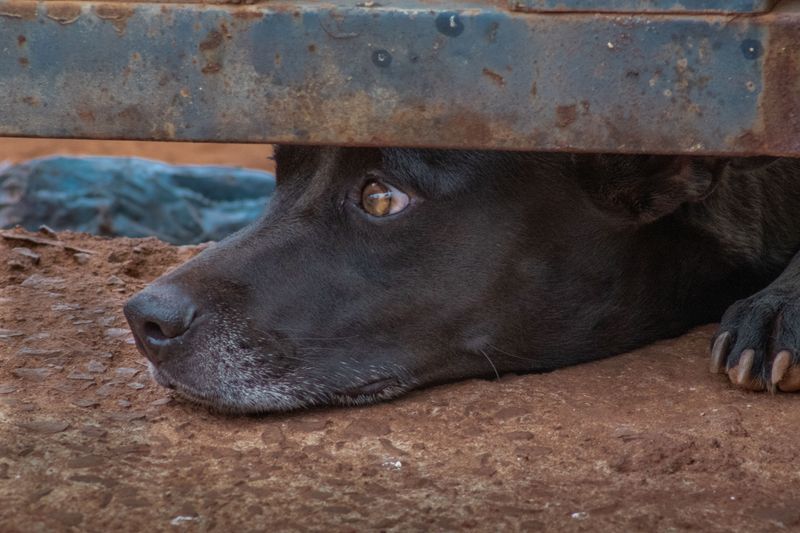
Shade under a combine or wheel well feels wonderful to a napping dog. Operators rarely see them from the cab.
Make a walk-around part of every startup: check under, behind, and between equipment, then confirm the dog’s location out loud.
Farm families who repeat that habit catch problems early. Take three seconds, look twice, and your dog stays out of harm’s way all season.