What Georgia Dog Owners Should Know About Snakes, Ticks, And Wildlife Around Trails And Yards
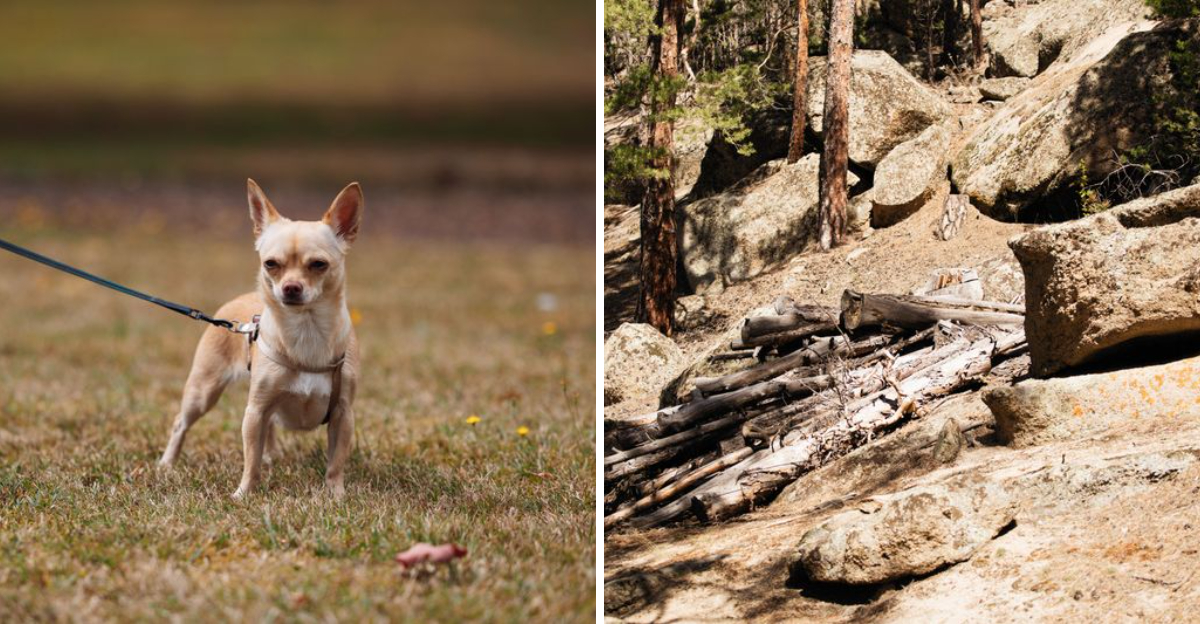
Walking a dog in Georgia means sharing space with copperheads, Lone Star ticks, coyotes, and the occasional alligator near the water. None of that should keep you indoors.
A little local knowledge goes a long way, and most encounters end quietly when you know what to watch for. Consider this a friendly rundown from one Georgia dog owner to another, covering trails, backyards, and everything in between, so you can hike and play with confidence.
1. Leash Up Before You Hit Wooded Trails
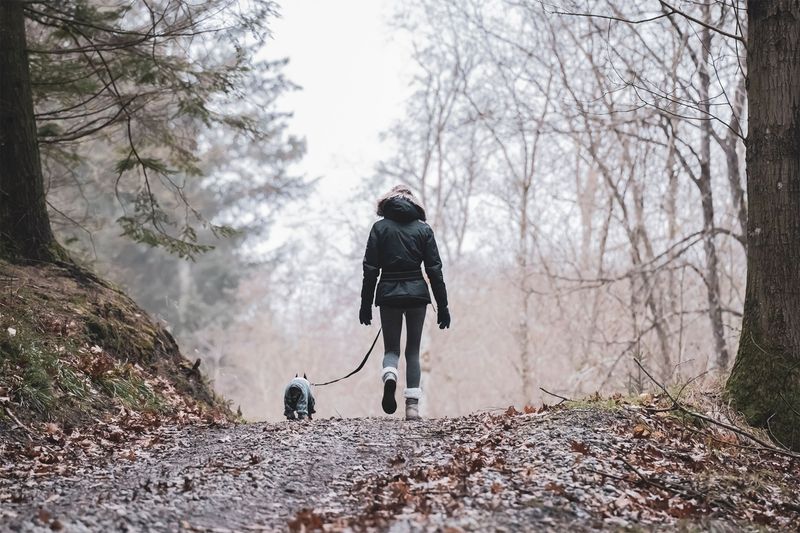
A six-foot leash is the single easiest safety tool you own. Georgia State Parks welcome leashed dogs on most trails, and typically ask for a maximum six-foot lead.
Brushy edges hide snakes, holes, and startled wildlife. A leash keeps your dog out of all three.
It also keeps the peace with other hikers and their dogs. Simple, courteous, and effective.
2. Georgia Is Home To Seven Native Venomous Snakes
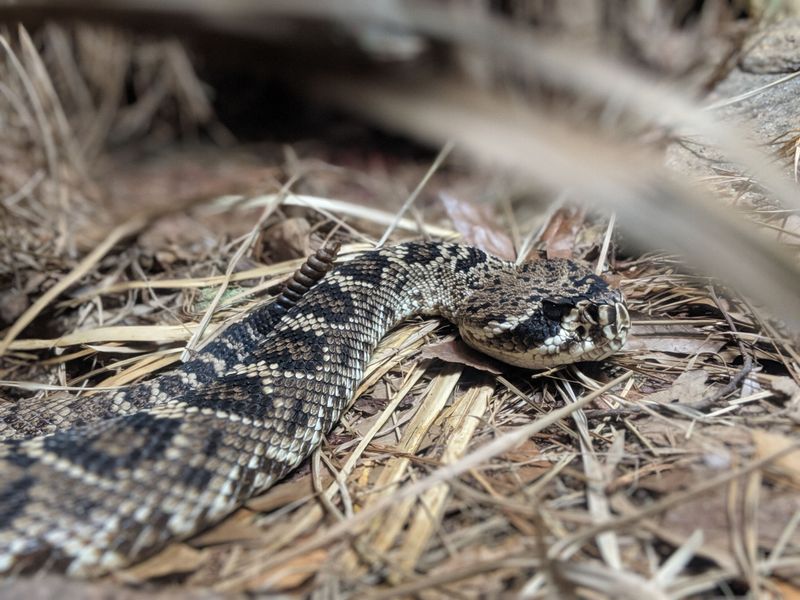
Seven native venomous species live in the state: copperhead, northern cottonmouth, Florida cottonmouth, eastern coral snake, eastern diamond-backed rattlesnake, pigmy rattlesnake, and timber rattlesnake.
Most Georgia snakes are harmless and helpful, eating rodents and insects. Learning the venomous seven helps you react calmly rather than guess.
Habitat matters too. Water lovers, mountain dwellers, and coastal species all differ, so know your region.
3. Copperheads Turn Up In Ordinary Suburban Yards
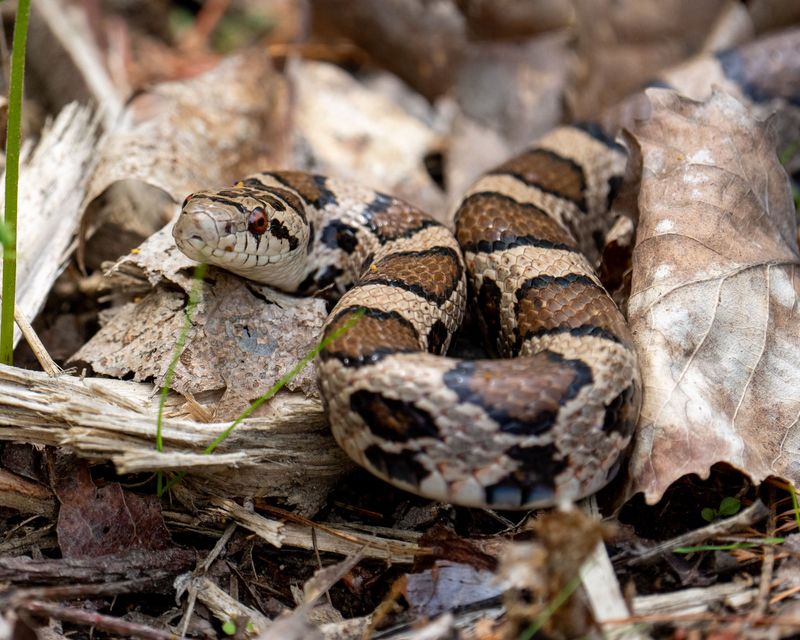
Suburban Atlanta neighborhoods see copperheads regularly, and that surprises many new residents. Leaf litter, mulch beds, and shrub borders suit them perfectly.
Their tan and copper banding blends into fallen leaves beautifully, which is exactly why dogs sometimes miss them.
Walk your yard before letting your dog out, especially in warm months. A quick scan of mulch beds and edges helps.
4. Brush Piles, Rock Stacks, And Logs Deserve A Wide Berth
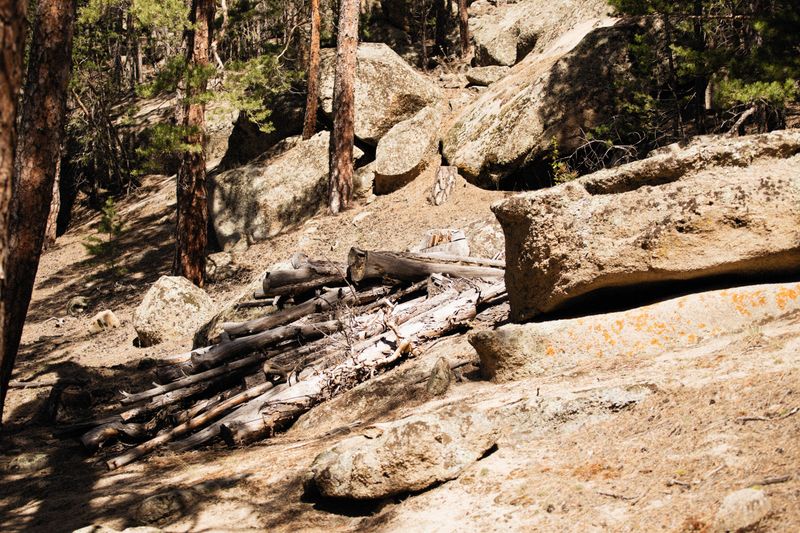
Snakes love cover, and clutter provides plenty. Brush piles, stacked rocks, rotting logs, and dense ground cover all make comfortable hiding spots.
Steer your dog around these features rather than letting curious noses dig in. On trails, that means staying centered on the path.
Firewood belongs on a rack, roughly twelve inches up and well away from the house.
5. Never Let A Dog Corner Or Sniff A Snake
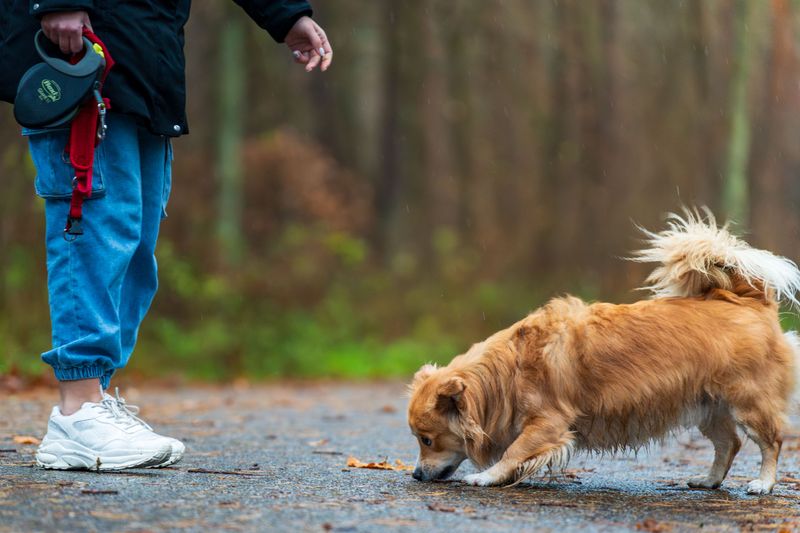
Dogs investigate with their faces, which is exactly the problem. Snakes strike when they feel trapped or provoked.
Cottonmouths in particular tend to hold their ground instead of slipping away. Cornering one is a poor gamble.
If you spot a snake, shorten the leash and back away calmly. No shouting, no throwing objects, no attempts to move it yourself.
6. Make Your Yard Less Appealing To Snakes
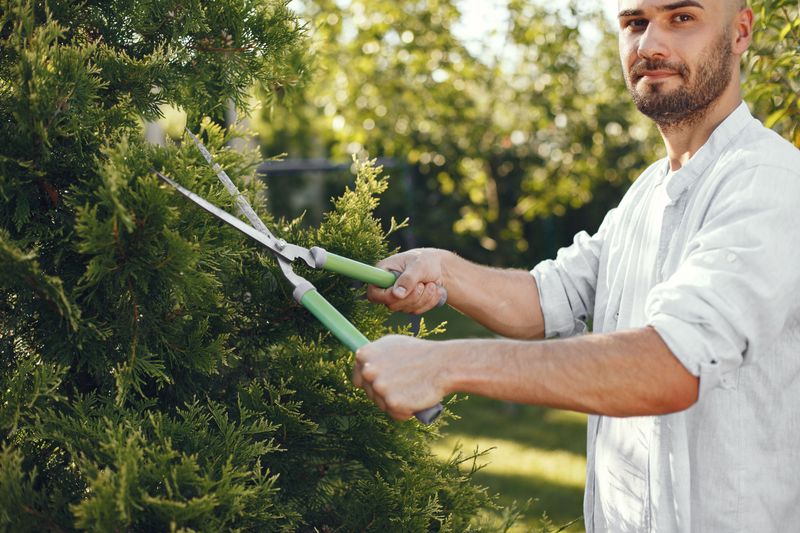
Snakes follow food and shelter. Cut back tall grass, trim shrubs, and clear debris piles to remove hiding places.
Rodent control matters just as much, since mice draw snakes in. Picking up dog waste promptly reduces rodent traffic too.
Fix dripping faucets and drain standing water. Damp corners attract frogs and insects, which attract hungry visitors.
7. A Suspected Venomous Bite Means Vet Care Right Away
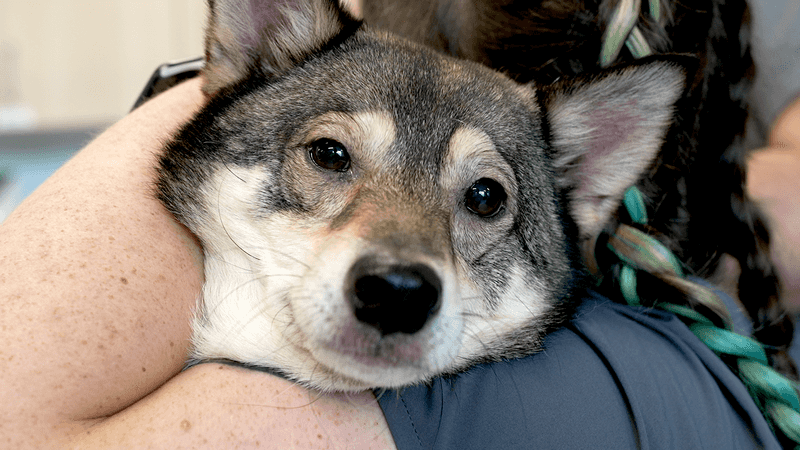
Time is the priority here. If you suspect a venomous bite, head to a veterinarian or emergency clinic immediately.
Swelling near the bite site usually appears very quickly, often on the face or a front leg.
Skip the folk remedies. Do not cut the wound, attempt to draw out venom, or apply a tourniquet.
Keep your dog calm and carried if possible.
8. Tick Season Never Really Ends Here
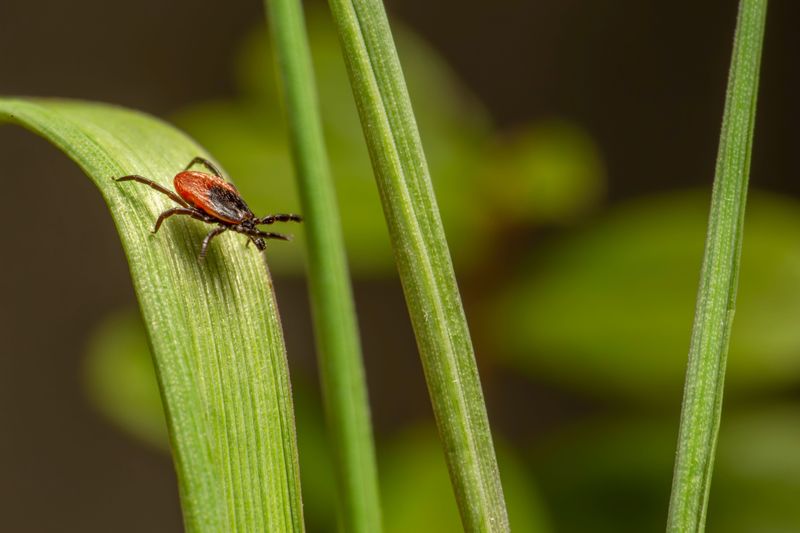
Mild Georgia winters mean ticks stay in business twelve months a year. Warm January afternoons can bring them out in force.
Black-legged ticks are notably active during cooler stretches, so a winter break in prevention leaves a real gap.
Treat tick protection like heartworm prevention: a year-round routine, not a summer-only habit.
9. The Lone Star Tick Dominates Georgia Landscapes
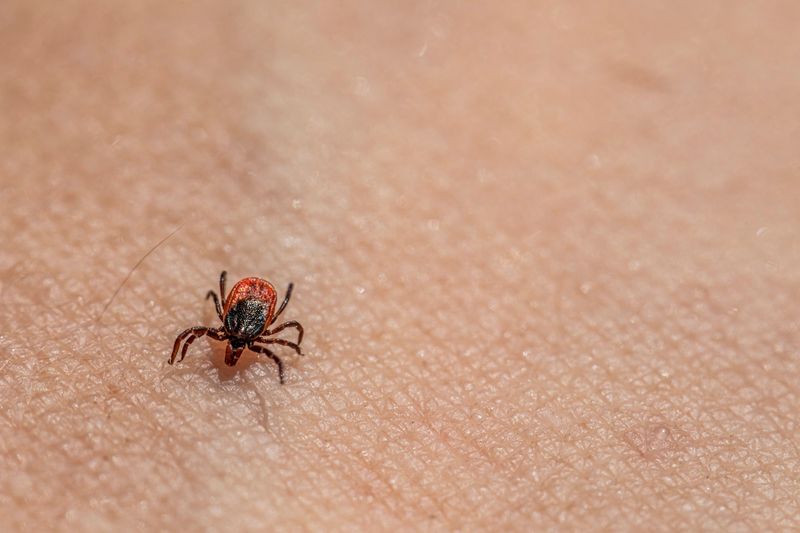
Recognizable by a single pale dot on the female’s back, the Lone Star tick is the state’s most common species.
It thrives in wooded edges, tall grass, and shaded undergrowth, exactly where dogs love to explore.
Knowing the local frontrunner helps you focus your checks. Ask your veterinarian which regional tick-borne illnesses matter most for your county.
10. Consistency Beats Any Single Tick Product
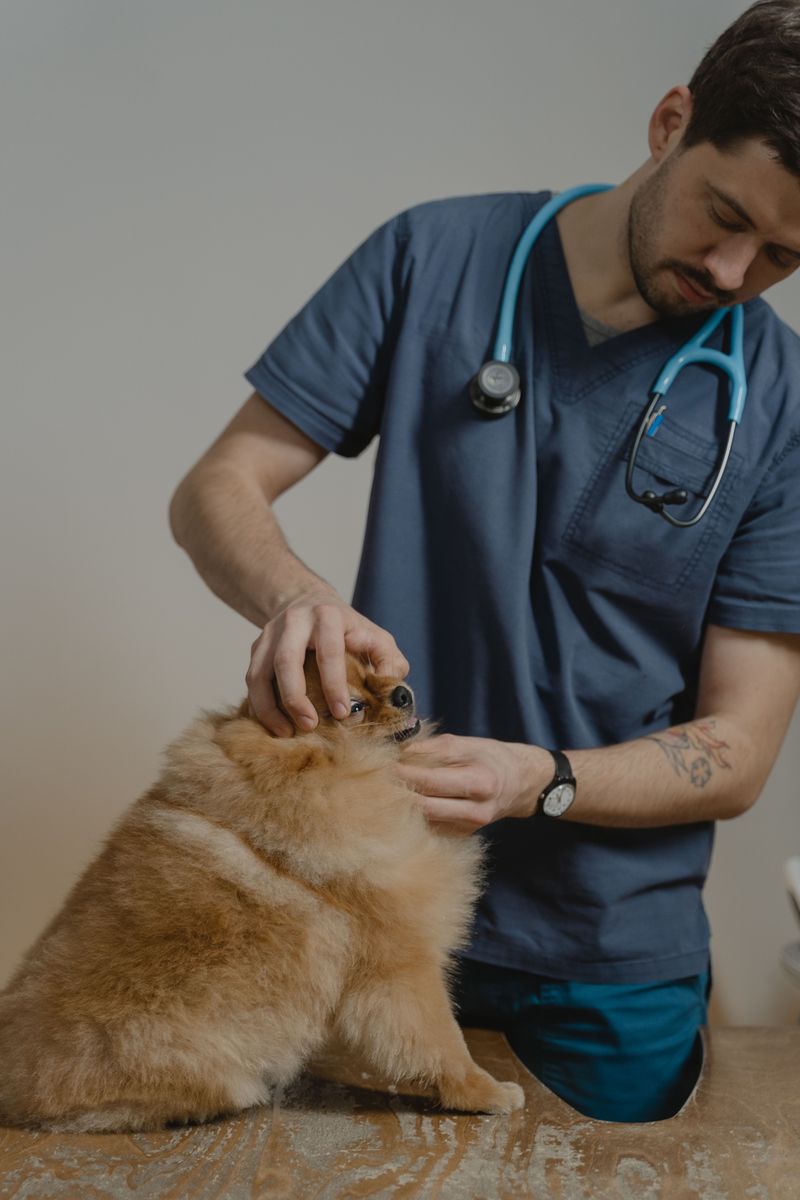
Topicals, chewables, and medicated collars all work, but only while they are current. A lapsed dose is an open door.
Set a phone reminder on the same date each month. Refill before the last dose runs out.
Your veterinarian can match a product to your dog’s age, weight, coat, and lifestyle. Trail dogs and yard dogs have different needs.
11. Run A Tick Check After Every Outing
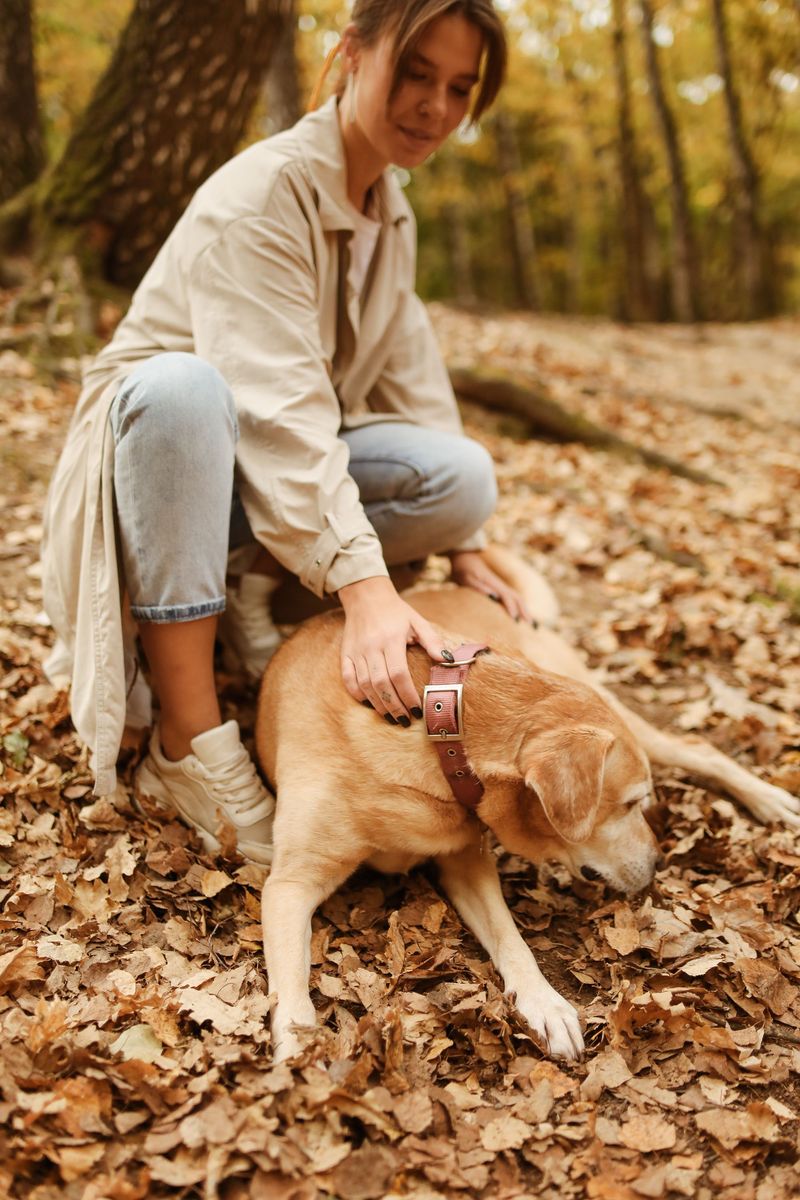
Build the habit at the door: trails, woods, tall grass, even routine backyard time all warrant a check.
Slowly run your hands over your dog’s whole body, feeling for tiny bumps. Part the fur wherever something feels off.
A fine-toothed comb helps enormously on thick or double coats. Five minutes now saves worry later.
12. Ears, Collar Line, Toes, And Tail Hide The Most Ticks
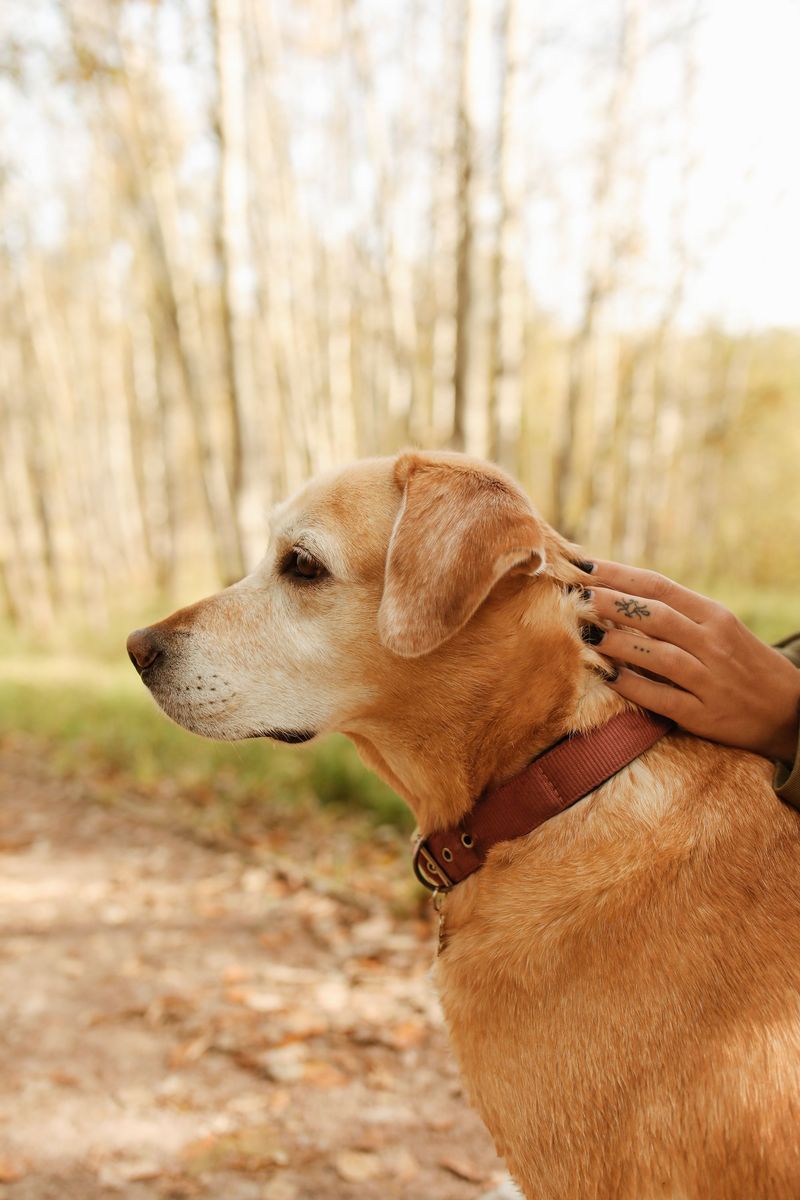
Ticks prefer warm, sheltered spots. Check inside and behind the ears, under the collar, and between the toes.
Also inspect the armpits, groin, chin, neck, and the area beneath the tail. Those folds are easy to skip.
Good lighting makes a real difference. A headlamp or bright lamp turns guesswork into a proper inspection.
13. Removing A Tick Correctly Takes Steady Hands
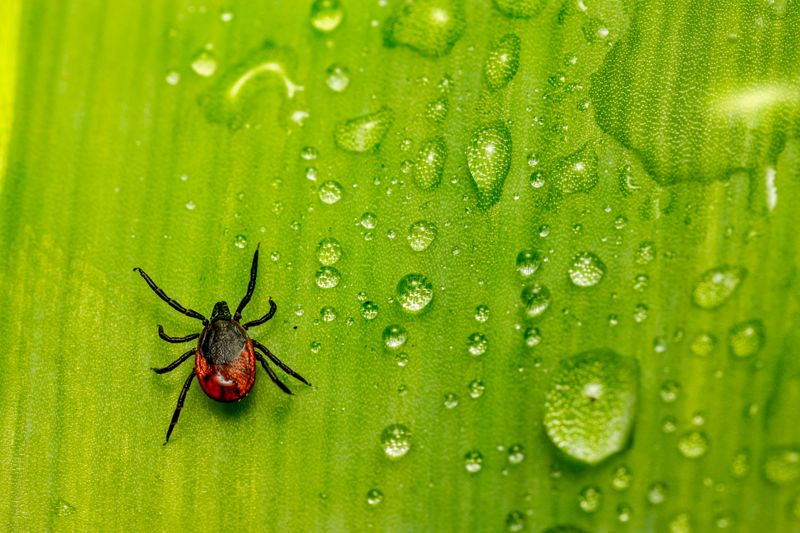
Grip the tick as close to the skin as you can, using fine-tipped tweezers or a tick removal tool.
Pull slowly and steadily in one straight line. No twisting, jerking, or squeezing the body, since pressure can push saliva into the skin.
Disinfect the spot afterward. If mouthparts stay behind, let your veterinarian handle it.
14. Short Grass And Cleared Leaves Shrink Tick Territory
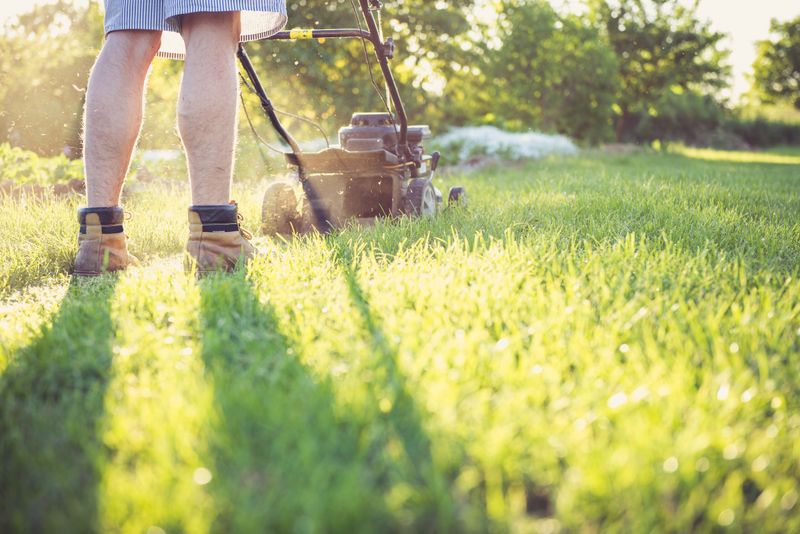
Ticks wait in tall grass, overgrown shrubs, and damp leaf litter. Regular mowing removes their favorite perches.
Rake leaves, trim back hedges, and clear brush along fence lines where your dog patrols.
A three-foot border of wood chips or gravel between lawn and woods creates a dry buffer ticks dislike crossing.
15. Hitchhiking Ticks Come Inside With Your Dog
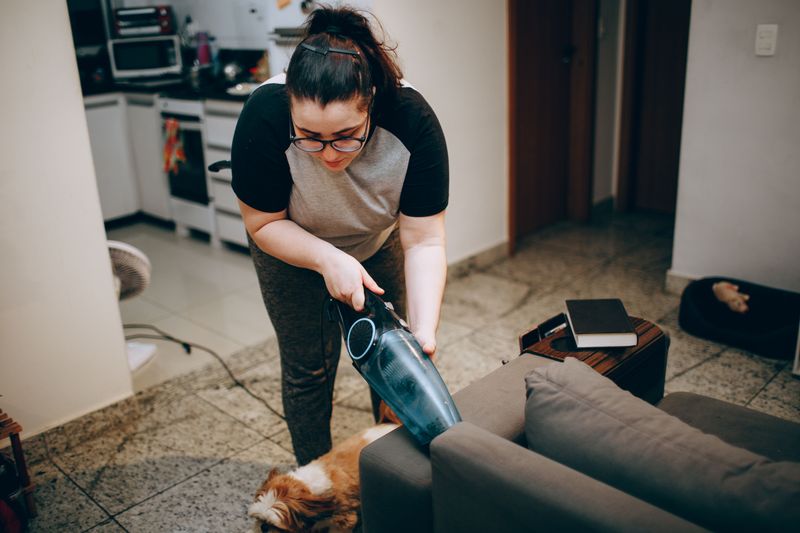
Ticks do not always attach outdoors. Some ride in on fur and wander onto bedding or carpet later.
Doorway checks and a quick brush-out reduce that traffic considerably. Wash dog bedding on a warm cycle regularly.
Vacuum along baseboards and favorite napping spots during peak seasons. Prevention plus checks keeps the indoors comfortable for everyone.
16. Fenced Yards Still Need Your Eyes
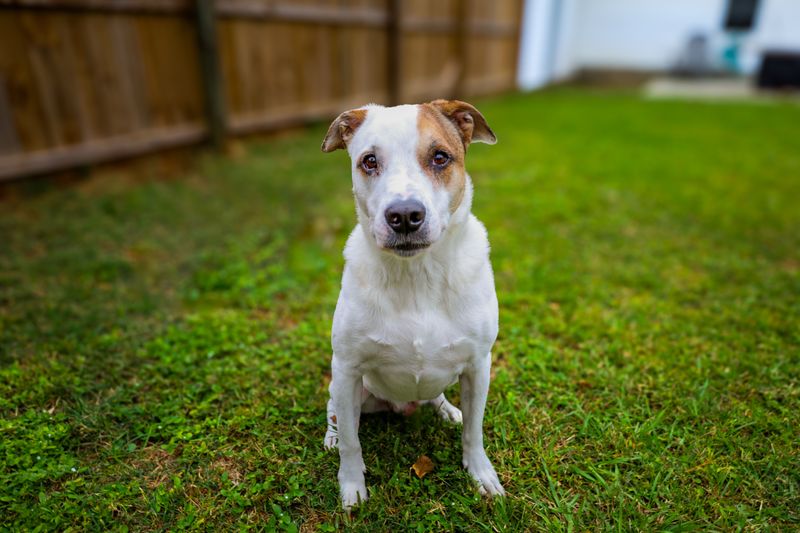
A fence marks a boundary, but wildlife rarely reads it. Snakes slip under gaps, and smaller animals climb.
Supervision means being present, not just nearby. Especially true in the North Georgia mountains, where woods meet lawns directly.
Quick check before letting your dog out, then a watchful eye while they explore. That rhythm becomes second nature.
17. Dawn And Dusk Call For Extra Awareness
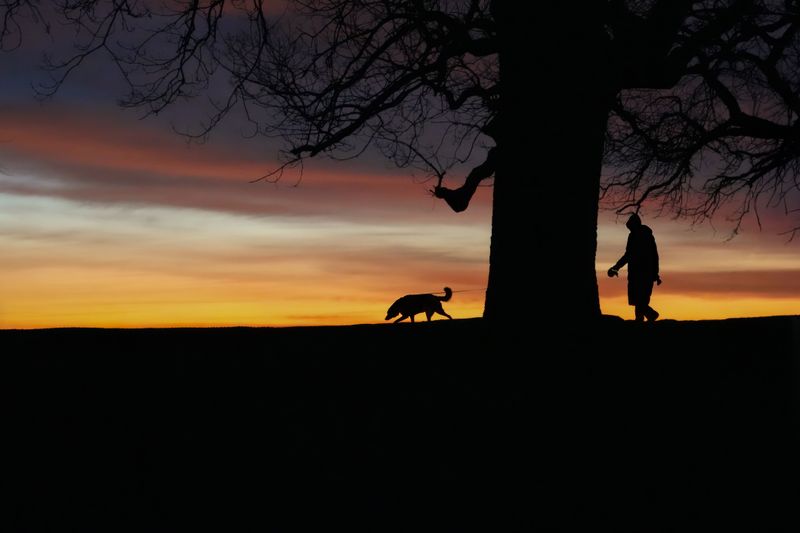
Many animals move most at first light and again as the sun drops. Those hours carry higher encounter odds.
Carry a flashlight or headlamp, keep the leash short, and stick to open, familiar routes.
Reflective gear helps drivers see you too. Midday walks are a fine swap during peak wildlife activity seasons.
18. Small Dogs Belong Close In Coyote Country
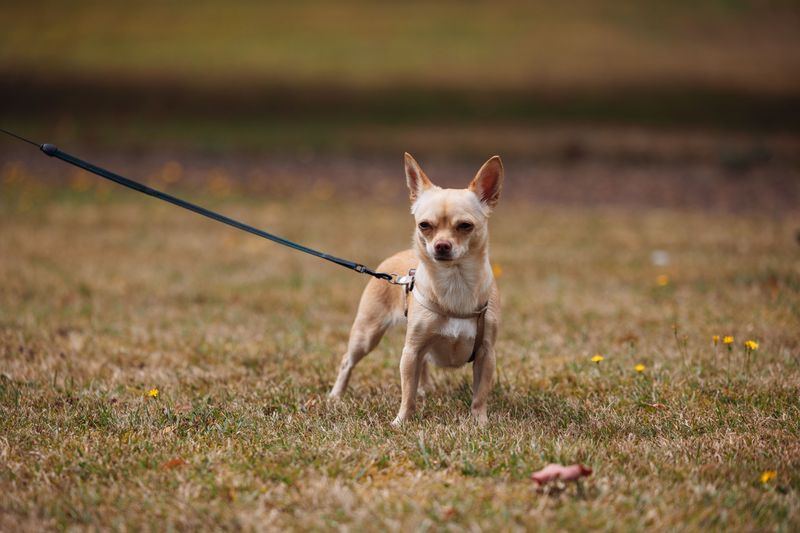
Coyotes live across Georgia, including North Georgia and plenty of suburban pockets. Small dogs draw the most attention.
Keep little ones on a short leash rather than a long retractable line. Avoid brushy field edges at low light.
Never leave food outside, and clear fallen fruit. Removing easy meals keeps coyotes moving along.
19. Water Edges Deserve Respect In Alligator Country
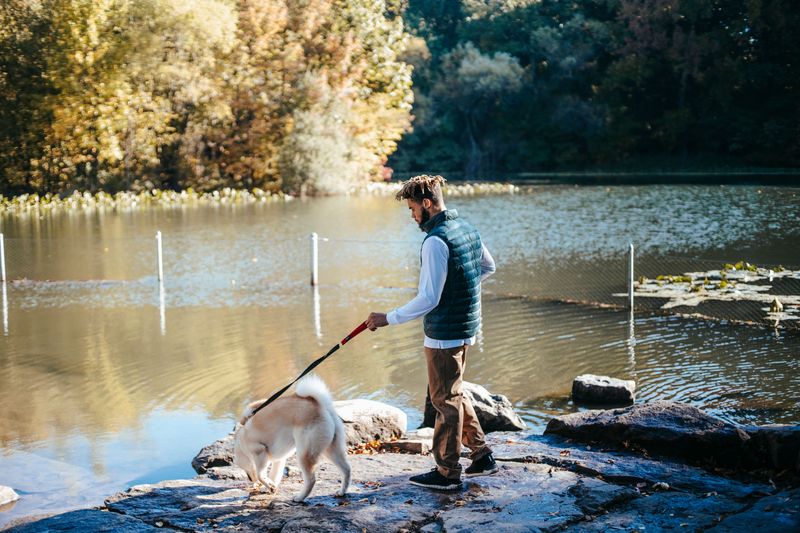
South and coastal Georgia ponds, rivers, and marshes are alligator habitat. Sightings have even occurred in Chattahoochee parks.
Keep your dog leashed and back from shorelines, docks, and boat ramps. No wading, no fetch into unfamiliar water.
Cottonmouths also favor wet lowlands. One rule covers both: stay off the water’s edge.
20. Chasing Wildlife Is Never Worth It
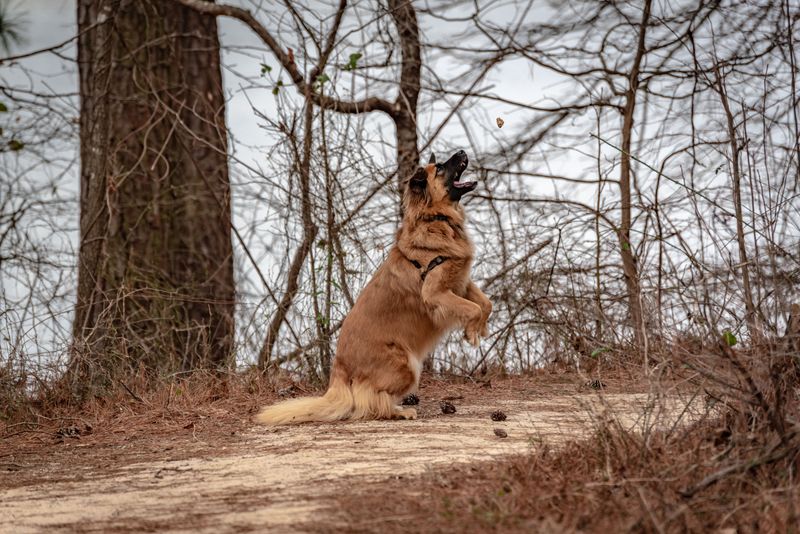
Curiosity turns risky fast when a dog gives chase. Bears, deer, raccoons, and skunks all react unpredictably.
An off-leash dog can also lead a startled animal straight back toward you. Leashes prevent that entire chain of events.
Practice a solid recall and a reliable leave-it cue. Then confirm local leash rules, since Georgia ordinances vary by county and city.