Why Tick Checks Matter Through Vermont’s Cool Shoulder Seasons
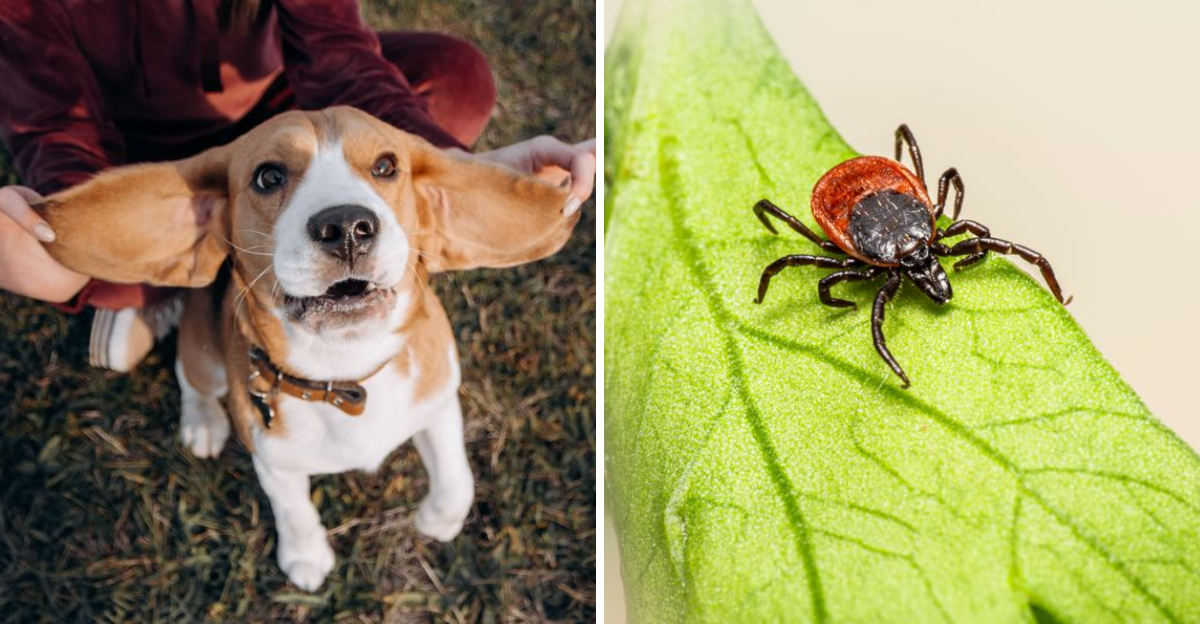
If you live in Vermont with a dog, cool weather can make ticks easy to forget. That is a mistake many caring owners make during fall and early spring.
Ticks can still stay active on mild days, especially around trails, woods, and tall grass. A quick check after outdoor time helps you catch problems early and keeps your dog more comfortable through the shoulder seasons.
Why Vermont’s Cool Fall Days Still Call for Tick Checks
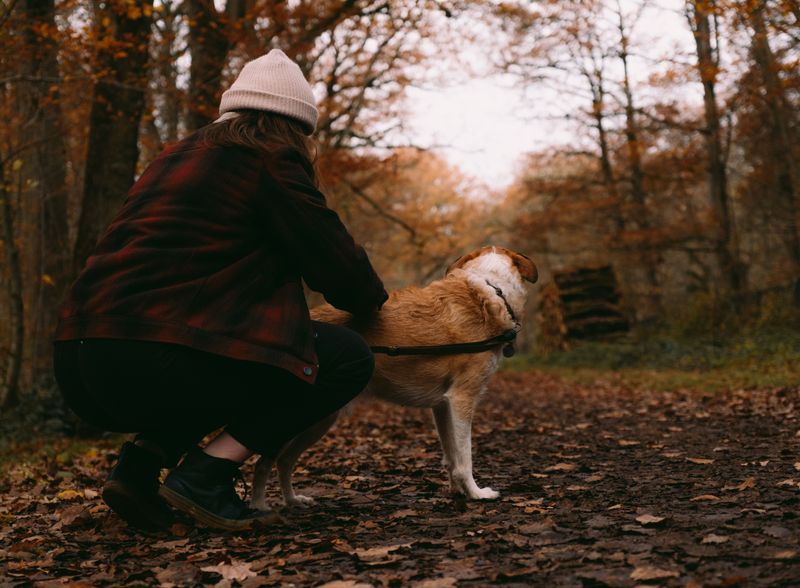
Cool air fools many owners into relaxing too soon. In Vermont, blacklegged ticks may be encountered whenever temperatures are above freezing, with activity typically increasing again in October and November.
Fall leaves, brush piles, and sunny trail edges can still hold waiting ticks.
A quick check after walks lowers the chance of a tick staying attached. Focus on warm hiding spots, especially ears, armpits, and groin.
Pair checks with year round prevention advice from your veterinarian for the best protection during both shoulder seasons locally.
Why Dogs Can Pick Up Ticks on Crisp Trail Walks
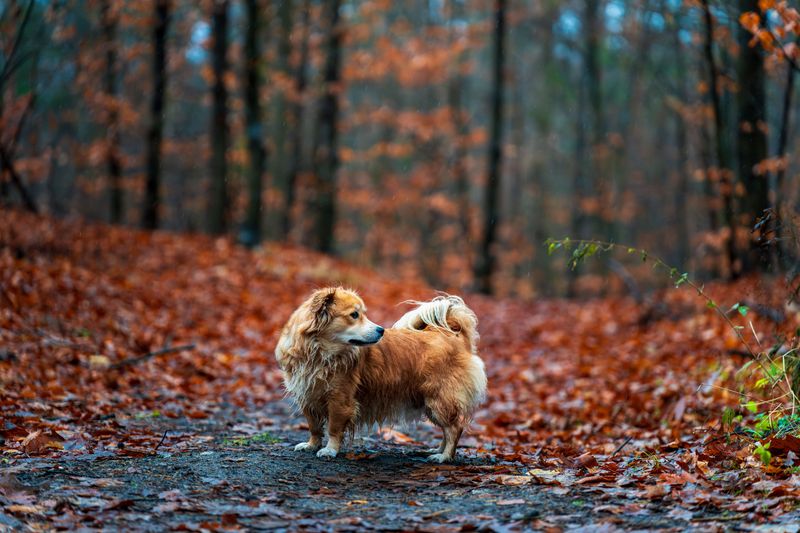
Even a lively trail dog can collect hitchhikers fast. Ticks wait on grasses and low shrubs, then grab fur as dogs brush past.
Crisp weather does not slow every tick, especially on mild afternoons.
Keep your dog near the center of paths when possible and avoid vegetation along trail edges. This can reduce contact with areas where ticks are more likely to be encountered.
When you get home, check the coat before your dog settles on furniture or bedding inside for the evening each time.
Where Ticks Hide on a Dog’s Body
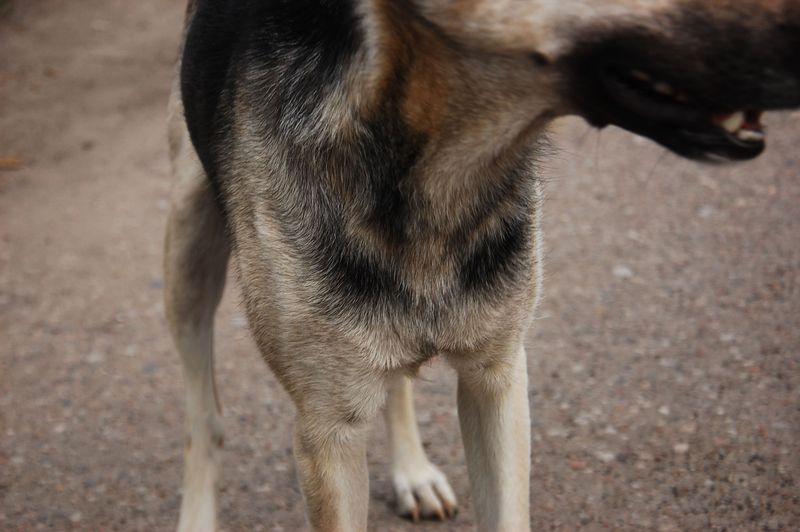
Ticks are masters at finding hidden, warm spots. They often crawl to thin skinned areas where blood vessels sit close.
Common hiding places include ears, eyelids, lips, neck folds, armpits, groin, and between toes.
Slow hands work better than a quick glance. Feel for tiny bumps as you move across the body.
Good lighting helps, especially on dark coats and fluffy breeds during evening checks after playtime in Vermont’s leafy yards and trails nearby today.
Check Your Dog’s Ears After Every Hike
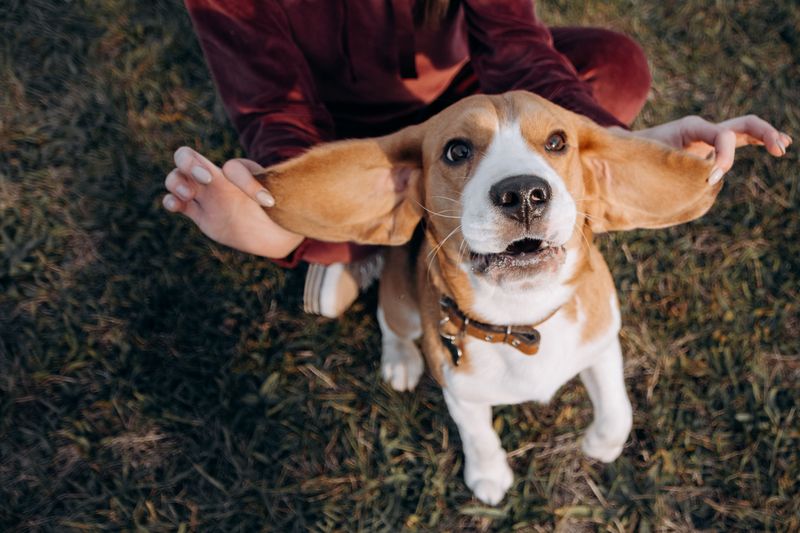
After a fun hike, ears deserve special attention. Ear flaps create a sheltered place where ticks can cling unnoticed.
Long haired dogs and floppy eared breeds may need extra care.
Use your fingers to lift each flap and check the folds. Look along the edges and just inside the opening, without going deep.
If your dog dislikes ear handling, offer treats and keep the check calm, brief, and regular after every outing you share together.
Do Not Skip the Neck and Collar Area
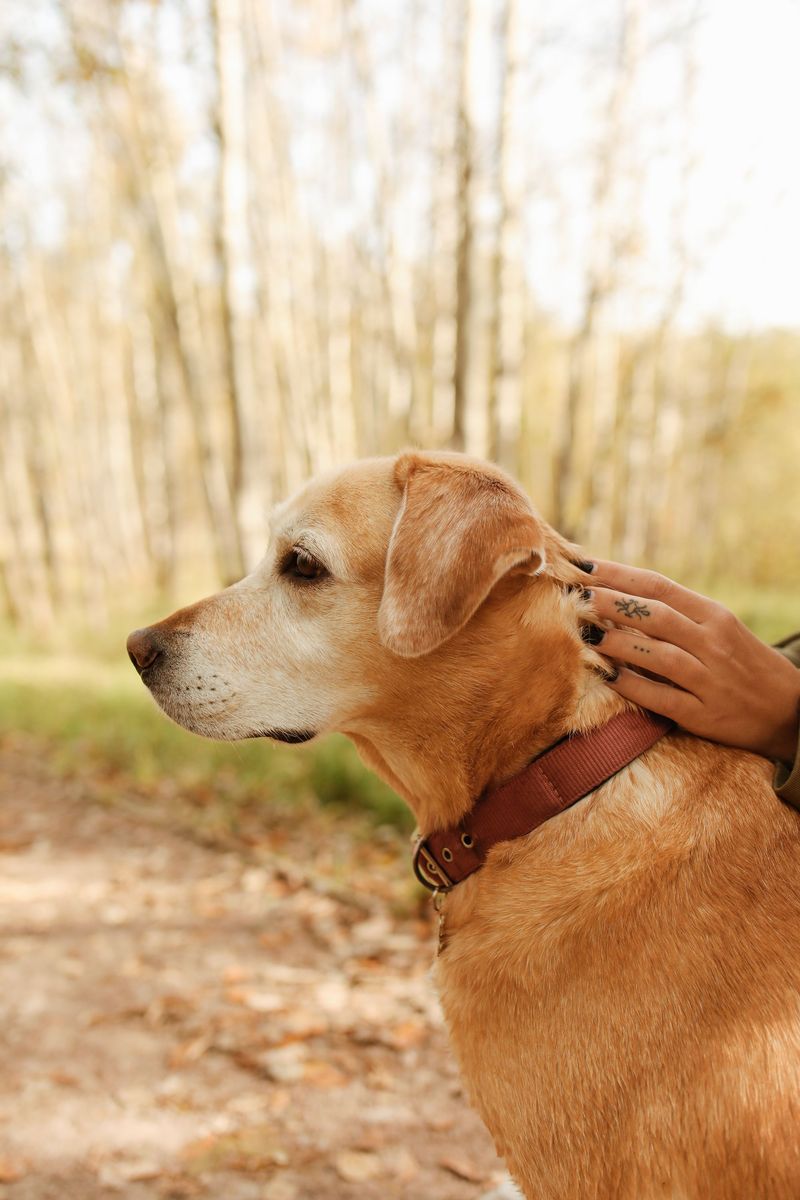
Collars hide more than tags and dirt. The neck stays warm, and pressure from a collar can make small ticks harder to spot.
Dense fur under bandanas, harness straps, or rolled collars needs careful fingers.
Before bedtime, slide the collar off and inspect the whole circle underneath. Check the throat, chest front, and shoulder tops too.
Washing collars and harnesses often can remove loose ticks before they wander back onto your dog during indoor rest.
Give Your Dog’s Paws a Careful Look
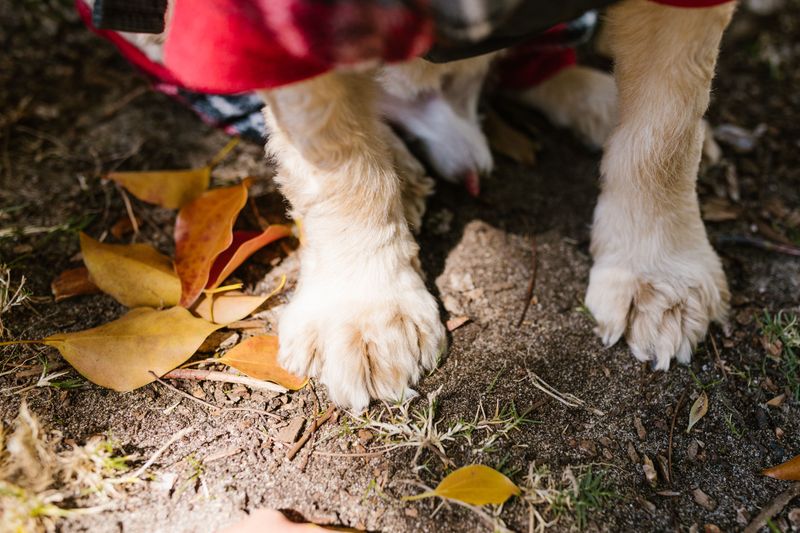
Muddy paws get attention, but ticks can ride there too. Dogs step through grass, leaves, and brush where ticks wait low.
Short legged dogs may collect them even faster on narrow paths.
Spread the fur over the top of each paw and inspect the pads. Feel around the nails, heels, and dewclaws for tiny bumps.
A towel by the door helps you slow down and turn paw cleaning into a smart tick check routine daily.
Check Between the Toes for Tiny Ticks
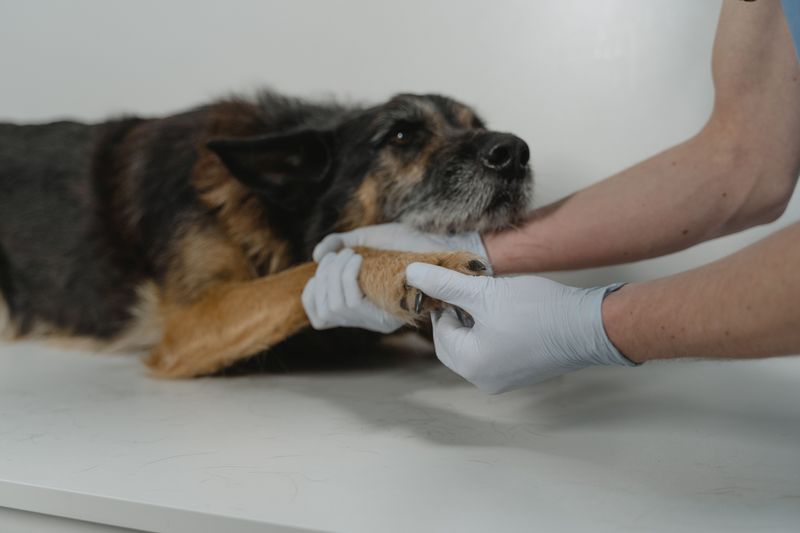
Tiny ticks love places owners rarely inspect. Toe webbing offers warmth, cover, and a good grip after walks through damp ground.
Because seeds and grit gather there, a small tick can blend in easily.
Gently separate each toe and look at the skin between them. Use a flashlight if your dog has thick fur or dark feet.
Catching a tick here early can prevent licking, chewing, and extra irritation later in the day for comfort.
Run Your Hands Through Your Dog’s Coat
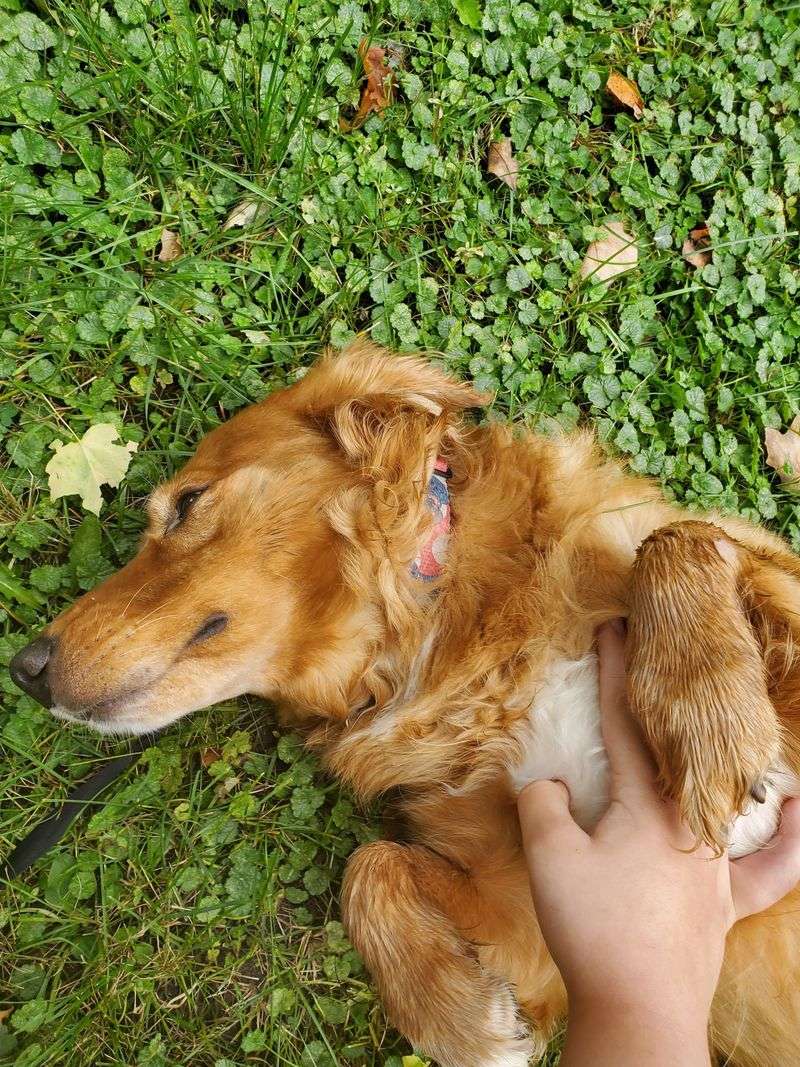
Sometimes your hands notice what your eyes miss. A full body rub can reveal small bumps before a tick becomes firmly attached.
It also helps nervous dogs accept checks as part of normal attention.
Move slowly from head to tail, then down each leg. Press lightly through thick fur instead of skimming the top.
Many owners find evening couch time is the easiest moment for a relaxed, thorough coat check after outdoor play in Vermont.
Brush Out Your Dog After Outdoor Adventures
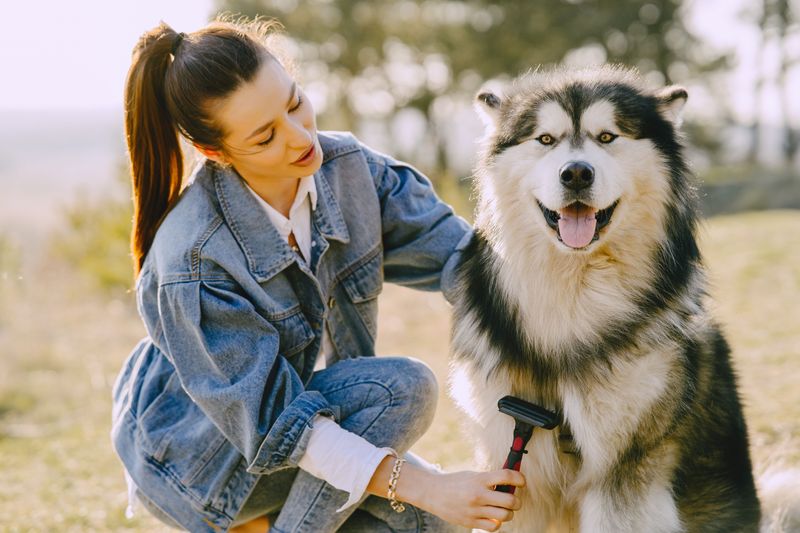
A good brushing does more than neaten the coat. It can dislodge loose ticks before they attach and helps you spot tangles hiding debris.
Dogs with feathering or thick undercoats benefit most after rambles.
Choose a brush that fits your dog’s coat type and use steady strokes. Pay extra attention to legs, belly, and tail fringe.
Brushing outdoors or over a washable mat keeps any hitchhikers from dropping inside your home after each cool outing.
Inspect Your Dog After Exploring Tall Grass
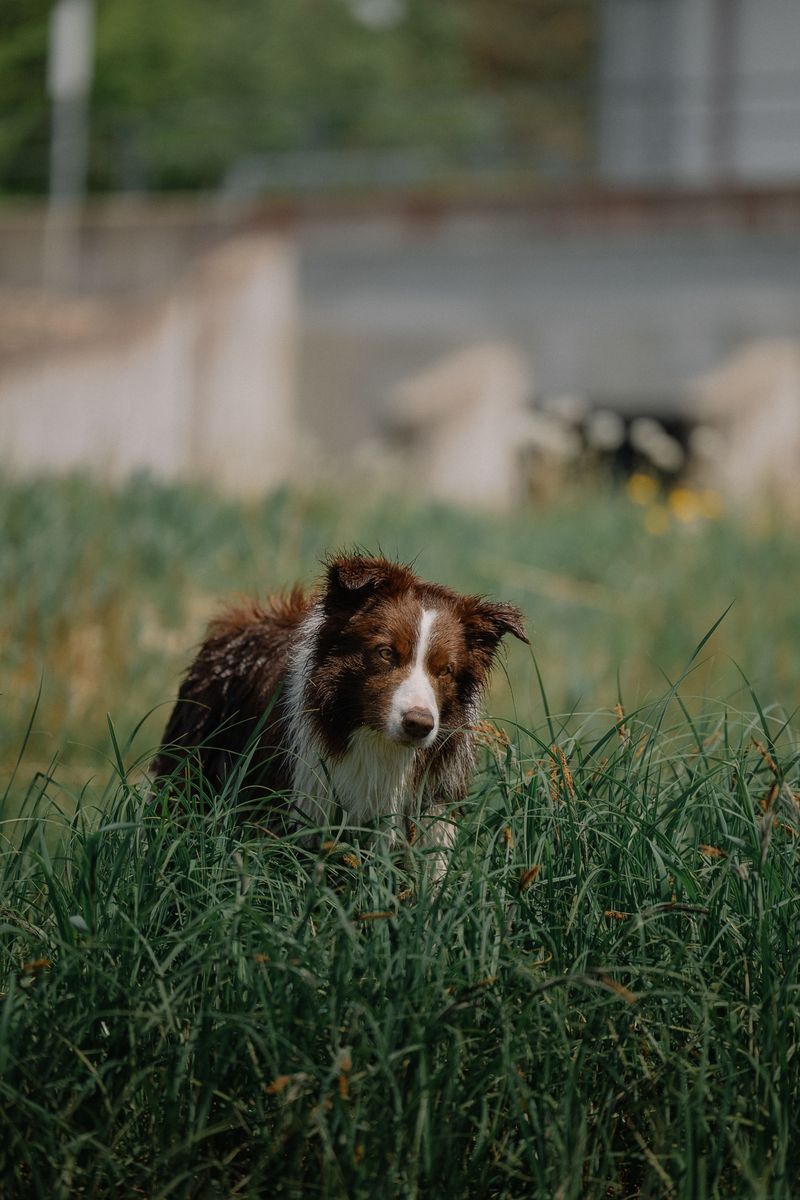
Tall grass is prime tick habitat, even in cooler months. As stems brush your dog’s chest and sides, waiting ticks can transfer quickly.
Field edges, unmowed corners, and overgrown paths deserve extra caution.
When your dog leaves grassy areas, do a check before the car ride home. Start with legs, chest, belly, and armpits where contact happens first.
Choosing shorter, open routes can reduce exposure while still giving your dog plenty of exercise near home.
Check Your Dog After Woodland Walks
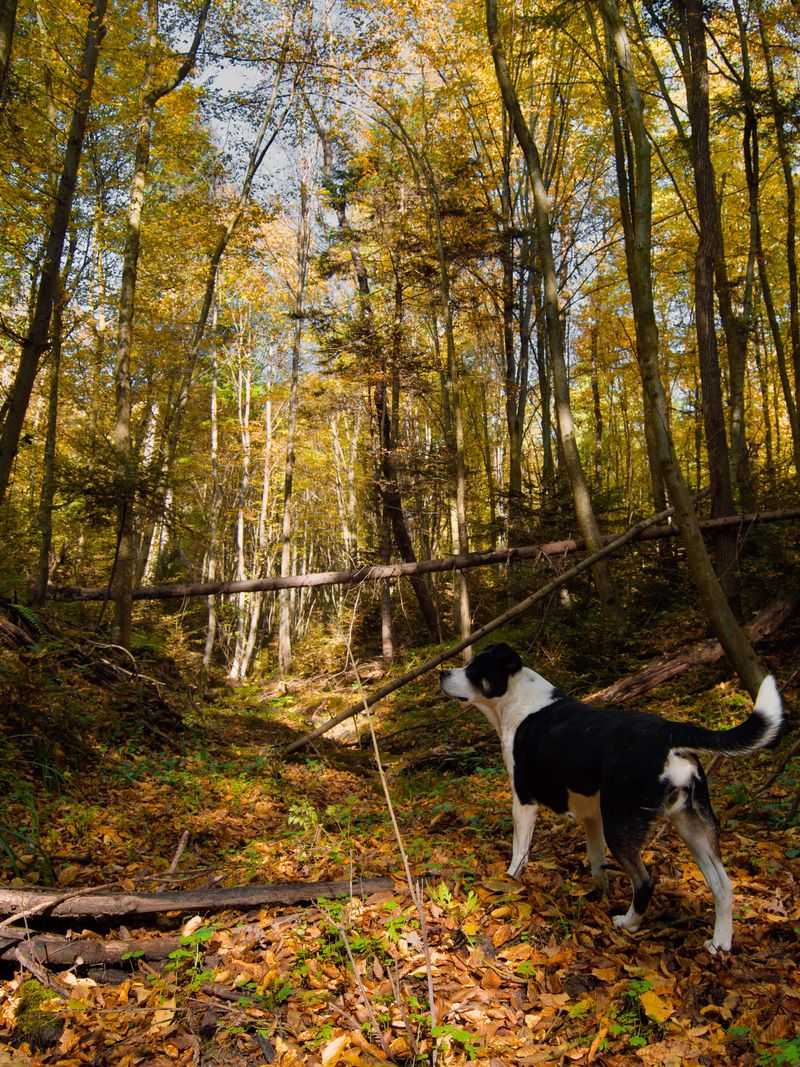
Woodland walks feel peaceful, especially during Vermont’s colorful shoulder seasons. They also bring dogs past leaf litter, fallen logs, and moist shade where ticks can linger.
Wildlife moving through the woods helps ticks spread into familiar places.
Pause at the trailhead or porch for a quick once over. Scan the face, neck, legs, and underside before your dog shakes indoors.
Regular checks keep beautiful forest outings feeling easy, not stressful, for everyone at home afterward.
Do Not Forget Your Dog’s Bedding and Gear
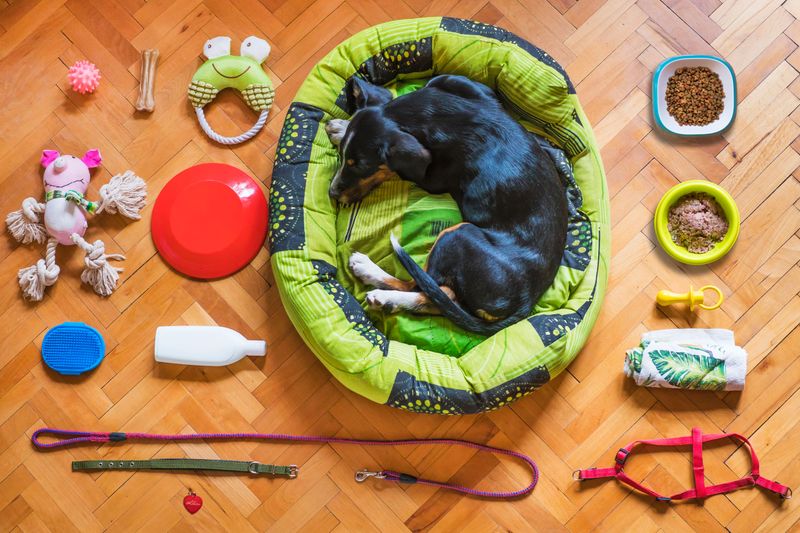
Ticks do not always stay on the dog you checked. A loose tick can end up in bedding, jackets, crate pads, car blankets, or daypacks after a busy outing.
Cleaning gear helps limit repeat contact.
Shake washable items outside and launder them according to the item’s care instructions. Regularly clean areas where your dog rests, especially during periods of increased tick activity.
Storing leashes, harnesses, and coats in one spot makes follow up checks much easier for families.
What to Do When You Find a Tick
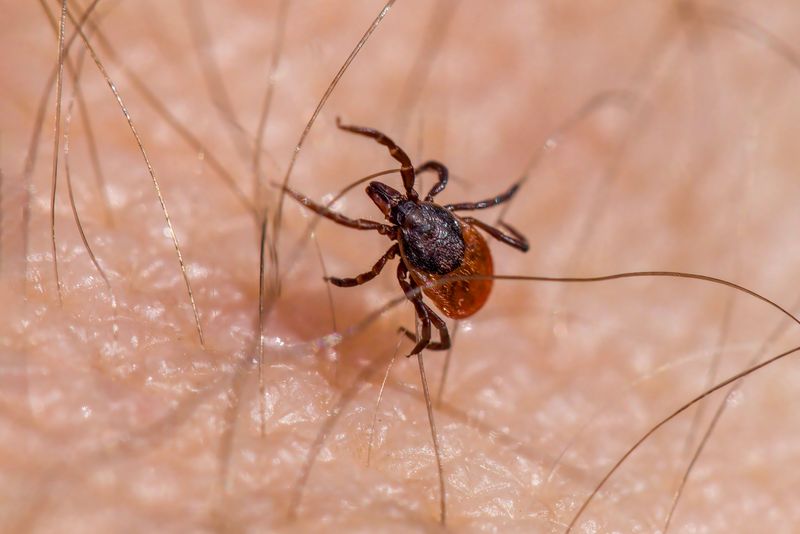
Finding a tick can feel unsettling, but a calm approach works best. Use fine tipped tweezers or a tick removal tool.
Grasp the tick close to the skin and pull straight upward, steadily.
Clean the area and wash your hands after removal. Avoid twisting, squeezing the body, or using home remedies like petroleum jelly or heat.
If mouthparts remain, or the skin looks irritated, call your veterinarian for guidance and next steps that same day.
Why Quick Tick Removal Matters for Dogs
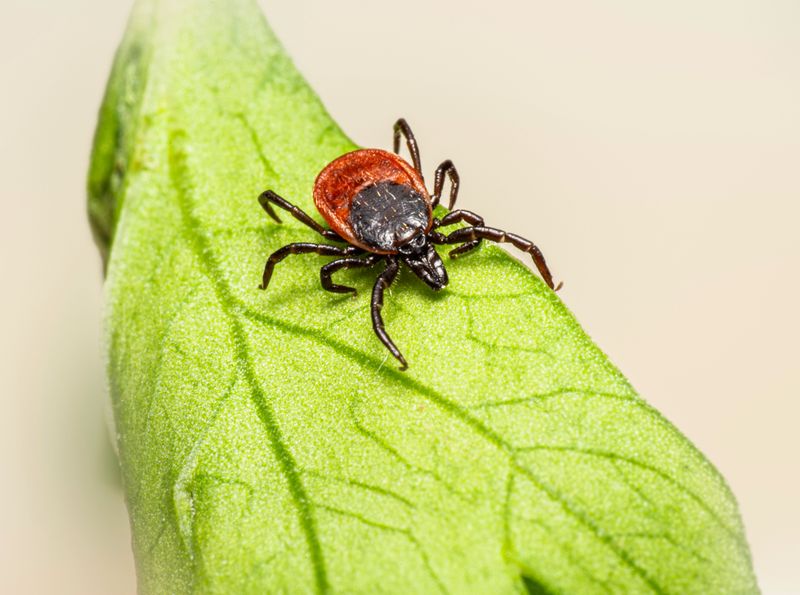
Time matters because some tick-borne pathogens can be transmitted during feeding. Removing an attached tick promptly may reduce the opportunity for transmission.
It also reduces skin irritation and gives you clearer information about where exposure happened.
Write down the date and place you found the tick. Watch your dog for changes like tiredness, limping, fever, or reduced appetite.
Contact your veterinarian if anything seems off in the following days or weeks after removal too.
Keep Tick Prevention Part of the Routine
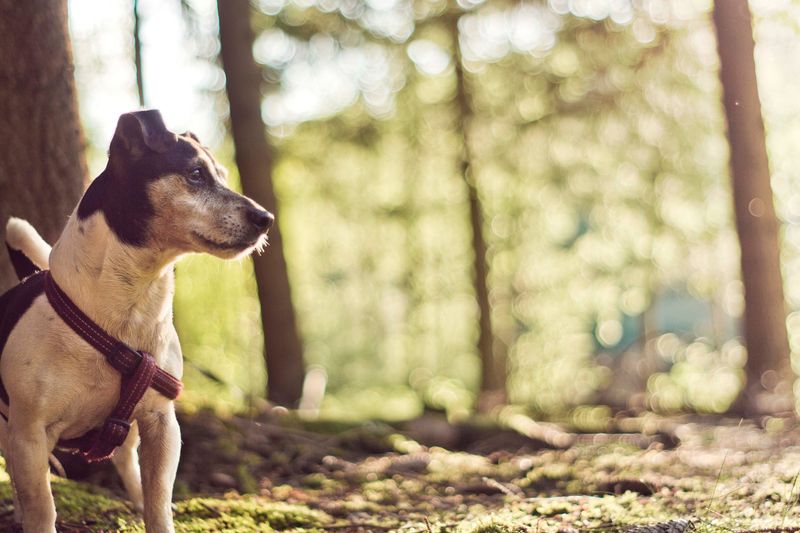
Prevention works best when it stays consistent. Your veterinarian can recommend products based on your dog’s age, health, lifestyle, and local tick pressure.
Options vary, so follow label directions and professional advice carefully.
Set reminders for doses, refills, and seasonal checkups. Pair prevention medicine with home habits like trail checks, gear cleaning, and yard awareness.
In Vermont, many dogs need protection beyond summer, because tick activity can continue through mild fall and early spring weather.
Make Tick Checks a Habit During Vermont’s Shoulder Seasons
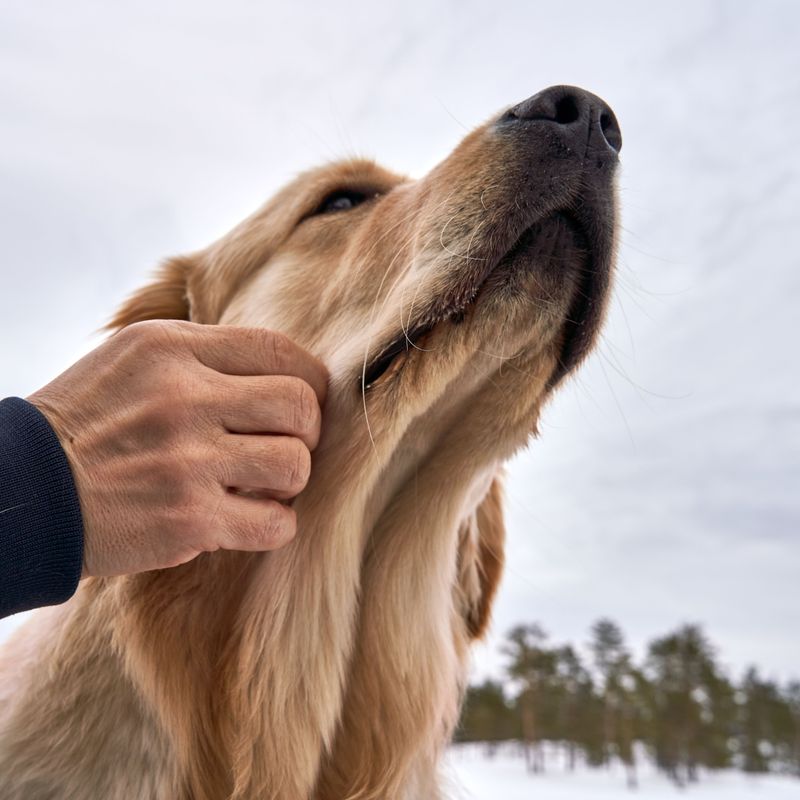
The easiest safety step is the one you repeat. A simple post walk routine builds confidence and catches problems early without adding much time.
Dogs usually relax into the process when checks feel gentle and familiar.
Keep a towel, brush, flashlight, and tick tool near the door. Ask everyone in the household to follow the same check order.
Through Vermont’s cool shoulder seasons, habits help your dog stay comfortable, active, and ready for the outing.