What Nevada Dog Owners Should Know About Hot Pavement Before Desert Walks
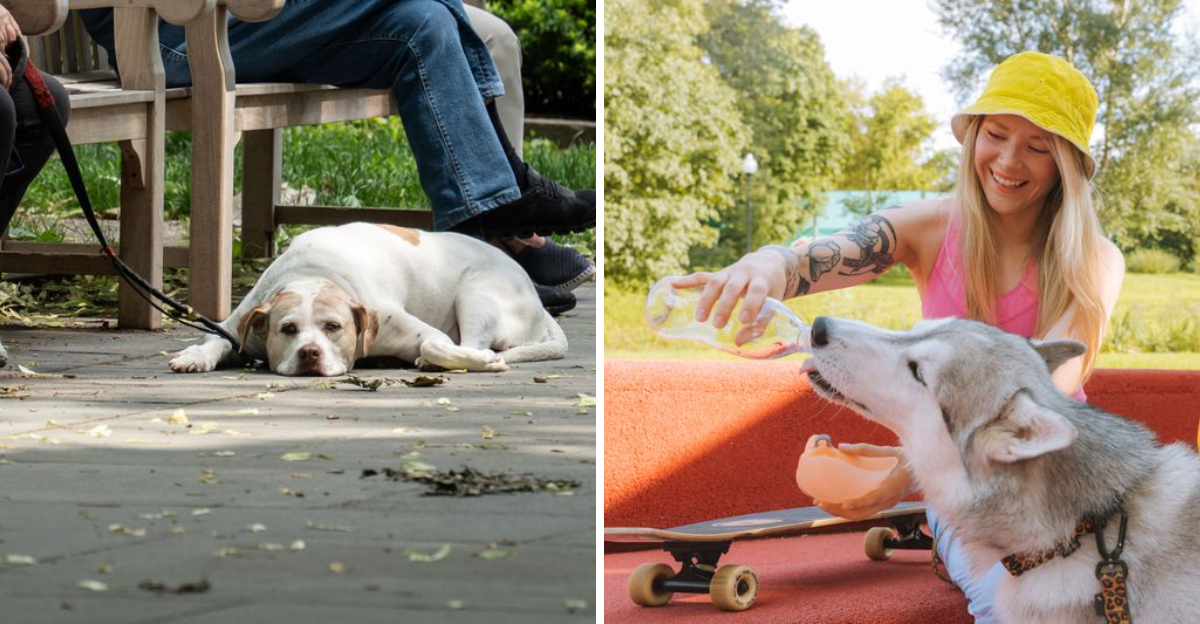
Living in Nevada means loving your dog through some seriously warm months. The air might feel bearable while the sidewalk under your dog’s paws tells a very different story.
Asphalt soaks up sunlight for hours, and paw pads have no shoes to protect them. The good news is that a few simple habits make desert walks safe and enjoyable all summer long.
Here is what local owners learn quickly, gathered in one friendly place.
1. The Hand Test Comes First
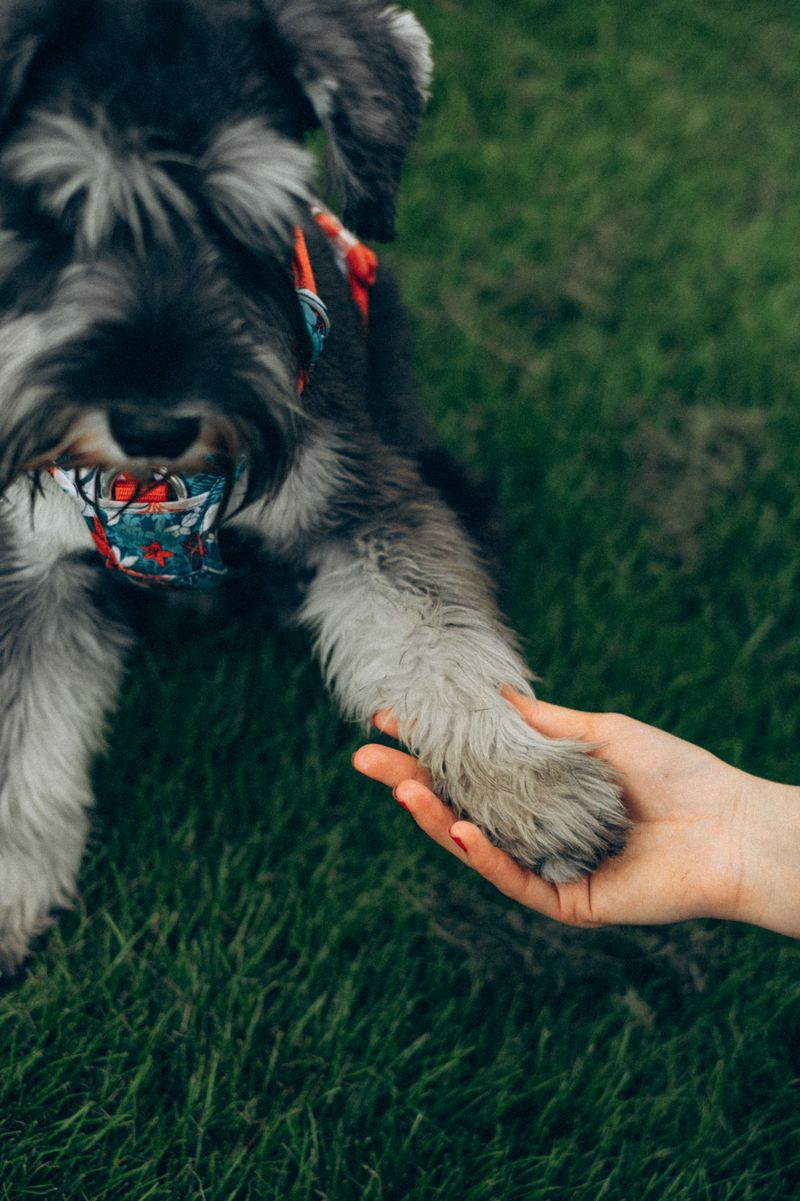
Before your dog steps onto the sidewalk, kneel down and press your palm flat against it. Your skin is a surprisingly good thermometer.
Owners who skip this step often misjudge the ground badly, especially on dark driveways and parking lots. The check takes seconds and costs nothing.
Do it at the start of every walk during warm months. Surfaces change temperature quickly with sun angle, shade, and time of day, so yesterday’s reading means little today.
2. Ten Seconds Is the Deciding Line
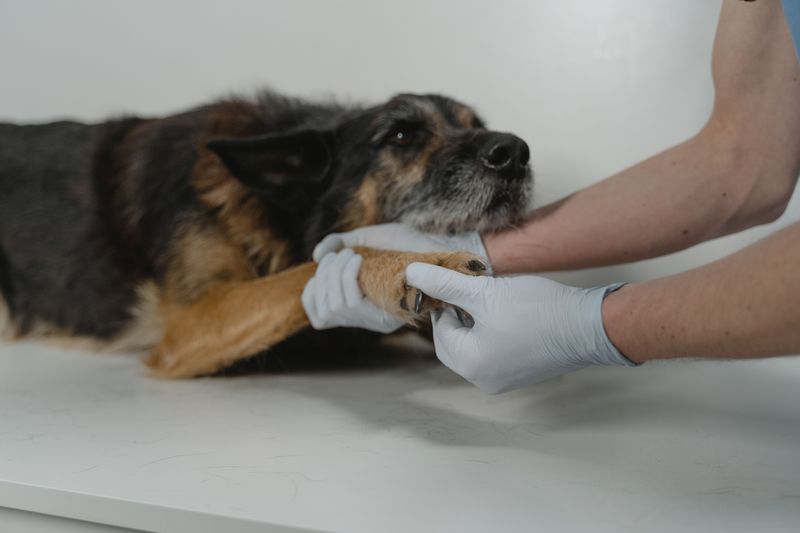
Here is the rule most veterinarians repeat: keep the back of your hand on the pavement for about ten seconds.
If you pull away sooner, or you feel yourself wanting to, the surface is too hot for bare paws. Some guidance uses seven seconds as the cutoff, which is even more cautious.
Your dog cannot tell you when the ground stings. Trust the timer instead of guessing, and pick grass or wait for cooler hours.
3. Asphalt Runs Far Hotter Than the Air
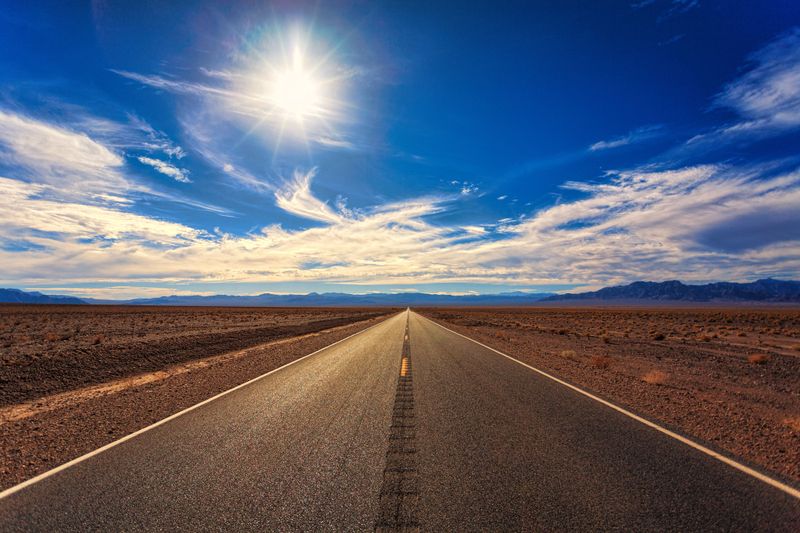
Air temperature and ground temperature are two separate numbers. Dark asphalt absorbs sunlight and holds it, climbing well past whatever the weather app says.
Reported readings show asphalt near 135 degrees when the air sits at 86. On a 90 degree afternoon, blacktop can pass 150 degrees.
In Nevada summers, surface temperatures between 135 and 160 degrees are common, and Las Vegas ground has measured around 170. That gap explains a lot.
4. Mild Afternoons Can Still Sting Paws
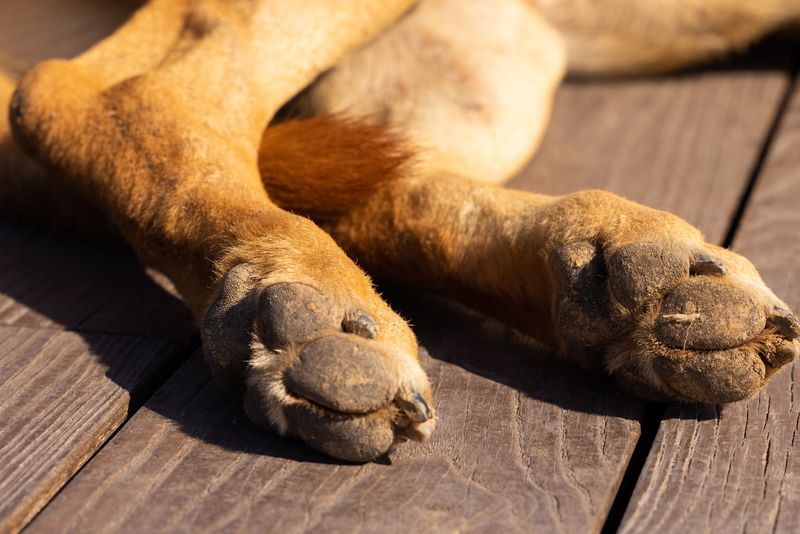
A 77 degree day feels lovely to us. Sunlight has still been pouring onto that sidewalk for hours, and paw injuries have been reported at air temperatures that low.
Spring and early fall trip up plenty of owners for exactly that reason. Nobody expects trouble when a light breeze is blowing.
Judge the ground, not the forecast. Long stretches of direct sun matter more than the number on your phone screen.
5. Other Surfaces Deserve the Same Suspicion
Asphalt gets the blame, but it has plenty of company. Concrete reaches roughly 140 degrees when the air hits 95.
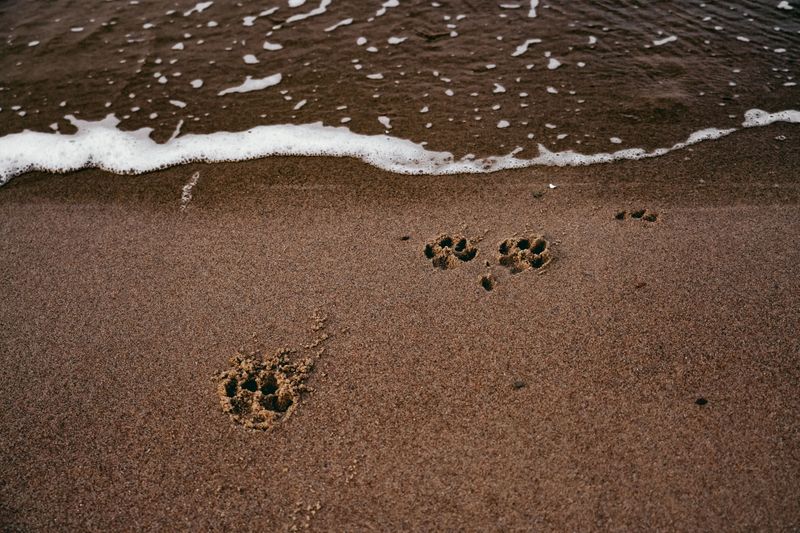
Artificial turf can heat faster than blacktop, which surprises owners with synthetic lawns. Sunny sand at a park or shoreline can pass 120 degrees.
Metal is the sneakiest of all, with readings around 160 degrees on truck beds, manhole covers, and ramps. Dirt paths in open sun warm up too, so test everything.
6. Early Morning Becomes Your Best Window

Sunrise walks are a summer tradition among Nevada dog people, and for good reason. Overnight hours give pavement its only real chance to release heat.
Head out shortly after first light for the coolest ground you will find all day. Bring water even then, since desert air pulls moisture fast.
Shifting your schedule takes a few days of adjustment. Most dogs adapt happily once they learn breakfast comes after the walk.
7. Evening Walks Need Patience

Sunset feels like permission, though the sidewalk often disagrees. Pavement keeps radiating stored heat long after shadows stretch across the street.
Give it real time, ideally a couple of hours past sundown, then run the hand test again before you clip the leash.
Shaded blocks cool faster than open ones, so route choice helps. On the hottest weeks, a short potty break at night beats a long stroll.
8. Midday Walks Are Worth Skipping
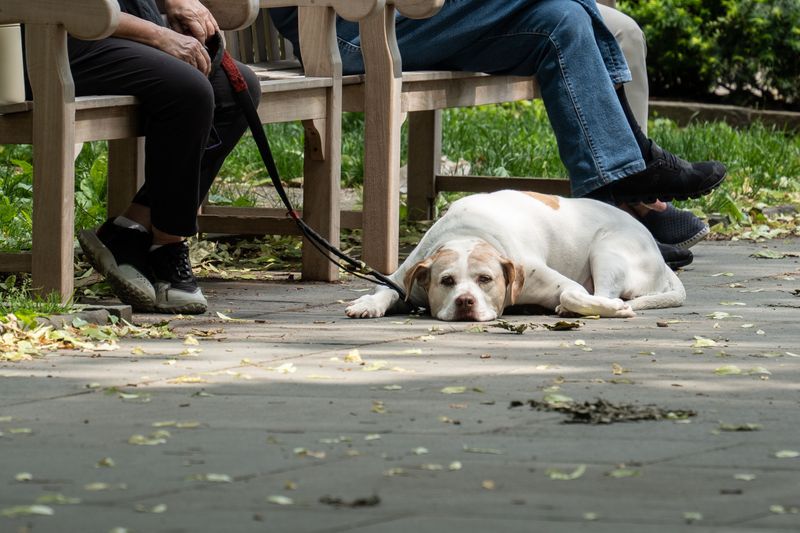
Late morning through late afternoon is when surfaces peak. Roughly ten until five brings the strongest sun and the hottest ground.
Trade that window for indoor activity instead. Puzzle feeders, hallway fetch, training games, and stair walks burn energy without touching hot concrete.
Bathroom breaks still need to happen, so keep them short and stick to grass or shade. A tired dog is nice, a comfortable dog is better.
9. Choose Softer Ground Whenever You Can
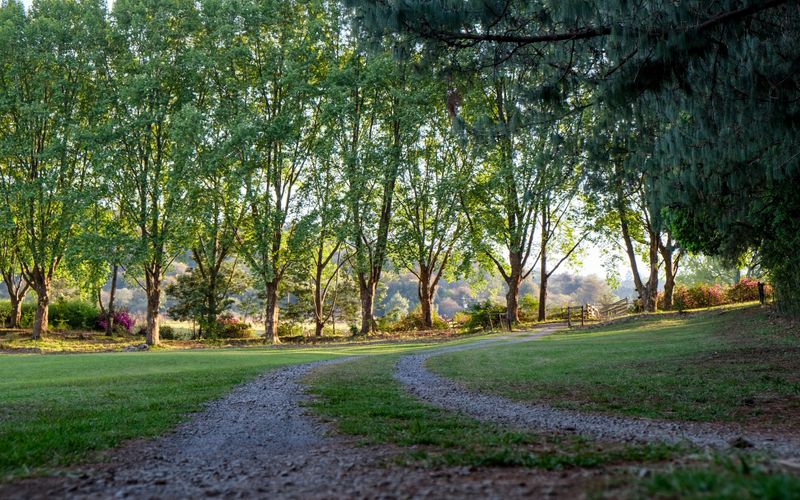
Grass, packed shaded dirt, and tree-lined paths stay noticeably cooler than street surfaces. Your dog notices the difference immediately.
Scout your neighborhood for parks, greenbelts, and shaded trail sections. Many Nevada communities have shaded walking loops that locals rely on all summer.
Crossing a parking lot? Aim for painted lines, shade patches, or landscaped strips.
Small detours add up to real protection over a thirty minute walk.
10. Boots Put a Barrier Between Paw and Ground
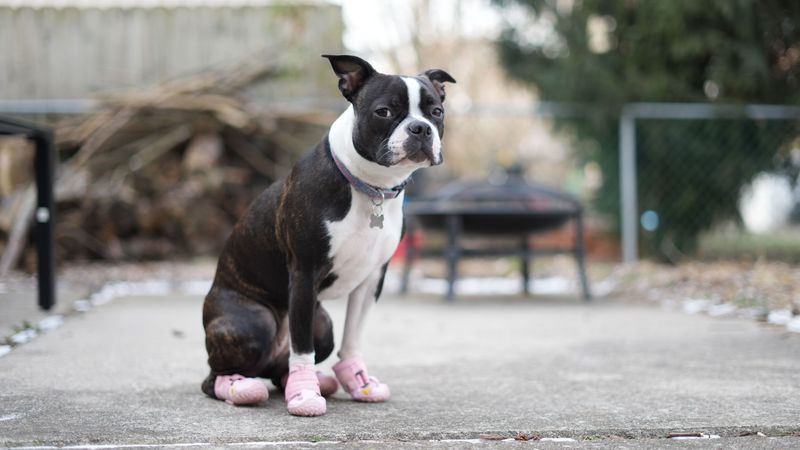
Protective footwear sounds fussy until you feel how thick a good sole is. Boots create a real barrier against heated surfaces and rough desert gravel.
Look for grippy rubber bottoms, breathable uppers, and secure straps. Hiking-style models tend to hold up best on trails.
Boots do not replace smart timing. Think of them as one more tool for unavoidable pavement crossings, not a pass to walk at noon.
11. Break In Boots Slowly Indoors
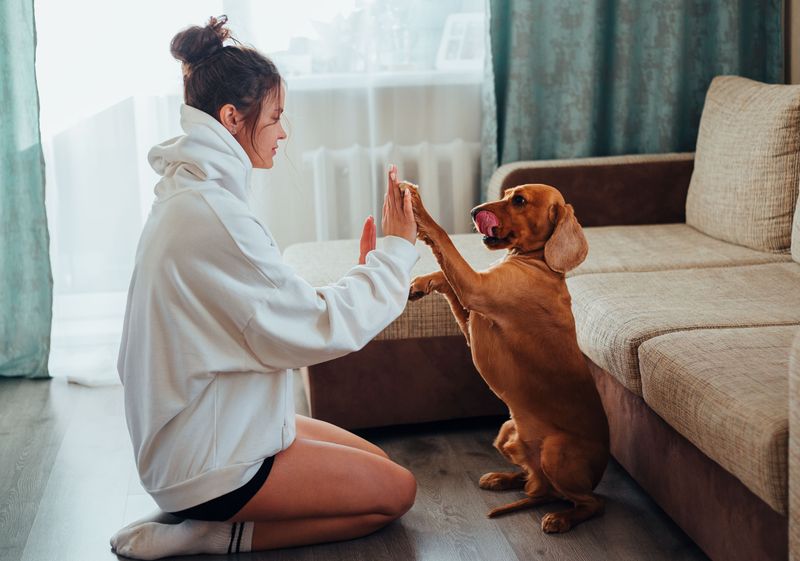
Most dogs walk like tiny robots the first time boots go on. Laughter is allowed, then patience is required.
Start with one boot, a few treats, and a couple of minutes on the living room floor. Build up to all four, then short indoor sessions.
After a week or two of practice, try a brief outdoor stroll. Rushing the process usually teaches a dog to fear the boots entirely.
12. Fit Matters More Than Style
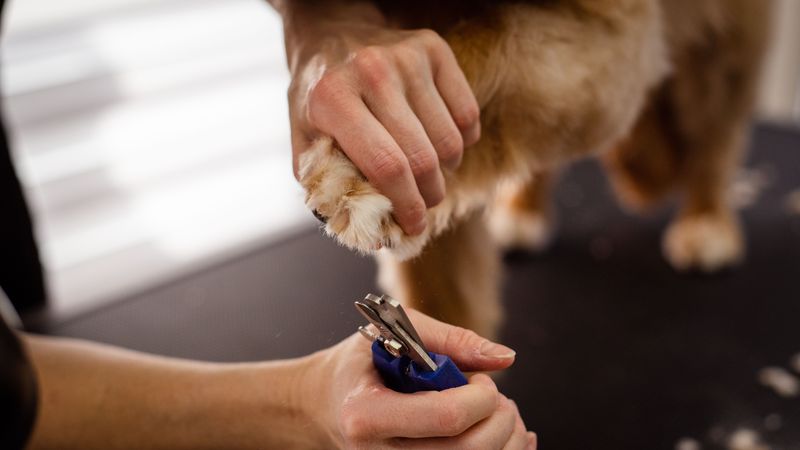
Sizing charts exist for a reason. Trace your dog’s paw on paper while they stand with weight on it, then measure width and length.
A proper boot stays put without pinching, and the paw can still flex naturally. Too tight rubs skin, too loose slides off mid walk.
Check for redness or rubbing after early outings. Adjust straps as needed, and replace boots once soles wear thin.
13. Puppy Pads Are Especially Tender
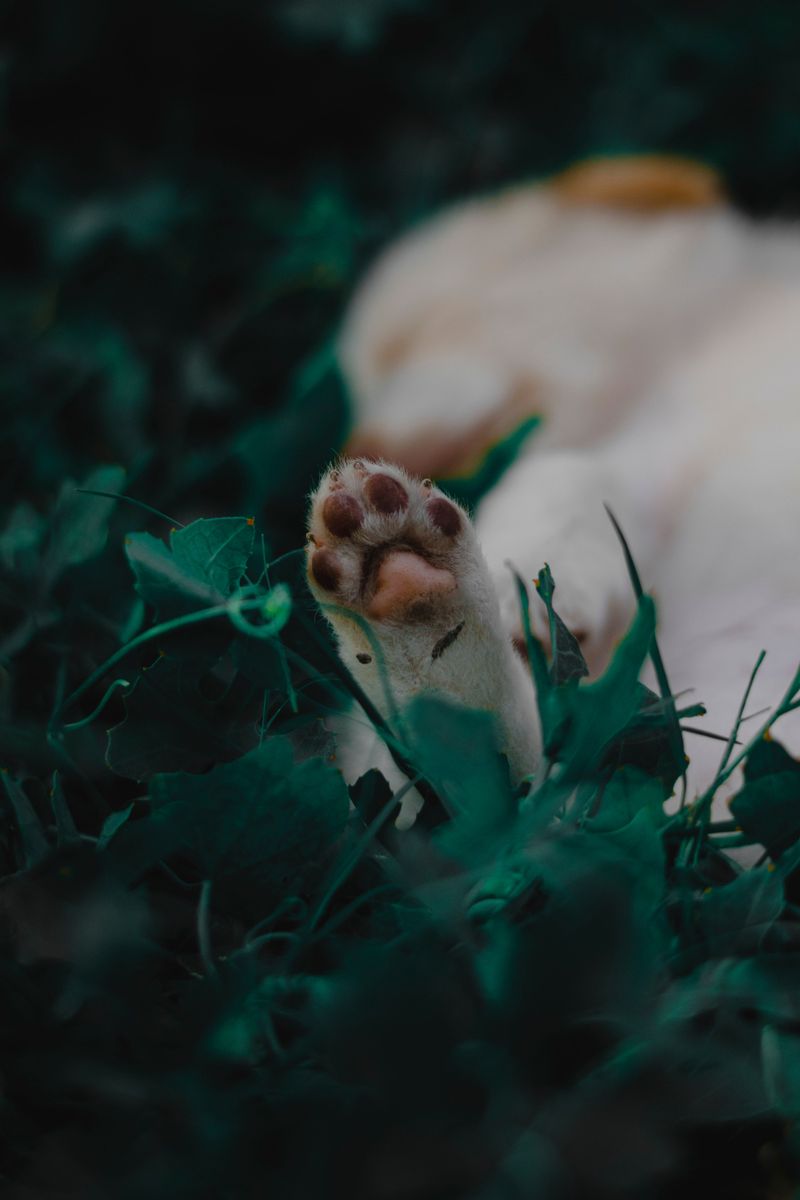
Puppy paws are soft, pink, and brand new to the world. Those pads have not toughened up the way an adult dog’s have.
Keep young dogs on grass, shade, and indoor flooring during hot stretches. Carrying a small puppy across a parking lot is completely reasonable.
Short, frequent outings suit growing bodies anyway. Socialization can happen in cool morning air, quiet garages, and shaded patios instead of hot sidewalks.
14. Dry, Cracked Pads Need Extra Care
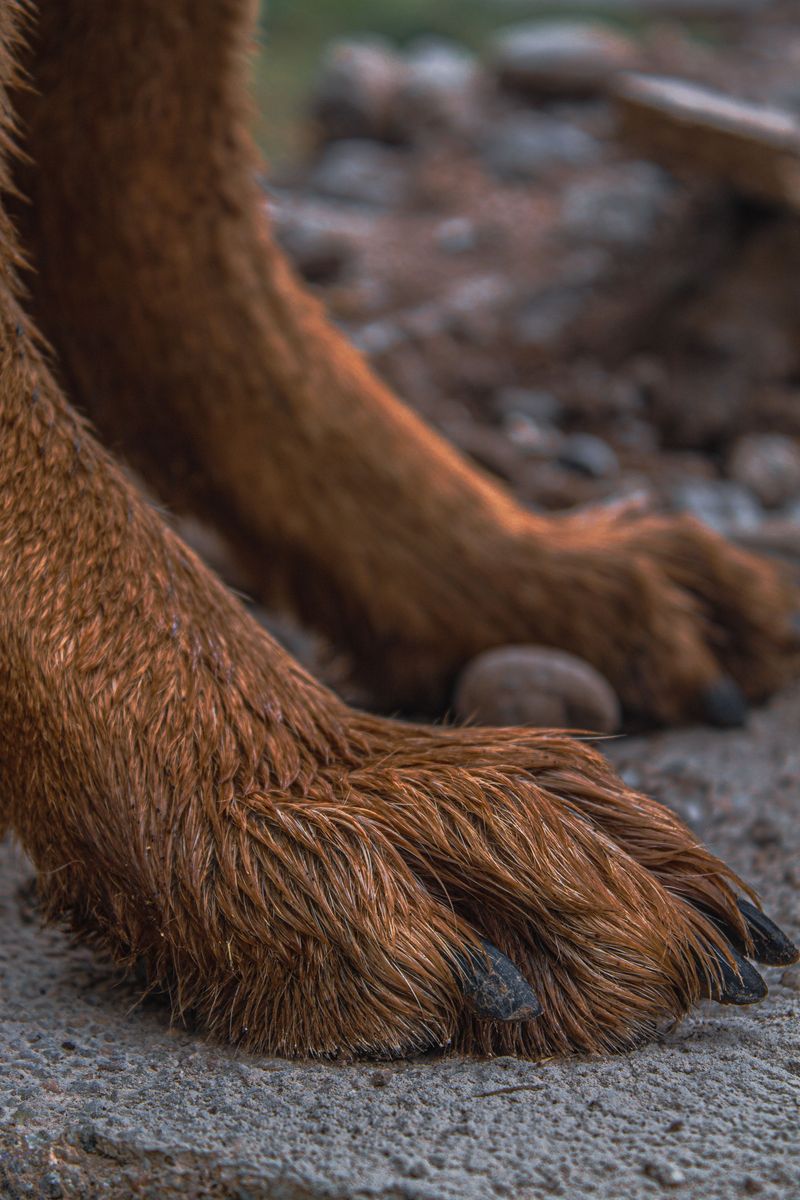
Nevada’s dry air is hard on paw pads. Cracks and rough patches weaken that natural cushion, leaving paws less able to handle heat.
Check pads weekly by gently spreading the toes and looking for splits, flaking, or embedded gravel. Two minutes tells you a lot.
Pet-safe paw balm applied a few nights a week helps keep pads supple. Ask your veterinarian about products if cracking looks deep or painful.
15. Low Riders Sit Closer to the Heat
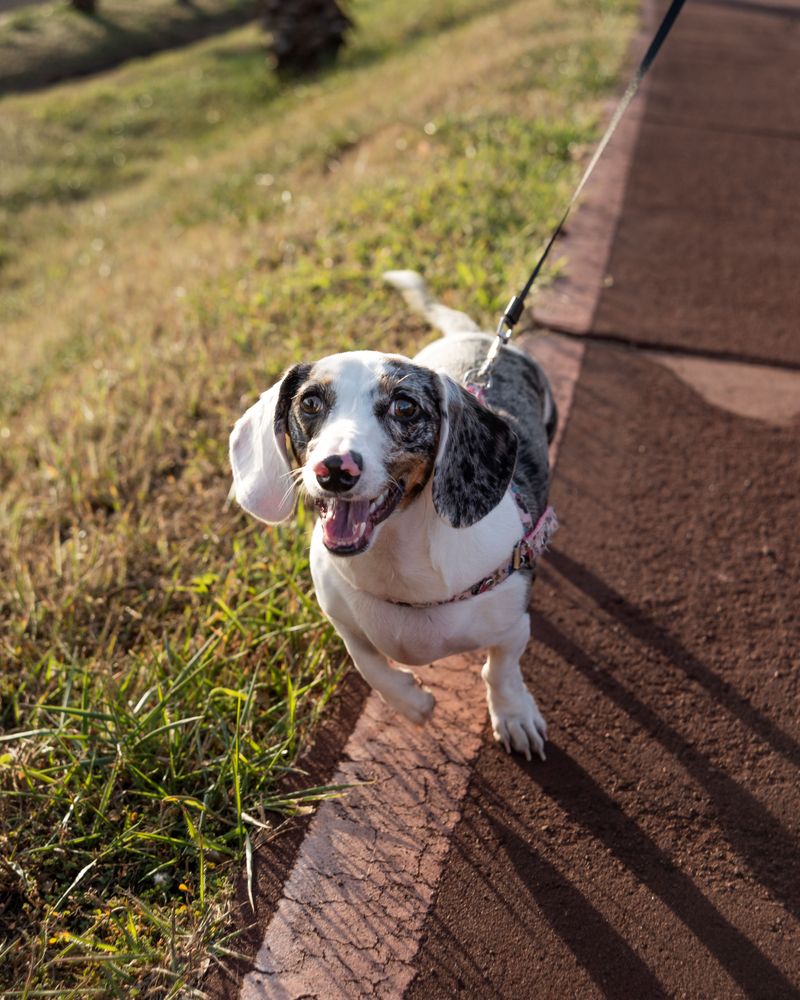
Corgis, Dachshunds, Basset Hounds, and other short-legged breeds live inches above the ground. Heat rising off pavement reaches their bellies and chests directly.
Owners of these dogs often notice fatigue setting in sooner on warm walks. That extra exposure is a real factor.
Stick to shaded routes, keep outings brief, and offer water often. A cooling mat waiting at home makes recovery quicker and more comfortable.
16. Some Dogs Feel the Heat Sooner
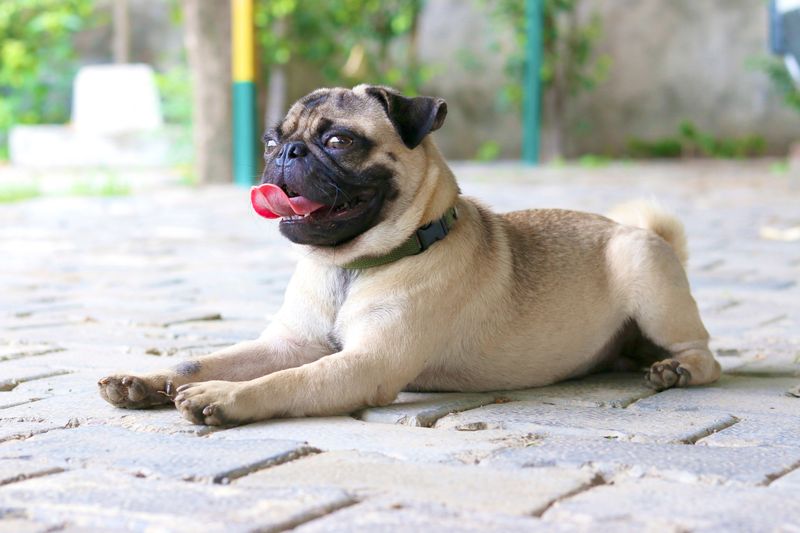
Flat-faced breeds like Bulldogs and Pugs move air less efficiently, so cooling down is harder for them. Senior dogs, heavier dogs, and those with heart or lung conditions face similar limits.
Plan much shorter outings for these companions, always in the coolest part of the day.
Your veterinarian can suggest activity levels that fit your dog’s health history. Indoor enrichment covers the rest without any pavement involved.
17. Hot Ground Raises Whole Body Temperature
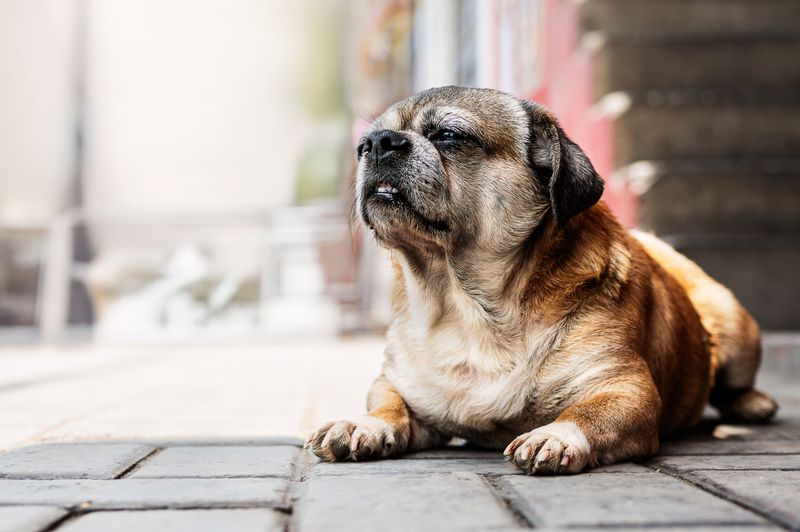
Paws are not the only concern. Standing and walking on heated surfaces feeds warmth into your dog’s body, pushing their temperature upward.
Combine that with strong sun, dry air, and exercise, and heat stress can build faster than expected.
Cool ground helps your dog regulate themselves. Choosing shade and grass is as much about their overall comfort as it is about protecting paw pads.
18. Water Goes With You, Always
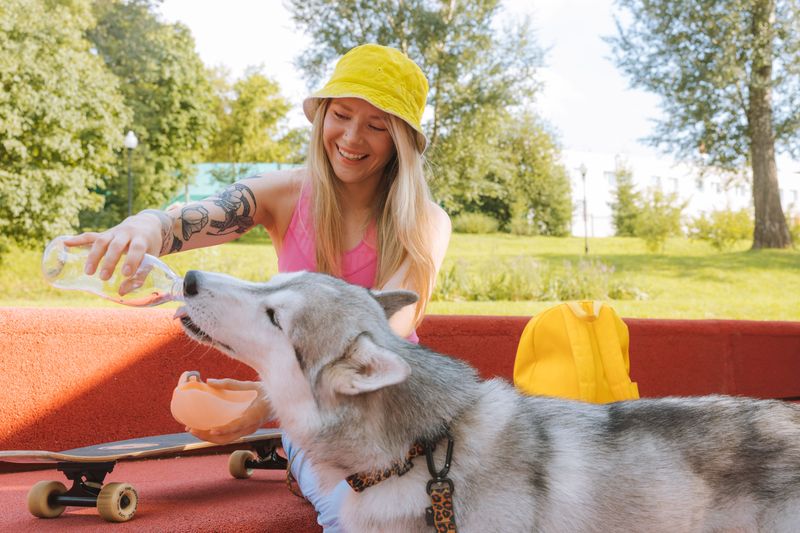
A collapsible bowl and a water bottle belong in your hand on every warm walk. Offer small drinks along the way, not one big gulp at the end.
Watch for heavy panting, thick drool, a very dark tongue, wobbling, restlessness, or unusual tiredness. Head home right away if you see them.
Move to shade, wet the body with cool water, offer sips, and call your veterinarian promptly.