What South Carolina Dog Owners Should Know About Seasonal Rules In Beach Towns
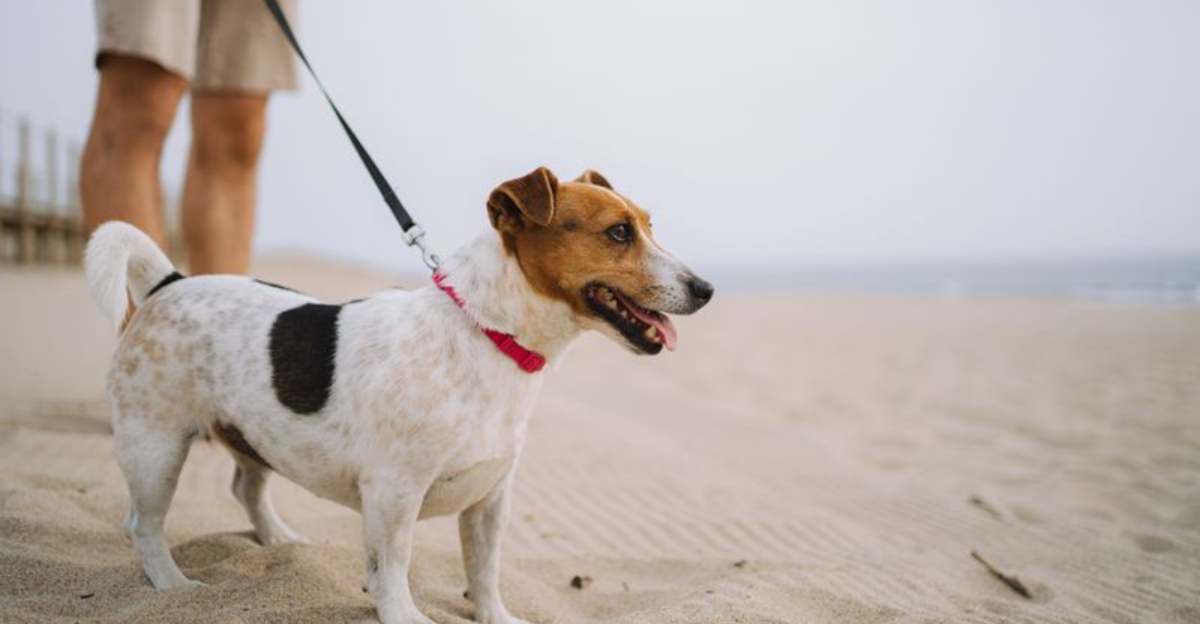
Taking your dog to a South Carolina beach can be a lot of fun, but rules often change with the season. One town may allow early walks, while another may require leashes or limit dog hours.
Knowing the basics before you go helps you avoid surprises and keeps the day easy for everyone. Here is a friendly guide to the beach rules and habits that matter most for local dog owners.
Know the Rules Before You Head to the Beach

A beach day goes smoother when you check local rules before loading the car. South Carolina beach towns often change dog access by season, time, and beach zone.
One island may welcome dogs at sunrise, while another limits them during busy months. Visit the town website, call beach patrol, or check animal control pages before every trip.
A two minute check can save a frustrating turnaround and help you plan a better outing with confidence.
Look for Early-Morning Dog Hours

Sunrise can be the sweet spot for dogs in many beach towns. Some places allow pets only during early hours in warmer months, when crowds and heat stay lower.
Set out early, bring water, and leave before the posted cutoff. Rangers may enforce the schedule, even if the sand still seems empty.
Getting there thirty minutes late can cancel your walk, so build extra travel time into your morning plan before leaving home that day.
Know When Leashes Are Required
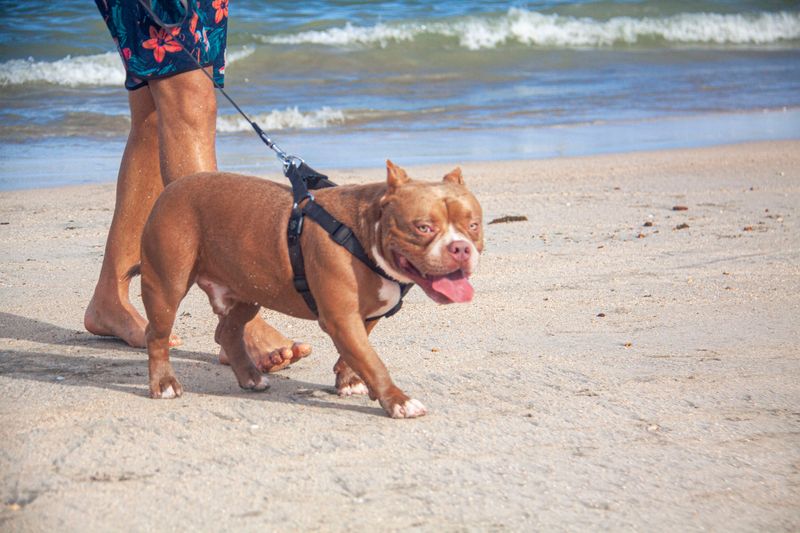
Leash rules often change with the season, and they may also change by beach area. A dog can be legal off leash near one access point, then need a leash farther along.
Keep a sturdy leash in your hand, not buried in a bag or car. Shorter leashes work best in crowds, near bikes, and around children.
When a town says leashed, that usually means attached and under control the whole time while on sand.
Understand Off-Leash Beach Rules
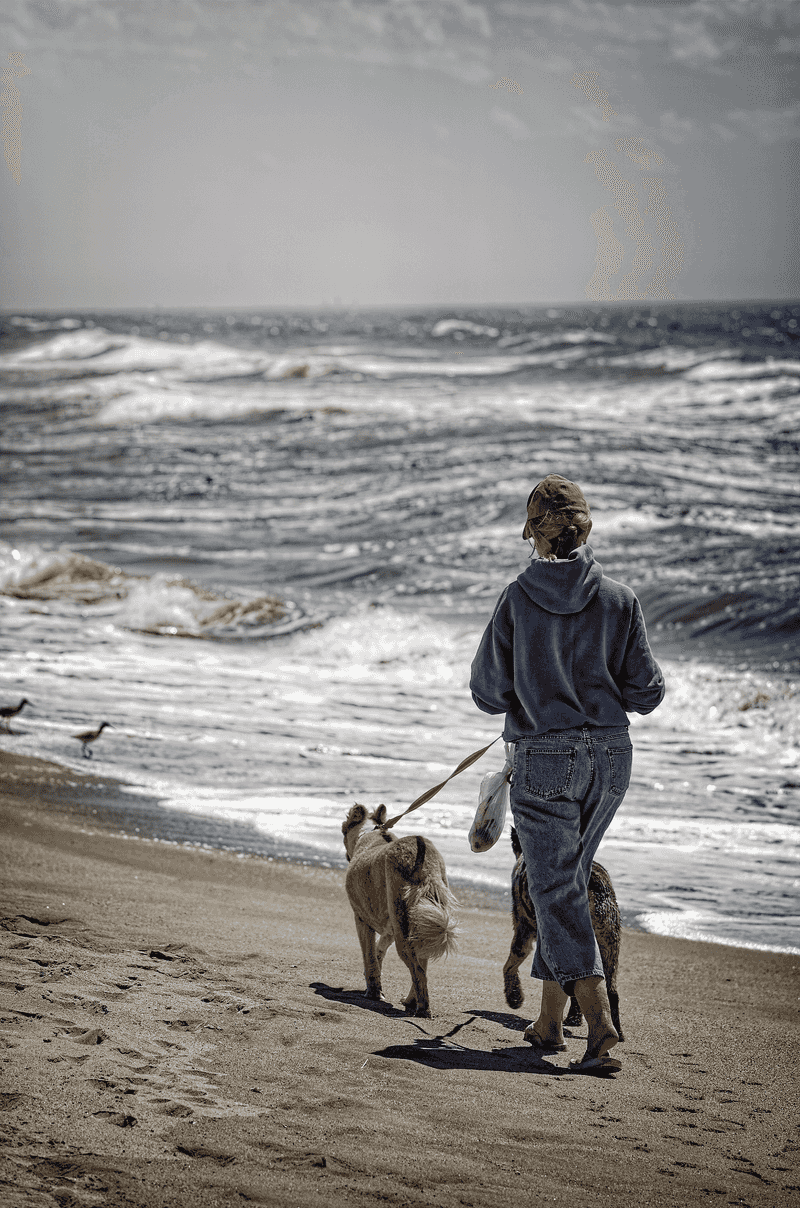
Off leash hours can sound simple, but towns usually expect strong voice control. If your dog ignores recall around gulls, joggers, or other pets, off leash freedom may not fit.
Practice reliable returns before any beach trip. Carry a leash anyway, because officers can still require restraint in certain zones or situations.
Friendly behavior matters, too. A social dog that rushes strangers may break rules, even without growling or barking during a busy summer morning.
Check Hilton Head Island’s Dog Rules
Hilton Head Island is dog friendly, yet its beach rules shift through the year. Hours, leash expectations, and location details can differ by season, so check the town’s current beach ordinance page.
Many owners remember only last year’s pattern, and that can cause mistakes. Save the official rules on your phone before leaving.
If you stay in a rental area, also check property signs, because private beach access paths may add extra pet limits nearby.
Review Isle of Palms Beach Regulations

Isle of Palms posts dog rules that many visitors miss until they reach the sand. Seasonal windows can affect when dogs are allowed and whether a leash must stay on.
Because summer traffic builds fast there, timing matters almost as much as the rule itself. Read the city’s beach information before you drive over.
If your family plans breakfast first, double check that your dog hours still match the beach schedule that day before leaving.
Know Folly Beach’s Seasonal Rules

Folly Beach often draws dog owners who love an easygoing surf town feel. Still, pet access there follows seasonal rules, and protected shoreline areas may need extra care and closer control.
Before heading out, check the city’s official beach guidance and any signs at your access point. Conditions and enforcement can feel stricter during busy visitor months.
A leash, water bowl, and a backup walking plan can make a Folly outing less stressful for everyone.
Check Sullivan’s Island Requirements
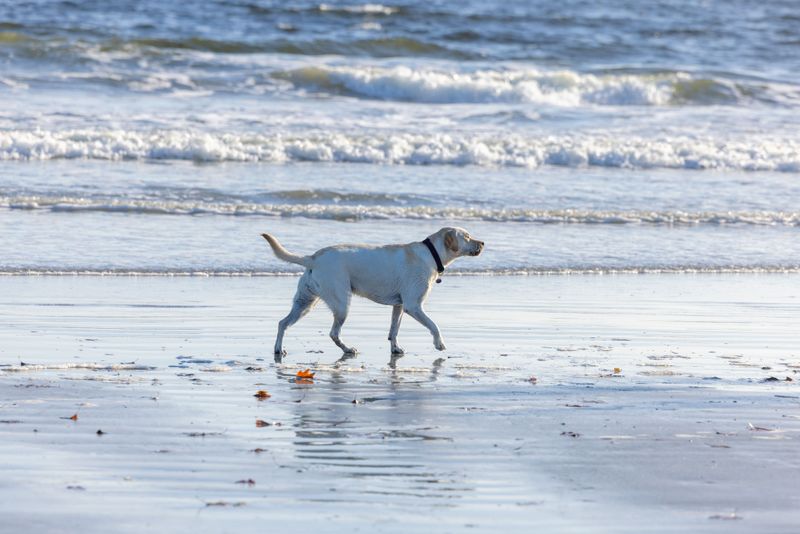
Sullivan’s Island has its own dog requirements, and regulars know details matter there. Licensing, leash use, or seasonal access rules may apply, so never assume another town’s policy carries over.
A quick check with the town website or beach signs can clear things up fast. Keep your dog’s tags current and easy to read.
If an officer asks questions, having identification and a leash ready usually makes the conversation shorter and calmer for everybody nearby.
Keep Vaccinations and Identification Current
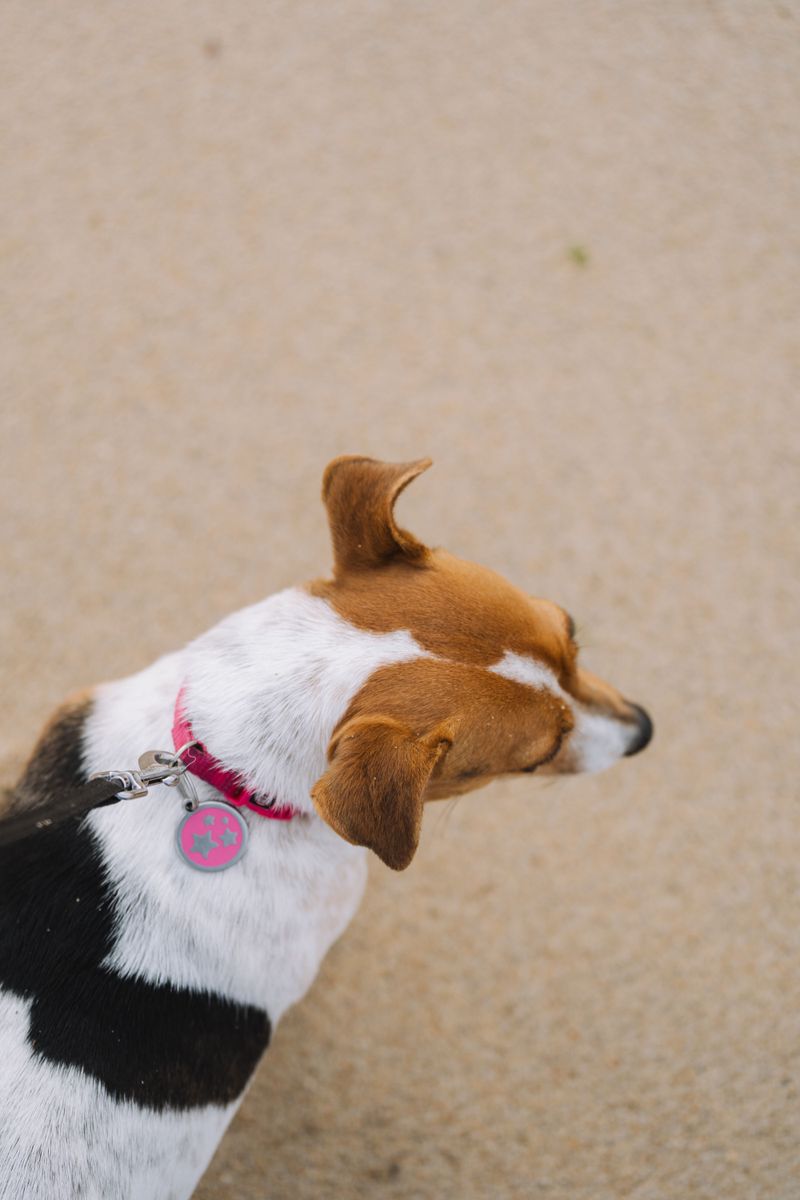
Paperwork feels boring until someone asks for it at the beach. Current rabies vaccination, town license where required, and clear ID tags help if your dog gets loose or a complaint happens.
Use a collar tag plus a microchip with updated phone numbers. Salt water fun can shake tags loose, so check clips before every walk.
Bringing a photo of vaccination records on your phone adds another useful layer of backup during travel or outings.
Always Clean Up After Your Dog
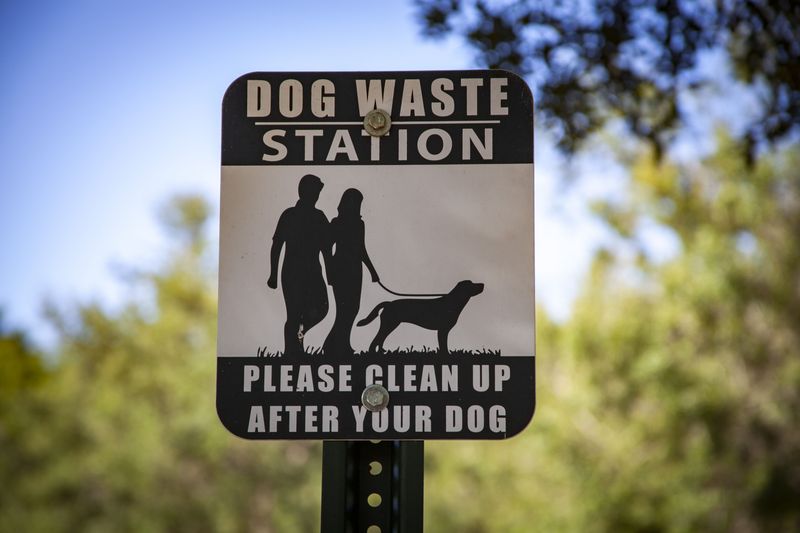
No one enjoys stepping around surprises on a morning walk. Cleaning up after your dog is a basic beach courtesy, and many towns enforce it with posted rules.
Bring more bags than you think you need, because windy beaches create accidents and dropped supplies. Tie waste securely and use proper bins, not dune grass or parking lots.
Good cleanup habits protect water quality, keep beaches welcoming for dog owners, and lower complaints from other visitors.
Protect Sea Turtle Nesting Areas

Sea turtle season overlaps with the months many beach towns tighten dog rules. Nests, marked areas, and hatchling routes need extra space, so dogs should stay away from roped zones and holes.
Even curious sniffing can disturb protected habitat or bring unwanted attention from wildlife staff. Keep walks calm, short, and closely supervised near dunes.
If your dog loves digging, choose another place that day and help preserve the shoreline for nesting turtles each season.
Follow Posted Beach Signs
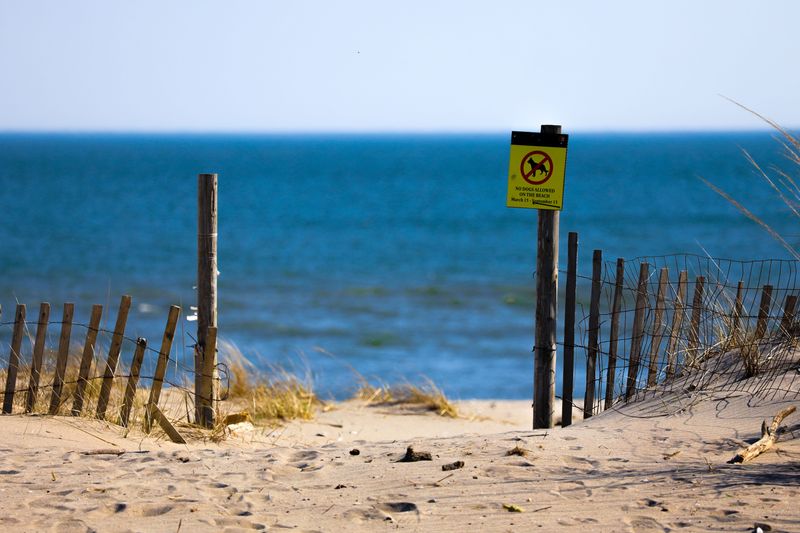
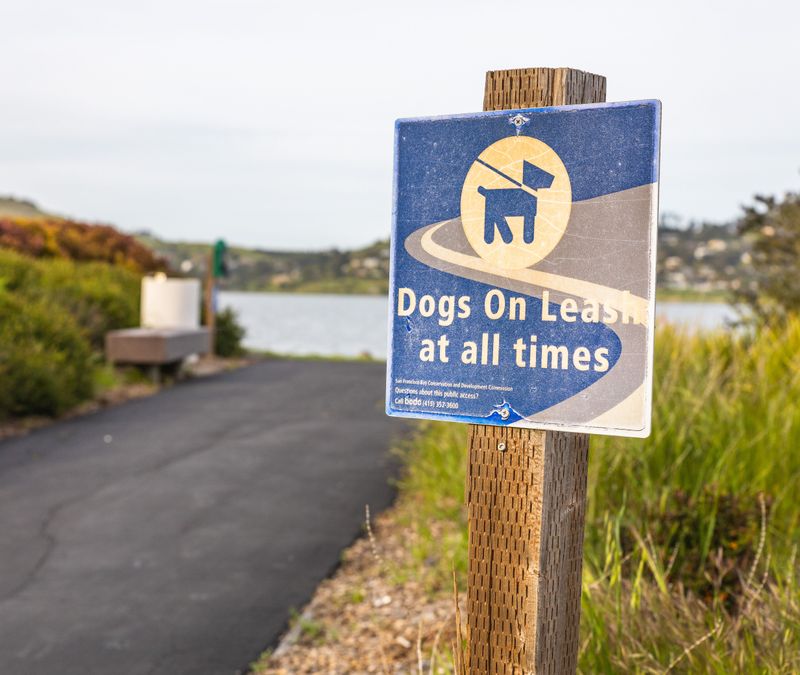
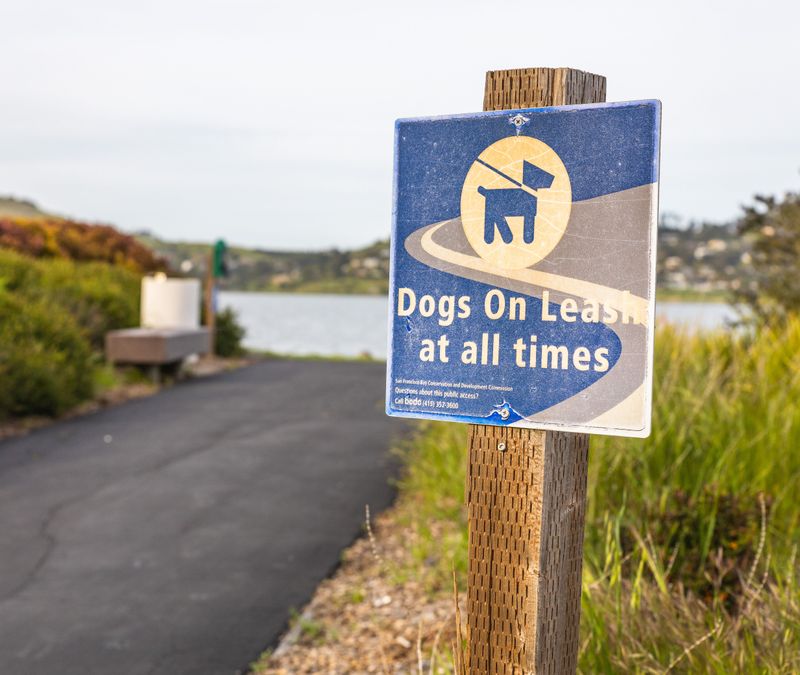
Beach signs are not decoration, especially in towns with changing seasonal dog rules. They often mark leash zones, no dog hours, protected dunes, or access points where different standards apply.
Pause and read every sign, even on a beach you know well. Storms, construction, or wildlife activity can bring temporary changes.
Teaching kids to scan signs with you is a smart habit, and it helps the whole group follow local expectations without confusion each trip.
Check Rules at Nearby Parks and Access Points
Some dogs do better with a mixed plan instead of nonstop beach time. Nearby parks, boardwalk areas, and public access points may have separate pet rules, opening hours, and leash standards.
That means a legal beach walk does not guarantee legal time in the next spot over. Check maps and posted notices before moving locations.
Knowing the rules for parking lots, paths, and rest areas helps you avoid small mistakes during an otherwise relaxed outing.
Avoid the Busiest Beach Hours
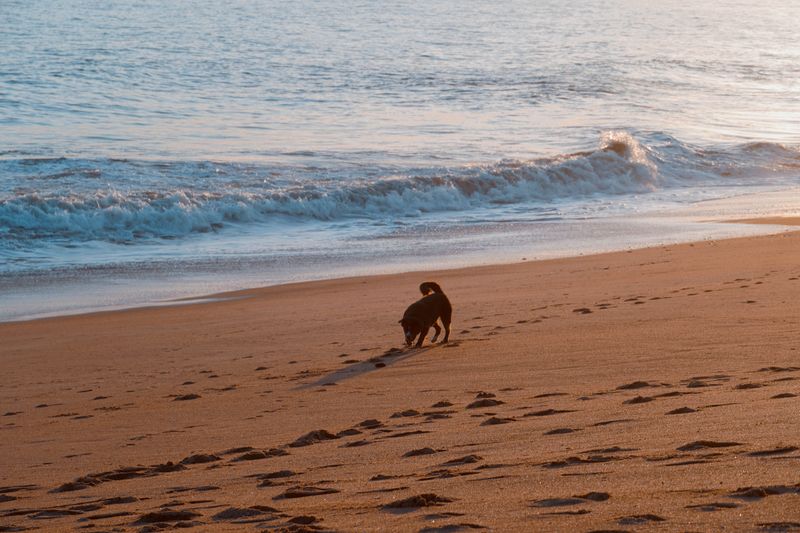
Midday beaches can feel like a parade, especially in summer. Even where dogs are allowed, the busiest hours bring hotter sand, tighter spaces, and more chances for stress or complaints.
Choosing quieter times helps many dogs stay focused and polite. Early morning or later evening walks often feel easier for owners, too.
If your dog startles at umbrellas, skateboards, or shouting children, lighter traffic can turn a challenging outing into a calm one for everyone.
Check for Updated Local Regulations
Beach rules can change faster than many owners expect. A town may update hours, leash rules, or protected areas after storms, construction work, wildlife needs, or crowd management concerns.
Do not rely only on an old screenshot or a neighbor’s memory. Check official town pages close to your visit date, then look again if weather shifts.
Following updated local regulations keeps your plans and shows respect for staff working to balance pets, people, and beaches.
Protect Your Dog From Hot Sand
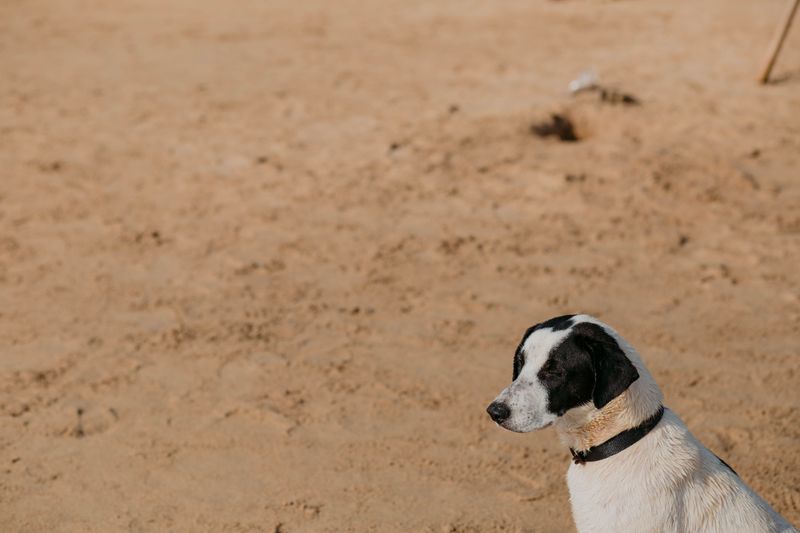
Hot sand can surprise owners who are watching waves instead of paws. Even on breezy days, dark or dry sand may become uncomfortable quickly, especially around midday and parking areas.
Test the surface with your hand or bare foot for several seconds. Choose shaded routes, rinse paws afterward, and watch for limping or frequent stopping.
If the beach feels too warm for a walk, switch to grass, a pier area, or an break until later.
Have a Backup Dog-Friendly Spot
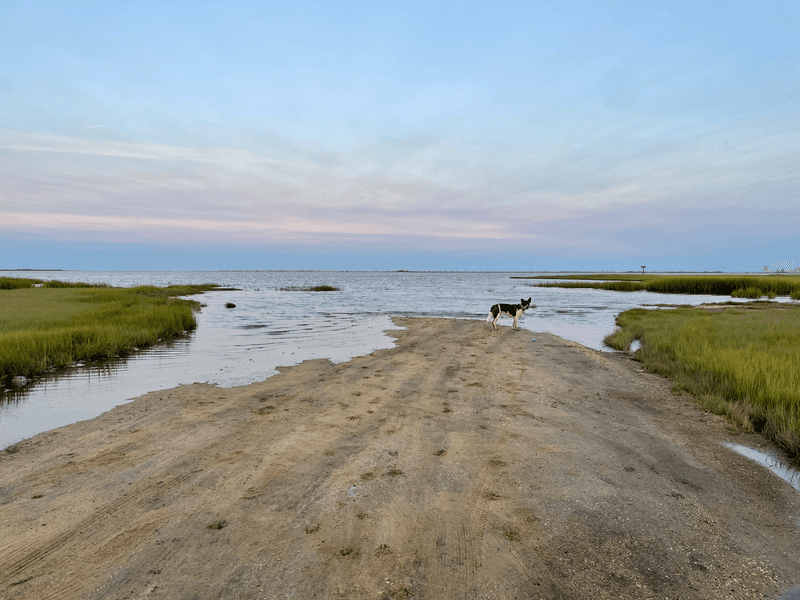
Sometimes the beach plan simply does not work, and that is okay. Seasonal rules, heat, crowds, or wildlife closures can make another place a better choice for your dog that day.
Keep a backup dog friendly spot in mind before you leave home. A shaded park, quiet trail, or pet welcoming patio nearby can rescue the outing.
Flexible plans reduce stress, help you follow local rules, and make your dog likely to enjoy the day.