Why Utah National Park Road Trips Require Extra Planning With A Dog
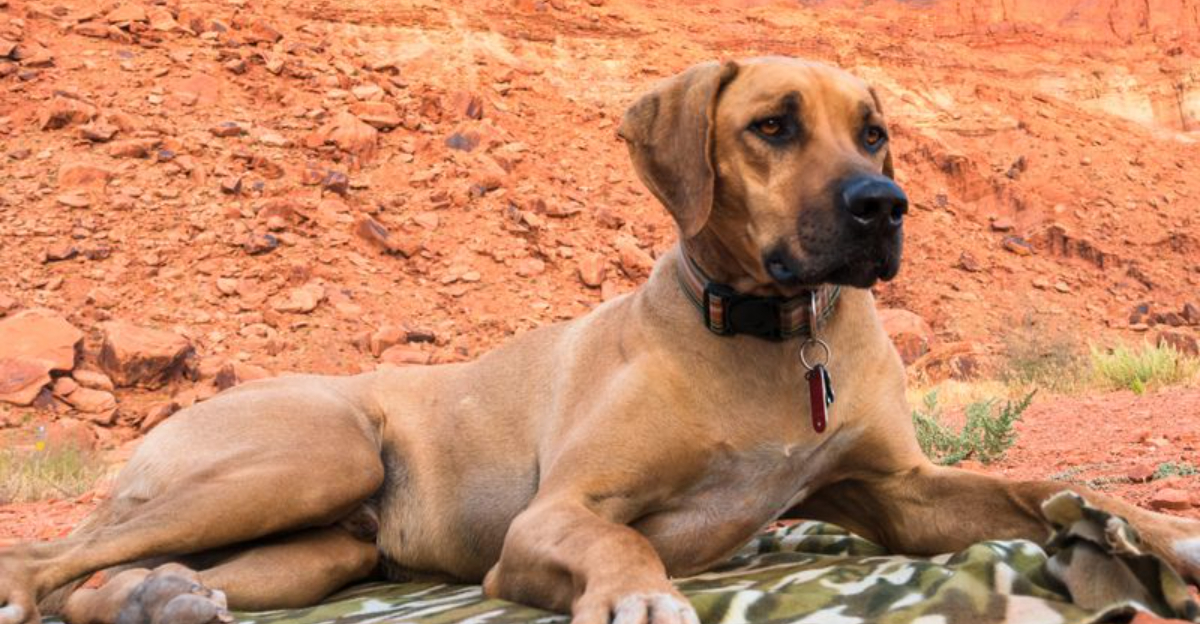
Utah looks made for a road trip, but bringing a dog changes the math in a big way. Stunning red rock parks often have strict pet rules, long dry drives, and heat that sneaks up fast.
One stop can feel easy, then the next one suddenly needs a backup plan. That extra planning may sound fussy, yet it is exactly what helps the whole trip run smoothly, safely, and with fewer leash-side letdowns.
Check Dog Rules Before Visiting Utah’s National Parks
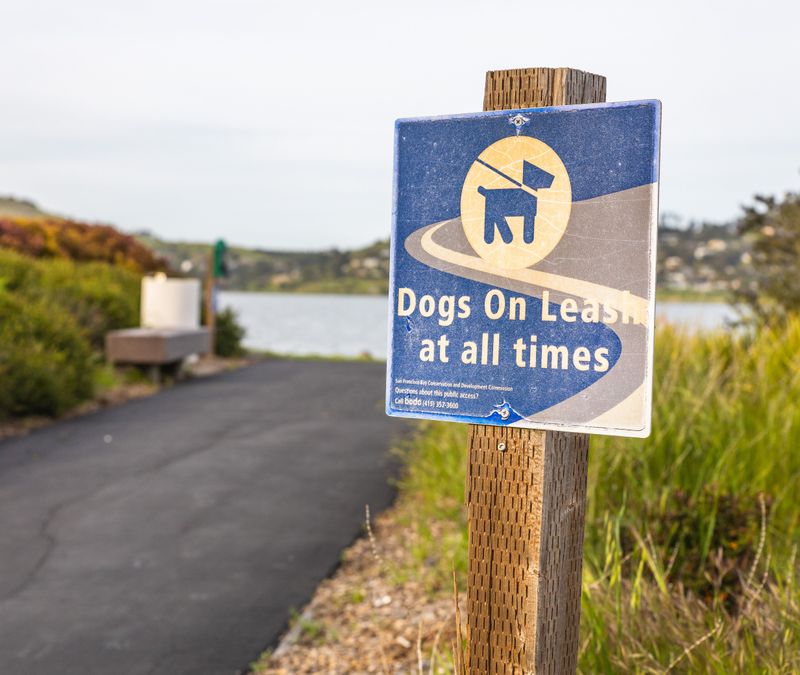
Park rules can change faster than a weather app in spring. Dogs are allowed in some developed areas, but trails often have limits.
Each Utah park posts pet rules online, and rangers update alerts regularly.
A quick check before you go can save a long drive and a sad turnaround. Look for leash length, shuttle rules, closed paths, and pavement-only zones.
Screenshot rules, because service can disappear when red rocks start towering overhead all around.
Plan Around Zion National Park Restrictions
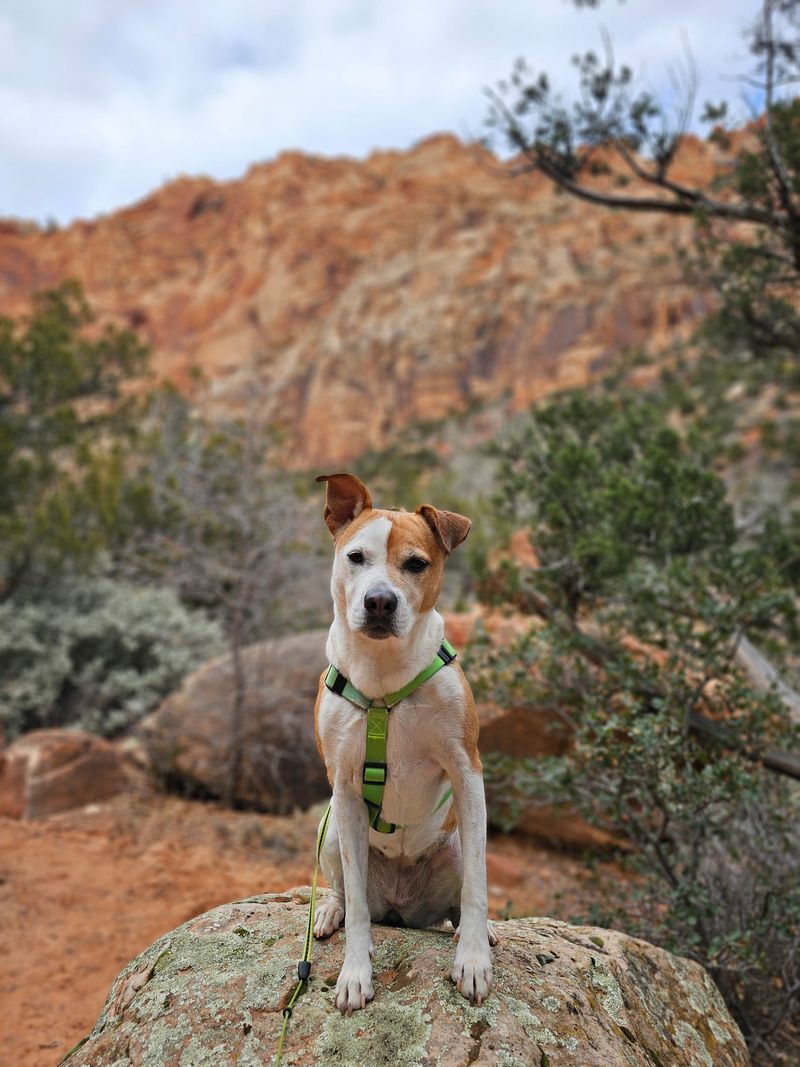
Zion looks wide open, yet pet access is surprisingly narrow. Dogs are allowed on the Pa’rus Trail in Springdale and in campgrounds, but most park trails ban pets.
Shuttle buses also do not carry dogs.
That means your day needs a different shape from the usual Zion wish list. Map short walks, scenic pullouts, and dog-friendly stops in nearby Springdale.
Planning ahead keeps everyone calmer, including the pup watching Angels Landing from a distance today.
Understand Bryce Canyon National Park Pet Limits
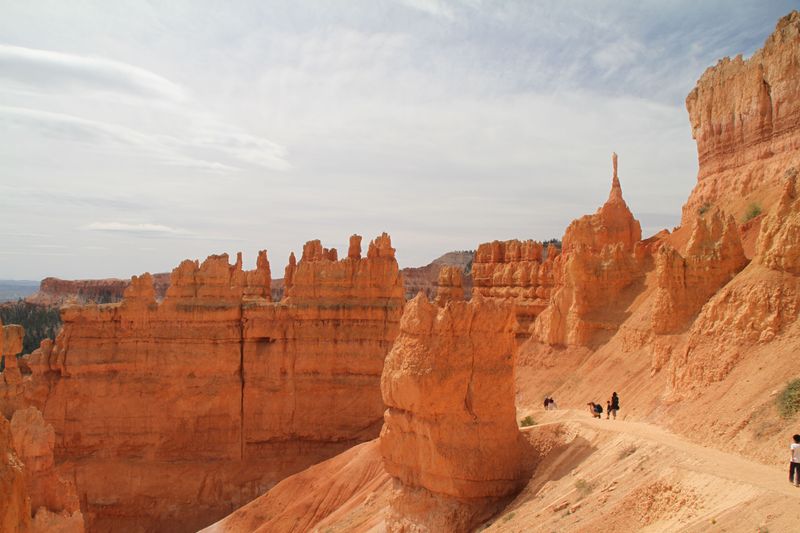
Bryce Canyon feels cooler, but pet freedom stays small. Dogs can use campgrounds, paved roads, viewpoints, and the shared-use path between Sunrise and Inspiration Points.
They cannot join you on most dirt trails below the rim.
Because the famous hoodoo routes are off limits, split the day wisely. One person can hike while another enjoys shaded overlooks with the dog.
Then swap turns, stretch legs together, and still catch Bryce Canyon’s wild stone shapes there.
Prepare for Arches National Park’s Limited Dog Access
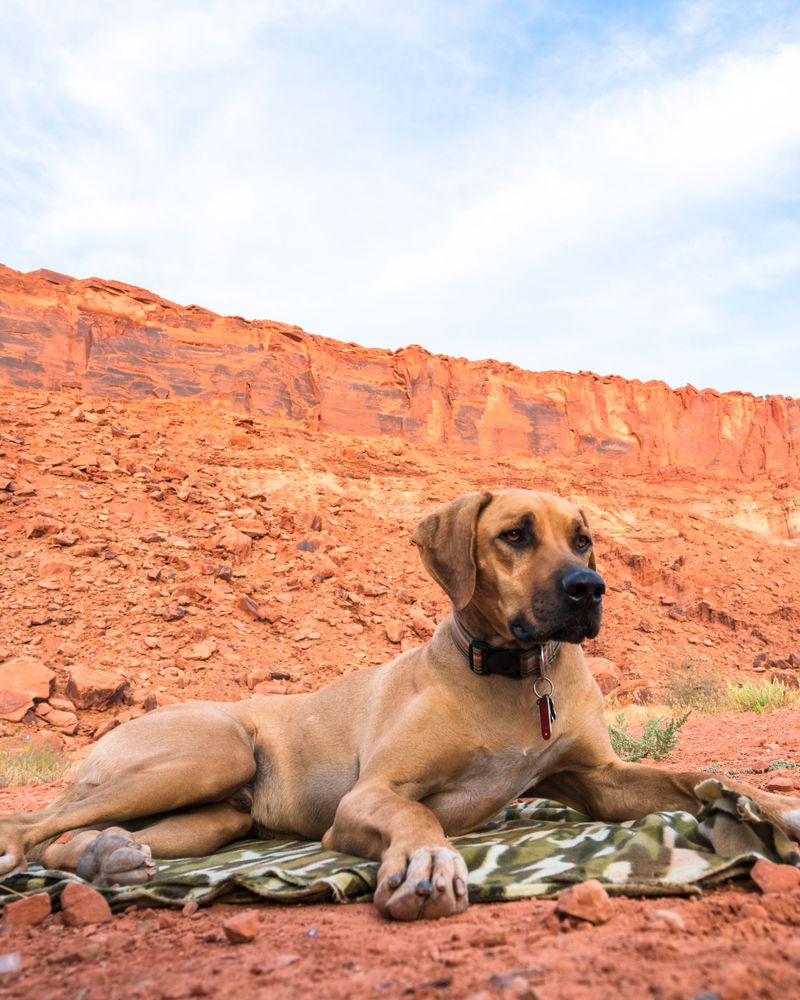
Arches is stunning, but pet options stay very narrow. Dogs may be on roads, parking areas, and campgrounds, but not on hiking trails or in the backcountry.
Many sandy routes are off paws.
That surprises first-time visitors near Moab. You will need scenic drives, photo stops, and town walks to balance the day.
If Delicate Arch matters most, plan turns with another adult. Nobody likes learning park limits after the sunscreen is already on outside.
Know Canyonlands National Park Has Similar Limits
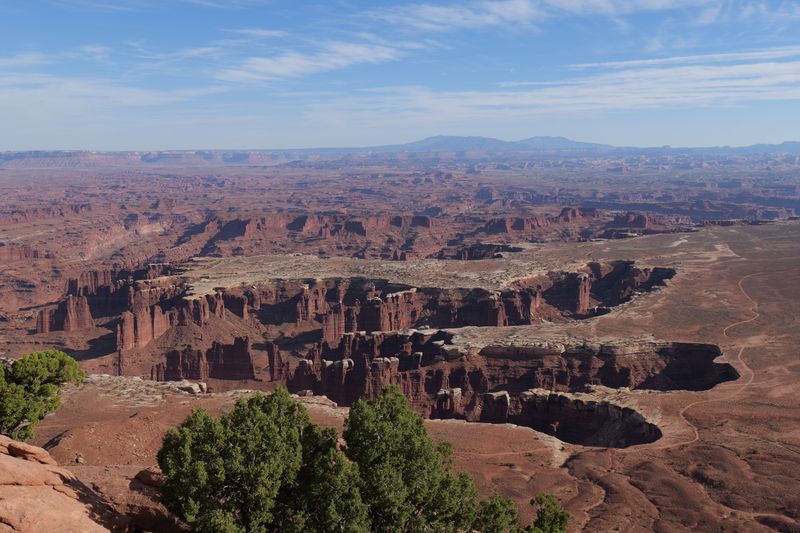
Canyonlands plays by rules that feel a lot like Arches. Dogs can be in developed areas, on roads, and at campgrounds, yet trails and overlooks beyond access paths are mostly off limits.
The landscape is huge, but pet choices are not.
That mismatch can catch people off guard. Before heading from Moab, decide whether your stop is mainly for views, not hikes.
A planned scenic loop works better than hoping a trailhead sign brings news.
Make Time for Capitol Reef National Park
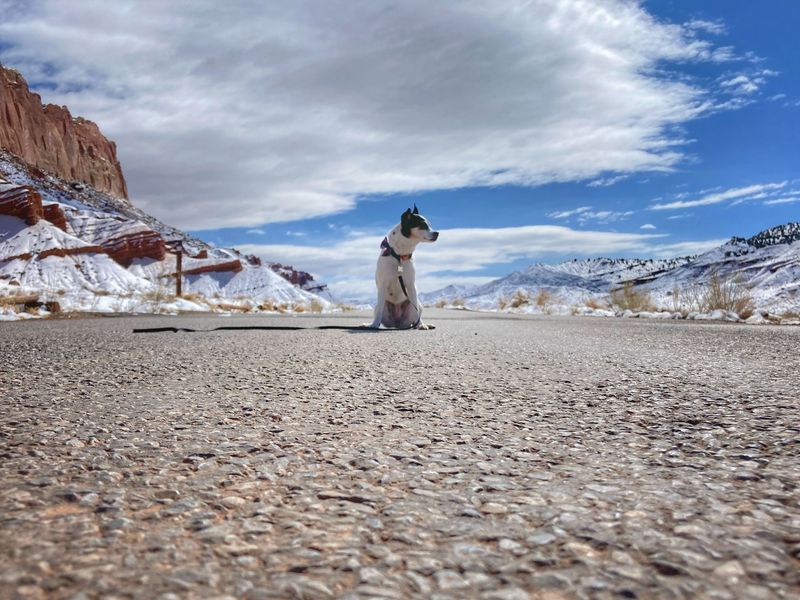
Capitol Reef often feels like the quiet kid with the best snacks. It offers several places where leashed dogs are permitted, including certain developed areas, orchards, picnic areas, campgrounds, and designated sections near roads.
Fruita’s orchards and picnic spots make shared breaks easier.
Trail limits still matter, so check Capitol Reef’s current pet rules before arriving. Adding Capitol Reef gives everyone breathing room on a route.
It works as a reset between stricter parks and longer driving days for all.
Keep Your Dog Cool in Utah’s Desert Heat
By late morning, Utah desert heat can turn a fun stop into a panting protest. Dogs are vulnerable to hot surfaces and heat stress, and some dogs are at greater risk of overheating than others.
Dry air can make conditions feel less oppressive to people, but it does not remove the risk of overheating.
Start walks early, chase shade whenever possible, and skip exposed pavement during peak sun. Watch for heavy panting, slowing down, weakness, or other signs of heat stress.
Cooling towels, airflow, and outings help. In summer, the plan sometimes means doing less.
Bring More Water Than You Think You Need
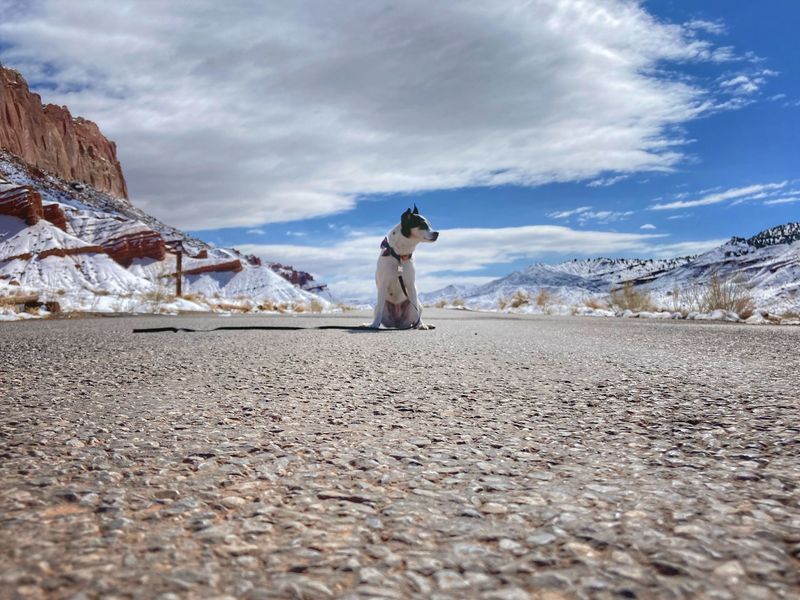
Water disappears fast in Utah, and dogs cannot tell you they are running low. A bowl at breakfast is not enough for a long day.
High elevation, dry wind, and rock all pull moisture away.
Pack more water than your map suggests. Bring separate bottles for people and pets, plus a collapsible bowl for breaks.
Offer drinks often, not only when your dog looks tired. If the car gets delayed, that extra gallon feels brilliant.
Watch for Hot Sand and Rock
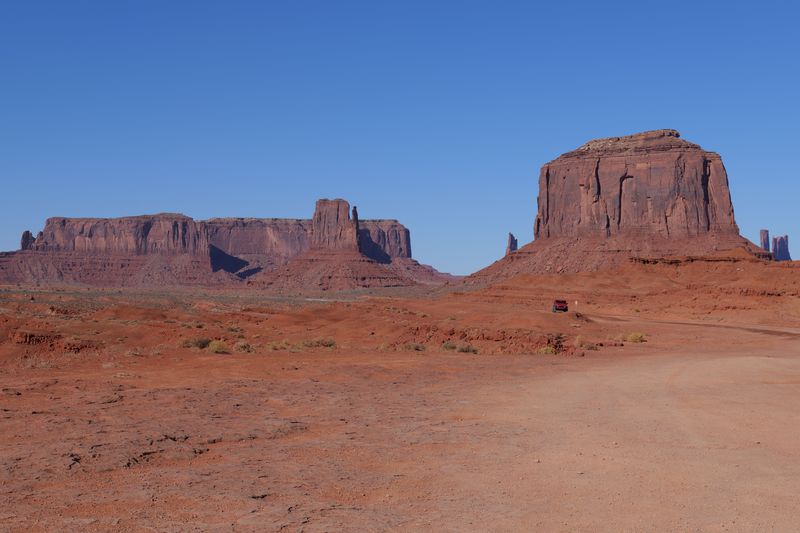
Sandstone can fool you because it looks not painful. On sunny days, rock and sand heat up fast enough to bother paws within minutes.
A dog may keep moving anyway, which makes the risk easy to miss.
Test surfaces with the back of your hand for seconds. Booties help some dogs, while others do better on shaded dirt or walks.
If your pup starts stepping gingerly, stop right away. Tender paws can ruin plans too.
Build Rest Stops Into Long Drives
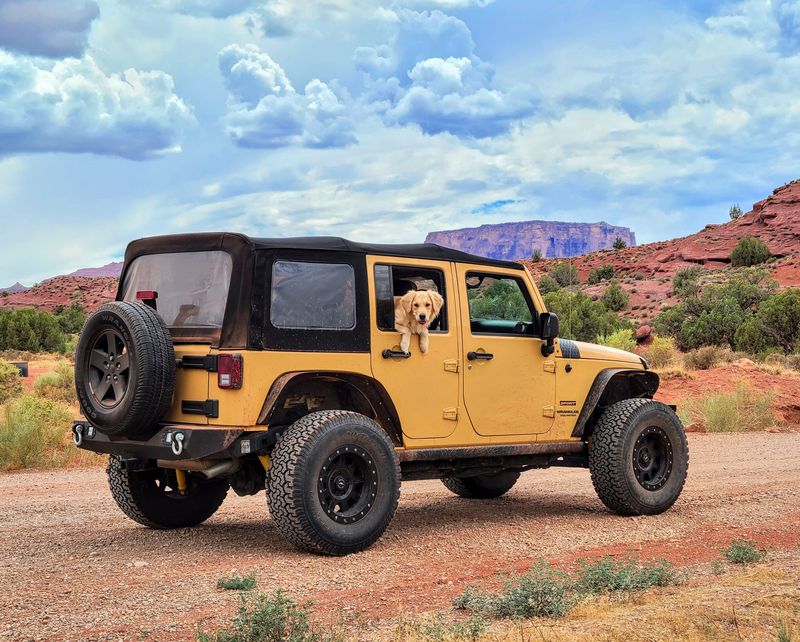
Long Utah drives look short on a screen, then stretch forever between towns. Dogs feel that boredom and stiffness sooner than you do.
Add construction, park lines, and photo stops, and the day gets longer than planned.
Build regular rest stops into each leg of the route. Five minutes to sniff, drink, and reset can prevent whining later.
Look for shaded pullouts, areas, and grassy town parks. A happier backseat passenger makes the caravan smoother.
Choose Dog-Friendly Lodging Along the Route
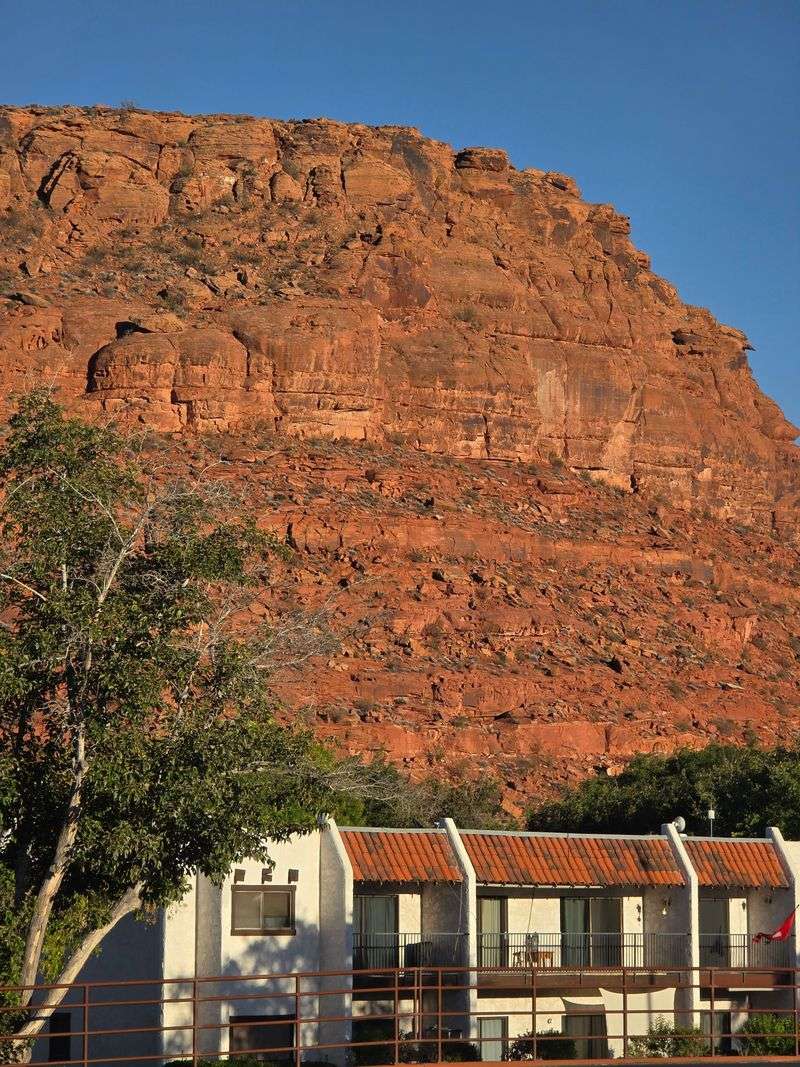
Finding a hotel after dark is no time for pet fees. Utah park towns fill quickly, especially near Springdale, Moab, Bryce Canyon City, and Torrey.
Some places welcome dogs, while others allow limited sizes or numbers.
Book ahead and read the fine print. Check nightly fees, crate rules, unattended pet policies, and walking areas.
A dog-friendly room with easy outdoor access can feel priceless after a day. Good lodging turns bedtime into recovery, not puzzle-solving.
Consider Utah State Parks for More Dog Time
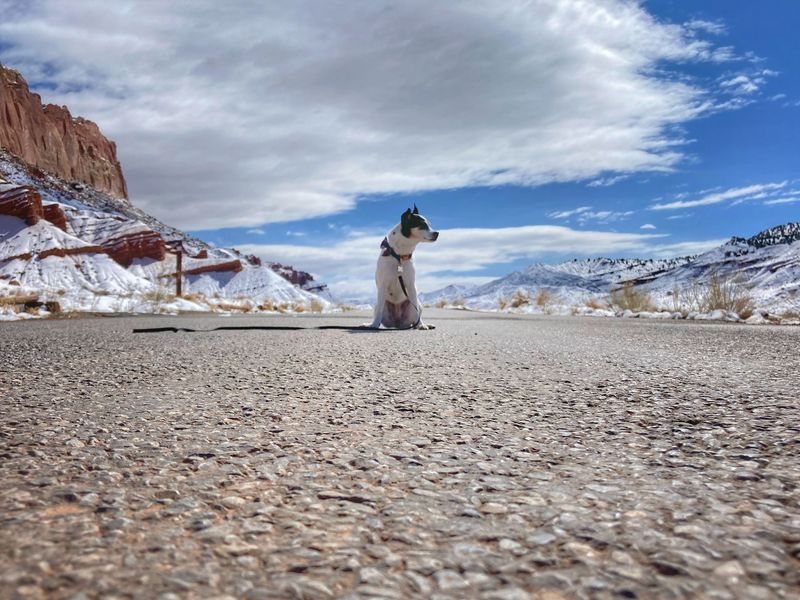
Here is the cheerful twist, Utah State Parks can be more dog-friendly. Spots like Dead Horse Point near Moab, Kodachrome Basin near Cannonville, and Goblin Valley near Green River often give leashed dogs more room to roam.
That can save the day.
Add a state park between national park stops for walking time together. Always verify rules, because policies can change by park and season.
Mixing systems creates a trip that feels kinder for hounds.
Keep Your Dog Leashed
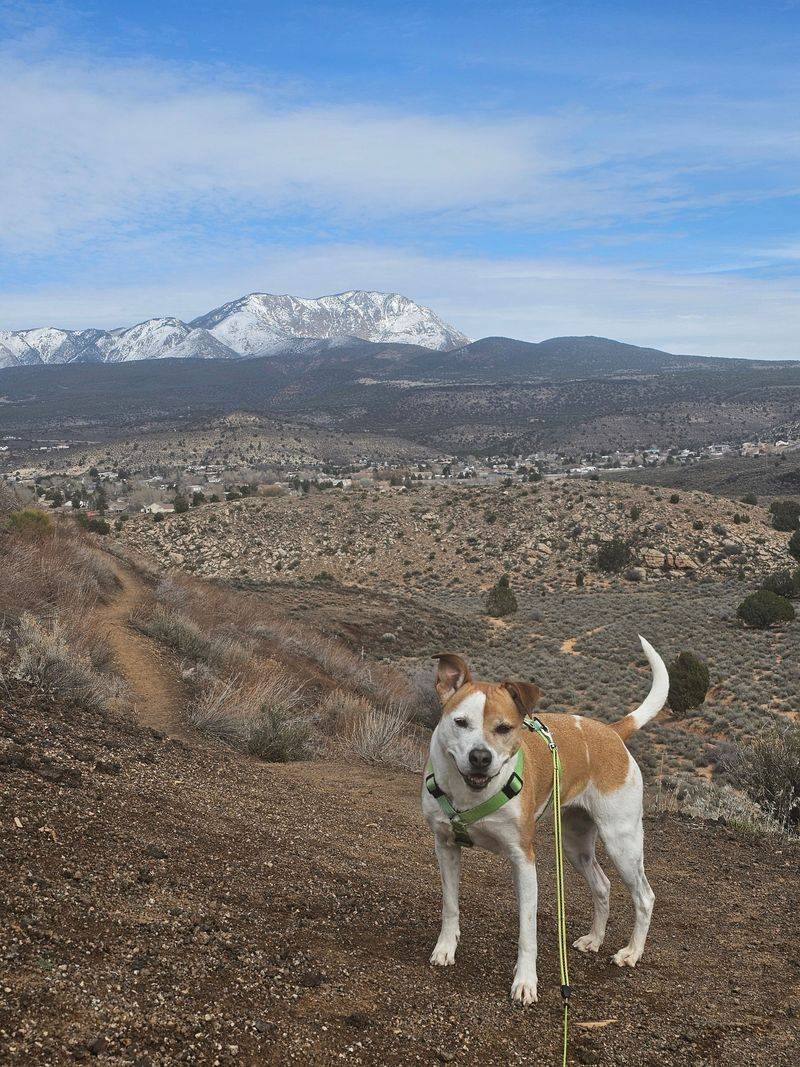
A leash is not just a rule here, it is trip insurance. Slickrock edges, cactus patches, busy pullouts, and excited tourists create too many surprises for off-leash freedom.
Even a well-trained dog can react fast in a strange place.
Most Utah parks require leashes, often six feet or shorter. Use a harness and keep your dog close at viewpoints and parking lots.
Good leash habits protect paws, wildlife, and everyone’s photo moment, all at once.
Never Leave Your Dog Alone in the Car
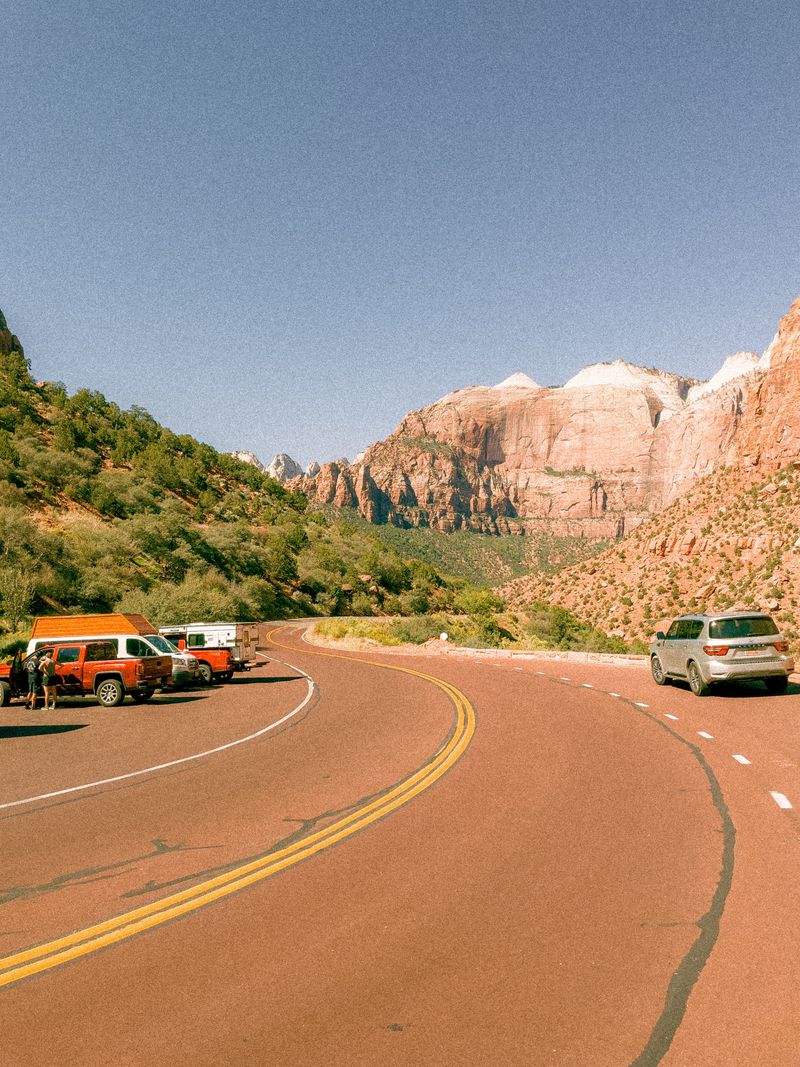
A parked car in Utah sun heats up with speed. Cracked windows do not make it safe, and desert stops rarely stay cool for long.
Even mild days can become risky while you run inside.
National park trips often bring shuttle rides, centers, and hikes where dogs cannot go. Plan activities your dog can join, or trade turns with another adult.
If nobody can stay with the dog, skip the stop. Safety beats squeezing in.
Pack for Remote Desert Conditions
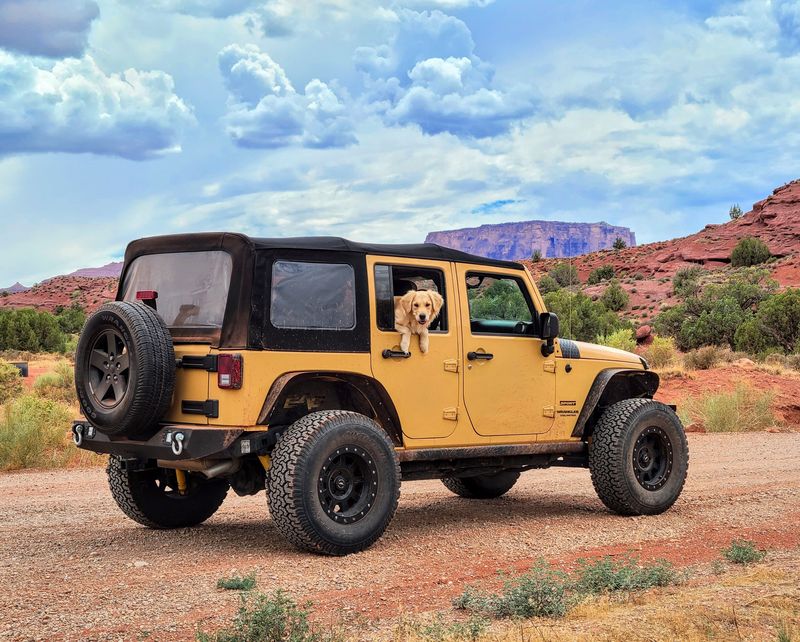
Utah’s beautiful emptiness means small problems grow quickly. Cell service drops, shade disappears, and the next store may be far away.
A dog who spills water or gets dusty paws might need help before you reach town.
Pack a desert kit, extra water, bowl, paw balm, waste bags, towels, backup leash, and first-aid basics. Add copies of vaccine records and your vet’s number.
When the route gets remote, preparation feels less fussy and more brilliant.
Give Wildlife Plenty of Space
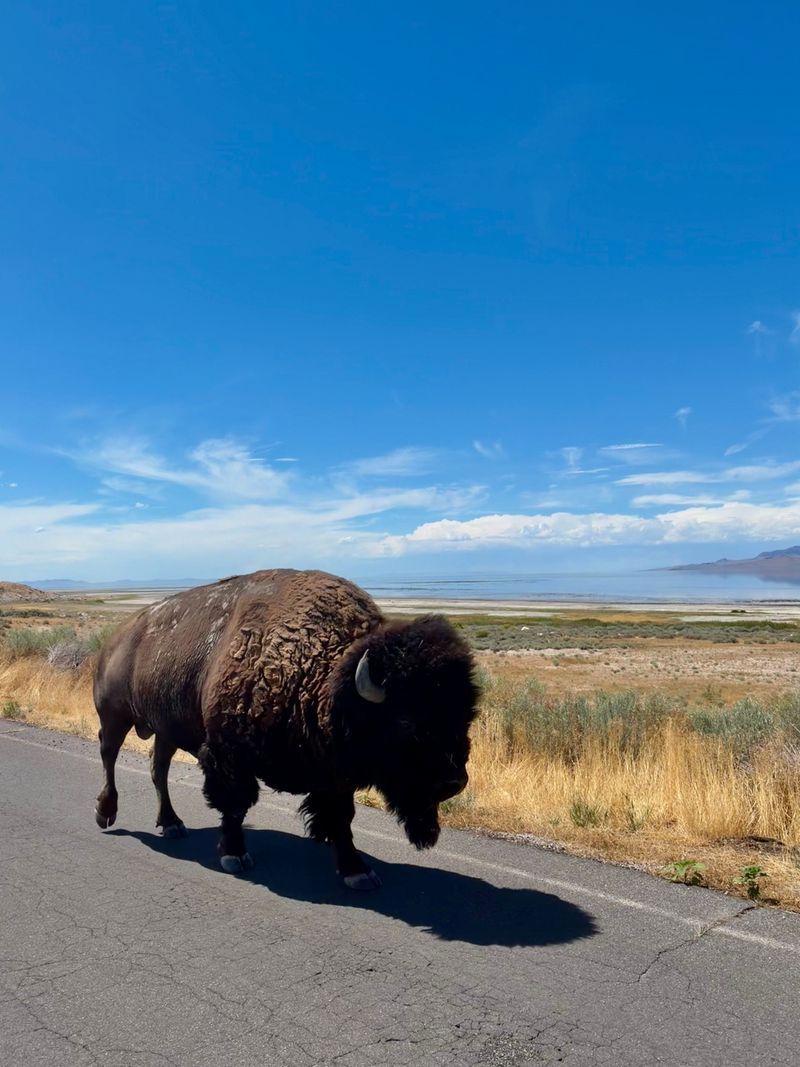
A rabbit sighting can turn a calm dog into a furry rocket. Utah parks protect deer, bighorn sheep, lizards, birds, and many creatures.
Wildlife carries risks from stress and heat to nests and sharp defenses.
Give animals plenty of space, even from the car. Keep your dog close, quiet, and moving past the scene.
Dawn and dusk can be busiest for wildlife, so stay alert then. Respecting space keeps the landscape peaceful for everyone there.
Check Road and Weather Conditions, Then Stay Flexible
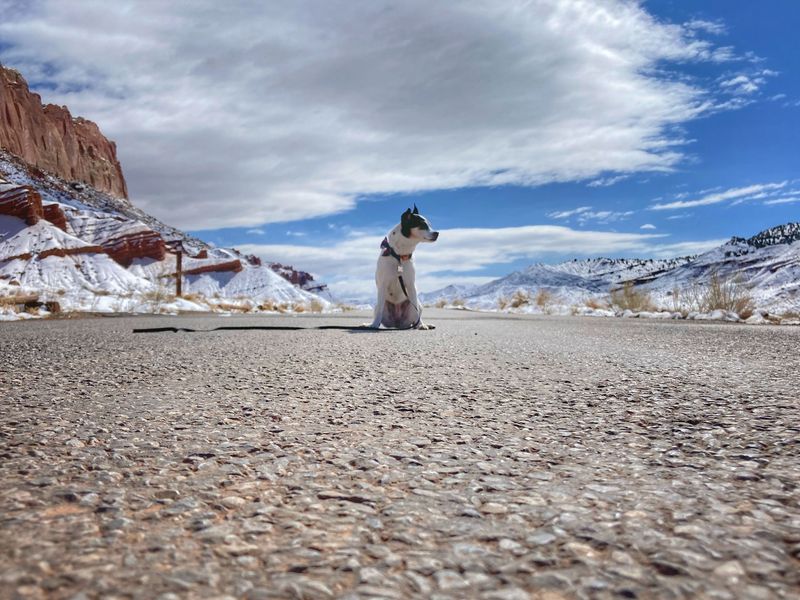
Utah road trips love surprises, and some are not fun. Summer storms can flash flood roads, snow can hit passes, and construction may slow entries.
A rigid schedule can unravel before lunch.
Check forecasts, road alerts, and park notices the night before and again that morning. Then leave room between stops, especially with a dog aboard.
Flexibility makes space for naps, cooler hours, and alternate walks. That is how road days stay cheerful for all.