How Marshes, Mosquitoes, And Ticks Change Dog Walks In Coastal Delaware
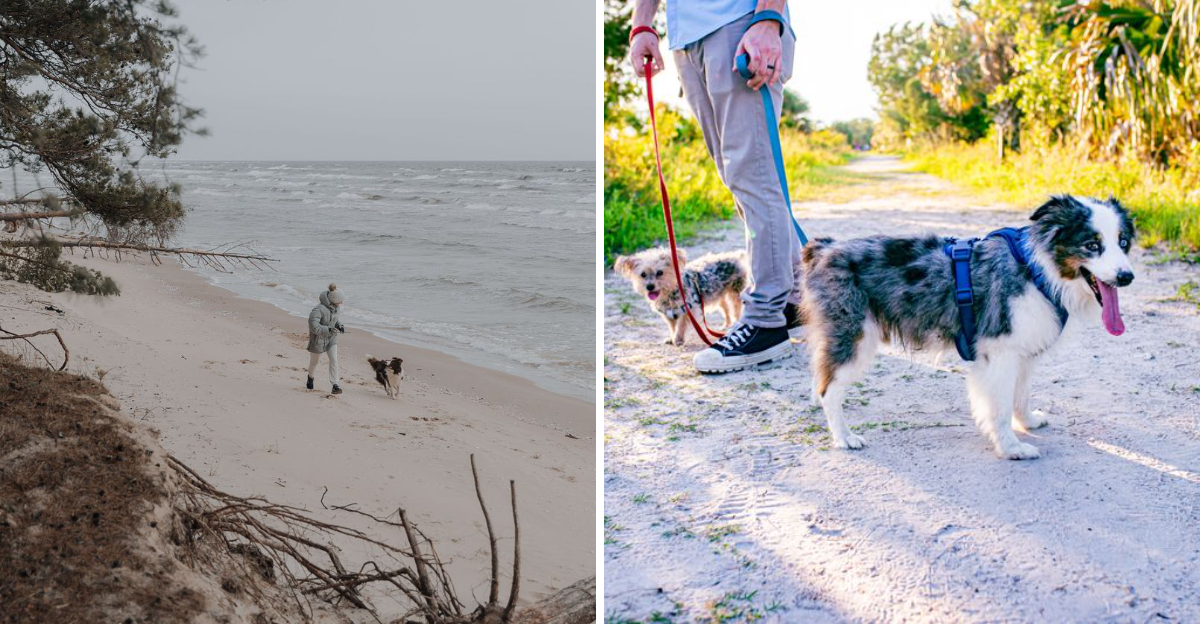
Walking a dog along Delaware’s coast comes with salty air, wide skies, and a few local details worth knowing. Marsh edges, warm evenings, and grassy trail shoulders all shape when and where you walk.
None of it should keep you home. With a little planning, a good prevention plan from your veterinarian, and a quick check after each outing, marsh country becomes one of the friendliest places to walk a dog.
Here is what local owners keep in mind.
1. Boardwalks And Open Paths Beat Tall Grass
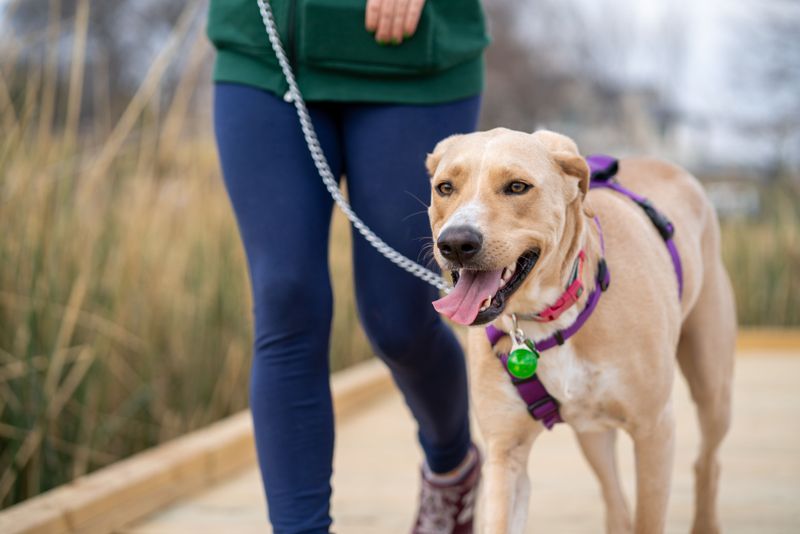
Coastal Delaware gives you something wonderful: raised boardwalks and mowed paths that cut straight through marsh country. Ticks tend to wait on grass blades and low brush, so a wooden plank or packed gravel surface removes most of that contact.
Wildlife refuges and state park loops near the shore are built exactly this way. Choose them first, and you skip a lot of guesswork.
Scenery stays beautiful. Exposure drops sharply.
2. Make The Post-Walk Tick Check A Habit

Habits beat memory. Tie the tick check to something you already do after a walk, like refilling the water bowl or hanging up the leash.
Run your hands slowly over your dog, feeling for small bumps. Ticks can be tiny, so fingertips often find what eyes miss.
Every coastal walk counts, even short ones. Two minutes of checking gives you far more peace of mind than skipping it ever will.
3. Where Ticks Actually Like To Hide

Ticks pick warm, tucked-away spots. Start with the ears, inside and behind, then work under the collar where fur is thick.
Move down the legs, checking armpits, then spread the toes and look between the pads. Finish around the tail and the groin area.
A comb helps on long coats. Good lighting helps on dark ones.
Working the same order each time means nothing gets forgotten.
4. Walk Down The Middle, Not The Shoulder
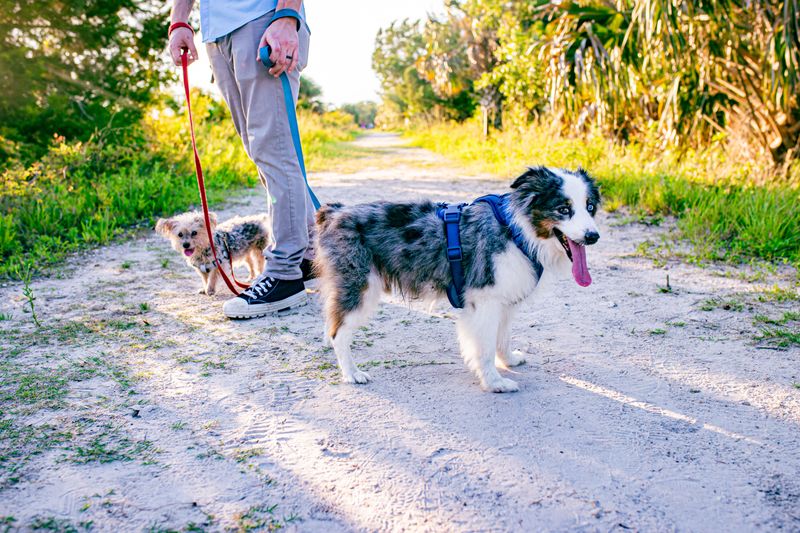
Trail edges are where the action is. Grass leans in, brush brushes against fur, and questing ticks reach out from those blades.
Keeping your dog toward the center of the path, with a shorter leash grip, makes a real difference. Delaware State Parks require leashes no longer than six feet anyway, so the rule works in your favor.
Sniff breaks still happen. Just steer them toward open ground rather than thick cover.
5. Grassy Marsh Edges Deserve Extra Attention
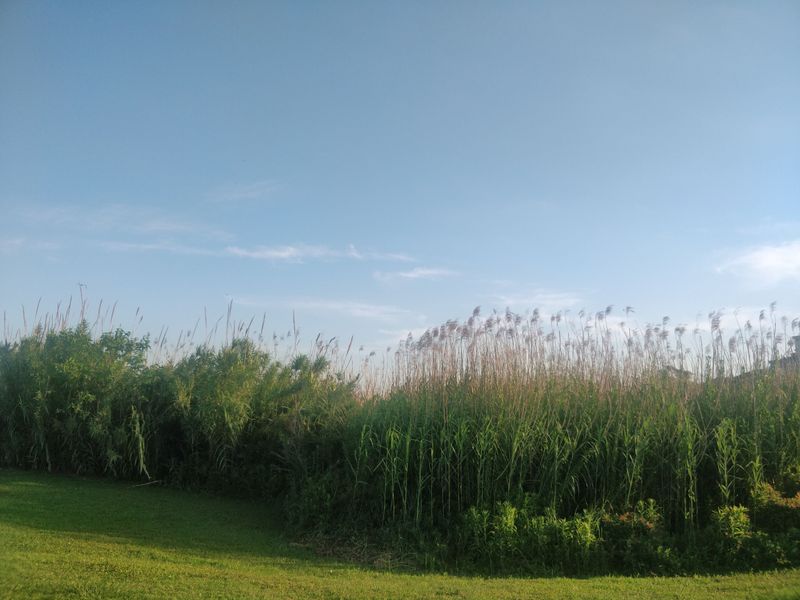
That strip where mowed trail meets marsh grass is prime tick real estate. Lone star ticks and American dog ticks favor tall grasses and meadow edges, and Sussex County has plenty of both.
If your dog wandered into that fringe, treat it as a signal. Do a check right there at the car, then a fuller one at home.
Think of the grass line as a reminder rather than a hazard.
6. A Sea Breeze Is Not A Tick Barrier
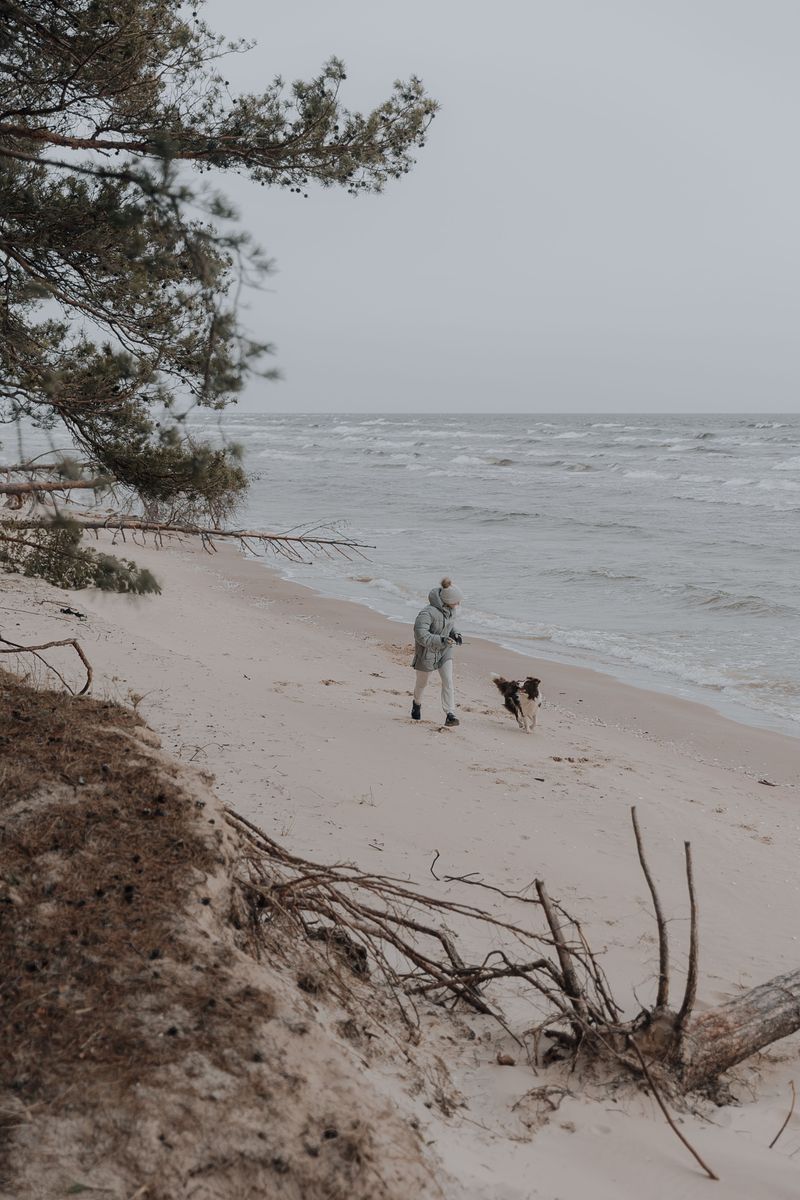
Wind keeps mosquitoes down, and that fools a lot of people. Ticks do not fly or drift, so breeze does nothing to move them off the grass.
Kent and Sussex counties actually report higher tick abundance than northern Delaware. Coastal does not mean clear.
Enjoy the breeze for comfort and for fewer bites in the air. Just keep the same trail habits and the same after-walk routine.
7. Dawn, Dusk, And Dark Belong To Mosquitoes

Salt marsh mosquitoes come out in force as light fades. Late June through Labor Day brings the heaviest pressure, and full-moon high tides that flood the marsh can trigger big emergences.
Sunrise and sunset walks near the water sound lovely. In marsh country, they often mean constant swatting for you and restless scratching for your dog.
Shift those hours inland or toward open, breezy ground.
8. Aim For The Mid-Morning Sweet Spot
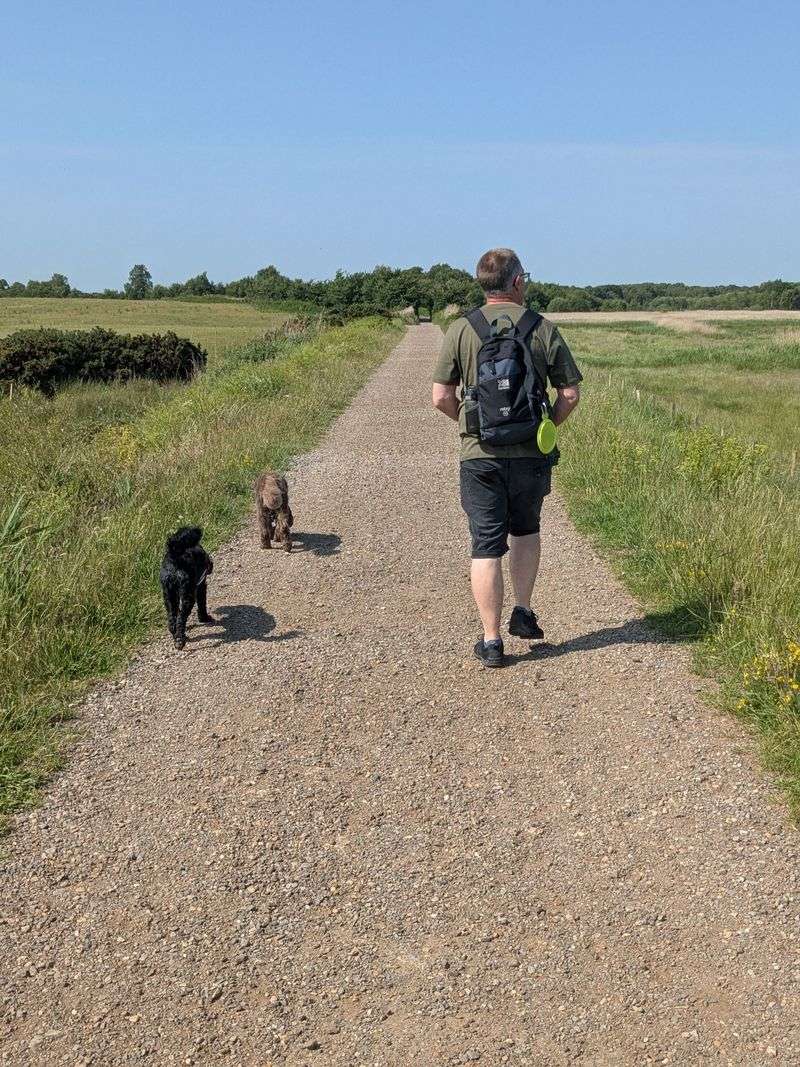
There is a comfortable window most days: after the early mosquito rush settles, before pavement and sand turn hot.
Mid to late morning often hits it. Bring water, test the ground with the back of your hand, and pick a route with some airflow.
Asian tiger mosquitoes do bite during daylight, so open paths still beat shaded, damp corners.
Local owners learn this timing fast. Your dog will notice the difference too.
9. Steer Clear Of Standing Water And Flooded Ditches

Mosquitoes need still water to breed, and coastal Delaware offers plenty after a storm or high tide.
Flooded ditches and murky puddles can also hold bacteria and parasites such as leptospira and giardia. Guiding your dog past them solves two problems at once.
A quick tug and a cheerful redirect usually works better than a firm correction.
Rinse muddy paws when you get home, especially between the toes.
10. Bring Your Own Water, Every Time
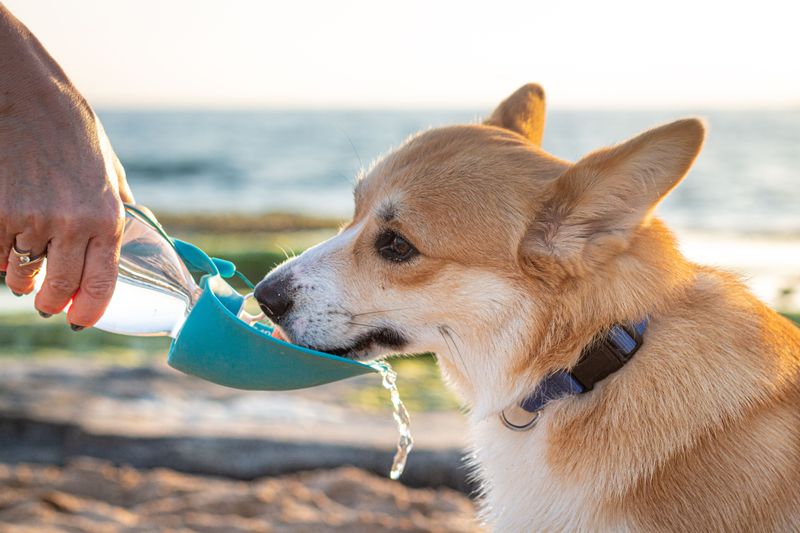
Thirsty dogs drink whatever they find. Stagnant puddles and ditch water can carry parasites, bacteria, and sometimes blue-green algae toxins.
A collapsible bowl and a bottle in your bag removes the temptation entirely. Offer water before your dog thinks to look for it.
Brackish marsh water is another one to skip, since salt intake upsets stomachs.
Fresh water from home is simple insurance, and it keeps walks more enjoyable.
11. Consistency Makes Flea And Tick Prevention Work

Prevention products only protect when they are given on schedule. A missed month leaves a gap right when marsh ticks are active.
Your veterinarian can match a product to your dog’s age, weight, health, and how often you hit coastal trails. Chewables, topicals, and collars all have their place.
Because Delaware sees high Lyme exposure, many local vets also discuss the Lyme vaccine. Worth asking about at your next visit.
12. Heartworm Prevention Runs All Twelve Months

Mosquitoes carry heartworm, and coastal Delaware has mosquitoes from late spring into late October. Weather swings can stretch that further.
Year-round monthly prevention is the standard recommendation, and it is far easier on your dog and your budget than treating the disease later.
Annual testing still matters, even for dogs who never miss a dose.
Set a phone reminder on the same date each month. Simple systems stick.
13. Removing A Tick The Right Way

Found one attached? Fine-tipped tweezers or a tick-removal tool is the way to go.
Grasp as close to the skin as possible, then pull straight up with slow, steady pressure. No twisting, no squeezing the body, since that can push germs into the bite.
Seal the tick in tape or place it in a small container before disposal.
Clean the spot, note the date, and watch how it heals.
14. Check Yourself, Too
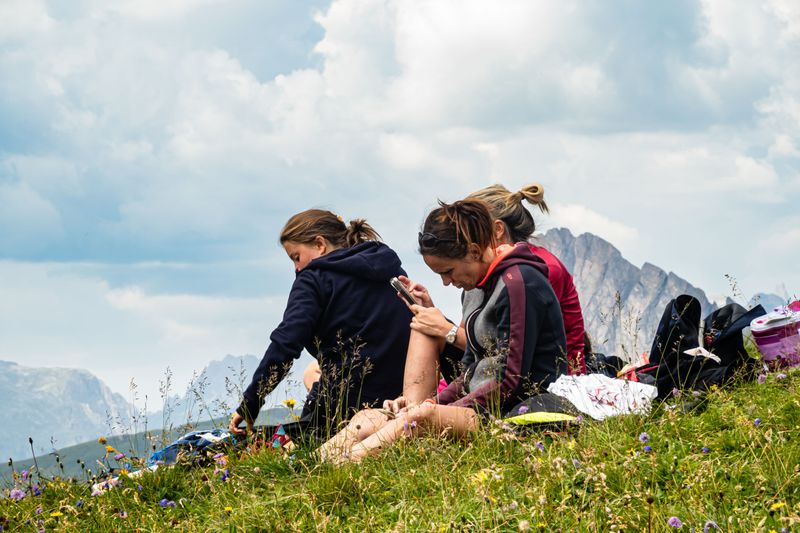
Ticks do not know whose leg they climbed. Coastal Delaware walks put you in the same grass your dog explored.
Change out of trail clothes and toss them in a hot dryer, which handles ticks well. Then check your ankles, waistband, behind the knees, and hairline.
A shower shortly after helps you spot anything still crawling.
Making it a shared routine means nobody in the household gets overlooked.
15. Signs Worth Watching In The Weeks After A Bite

Tick-borne illness often shows up quietly. Limping that shifts from leg to leg, stiffness, swollen joints, low energy, fever, or a smaller appetite are the ones vets ask about.
Symptoms can appear weeks after exposure, so keep loose track of dates.
Most dogs bounce along just fine. Knowing the signs simply means you catch changes early, when they are easiest to address.
Trust what you notice about your own dog.
16. Call The Vet When Something Feels Off

You know your dog’s normal better than anyone. If energy drops or movement changes after tick exposure, a phone call is the right next step.
Mention the bite, roughly when it happened, and where you were walking. Coastal Delaware details help your veterinarian narrow things down.
Many clinics include tick-borne disease screening in annual exams, which is a good baseline.
Asking early is never an overreaction.
17. Winter Walks Still Call For Tick Awareness

Cold weather does not close the season here. Ticks stay active in Delaware year-round, and adult blacklegged ticks often get busier in late fall and winter.
Peak Lyme transmission clusters around May and June, but a mild January afternoon can wake ticks right up.
Keep prevention going and keep checking, even in a winter coat.
Fewer crowds, cooler sand, same simple routine.
18. Designated Trails Protect Dogs And Marshes Both
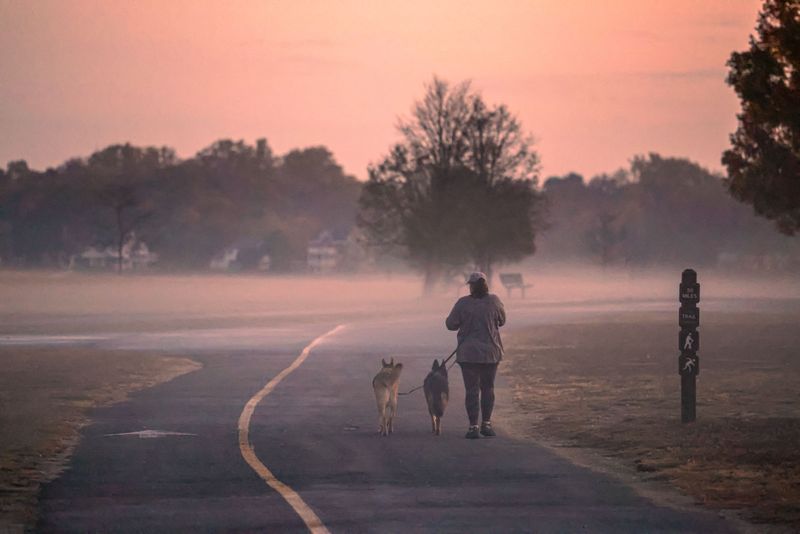
Marked routes exist for good reasons. Dense marsh vegetation hides ticks, uneven footing, and nesting birds that need quiet.
Delaware State Parks ask for leashes under six feet, and dogs are kept out of certain nature trails, shorebird nesting areas, and picnic spots. State law also keeps dogs off lifeguarded beaches from May through September.
Rules shift by park and town, so check posted signs.
Stay on trail, and coastal walks stay easy.