What South Dakota Dog Owners Should Know About Prairie Rattlesnakes
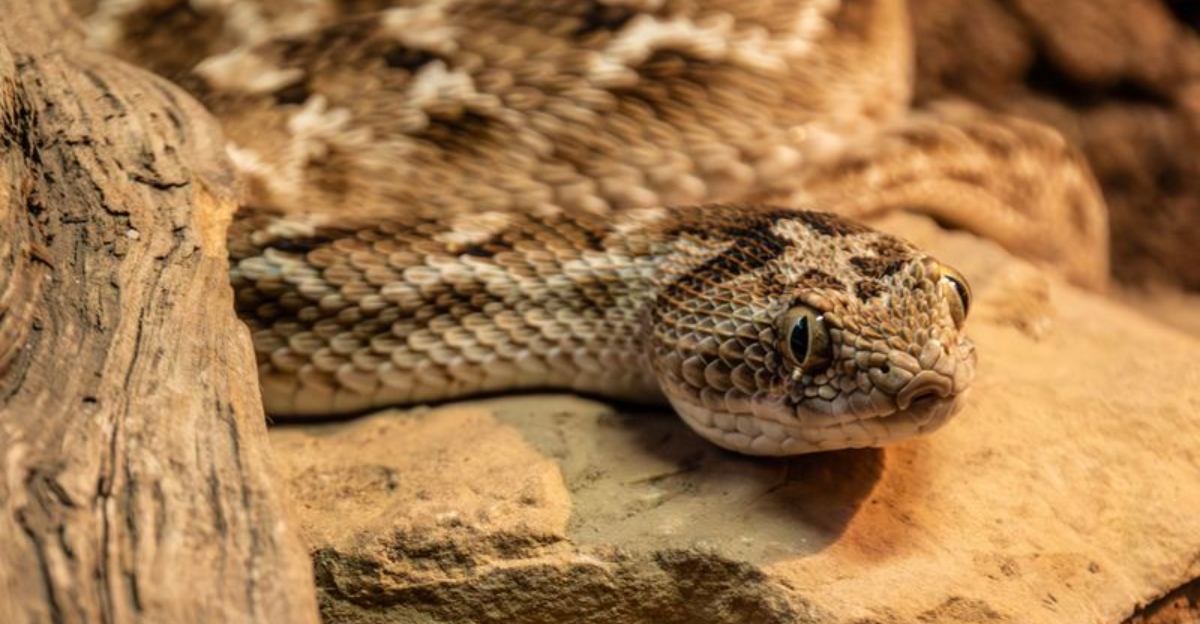
If you walk your dog in western South Dakota or near the Missouri River, you may have wondered about rattlesnakes. Prairie rattlesnakes generally avoid people, but their behavior can vary, so learning where they occur and giving them plenty of space can help reduce encounters.
A little knowledge goes a long way toward keeping your walks relaxed instead of nervous. Here is what local dog owners should know about where these snakes live, how to steer clear, and what to do if your dog gets too curious.
Know Which Rattlesnake Your Dog May Encounter
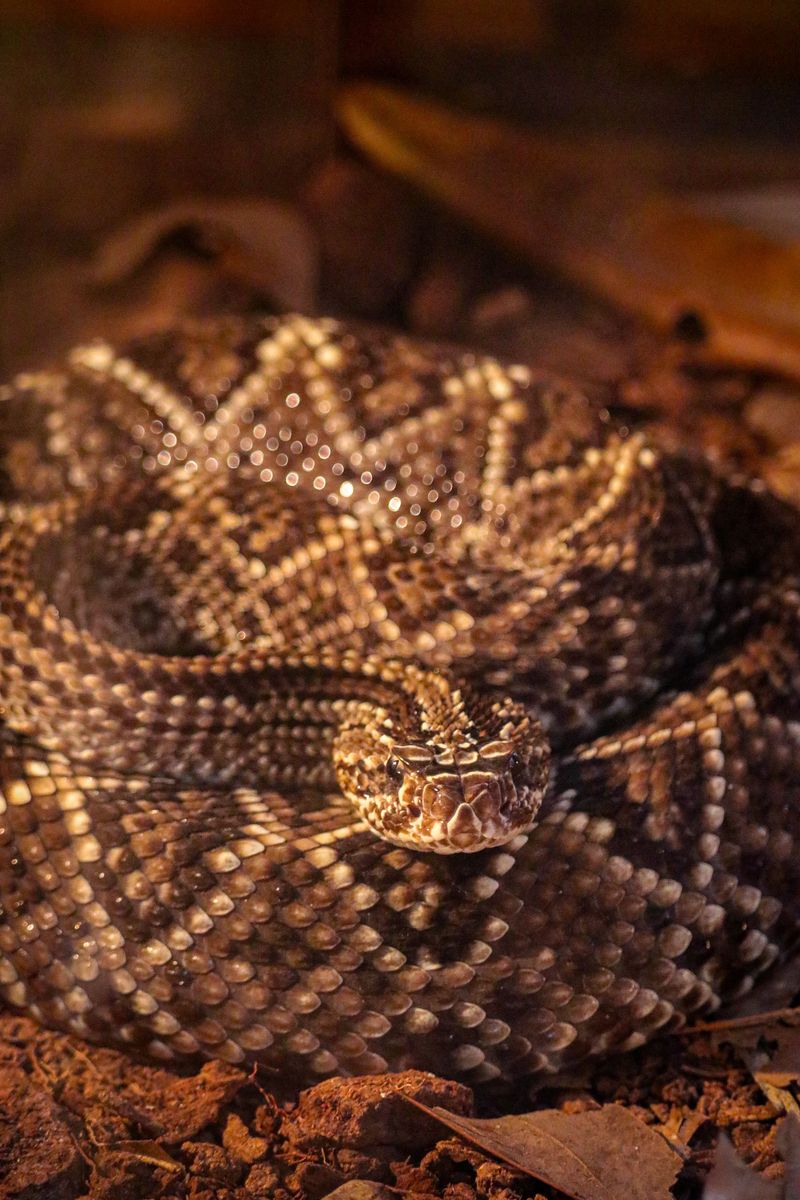
South Dakota has just one native venomous snake: the prairie rattlesnake. Adults usually measure three to four feet, with greenish-tan bodies and dark blotches down the back.
Most snakes you spot on a walk will be harmless bullsnakes, which look similar and even hiss. Learning the difference helps you stay calm.
Rattlesnakes have a blunt, segmented rattle and a broad, triangular head. Bullsnakes taper to a pointed tail tip.
Where Prairie Rattlesnakes Are Found in South Dakota
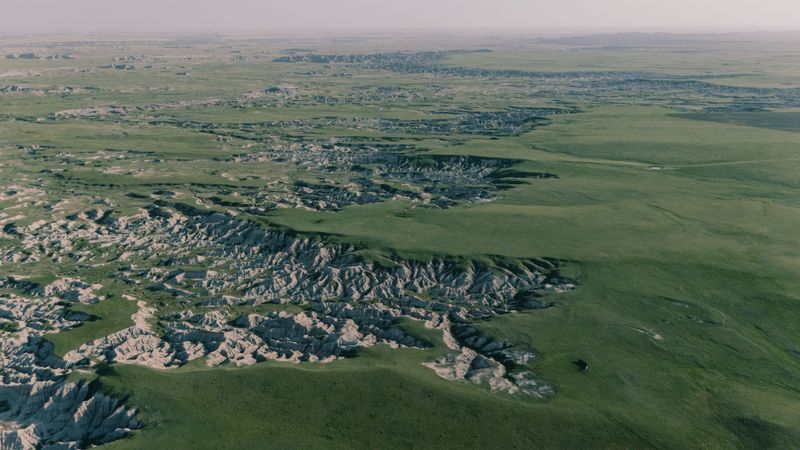
Geography matters here. Prairie rattlesnakes live mostly west of the Missouri River, including the Badlands, Black Hills foothills, and river breaks.
Sightings east of the river are rare, though not impossible along the Missouri corridor. If you live in Sioux Falls, your risk is very low.
Ranchland, prairie dog towns, and rocky draws hold the highest numbers. Check with a state Game, Fish and Parks office for local details.
Why Prairies and Rocky Areas Need Extra Attention
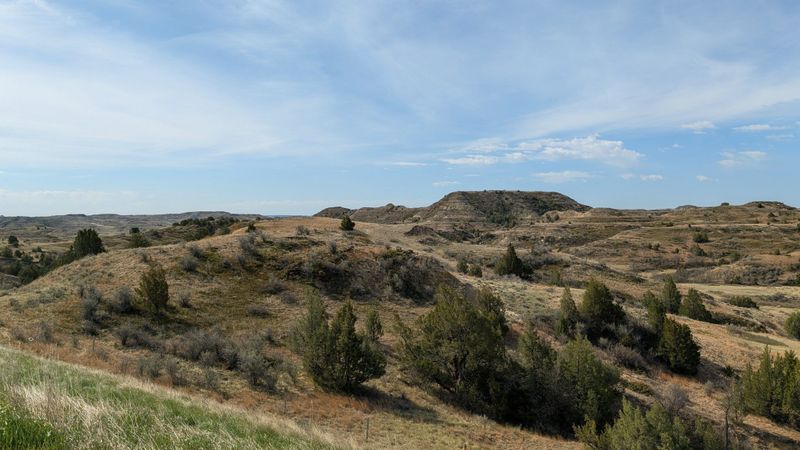
Snakes follow warmth and food, which is why rocky slopes and grassy flats attract them. Sun-heated stone gives them a place to regulate body temperature.
Rodents thrive in those same spots, so the buffet is right there. Prairie dog burrows offer shelter and shade.
When your route crosses these features, slow your pace and scan ahead. Awareness beats worry every single time.
Keep Dogs Close on Open Trails
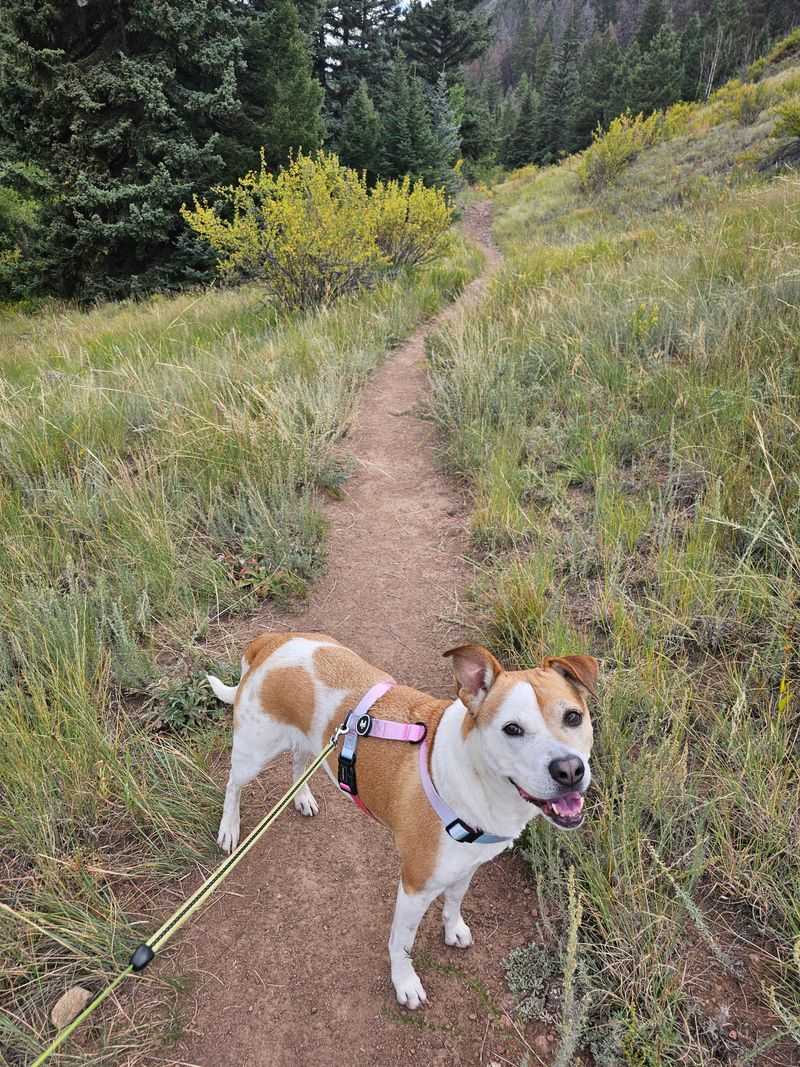
Dogs that range fifty feet ahead find trouble first. Keeping yours within arm’s reach means you see the ground before those paws do.
Recall training pays off enormously out here. A reliable come command lets you pull your dog back before curiosity takes over.
I tend to shorten the leash whenever the grass gets taller than my boots. Simple habit, real protection.
Use a Leash in Rattlesnake Country
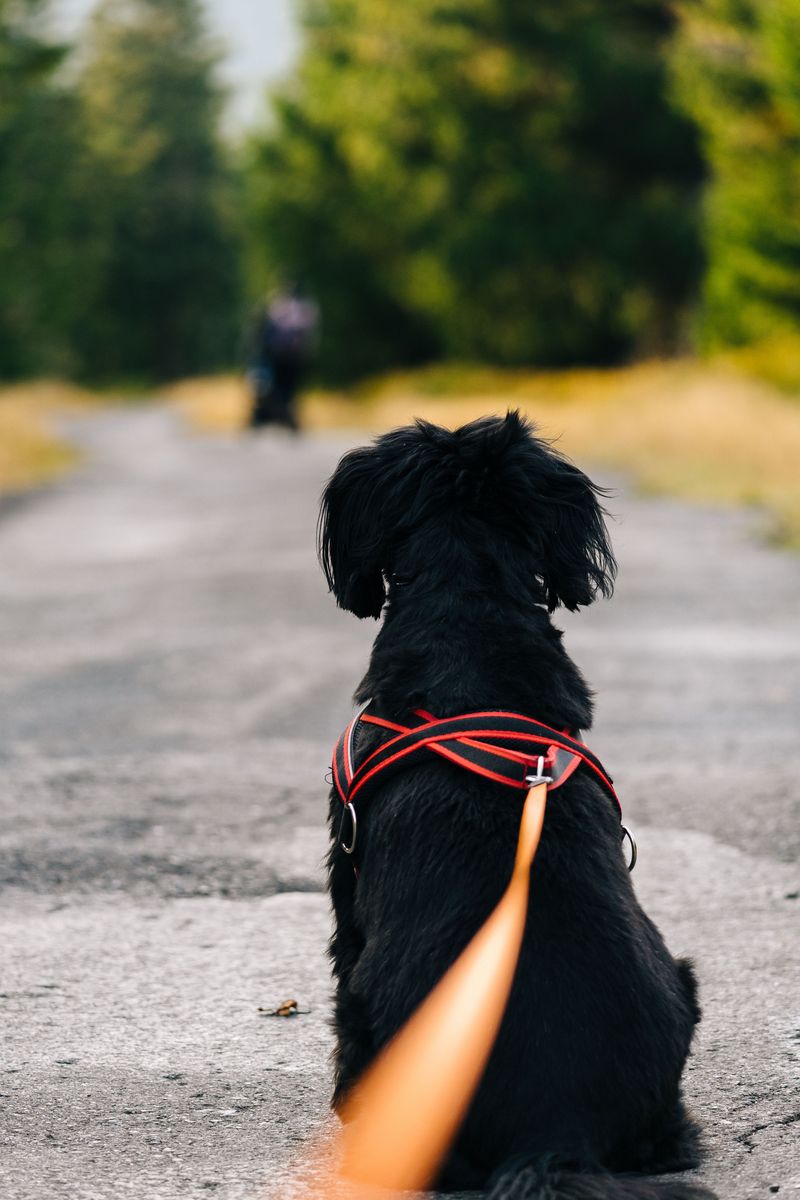
A six foot leash gives you real control. Retractable leads let dogs wander into brush before you can react, so save those for the yard.
Many South Dakota parks and national grasslands already require leashes. Rules vary by unit, so confirm before you go.
Beyond snake safety, leashes protect wildlife and keep your dog from chasing bison or cattle. Everyone wins.
Watch Where Your Dog Puts Its Nose
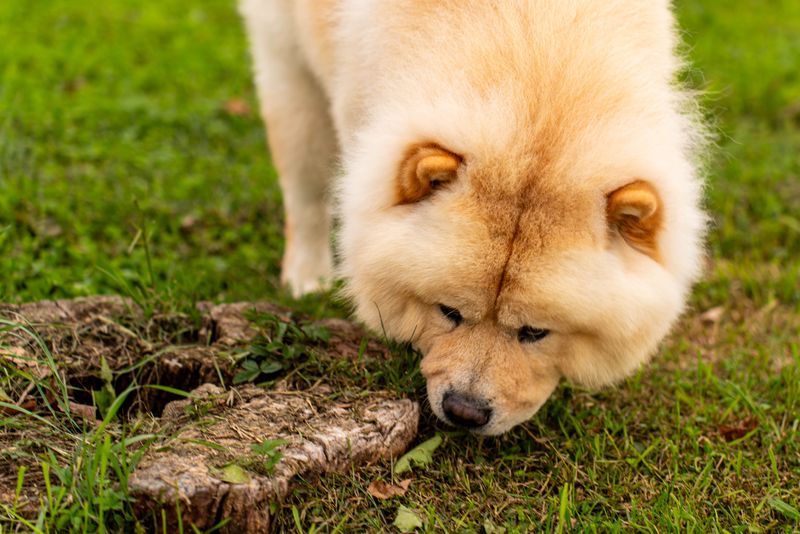
Sniffing is how dogs read the world, but noses go into holes without hesitation. Burrow openings and hollow logs deserve a gentle redirect.
Most bites to dogs land on the muzzle or front legs for exactly this reason. Interrupting the sniff often prevents the whole situation.
Teach a cheerful leave it cue at home. Out on the prairie, that one word does heavy lifting.
Check Tall Grass and Rock Crevices

Visibility is your best tool, and tall grass takes it away. Stick to mowed paths, gravel roads, or well-worn trails when you can.
Crevices between rocks work as cool hideouts during hot afternoons. Skip the scramble over stone piles with your dog in tow.
Trekking poles help too. A light tap ahead gives any resting snake plenty of notice to slip away.
Avoid Letting Dogs Investigate Snake Dens
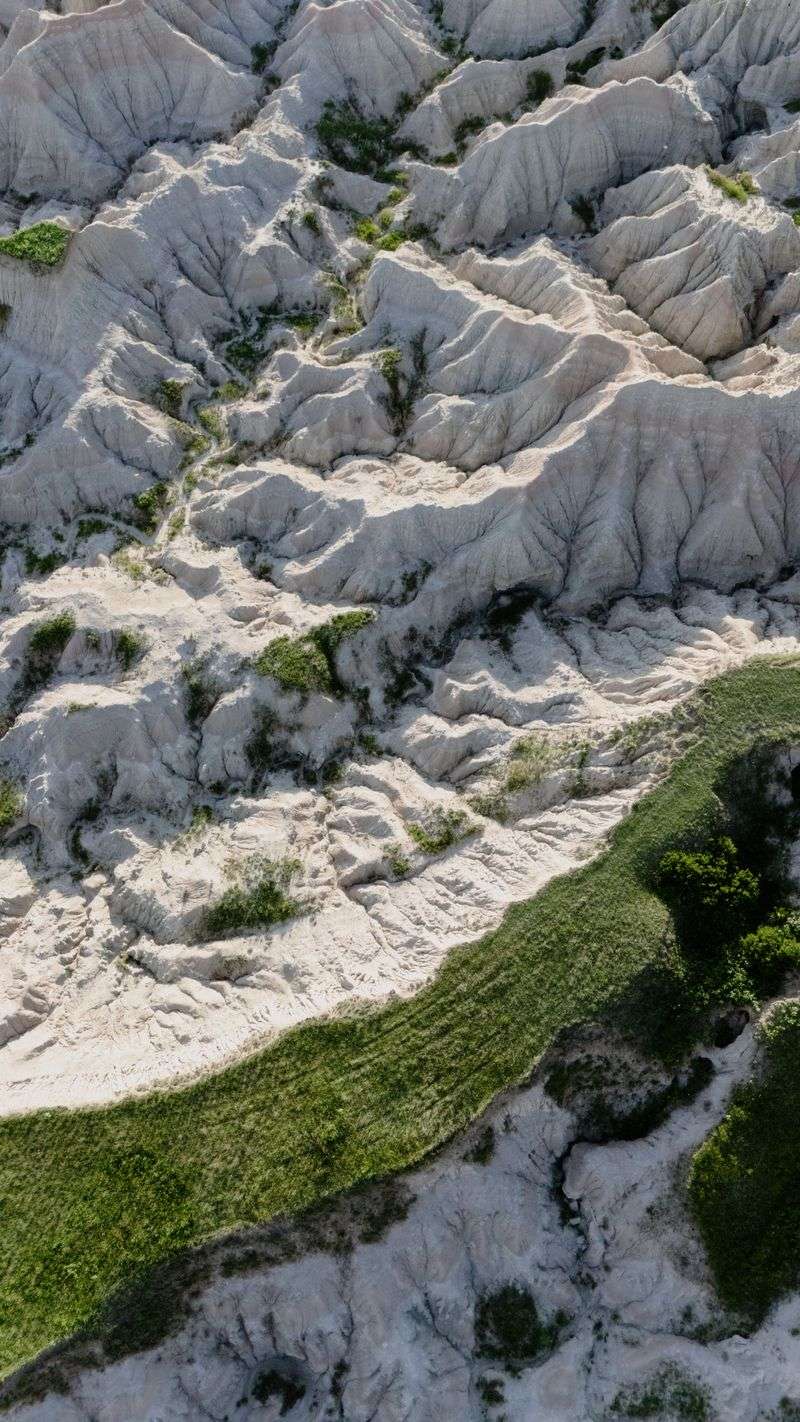
Prairie rattlesnakes gather at communal dens, often on south-facing slopes. Spring and fall bring the most activity around these sites.
Several snakes may share one entrance, which raises the odds of a surprise. Give any such spot a wide berth.
If a rancher or ranger mentions a known den area, believe them and pick another route. Local knowledge is gold.
Learn the Warning Signs of a Rattlesnake
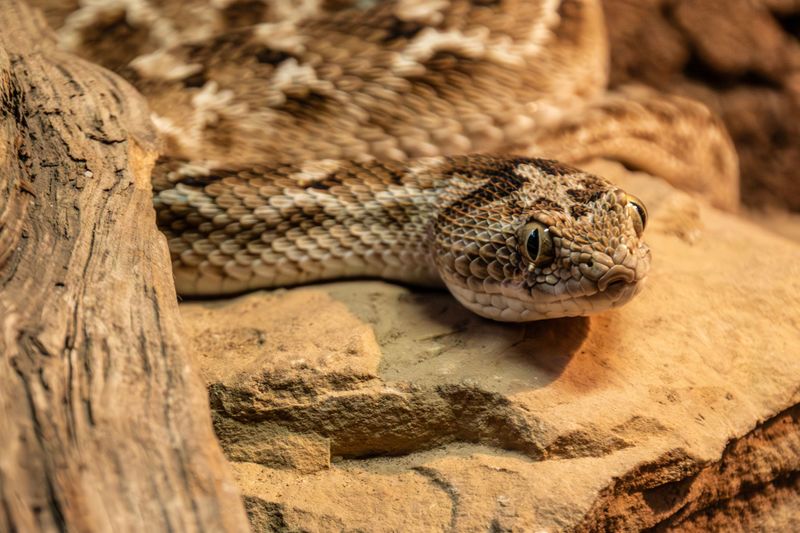
These snakes advertise themselves before anything else. The dry buzzing rattle is the clearest signal, and it carries surprisingly far.
A coiled body with the head raised means the snake feels cornered. Shed skins and S-shaped tracks in dust hint at recent traffic.
Fun detail: rattlesnakes add rattle segments as they shed, though segments also break off. Counting them tells you little.
Do Not Let Curiosity Turn Into a Close Encounter
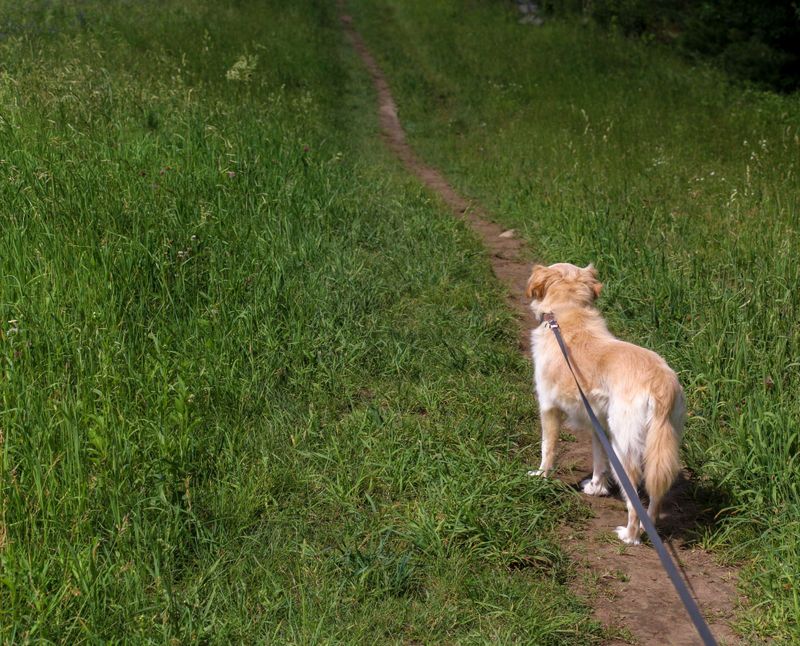
Terriers, herding breeds, and cheerful retrievers all share one flaw: they want a closer look. Dogs read a rattle as an invitation, not a warning.
Your job is to make the decision for them. Turn, walk away, and reward the follow with praise.
Practicing calm turnarounds on ordinary walks builds the habit. Then it works automatically when it counts.
What to Do If You Hear a Rattlesnake Rattle
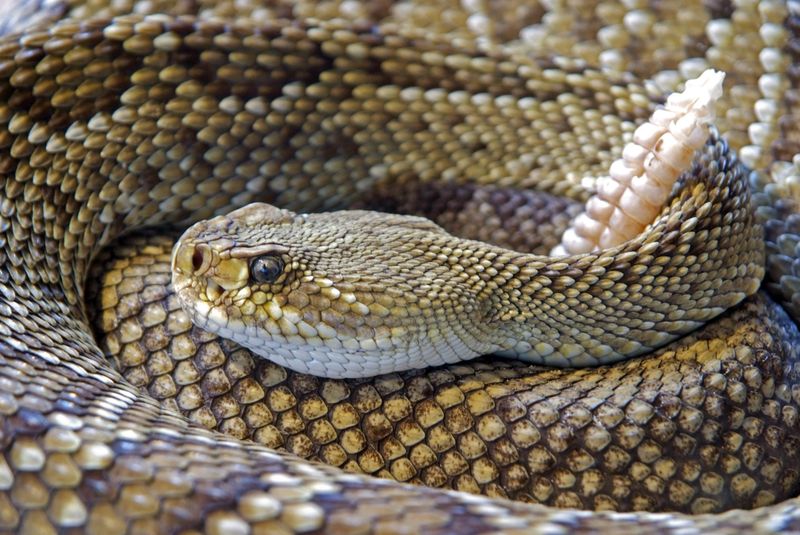
Freeze first, then locate the sound. Snakes rattle to ask for space, so giving it usually ends things quietly.
Gather the leash short and back away slowly, at least ten feet. Avoid sudden lunges or shouting.
Never try to move the snake yourself. Once you are clear, take a different path and let it go about its day.
Never Encourage Your Dog to Chase a Snake
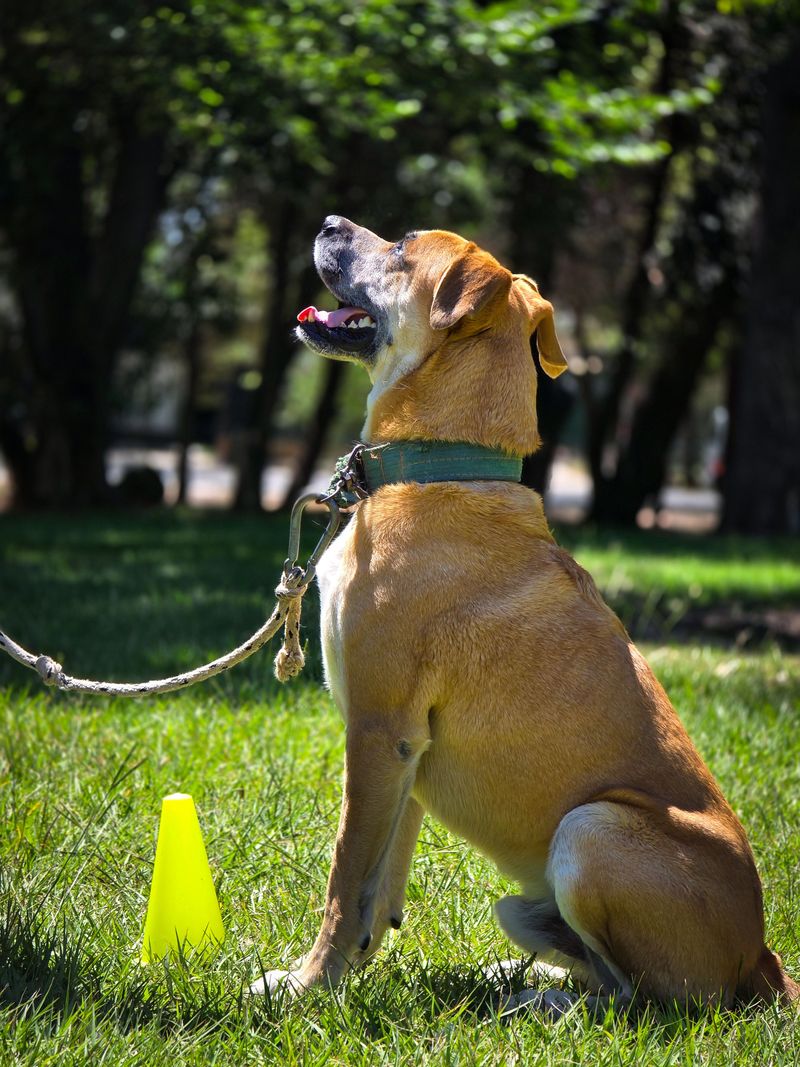
Nobody plans to encourage it, yet excited voices and tugging can push a dog forward. Keep your tone flat and your movements slow.
Do not throw sticks or stones toward a snake either. That provokes defensive behavior without helping anyone.
Some trainers in western South Dakota offer snake avoidance classes. Ask your veterinarian whether one suits your dog’s temperament.
What to Do After a Suspected Bite
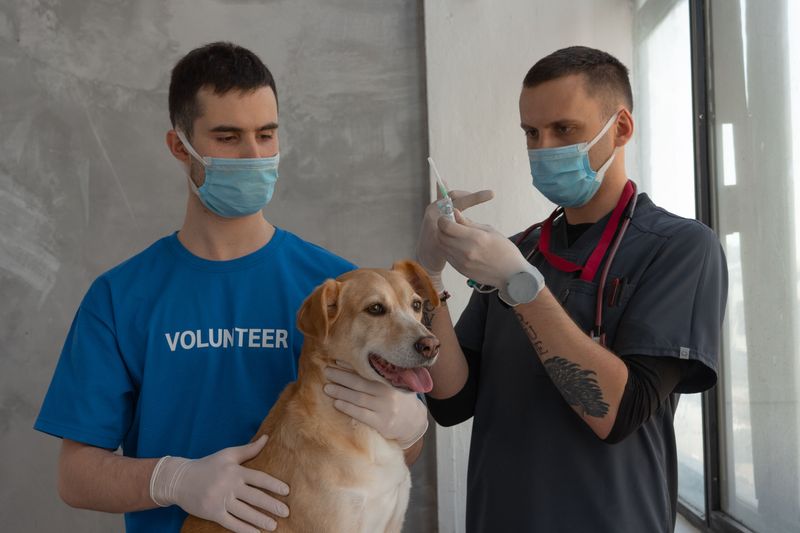
Speed and calm matter more than anything you carry in a pack. Head straight for the nearest veterinary clinic.
Skip tourniquets, ice, cutting, and suction devices. Veterinary groups agree those measures cause more harm than benefit.
Carry your dog if it is safe to do so, and call ahead. Clinics can prepare treatment before you arrive.
Why Rattlesnake Bites Need Prompt Veterinary Care
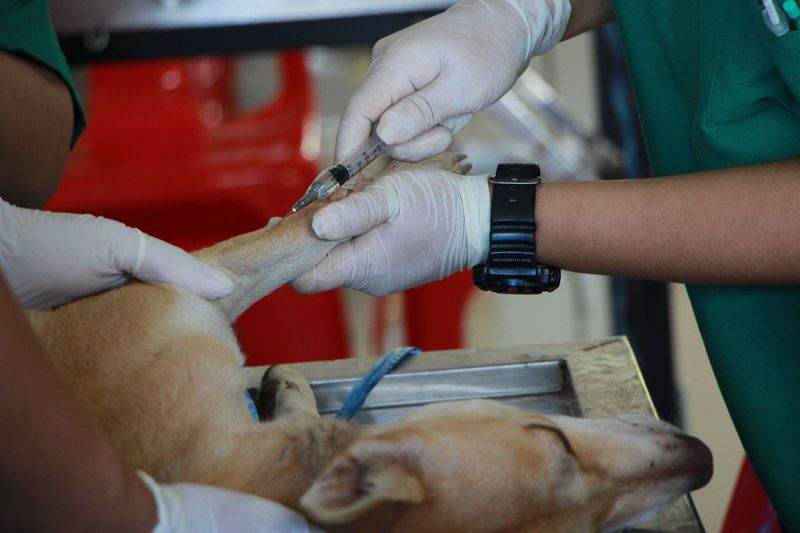
Home remedies simply cannot address venom. Veterinarians use fluids, pain control, monitoring, and sometimes antivenom to support recovery.
Outcomes are generally much better when treatment starts early. Many dogs recover well with proper care.
Rural areas have fewer clinics, so save two phone numbers plus an after-hours option. Knowing your closest emergency hospital in advance saves precious minutes.
Keep Your Dog Calm While Getting Help
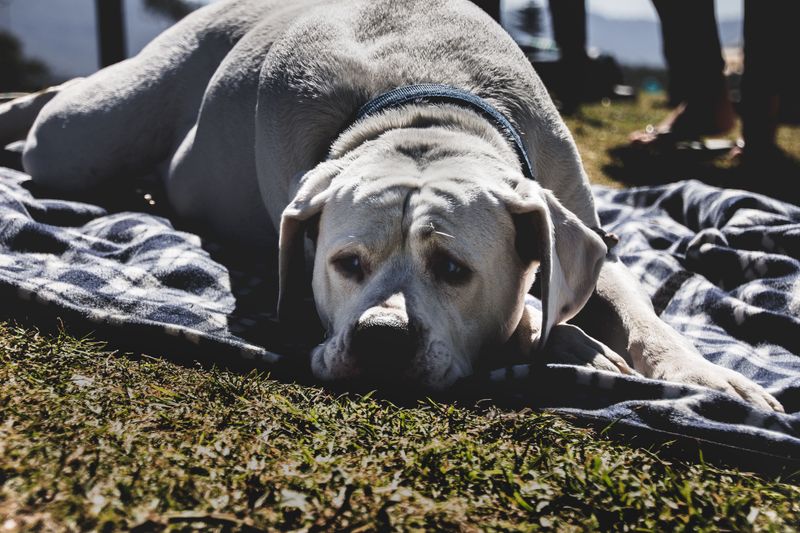
Movement speeds circulation, which is why quiet handling helps. Limit walking and lift smaller dogs when possible.
Speak softly and stay steady yourself, since dogs mirror our energy. Remove collars or harnesses near swelling areas.
In the car, let your dog lie down in a cool, shaded spot. Offer nothing by mouth unless your veterinarian says otherwise.
Know the Signs Your Dog May Have Been Bitten
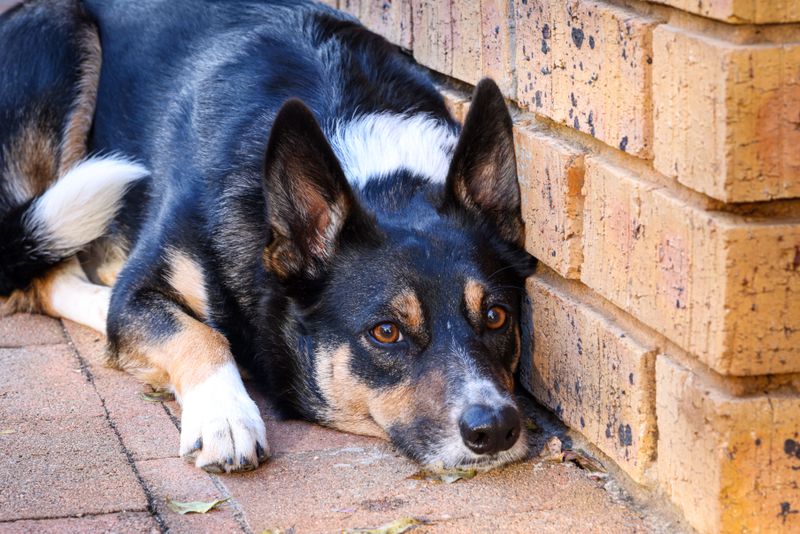
Sometimes you never see the snake, so signs matter. Sudden swelling on the face or a leg is the most common clue.
Watch for yelping, limping, drooling, trembling, pale gums, or unusual sleepiness. Puncture marks may be tiny and hard to spot.
Any of these after a prairie walk deserves a phone call. Guessing wastes time you would rather spend driving.