18 North Carolina Adventures That Take Dogs From The Mountains To The Coast
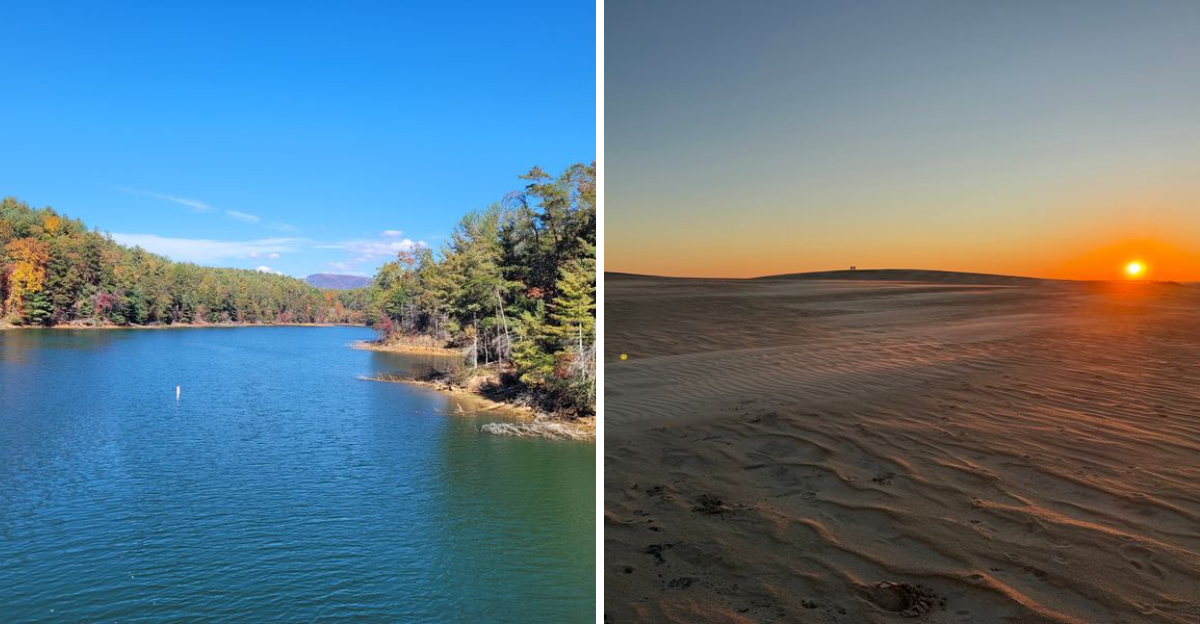
North Carolina packs granite domes, wild horses, carnivorous plants and 300 miles of shoreline into one road trip. Better still, a leash and a water bowl unlock nearly all of it.
Some stops ask for six-foot leashes and careful paws on hot sand, while one beach town lets well-trained pups run free year-round. Here is where to point the car, what the rules actually say, and which trails reward a curious nose most.
1. Chimney Rock State Park
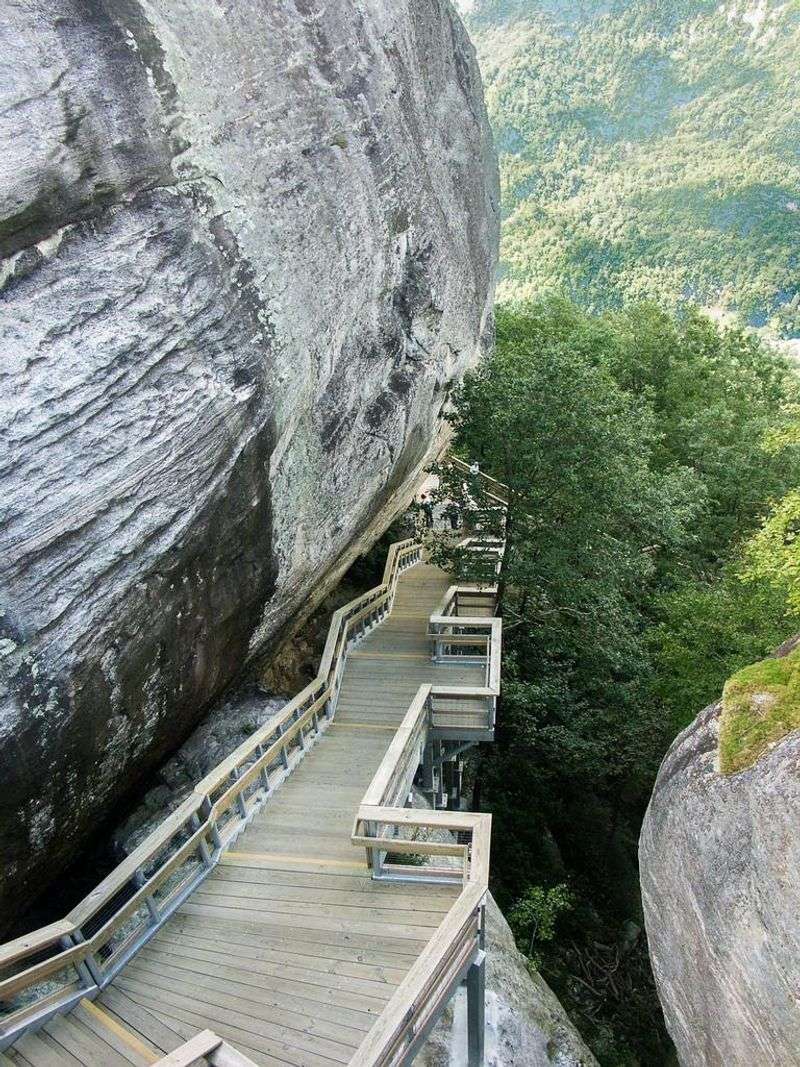
About 500 stairs stand between your dog and one of the finest views in western North Carolina. The elevator does not take pets, so the Outcroppings Trail is the route, about 25 miles southeast of Asheville.
Leashed dogs are welcome on most trails and grounds, though buildings and the Sky Lounge are off limits.
Pack extra water. Summer highs top 90 degrees, and Hickory Nut Falls looks better when everyone stays cool.
2. Eno River State Park
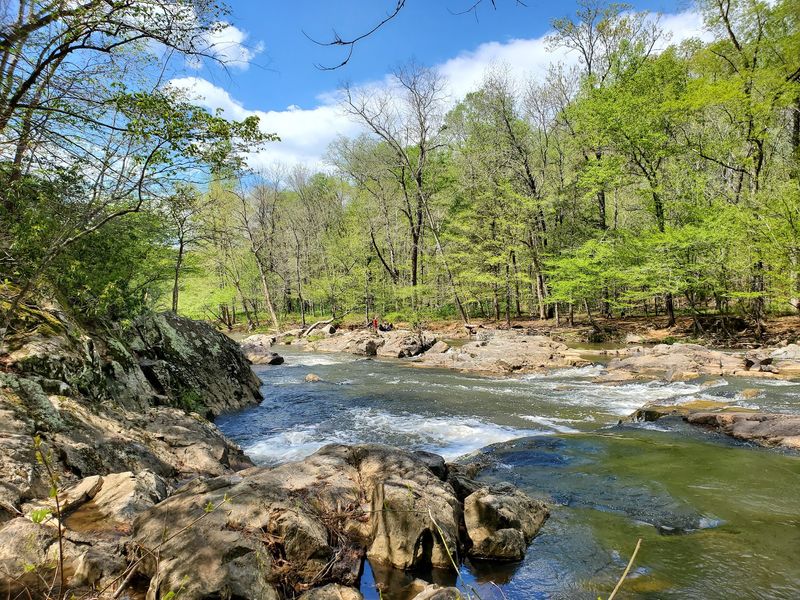
Just outside Durham, a shallow river bends through hardwood forest and instantly turns a normal walk into a sniffing expedition. Fews Ford and Pleasant Green are two handy access points spanning Durham and Orange counties.
Trails and picnic areas welcome leashed dogs on six-foot leads, but never leave one unattended.
Rocky footing and river crossings can be tough on soft paws. Check for ticks afterward, especially in warm months.
3. Cliffs of the Neuse State Park
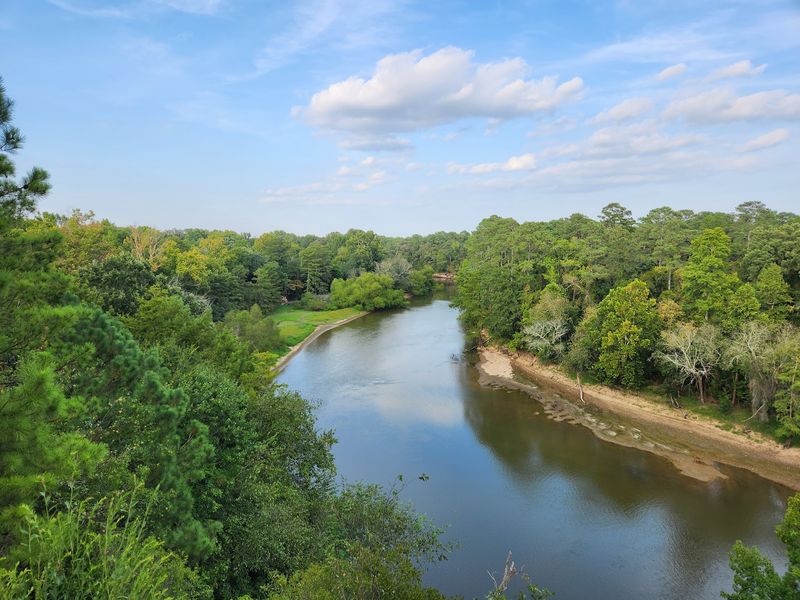
Ninety-foot bluffs rising above a lazy river feel wonderfully out of place in eastern North Carolina. Wayne County holds this surprise, and dogs get a front-row seat from the overlook.
Leashed pups may hike the trails and stay at the campground year-round. Six feet is the leash limit, and control is expected.
Skip the swim beach and the camper cabins, since only service animals enter those. Trails more than make up for it.
4. Stone Mountain State Park
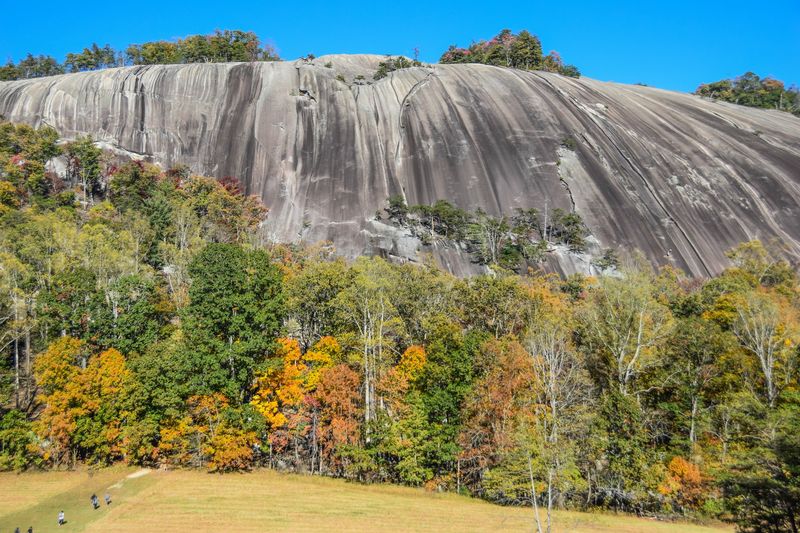
A 600-foot granite dome anchors this park near Roaring Gap, spanning Wilkes and Alleghany counties. It looks like someone dropped a giant marble into the Blue Ridge.
Dogs are welcome at campsites and on many trails, including the Muscogee Trail and the King’s Trail on Indian Island.
The Walk-up Trail, Songbird Habitat, lakes and buildings stay pet-free. Never leave a dog in a parked car during summer.
5. Lake James State Park
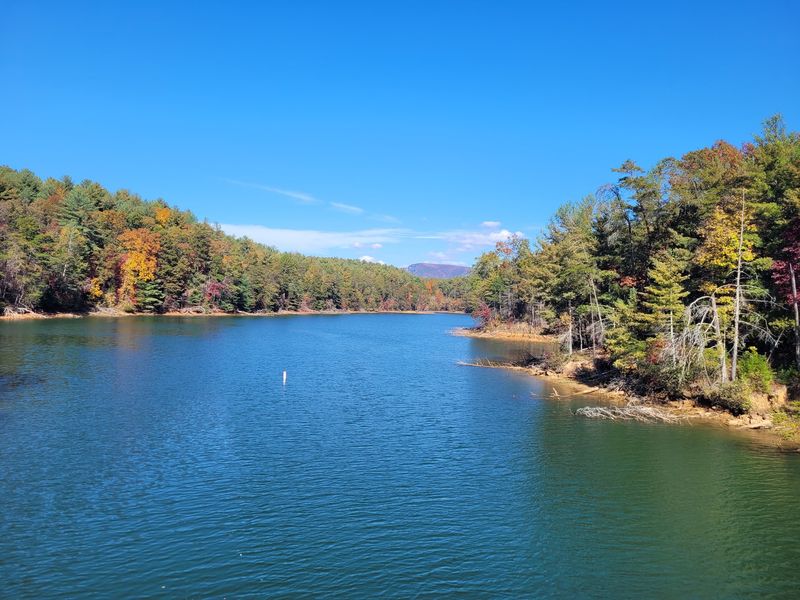
Mountain reflections on cool water make Lake James feel like a postcard that smells like pine. The park sits in Nebo, straddling Burke and McDowell counties.
Trails and campgrounds welcome dogs on attended six-foot leashes, and paddle-in camping adds real bragging rights.
Buildings and the swim beach are off limits to pets, so plan shoreline strolls instead. Boating and fishing round out an easy, breezy day.
6. New River State Park
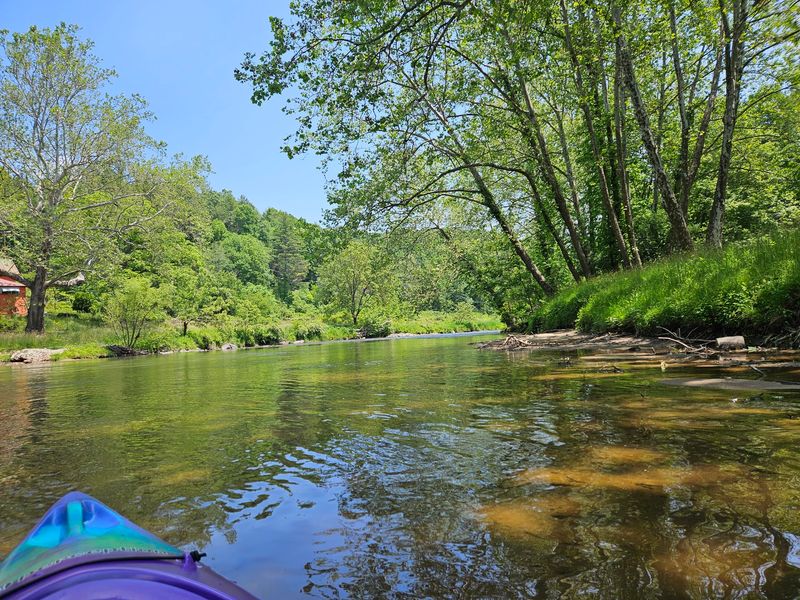
One of the oldest rivers on the continent runs gentle and shallow here, roughly 35 miles northeast of Boone. Seven access points spread across Ashe and Alleghany counties.
Every trail welcomes leashed dogs, including the accessible Dogwood Trail. Campsites allow pets too, with waste cleanup expected.
Paddle-in campgrounds sit far from traffic noise, which suits sound-sensitive pups. Just keep them out of buildings and designated swimming areas.
7. Jockey’s Ridge State Park
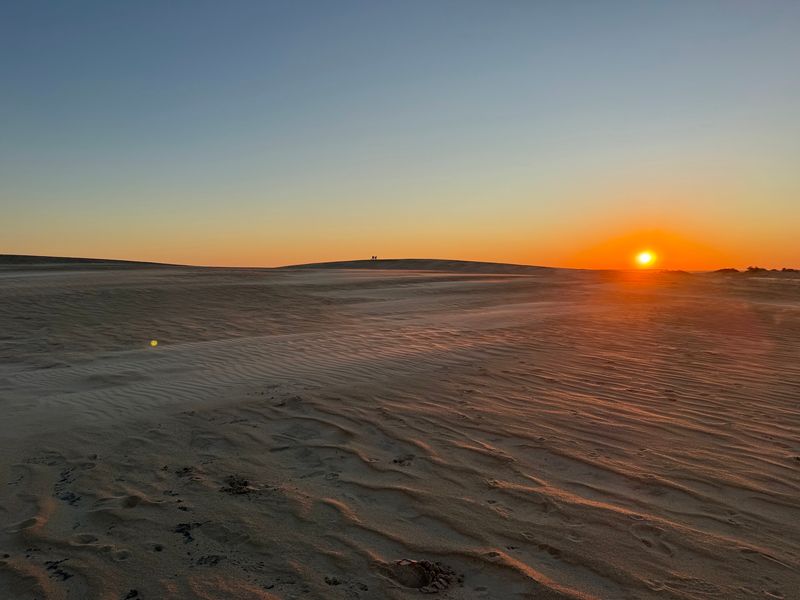
The tallest natural sand dunes on the East Coast rise at 300 W Carolista Drive in Nags Head. Climbing them feels like walking through a small desert with an ocean view.
Leashed dogs are welcome outdoors, though buildings are not open to them.
Sand can run 30 degrees hotter than the air, so booties or an early morning visit protect paws. Sunset here is genuinely spectacular.
8. Corolla
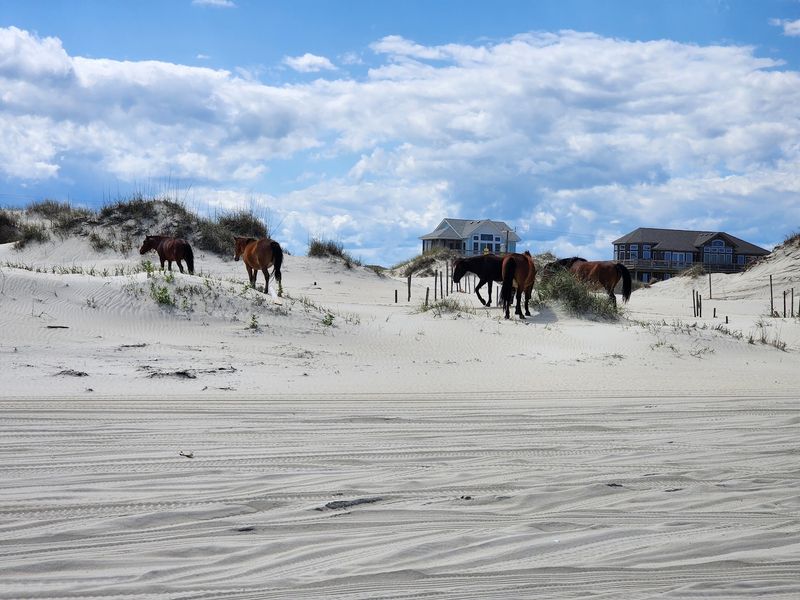
Wild Spanish Mustangs still roam the sand up on the Northern Outer Banks, and Corolla is their home turf in Currituck County.
Leashed dogs are welcome on the broad shoreline all year, which makes off-season walks blissfully quiet.
Keep at least 50 feet between your pup and the horses. That distance protects both animals and keeps the encounter magical rather than messy.
Pet-friendly rentals are plentiful nearby.
9. Duck
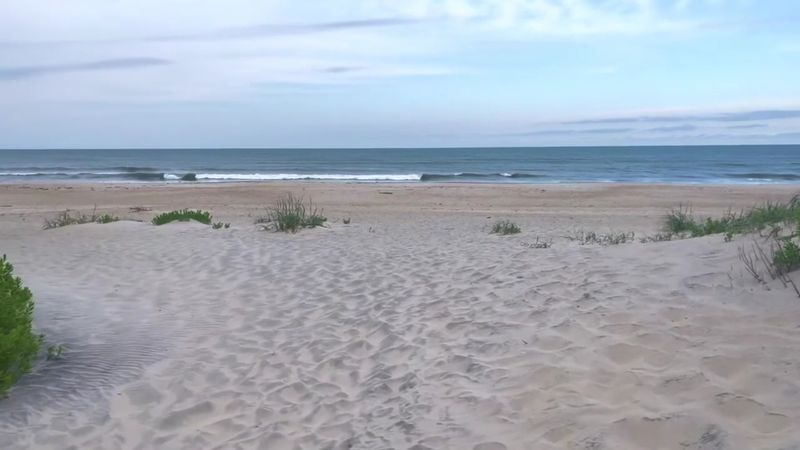
Few Outer Banks towns give dogs this much freedom. In Duck, well-behaved pups may run off-leash on the beach year-round if they stay within sight and sound and obey voice commands.
On the boardwalk, in the park, or along the Duck Trail, a leash of 10 feet or less is required.
Beach accesses are privately owned by homeowner associations. Bag waste and use receptacles, never the sand.
10. Cape Hatteras National Seashore
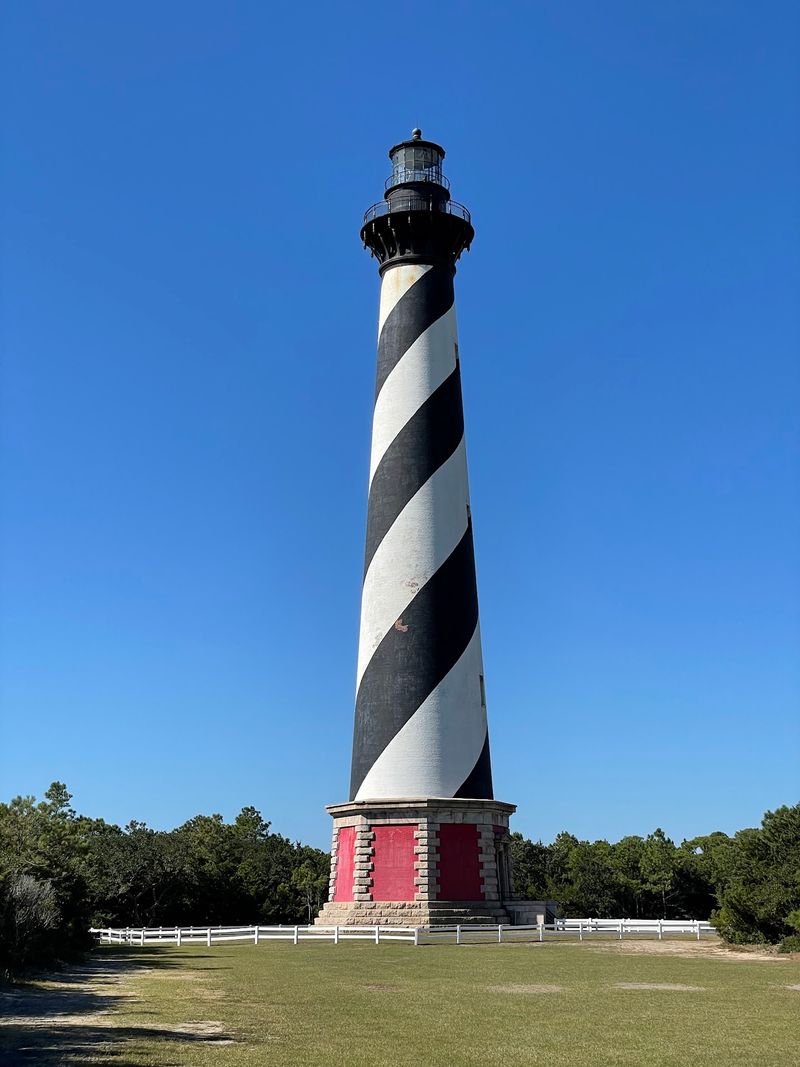
Seventy-plus miles of barrier island shoreline stretch from Bodie Island down to Ocracoke, and pets are welcome across nearly all of it.
Six-foot leashes are the rule, with no exceptions on the beaches.
Bird nesting closures and designated swim beaches stay off limits, and buildings are too. Watch for posted signs, which shift with the seasons.
Beachcombing, birdwatching and lighthouse photos fill an easy day.
11. Fort Macon State Park
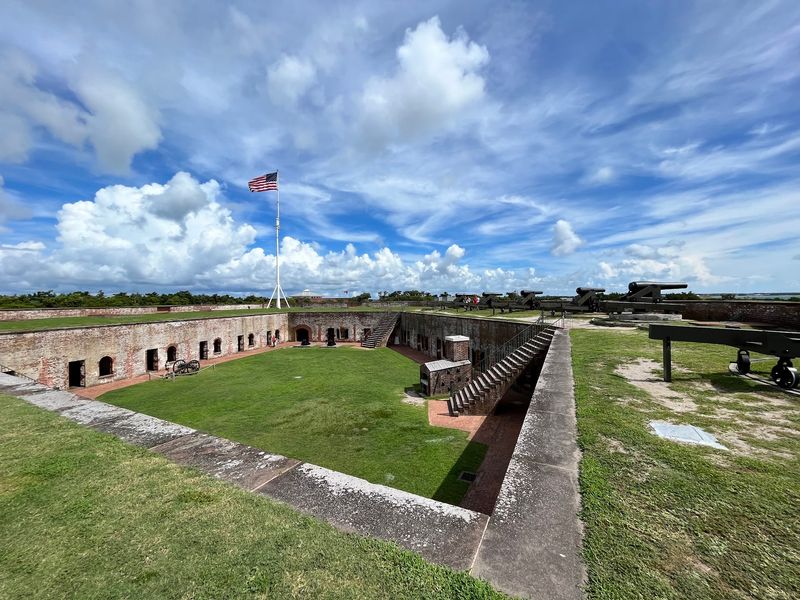
History buffs and sniff-happy dogs both win at Atlantic Beach in Carteret County, roughly 20 minutes from Emerald Isle.
Leashed dogs may explore the park’s natural trails and shoreline, and admission and parking cost nothing all year.
The restored Civil War fort building, bathhouse and swim beach are pet-free zones. Nesting seabirds are protected here, so disturbing them can bring fines.
Keep that leash short and everyone stays happy.
12. Carolina Beach State Park
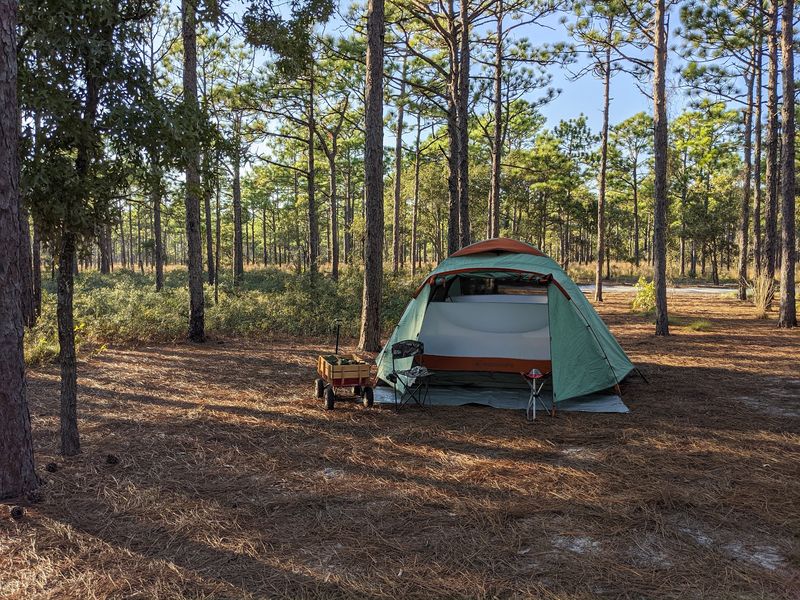
Venus flytraps grow wild in only a handful of places on Earth, and 1010 State Park Road in Carolina Beach is one of them.
Nearly nine miles of trails wind through pine forest, wetlands and dunes, and dogs may walk every one on a six-foot leash.
Campsites welcome pets too, though buildings and camper cabins do not. There is no swimming area because currents run strong.
13. Fort Fisher State Recreation Area
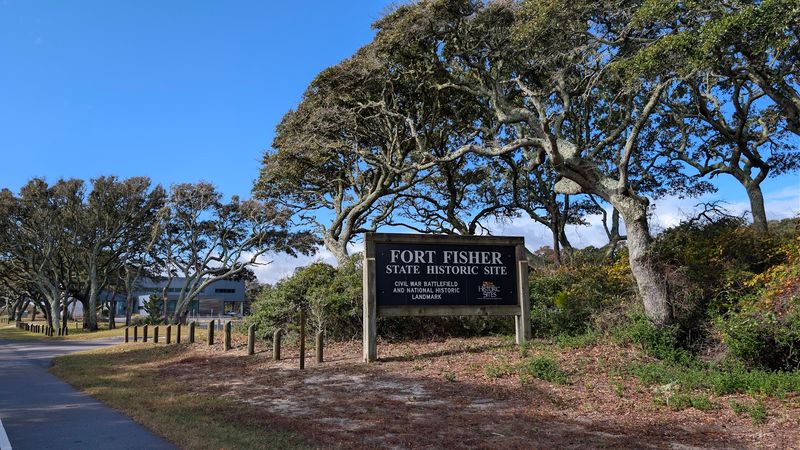
Elbow room is the headline at Kure Beach, just south of Carolina Beach in New Hanover County. Wide, uncrowded sand means fewer distractions for a leash-training pup.
Dogs are welcome on the beach every month of the year, on attended six-foot leashes.
A marsh-side trail offers shade and shorebird views when the sun gets intense. Sea turtles nest here, so respect posted areas and skip the designated swim beach.
14. Emerald Isle
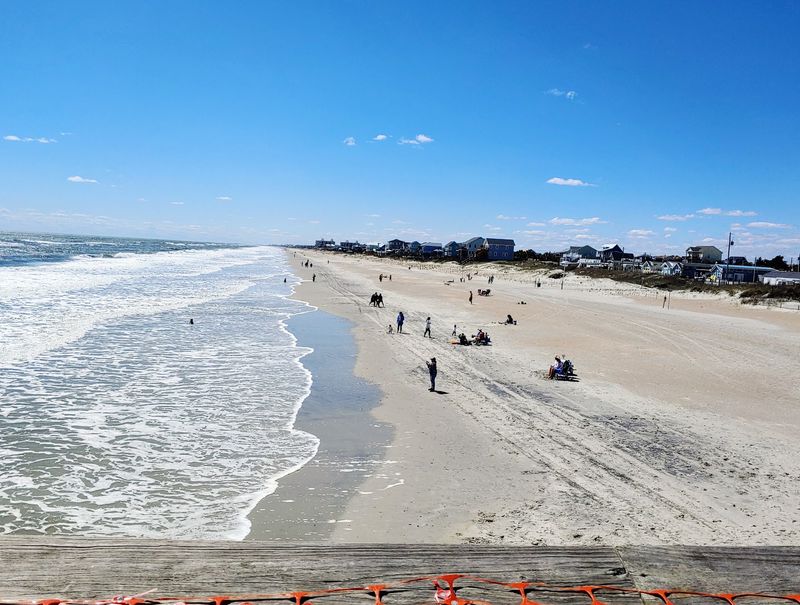
Green water, soft sand and a town that says yes to leashed dogs all year: Emerald Isle earns its spot on the Crystal Coast.
Leash rules apply on the beach and in the surf zone, and dogs must remain leashed in public areas.
The boardwalk and bike path also welcome pups for a stroll or jog. Hammocks Beach State Park sits about 20 minutes away for more shoreline.
15. Pine Knoll Shores
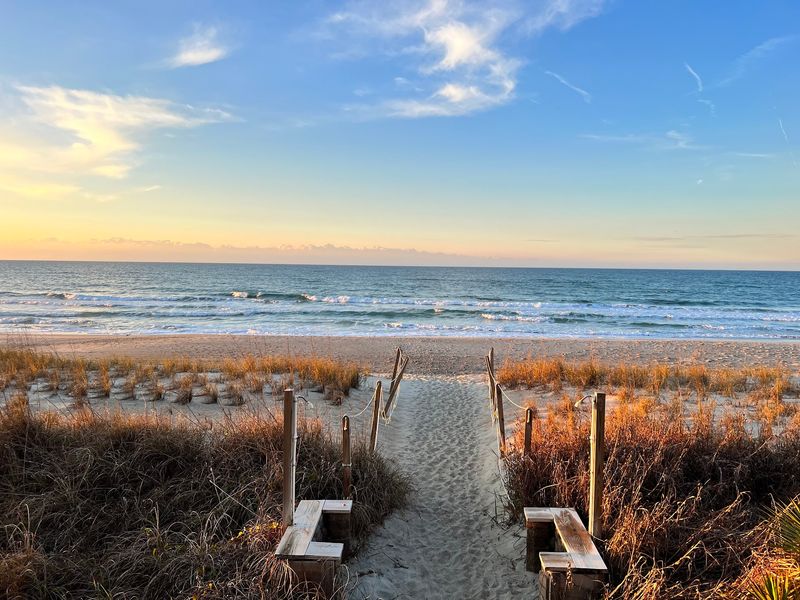
Quiet is the whole point in Pine Knoll Shores, tucked along the Crystal Coast in Carteret County. Maritime forest shelters the town, and the shoreline rarely feels crowded.
Leashed dogs are welcome on the beach throughout the year.
Early risers get glassy water and cool sand, which is ideal for older dogs or heat-sensitive breeds. Bring a collapsible bowl, because shade disappears fast after mid-morning.
16. Indian Beach
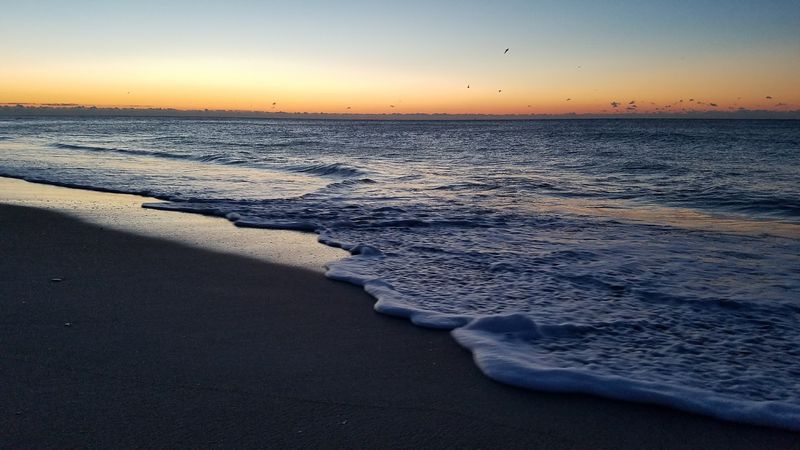
Blink and you might drive past Indian Beach, a tiny Crystal Coast town in Carteret County. That small-town scale is exactly what makes it restful.
Leashed dogs can romp on the sand year-round, no seasonal shuffle required.
Fewer crowds mean shy dogs get space to settle, and fetch games rarely get interrupted. Rinse salt and sand from paws afterward to keep skin from getting itchy later on.
17. Bird Island Reserve
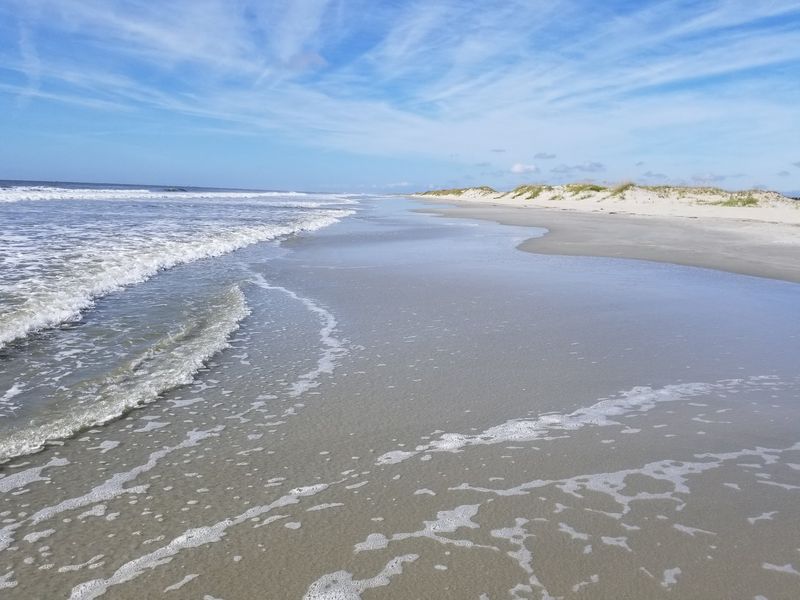
North Carolina’s southernmost shoreline stretches wild and undeveloped between Sunset Beach and the Little River Inlet.
Important detail: dogs are not allowed inside the 1,481-acre coastal reserve itself, which protects loggerhead nests and rare seabeach amaranth. Keep pups on the Sunset Beach side of the boundary, always leashed.
No facilities exist out there, so carry water, bags and sun cover. Stay off the dunes to protect fragile plants.
18. Cape Lookout National Seashore
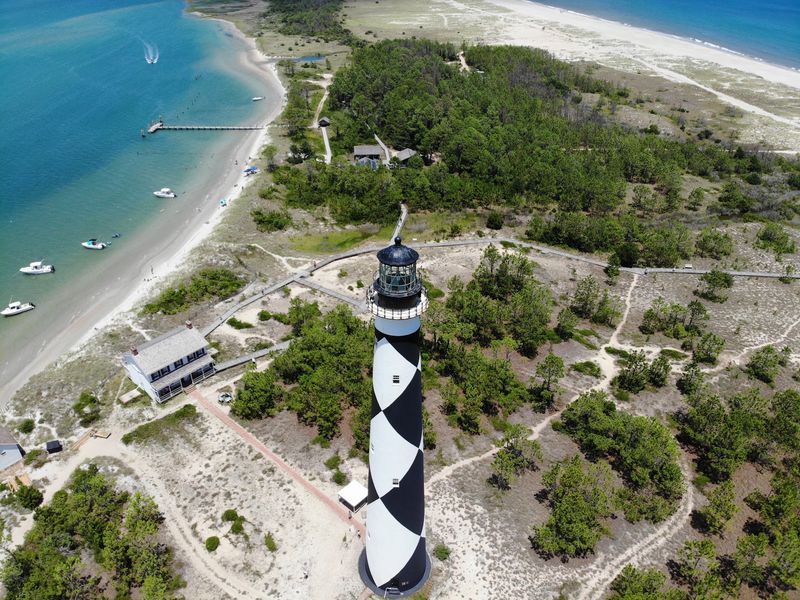
Getting here takes a ferry, which is half the fun. Three undeveloped barrier islands run 56 miles from Ocracoke Inlet to Beaufort Inlet.
Pets are welcome on the beaches with six-foot leashes, Shackleford Banks included. Some ferries charge around seven dollars per pet, so call ahead.
Shade and fresh water are scarce, and no trash cans exist. Pack water, carry waste out, and stay 50 feet from wild horses.