20 Dog Breeds That Fit Tennessee’s Rural, Suburban, And Outdoor Lifestyles
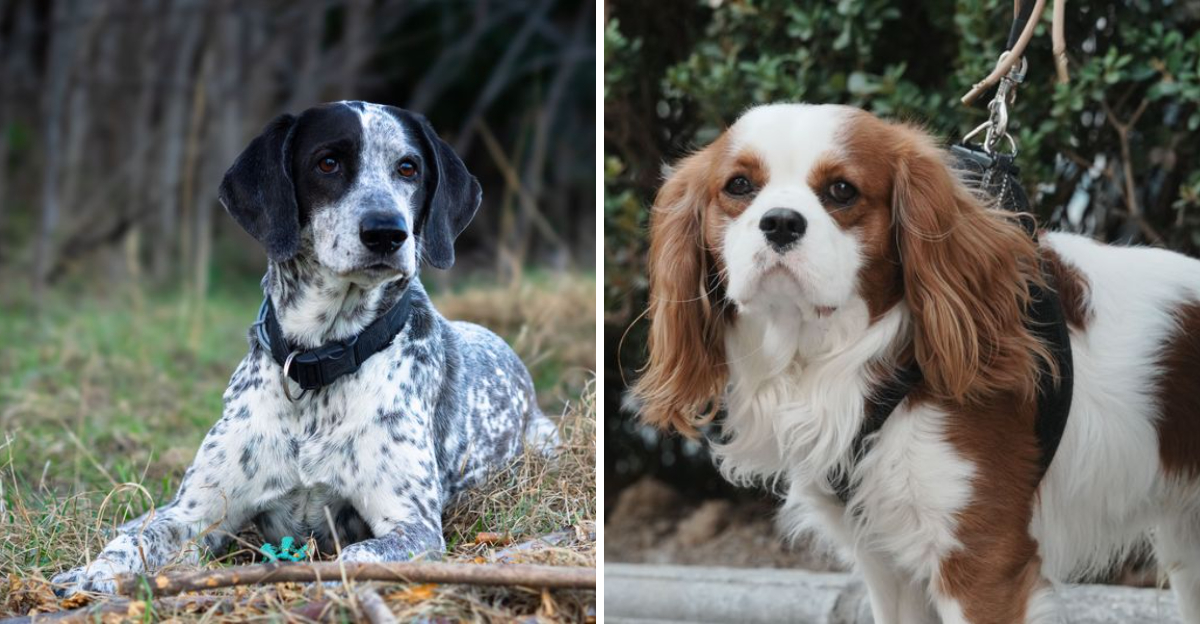
Tennessee asks a lot of a dog. One weekend it is humid heat on a farm road, the next it is cool ridgelines, creek crossings, and a long ride home with muddy paws.
The dogs that shine here share a few quiet traits: sturdy joints, sensible coats, and a willingness to nap hard after working hard. Some were literally bred in these hills, with voices that still echo across hollows.
Here are twenty breeds built for that mix.
1. Labrador Retriever
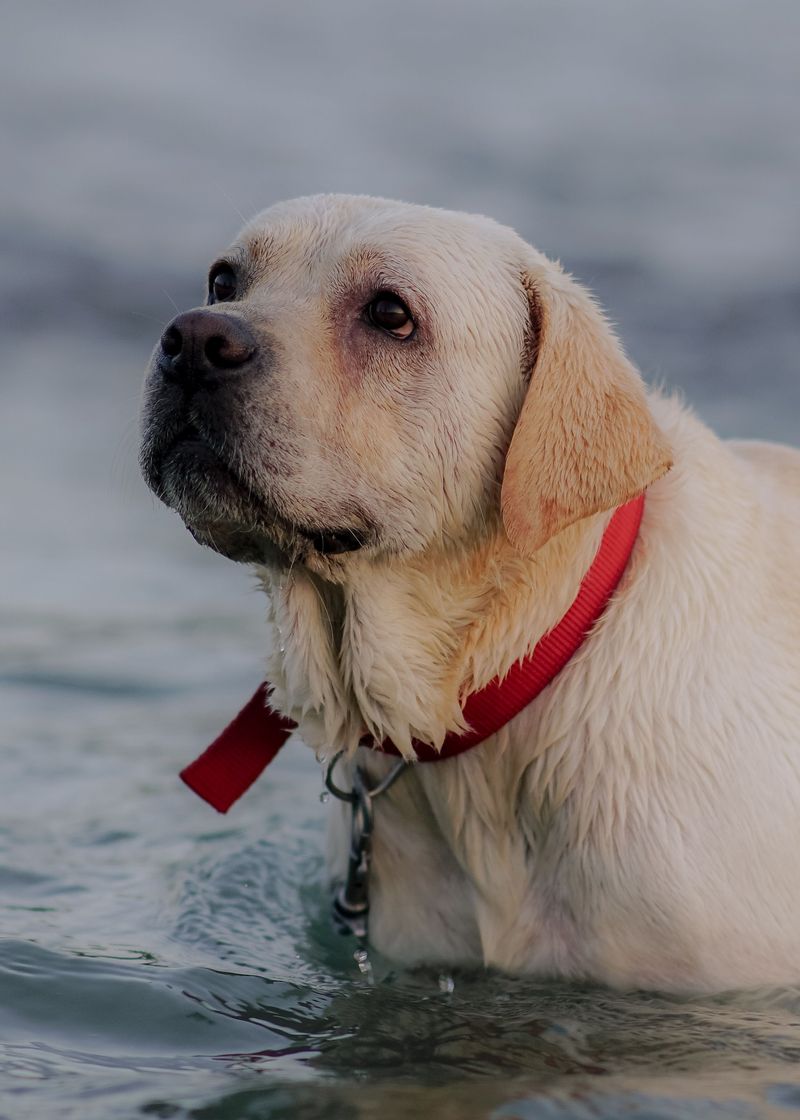
Ask around any Tennessee lake dock and you will meet a Lab shaking water everywhere. Webbed paws and a water-resistant coat make swimming a favorite cooldown on humid days.
Plan on one to two hours of real activity daily, or expect chewed shoes and loud opinions.
Weekly brushing keeps shedding manageable. Watch the waistline closely, since hip and elbow dysplasia run in the breed and extra pounds add strain.
2. Golden Retriever
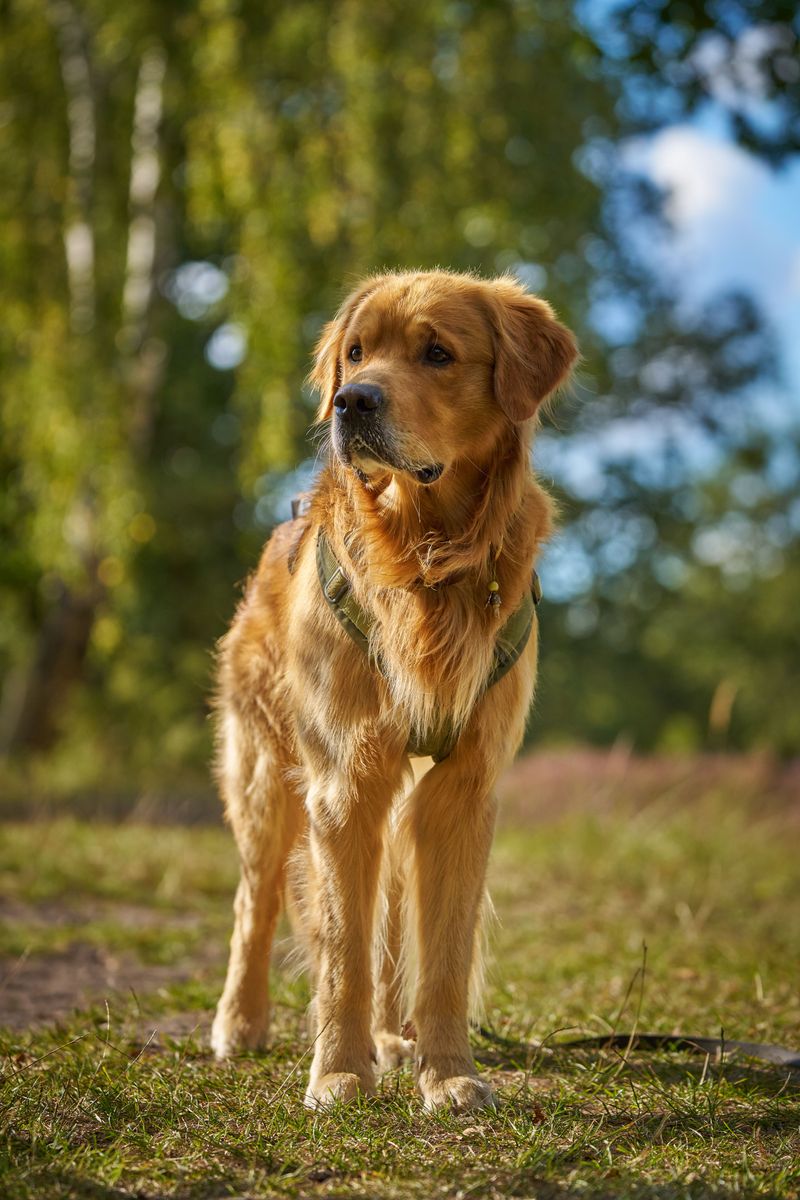
Golden Retrievers greet the mail carrier like a long lost cousin, which makes them charming neighbors and unconvincing guards.
They want one to two hours of meaningful movement, plus puzzles and training games to keep clever brains busy.
Swimming suits them beautifully, easing joints while burning energy.
Expect heavier shedding than a Lab thanks to that longer coat. Young Goldens stay delightfully goofy until roughly age two or three.
3. English Springer Spaniel
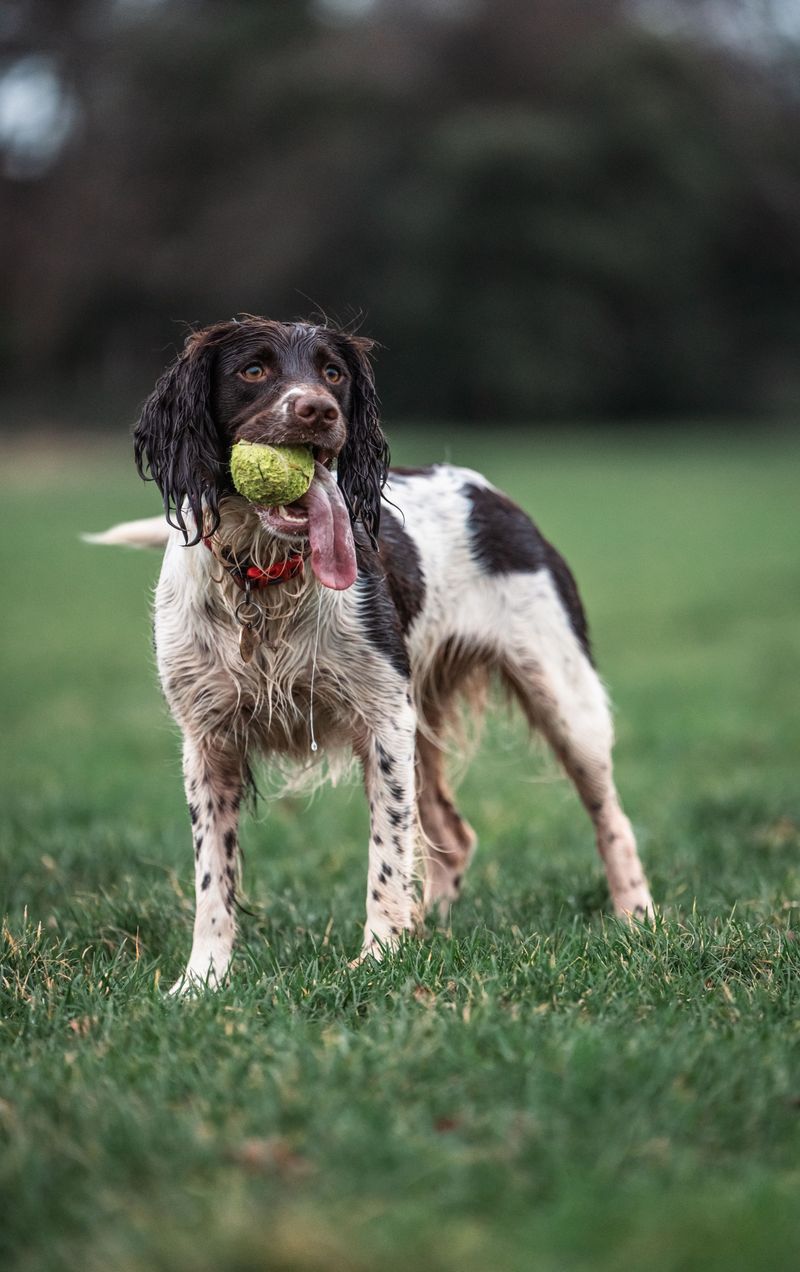
Bouncy is the word. Springers were built to flush birds from thick cover, and that spring never fully leaves the legs.
Give sixty to ninety minutes of vigorous work daily, ideally fetch, field walks, or scent games.
Most love water, so creeks are a gift.
Those long, pendulous ears need weekly cleaning to prevent infections. Trim the feathering around feet and ears, or burrs will hitch a ride home.
4. Brittany
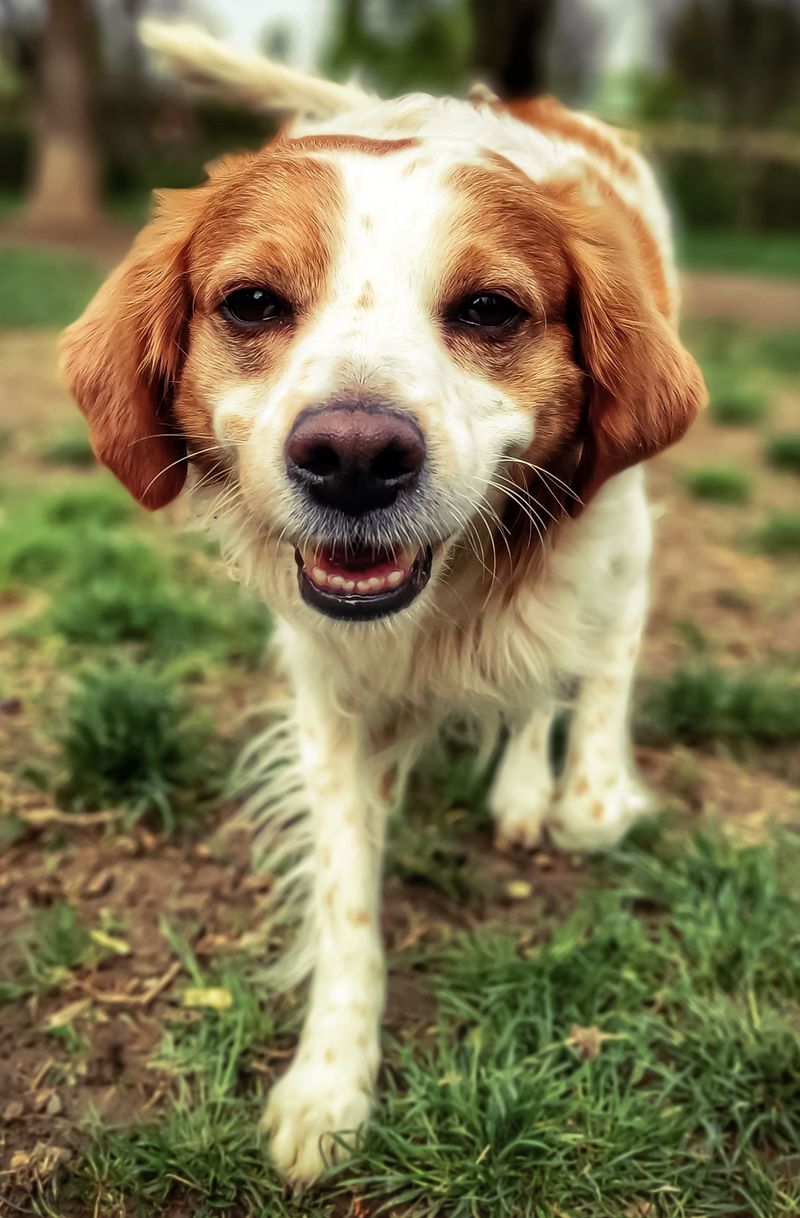
Freeze frame: a Brittany locks into a point, one paw lifted, nose reading the breeze. Air-scenting is their specialty.
An hour minimum of brisk hiking, running, or dog sports keeps this bright breed happy. Agility, flyball, and dock diving all suit them.
Fenced acreage helps, because bored Brittanys roam.
They hate solitude and can develop separation anxiety. Weekly brushing handles moderate shedding easily.
5. Beagle
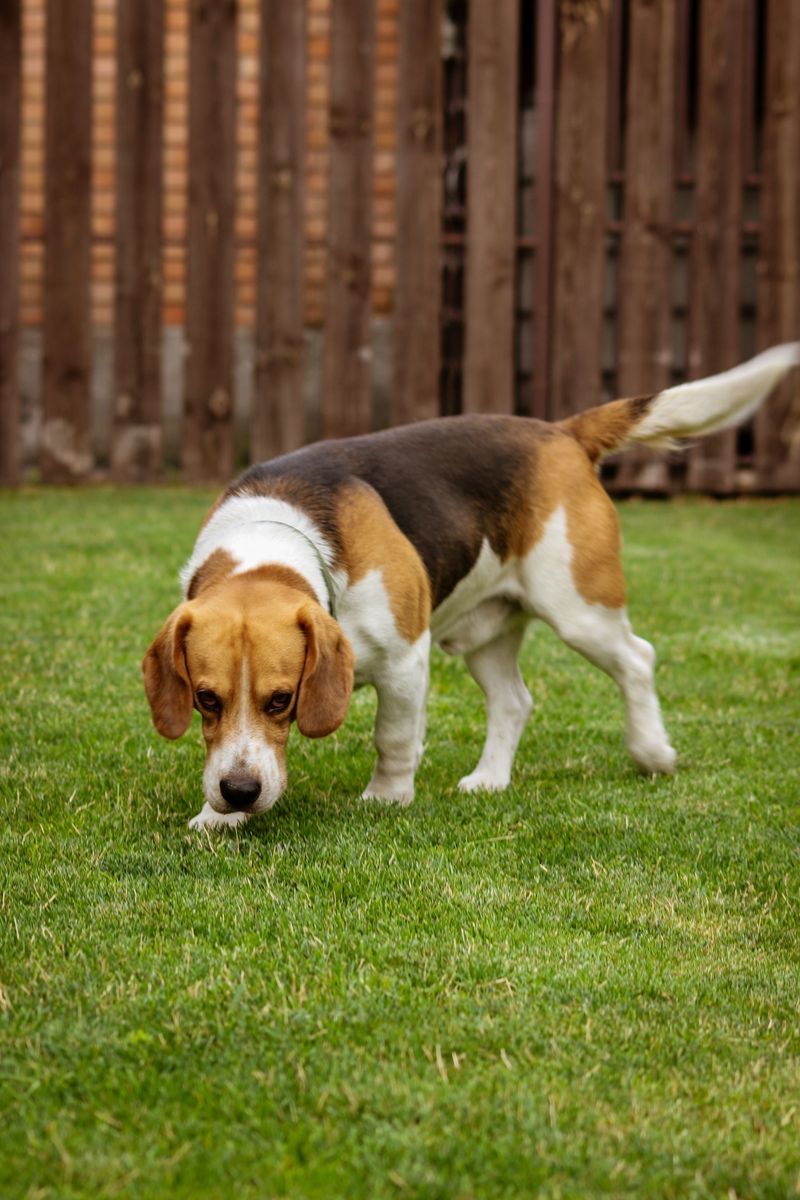
A Beagle’s nose runs the whole operation. Bred to trail rabbits, they follow scent with cheerful, single-minded focus.
Recall gets tricky, so secure fencing matters. These are genuine escape artists when a rabbit trail crosses the yard.
Budget an hour or more of walks, romps, and tracking games daily.
Their bay carries far, which suits country roads better than thin apartment walls. Short coats need very little fuss.
6. Treeing Walker Coonhound
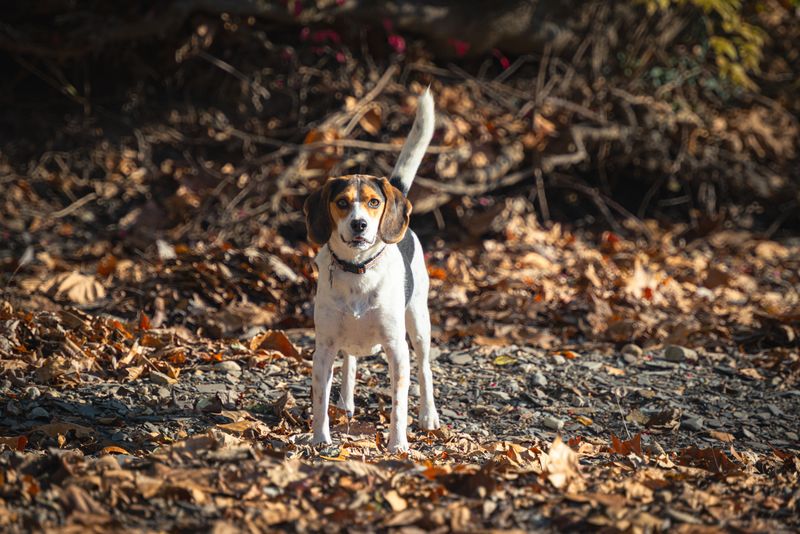
Tennessee helped shape this hound, and the famous chop bark still rings through wooded hollows for miles.
Athletic does not cover it. Two hours of hiking, jogging, scent work, and training keeps a Treeing Walker settled.
Earn that, and you get a calm, cuddly housemate.
Tall, secure fencing is essential, since they climb when a scent tempts them. Short coats stay easy, but check ears often.
7. Bluetick Coonhound
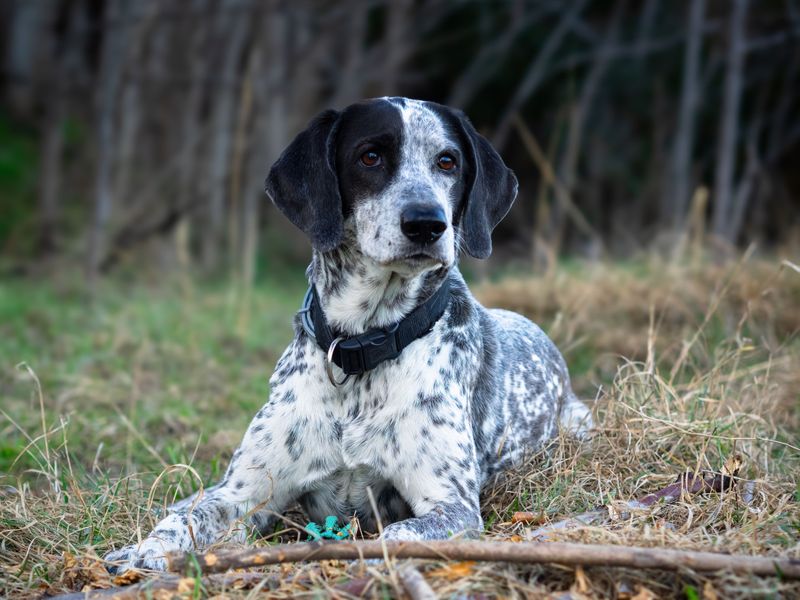
That speckled coat looks painted on, and the melodious bawl is pure Southern music.
Blueticks can hike all day. Sixty to ninety minutes minimum keeps the mischief down, though longer outings suit them better.
Independence comes with the hunting heritage, so training rewards patience over pressure.
Leash them outside fenced areas, because scent beats obedience. Clean those low-hanging ears weekly, and watch for bloat risk after meals.
8. Australian Shepherd
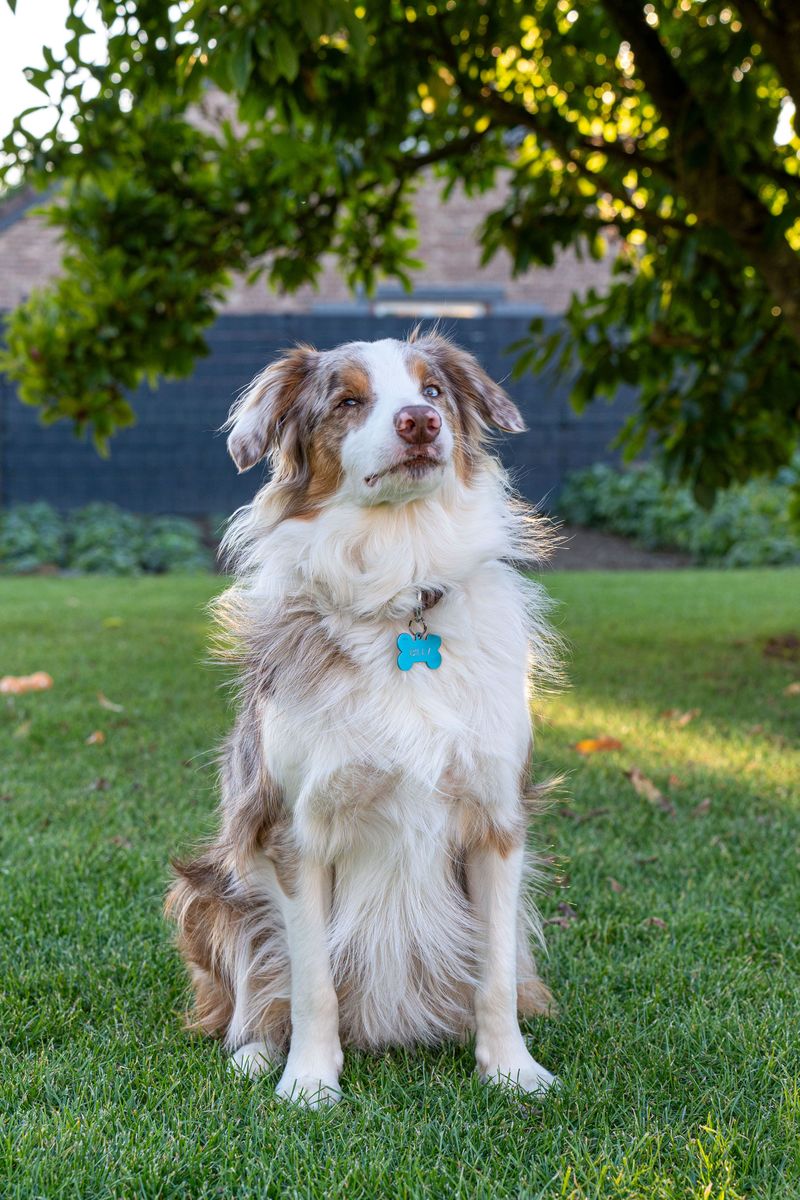
Give an Aussie a job or they will invent one, usually involving your ankles and a herding instinct.
Ninety minutes to two hours of running, hiking, agility, or farm chores keeps that problem-solving brain satisfied.
Rural properties suit them best, though a fenced suburban yard works with consistent effort.
They shed, so keep a brush handy. Hold off on high-impact jumping until puppy growth plates close.
9. Border Collie
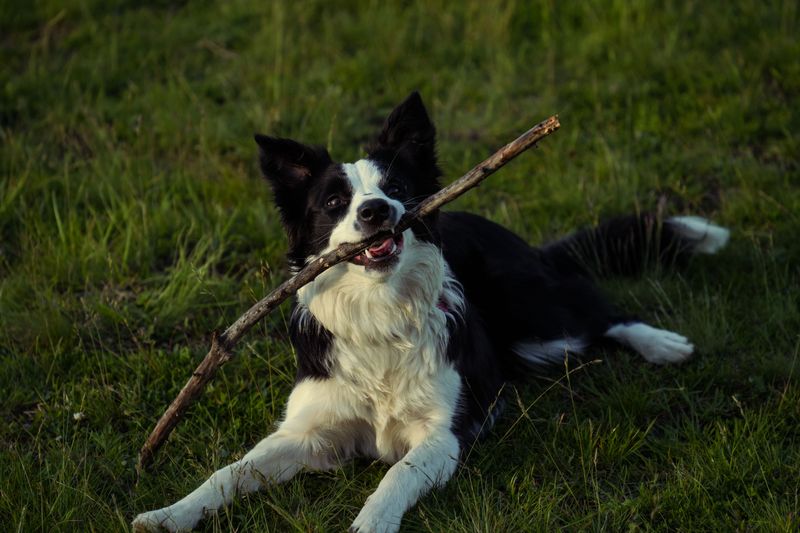
Widely called the brainiest breed, a Border Collie learns your routine faster than you do.
A stroll around the block is nowhere near enough. Aim for ninety minutes to three hours blending hiking, agility, obedience, and scent puzzles.
Understimulated Collies grow anxious and inventive with furniture.
Big yards and open pasture help most. Weekly brushing tames moderate shedding, which spikes during seasonal coat changes.
10. German Shepherd
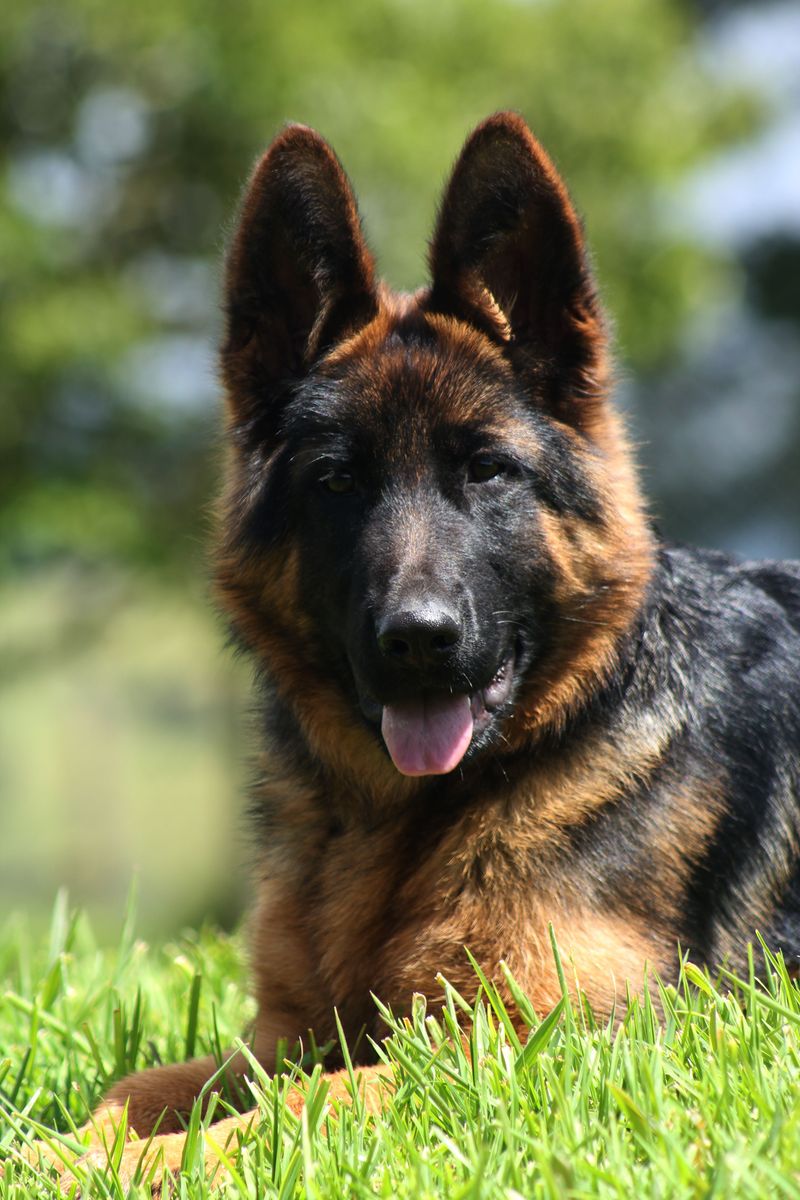
Watchful, muscular, and glued to their handler, German Shepherds treat your family as their assignment.
One to two hours daily plus mental work is the formula. Structured obedience, scent work, and problem-solving games channel that intensity well.
Skip the enrichment and they appoint themselves guard duty, barking at every passing truck.
The double coat sheds year-round, so frequent brushing saves your floors. Early socialization pays lifelong dividends.
11. Standard Poodle
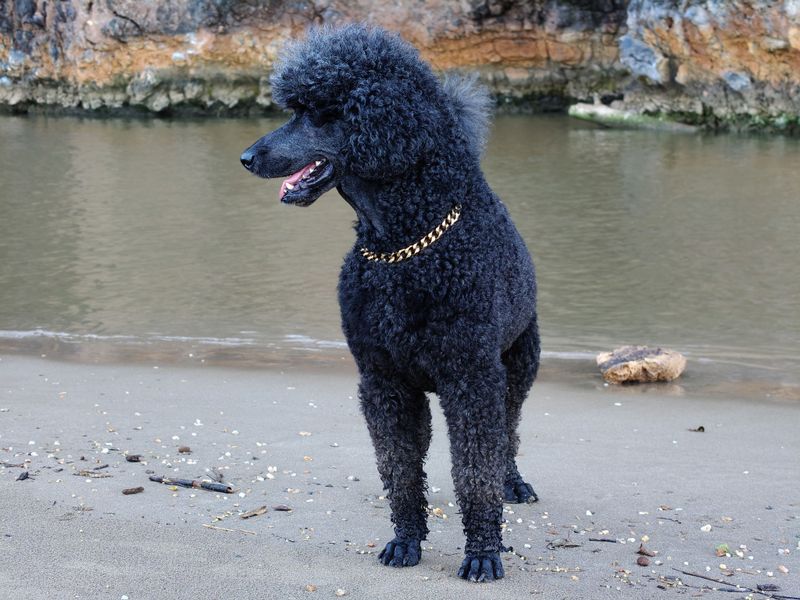
Forget the fancy show clips. Standard Poodles began as German water retrievers, and they still hit the water gladly.
Athletic and quick-witted, they need one to two hours of activity split between swimming, fetch, agility, and thinking games.
Suburban homes suit them easily.
The curly coat barely sheds, which allergy-prone families appreciate, but professional grooming is non-negotiable. Lifespans often stretch well past a decade.
12. Boxer
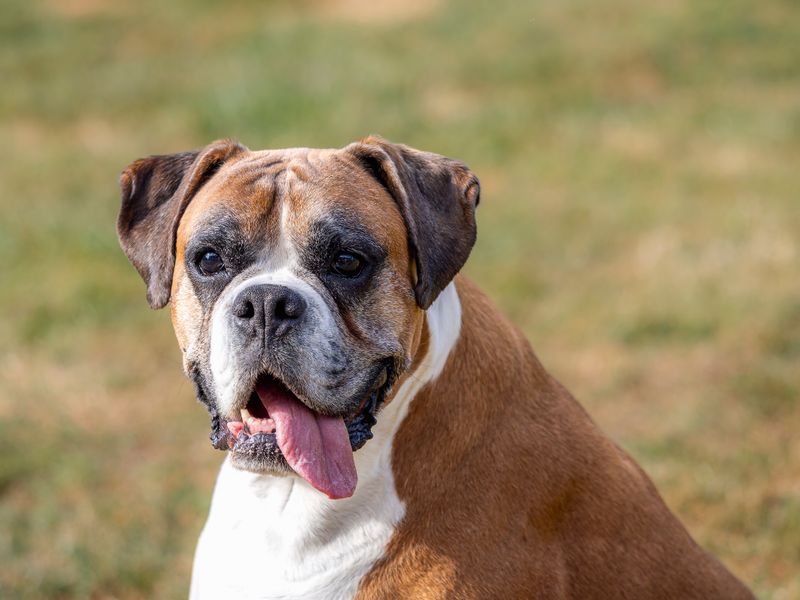
Clownish forever. Boxers keep a puppy sense of humor for years and lean into their people constantly.
Exercise ranges widely, roughly thirty minutes to two hours depending on the individual, with brisk walks, fetch, and agility all welcome.
Heat and cold both bother that short coat, so this is an indoor dog with a fenced yard.
Grooming stays simple. Ask breeders about heart and joint screening.
13. Pembroke Welsh Corgi
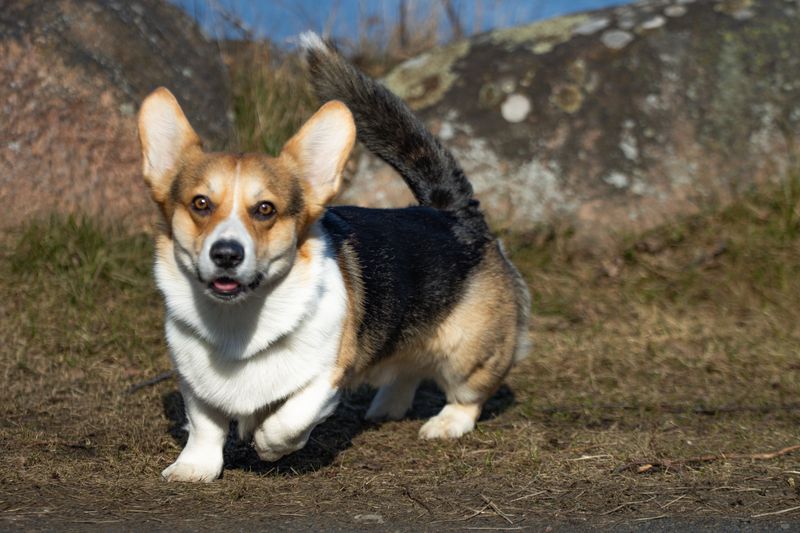
Short legs, enormous opinions. Corgis were cattle herders, nipping at heels and dodging hooves with surprising nerve.
One to two hours of walks, play, and puzzle toys satisfies them, but skip repeated jumping that stresses those long backs.
The big-dog bark makes a reliable doorbell.
That thick coat handles chill nicely and struggles in summer heat, so walk early. Expect heavy seasonal shedding.
14. Miniature Schnauzer
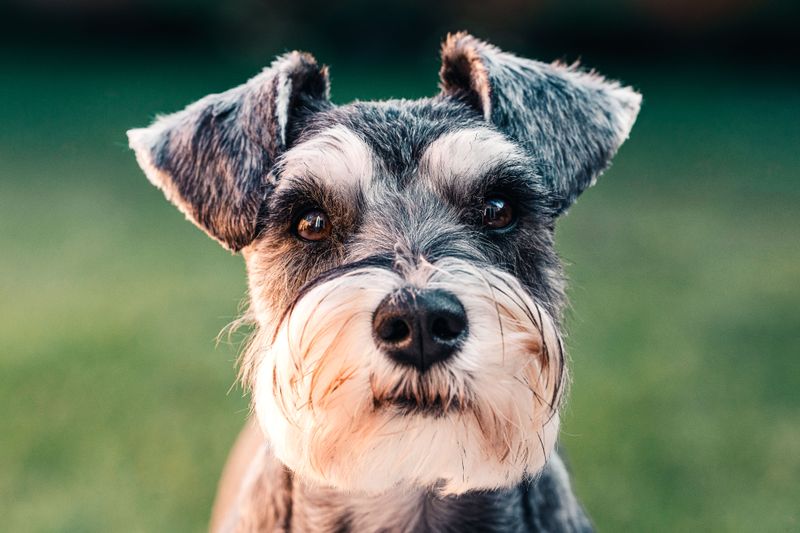
Farm roots show. Bred as ratters, Mini Schnauzers patrol barns and flowerbeds with fearless swagger and eyebrows to match.
An hour of walks, play, agility, or scent games keeps the mischief in check.
They bark at squirrels, neighbors, and rustling leaves, so training the off switch matters.
The wiry coat sheds very little but needs regular trimming and clipping. Brush teeth often, since dental issues are common.
15. Cavalier King Charles Spaniel
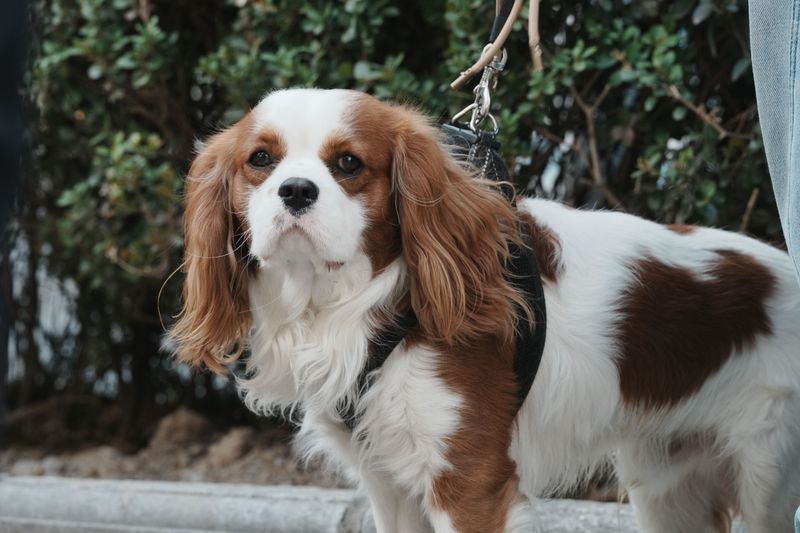
Some dogs measure a day by miles. Cavaliers measure it by lap time, and they are wonderfully good at it.
Two walks of twenty to thirty minutes usually do the trick, plus fetch or light agility.
Long hikes and hot runs are not their calling.
Old sporting instincts linger, so leash them in open fields. Groom that silky coat regularly and check ears weekly.
16. Bernese Mountain Dog
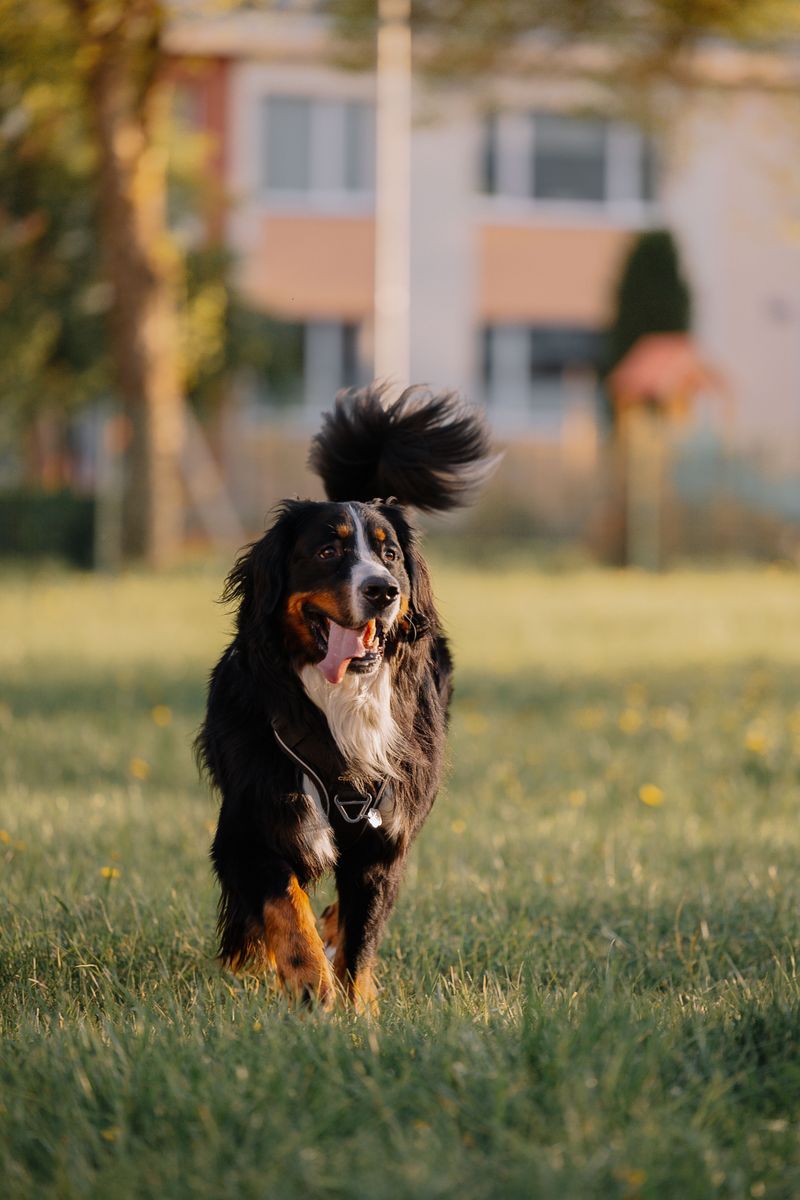
Swiss working roots gave Berners a cart-pulling build and a marshmallow heart wrapped in a huge coat.
Thirty minutes to an hour of moderate walking, hiking, or yard play satisfies them, plus a puzzle or two.
Tennessee summers demand caution, since heatstroke is a real risk for heavy double coats.
Walk at dawn, rest midday, enjoy cool evenings. Expect serious shedding and joint monitoring as they age.
17. Great Pyrenees
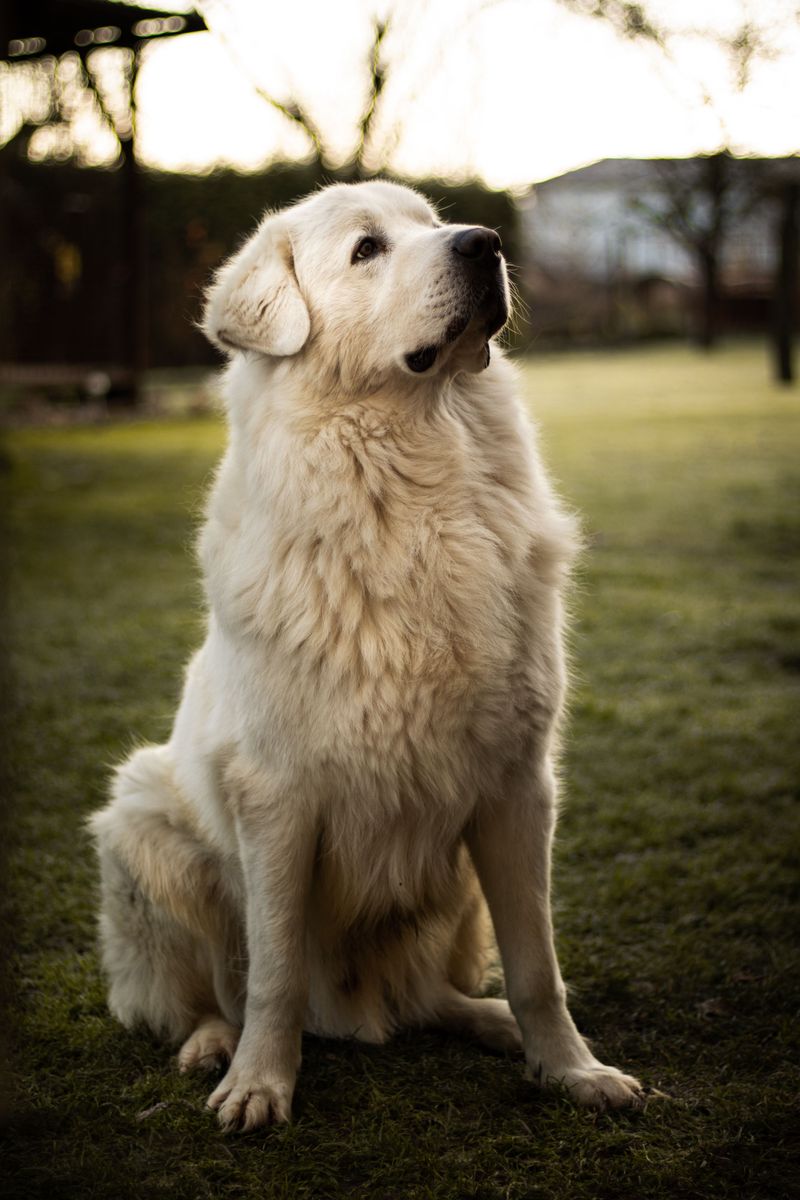
Livestock guardians take the night shift seriously. A Pyr parked between the barn and the treeline is doing exactly its ancestral job.
Exercise needs stay modest, roughly thirty minutes to an hour of walking or patrolling a secure yard.
Independence makes training a patience project, not a quick win.
Heat bothers them, so shade and water are must-haves. That thick coat needs weekly brushing, daily when shedding.
18. American Foxhound
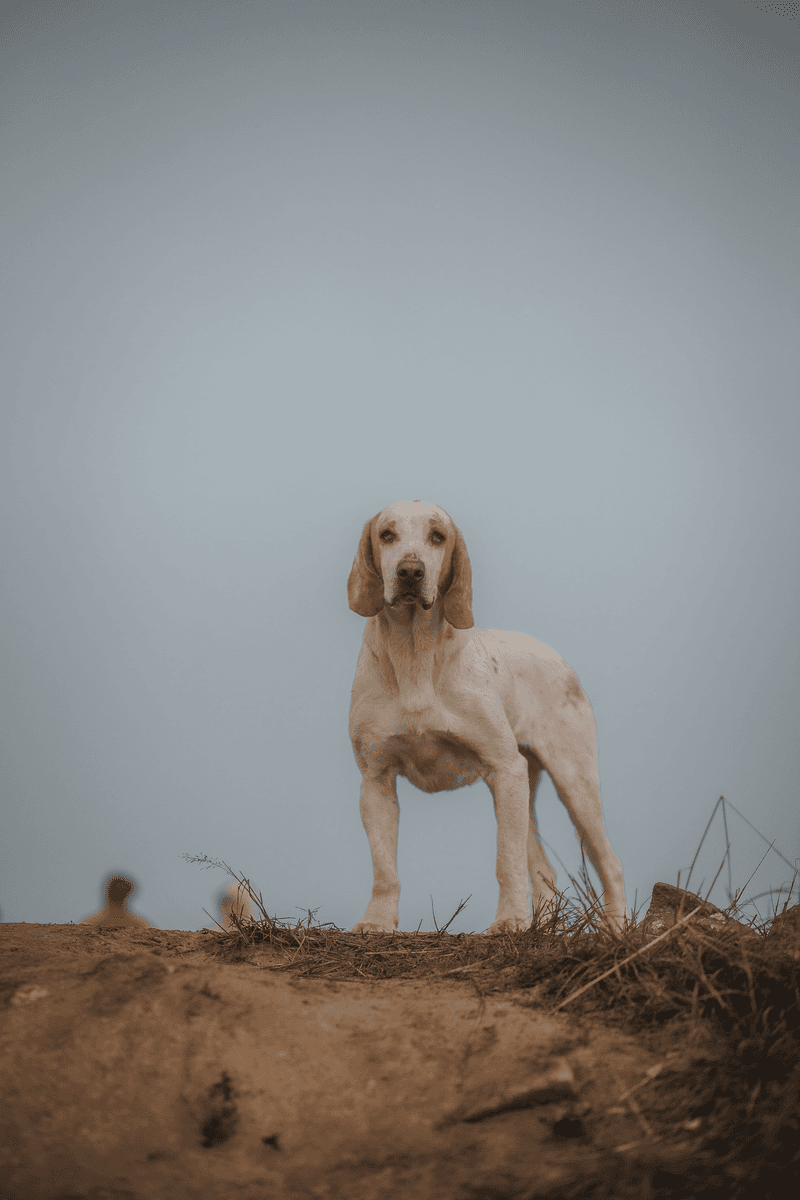
Built for endurance, the American Foxhound was developed here in the States to chase fox across long country miles.
Give one to two vigorous hours daily through jogs, hikes, and scent games, or boredom finds an outlet.
Acreage beats apartments, especially since that musical bay travels far.
Tall, sturdy fencing keeps a scent-driven wanderer home. Weekly brushing handles moderate shedding, and ears need routine checks.
19. Vizsla
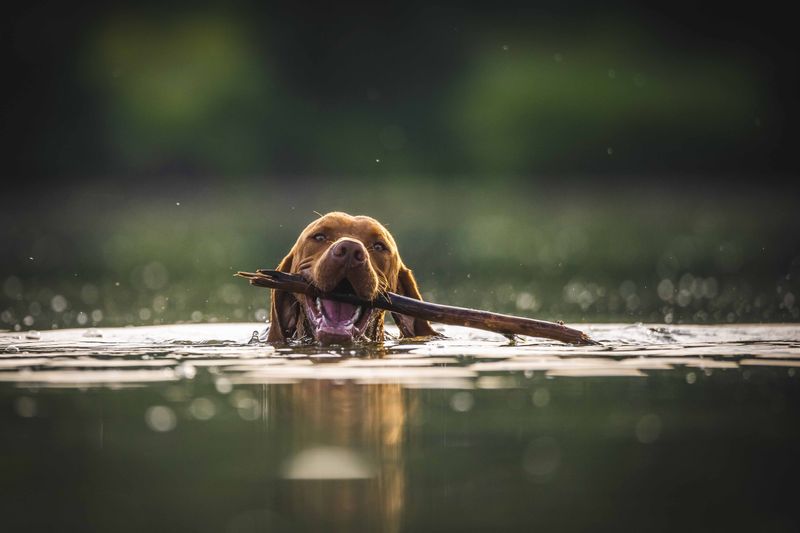
Nicknamed Velcro dogs for good reason, Vizslas shadow their favorite human from kitchen to kayak.
Hungarian hunting heritage means fields, forests, and water are all fair game. Plan one to two hours daily, including weekly off-leash running in a safe space.
Left alone too long, they unravel emotionally.
That sleek coat sheds lightly and offers little warmth, so winter outings may need a jacket.
20. Boykin Spaniel
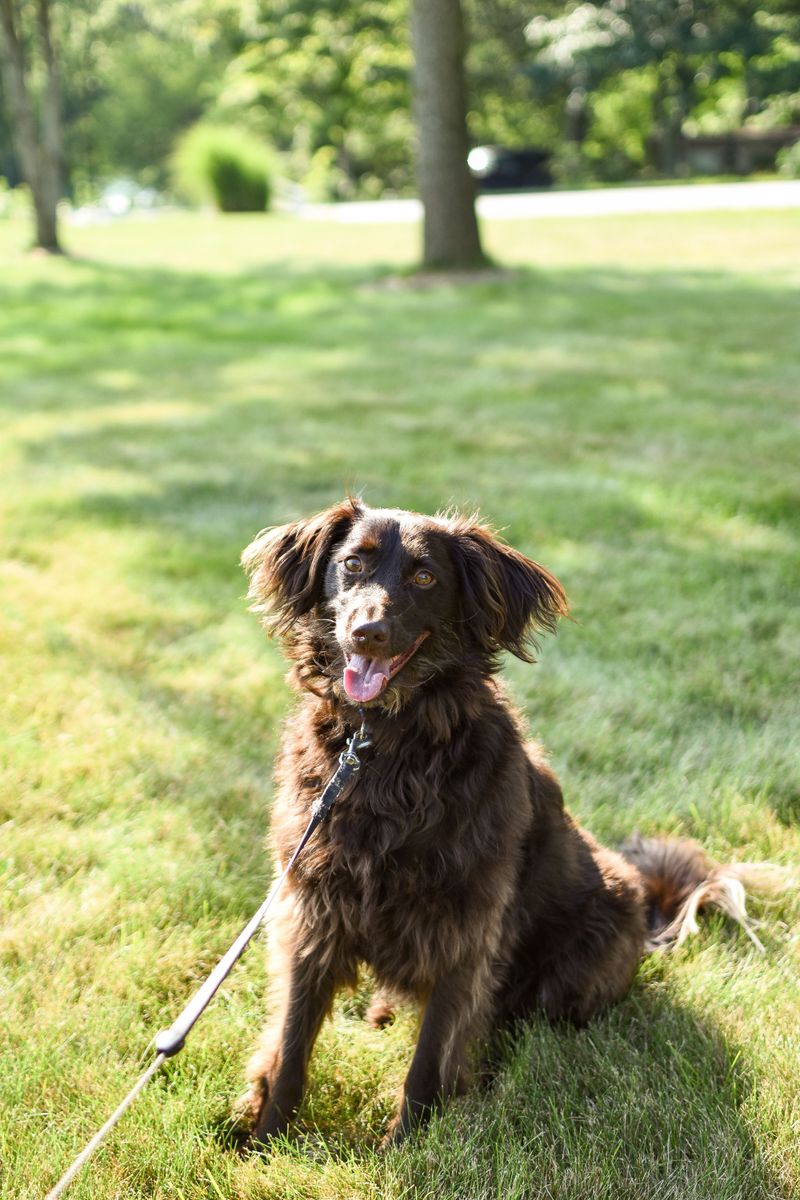
Small brown dog, giant work ethic. Developed in South Carolina for turkeys and ducks, the Boykin swims like a seal on webbed feet.
One to two hours of fetch, paddling, hiking, or canoe company keeps them cheerful.
Heat tolerance is a bonus during muggy Southern afternoons.
Brush that medium double coat regularly to prevent mats. Some lines carry exercise-induced collapse, so testing matters.
Grab the leash and go explore.