What North Carolina Dog Owners Should Know About Seasonal Rules On Outer Banks Beaches
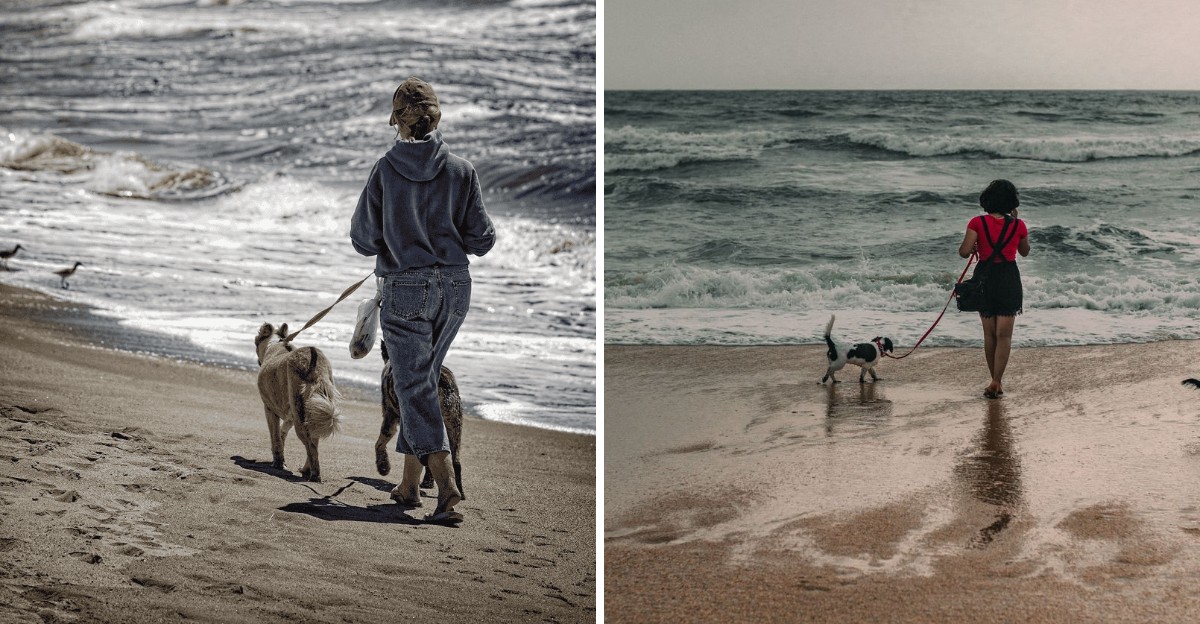
If your dog lights up at the sound of car keys and salt air, the Outer Banks is a wonderful place to share. The catch is that beach rules for dogs shift with the calendar and change from one town to the next.
Leash lengths, allowed hours, and access points can all look different in July than they do in November. Here is a friendly walk through what local owners keep in mind before heading out.
Seasonal Dog Rules Vary By Outer Banks Town
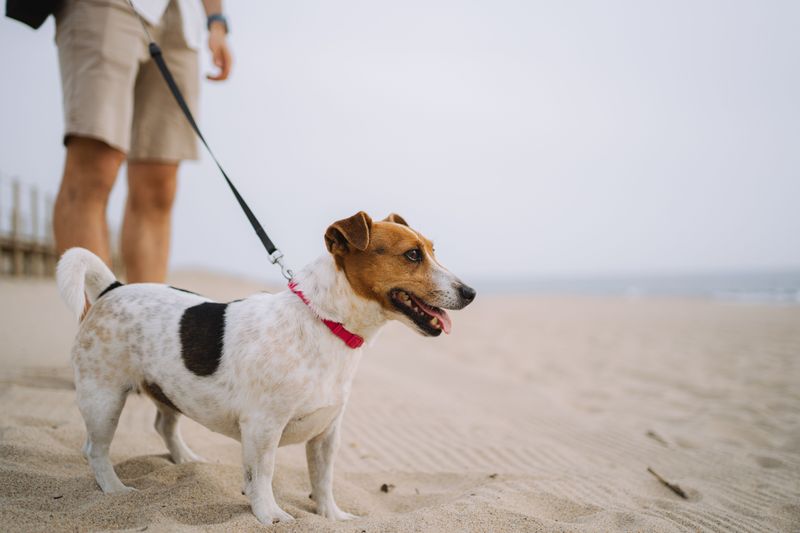
The Outer Banks looks like one long ribbon of sand. Legally, it is a string of separate towns, each with its own ordinances.
Nags Head, Kitty Hawk, Kill Devil Hills, Duck, and Southern Shores have their own local rules, while Corolla is unincorporated and follows Currituck County regulations. Leash requirements and seasonal restrictions can differ within a few miles.
Before you unload the car, check the specific town where you plan to walk. Town websites and ocean rescue staff are reliable sources.
Summer Beach Restrictions Are Often Stricter
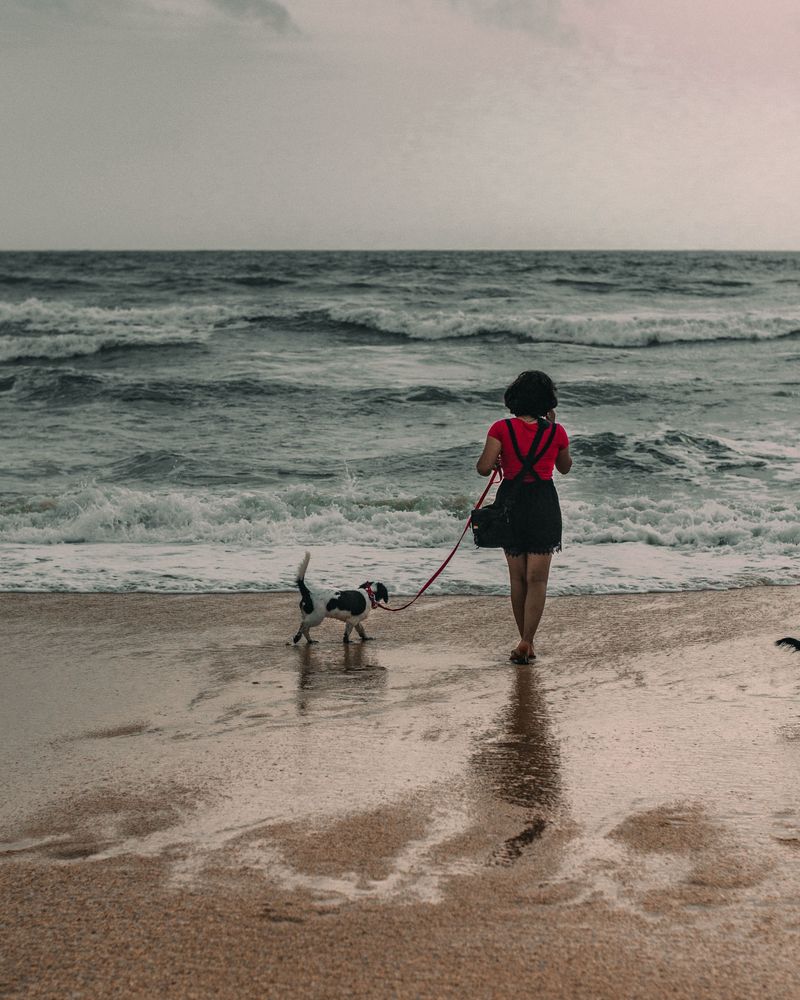
Peak season brings crowds, lifeguard stands, and tighter expectations for pets. Some Outer Banks communities limit dog access or require stricter leash rules during summer months, while others allow dogs on the beach year-round with a leash.
Some allow dogs only in early morning or evening windows. Others keep beaches open but require a short leash at all times.
Plan your walks around those windows rather than hoping for flexibility. A quick call to town hall saves a wasted trip with a disappointed pup.
Off-Season Beach Access Can Be More Flexible
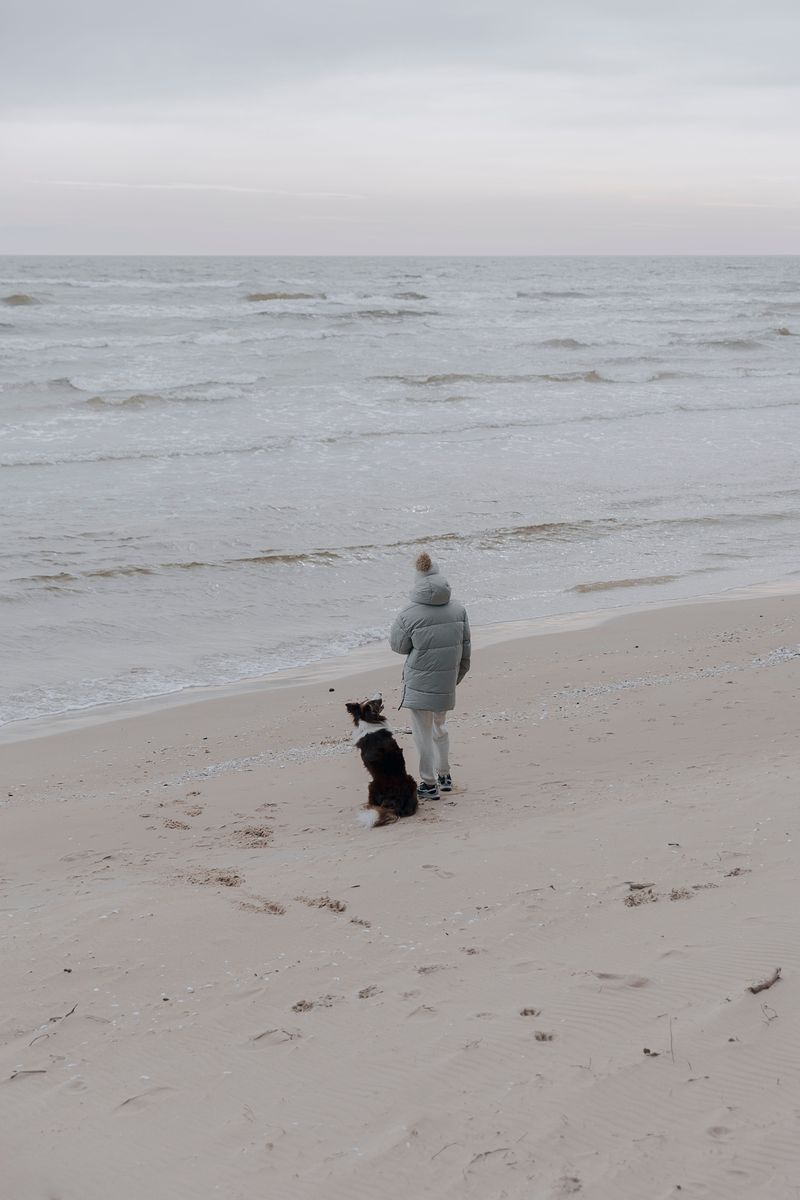
Come fall, the sand empties out and the mood softens. Several towns relax daytime restrictions once the summer season ends.
Leash rules usually stay in place year round, even when the beach feels deserted. Fewer crowds does not mean fewer regulations.
Cooler months are ideal for long shoreline walks and sniffing sessions. Bring a towel, since off-season wind and spray leave dogs damp and sandy.
Check Rules In Nags Head Before Walking Your Dog
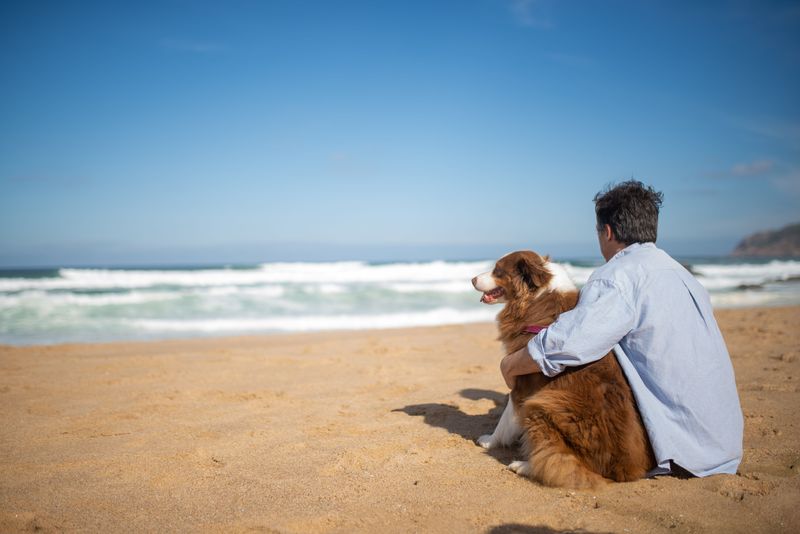
Nags Head stretches for miles, which tempts owners to relax. The town still expects dogs to be under control and leashed on public beaches.
Dogs must be restrained by a leash no longer than 10 feet in Nags Head, so longer retractable lines do not qualify. Current rules are available through the town and may also be posted at beach accesses.
Ocean rescue staff can answer questions during summer. Asking politely is easier than sorting out a citation later.
Know The Dog Rules In Kitty Hawk

Kitty Hawk keeps things fairly simple, but simple still means specific. Dogs are welcome on the beach when leashed and supervised.
Seasonal hours may apply during the busiest weeks, so confirm dates before arriving. Requirements can be adjusted by the town from year to year.
Owners who scoop promptly and keep leashes short rarely run into trouble. Courtesy goes a long way with neighbors and beach patrol.
Understand Seasonal Restrictions In Kill Devil Hills
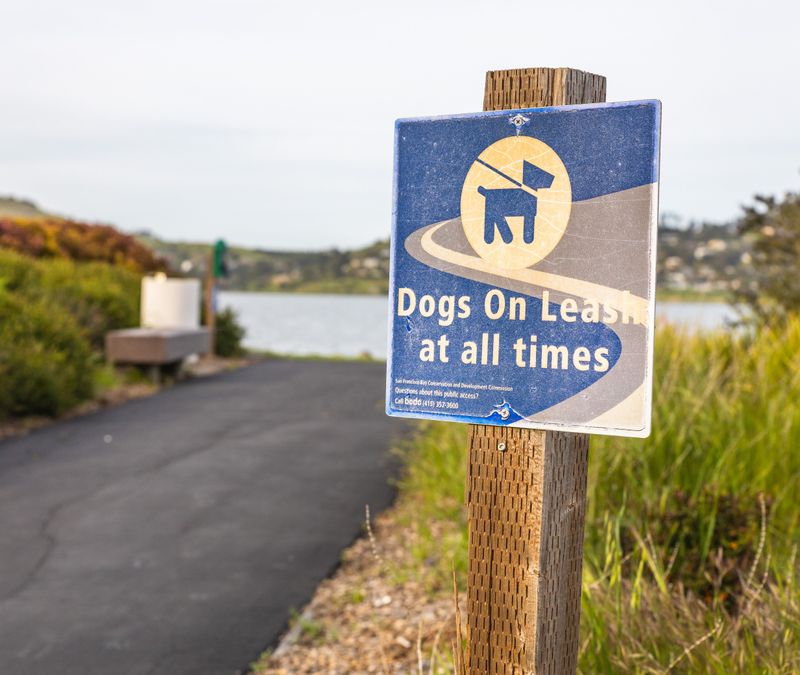
Kill Devil Hills sits in the busy middle of the northern beaches. Summer brings heavy foot traffic, and pet rules tighten accordingly.
Leashes are required, and certain hours may restrict dogs during peak season. Details are listed on the town website each year.
Public access ramps often display current information on signs. Reading them takes seconds and keeps everyone on the same page.
Duck Has Its Own Beach Regulations
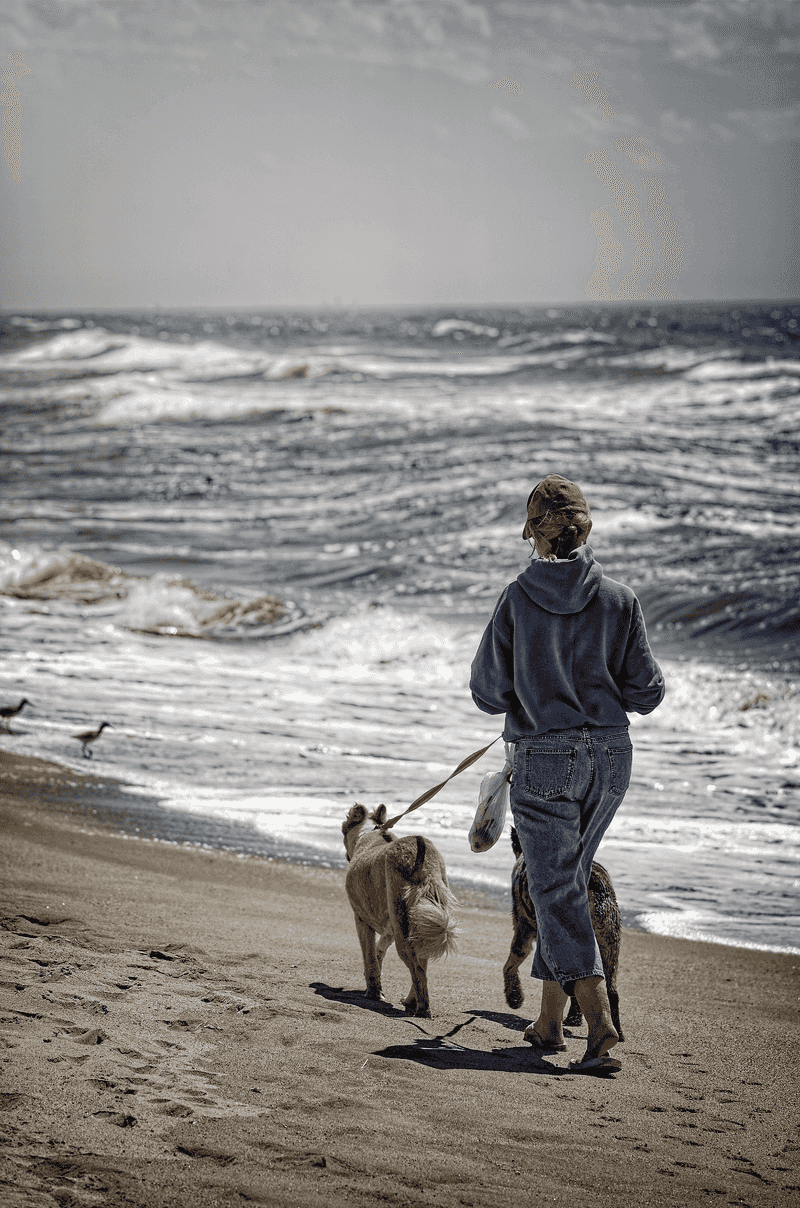
Duck built a reputation as a walkable, pet-friendly village. Beach access there is mostly private, tied to rental communities and homeowner associations.
Town leash rules still apply on public paths and the soundside boardwalk. Seasonal hours can affect beach use during summer weeks.
If you are renting, ask the property manager which access points you may use. That one question prevents most confusion.
Corolla Beach Rules May Be Different
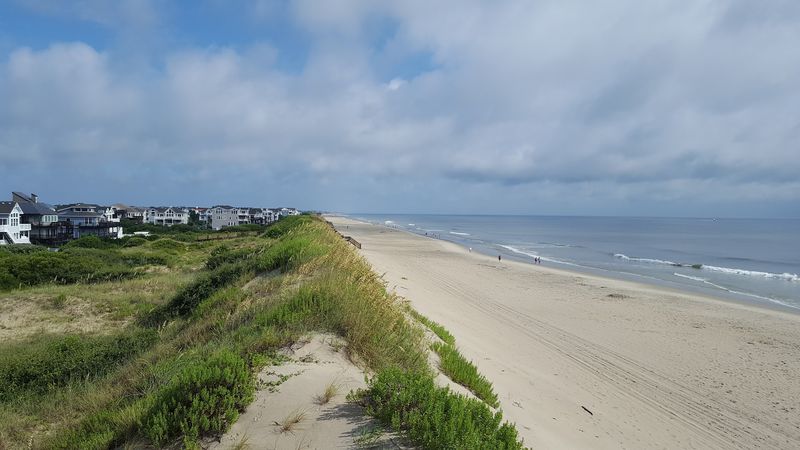
Corolla sits in unincorporated Currituck County, so county rules govern instead of a town council. That difference surprises plenty of visitors.
Leash requirements and seasonal hours apply, and the four-wheel-drive area north of the pavement has extra considerations. Wild horses roam there and must be given wide space.
Keeping dogs leashed protects the herd and your pet. County offices can confirm current details.
Leashes Matter Even When Beaches Feel Quiet
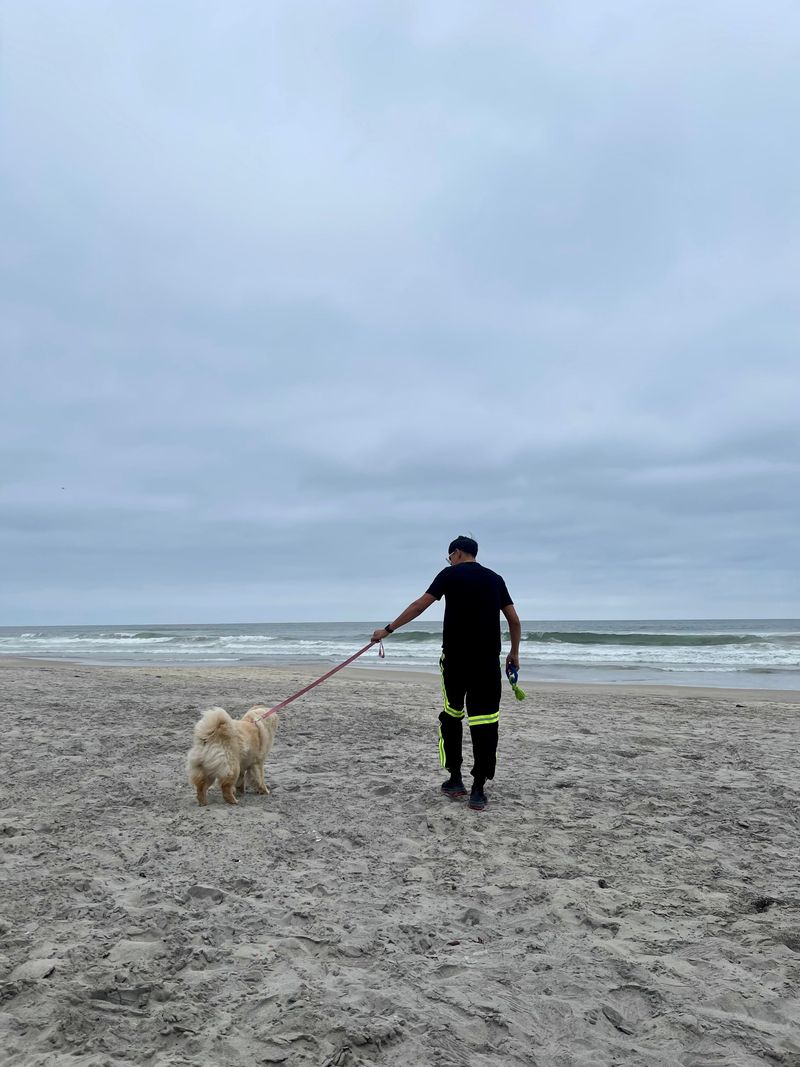
An empty stretch of sand feels like an invitation to unclip. Resist it, because leash laws apply regardless of how few people are around.
Loose dogs can chase shorebirds, startle joggers, or head toward the water unexpectedly. Ocean currents along this coast move quickly.
A sturdy six-foot leash gives freedom without risk. Long lines are handy inland but often exceed posted limits.
Watch For Posted Signs At Beach Entrances
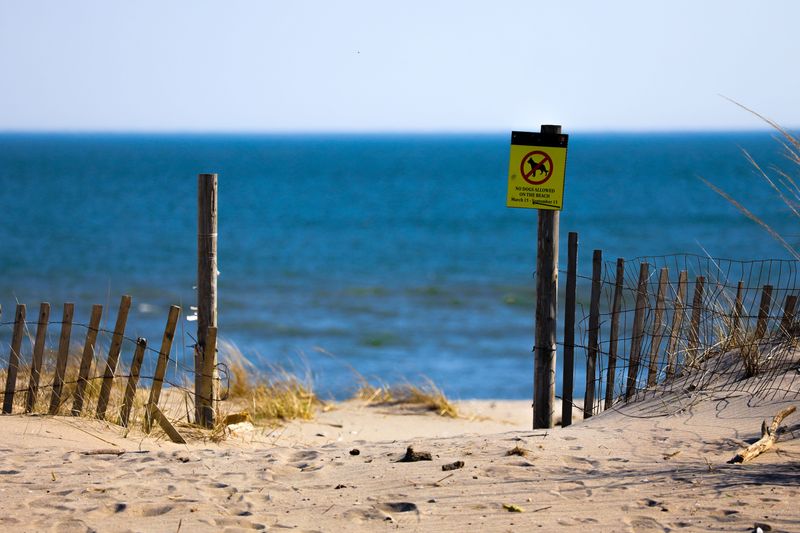
Every public access carries a sign board, and those boards are updated when rules change. Reading one takes less time than checking your phone.
Signs list leash requirements, seasonal hours, and any temporary closures. Nesting areas sometimes appear on them during spring and summer.
Snap a photo of the sign for reference. It settles debates and keeps rules handy mid-walk.
Bring Waste Bags Every Time
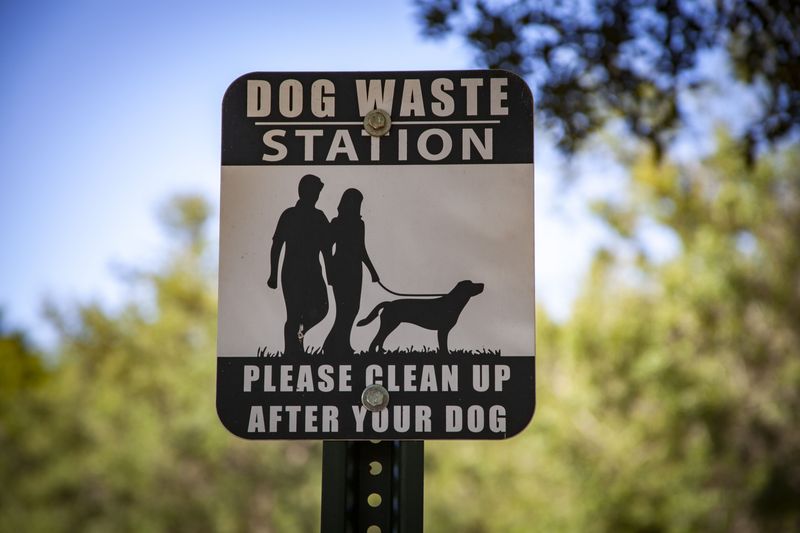
Nothing sours a beach town’s welcome faster than uncollected waste. Every Outer Banks community requires owners to clean up after their pets.
Sand hides messes poorly, and tides carry material into swimming areas. Cleanup protects water quality and other visitors.
Clip a bag dispenser to the leash so you never run short. Stash spares in the car and in your beach bag too.
Early Morning Walks Can Make Summer Easier

Sunrise on the Outer Banks is quiet, cool, and genuinely lovely. Many towns allow dogs during those early hours even when midday access is limited.
Sand stays cool, crowds have not arrived, and parking is simple. Your dog gets a calmer outing with fewer distractions.
Set an alarm and pack water. Morning walks quickly become the highlight of a summer trip.
Be Careful With Hot Sand

Midday sand on a July afternoon gets surprisingly hot. Paw pads are tougher than skin, but they still have limits.
Press the back of your hand to the sand for seven seconds. If it feels uncomfortable, it is too warm for paws.
Stick to wet packed sand near the water or shift your walk to cooler hours. Fresh water helps too.
Respect Swimming And Wildlife Areas
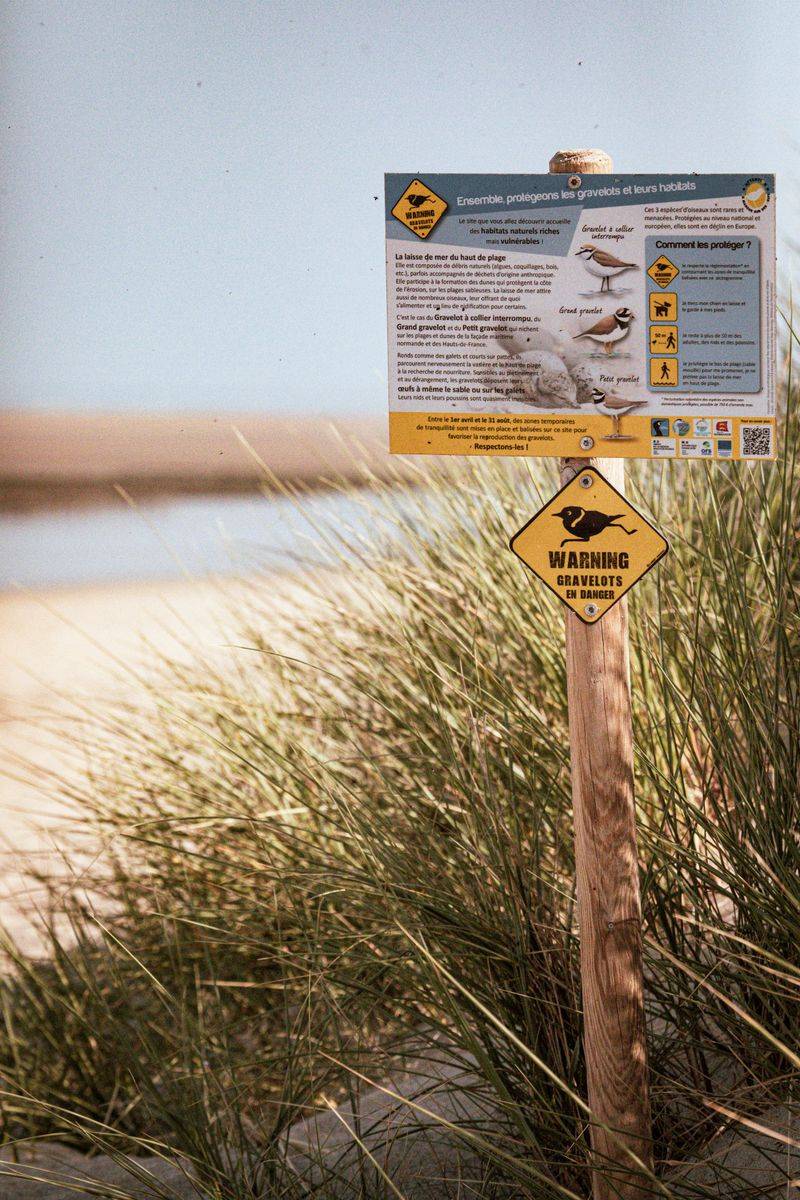
Spring and summer bring nesting shorebirds and sea turtle activity to these shores. Marked areas are roped off for good reason.
Keep dogs well clear of posted zones and lifeguarded swimming sections. Federal and state protections cover several species here.
Give wildlife room, and give swimmers room too. Both courtesies keep beaches open to pets in future seasons.