What Maine Dog Owners Should Know About Porcupines On Forest Trails
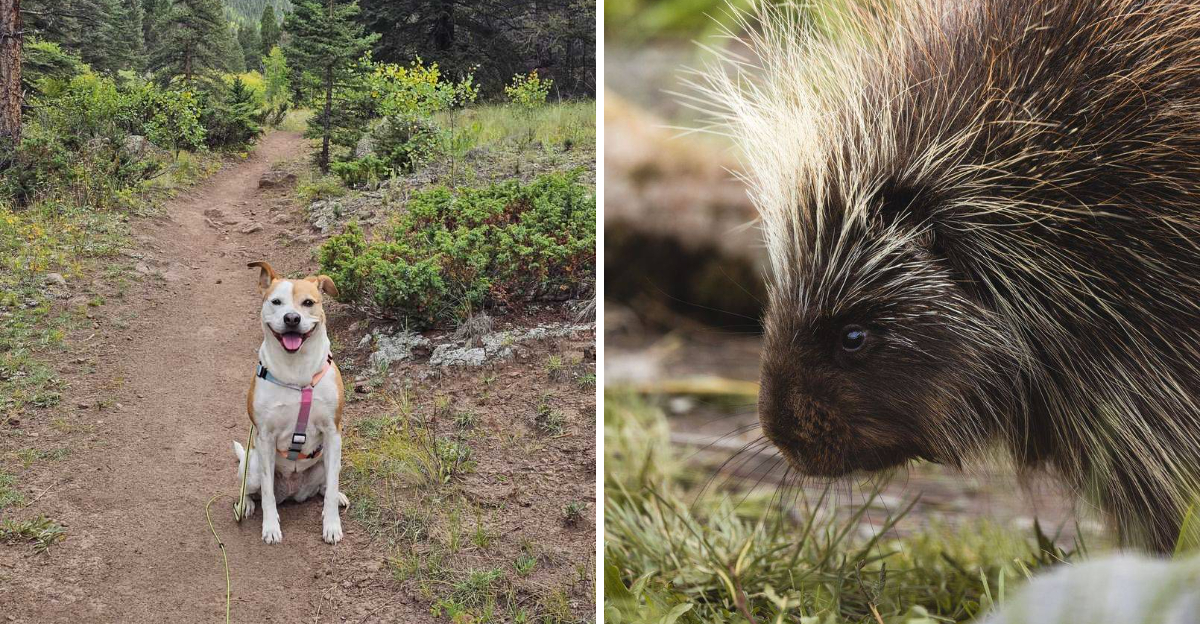
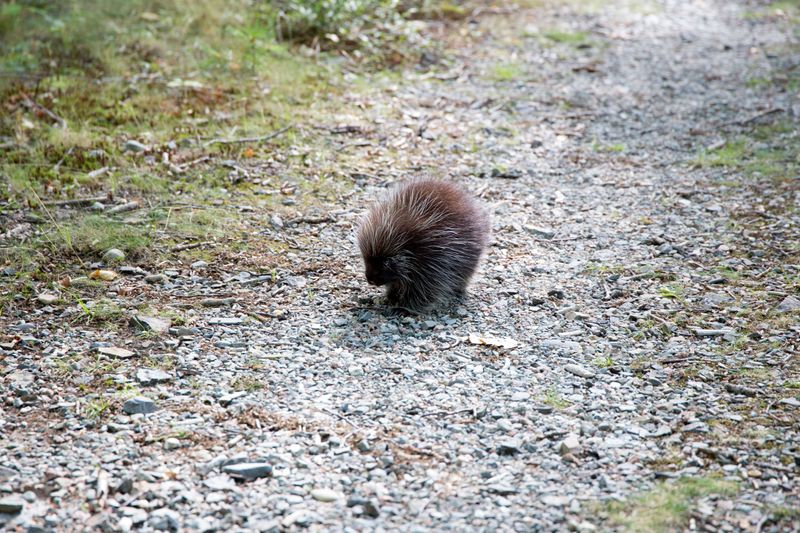
If you hike Maine woods with a dog, porcupines are worth understanding before you ever meet one. They are slow, quiet, and mostly minding their own business, but a curious dog can still end up with quills.
The good news is that a few simple habits prevent most encounters, and knowing the right response makes a big difference. Here is what local owners tend to learn the practical way, shared calmly so you can walk the trails with confidence.
1. Porcupines live all across Maine’s woods
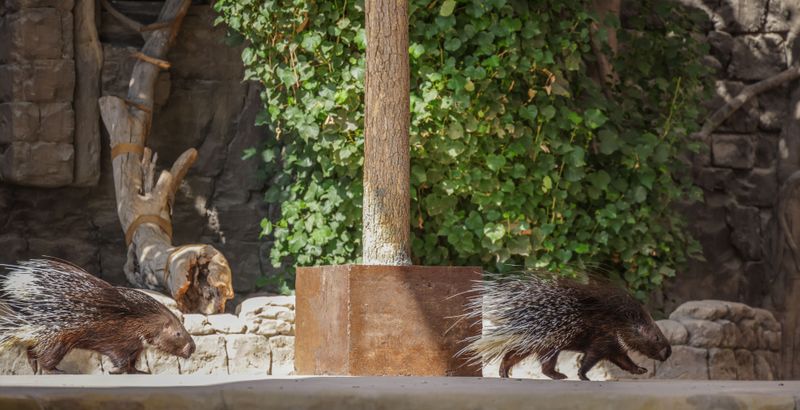
From coastal woodlots to the North Maine Woods, porcupines are widespread here. They favor hardwood stands, hemlock groves, and brushy edges near trails.
Because they are common, most regular hikers eventually cross paths with one. That is normal, not a sign of bad luck.
Knowing they belong in the landscape helps you plan rather than worry. Expect them, watch for them, and your walks stay calm and uneventful.
2. A leash is your best prevention tool
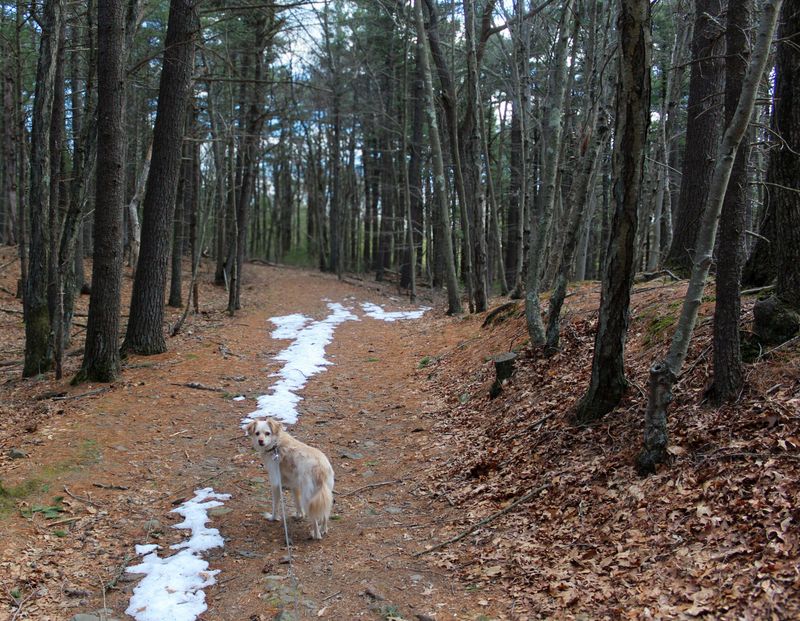
Leashes do the quiet work of keeping your dog out of trouble. Brushy edges, hollow logs, stone piles, and tree bases are favorite porcupine spots.
Those are exactly the places a loose dog wants to explore. A standard six foot leash keeps sniffing under control without spoiling the fun.
Many owners find that leashed hikes are simply less eventful, which is the goal. Prevention beats treatment every single time.
3. Dusk and darkness call for extra care
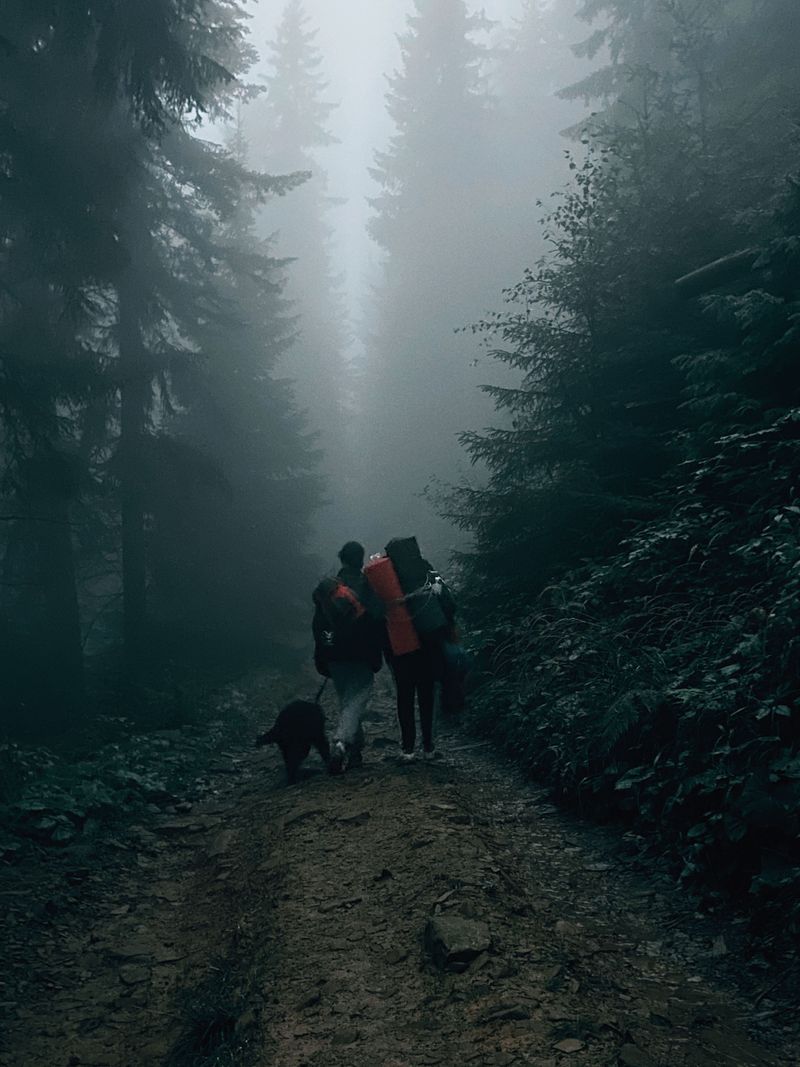
Porcupines are mostly night creatures, active at dusk, dawn, and after dark. Low light hides them well against bark and leaf litter.
If you walk in the evening, shorten the leash and carry a good flashlight or headlamp. Scan trail edges before your dog does.
Some owners shift longer hikes to midday during active months. That small schedule change removes much of the guesswork.
4. Curiosity is the real problem, not the porcupine
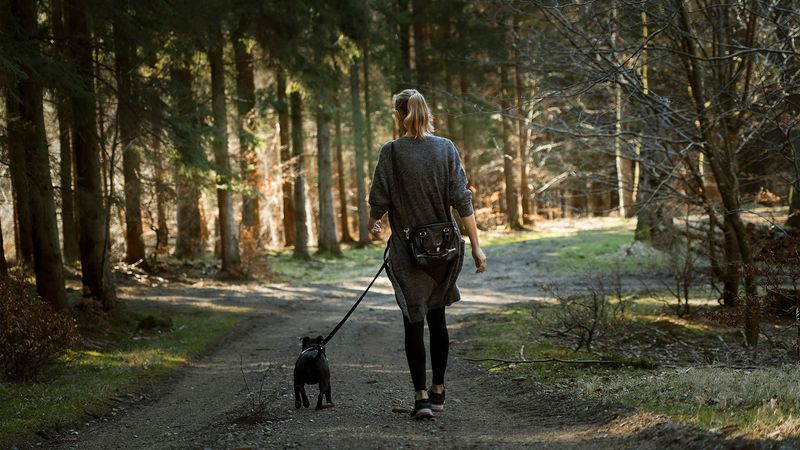
Porcupines rarely start anything. Trouble begins when a dog barks, lunges, or tries to corner one against a log or rock.
A cornered animal defends itself, and quills come loose easily on contact. Even a friendly dog can trigger that response.
So the rule is simple: no investigating, no barking matches, no nosing in for a closer look. Redirect your dog and keep moving.
5. The quill throwing story is a myth
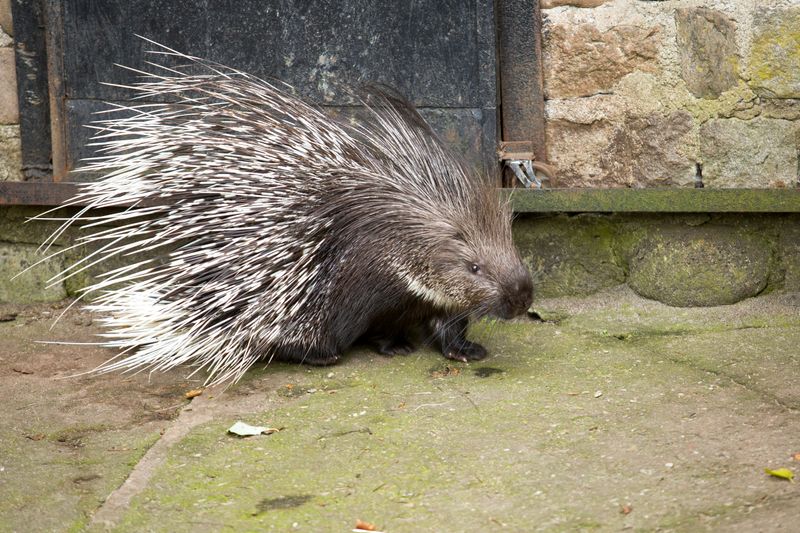
Plenty of Mainers grew up hearing that porcupines shoot quills. They do not.
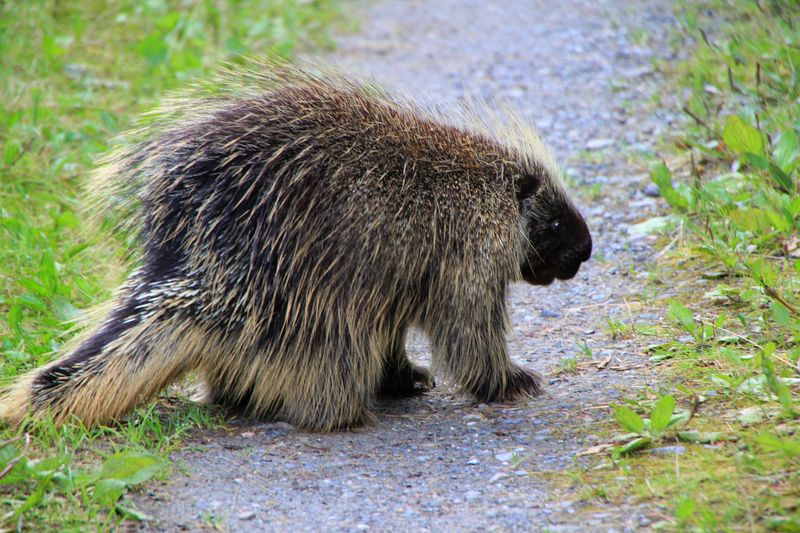
Quills are loosely attached hairs that detach when something touches them. A porcupine turns its back and swings its tail as a warning and defense.
That swing is how most dogs get quilled, usually right in the face. Understanding the mechanics helps you see why distance alone keeps your dog safe.
6. Recall works best when your voice stays steady
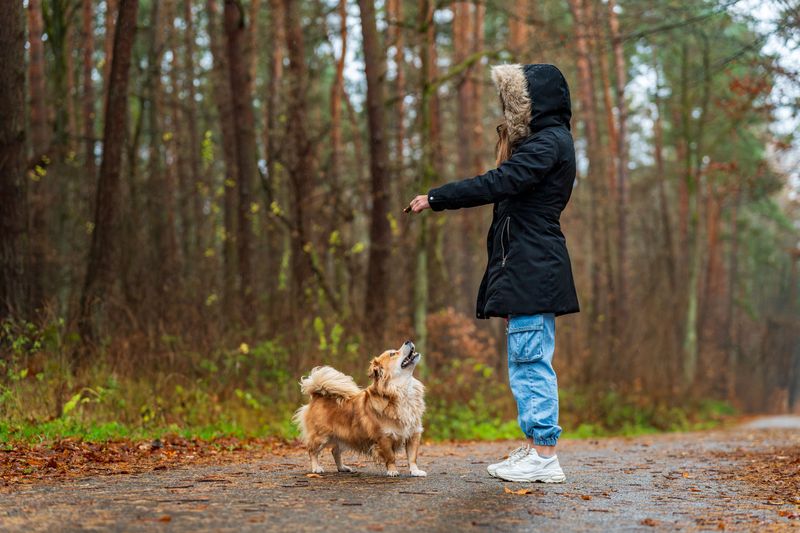
Spot one ahead? Stop, call your dog in a normal cheerful voice, and step back the way you came.
Shouting or running tends to excite dogs and rush the situation. Calm energy travels down the leash faster than you might expect.
Practicing recall on quiet paths pays off on busy days. Give the porcupine plenty of room and it will carry on, slowly, in its own direction.
7. Leave the porcupine completely alone
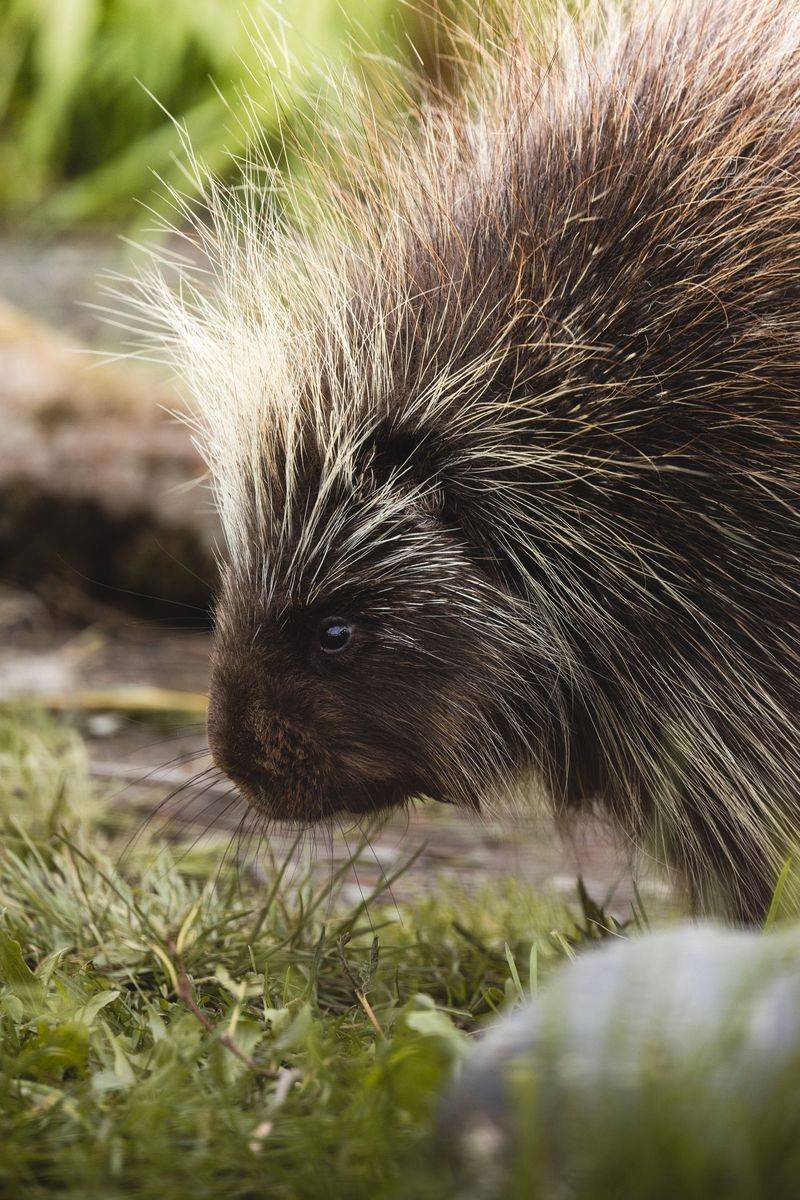
Resist any urge to move, shoo, or handle the animal yourself. Hands, boots, and sticks all invite contact you do not want.
Porcupines are protected wildlife going about ordinary business, and they pose no threat at a distance. Photograph from far away if you like.
If a porcupine seems injured or stuck, contact Maine wildlife officials or a licensed rehabilitator rather than intervening.
8. Check the spots quills usually land
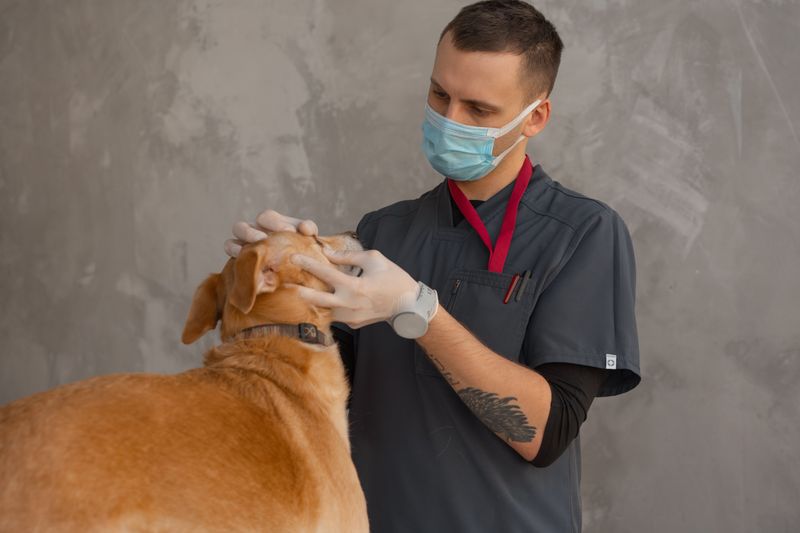
Because dogs lead with their noses, the muzzle, lips, and tongue take the most quills. Chest, shoulders, and paws are common too.
Eyes can also be affected, which is why you should look carefully but gently. Keep your own fingers clear of quill tips.
Count what you see and note the locations. That information helps your veterinary team plan a thorough check.
9. Two quills still means a vet visit
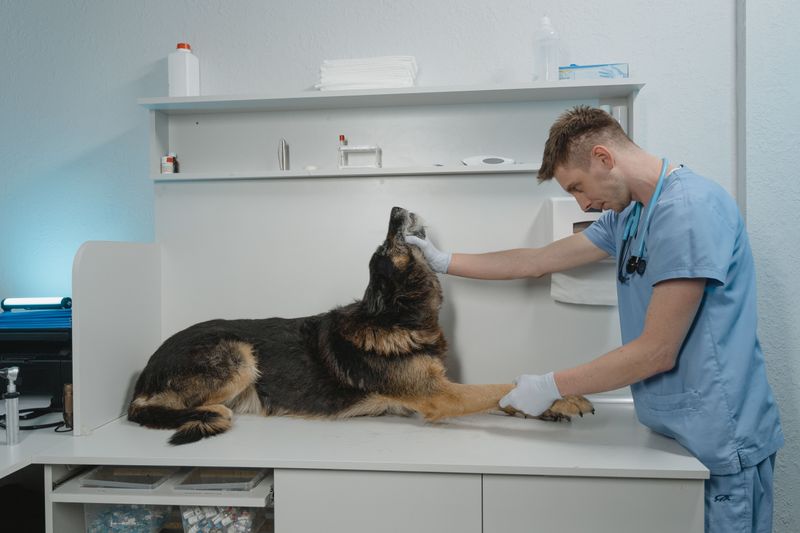
It is tempting to think a few quills are no big deal. Visible ones are often only part of the picture.
Quills hide in fur, under lips, and between toes, and they can shift deeper over time. Professional removal usually involves sedation for comfort and completeness.
Call ahead so the clinic can prepare. Prompt care keeps a minor incident from becoming a complicated one.
10. Hands off the quills, even if it looks easy
Trailside removal with pliers or fingers seems helpful, but quills carry microscopic backward barbs. Pulling can snap them and leave pieces behind.
Broken fragments are harder to find and more likely to travel. Struggling also hurts your dog and makes handling riskier.
Let the veterinary team handle it with proper sedation and lighting. Your job is transport and reassurance.
11. Trimming quills does not help
An old bit of advice says cutting quills lets the air out. That idea does not hold up.
Shortened quills become slippery and harder to grip, and they splinter more easily during removal. Fragments can then settle into tissue.
Leave every quill full length so the veterinarian has something solid to work with. Skipping this step genuinely makes the appointment go better.
12. Stillness limits how far quills travel
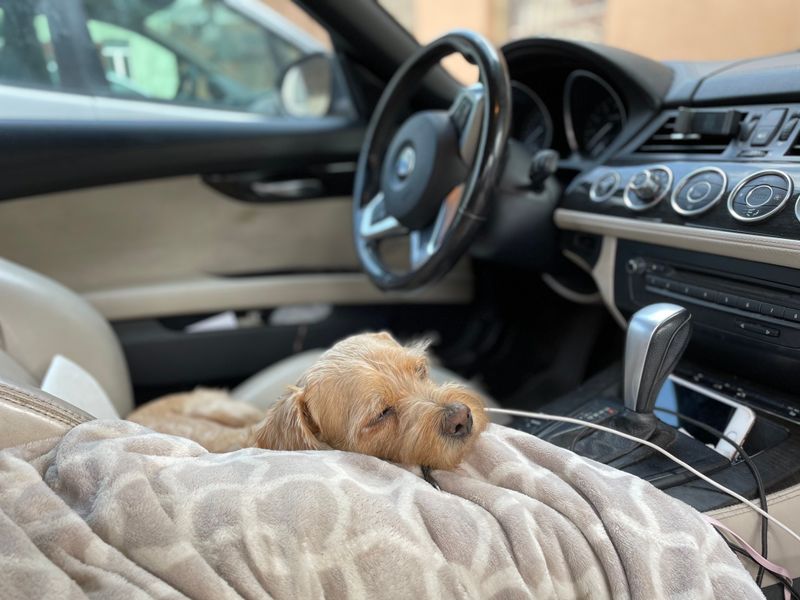
Movement is what pushes quills deeper, so quiet is your friend. Speak softly, sit with your dog, and slow everything down.
Carry smaller dogs if you can do so safely without pressing on quills. Larger dogs may need a slow, steady walk out.
In the car, a blanket and a settled space help. Less wiggling now means an easier removal later.
13. Block face rubbing and pawing right away
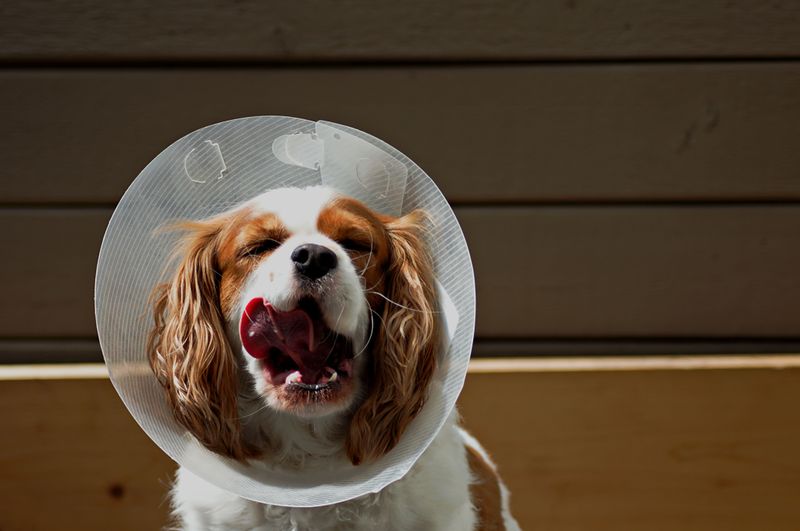
Dogs instinctively paw at their faces or rub against ground and brush. Each attempt drives quills further in.
Gently hold your dog’s paws away, use a hand as a buffer, and keep them off the ground. An Elizabethan collar helps if one is handy.
Some owners keep a soft cone in the car for exactly this reason. Distraction with quiet praise works surprisingly well.
14. Mouth, nose, and eye quills come first
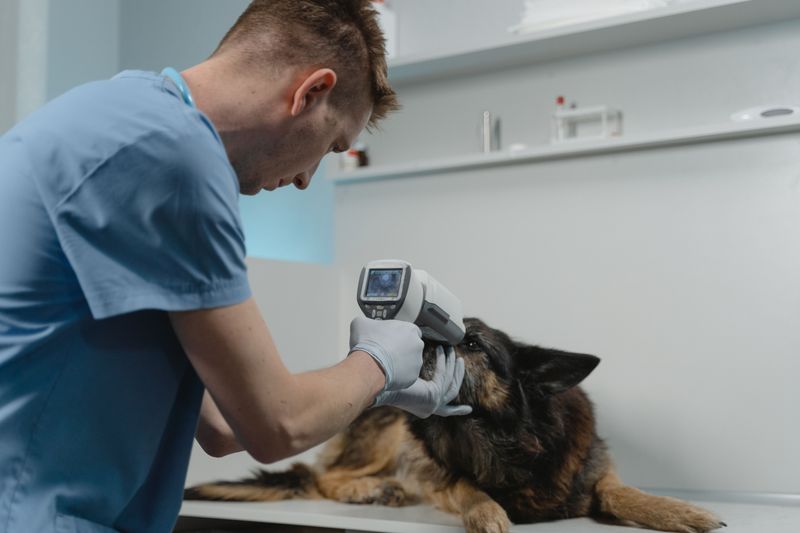
Quills in sensitive areas deserve the fastest response you can manage. Mouth and tongue quills affect swallowing and breathing comfort.
Anything near an eye is urgent, as is a quill in the chest or belly area. These situations are treated as emergencies.
Head straight for the nearest open clinic and phone while someone else drives. Speed protects delicate tissue.
15. Quills can migrate, which is why removal matters
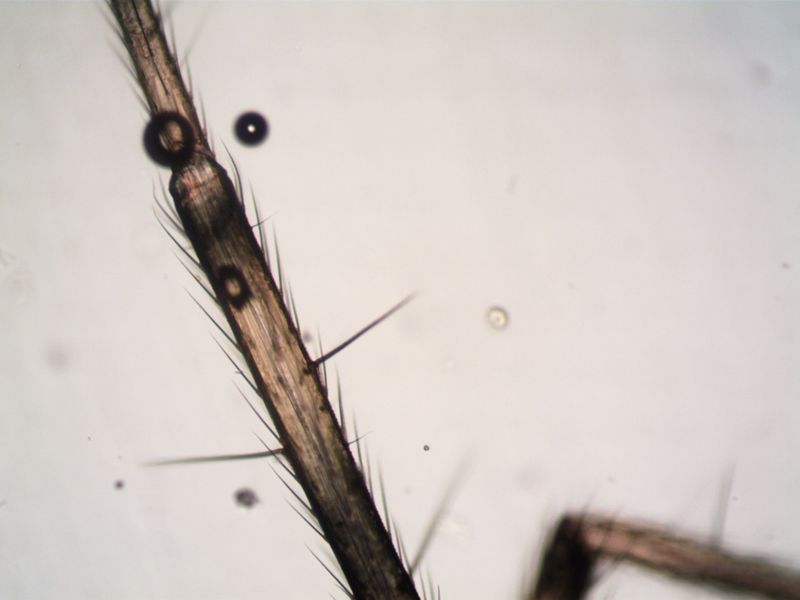
Barbed tips let quills slide inward with everyday muscle movement. Over days, they can reach joints, deeper tissue, or sensitive body cavities.
Left alone, they may also cause swelling, soreness, or infection under the skin. Abscesses sometimes appear weeks later.
Complete removal by a professional greatly reduces that risk. If new lumps or limping show up afterward, have your dog rechecked.
16. End the hike and head for help
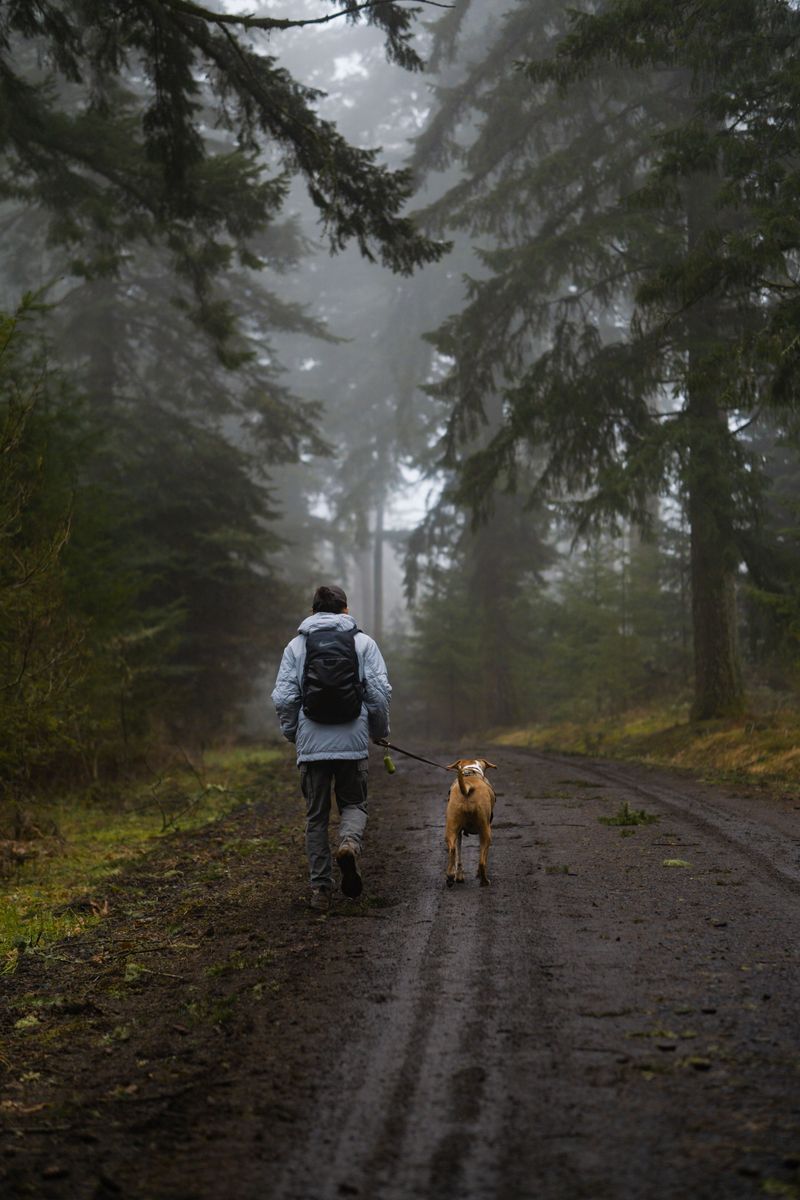
Finishing the loop can wait. Once quills are involved, the trip becomes a drive to the vet.
Take the shortest route back to your vehicle, keeping the pace easy and controlled. Water is fine, but skip food in case sedation is needed.
Nobody enjoys cutting a good hike short. The mountain will still be there next weekend.
17. Share the timeline with your veterinarian
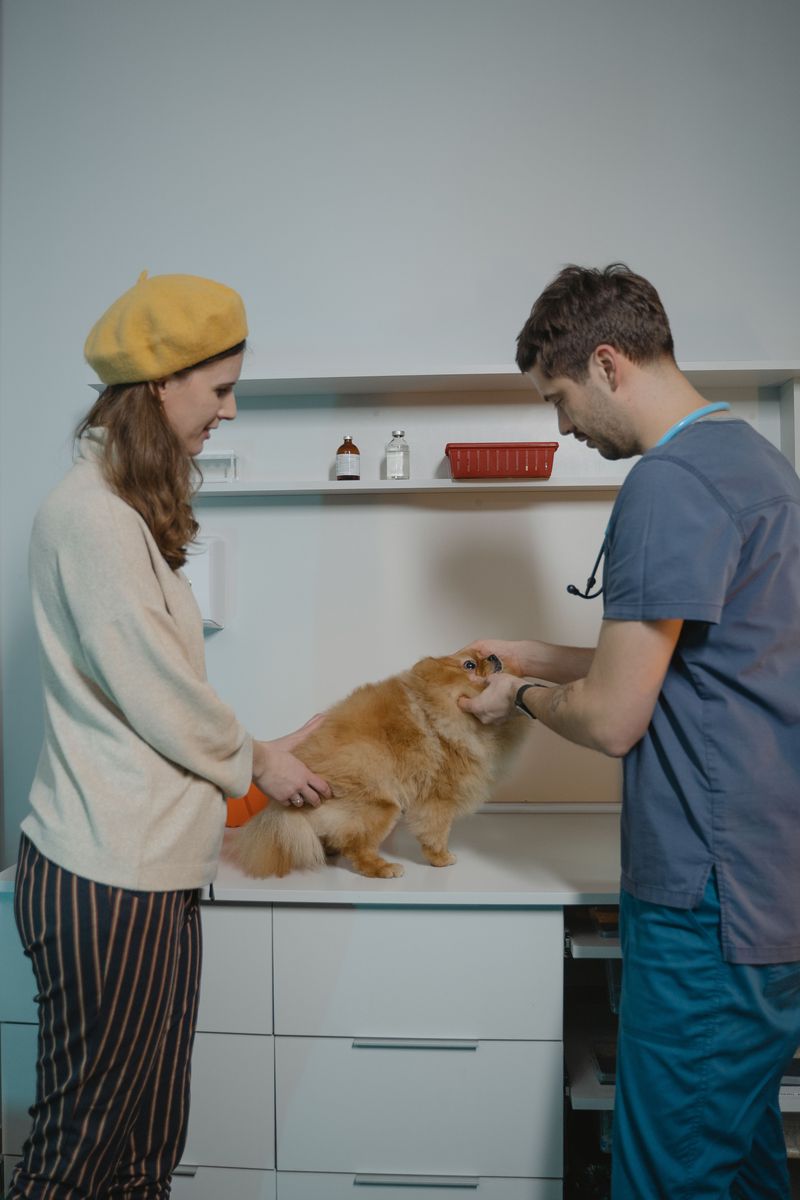
Details matter more than you might guess. Mention roughly what time the encounter happened and where you first noticed quills.
Note anything you removed accidentally or any quills that broke. That tells the team where hidden pieces might hide.
Photos taken at the trailhead can help too. Clear information supports a thorough exam and fewer surprises afterward.
18. Pack a simple kit for longer Maine hikes
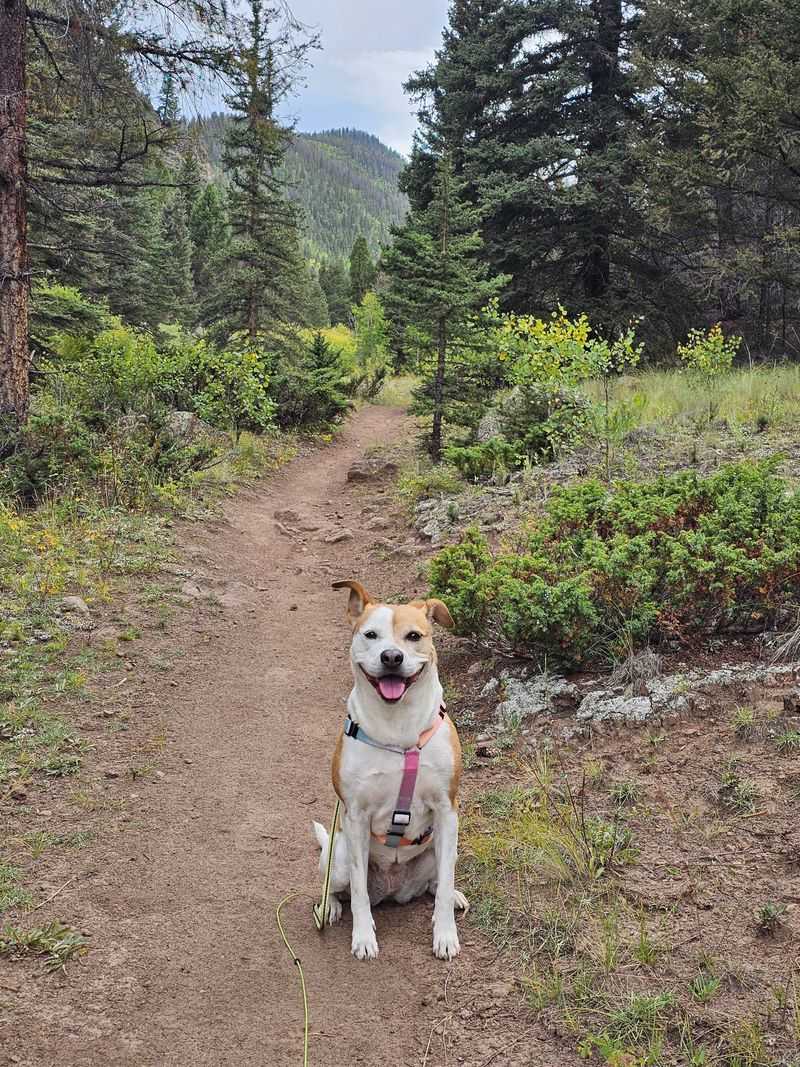
A sturdy standard leash, water, a collapsible bowl, and treats cover most needs. Add a flashlight and a charged phone.
Save the route to your regular clinic and the nearest emergency hospital before you lose signal. Rural coverage in Maine can be spotty.
With those basics, you are ready for whatever the woods offer. Prepared owners hike calmer, and calm travels straight down the leash.