18 Hiking Companion Breeds For Idaho’s Mountain And Backcountry Lifestyle

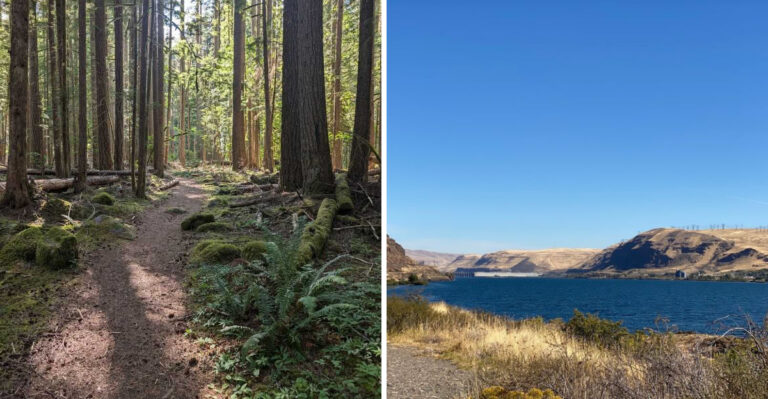
Idaho trails are granite switchbacks in the Sawtooths, cold river crossings, sagebrush heat, then snow by October. Some dogs wilt at mile three.
Others glance back at you, wondering why you stopped. The breeds below were shaped by real work: pointing birds, moving cattle, hauling sleds, swimming icy water.
Knowing which one matches your pace, your climate, and your patience for training makes every mile better for both of you.
1. German Wirehaired Pointer

Bushy eyebrows, a scruffy beard, and a coat like a wire brush: the GWP looks built for brambles because it is.
That harsh outer coat repels water and shrugs off thorny underbrush, which matters on Idaho’s overgrown creek routes.
Stamina runs deep here, so long climbs, swims, and scent games all land well. Confident and loyal at home, a bit reserved with strangers.
Best suited to experienced owners who genuinely live outdoors.
2. Vizsla

Velcro has nothing on a Vizsla. Hungarian hunters shaped this rust-colored athlete to point, retrieve, and stay glued to its handler.
Endurance is the headline trait. Long hikes, trail runs, canicross, even skijoring all suit them beautifully.
Sensitive souls, they learn quickly with kind, positive training and wilt under harshness. Two hours of vigorous movement daily keeps boredom away.
That gorgeous sleek coat gives little insulation, so pack a jacket for frosty mornings.
3. Wirehaired Vizsla

Picture a Vizsla that packed extra layers for the trip. The wiry jacket adds real protection on rough terrain and chilly water.
Versatility defines them: upland birds one morning, cold-lake retrieves the next, mountain miles in between.
Athletic and tireless, they shine on camping trips, bike rides, and river swims.
Prey drive runs strong, though their wish to please makes off-leash reliability reachable with steady practice and daily mental puzzles.
4. Brittany

Compact, springy, and permanently delighted, the Brittany packs big-dog stamina into a portable frame.
One to two hours of real exercise keeps them balanced: hiking, fetch, agility, or field work all count.
Hunting instinct runs hot, so recall training and fenced play areas matter before any off-leash freedom.
They read handlers quickly and love a task, which makes them stars in obedience rings.
Brush that flat or wavy coat weekly after burr-filled Idaho outings.
5. German Shorthaired Pointer

Ask any Idaho trail runner about their favorite mileage machine and the GSP comes up fast. Bred in 19th century Germany as an all-purpose gundog, this breed points, tracks, and retrieves with equal joy.
Lean muscle and quick reflexes make rocky switchbacks look easy. Plan on two or more hours of daily exercise, or your furniture pays.
The short coat dries fast but offers little warmth, so keep moving in cold weather.
6. Weimaraner

That silver coat gets the compliments, but the legs do the work.
Weimaraners were bred for endurance and speed, and open Idaho ridgelines let them stretch into a beautiful ground-eating stride.
Movement is basically their love language. Left under-exercised, that brilliant brain invents projects you will not enjoy.
Consistent training plus daily physical and mental challenges keeps things smooth.
Give one a long climb and you get a happy, snoozing shadow all evening.
7. English Setter

Feathered, freckled, and endlessly merry, English Setters bring elegance to a dusty trailhead.
Five to seven miles suits them easily, and many happily go further with conditioning.
Keep the leash handy. Nose plus wanderlust equals a dog exploring the next drainage without you.
Roughly an hour of daily activity satisfies them, after which they melt into the nearest couch.
Willing but occasionally stubborn, they respond best to upbeat rewards and a good brushing afterward.
8. Irish Setter

Few dogs turn heads like a mahogany Irish Setter in motion across a meadow.
Athletic and people-focused, they handle eight-mile days and still want a game afterward.
One to two hours of vigorous activity keeps that famous exuberance channeled well.
Smart, yes, but easily distracted by interesting smells, so patient positive training pays off.
Warm weather suits them better than deep winter, making spring and fall the sweet spot for Idaho outings.
9. Labrador Retriever

Fun fact: despite the name, Labs trace back to Newfoundland, not Labrador.
Strong, cheerful, and endlessly willing, they slide into an active Idaho life like they were ordered for it.
Long distances suit them, and every stream crossing becomes a swimming opportunity.
Trainability is a gift here, especially around wildlife and other hikers.
One caution: some Labs carry Exercise-Induced Collapse risk, so talk mileage over with your veterinarian first.
10. Golden Retriever

Scottish Highland estates shaped this breed for long hunts across lakes, woodland, and hills, which explains the trail talent.
Goldens combine athletic build, real endurance, and genuine curiosity about every new smell.
Family bonds run deep, so they naturally check in and stay close rather than bolting ahead.
Regular purposeful activity beats aimless wandering, and mental games matter as much as miles.
Add a lake at the turnaround point and you have one thrilled dog.
11. Chesapeake Bay Retriever

Nicknamed the most rugged retriever, the Chessie was built for icy, choppy water and long working days.
That oily, wavy double coat sheds cold water fast, a real advantage on Idaho’s snowmelt rivers.
Strength and endurance suit runs, big climbs, and bike outings equally.
Reserved with newcomers, devoted to their own people, they carry a quiet confidence.
Expect detours: any puddle within sniffing distance becomes a swimming hole.
12. Nova Scotia Duck Tolling Retriever

Smallest of the retrievers, biggest of the personalities.
Tollers pack a compact, muscular frame and a dense, water-repellent red coat that handles chilly lakes nicely.
Curious and clever, they need both trail miles and brain work, or mischief fills the gap.
Flyball, agility, and obedience come easily to them.
One warning worth knowing: excitement triggers the famous Toller scream, a joyful shriek your camping neighbors will definitely hear.
13. Australian Shepherd

Herding brains plus mountain legs equals a trail partner who solves problems you did not know existed.
Aussies keep pace for hours and treat every switchback as a fresh assignment.
Close bonding means most stay near their person rather than roaming, though chasing instincts need early socialization.
That waterproof double coat handles weather well with weekly brushing.
Budget one to two hours of high-intensity work daily, or expect creative redecorating.
14. Australian Cattle Dog

Blue and red heelers were shaped to move cattle across brutal Australian distances, and the toughness carried over.
Compact muscle plus a weather-resistant double coat handles Idaho heat, dust, and snow with equal grit.
Endurance is honestly startling. They keep trotting long after other dogs flop down.
Fiercely loyal, naturally watchful, they need early socialization around strangers.
One to two vigorous hours daily keeps that busy mind pointed somewhere useful.
15. Border Collie

Endurance champions with a stare that could move sheep from a mile away.
Border Collies work all day across nasty weather and broken ground without complaint, which describes Idaho backcountry perfectly.
Give them a job and hikes become collaborative missions rather than walks.
Plan one to two hours of hard exercise, layered with puzzle toys or scent work.
The thick double coat handles rain and cold, so shoulder-season trips suit them well.
16. Belgian Malinois

Multi-day treks separate casual dogs from serious ones, and the Malinois lives for serious.
Driven, laser-focused, and remarkably strong, they thrive when the route gets long and technical.
Ninety to 120 minutes of vigorous daily work is a starting point, paired with ongoing training.
Under-stimulated, they grow restless and inventive in unhelpful ways.
For experienced handlers, though, few partners sync so completely across Idaho’s wildly different seasons.
17. German Shepherd Dog

Steady, watchful, and quietly reassuring, a Shepherd on trail feels like backup you can pet.
Natural athleticism and a strong work ethic carry them through all-day mountain outings.
New routes deliver the mental workout they crave just as much as the miles.
Growth plates close around 18 to 24 months, so save the big climbs for adulthood.
Double coats mean they prefer crisp air over hot, humid afternoons.
18. Siberian Husky

Winter is where this breed stops walking and starts flying.
Sled work in Siberia produced legendary endurance, a fat-burning metabolism, and a coat that laughs at freezing temperatures.
Idaho snowshoe routes and January trails suit them beautifully.
Summer flips the script, so carry extra water, hike early, and rest often.
Two quirks to plan around: enthusiastic pulling and world-class escape artistry. Secure fencing and a strong harness solve most of it.