Why Michigan’s Tick Season Deserves Extra Attention From Dog Owners

If you walk your dog anywhere near Michigan’s woods, fields, or even your own backyard, ticks are worth knowing about. They have become more common across the state in recent years, and dogs are easy targets during ordinary outdoor time.
The good news is that prevention is simple once you understand the season and the habits that help. Here is a friendly, practical guide to keeping your dog comfortable and protected all year long.
Why Michigan’s Tick Season Can Be Tough on Dogs

Michigan’s mix of forests, wetlands, and open meadows gives ticks plenty of places to thrive. Dogs move low to the ground, brushing through the exact spots ticks wait in.
Milder winters and longer, hotter summers can contribute to a longer and more active tick season in Michigan. The blacklegged tick has also been expanding into new areas of the state.
None of that means skipping walks. It simply means building a routine that keeps your dog protected.
Ticks Can Be Active for More of the Year Than You Expect

Plenty of owners assume ticks disappear once summer ends. In reality, blacklegged ticks can remain active during mild weather, including when temperatures rise above about 40°F.
That includes mild stretches in November, thaws in February, and early spring days before the grass greens up. Snow cover does not eliminate them either.
Year-round prevention is what most veterinarians in the Great Lakes region now recommend. Ask your vet what schedule fits your dog and your area.
Wooded Trails Create Plenty of Tick Exposure
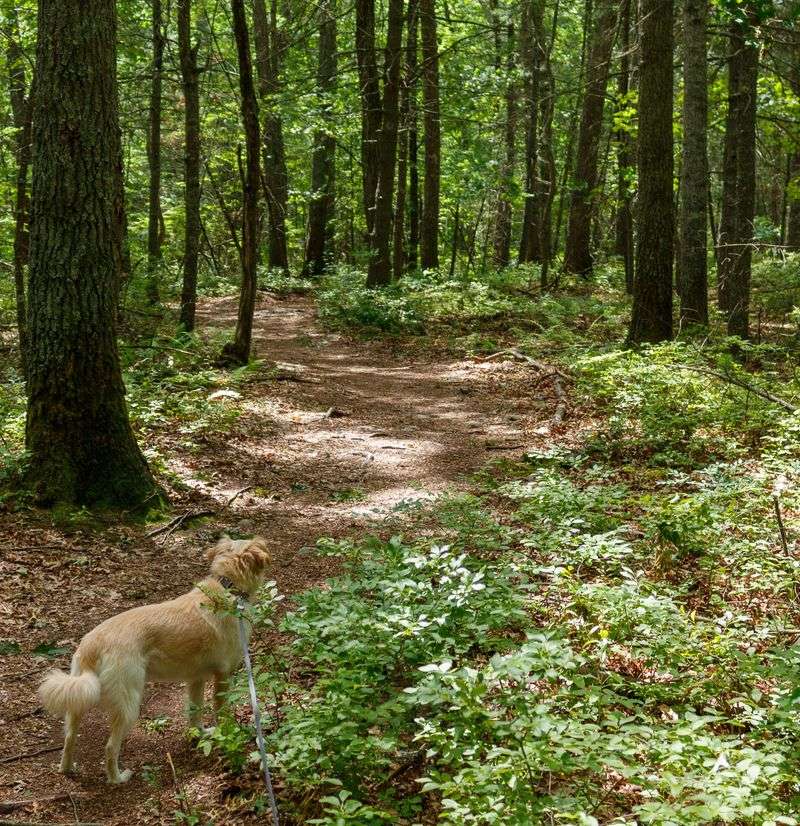
Shady trails with damp leaf litter are close to ideal for ticks. Moisture keeps them going, and the narrow path pushes your dog right against the edges.
Walking in the middle of the trail helps more than people realize. So does keeping your dog leashed instead of letting them explore the brush.
After a hike, pause at the car for a quick once-over. Two minutes there saves worry later.
Tall Grass and Brush Are Common Tick Hotspots
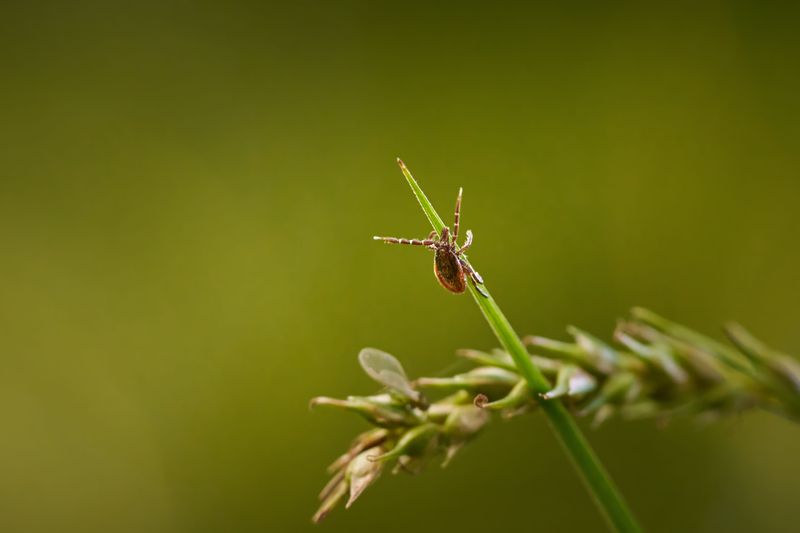
Ticks climb grass stems and wait with their front legs outstretched. When a dog brushes past, they simply grab hold.
Unmowed field edges, overgrown fence lines, and brushy lot borders are the usual gathering places. Sunny, short-cut lawns are far less appealing to them.
Trimming grass and clearing leaf piles reduces the odds around your home. On walks, steering your dog away from tall roadside weeds makes a real difference.
Deer Can Help Ticks Spread Through an Area
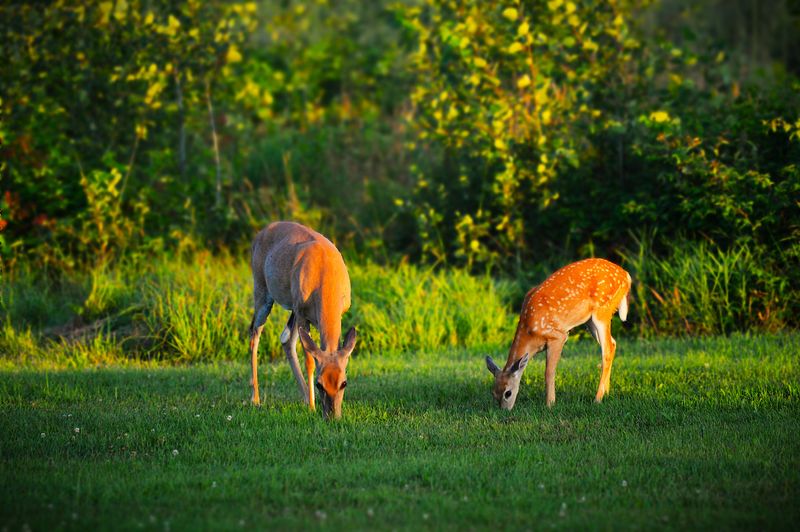
White-tailed deer travel widely, and blacklegged ticks often hitch a ride. That movement helps ticks reach neighborhoods that once had very few.
Areas that attract deer can also provide opportunities for ticks to be transported through the landscape. Keeping deer away from the yard where practical, using deer-resistant landscaping, and removing fallen fruit can help reduce wildlife activity around the home.
Fencing, deer-resistant plants, and cleaning up fallen fruit all help. Ticks in your yard are not your fault, but they are manageable.
Blacklegged Ticks Deserve Special Attention
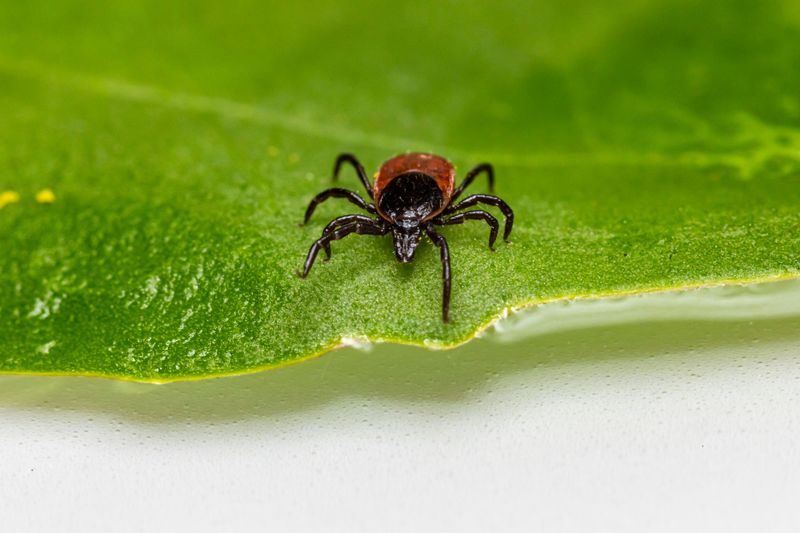
Among Michigan’s tick species, the blacklegged tick, often called the deer tick, gets the most attention from health officials.
It is small. Nymphs are roughly poppy seed sized, which makes them easy to overlook in thick fur.
Blacklegged ticks are well established in parts of Michigan’s Upper and Lower Peninsulas and have been expanding into additional areas of the state. Michigan health agencies publish updated Lyme disease risk information that can help residents understand local exposure
Lyme Disease Is a Major Concern for Dog Owners

Lyme disease is transmitted by infected blacklegged ticks, and dogs in Michigan can be exposed in areas where those ticks and the bacteria they carry are present. Michigan has reported a substantial increase in Lyme disease cases in recent years.
Signs in dogs can include limping that shifts between legs, low energy, reduced appetite, or swollen joints. Symptoms may appear weeks after a bite.
A vaccine exists, and many vets recommend it based on where you live. Ask whether it suits your dog.
Other Tick-Borne Illnesses Can Affect Dogs
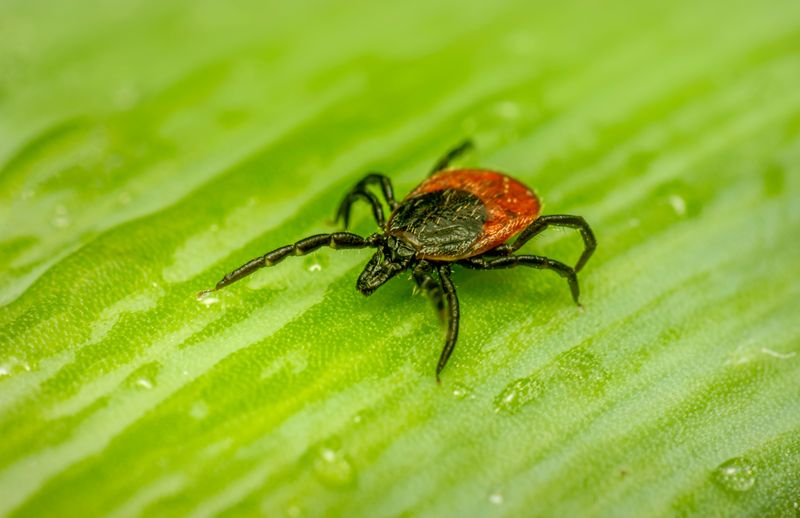
Lyme gets the headlines, but it is not alone. Dogs can also be affected by anaplasmosis, ehrlichiosis, and Rocky Mountain spotted fever, although the risks and tick species involved vary by location.
Each spreads through different tick species, and symptoms often overlap. Fatigue, fever, poor appetite, and joint soreness are common threads.
Routine screening tests during annual visits can catch exposure early. Mention any tick bites to your vet, even ones that seemed minor.
A Tick Check Should Follow Every Outdoor Adventure

Making the check part of coming home turns it into habit rather than a chore. Most dogs enjoy the attention anyway.
Run your fingertips slowly over the coat, feeling for small bumps. Good lighting helps, and so does a fine-toothed comb on longer fur.
Because ticks generally need hours attached before disease transmission risk climbs, finding them the same day matters a great deal.
Check the Places You Might Easily Miss

Ticks favor warm, hidden spots where skin is thin. Inside and behind the ears tops the list.
Also check between toes, under the collar, in the armpits, around the tail base, and along the groin. Eyelids and lips are easy to skip.
Keep a small flashlight near the door for dark-coated dogs. Treats afterward make the whole routine something your dog looks forward to.
Prompt Tick Removal Matters

Speed counts. The sooner a tick comes off, the lower the chance of illness spreading.
Use fine-tipped tweezers or a tick removal tool. Grip close to the skin and pull straight out with steady pressure, no twisting.
Skip matches, petroleum jelly, and other folk methods. Clean the area afterward, wash your hands, and call your vet if part remains embedded.
Tick Prevention Should Be Part of the Routine
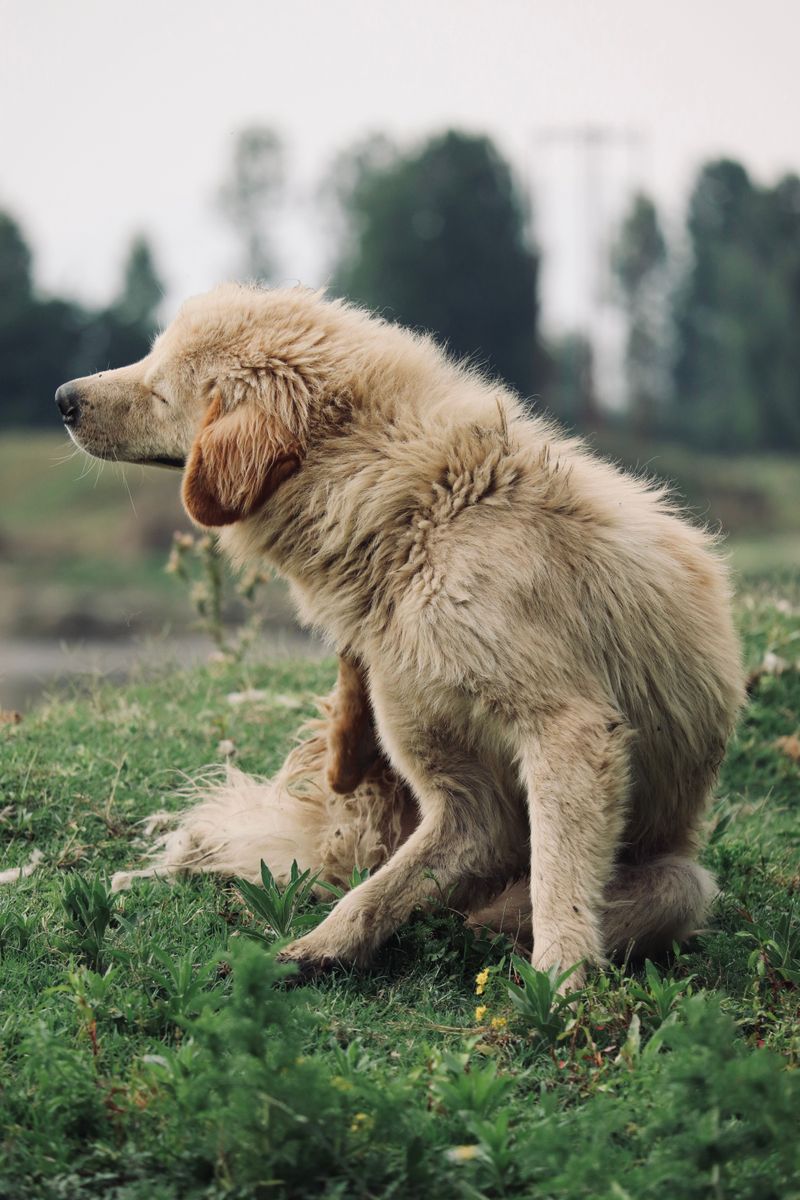
Consistency beats intensity here. A preventive given on schedule works far better than one applied only during camping trips.
Options include monthly chews, topical treatments, and long-lasting collars. Your vet can match a product to your dog’s weight, age, and health history.
Never use a product meant for another species or size. Setting a phone reminder on the same date each month keeps things simple.
Michigan Dogs Need Protection Even in the Backyard

Home turf feels safe, yet ticks travel in on wildlife, birds, and neighboring brush. Backyard bites happen more often than people guess.
Keeping grass short, raking leaves, and stacking woodpiles neatly all reduce shelter. A gravel or wood chip strip between lawn and woods creates a helpful buffer.
Short potty breaks still count as exposure. Quick evening checks are worth the minute they take.
Grooming Can Help You Spot Ticks Earlier
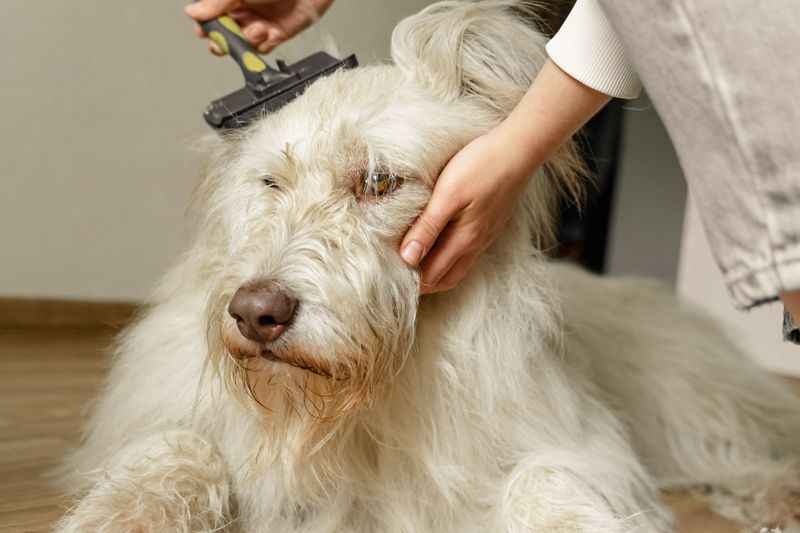
Regular brushing does double duty. It keeps the coat healthy and gives you a reliable look at the skin underneath.
Mats and tangles hide ticks well, so keeping fur smooth improves your odds of finding one quickly. Long-haired breeds benefit most.
Groomers often notice bumps owners miss, so mention tick concerns at appointments. A weekly brushing session is plenty for most dogs.
Watch for Changes After a Tick Bite
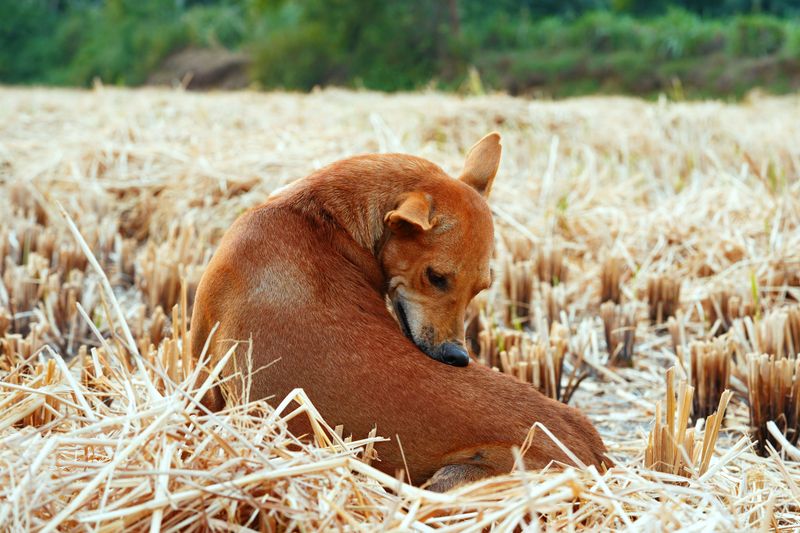
Most bites cause nothing more than mild irritation. Still, the following weeks are worth a little extra attention.
Look for limping, stiffness, unusual tiredness, less interest in food, or a warm feel to the body. Symptoms can surface a month or more later.
Jot down the date you removed the tick. That small note gives your veterinarian useful context if questions arise.
Dogs Can Bring Ticks Into the House

An unattached tick can drop off indoors and go looking for another host later. Carpets, bedding, and couch seams are favorite hiding spots.
Washing dog bedding in hot water and running it through a dryer helps considerably. Vacuuming regularly picks up strays.
A quick brush at the door catches hitchhikers before they get comfortable. Household members deserve a self-check too after shared outings.