How Vermont Mud Season Changes Dog Walks, Paw Care, And Your Floors
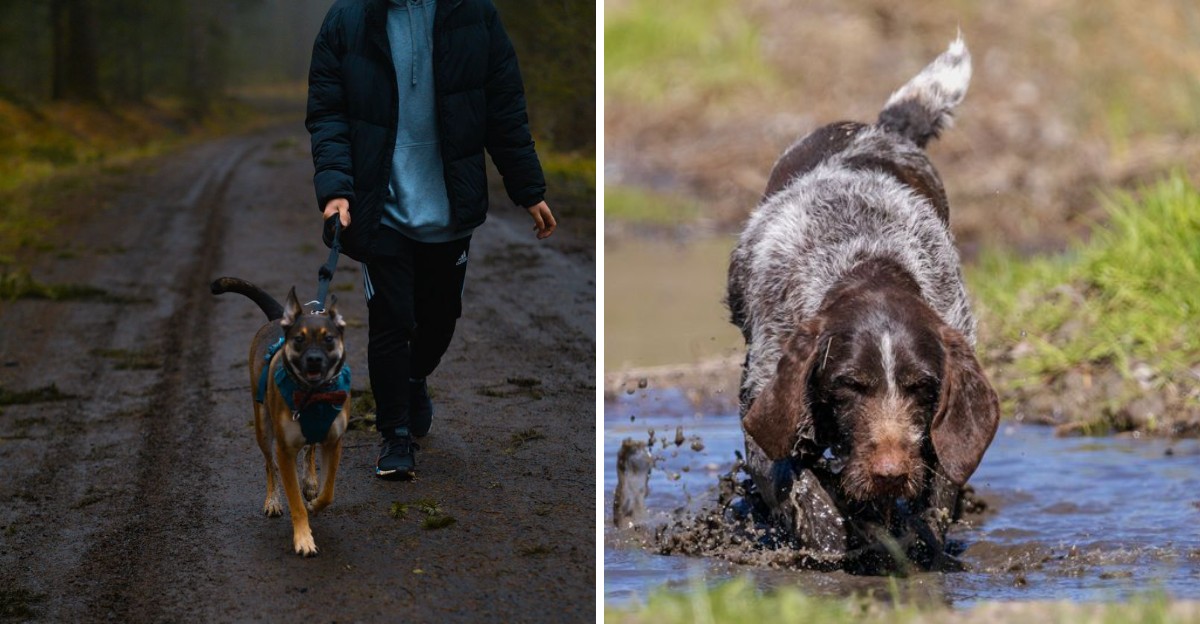
Somewhere between the last snowbank and the first green shoots, Vermont hands us mud season. Trails soften, driveways turn to soup, and dogs come home wearing half the yard.
It happens every spring, and it catches even seasoned owners off guard. The good news is that a few simple habits keep walks fun, paws comfortable, and floors far cleaner.
Here is what local dog owners learn to do once the thaw begins.
Mud Season Turns Easy Walks Into Messy Adventures
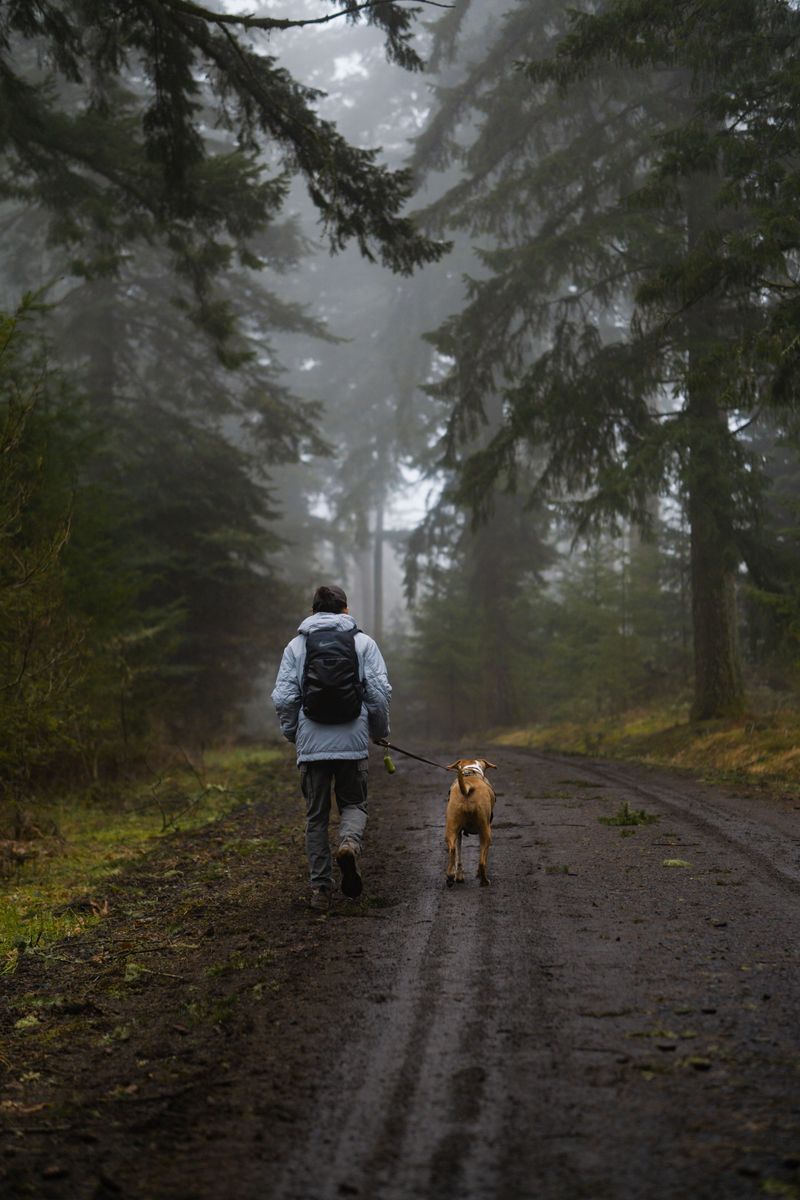
That tidy winter loop you walked all February suddenly becomes an obstacle course. Frozen ground softens, and every step sinks a little deeper.
Dogs love it. Owners plan around it.
Expect longer cleanup times and shorter, slower routes for a few weeks.
Shifting your mindset early helps. Treat spring walks as messy by default, keep towels near the door, and the season feels manageable instead of frustrating.
Why Vermont Trails Get So Muddy
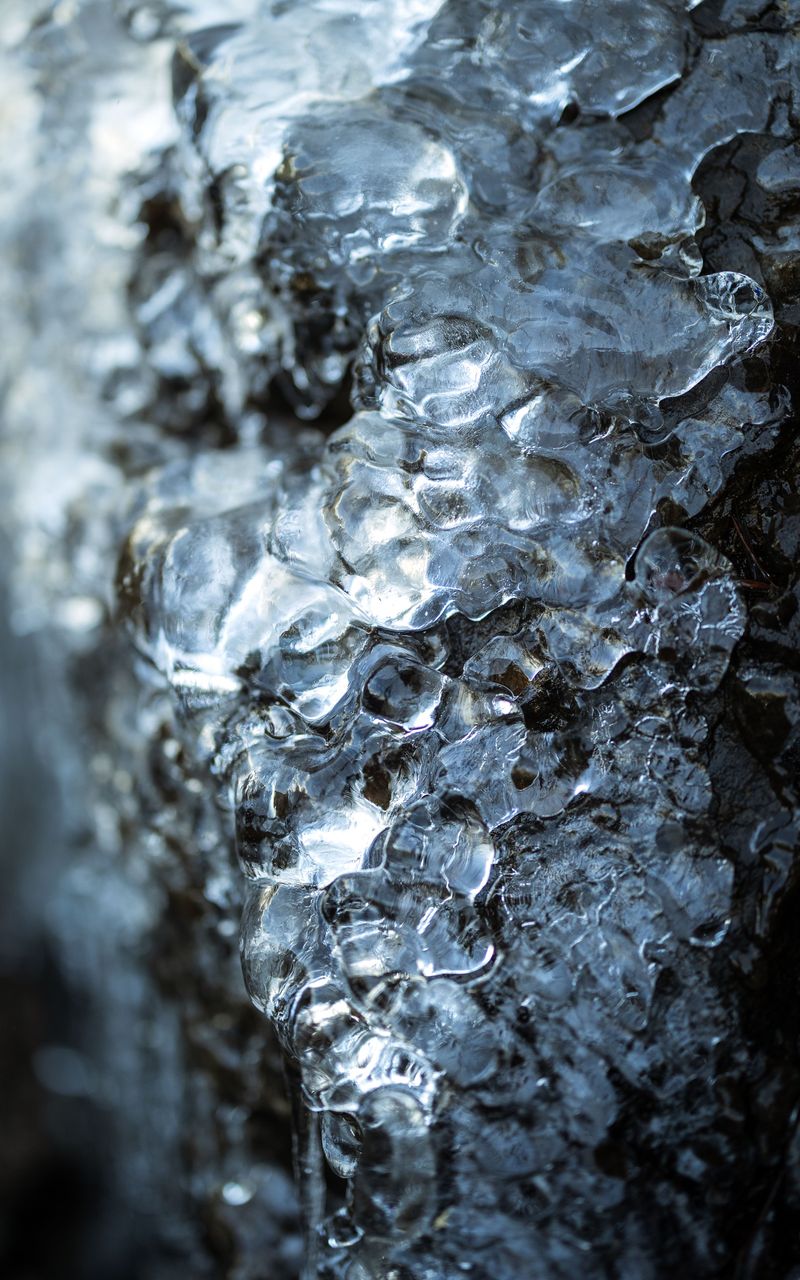
Blame the freeze-thaw cycle. Ground freezes deep over winter, then thaws from the top down each spring.
Meltwater and rain sit on that frozen layer below, unable to drain. The result is saturated soil that turns to soup underfoot.
Vermont’s clay-rich soils and mountainous terrain can make mud season especially challenging. Understanding the cause helps you predict which areas stay sloppy longest, including shaded north-facing slopes, cold hollows, and higher elevations where snow and ice can linger.
Keep Dogs Off Soft Trails When Possible
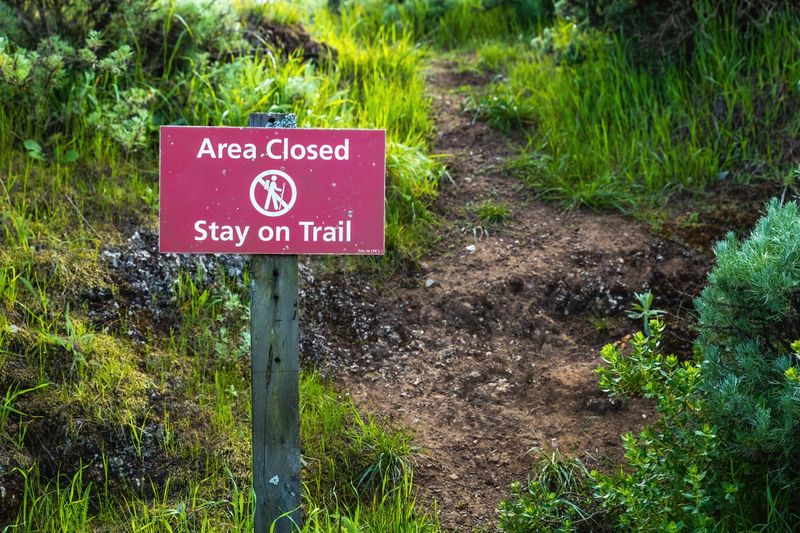
The Green Mountain Club and Vermont Department of Forests, Parks and Recreation encourage hikers to avoid muddy, high-elevation trails during the thaw. Foot traffic on saturated trails can increase erosion, widen trails, and damage surrounding vegetation.
Many trailheads post seasonal closure notices. Check local land manager websites before heading out.
Lower dirt roads, gravel paths, and paved rail trails handle traffic better. Choosing them protects the trail and spares you a very dirty ride home.
Leashes Matter More During Mud Season
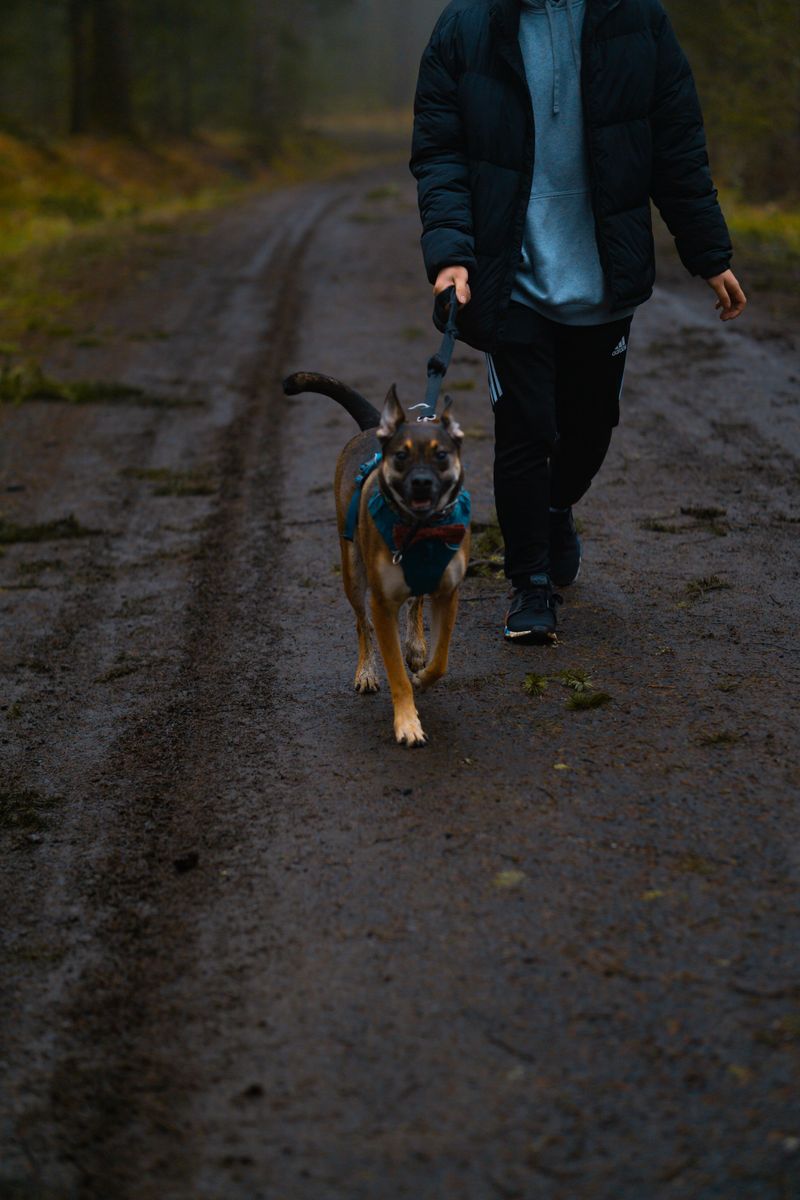
Soft shoulders, rushing culverts, and swollen brooks appear fast in spring. A loose dog can reach one before you do.
Leash rules vary by town in Vermont, so check your local ordinance. Many municipalities require control at all times.
Beyond the law, a leash keeps your dog out of the deepest slop. Less mud collected means less scrubbing later, which everyone appreciates.
Watch for Hidden Puddles and Deep Ruts
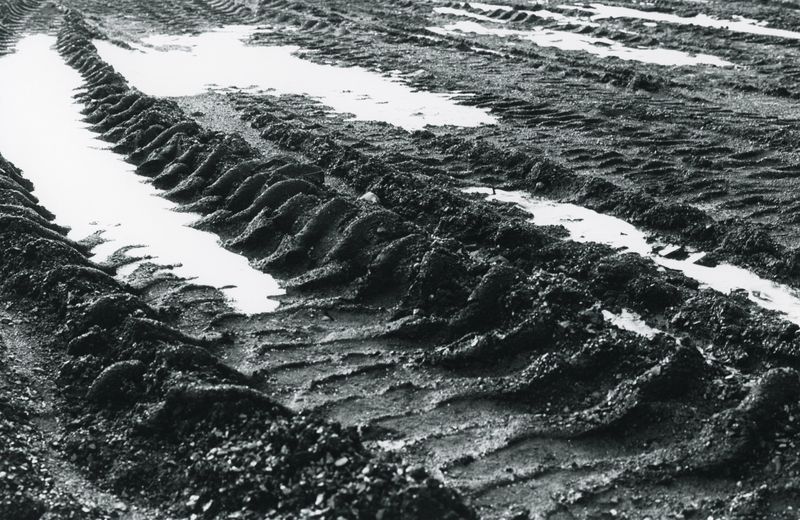
Brown water hides its own depth. What looks ankle-deep can swallow a small dog to the chest.
Truck ruts on dirt roads get surprisingly deep after a wet week. Frozen edges can also be slick.
Guide your dog around standing water rather than through it. If you must cross, walk the high center line.
Slowing down here prevents twisted joints and unexpected chilly soakings.
Mud Can Irritate Paw Pads
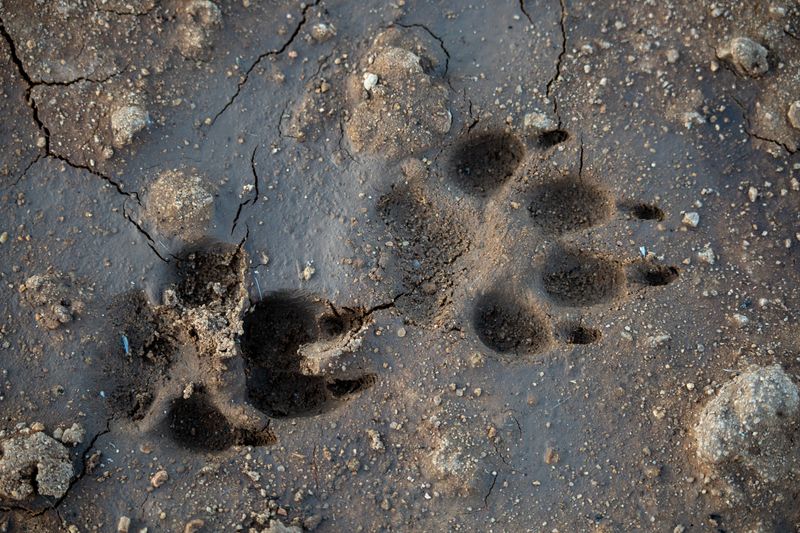
Grit is the real troublemaker. Sand and fine particles work into the soft folds between pads and rub with every step.
Leftover road salt and sand from winter treatment often mix into spring mud, adding to the irritation.
Watch for licking, limping, or redness after walks. Mild cases clear up with rinsing and drying.
Anything raw, swollen, or persistent deserves a call to your veterinarian.
Rinse Mud Off Before It Dries
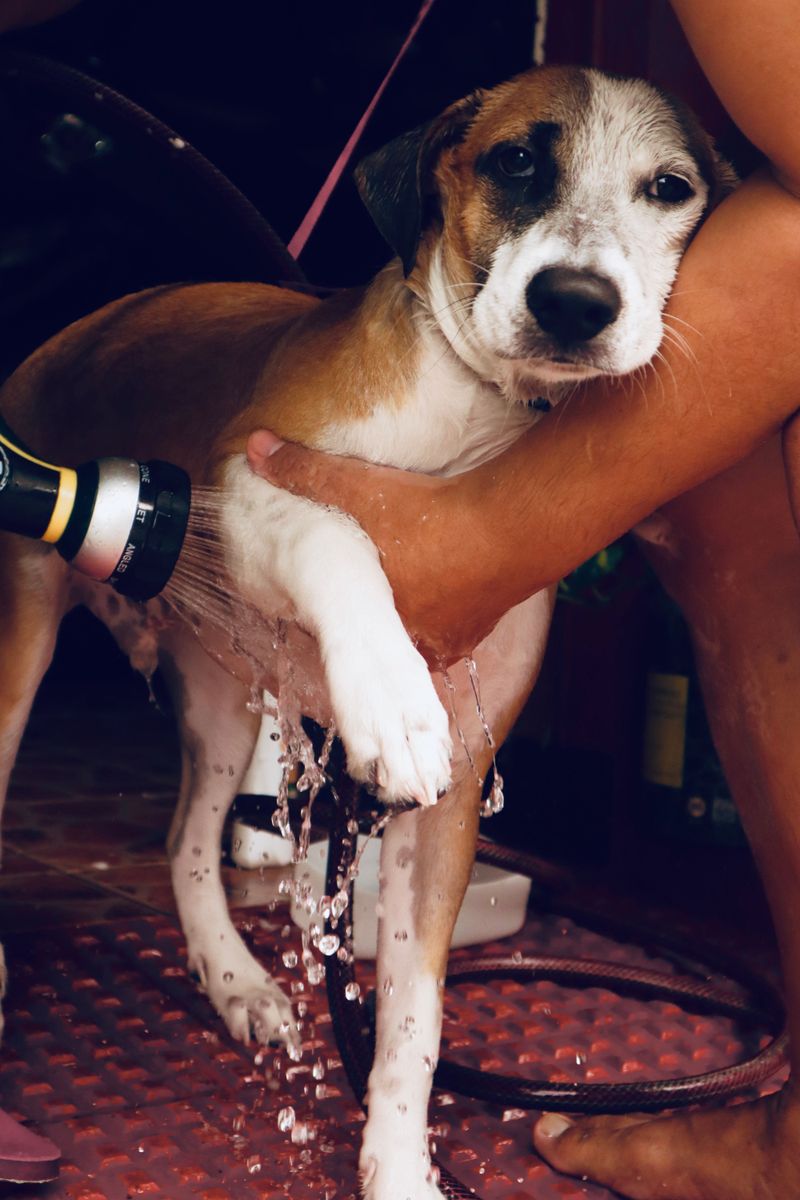
Wet mud wipes away easily. Dried mud clings to fur like cement and pulls uncomfortably when brushed.
Rinse legs and paws with lukewarm water as soon as you get home. Plain water usually does the job.
Save shampoo for genuinely dirty days, since frequent washing can dry the skin. A cheap watering can by the door works when outdoor spigots are still shut off.
Check Between the Toes
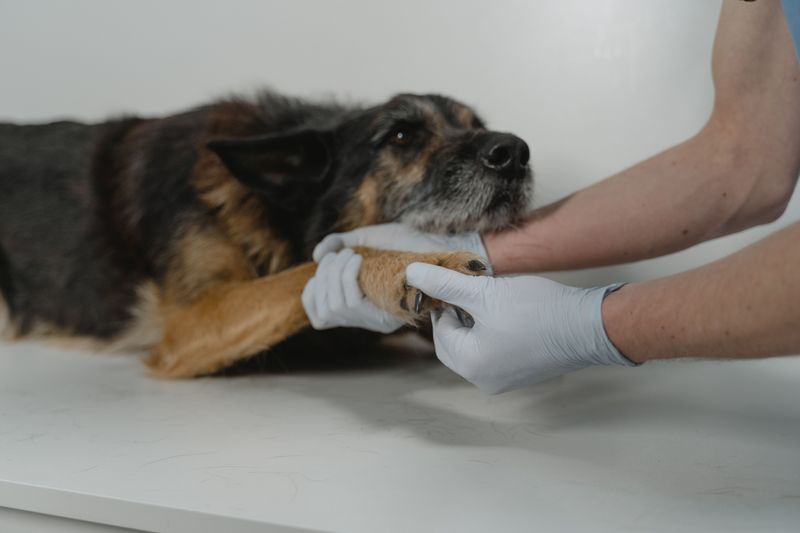
Gravel, twigs, and matted fur love the space between toes. Dogs rarely complain until it hurts.
Spread each toe gently and look. Feel for lumps of packed dirt or small burrs.
Long-haired breeds benefit from trimmed foot fur, which collects less muck. Make the check part of your post-walk routine, and most problems get caught while they are still tiny and easy to fix.
Dry Paws Thoroughly After Walks
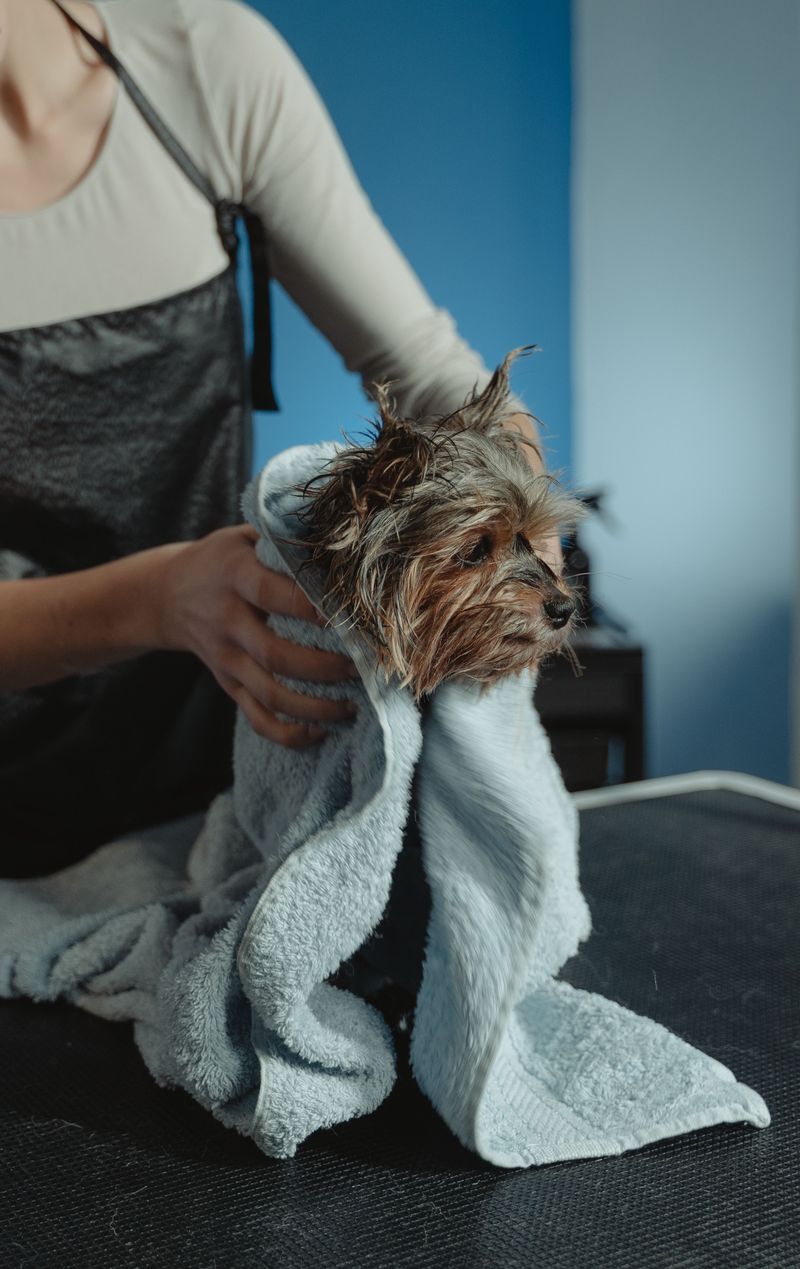
Damp fur trapped between the pads can create a warm, moist environment that may contribute to skin irritation and microbial overgrowth. Drying your dog’s paws thoroughly after walks helps keep the area clean and comfortable.
A microfiber towel absorbs far more than a bath towel. Blot rather than rub to protect tender skin.
Pay attention to the webbing and the fur under the pads. If your dog tolerates it, a cool hair dryer on low speeds things up nicely.
Paw Protection Can Help Some Dogs
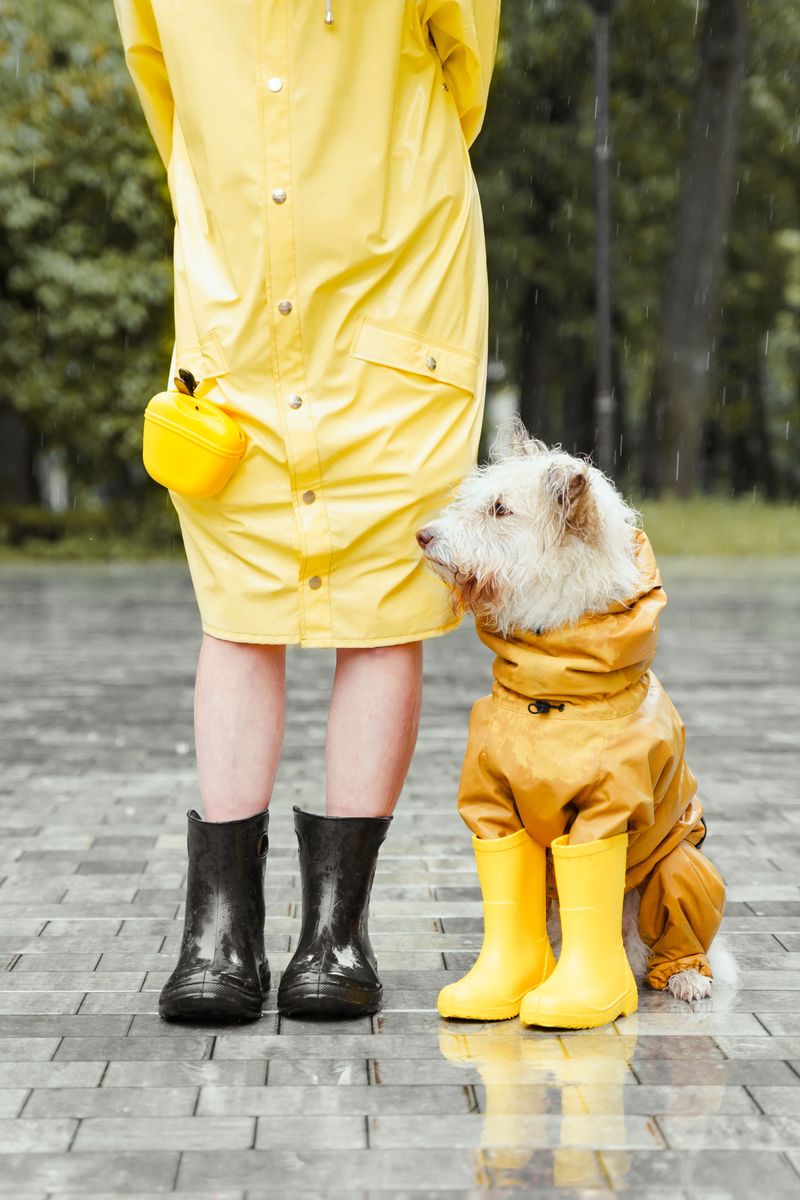
Boots are not for every dog, and that is fine. Some tolerate them happily, others high-step in protest.
For dogs with sensitive pads, waterproof booties can help keep grit and moisture away from the feet and make cleanup easier. If your dog has an open or healing paw injury, ask your veterinarian whether boots are appropriate.
Introduce them indoors first with treats and short sessions. Paw balms offer a lighter option, adding a protective layer without the fuss.
Ask your vet which suits your dog’s skin.
Muddy Water Deserves Extra Caution
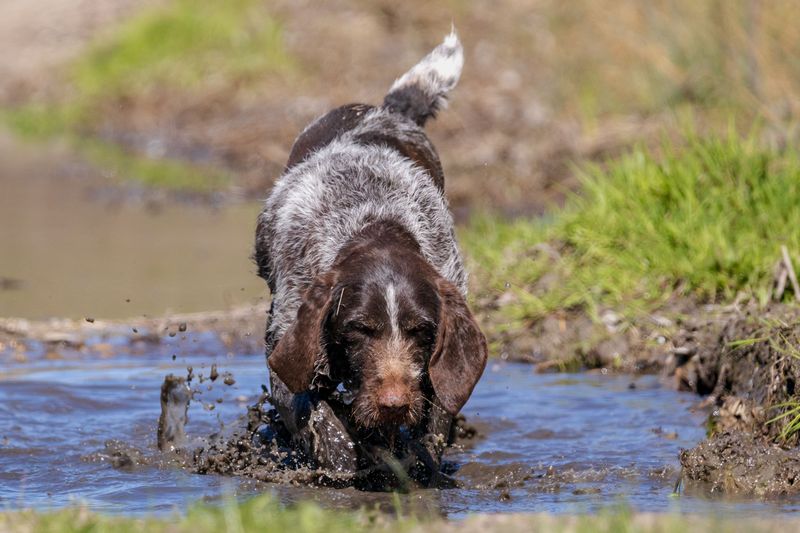
Spring runoff can pick up contaminants from roads, soil, agricultural areas, and other surfaces.
Discourage drinking from puddles and swollen brooks. Carry a collapsible bowl and fresh water instead.
Currents also run faster than they look after heavy melt. Keep dogs away from steep banks and culvert openings.
If your dog seems unwell after a soggy outing, contact your veterinarian for guidance.
Spring Debris Can Hide in the Mud
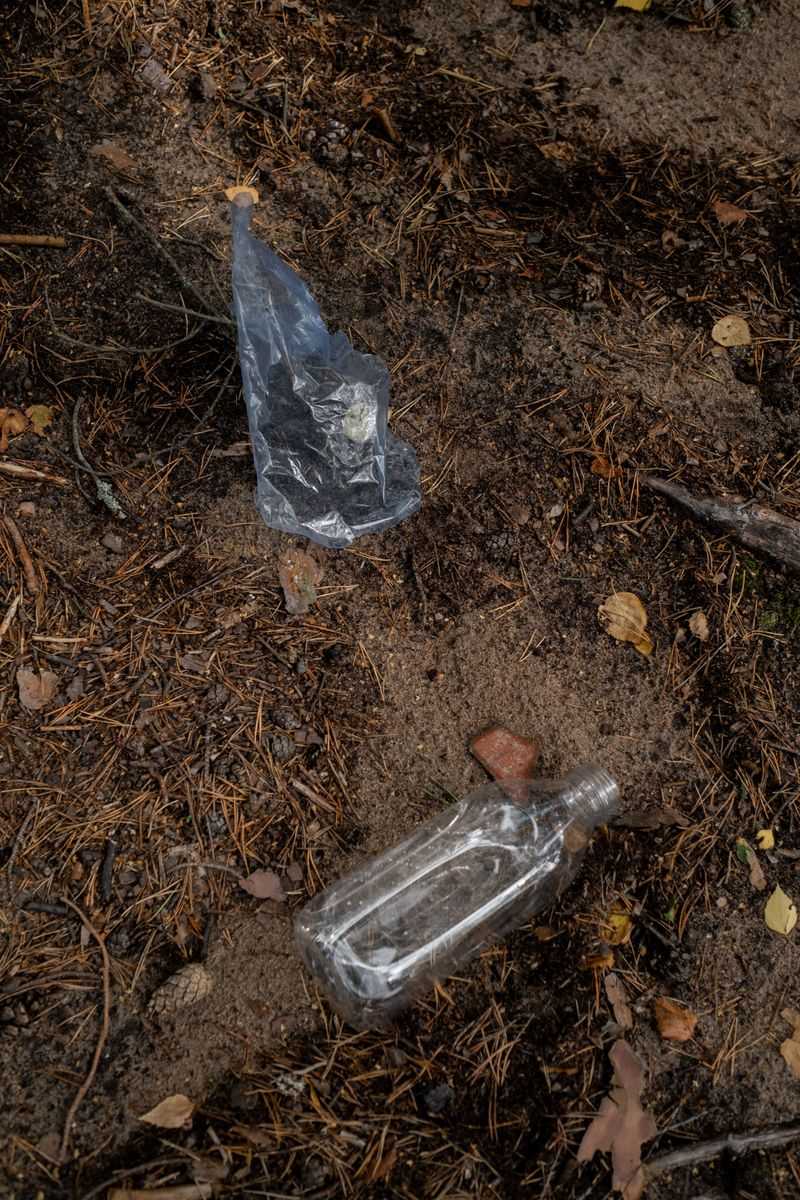
Melting snowbanks reveal a winter’s worth of leftovers. Broken glass, sharp metal, road sand, and fallen branches surface all at once.
Roadsides and parking lot edges tend to be the worst offenders.
Steer clear of shoulder areas where plows piled snow. Keep your dog centered on the path, scan ahead, and give any unfamiliar debris a wide berth.
Prevention beats a late-night vet visit.
Have a Mud-Ready Entryway
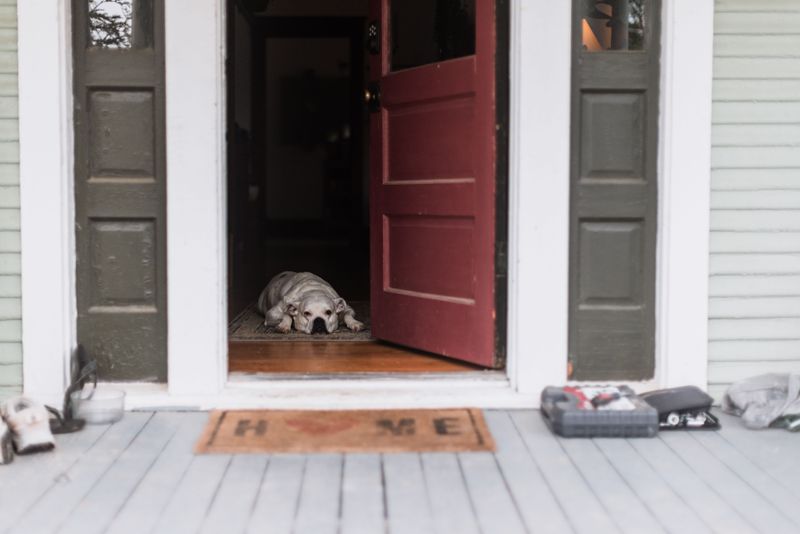
There is a reason Vermont homes are famous for mudrooms. Containment beats chasing paw prints down a hallway.
Set up a boot tray, a washable rug, and a stack of old towels right at the door.
A baby gate helps hold an excited dog in place while you work. Ten minutes of setup in March saves hours of mopping through April.
Keep a Paw-Washing Spot Handy
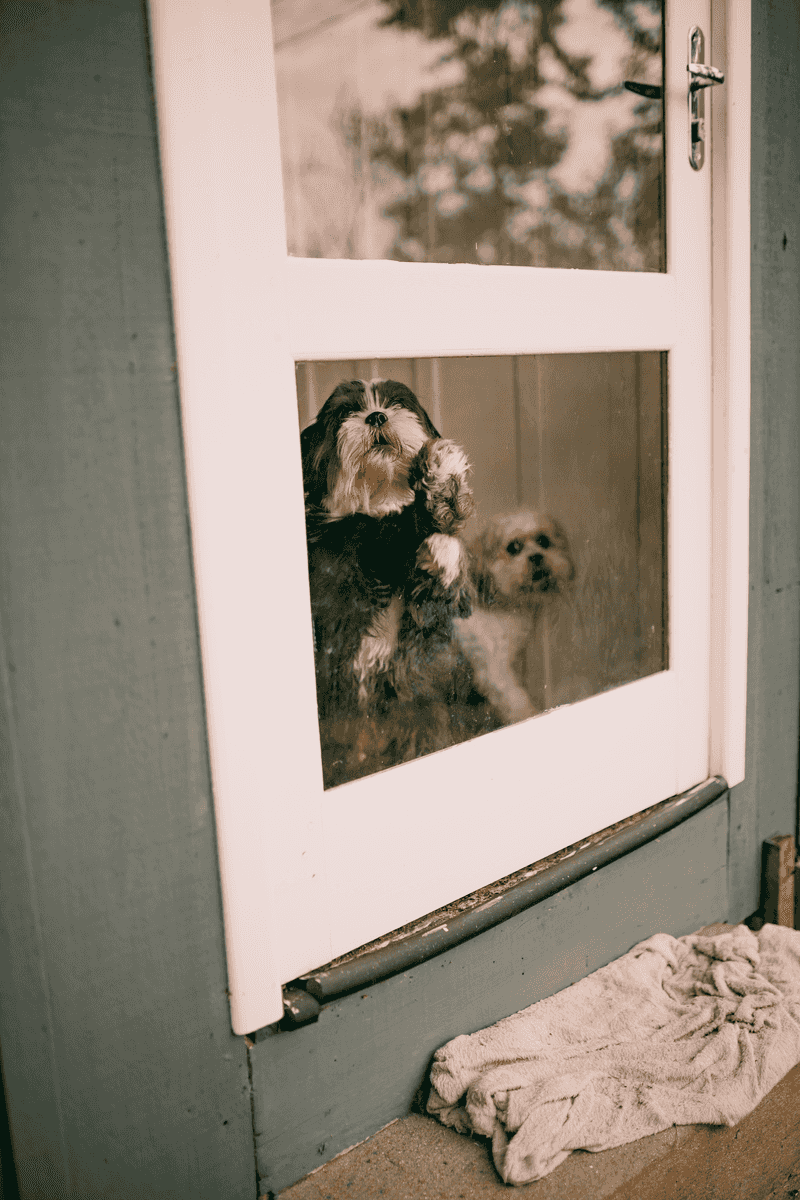
A dedicated station turns cleanup into a two-minute habit. Keep a bucket of lukewarm water, a small cup, and towels within arm’s reach.
Portable paw washers work well for smaller dogs and travel easily to the car.
Position everything before the walk, not after. Coming home to a ready setup means you actually use it, even on cold, drizzly Vermont evenings when motivation runs low.
Protect Vermont Floors From Wet Paw Prints
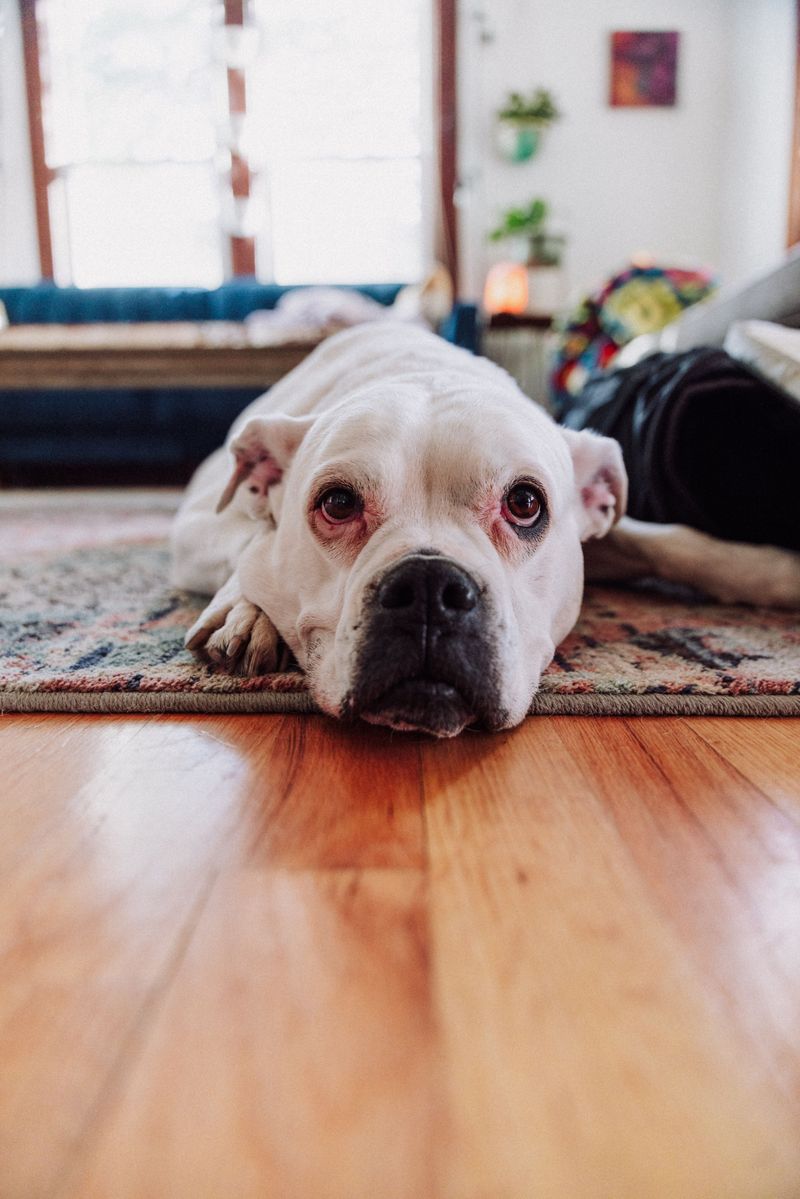
Wood floors and mud make an unhappy pair. Prolonged moisture can seep into seams and damage some wood flooring or its finish over time.
Washable runners along main routes catch what towels miss. Rubber-backed mats protect hardwood better than cloth alone.
Wipe up spots quickly rather than letting them sit. Trimming nails also reduces scratching when a damp dog sprints across the room in celebration.