16 Things California Dog Owners Should Know Before Taking A Dog Into The Sierra Nevada
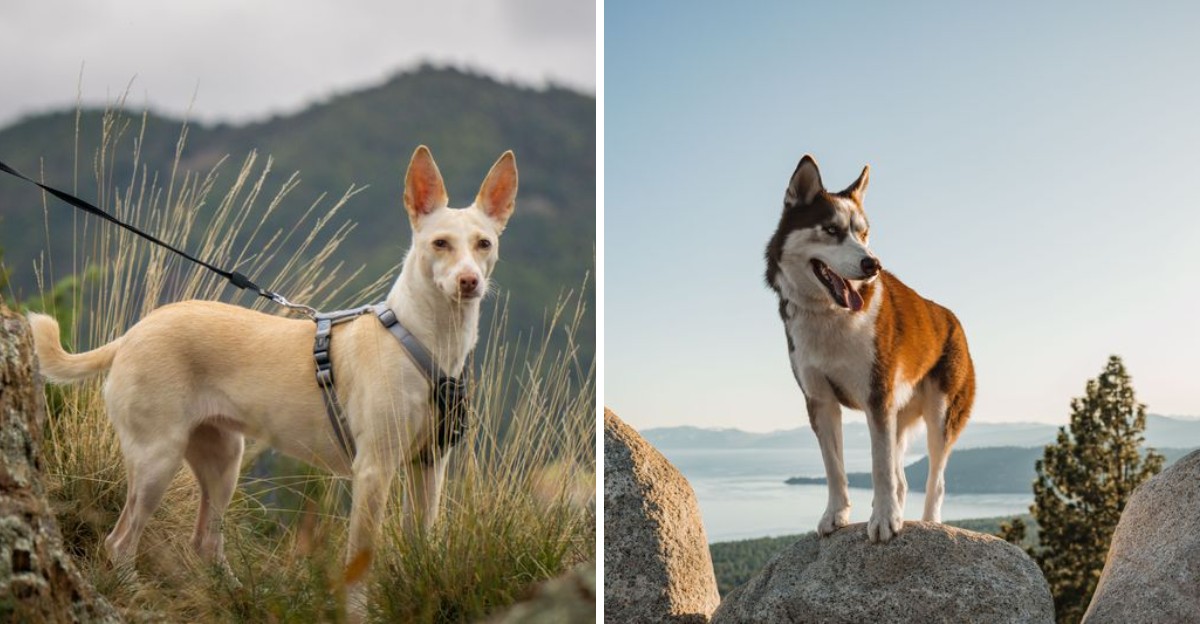
The Sierra Nevada is one of the best places in California to share a trail with your dog. Granite domes, alpine lakes, and shady pine forests make for unforgettable days outside.
Still, mountain travel asks a little more of both of you than a neighborhood walk does. A few smart habits around rules, water, weather, and paw care go a long way.
Here is what experienced local owners tend to plan for before heading uphill.
1. Know Where Dogs Are Actually Allowed
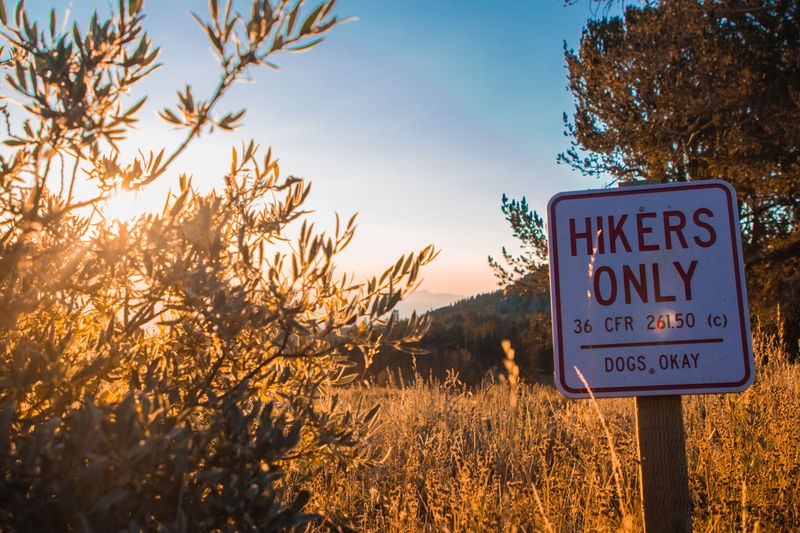
Land ownership changes fast in the Sierra. National forest trails often welcome dogs, while national parks like Yosemite and Sequoia allow them only in very limited spots.
State parks set their own rules, and some ban dogs from dirt trails entirely.
Check the managing agency’s website before you pack the car. A quick phone call to the ranger district clears up confusion.
Planning around the rules saves you a long, disappointing drive home.
2. Follow Leash Rules On Sierra Nevada Trails
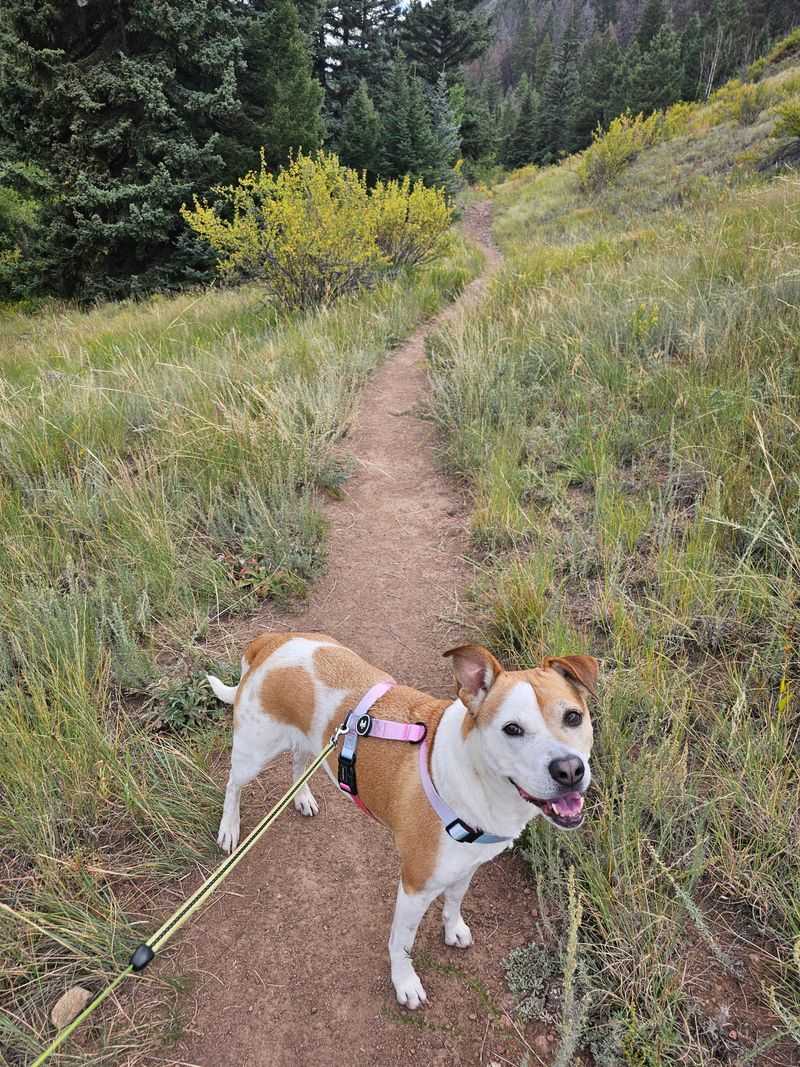
Leash length matters more than people expect. Leash rules vary widely across the Sierra Nevada.
California State Parks generally require dogs to remain on a leash no longer than six feet, while individual national forests and wilderness areas can have different requirements.
Rules differ by county, forest, and even individual trail.
A hands-free waist leash keeps your arms open for scrambling over rocks.
Even where off-leash travel is legal, a leash protects your dog from cliffs, bikes, and startled wildlife.
3. Prepare Your Dog For High Elevation
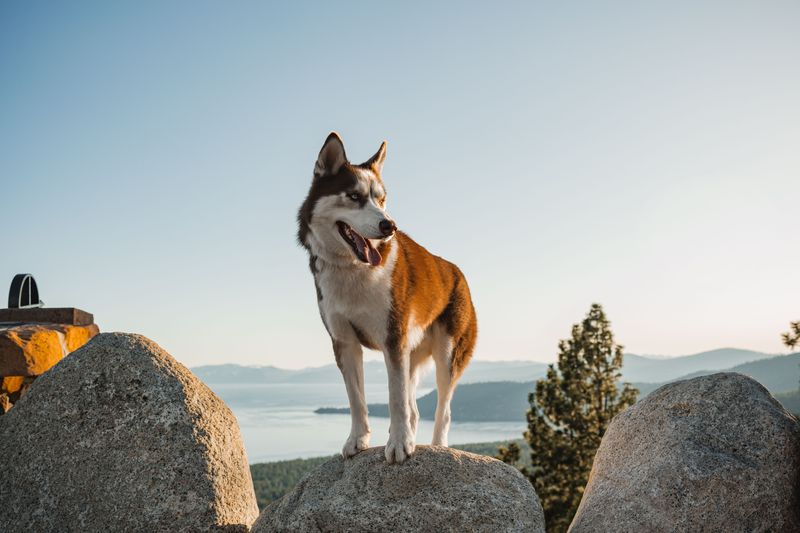
Higher elevations can be more demanding for dogs, especially during strenuous activity. Rather than using 8,000 feet as a firm threshold, increase elevation and exertion gradually and watch your dog closely for unusual fatigue, excessive panting, or unsteadiness.
Give your first day an easy mileage goal and plenty of rest breaks.
Older dogs, flat-faced breeds, and pets with heart conditions deserve a vet’s opinion first.
If your dog slows down or seems unsteady, head to lower ground calmly and let them recover.
4. Carry Plenty Of Fresh Water
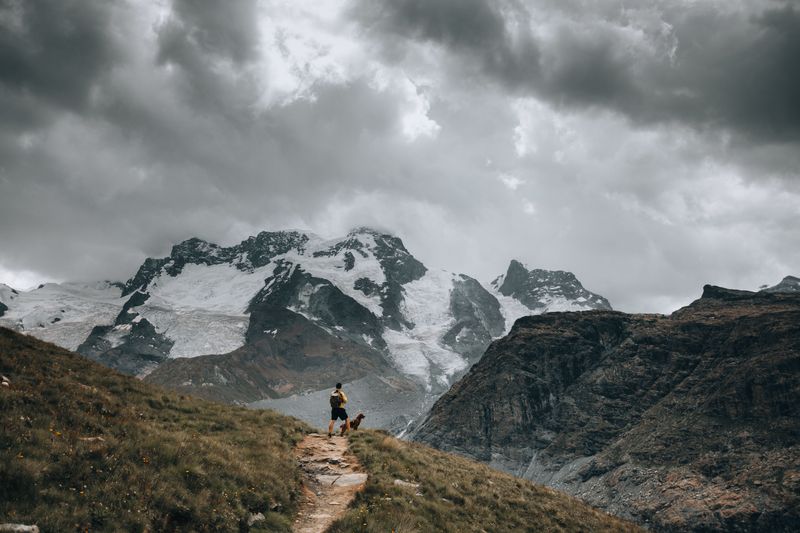
Dogs need adequate water during Sierra Nevada outings, with greater needs during heat and strenuous exercise. Instead of relying on a fixed amount for every hike, carry enough fresh water for the planned activity and conditions.
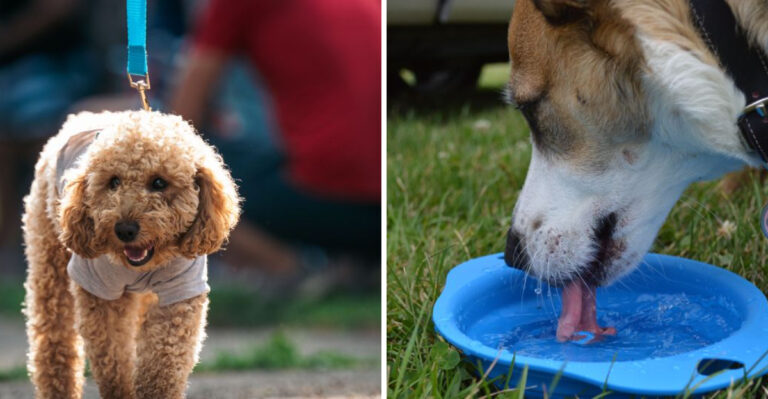
A collapsible bowl weighs almost nothing.
Streams and other untreated water sources can contain Giardia and other contaminants, so packed or appropriately treated water is the safer choice.
Offer small drinks often rather than one big gulp. Steady sipping keeps energy up on long ascents.
5. Keep Dogs Away From Wildlife
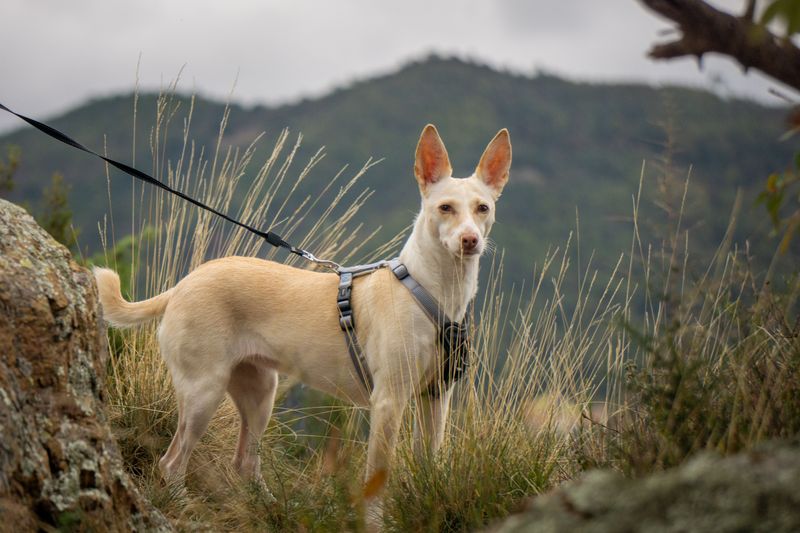
Bears, coyotes, deer, and marmots all share these mountains. A chasing dog can lose the trail fast or bring an upset animal back toward you.
Keeping your dog close is the simplest protection for everyone.
Store food and dog kibble in bear canisters or lockers where required.
Never let your dog approach a den or burrow. Giving wildlife space is both courteous and genuinely safer.
6. Watch For Rattlesnakes
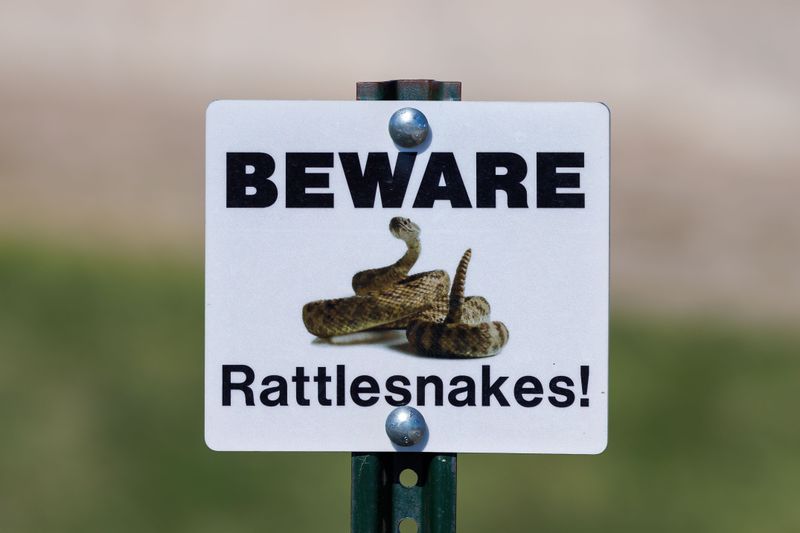
Rattlesnakes are common in the Sierra foothills and lower canyons, especially from spring through early fall. They like warm rocks, log piles, and tall grass beside the path.
Keep your dog centered on the trail and out of brush.
Some owners use rattlesnake-avoidance training, and veterinarians can discuss whether a rattlesnake vaccine is appropriate. UC Davis does not currently recommend routine vaccination because evidence of its effectiveness is limited.
If a bite happens, keep your dog as calm and still as possible and seek veterinary care immediately.
7. Protect Paws From Hot Trails
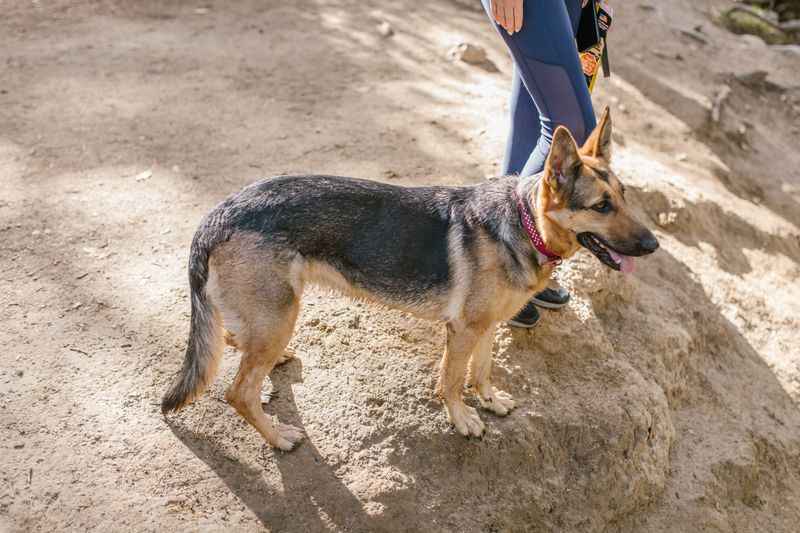
Granite slabs and dark dirt soak up summer sun. Press the back of your hand to the ground for seven seconds; if it stings, it is too warm for paws.
Early morning starts solve most of this.
Booties help on exposed stretches, though dogs need practice wearing them at home first.
Shade breaks under pines let paw pads cool before the next section.
8. Prepare For Snow And Cold
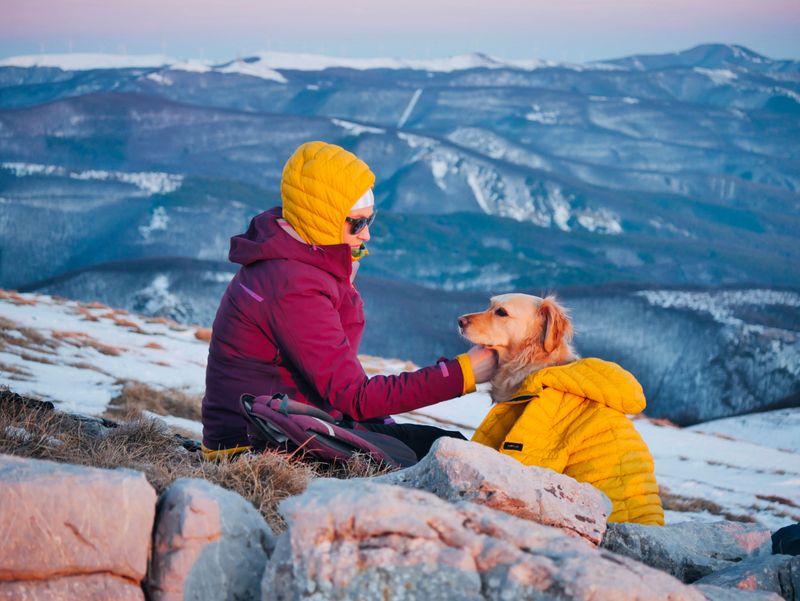
Sierra weather flips quickly, and snow lingers at higher passes well into summer. Short-coated dogs benefit from an insulated jacket once temperatures drop.
Ice balls can form between toes, so trim the fur there and check often.
Bring a sleeping pad for camp; frozen ground pulls heat from a resting body.
Watch for shivering or reluctance to move, and warm your dog up promptly.
9. Stay Safe Around Fast-Moving Water
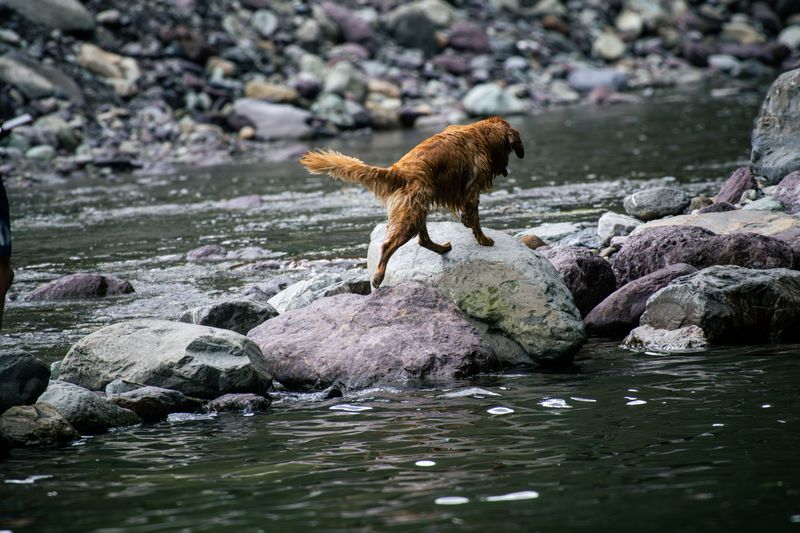
Spring snowmelt turns gentle creeks into powerful currents. Water that looks shallow can move with surprising force, especially in May and June.
Leash your dog near river crossings and waterfall overlooks.
A canine life jacket adds real security around alpine lakes and reservoirs.
Cold water also saps strength quickly, so keep swims short. Dry your dog off before the temperature drops in the evening.
10. Protect Paws From Rocky Terrain
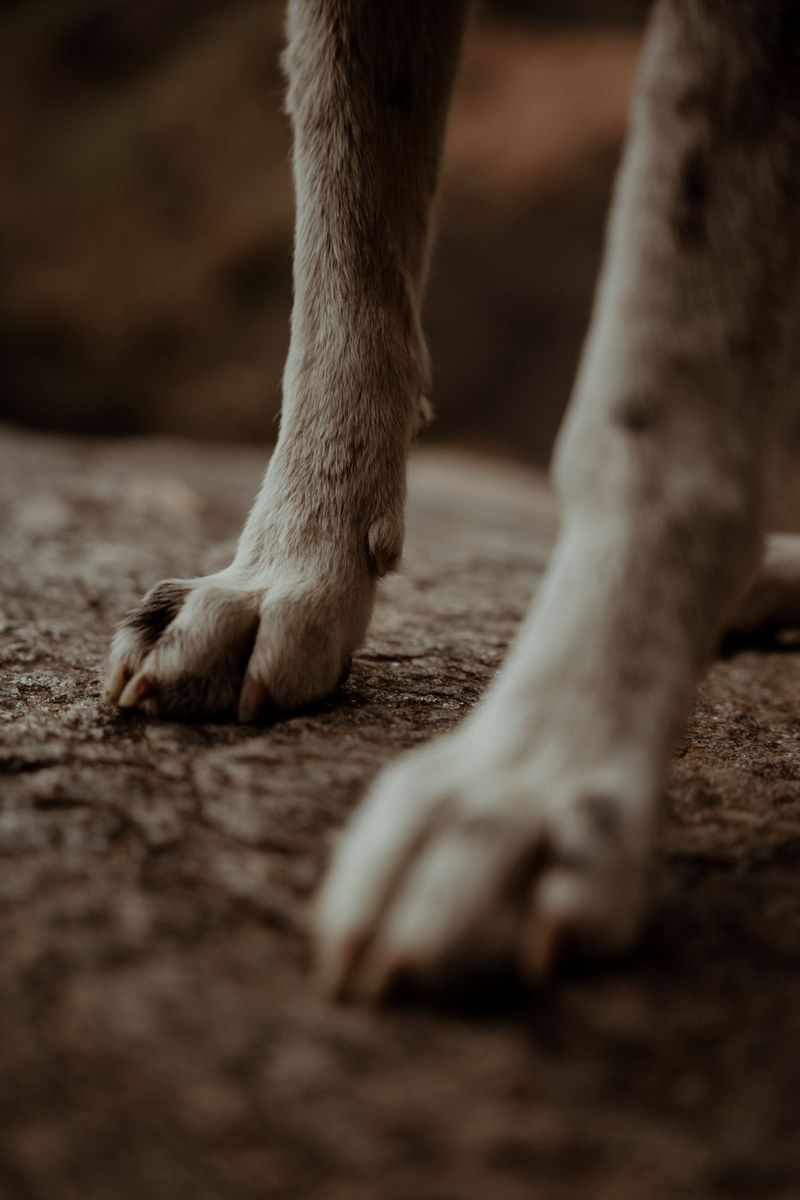
Decomposed granite acts like coarse sandpaper under soft pads. Dogs used to sidewalks often wear their paws raw after a few miles of talus.
Build up mileage on gravel paths in the weeks before your trip.
A paw balm may help moisturize and protect pads, but it should not be relied on to toughen them for demanding terrain.
Check all four feet during snack breaks, looking for cracks, cuts, or lodged pebbles.
Booties in the pack make a fine backup plan.
11. Pack A Dog-Sized First-Aid Kit
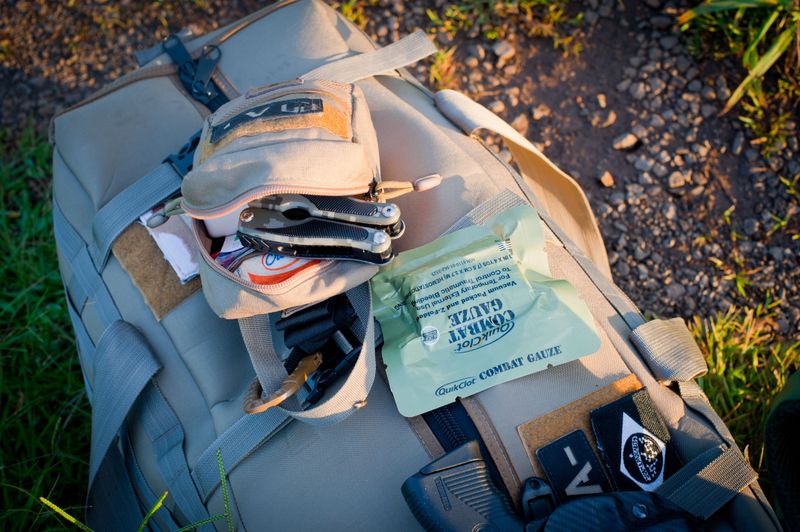
Ask any backcountry vet and you will hear the same advice: small kits prevent big problems. Include gauze, self-adhesive wrap, tweezers, blunt scissors, and antiseptic wipes.
Add a spare leash and a clean sock to cover an injured paw.
Toss in a copy of vaccination records for boarding or emergencies.
Save the number of a vet clinic near your trailhead in your phone before leaving.
12. Check For Ticks After Every Hike
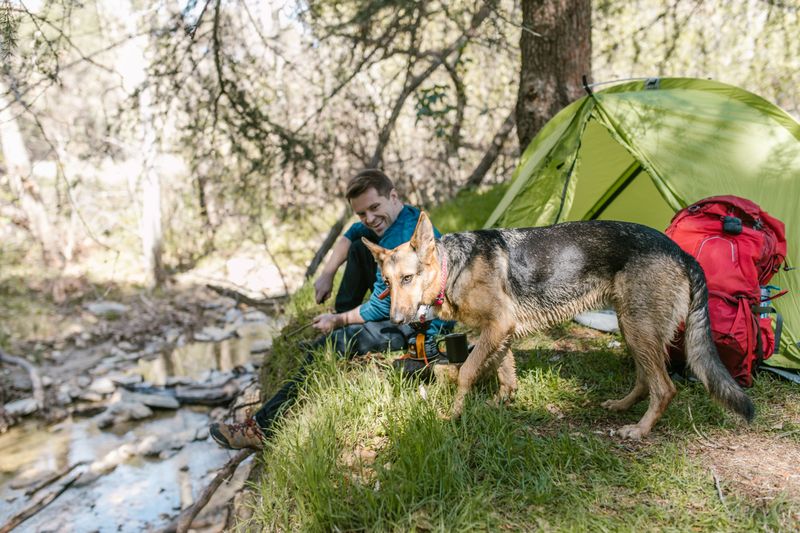
Ticks thrive in the grassy foothills and oak woodlands on the way up. California has documented Lyme disease cases, so daily checks matter.
Run your fingers around ears, armpits, the neck, and between toes.
Use fine tweezers to grip close to the skin and pull straight out.
Talk with your vet about year-round preventives. Most take just seconds to give each month.
13. Avoid Poisonous Plants And Mushrooms

Curious noses find trouble in damp forest duff. Wild mushrooms, foxtails, and certain seeds can cause real problems if chewed or inhaled.
Foxtails are especially common in dry California grass and burrow into ears and paws.
Teach a reliable leave it cue before your trip.
If your dog eats something unknown, call a vet or a pet poison hotline right away and describe it.
14. Download Maps Before Losing Cell Service

Cell coverage disappears within minutes of leaving most Sierra highways. Download offline maps at home, where the wifi is fast and free.
Mark the trailhead, water sources, and the nearest emergency vet.
A paper map and compass make a reliable backup when batteries fade in the cold.
Tell someone your route and expected return time. That single text has helped countless hikers get found sooner.
15. Follow Campground And Wilderness Rules
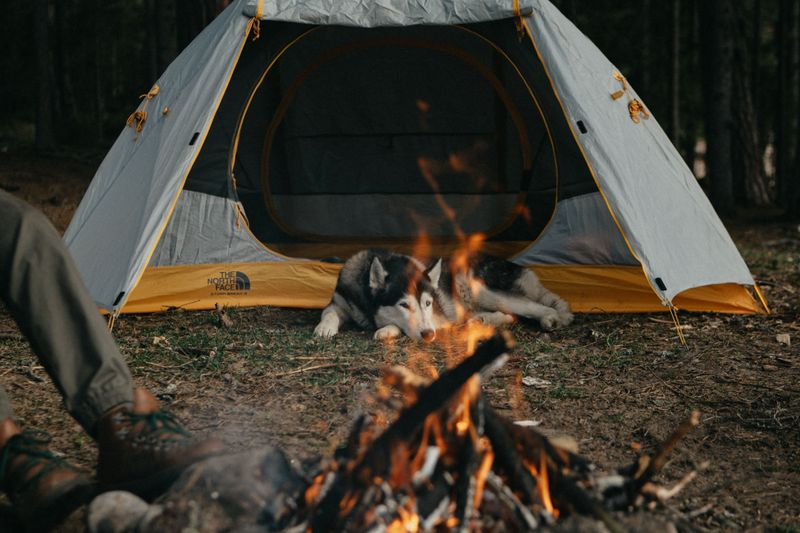
Campgrounds usually welcome dogs but expect them leashed and quiet after hours. Many limit two pets per site and ask that they never be left alone.
Wilderness permits sometimes carry extra pet conditions, so read the fine print.
Fire restrictions and food storage rules apply to dog food too.
Rangers appreciate polite owners, and good behavior keeps these areas open to pets.
16. Always Pack Out Dog Waste
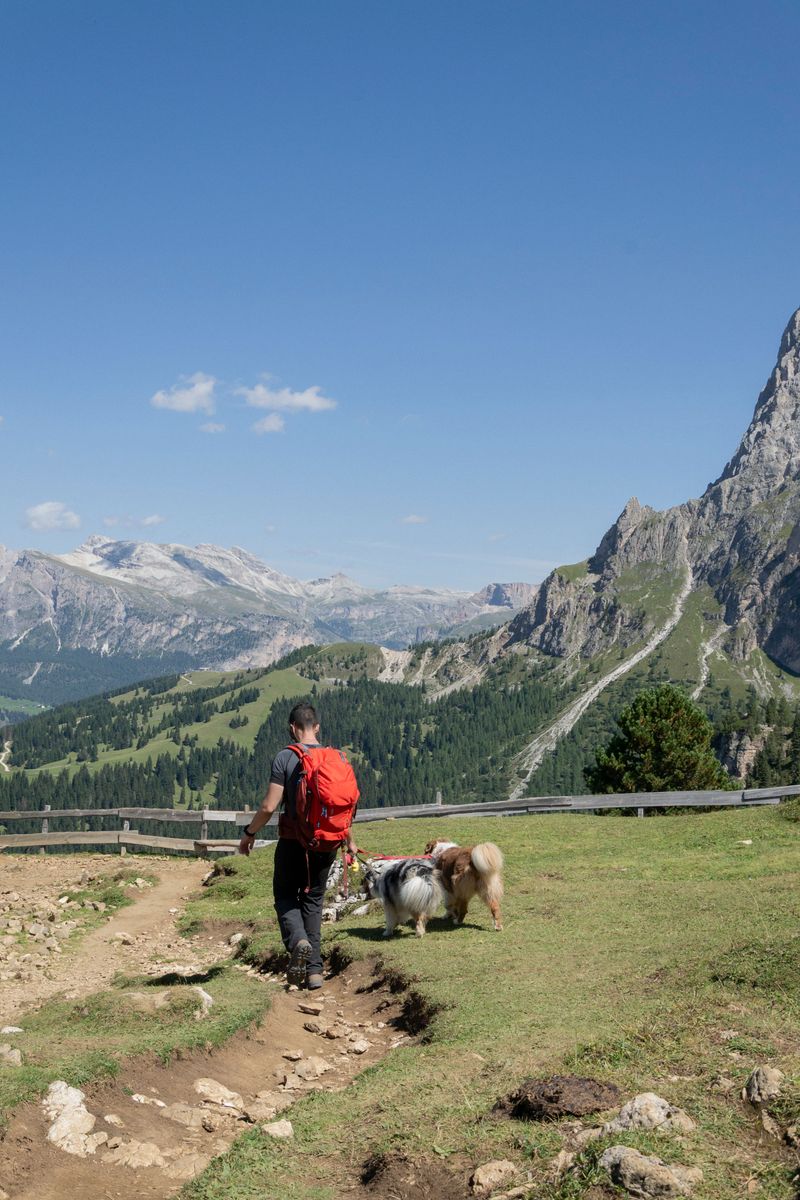
Nothing ruins an alpine meadow faster than forgotten bags left beside the trail. Pet waste can introduce contaminants into waterways and affect wildlife, so it should be disposed of according to the area’s rules.
Carry doubled bags and a small odor-proof pouch or clip.
Waste-disposal rules vary by wilderness area and land manager. Some locations require pet waste to be packed out, while others may allow disposal in a properly placed hole, so check local guidance before your trip.
Leaving no trace keeps trails welcoming for the next dog and owner.
Happy trails out there.